
The Impact of Western Fashion on Japanese Nobility during the Edo Period

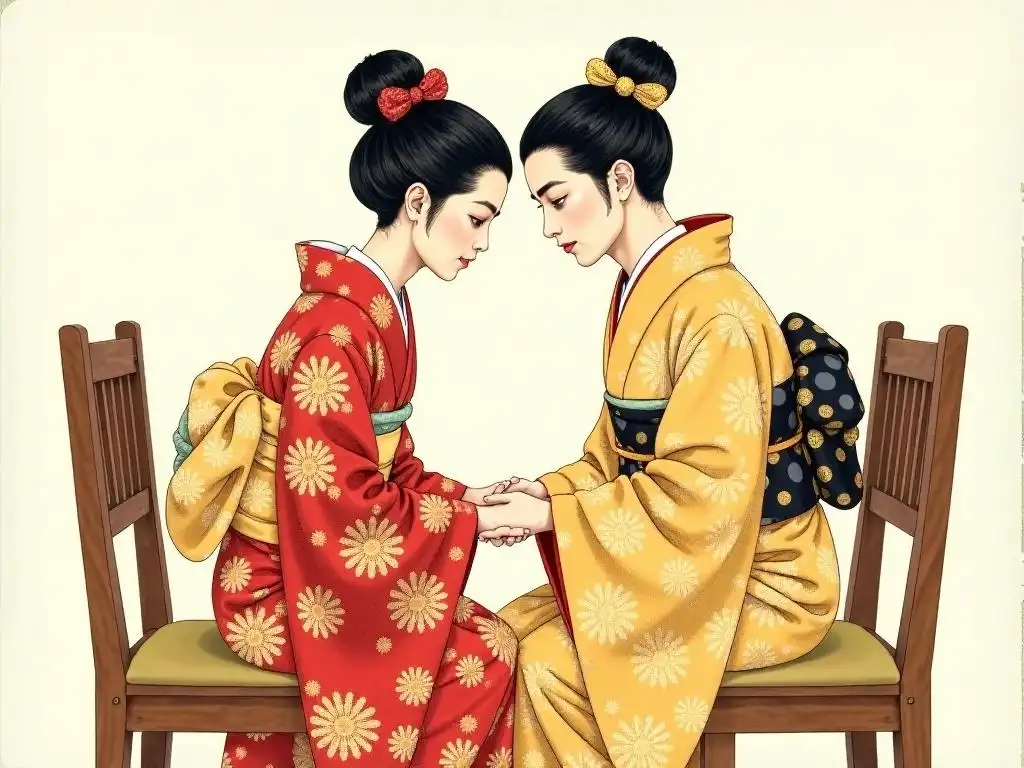
Welcome to Feudal Japan History! Prepare to embark on a fascinating journey through the intricate tapestry of Japan's feudal era. Here, we delve into the impact of Western fashion on Japanese nobility during the Edo period, revealing how foreign influences reshaped cultural identities and societal norms. Curious about how the elegance of Western attire intertwined with the traditions of samurai and shogunate? Join us as we uncover the layers of history that transformed fashion and diplomacy in this captivating epoch. Your exploration starts now—dive deeper into the past and discover what lies beyond the silk and threads of time!
Western fashion had a profound impact on the aesthetics and cultural practices of Japanese nobility during the Edo period (1603-1868). This era marked a unique intersection of traditional Japanese customs and the emerging influences of Western styles. As Japan began to open its doors to the West, the nobility found themselves at the forefront of adopting new fashion trends that reflected both prestige and modernity. This article delves into the intricate dynamics of how Western fashion influenced the sartorial choices of Japanese elites, reshaping their identities and societal roles.
Introduction to Western Fashion Influence in the Edo Period
During the Edo period, Japan maintained a policy of isolation known as sakoku, which limited foreign interaction. However, this isolation began to ease in the late 18th century, allowing for the gradual infusion of Western ideas and aesthetics into Japanese society. The fascination with Western clothing styles among the Japanese nobility was not merely a trend; it represented a significant cultural shift. Nobles began to adopt elements of Western fashion, integrating them with traditional attire. This fusion created a unique sartorial language that conveyed both admiration for the West and a desire to maintain distinct Japanese cultural identities.
Historical Context of Western Influence in Japan
Trade Relations between Japan and the West
While Japan's isolationist policies restricted direct trade with most Western countries, limited exchanges occurred primarily with the Dutch, who were allowed to trade through the port of Nagasaki. This trade was crucial in introducing Western goods, including fabrics and garments, to Japanese society. The arrival of items such as silk and wool from Europe, along with illustrations and descriptions of Western clothing styles, sparked interest among the Japanese elite. Nobles began to experiment with these new materials and designs, blending them into their fashion repertoire.
The Social Structure of Japanese Nobility
The Japanese nobility, or kuge, played a pivotal role in shaping cultural trends during the Edo period. As the ruling class, they were expected to embody refinement and sophistication. The adoption of Western fashion was a symbol of status and modernity, as it set them apart from the common populace.
This social structure, characterized by strict hierarchies and roles, allowed for the dissemination of Western influences primarily among the elite. As a result, the integration of Western fashion was not merely a matter of personal preference but a reflection of the nobles' position within society, showcasing their adaptability and progressive outlook.
The Influence of Western Fashion on Japanese Nobility
The Edo period (1603-1868) was a time of relative peace and stability in Japan, allowing for the flourishing of culture and trade. During this era, particularly in the late 19th century, Western influences began to permeate Japanese society, particularly within the nobility. The introduction of Western fashion not only changed the way the elite dressed but also had broader implications for their cultural identity and societal norms. The fascination with Western styles was driven by a mix of curiosity, admiration, and the desire to showcase status and modernity.
Adoption of Western Clothing Styles
The adoption of Western clothing styles among the Japanese nobility began in the late Edo period, particularly during the Bakumatsu (1853-1867) period when Japan faced increasing contact with Western nations. Western garments such as tailcoats, trousers, and dresses became popular among the upper classes, influenced by the desire to emulate foreign sophistication.
Notably, samurai and wealthy merchants began to wear Western-style suits, often integrating them with traditional elements. For instance, some would wear a hakama (a traditional Japanese garment) over Western trousers, creating a hybrid style that reflected both adherence to tradition and the allure of modernity. This blending of styles was emblematic of the broader cultural shifts occurring in Japan as Western influences became more pronounced.
Changes in Textile and Material Usage
With the adoption of Western clothing styles, there was a significant shift in the types of textiles and materials used in noble attire. Traditional Japanese garments were typically made from silk or cotton, but the influx of Western fashion led to the incorporation of new fabrics such as wool, linen, and synthetic materials. These materials not only provided different textures and aesthetics but also allowed for greater versatility in design.
Furthermore, the production techniques for these textiles evolved, with an increased emphasis on tailoring and fitting, akin to Western styles. This shift transformed the Japanese textile industry, prompting artisans to experiment with new techniques and patterns, ultimately enriching Japan's own textile heritage.
Cultural Implications of Western Fashion in Edo Japan
The impact of Western fashion on Japanese nobility extended beyond mere clothing. It influenced cultural perceptions, social hierarchies, and the very fabric of Japanese identity during the Edo period. This transformation was not without its controversies and complexities, as the blend of Western and traditional styles sparked discussions about modernity and cultural integrity.
Shifts in Aesthetic Values
As Western fashion took root among the nobility, there was a notable shift in aesthetic values. The elegance and intricacy of Western designs challenged traditional Japanese aesthetics, which had long emphasized simplicity and natural beauty. This evolution led to a re-evaluation of what constituted beauty and style in Japanese society.
The adoption of Western elements often reflected a desire for modernization and progress, aligning with the broader nationalistic movements that emerged towards the end of the Edo period. This drive for modernization was seen as a means to strengthen Japan in the face of foreign pressures, thus intertwining fashion with national identity.
Societal Reactions to Western Fashion
The introduction of Western fashion elicited a range of reactions from different segments of society. While the nobility embraced these new styles as a symbol of status and progress, many traditionalists viewed it with skepticism. Critics argued that the adoption of Western clothing represented a loss of cultural identity, suggesting that the embrace of foreign fashions undermined Japan's rich heritage.
This tension resulted in a dynamic dialogue about identity and modernization within Japan. Some factions advocated for a return to traditional clothing, while others saw Western fashion as essential to Japan’s evolution. The debates surrounding Western fashion thus became a microcosm of the larger struggles over modernization that characterized the late Edo period and the subsequent Meiji Restoration.
The Lasting Legacy of Western Fashion Influence
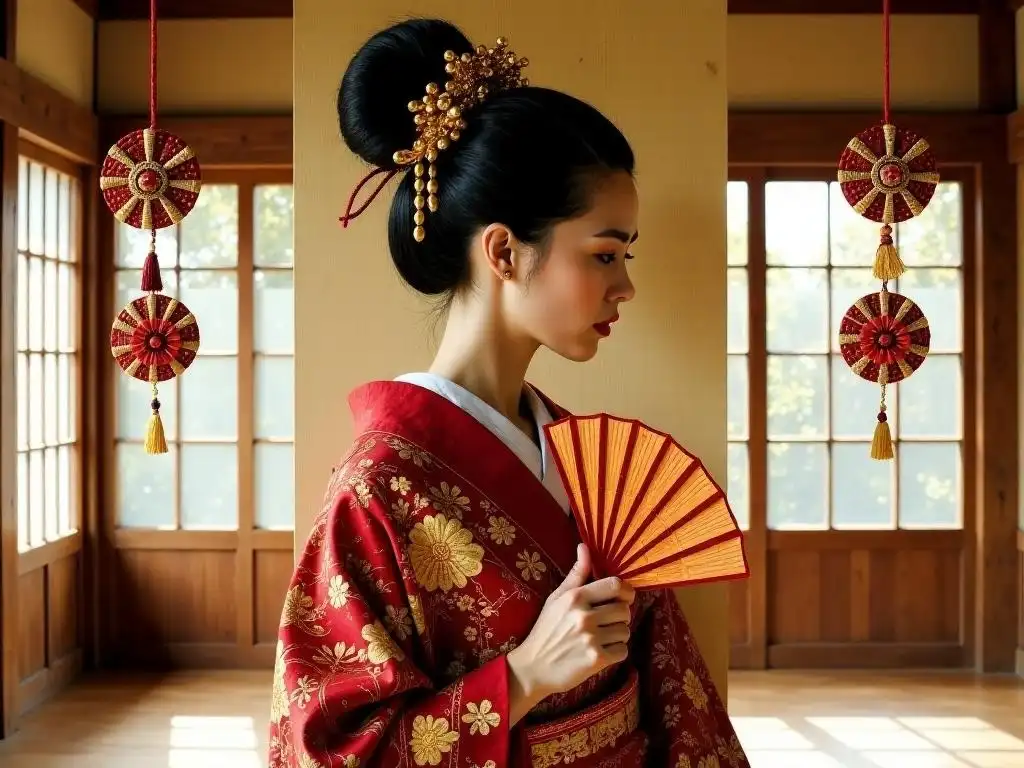
The influence of Western fashion during the Edo period (1603-1868) left an indelible mark on Japanese nobility that resonates even into contemporary society. As Japan began to open its doors to foreign trade and interactions, particularly during the late Edo period, Western clothing styles started to infiltrate the traditional Japanese wardrobe. This exchange was not merely superficial; it represented a significant cultural shift that transformed societal norms around attire and self-expression.
Nobility, eager to display their wealth and sophistication, often adopted Western garments, incorporating elements like tailored suits, silk fabrics, and intricate embroidery. This trend was not restricted to clothing alone; accessories such as hats and shoes also became popular among the elite. The blending of Western and traditional Japanese styles resulted in unique hybrid fashions, showcasing the nobility's status and cosmopolitan values. This legacy can be seen in the modern fashion scene of Japan, where traditional garments like the kimono coexists with Western-inspired attire, reflecting a rich tapestry of cultural influences.
Influence on Modern Japanese Fashion
The impact of Western fashion on the nobility during the Edo period set the stage for a profound evolution in Japanese fashion that continues today. Modern Japanese designers often draw inspiration from the aesthetics of both Western and traditional styles, creating a distinctive fashion identity. For instance, the incorporation of Western silhouettes can be observed in contemporary Japanese street fashion, which blends elements of punk, pop, and traditional designs.
Moreover, the fusion of Western fashion with Japanese craftsmanship has led to the creation of unique textile innovations and fashion trends. Designers such as Issey Miyake and Yohji Yamamoto have successfully integrated Western influences while preserving the essence of Japanese artistry, resulting in collections that resonate on global platforms. This ongoing dialogue between Eastern and Western fashion illustrates the enduring legacy of the Edo period's sartorial experimentation.
Implications for Future Japan-West Interactions
The historical influence of Western fashion on the Japanese nobility during the Edo period carries significant implications for future Japan-West interactions. As global fashion continues to evolve, the lessons learned from this period highlight the potential for mutual cultural enrichment. The blending of diverse styles promotes creativity and innovation, fostering a more inclusive approach to fashion that transcends geographical boundaries.
Furthermore, the Edo period experience underscores the importance of cultural sensitivity in fashion. Future interactions between Japan and the West should prioritize respect for heritage and tradition while embracing modern influences. This balanced approach can lead to collaborative efforts in fashion that celebrate both cultures, creating new trends that honor the past while looking toward the future.
Conclusion: The Significance of Western Fashion Influence on Edo Period Nobility
The influence of Western fashion on Japanese nobility during the Edo period was a transformative force that reshaped societal norms and established a legacy that persists today. This cultural exchange not only enhanced the visual aesthetics of the time but also laid the groundwork for ongoing Japan-West interactions in fashion and beyond.
Understanding this historical context allows for a deeper appreciation of how fashion acts as a conduit for cultural dialogue. The blending of Western and Japanese styles during the Edo period serves as a reminder of the richness that arises from cross-cultural encounters. As Japan continues to navigate its identity in a globalized world, the lessons learned from this era remain relevant, illustrating the enduring significance of fashion as a reflection of cultural evolution and interaction.
References
The influence of Western fashion on Japanese nobility during the Edo Period is a subject that has garnered significant scholarly attention. The following references provide essential insights and detailed analyses of this fascinating interaction between cultures:
- Mason, R. H. P. (2002). Japan's Late Feudal Era: A Study of Western Influence. This book delves into the nuances of Western engagement with Japan during the Edo period, emphasizing how foreign styles began to permeate Japanese nobility's clothing choices.
- Gordon, A. (2013). A Modern History of Japan: From Tokugawa Times to the Present. This comprehensive work offers a historical context that includes the transition of fashion trends and their implications for the Japanese elite.
- Yasuda, K. (2008). The Transformation of Japanese Culture: Westernization and Modernization. This article discusses the broader cultural shifts resulting from Western influence, including fashion, art, and societal norms.
- Harris, J. (2010). The Visual Culture of Edo Japan: Art, Fashion, and Society. Harris’s research highlights the visual impact of Western styles on Edo-period attire, particularly among the samurai class and aristocracy.
- Tanaka, Y. (2016). Cross-Cultural Exchanges in Fashion: The Case of Japan and the West. This journal article examines specific examples of Western fashion elements adopted by Japanese nobility and their significance in the context of cross-cultural exchange.
- Kawabata, Y. (2019). Threads of Influence: The Impact of Western Textiles on Japanese Fashion. This paper discusses the textile trade and how Western materials influenced traditional Japanese clothing designs.
These references not only provide a detailed historical overview but also offer critical analyses of how Western fashion influenced the aesthetics and identities of Japanese nobility during the Edo period. By consulting these works, readers can gain a deeper understanding of the complexities involved in this cultural convergence.
- Introduction to Western Fashion Influence in the Edo Period
- Historical Context of Western Influence in Japan
- The Influence of Western Fashion on Japanese Nobility
- Cultural Implications of Western Fashion in Edo Japan
- The Lasting Legacy of Western Fashion Influence
- Conclusion: The Significance of Western Fashion Influence on Edo Period Nobility
- References
- What was the Edo period in Japan?
- How did Western fashion influence Japanese nobility during the Edo period?
- What types of Western garments were adopted by the Japanese nobility?
- Were there any cultural implications of this fashion influence?
- How did the Edo period set the stage for future fashion trends in Japan?
Frequently Asked Questions
What was the Edo period in Japan?
The Edo period (1603-1868) was a time of peace, stability, and economic growth in Japan, characterized by the rule of the Tokugawa shogunate and a strict social hierarchy.
How did Western fashion influence Japanese nobility during the Edo period?
Western fashion began to permeate the Japanese elite, leading to a blending of styles that reflected cultural exchange and the growing interest in European aesthetics.
What types of Western garments were adopted by the Japanese nobility?
Nobility often embraced items such as coats, trousers, and hats, integrating them with traditional Japanese attire while experimenting with fabrics and accessories.
Were there any cultural implications of this fashion influence?
The influence of Western fashion symbolized a shift towards modernization and global engagement, affecting social norms and the perception of identity among the aristocracy.
How did the Edo period set the stage for future fashion trends in Japan?
The Edo period laid the groundwork for fashion evolution, as the blend of traditional and Western styles during this time paved the way for the rapid changes seen in the Meiji era.
Final Reflection: The Enduring Influence of Western Fashion on Edo Period Nobility
The intersection of Western fashion and Japanese nobility during the Edo period serves as a compelling reminder of the power of cultural exchange. Today, as globalization continues to blur the lines between distinct cultural identities, we can see how the adoption of foreign styles can shape societal norms and personal expression. The Edo period exemplifies this phenomenon, illustrating how Western influences not only transformed the aesthetic preferences of the Japanese elite but also challenged traditional values and notions of identity.
The impact of Western fashion during this time resonates deeply within our contemporary cultural landscape. The blending of styles and ideas fosters a dialogue that transcends borders, encouraging individuals to embrace diversity and innovation. As we reflect on this historical interplay, we are reminded of the words of fashion historian Valerie Steele: Fashion is a form of cultural diplomacy, a way to communicate and connect across cultures.
This observation underscores the ongoing relevance of fashion as a medium through which we can explore and celebrate our differences while finding common ground.
As we move forward, I invite you to reflect on the lessons from the past and consider how the influences of various cultures shape your own identity and style. Embrace the beauty of diversity in fashion and beyond, and let it inspire you to create a personal narrative that honors both tradition and innovation. In doing so, you contribute to a rich tapestry of cultural exchange that continues to evolve, reminding us that the threads of history are woven into the fabric of our lives today.
Embrace the Legacy: Dive into the Influence of Fashion!
Thank you for taking the time to explore the fascinating interplay between Western fashion and Japanese nobility during the Edo period. Your interest helps illuminate how cultural exchanges shape our world! Now, it’s time to take some inspired action and further connect with this vibrant history.
- Explore the archives of art and fashion from the Edo period—visit a local museum or browse an online exhibit that showcases this unique blend of styles.
- Share your favorite insights about the impact of fashion on culture with friends and family! Use social media to spark conversations—how do you think fashion continues to influence modern society?
- Join a community group or an online forum dedicated to historical fashion. Engage with others who share your passion and deepen your understanding of this intriguing period.
How do you see the legacy of Edo period fashion influencing today's cultural trends around the globe?