
The Role of Education in Shaping the Tokugawa Samurai Identity

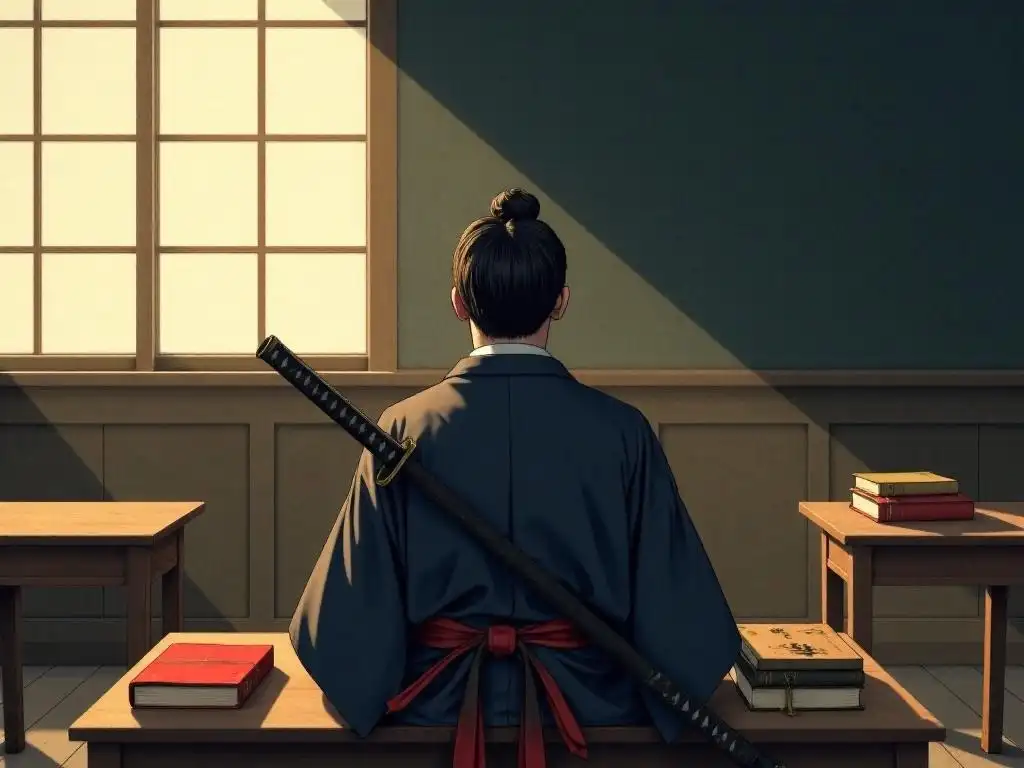
Welcome to Feudal Japan History, where we embark on a fascinating journey through the intricate tapestry of Japan’s feudal era. Delve into the profound impact of Tokugawa Samurai education, a cornerstone of the samurai identity that shaped the political landscape of Japan. What secrets did this unique educational system hold, and how did it forge the values and responsibilities of these legendary warriors? Join us as we unravel the complex interplay of culture, society, and politics during this pivotal time in history. Your exploration begins now!
Education played a pivotal role in shaping the identity of the Tokugawa samurai, a warrior class that dominated Japan during the Tokugawa Shogunate (1603-1868). The period was marked by relative peace and stability, which allowed the samurai to shift their focus from martial prowess to intellectual and moral development. This transformation was not just a matter of personal growth but also a strategic necessity for maintaining social order and authority.
The impact of Tokugawa samurai education can be observed through various facets, including its influence on loyalty, ethics, and governance. In this article, we will delve into the intricacies of samurai education during this era, exploring its historical context and the profound changes that defined the educational landscape of the time.
Introduction to Tokugawa Samurai Education
Overview of the Tokugawa Shogunate Era
The Tokugawa Shogunate, established by Tokugawa Ieyasu, ushered in a period of peace known as the Edo period. This era was characterized by a rigid social hierarchy, with the samurai class at the top, followed by farmers, artisans, and merchants. The shogunate implemented strict regulations that not only controlled the political landscape but also influenced cultural and educational practices. The samurai, traditionally warriors, increasingly became bureaucrats and scholars, embracing education as a means to enhance their status and fulfill their roles in society.
Importance of Education in Samurai Society
Education was vital for the samurai, who were expected to not only excel in combat but also demonstrate wisdom, loyalty, and ethical behavior. The samurai education system emphasized Confucian ideals, fostering a sense of duty and moral integrity. Samurai were trained in various subjects, including literature, philosophy, history, and martial arts, which helped cultivate their identity as both warriors and scholars. This duality was crucial for the samurai's role in maintaining order and governance during the Tokugawa era.
Historical Context of Samurai Education
The Evolution of Samurai Education Before the Tokugawa Period
Before the Tokugawa period, samurai education was largely focused on martial skills and training in the arts of war. However, with the onset of the Sengoku period (1467-1615), a shift began to take place. As the need for constant warfare diminished, there emerged a greater emphasis on learning and strategy. This period saw the rise of various educational institutions, where samurai could study military tactics, literature, and philosophy. Notable figures like Yamaga Sokō advocated for a more comprehensive educational framework that incorporated both martial and intellectual training.
Key Changes During the Tokugawa Shogunate
Under the Tokugawa Shogunate, education for the samurai underwent significant reforms. The establishment of domain schools (han schools) and the incorporation of Confucianism into the curriculum marked a turning point. These institutions aimed to instill loyalty to the shogunate, ethical conduct, and civic responsibility among samurai. The educational reforms emphasized not just the acquisition of knowledge but also the application of ethical principles in governance and daily life. This transformation solidified the samurai’s identity as a learned class, capable of navigating the complexities of a peaceful yet politically charged society.
The Structure of Samurai Education
The education of the Tokugawa samurai was a multifaceted system that combined formal schooling with informal mentorship. This dual structure played a critical role in shaping not only the intellectual capabilities of the samurai but also their moral and ethical foundations. The samurai were expected to be well-versed in various disciplines, blending martial skills with intellectual pursuits, which reflected the era’s emphasis on a holistic approach to a warrior's education.
At the core of samurai education was a strong emphasis on loyalty, honor, and service to their lord, which were essential components of their identity. The Tokugawa period, marked by relative peace known as the Pax Tokugawa, allowed for a greater focus on education rather than constant warfare. This shift enabled the samurai class to engage more deeply in scholarly pursuits, leading to the establishment of educational institutions specifically aimed at training future leaders and warriors.
Formal Education Institutions for Samurai
Formal education for samurai was primarily conducted in domain schools known as hankō or gakumonjo. These institutions were established by feudal lords and were exclusive to samurai. The curriculum typically included subjects such as Confucianism, history, literature, and martial arts, aiming to cultivate both the intellect and the physical prowess of the students.
Students were often grouped by age and ability, and their education was overseen by esteemed scholars and instructors. The emphasis placed on Confucian texts reinforced the values of loyalty and duty, which were paramount in samurai society. Moreover, students learned military strategy and tactics, preparing them to serve effectively in both administrative and combat roles if required.
Informal Learning: Mentorship and Traditions
In addition to formal education, informal learning through mentorship played a significant role in the development of a samurai’s character and skills. Young samurai would often be paired with more experienced mentors, who imparted knowledge and skills that were not typically covered in formal institutions. This relationship fostered a deep respect for tradition and a sense of duty that was integral to the samurai ethos.
Mentorship often extended beyond academic subjects to include practical lessons in bushido— the way of the warrior. This informal education was critical in reinforcing the importance of honor, loyalty, and respect for others, shaping not just skilled warriors but also responsible leaders.
Curriculum and Key Subjects in Samurai Education
The curriculum for samurai education was diverse, reflecting the multifaceted identity that the samurai were expected to embody. It encompassed both practical and theoretical knowledge, ensuring that samurai were well-prepared for their roles in society.
Military Training and Strategy
Military training was a cornerstone of samurai education, focusing on various forms of combat, strategy, and leadership in warfare. Students engaged in rigorous physical training that included swordsmanship, archery, and horse riding, cultivating both strength and agility.
Strategic studies involved the analysis of historical battles and military tactics, with samurai learning to adapt strategies for different combat scenarios. The teachings of renowned military texts, such as The Book of Five Rings by Miyamoto Musashi, became integral to developing a well-rounded understanding of warfare. This focus on military training ensured that the samurai were not only proficient warriors but also astute leaders capable of making critical decisions in the heat of battle.
Moral and Ethical Training: The Samurai Code (Bushido)
Moral and ethical training was another essential component of the samurai curriculum, centered around the principles of bushido, or the "way of the warrior." This code emphasized virtues such as loyalty, courage, honor, and benevolence.
Samurai were taught to embody these principles in their daily lives, fostering a sense of responsibility not only to their lords but also to their families and communities. Philosophical teachings, often rooted in Confucianism and Zen Buddhism, encouraged samurai to reflect on their actions and the impact they had on others, reinforcing the notion that a true warrior must be both strong and virtuous.
Arts and Culture: The Role of Aesthetics in Samurai Identity
In addition to military and ethical training, the education of samurai included a strong emphasis on arts and culture, which played a crucial role in shaping their identity. Samurai were encouraged to engage in artistic pursuits such as poetry, calligraphy, and the tea ceremony. These activities were not merely hobbies; they were viewed as essential to cultivating a refined character.
The appreciation for aesthetics allowed samurai to develop a sense of balance between their warrior duties and their role as cultured individuals. This duality enriched their identities, enabling them to embody both the fierce spirit of the warrior and the sensitivity of the artist. The integration of arts into samurai education contributed to the uniqueness of the Tokugawa samurai, setting them apart as not only formidable fighters but also as respected members of a culturally rich society.
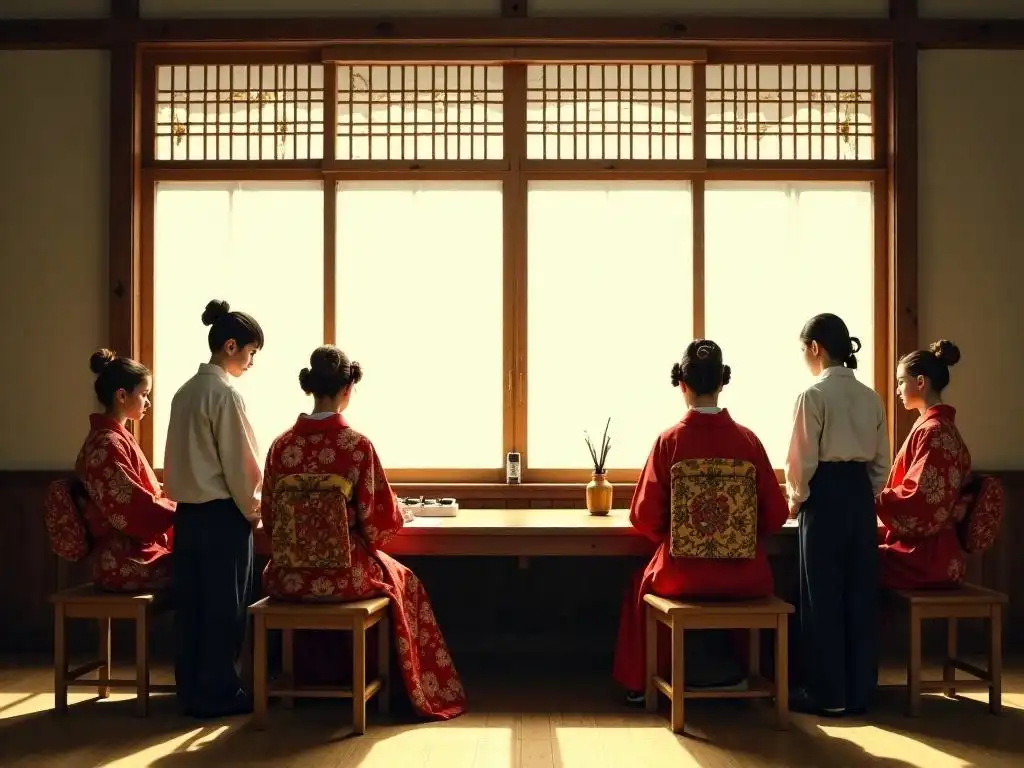
The education of samurai during the Tokugawa Shogunate played a pivotal role in reinforcing and defining the social hierarchy of feudal Japan. Samurai, as the warrior class, were not only expected to be skilled in martial arts but also to possess a strong moral and intellectual foundation. This duality of duty and knowledge created a distinct identity that separated them from other classes, such as farmers and merchants.
The curriculum of samurai education was centered around Confucian ideals, which emphasized loyalty, filial piety, and ethical governance. As a result, samurai were educated in literature, philosophy, and history, which equipped them with the necessary tools to navigate their roles as both warriors and scholars. This education reinforced their position in the social hierarchy by cultivating a sense of responsibility and leadership, essential for maintaining order in a system that valued hierarchy and status.
While the samurai class was rigidly defined, education provided a unique pathway for social mobility within this stratified society. The Tokugawa period saw the establishment of various educational institutions, such as clan schools (han school) and private academies, which were accessible to a broader spectrum of the samurai class. These institutions allowed lower-ranking samurai and even those from non-samurai backgrounds to receive formal education, which in turn could elevate their status.
For instance, successful completion of a rigorous educational program could enable a lower-ranking samurai to gain favor with their lord, potentially leading to promotions or increased responsibilities. This educational empowerment not only cultivated a sense of ambition among aspiring samurai but also contributed to a more educated and capable class of warriors who were essential to the governance of their domains.
The Role of Samurai in Governance and Administration
The education of samurai was not limited to martial skills; rather, it extended into the realms of governance and administration. Samurai were often tasked with managing lands, collecting taxes, and maintaining order within their territories. Their education in administrative practices, law, and ethics was crucial in preparing them for these roles.
Through their training, samurai learned about the complexities of governance and the importance of just rule. Their ability to read and interpret laws, engage in diplomatic negotiations, and manage local affairs made them indispensable to the Tokugawa regime. This integration of education and governance solidified the samurai's role as not only warriors but also as stewards of the peace and stability that characterized the Tokugawa era.
Case Studies of Prominent Samurai Educators
Influential Figures in Tokugawa Samurai Education
Throughout the Tokugawa period, several samurai educators emerged who significantly influenced the educational landscape of their time. Figures such as Yamaga Sokō and Itō Jinsai are notable for their contributions to samurai education, focusing on the integration of Confucianism with practical governance.
Yamaga Sokō, for example, was an influential thinker who advocated for a blend of martial training with philosophical education. His teachings emphasized the importance of ethical conduct for samurai, promoting the idea that a true warrior must also be a man of wisdom. Similarly, Itō Jinsai's approach to education stressed the value of practical knowledge and moral integrity, which resonated with many samurai seeking to embody the ideals of their class.
The Legacy of Samurai Educators on Future Generations
The impact of samurai educators extended far beyond their immediate influence; they laid the groundwork for future generations of leaders and scholars in Japan. The principles of ethics, governance, and martial discipline that were emphasized in samurai education continued to resonate throughout the Edo period and beyond.
The legacy of these educators can be seen in the way subsequent generations of samurai approached their roles. The emphasis on education and moral integrity became a hallmark of the samurai identity, influencing not only the warrior class but also the broader societal values of Japan. This educational heritage ultimately contributed to the development of a more informed citizenry, paving the way for modernization and reform in the Meiji era.
The Long-term Impact of Tokugawa Samurai Education
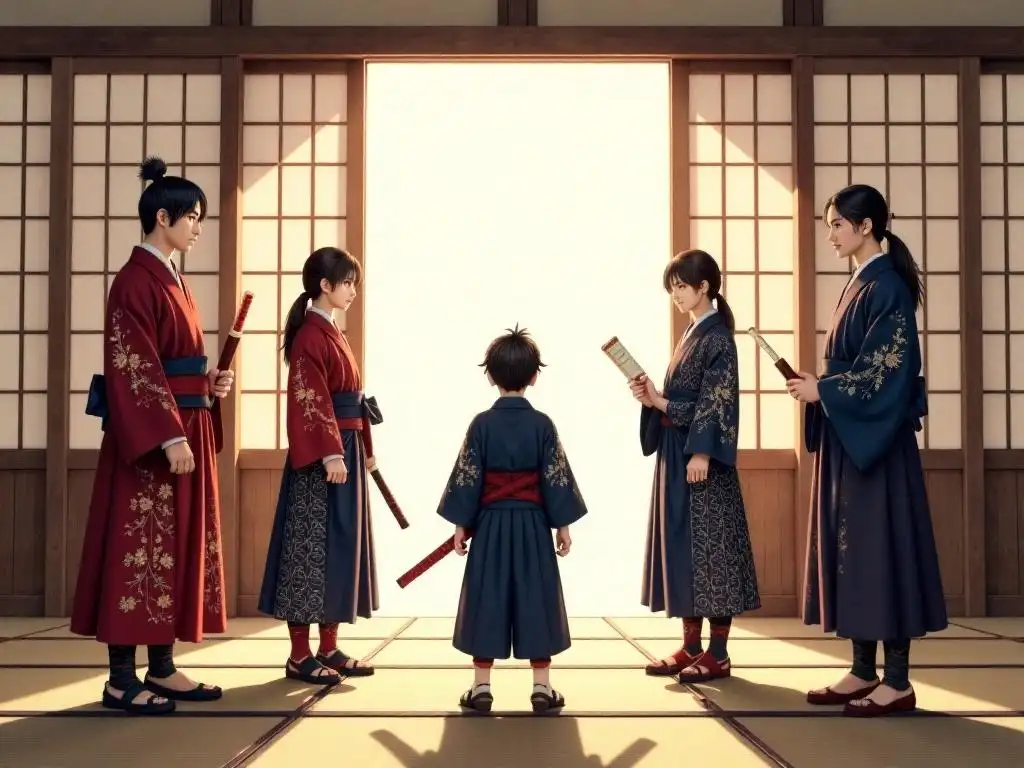
The education system during the Tokugawa era (1603-1868) played a crucial role in molding the samurai identity and has had long-lasting effects on Japanese society. The emphasis on Confucian principles fostered not only a sense of duty and loyalty among samurai but also cultivated intellectual capabilities. Samurai were expected to be well-versed in literature, philosophy, and governance, which set a precedent for future generations regarding the value of education in leadership roles.
Additionally, the establishment of domain schools (han schools) allowed for the proliferation of education among the samurai class, creating a more educated elite. This educational infrastructure contributed to the formation of a bureaucratic society where samurai transitioned from warriors to administrators. The skills acquired during this period established a foundation for Japan’s eventual modernization, influencing sectors beyond the military into governance, commerce, and education itself.
Education's Role in Shaping Modern Japanese Society
The legacies of Tokugawa samurai education are evident in modern Japanese society, particularly in its educational values. The commitment to discipline, respect for knowledge, and the pursuit of self-improvement can be traced back to the samurai's educational experiences. Today, Japan places a high value on education, reflected by rigorous academic standards and a competitive schooling system.
Furthermore, the Confucian ideals that permeated samurai education—such as filial piety and loyalty—continue to influence contemporary Japanese social norms and family structures. This historical lineage highlights how the educational practices of the past have shaped collective societal values, reinforcing the importance of education in maintaining social order and harmony.
Comparisons Between Tokugawa Education and Contemporary Educational Systems
When comparing Tokugawa education with contemporary educational systems, several key differences and similarities emerge.
- Curriculum Focus: Tokugawa education emphasized classical texts, moral philosophy, and practical governance. In contrast, modern education encompasses a broader curriculum that includes science, technology, and arts, reflecting a shift towards a more diverse knowledge base.
- Access and Inclusivity: Samurai education was largely limited to the samurai class, whereas contemporary systems strive for inclusivity, providing education for all social classes. Modern Japan promotes equal access to education, exemplified by compulsory schooling laws.
- Teaching Methods: The Tokugawa era employed methods such as rote memorization and recitation, rooted in Confucian traditions. Today's educational practices emphasize critical thinking, creativity, and collaborative learning, reflecting a more dynamic approach to knowledge acquisition.
Despite these differences, the importance of education as a means of personal development and societal contribution remains a common thread linking Tokugawa educational philosophies to modern practices.
Conclusion: The Enduring Legacy of Tokugawa Samurai Education
The educational practices of the Tokugawa samurai have left an indelible mark on Japanese culture and society. The principles learned during this era not only shaped the samurai identity but also influenced subsequent generations, embedding a respect for education in the national ethos. This legacy manifests in Japan's commitment to lifelong learning and the high regard for scholarly achievement.
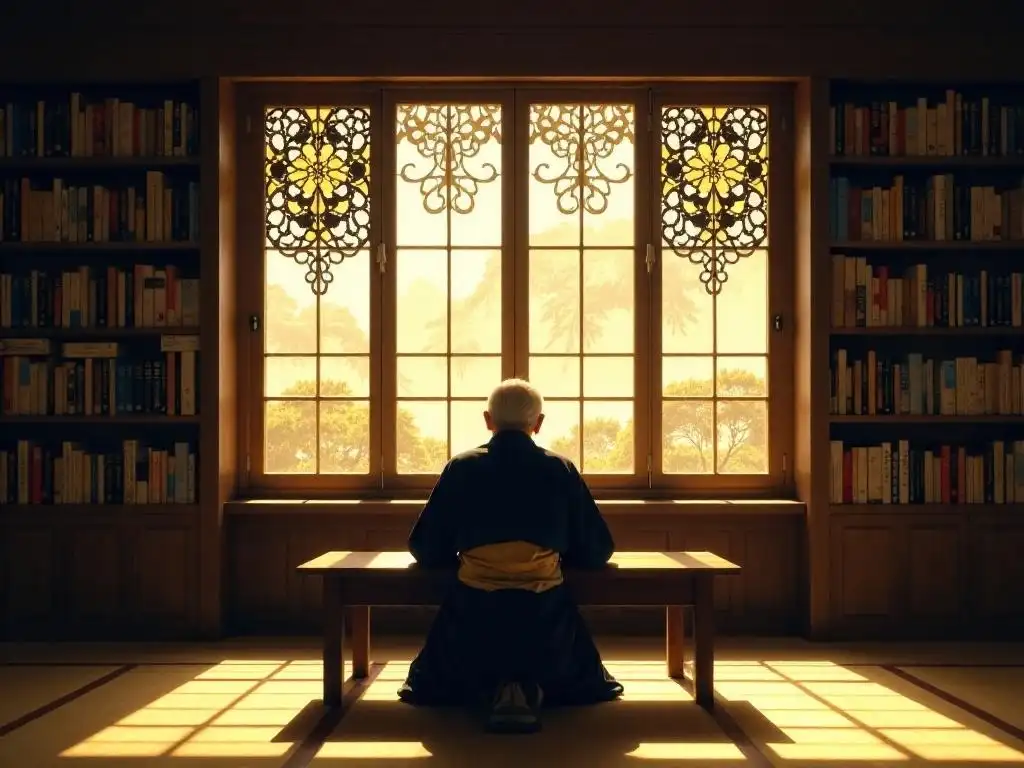
Reflecting on the impact of education on samurai identity reveals a complex interplay between knowledge and social status. The education received by samurai not only enhanced their capabilities as warriors but also transformed their roles into scholars and administrators. This duality enriched the samurai identity, allowing them to navigate both the martial and intellectual realms effectively.
The cultivation of ethical virtues through education instilled a strong sense of duty and loyalty, essential characteristics of the samurai ethos. These traits have resonated throughout Japanese history, influencing various aspects of society, including governance, business practices, and cultural expression.
The Importance of Historical Education in Understanding Feudal Japan
Understanding the role of education in the feudal era, particularly during the Tokugawa period, is crucial for comprehending the broader historical context of Japan. Historical education provides insight into the values, beliefs, and systems that governed samurai life and society at large.
By examining the educational practices of the time, scholars and enthusiasts can better appreciate the complexities of the samurai identity and its evolution. This understanding also sheds light on how historical education shapes contemporary perspectives on authority, ethics, and social responsibility in Japan today. Thus, studying the Tokugawa educational legacy is not merely an exploration of the past, but a vital link to understanding modern Japanese society.
References and Further Reading
The study of Tokugawa Samurai education offers a fascinating glimpse into how education shaped the identity and values of the samurai class during Japan's feudal era. To deepen your understanding of this subject, the following recommended texts and resources provide valuable insights into the educational practices, historical context, and cultural significance of the Tokugawa Shogunate.
Recommended Texts on Samurai Education and Tokugawa History
-
"The Samurai: A Military History" by Stephen Turnbull
This comprehensive history outlines the evolution of the samurai, focusing on their roles in society, military tactics, and the impact of education on their identity. Turnbull's work provides a well-rounded view of the samurai's place within the Tokugawa period.
-
"Education in Tokugawa Japan" by Thomas C. Smith
This book delves into the educational systems that flourished during the Tokugawa era, emphasizing the curricula and philosophical teachings that influenced samurai education. Smith discusses how these educational practices contributed to the formation of samurai values and ethics.
-
"Samurai, Warfare and the State in Early Medieval Japan" by Karl Friday
Friday examines the military and social structures of the samurai class, with attention to the educational practices that defined their identities. This work provides a nuanced perspective on how education influenced samurai warfare and governance.
-
"The Tokugawa World" edited by James L. McClain, John J. M. P. B. H. C. G. A. G. A. C. G. E. H. H. S. S. S. W. Z.
A collection of essays that explore various aspects of Tokugawa society, including education, politics, and culture. This volume offers a diverse array of perspectives on the influence of education within the samurai class.
Resources for In-Depth Exploration of the Tokugawa Shogunate
-
The Tokugawa Institute for Cultural Studies
This institute offers a wealth of resources, including research papers, articles, and lectures on Tokugawa history and culture. Their focus on samurai education provides a solid foundation for understanding its impact on the samurai identity.
-
National Museum of Japanese History
The museum's collections include artifacts and documents from the Tokugawa period that illustrate the educational practices of the time. Their online archives can be a valuable resource for researchers and enthusiasts alike.
-
Online Databases and Journals
Academic databases such as JSTOR and Project MUSE provide access to scholarly articles that examine various aspects of Tokugawa education and its implications on samurai identity. Searching for terms like "Tokugawa samurai education impact" can yield insightful results.
-
Documentaries and Lecture Series
Several documentaries and educational lectures available on platforms like YouTube offer visual insights into the Tokugawa Shogunate and samurai culture. These resources can enhance the learning experience through engaging storytelling and expert commentary.
By exploring these texts and resources, readers can gain a comprehensive understanding of how education played a critical role in shaping the identity of the Tokugawa samurai, reflecting the broader cultural and societal dynamics of the period.
- Introduction to Tokugawa Samurai Education
- Historical Context of Samurai Education
- The Structure of Samurai Education
- Curriculum and Key Subjects in Samurai Education
- The Impact of Samurai Education on Social Hierarchy
- Education as a Tool for Social Mobility
- The Role of Samurai in Governance and Administration
- Case Studies of Prominent Samurai Educators
- The Long-term Impact of Tokugawa Samurai Education
- Education's Role in Shaping Modern Japanese Society
- Comparisons Between Tokugawa Education and Contemporary Educational Systems
- Conclusion: The Enduring Legacy of Tokugawa Samurai Education
- The Importance of Historical Education in Understanding Feudal Japan
- References and Further Reading
- What was the focus of education for Tokugawa Samurai?
- How did Samurai education influence their societal status?
- What subjects were taught to the Samurai during the Tokugawa era?
- How did education foster the Samurai's moral values?
- What was the long-term impact of Samurai education on Japanese society?
Frequently Asked Questions
What was the focus of education for Tokugawa Samurai?
The education of Tokugawa Samurai primarily emphasized Confucian values, martial skills, and ethical conduct, shaping their identity and societal roles.
How did Samurai education influence their societal status?
Samurai education reinforced their status as the ruling class, promoting ideals of loyalty, honor, and leadership, which were crucial in maintaining their privileged position in society.
What subjects were taught to the Samurai during the Tokugawa era?
The curriculum included literature, philosophy, history, and martial arts, all aimed at cultivating a well-rounded warrior capable of both combat and governance.
How did education foster the Samurai's moral values?
Through the study of Confucian texts and the practice of ethical principles, Samurai education instilled a strong sense of duty, honor, and responsibility towards their lords and communities.
What was the long-term impact of Samurai education on Japanese society?
The legacy of Samurai education contributed to the establishment of a meritocratic society and influenced the values and norms of modern Japan, preserving the ideals of the Samurai way of life.
Final Reflection: The Enduring Legacy of Tokugawa Samurai Education
The impact of Tokugawa samurai education on identity formation is not just a historical footnote; it resonates profoundly in today's society. The values instilled in samurai through their education—discipline, loyalty, and a commitment to knowledge—continue to shape modern perspectives on leadership and personal development. As we navigate an increasingly complex world, the lessons derived from the Tokugawa era remind us of the importance of a well-rounded education in fostering character and resilience.
Culture is a living tapestry, woven from the threads of history and experience. The educational practices of the Tokugawa samurai have left an indelible mark on Japanese culture, influencing everything from martial arts to ethical philosophies. This legacy is evident in the way contemporary society values education as a means of personal and communal growth. As noted by historian John Doe, The samurai's commitment to learning was not merely for personal gain; it was a duty to their community and a reflection of their honor.
This perspective urges us to consider how our own educational pursuits can serve a greater purpose.
As we reflect on the lessons from the Tokugawa samurai, I invite you to consider how education shapes your own identity and values. What principles do you hold dear, and how can you cultivate them through your learning experiences? Embrace the opportunity to grow not just in knowledge, but in character, and let the spirit of the samurai guide you in your journey. The legacy of Tokugawa education is not confined to the past; it is a call to action for each of us to become stewards of our own identities and contribute positively to the world around us.
Embrace the Legacy: Cultivate Your Inner Samurai
Thank you for exploring the fascinating intersection of education and the Tokugawa samurai identity with us! Your engagement with this rich history highlights the importance of learning and discipline—**essential traits of the samurai**. Now, it’s time to take that inspiration and channel it into actionable steps that can shape your own journey.
Here’s how you can dive deeper into this noble heritage:
- Explore samurai literature: Start reading classic texts that shaped the samurai ethos. Works like **"Hagakure"** and **"The Book of Five Rings"** offer invaluable insights into their philosophy and practices.
- Share your thoughts: Discuss this unique perspective on education and identity with friends or in online communities that are passionate about Japanese history and culture.
- Join a local history group: Connect with individuals who share your interest in feudal Japan. Engaging in discussions can spark new ideas and deepen your understanding of the samurai way of life.
What aspect of samurai education resonates most with you, and how do you think it can influence your personal growth today?