
The Art of Collecting: Unveiling the World of Feudal Japan Figurines

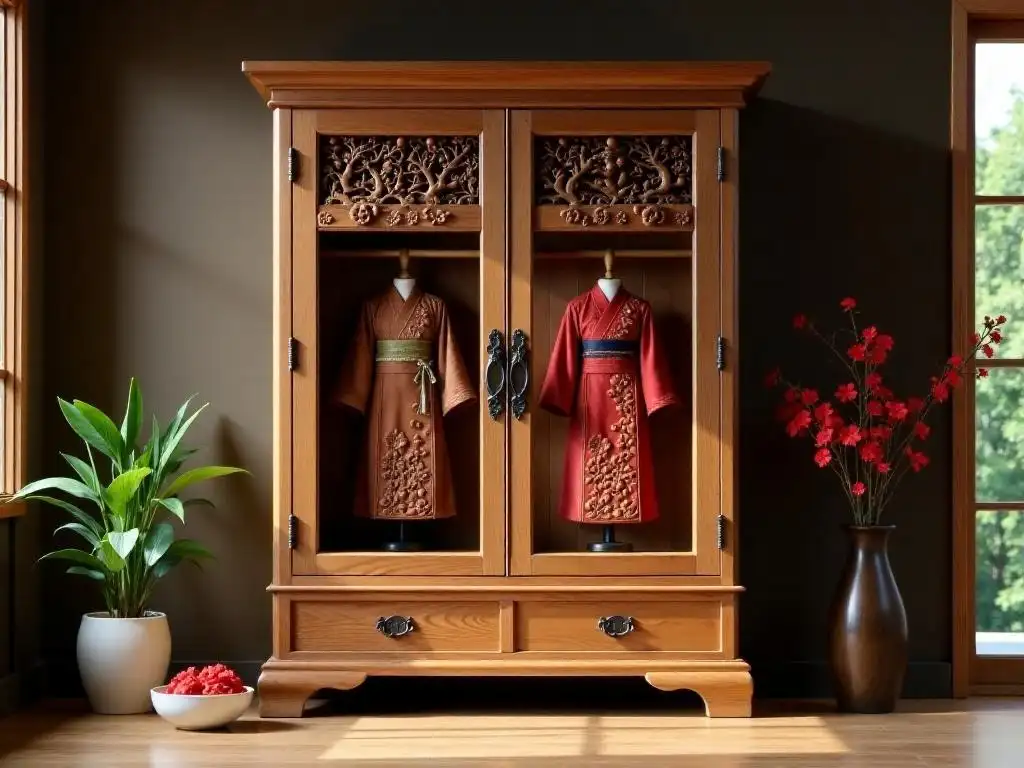
Welcome to Feudal Japan History, where we invite you to embark on a captivating journey through the rich tapestry of Japan's feudal era. Here, you’ll discover the intricate interplay of history, culture, and society that has shaped this fascinating period. Our featured article, "The Art of Collecting: Unveiling the World of Feudal Japan Figurines," delves into the enchanting realm of figurine collections that encapsulate the spirit of feudal Japan. Are you ready to uncover the stories behind these exquisite artifacts and learn how they reflect a bygone era? Dive deeper with us and let your curiosity lead the way!
The intricate world of Feudal Japan figurine collection offers a unique glimpse into the rich tapestry of Japanese history, culture, and artistry. Spanning from the late 12th century to the 19th century, the feudal era was marked by samurai valor, the rise of powerful clans, and a flourishing of the arts. Collecting figurines from this period not only serves as a hobby but also as a means to preserve and understand the nuanced heritage of Japan.
Enthusiasts and collectors alike seek to acquire pieces that reflect the aesthetic values, social structures, and historical narratives of the time. This article aims to delve into the fascinating realm of feudal Japan figurines, exploring their significance, types, and the passion that drives collectors.
Introduction to Feudal Japan Figurine Collection
Feudal Japan, a time characterized by its complex social hierarchy and rich artistic expression, produced a wide array of figurines that capture the essence of its culture. These collectibles range from detailed representations of samurai and geisha to mythical creatures and everyday life scenes, each telling a story of its own. As the popularity of these figurines has grown in recent years, collectors have developed a keen interest in understanding the historical context and craftsmanship behind each piece.
Collecting these figurines provides not only aesthetic pleasure but also an educational journey through Japan's past. The craftsmanship reflects the techniques and materials used during the period, such as wood, porcelain, and metal, often showcasing the artistic styles that prevailed in different regions. Here are some key aspects to consider when diving into this captivating collectible realm:
- Historical Significance: Each figurine often represents a specific event, character, or tradition from feudal Japan, making them valuable artifacts for understanding the era.
- Artistic Techniques: The methods employed in creating these figurines, including painting, carving, and glazing, highlight the artisans' skills and the cultural influences of the time.
- Rarity and Value: Some figurines are rare due to limited production or historical significance, increasing their desirability and market value among collectors.
As we explore further into the world of feudal Japan figurine collection, we will uncover the intricacies of types, collecting tips, and the emotional connections that collectors forge with these historical treasures.
Historical Context of Feudal Japan Figurines
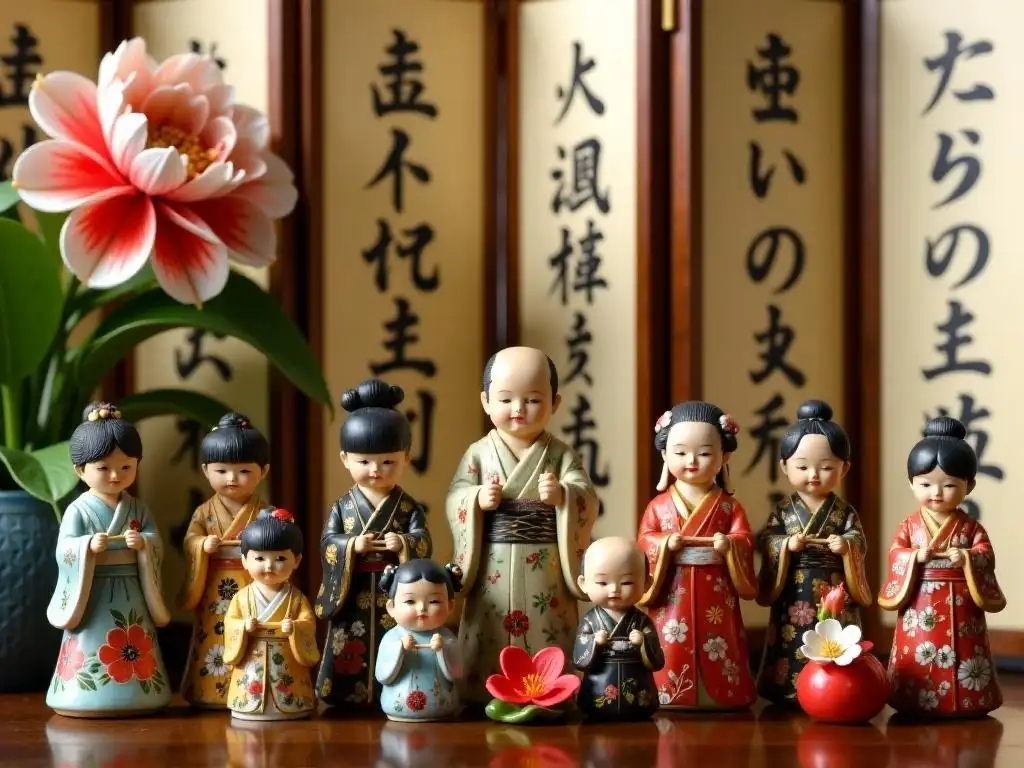
The feudal era of Japan, spanning from the late 12th century to the mid-19th century, was a significant period that shaped not only the political landscape but also the cultural and artistic expressions of the time. Within this context, figurines emerged as a popular form of art, serving both decorative and symbolic purposes.
The art of crafting figurines in Feudal Japan is deeply rooted in the country's rich traditions, particularly influenced by religious beliefs and social hierarchies. Initially, these figurines were created for religious ceremonies and rituals, often depicting deities or spiritual figures. As time progressed, the figurines began to reflect the everyday life of the samurai class, peasants, and the evolving cultural narratives of the period.
The Evolution of Figurines in Feudal Japan
The evolution of figurines in Feudal Japan can be traced through several key phases:
- Early Influences (12th - 14th Century)
- Buddhist Influences: The introduction of Buddhism to Japan saw the creation of intricate statues and figurines representing various deities, which were used in temples and homes for worship.
- Kamakura Period: This period marked the emergence of more realistic representations, as craftsmen began to focus on capturing the human form and emotion.
- Muromachi Period (14th - 16th Century)
- Noh and Kabuki Theater: The popularity of these theatrical forms led to the production of figurines that depicted actors and characters, often crafted from wood and later painted in vivid colors.
- Increased Craftsmanship: Artisans refined their techniques, resulting in more detailed and expressive pieces that showcased the skills of master craftsmen.
- Edo Period (17th - 19th Century)
- Popularity Boom: With the establishment of a stable society, figurines became widely popular among the merchant class, leading to mass production.
- Themes and Styles: This era saw the emergence of various themes, including folklore, mythology, and everyday life, with materials ranging from ceramics to porcelain.
- Ukiyo-e Influence: The floating world (ukiyo) culture inspired many figurine designs, emphasizing beauty and ephemeral moments, depicted in a style that celebrated daily life and leisure activities.
The transition from sacred to secular, and from individual craftsmanship to mass production, reflects broader societal changes in Feudal Japan. This evolution not only highlights the artistic progression of figurine-making but also underscores the cultural shifts that defined each period.
Cultural Symbols Represented in Feudal Japan Figurines
Feudal Japan figurines are rich in symbolism, reflecting the values, beliefs, and social structures of the time. Here are some key cultural symbols commonly represented:
-
Samurai:
Samurai figurines often embody the values of honor, loyalty, and martial prowess. They are typically depicted in elaborate armor and carrying weapons, symbolizing their status as warriors and protectors of the realm.
-
Deities and Spirits:
Many figurines represent Shinto deities or Buddhist figures, serving as reminders of spiritual beliefs and practices. These figures often hold symbolic objects, such as the sword (representing power) or staff (representing guidance).
-
Animals:
Animals, such as tigers, dragons, and cranes, frequently appear in figurine designs, each carrying its own symbolic meaning. For instance, the crane is a symbol of longevity and good fortune, while the dragon represents strength and protection.
-
Everyday Life:
Figurines depicting common folk engaged in daily activities are also prevalent. These pieces capture the essence of feudal society, showcasing traditional clothing, crafts, and social interactions, thus providing insight into the lives of the lower classes.
The study of Feudal Japan figurine collections reveals not only the artistic talents of the time but also the deep-seated cultural narratives and societal structures that these pieces represent. Collectors today value these figurines not just for their aesthetic appeal but for the stories and historical contexts they embody.
Types of Feudal Japan Figurines to Collect
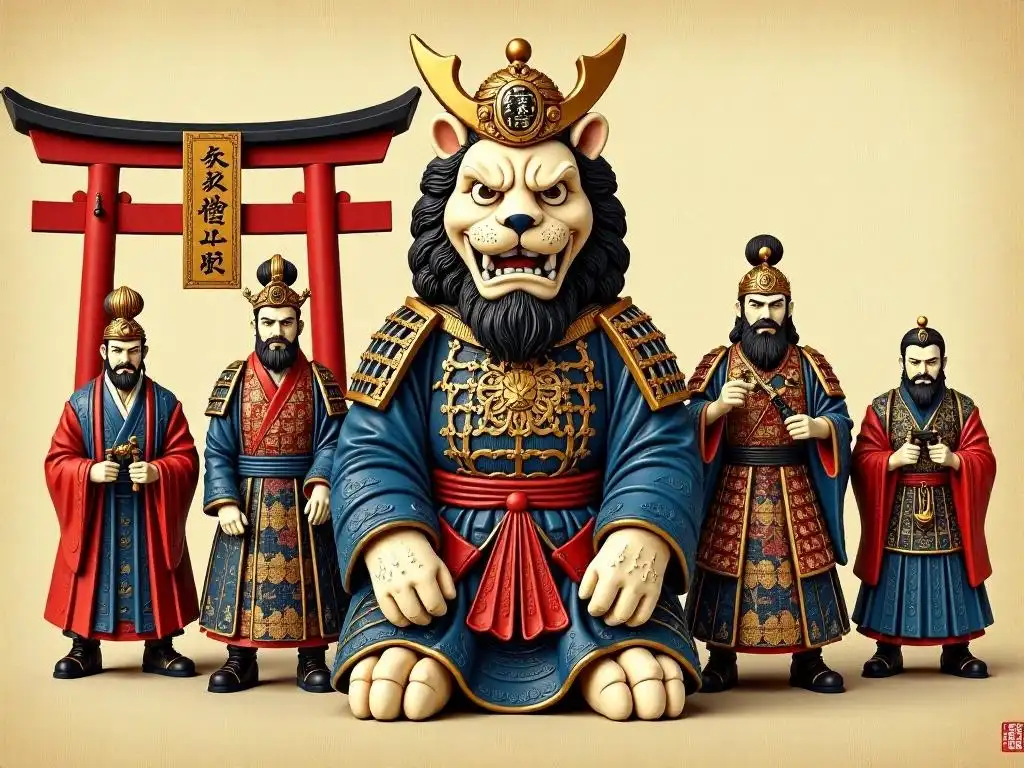
The world of Feudal Japan figurines is rich and diverse, offering collectors a wide array of styles and themes to explore. These figurines not only serve as decorative pieces but also encapsulate the cultural and historical narratives of the era. Below, we delve into the traditional materials used and the notable types of figurines that are commonly sought after by collectors.
Traditional Materials Used in Feudal Japan Figurines
The craftsmanship of Feudal Japan figurines often reflects the materials available and the artistic techniques of the time. Here are some of the key materials used:
- Wood:
- Types: Hinoki (cypress), cedar, and other native woods were commonly used.
- Characteristics: Wood figurines are notable for their warm, natural appearance and can be intricately carved.
- Ceramics:
- Types: Porcelain and stoneware, especially from regions like Arita and Imari.
- Characteristics: Ceramic figurines are often hand-painted with elaborate designs that highlight the artistic styles of the period.
- Metal:
- Types: Bronze and iron were used, particularly in warrior figurines.
- Characteristics: Metal figurines are durable and can feature detailed engravings, showcasing the skill of the artisans.
- Textiles:
- Types: Silk and cotton were utilized in the production of figurines dressed in traditional attire.
- Characteristics: Textile figurines often depict characters from folklore or history, complete with intricate clothing details.
- Lacquer:
- Types: Urushi lacquer, derived from the sap of the lacquer tree.
- Characteristics: Lacquered figurines have a glossy finish and can be adorned with gold or silver leaf, adding to their aesthetic appeal.
Understanding these materials not only enhances appreciation for the artistry involved but also aids collectors in identifying authentic pieces.
Notable Types of Figurines in Feudal Japan
Collectors of Feudal Japan figurines often focus on specific themes or categories. Here are some notable types to consider:
- Samurai Figurines:
- Description: Representing the warrior class, these figurines often depict samurai in full armor, showcasing their weapons and intricate clothing.
- Significance: They symbolize the bushido code and the honor of the samurai, making them highly sought after.
- Geisha Figurines:
- Description: These figurines capture the elegance and beauty of geishas, often portrayed in traditional kimonos with elaborate hairstyles.
- Significance: Geisha figurines are emblematic of Japanese culture and the art of entertainment during the feudal period.
- Mythological Creatures:
- Description: Figurines of creatures such as dragons, kitsune (fox spirits), and tengu (bird-like beings) are popular among collectors.
- Significance: These figures often embody cultural beliefs and folklore, representing various aspects of Japanese spirituality.
- Buddhist Statues:
- Description: These include representations of deities, bodhisattvas, and other divine figures.
- Significance: They reflect the religious beliefs of the time and are often intricately designed, making them valuable collectibles.
- Historical Figures:
- Description: Figurines depicting famous historical figures such as Oda Nobunaga or Toyotomi Hideyoshi.
- Significance: Collectors often seek these for their historical relevance and the stories they tell about Japan's past.
By understanding the types of figurines available, collectors can make informed decisions when building their Feudal Japan figurine collection. Each piece tells a unique story, contributing to the rich tapestry of Japan's historical and cultural heritage.
Starting Your Feudal Japan Figurine Collection
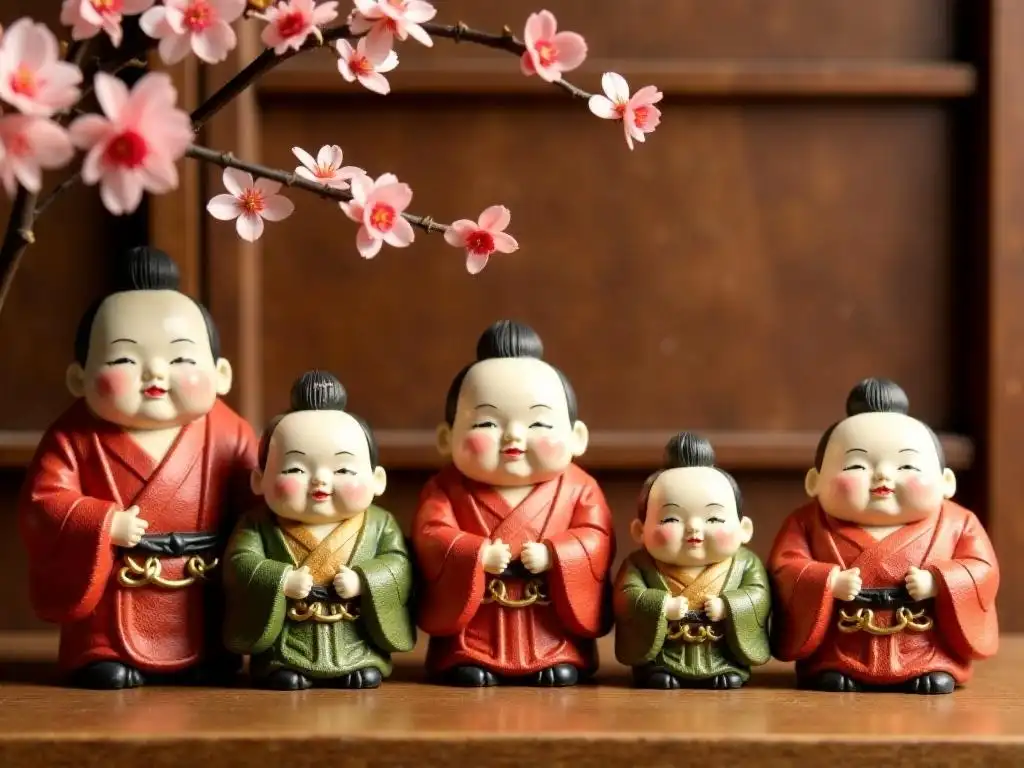
Starting a collection of Feudal Japan figurines can be an exciting journey into the rich history and artistry of this remarkable period. Whether you're drawn to the intricate craftsmanship or the historical significance of these pieces, establishing a collection requires careful thought and planning.
Key Considerations for New Collectors
When embarking on your Feudal Japan figurine collection, several key factors should guide your approach:
- Research the History:
- Understanding the historical context of the figurines is crucial. Consider studying the social structures, significant events, and cultural practices of the feudal era.
- Familiarize yourself with the various types of figurines produced during this time, such as Noh theater characters, Samurai, and Kokeshi dolls.
- Set a Budget:
- Figurines can range in price significantly. It's important to determine how much you are willing to spend. Consider creating a budget that includes:
- Purchase costs
- Maintenance and display expenses
- Insurance for valuable pieces
- Figurines can range in price significantly. It's important to determine how much you are willing to spend. Consider creating a budget that includes:
- Choose a Focus:
- Decide on a specific theme or type of figurine for your collection. This could be based on:
- Material (ceramic, wood, metal)
- Period (early, middle, late feudal era)
- Subject matter (warriors, deities, everyday life)
- Decide on a specific theme or type of figurine for your collection. This could be based on:
- Condition and Authenticity:
- Pay close attention to the condition of the figurines. Look for:
- Chips, cracks, or repairs
- Original paint and detailing
- Authenticity is vital; consider obtaining certificates of authenticity when possible.
- Pay close attention to the condition of the figurines. Look for:
- Networking and Community:
- Connect with other collectors and experts in the field. Joining online forums, attending collector fairs, or visiting museums can provide valuable insights and recommendations on building your collection.
Where to Find Authentic Feudal Japan Figurines
Finding genuine Feudal Japan figurines can be challenging, but several avenues can help you uncover unique and authentic pieces:
- Antique Shops:
- Local antique shops often have a selection of vintage items, including figurines from the feudal period. Always inquire about the provenance of the items.
- Auctions:
- Participating in auctions, both in-person and online, can yield rare finds. Reputable auction houses often provide detailed descriptions and authenticity guarantees.
- Estate Sales and Flea Markets:
- Estate sales can be particularly fruitful, as families may sell collections that have been passed down through generations. Flea markets might also have vendors specializing in historical collectibles.
- Online Marketplaces:
- Websites such as eBay and Etsy can have a variety of listings for Feudal Japan figurines. However, it's crucial to verify the seller's reputation and the authenticity of the items before making a purchase.
- Specialized Collectors and Dealers:
- Some dealers specialize in Asian antiques and collectibles. Establishing a relationship with a reputable dealer can provide access to high-quality figurines and expert advice.
By considering these factors and exploring various avenues for acquiring figurines, collectors can begin their journey into the captivating world of Feudal Japan figurine collection with confidence and enthusiasm.
Care and Preservation of Feudal Japan Figurines
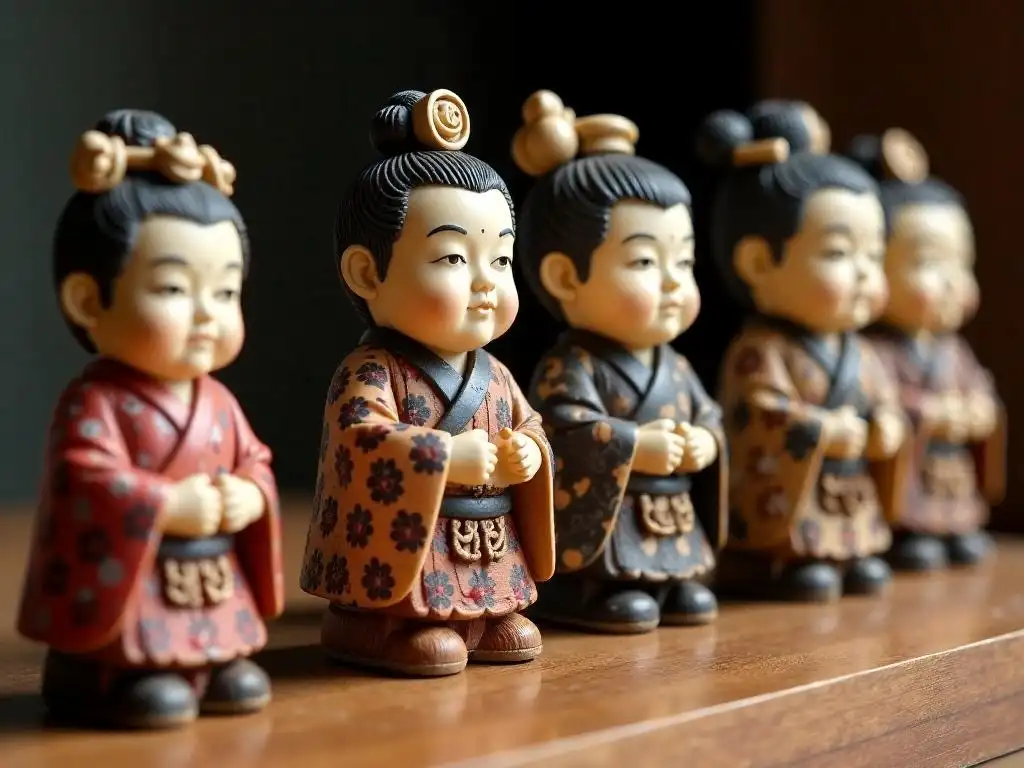
Caring for and preserving your Feudal Japan figurine collection is crucial for maintaining its value and ensuring that these intricate pieces of art can be appreciated for generations to come. Proper care not only protects the figurines from damage but also helps to retain their aesthetic appeal, thus enhancing your overall experience as a collector.
Best Practices for Maintaining Your Collection
To maintain your Feudal Japan figurines effectively, consider the following best practices:
- Environment Control
- Temperature and Humidity: Keep figurines in a stable environment where temperature and humidity levels are controlled. Ideal conditions are generally around 70°F (21°C) with a humidity level of 40-50%. High humidity can lead to mold growth, while extreme dryness can cause cracking.
- Lighting: Avoid direct sunlight, as UV rays can fade colors and degrade materials. Use UV-filtering glass for display cases to shield them from harmful light.
- Display Techniques
- Use Display Cases: Invest in glass display cases to protect figurines from dust and physical contact. Ensure these cases are well-ventilated to prevent moisture buildup.
- Avoid Overcrowding: Give each piece enough space to breathe. Overcrowding can lead to scratches and damage from accidental contact.
- Regular Cleaning
- Dusting: Use a soft, dry microfiber cloth to gently dust figurines. Avoid using harsh chemicals, as they can damage the finish.
- Deep Cleaning: For deeper cleaning, use a damp cloth with distilled water. Ensure that no moisture seeps into joints or cracks.
- Handling with Care
- Always Wash Hands: Before handling figurines, wash your hands to remove oils and dirt. Consider wearing cotton gloves for extra protection.
- Support Structures: When lifting, make sure to support the base and avoid holding by delicate parts, which can be prone to breakage.
- Storage Considerations
- Wrap Individually: If storing figurines, wrap each piece individually in acid-free tissue paper to prevent scratches.
- Avoid Basements and Attics: Store figurines in a climate-controlled room instead of basements or attics, where temperature and humidity levels can fluctuate significantly.
By implementing these best practices, collectors can ensure that their Feudal Japan figurine collection remains in pristine condition, preserving both their historical significance and aesthetic value.
Authenticity Verification and Appraisal
Verifying the authenticity and appraising the value of Feudal Japan figurines is critical for collectors. With a rich history and intricate craftsmanship, understanding how to authenticate and evaluate these pieces can prevent costly mistakes and enhance your collection's value.
- Research Provenance
- Historical Background: Investigate the history of the figurine. Knowing its origin—whether it was crafted during the Edo period (1603-1868) or earlier—can provide insights into its authenticity.
- Documentation: Look for any original documentation or certificates of authenticity that accompany the figurine.
- Examine Craftsmanship
- Material Analysis: Authentic Feudal Japan figurines are often made from specific materials such as porcelain, wood, or clay. Familiarize yourself with these materials and their characteristics.
- Artistic Details: Pay attention to the craftsmanship. Authentic pieces will display meticulous attention to detail, including facial features, clothing patterns, and colors. Look for inconsistencies or signs of mass production.
- Consult Experts
- Professional Appraisers: Engage with certified appraisers who specialize in Feudal Japan artifacts. They can provide a thorough evaluation of the figurine's authenticity and market value.
- Collectible Shows: Attend collectible shows and conventions where experts can offer insights and potentially authenticate your pieces on the spot.
- Online Resources
- Community Forums: Join online forums and groups dedicated to Feudal Japan collectible figurines. Experienced collectors often share knowledge and tips on identifying authentic pieces.
- Reference Books: Invest in books that specialize in the history and identification of Japanese figurines. They can serve as valuable resources for learning about styles, marks, and periods.
- Market Trends
- Value Fluctuations: Stay informed about market trends and the current value of similar figurines. Auction results and online sales platforms can provide insights into pricing.
- Condition Reports: Understand that the condition of a figurine significantly impacts its value. Regularly assess your collection for any signs of wear or damage that could affect appraisals.
By following these guidelines for authenticity verification and appraisal, collectors can enhance their understanding of Feudal Japan figurines, ensuring both the integrity and value of their cherished collection.
The Community of Feudal Japan Figurine Collectors
Joining Collector Groups and Forums
The world of Feudal Japan figurine collection is enriched by a vibrant community of enthusiasts who come together to share their passion and knowledge. Joining collector groups and forums is one of the most effective ways to connect with like-minded individuals and expand your understanding of this fascinating niche.
Benefits of Joining Collector Groups
- Networking Opportunities: Engaging with other collectors allows you to build connections that can lead to valuable exchanges. Many collectors are willing to share insights about sourcing rare pieces, offer advice on preservation techniques, and even trade figurines.
- Access to Exclusive Information: Collector groups often provide members with access to exclusive content, including historical context, restoration techniques, and market trends. This knowledge can significantly enhance your collecting journey.
- Support in Valuation: Participating in forums gives you the opportunity to seek opinions on the value of specific pieces. Experienced collectors can offer insights into the current market and help you assess the worth of your collection accurately.
- Events and Meetups: Many collector groups organize events, allowing members to meet in person. These gatherings can be a great way to see rare figurines, participate in workshops, and engage in friendly competitions.
- Online Platforms: Websites and social media platforms such as Facebook, Reddit, and dedicated collector forums host numerous groups focused on Feudal Japan figurines. Engaging actively in these spaces enhances your visibility and credibility within the community.
Events and Exhibitions for Feudal Japan Figurine Enthusiasts
Events and exhibitions related to Feudal Japan figurine collection serve as pivotal venues for enthusiasts to gather, learn, and showcase their collections. These occasions not only celebrate the artistry of figurines but also allow collectors to deepen their appreciation for the cultural heritage of feudal Japan.
Types of Events
- Conventions: Many conventions focus on collectibles, including anime, manga, and historical artifacts. These events typically feature dealer booths, panel discussions, and workshops that cover various aspects of collecting, including the specifics of Feudal Japan figurines.
- Art Exhibitions: Occasionally, museums or galleries will host exhibitions dedicated to Japanese art, including figurines from the feudal era. Such exhibitions often display rare artifacts and provide informative context that enhances appreciation for the craftsmanship involved.
- Collector Fairs: These fairs are specifically organized for collectors to buy, sell, or trade figurines. They provide a unique opportunity to find limited editions and interact with artists and manufacturers directly.
- Workshops: Some events offer workshops that cover topics such as figurine restoration, conservation techniques, and historical context surrounding specific pieces. These educational experiences can significantly enhance your collecting skills.
Upcoming Event Highlights
| Event Name | Date | Location | Focus Area |
|---|---|---|---|
| Tokyo Collectors Fair | April 15-16, 2024 | Tokyo, Japan | General collectibles, including feudal figurines |
| Art of Japan Exhibit | May 1-30, 2024 | Kyoto, Japan | Historical Japanese art and figurines |
| Figurine Masterclass | June 10, 2024 | Osaka, Japan | Restoration and care of figurines |
These events not only provide a platform for acquiring new pieces but also foster a sense of community among collectors, making them invaluable to anyone serious about Feudal Japan figurine collection.
Frequently Asked Questions
What are Feudal Japan figurines?
Feudal Japan figurines are artistic representations that capture the culture, traditions, and historical figures from Japan's feudal era, often crafted with intricate details.
How can I start a Feudal Japan figurine collection?
To start a collection, research and identify reputable sources for purchasing figurines, such as antique shops, online marketplaces, or specialized auctions, and consider focusing on a specific theme or period.
What should I look for when buying figurines?
When purchasing Feudal Japan figurines, pay attention to the craftsmanship, materials used, and provenance. Ensure the figurines are in good condition and ideally come with documentation or certificates of authenticity.
How do I care for my Feudal Japan figurine collection?
To maintain your collection, keep the figurines in a climate-controlled environment, away from direct sunlight and dust. Regularly clean them using a soft brush or cloth to avoid damage.
What is the significance of Feudal Japan figurines in culture?
These figurines serve as cultural artifacts that reflect the artistic expressions, social hierarchies, and mythologies of the feudal period, providing insight into Japan's rich heritage and history.
Final Reflection: Embracing the Legacy of Feudal Japan Figurines
The art of collecting Feudal Japan figurines is not merely a hobby; it is a profound journey into the heart of a rich cultural heritage. As we explore the intricate craftsmanship and historical significance of these figurines, we uncover a connection to a time when artistry and tradition intertwined to tell stories of valor, beauty, and spirituality. Today, as we navigate a fast-paced world, the appreciation for such timeless artifacts reminds us of the importance of preserving our cultural narratives and the stories they encapsulate.
The influence of Feudal Japan figurines extends far beyond their physical form; they serve as a bridge between past and present, enriching our understanding of history and art. Collectors and enthusiasts alike find themselves drawn into a community that celebrates not just the objects themselves, but the shared passion for history and craftsmanship. As the renowned art historian, John Ruskin, once said, The greatest thing a human soul ever does in this world is to see something and tell what it saw in a way that it can never be forgotten.
This sentiment resonates deeply within the realm of figurine collecting, where each piece tells a story waiting to be shared.
As you reflect on the significance of Feudal Japan figurine collections, consider how these artifacts can inspire your own journey of discovery and appreciation for cultural heritage. Take a moment to explore your surroundings—what stories do your possessions tell? Whether you are a seasoned collector or a curious newcomer, let the beauty and history of these figurines encourage you to seek out and cherish the narratives that shape our world. Embrace the art of collecting not just as a pursuit of objects, but as a celebration of culture, history, and the connections that bind us all.
Unleash Your Inner Collector Today!
Thank you for diving into the fascinating world of Feudal Japan figurines! Your curiosity and passion for history can transform your collection into a treasure trove of cultural insights. Now, let’s take what you've learned and put it into action!
Here are some engaging steps to enhance your journey as a collector:
- Start or expand your collection: Identify your favorite style of figurines and begin the hunt! Whether you explore online marketplaces or visit local fairs, each piece can tell a unique story.
- Join a collector’s community: Connect with fellow enthusiasts through social media platforms or local clubs. Sharing insights and experiences can significantly enrich your collecting journey!
- Attend exhibitions or workshops: Immerse yourself in the art by participating in events dedicated to Japanese history. Each experience can provide you with unique perspectives and inspiration.
What figurine or story from Feudal Japan resonates most with you, and how would you like to incorporate that into your collection?