
The Tokugawa Shogunate’s Approach to Public Health and Hygiene


Welcome to Feudal Japan History! Dive into the rich tapestry of Japan’s feudal era, where we unravel the intricate threads of historical, cultural, and societal transformations. In our featured article, we explore the Tokugawa Shogunate's public health practices, revealing how this formidable regime shaped the well-being of its people. What secrets of hygiene and health did they implement that resonate even today? Join us on this journey through time and discover the surprising intersections of politics and public health in a world you thought you knew!
Introduction to the Tokugawa Shogunate
The Tokugawa Shogunate, which reigned over Japan from 1603 to 1868, is often remembered for its political stability, economic growth, and cultural flourishing. However, it also made significant strides in public health practices that contributed to the overall well-being of its population. Understanding the Tokugawa Shogunate's approach to public health and hygiene reveals not only the innovative measures taken by the government but also highlights the cultural and social values of the era. This article delves into the various aspects of Tokugawa Shogunate public health practices, exploring historical contexts, influences, and the lasting impact of these policies.
Overview of the Tokugawa Era
The Tokugawa era, also known as the Edo period, marked a time when Japan experienced unprecedented peace and isolation from the outside world. The establishment of the Tokugawa Shogunate led to a centralized feudal system that prioritized social order and economic stability. During this time, urban centers like Edo (modern-day Tokyo) grew rapidly, leading to a rise in population density. The Shogunate recognized the necessity of maintaining public health to sustain this growth and avoid the repercussions of disease outbreaks, which could threaten social order and economic productivity.
Significance of Public Health in Feudal Japan
Public health in feudal Japan was not merely a matter of sanitation; it was intertwined with social hierarchy, economic management, and cultural beliefs. The Tokugawa Shogunate's focus on hygiene and health reflected broader societal values, such as the importance of harmony and order. Public health initiatives included:
- Sanitation Measures: Efforts to improve waste management and cleanliness in cities.
- Quarantine Policies: Implementation of measures during outbreaks to prevent the spread of diseases.
- Health Education: Promotion of hygiene practices among the populace, emphasizing the role of individual responsibility in maintaining community health.
These initiatives were not only practical but also reinforced the Tokugawa ideology of governance, where the well-being of the populace was seen as a reflection of the Shogunate's efficacy.
Historical Context of Public Health Practices
The State of Public Health Before the Tokugawa Shogunate
Prior to the Tokugawa era, Japan faced various health challenges, including frequent outbreaks of infectious diseases, poor sanitation, and limited medical knowledge. The chaotic political climate during the Sengoku period (1467-1603) exacerbated these issues, as warfare and social instability disrupted agriculture and trade, leading to food shortages and malnutrition. Traditional practices, such as herbal medicine, were common, but access to healthcare was often limited to the wealthy or those connected to the ruling class.
Influences on Tokugawa Public Health Policies
The Tokugawa Shogunate's public health practices were influenced by several factors, including:
- Buddhist Teachings: Emphasizing cleanliness and the interconnectedness of health and spiritual well-being.
- Confucian Principles: Promoting social responsibility and the idea that rulers must care for their subjects.
- Western Medicine: Limited exposure to Western medical practices began to influence Japanese public health strategies, particularly in later years of the Shogunate.
These influences helped shape a comprehensive approach to public health that was both innovative and culturally relevant, laying the groundwork for future developments in Japan's healthcare system.
Key Public Health Practices During the Tokugawa Shogunate
The Tokugawa Shogunate, which lasted from 1603 to 1868, implemented various public health practices aimed at improving the overall well-being of its citizens. These practices were significant in addressing the health challenges posed by urbanization and population growth during this period. The shogunate recognized that public health was essential for maintaining social order and stability, leading to the establishment of regulations and initiatives that emphasized sanitation, hygiene, and disease prevention.
Regulation of Sanitation and Waste Management
Sanitation practices during the Tokugawa era were crucial in preventing disease outbreaks, especially in growing urban centers like Edo (modern-day Tokyo). The government established strict regulations concerning waste management, including the disposal of human waste and refuse.
- Night Soil Collection: A system of night soil collectors was organized, whereby individuals were employed to collect human waste from households for use as fertilizer in agriculture. This practice not only helped manage waste but also supported agricultural productivity.
- Street Cleaning: The shogunate mandated regular street cleaning to prevent the accumulation of waste and filth, which could harbor disease. Local authorities were responsible for ensuring that streets were kept clean and public spaces were maintained.
- Water Supply Management: Regulations were also put in place to ensure safe water supplies. Wells and water sources were monitored to prevent contamination, and public fountains were established to provide clean drinking water.
These measures reflected an understanding of the link between hygiene and health, setting a foundation for modern public health practices.
Development of Bathing Culture and Hygiene Practices
Bathing culture flourished during the Tokugawa period, reflecting the growing emphasis on personal hygiene. Public baths, known as sento, became popular social venues where people could cleanse themselves and engage in communal activities.
- Public Baths: The proliferation of public baths in urban areas encouraged regular bathing habits among the populace, promoting cleanliness and reducing body odor, which was historically a social concern.
- Cultural Significance: Bathing was not merely a hygiene practice but also a cultural ritual. It was intertwined with concepts of purification and relaxation, further embedding hygiene into the social fabric of Tokugawa society.
- Hygiene Education: The shogunate and local leaders promoted hygiene education, emphasizing the importance of cleanliness in preventing illness. This included teaching the population about washing hands and maintaining personal hygiene.
These developments in bathing culture and hygiene practices significantly improved public health and contributed to the overall quality of life during the Tokugawa Shogunate.
Public Health Measures in Urban Areas
Urbanization during the Tokugawa era presented unique public health challenges. The rapid growth of cities necessitated the implementation of various public health measures to address the increasing population density and its accompanying issues.
- Quarantine Regulations: In response to outbreaks of infectious diseases, the shogunate established quarantine measures to control the spread of illness. Infected individuals were isolated, and travel restrictions were placed on affected areas.
- Health Inspections: Local health officials conducted inspections of food vendors and marketplaces to ensure compliance with health regulations. This included checking for food safety and proper hygiene practices among merchants.
- Disease Prevention Campaigns: The government initiated campaigns to educate the public about common diseases and prevention methods. These campaigns often included pamphlets and public announcements focusing on hygiene practices and disease awareness.
Through these measures, the Tokugawa Shogunate aimed to create healthier urban environments and protect its citizens from the adverse effects of rapid urbanization.
The Role of Government in Public Health Initiatives
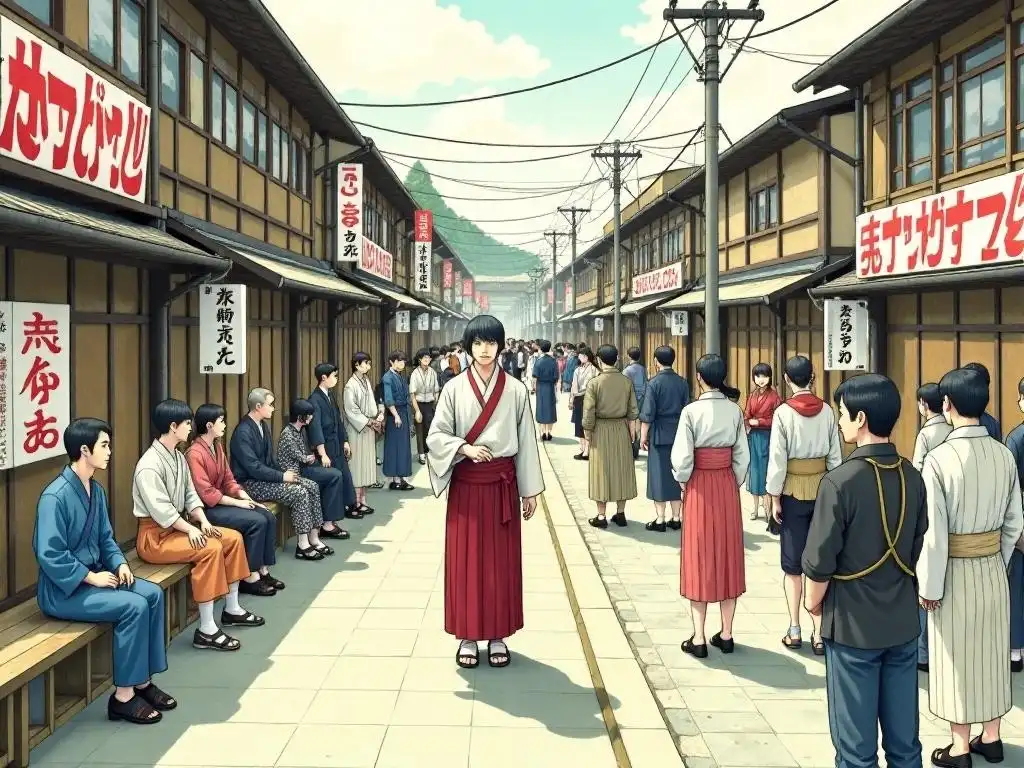
The Tokugawa Shogunate played a pivotal role in shaping public health initiatives throughout its reign. The government recognized that a healthy population was essential for maintaining stability and prosperity, leading to the establishment of a structured approach to health administration.
The Tokugawa Shogunate's Health Administration
The government established a centralized health administration that oversaw public health policies and initiatives. This administration was responsible for:
- Policy Development: Creating regulations and health policies that addressed sanitation, hygiene, and disease prevention. These policies were designed to adapt to the changing needs of society as the population grew.
- Resource Allocation: Ensuring that resources were allocated effectively to implement public health measures, including funding for sanitation projects and public health education.
- Monitoring and Evaluation: The health administration monitored public health outcomes and evaluated the effectiveness of implemented policies. This feedback loop allowed for adjustments and improvements to be made where necessary.
This structured approach to public health underscored the significance of government involvement in promoting the health and well-being of the population.
Local Governance and Public Health Responsibilities
Local governance played a crucial role in the implementation of public health initiatives during the Tokugawa Shogunate.
- Delegated Authority: The shogunate delegated responsibilities to local officials, such as village heads and city magistrates, to enforce public health regulations and manage health-related issues within their jurisdictions.
- Community Engagement: Local governance encouraged community participation in health initiatives. Residents were often involved in cleaning efforts, waste management, and public health education, fostering a sense of responsibility toward communal health.
- Crisis Management: In times of health crises, such as epidemics, local authorities were tasked with executing quarantine measures and coordinating relief efforts. This localized approach allowed for more immediate and context-specific responses to public health challenges.
The collaboration between the central government and local authorities was instrumental in ensuring that public health practices were effectively implemented and adapted to the needs of different communities throughout the Tokugawa era.
Case Studies of Public Health Programs
During the Tokugawa Shogunate, public health programs were not merely reactive measures but rather proactive initiatives aimed at improving the overall health of the population. One prominent case study is the establishment of sanitation regulations in Edo (modern-day Tokyo), where the urban population burgeoned to over a million by the late 17th century. The shogunate implemented strict regulations concerning waste disposal, including the management of human waste, which was often collected and used as fertilizer in agriculture.
Another significant program was the promotion of water quality management. The Tokugawa government invested in the construction of wells and waterways to ensure that the populace had access to clean drinking water. Special measures were taken to prevent contamination from nearby industrial activities, demonstrating an early understanding of the link between water quality and public health.
Additionally, the shogunate organized health inspections and established health officials known as "hiyaku" to oversee the implementation of health policies and ensure compliance among the citizens. These officials played a crucial role in monitoring outbreaks of diseases and promoting hygiene practices.
The Edo Period and Urban Sanitation
The Edo period marked a significant transformation in urban sanitation practices, largely driven by the rapid population growth and the need for improved living conditions. The shogunate recognized that unsanitary environments could lead to epidemics and social unrest, prompting a series of measures aimed at enhancing urban hygiene.
Waste management was a core focus; streets were regularly cleaned, and laws were enacted to regulate where refuse could be disposed of. The construction of public latrines became commonplace, and citizens were encouraged to keep their surroundings clean. This initiative not only improved sanitation but also contributed to the aesthetic appeal of the city.
Moreover, the Tokugawa regime promoted the establishment of public baths (sento), which became essential for personal hygiene and social interaction. These baths were often equipped with facilities for washing clothes, thus serving multiple purposes in urban life. The cultural practice of communal bathing emphasized cleanliness and fostered a collective attitude toward hygiene in society.
Vaccination Efforts and Disease Prevention Strategies
The Tokugawa Shogunate also took significant strides in disease prevention, particularly through early vaccination efforts. The introduction of variolation, a method used to prevent smallpox by exposing individuals to a mild form of the virus, was a notable public health strategy during this period. This practice was initially imported from China and adapted in Japan, contributing to a decline in smallpox outbreaks.
In addition to variolation, the shogunate promoted public health awareness through educational campaigns aimed at informing the populace about disease prevention. This included guidelines on maintaining personal hygiene and the importance of clean living conditions. Local leaders and health officials often organized community meetings to disseminate this information.
The Tokugawa government also took steps to manage infectious diseases through quarantine measures during outbreaks. Infected individuals were isolated, and travel restrictions were imposed to prevent the spread of diseases, showcasing an organized approach to public health management.
Cultural Attitudes Towards Hygiene and Health
Cultural attitudes towards hygiene and health during the Tokugawa Shogunate were deeply influenced by prevailing philosophical and societal norms. These attitudes shaped public health practices and the general perception of personal cleanliness.
The Influence of Confucianism on Health Practices
Confucianism played a pivotal role in shaping health practices during the Tokugawa era. The philosophy emphasized the importance of moral conduct, social harmony, and the well-being of the community. Confucian ideals led to a heightened awareness of the need for personal hygiene and public health.
Ritual cleanliness, a concept rooted in Confucian thought, was often equated with moral integrity. This belief fostered a culture where cleanliness was not just a personal responsibility but a social virtue. The samurai class, in particular, adopted strict hygiene practices, reflecting their status and adherence to Confucian values.
Moreover, Confucian teachings influenced the establishment of health-related policies, as rulers perceived public health as essential to maintaining order and stability in society. This philosophical foundation helped legitimize the shogunate’s public health initiatives and encouraged citizens to prioritize hygiene.
Public Perception of Hygiene and Disease
The public perception of hygiene and disease during the Tokugawa Shogunate was complex, shaped by cultural beliefs, social practices, and educational efforts. While urban sanitation practices improved, there remained a prevalent belief that disease was often a manifestation of moral or spiritual failings.
Many citizens associated poor health with a lack of personal discipline or failure to adhere to societal norms. This belief led to a stigma surrounding individuals who fell ill, often viewing them as having transgressed societal expectations. Consequently, public health messages emphasized not only the importance of physical cleanliness but also moral rectitude as a means of preventing disease.
Furthermore, the advent of vaccination and disease prevention strategies gradually shifted public attitudes. As communities began to witness the benefits of these methods, the understanding of hygiene evolved, leading to a more scientific appreciation for public health. The combination of traditional beliefs and emerging medical knowledge ultimately shaped the Tokugawa Shogunate's approach to hygiene and health, laying the groundwork for future public health practices in Japan.
Challenges Faced in Public Health Management
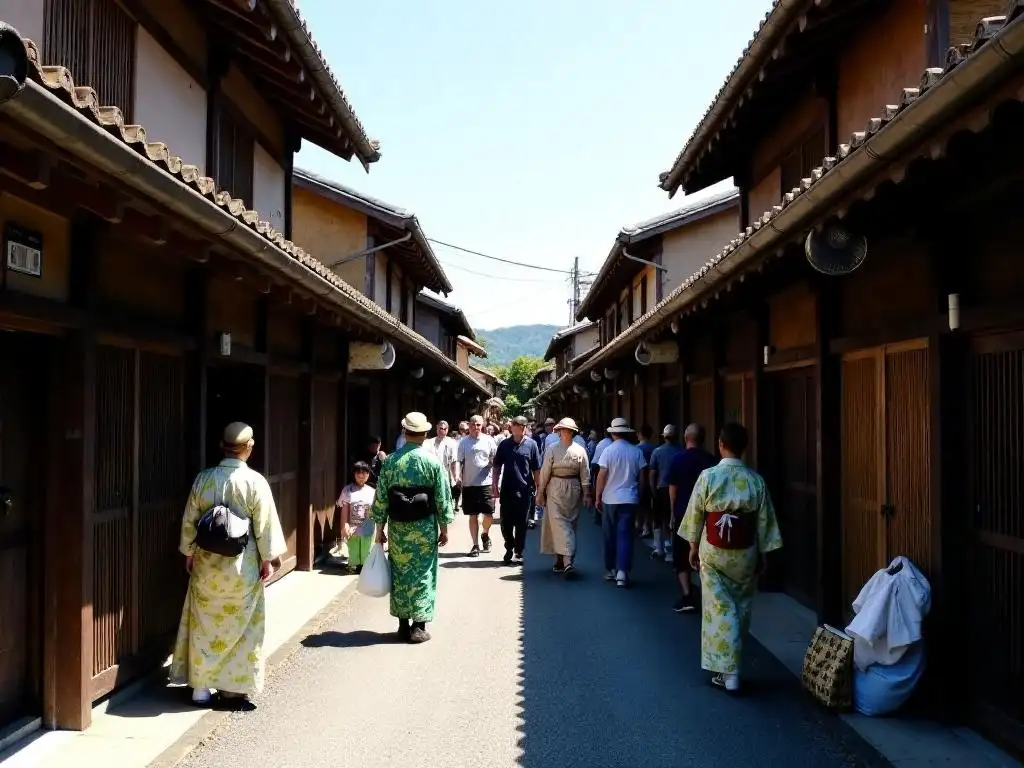
The Tokugawa Shogunate, which ruled Japan from 1603 to 1868, encountered significant challenges in public health management. These challenges were compounded by a variety of factors, including natural disasters, the threat of epidemics, and the limitations of medical knowledge at the time. The government's response to these issues was critical in shaping the public health practices that would influence Japan for generations.
Natural Disasters and Their Impact on Health
Natural disasters, including earthquakes, floods, and famines, posed serious threats to public health during the Tokugawa period. Japan is situated in a geologically active region, making it susceptible to seismic activity. The Great Ansei Earthquake of 1855, for example, not only caused widespread destruction but also led to a humanitarian crisis. The aftermath saw a surge in diseases due to overcrowded living conditions, lack of sanitation, and disrupted food supplies.
Additionally, floods and famines often resulted in food shortages, which weakened the population's immune systems and made them more vulnerable to disease. The Tokugawa government implemented measures such as rice distribution and temporary shelters to mitigate these crises. However, their effectiveness was often limited by logistical challenges and insufficient infrastructure.
Epidemics and the Response of the Tokugawa Shogunate
Epidemics were a recurrent threat throughout the Tokugawa era, with diseases such as smallpox and cholera creating significant public health crises. The shogunate's response included establishing quarantine measures and promoting vaccination, particularly for smallpox, which was introduced in the early 18th century. The Tokugawa leaders recognized the importance of controlling epidemics to maintain social order and economic stability.
Local governments were tasked with implementing health regulations, including the monitoring of disease outbreaks and the management of infected individuals. Despite these efforts, the response was often reactive rather than preventive, leading to high mortality rates during epidemics. The lack of a centralized health authority further complicated the situation, as local officials varied in their adherence to health protocols.
Legacy of Tokugawa Public Health Practices
The public health practices established during the Tokugawa Shogunate had a lasting impact on modern Japanese health systems. The experiences gained in managing health crises during this period informed future public health policies and practices.
Long-term Effects on Modern Japanese Health Systems
The Tokugawa Shogunate's approach to public health laid the groundwork for Japan's contemporary health care system. The emphasis on vaccination during the shogunate era can be seen in today's robust vaccination programs, which have contributed significantly to public health. Additionally, the establishment of local health officials during the Tokugawa period paved the way for the modern public health infrastructure, which includes local health departments and national health policies.
Moreover, the lessons learned from managing natural disasters and epidemics during this time contributed to Japan's resilience in the face of health crises, as seen in its response to natural disasters like the 2011 Tōhoku earthquake and tsunami. The integration of disaster preparedness into public health planning remains a key component of Japan's health policy today.
Lessons Learned from Tokugawa Health Policies
The Tokugawa Shogunate's public health practices provide valuable lessons for modern health governance. One significant lesson is the importance of proactive health measures rather than reactive responses. The need for a centralized health authority capable of coordinating responses to epidemics and natural disasters is crucial, as demonstrated by the fragmented approach during the Tokugawa period.
Additionally, the emphasis on community involvement in health practices, such as local vaccination campaigns and health education, highlights the need for public engagement in health initiatives. By fostering a sense of responsibility and cooperation among the population, health authorities can improve public compliance and overall health outcomes.
The Tokugawa Shogunate's experiences with public health management, despite their limitations, have left a profound legacy that continues to influence Japan's approach to health and hygiene today. The blend of historical practices and modern innovations reflects a continuous evolution in public health policy, aiming to ensure the well-being of the Japanese populace.
Conclusion
The Tokugawa Shogunate marked a significant period in Japanese history, not only for its political and military governance but also for its innovative approaches to public health and hygiene. The practices established during this era laid the groundwork for future health initiatives in Japan. By understanding the methods employed by the Tokugawa Shogunate, we can gain insights into the values and priorities of feudal Japanese society.
Summary of the Tokugawa Shogunate’s Public Health Practices
The Tokugawa Shogunate implemented a variety of public health practices that reflected a holistic approach to community well-being. One of the most notable aspects was the establishment of the Edo hygiene regulations, which mandated cleanliness in urban areas and promoted waste disposal systems. This included the development of public baths, which were not only places for bathing but also vital social spaces that encouraged hygiene and communal interaction.
Additionally, the shogunate took measures to control the spread of infectious diseases, such as smallpox and cholera, by organizing vaccination campaigns and public awareness initiatives. They also focused on urban planning, ensuring that cities like Edo had adequate drainage systems to prevent flooding and sanitation issues. The emphasis on education around hygiene practices, especially among the samurai and merchant classes, was crucial in fostering a culture of health consciousness.
Implications for Understanding Feudal Japanese Society
The public health practices of the Tokugawa Shogunate provide a unique lens through which to examine the complexities of feudal Japanese society. These practices reveal a proactive governance model that prioritized the welfare of its citizens, reflecting a shift from mere military rule to a more administrative and social responsibility. The emphasis on hygiene and public health demonstrates the shogunate's understanding of the connection between health, productivity, and social stability.
Moreover, the implementation of public health measures indicates a level of societal organization and cooperation that transcended social classes, illustrating that health was a communal concern rather than an individual burden. This collective responsibility is emblematic of the broader cultural values of harmony and mutual aid that characterized the Tokugawa period. Understanding these practices enriches our comprehension of how feudal Japan navigated the challenges of urbanization and public health, laying foundational principles that would influence modern Japanese society.
- Introduction to the Tokugawa Shogunate
- Historical Context of Public Health Practices
- Key Public Health Practices During the Tokugawa Shogunate
- The Role of Government in Public Health Initiatives
- Case Studies of Public Health Programs
- Cultural Attitudes Towards Hygiene and Health
- Challenges Faced in Public Health Management
- Legacy of Tokugawa Public Health Practices
- Conclusion
- What were the main public health practices during the Tokugawa Shogunate?
- How did the Tokugawa Shogunate influence Japanese culture?
- What role did the government play in public health during the Tokugawa era?
- Were there any significant health crises during the Tokugawa period?
- How did traditional medicine fit into the public health practices of the Tokugawa Shogunate?
Frequently Asked Questions
What were the main public health practices during the Tokugawa Shogunate?
The Tokugawa Shogunate implemented various public health practices, including sanitation regulations, waste management, and the promotion of personal hygiene to combat diseases.
How did the Tokugawa Shogunate influence Japanese culture?
The Tokugawa Shogunate significantly shaped Japanese culture by promoting education, the arts, and the development of traditional practices, which emphasized cleanliness and health.
What role did the government play in public health during the Tokugawa era?
The government was actively involved in public health, establishing regulations and overseeing hygiene measures in urban areas to improve overall community health.
Were there any significant health crises during the Tokugawa period?
Yes, the Tokugawa era faced health crises such as outbreaks of diseases, which prompted the shogunate to enhance its public health measures and improve medical practices.
How did traditional medicine fit into the public health practices of the Tokugawa Shogunate?
Traditional medicine, including herbal remedies and acupuncture, was integrated into the public health practices of the Tokugawa Shogunate, reflecting a blend of cultural beliefs and practical health solutions.
Final Reflection: The Enduring Legacy of Tokugawa Shogunate Public Health Practices
The Tokugawa Shogunate's public health practices are not just historical footnotes; they resonate profoundly in today's discussions about community health and hygiene. As we navigate modern public health crises, the lessons learned from the Tokugawa era remind us that proactive measures and community engagement are vital for safeguarding public well-being. The meticulous attention to sanitation and health during this period serves as a powerful reminder of the importance of collective responsibility in maintaining a healthy society.
The influence of the Tokugawa Shogunate's public health initiatives continues to shape our understanding of hygiene and health practices. The emphasis on cleanliness and disease prevention established a foundation that informs contemporary public health policies. As noted by historian John D. Young, The Tokugawa period laid the groundwork for a public health consciousness that would echo through the ages, influencing generations to prioritize hygiene as a civic duty.
This historical perspective encourages us to appreciate the cultural significance of health practices and their role in fostering a sense of community.
As we reflect on the past, let us take inspiration from the Tokugawa Shogunate's commitment to public health and hygiene. I invite you to consider how you can apply these lessons in your own life and community. Whether it’s advocating for better sanitation practices, participating in local health initiatives, or simply prioritizing personal hygiene, every action contributes to a healthier society. Together, we can honor the legacy of the Tokugawa Shogunate by fostering a culture of health and well-being that transcends time and continues to inspire future generations.
Unveil the Secrets of Feudal Hygiene!
Thank you for diving into the fascinating world of the Tokugawa Shogunate's approach to public health and hygiene! Your interest highlights the importance of understanding historical practices that laid the groundwork for modern public health. Now, let’s take these insights further to enhance your knowledge and appreciation of this rich history.
- Explore more: Visit feudaljapanhistory.com to browse our detailed articles and uncover deeper insights into various intriguing periods and practices in Japanese history.
- Share what you’ve learned: Engage your friends and family by sharing this article on social media or discussing it at your next gathering. You’d be surprised by how much interest historical practices can spark!
- Join our community: Subscribe to our newsletter for updates on new articles, exclusive content, and discussions about public health and hygiene practices throughout history.
What aspect of the Tokugawa Shogunate's health strategies do you find most surprising or relevant to today’s public health initiatives?