
How the Genpei War Altered the Course of Japanese Political History

Welcome to Feudal Japan History, where we embark on a journey through the captivating tapestry of Japan's feudal era. Here, we delve into the intricate political landscape shaped by pivotal events, such as the impact of the Genpei War on Japan. This conflict not only altered the course of Japanese political history but also set the stage for the dramatic transformations that followed.
Ready to uncover the layers of intrigue and influence that this war unleashed? Join us as we explore the profound repercussions of the Genpei War and its lasting legacy on Japan’s societal fabric. Your adventure into the depths of Japan's past begins now!
- Introduction to the Genpei War and Its Significance
- Historical Context of the Genpei War
- Major Battles of the Genpei War
- The Impact of the Genpei War on Japanese Political History
- Cultural and Societal Effects of the Genpei War
- The Long-Term Effects of the Genpei War
- Conclusion: Reflecting on the Genpei War’s Legacy
- Frequently Asked Questions
- Final Reflection: The Enduring Impact of the Genpei War on Japan
- Embrace the Legacy of the Genpei War!
Introduction to the Genpei War and Its Significance
The Genpei War (1180-1185) stands as a pivotal conflict in Japan's feudal history, marking the transition from the Heian period to the Kamakura period. This war was fought between the Taira and Minamoto clans, two powerful families vying for control over Japan.
The outcome of this struggle not only determined the political landscape of the country but also ushered in significant changes in governance, social structures, and military practices that would shape the future of Japan. Understanding the impact of the Genpei War on Japan is not merely an examination of military encounters; it is an exploration of how this conflict redefined the very fabric of Japanese society and politics, laying the groundwork for the samurai class and the shogunate system.
Overview of the Genpei War
The Genpei War was initiated by a series of conflicts stemming from the Taira clan's growing power and influence in the imperial court, which sparked resentment among the rival Minamoto clan. Key battles, such as the Battle of Dan-no-ura, featured naval engagements that exemplified the innovative military strategies of the time. The war culminated in a decisive victory for the Minamoto, leading to the establishment of the Kamakura shogunate, Japan's first military government.
Key Events of the Genpei War:
- 1180: The conflict begins with the Minamoto's rebellion against the Taira.
- 1181: The Minamoto suffer defeats but regroup and gain support from local daimyos.
- 1185: The war concludes with the Battle of Dan-no-ura, where the Taira are defeated.
This war not only altered the power dynamics within Japan but also influenced cultural and societal norms, such as the rise of the samurai as a dominant class.
Importance of Understanding the Impact of the Genpei War on Japan
Grasping the significance of the Genpei War extends beyond the realm of military history; it is crucial for understanding the evolution of Japanese society and governance. The war's aftermath saw the establishment of a feudal system that prioritized loyalty and service, fundamentally reshaping the relationship between the ruling class and the common people.
Key Impacts of the Genpei War:
- Political Transformation: The rise of the shogunate heralded a new era of military rule, diminishing the power of the imperial court.
- Cultural Shifts: The war inspired a rich tapestry of literature and arts, reflecting the valor and tragedy of the samurai.
- Social Structure: The samurai class emerged as the new elite, influencing social hierarchies and norms.
By delving into the multifaceted consequences of the Genpei War, we can appreciate its lasting legacy on Japan's political history and cultural identity. This exploration not only enhances our understanding of a critical historical event but also sheds light on the foundational elements that continue to influence Japanese society today.
Historical Context of the Genpei War
The Genpei War, fought between 1180 and 1185, marked a pivotal moment in Japanese history, leading to the end of the Heian period and the rise of the Kamakura shogunate. Understanding the historical context of this conflict requires examining the political landscape of Japan prior to the war, the key players involved, and the events that set the stage for this monumental struggle.
The Political Landscape of Japan Before the Genpei War
Before the Genpei War, Japan was characterized by a complex feudal system dominated by powerful clans. The Heian period (794-1185) was marked by the flourishing of aristocratic culture, but it was also a time of political fragmentation and instability.
- Imperial Authority: The emperor held a symbolic position, while real power was exercised by the regents and noble families. The Fujiwara clan, in particular, played a significant role, exerting influence through strategic marriages and political maneuvering.
- Rise of Military Clans: As the central authority weakened, military clans began to rise in prominence. The Taira and Minamoto clans emerged as two of the most powerful factions, each vying for control and influence in the political sphere.
- Shift towards Militarization: The increasing reliance on samurai warriors for protection and enforcement of power led to a militarized society. This shift foreshadowed the eventual conflict between the Taira and Minamoto clans, as both sought to consolidate their power.
The political landscape preceding the Genpei War was a volatile mix of ambition, betrayal, and shifting alliances, setting the stage for the epic confrontation that would alter Japan's future.
Key Players in the Genpei War: Taira vs. Minamoto
The Genpei War was primarily fought between two powerful clans: the Taira and the Minamoto. Understanding these key players is crucial to grasping the conflict's impact on Japan.
- Taira Clan:
- Leadership: Led by Taira no Kiyomori, the Taira clan had risen to prominence in the late Heian period. Kiyomori utilized his political acumen to secure high-ranking positions within the imperial court.
- Strengths: The Taira were known for their naval prowess and controlled vital trade routes, which provided them with wealth and resources.
- Minamoto Clan:
- Leadership: The Minamoto clan, led by Minamoto no Yoritomo, was initially less influential but gained momentum through strategic alliances and military organization.
- Strengths: The Minamoto were skilled warriors and had a solid base of support from other samurai families, which ultimately proved crucial in the conflict.
The rivalry between these two clans was not just a struggle for power but also a reflection of the broader societal changes occurring in Japan at the time. The conflict would lead to the establishment of a new political order, shifting power away from the imperial court and into the hands of military leaders.
Prelude to Conflict: Events Leading Up to the War
Several key events contributed to the outbreak of the Genpei War, highlighting the tensions between the Taira and Minamoto clans.
- Gōshū Incident (1177):
- This event marked the beginning of hostilities, as the Taira clan attempted to suppress Minamoto dissent. The Taira's actions angered many samurai, leading to growing discontent.
- The Death of Taira no Kiyomori (1181):
- Kiyomori's death created a power vacuum within the Taira clan, leading to internal strife and weakened leadership. This moment allowed the Minamoto to exploit the Taira's vulnerabilities.
- Minamoto no Yoritomo’s Rise:
- After being exiled, Yoritomo began to rally support among other disaffected samurai. His ability to unite various factions under the Minamoto banner was instrumental in escalating the conflict.
- The Start of Open Warfare (1180):
- The tensions culminated in open warfare when Yoritomo declared war on the Taira clan, igniting a series of battles that would change the course of Japanese political history.
These events set the stage for the Genpei War, ultimately leading to a conflict that would reshape the political landscape of Japan, establishing a precedent for military governance that would last for centuries.
Major Battles of the Genpei War
The Genpei War (1180-1185) was a pivotal conflict in Japanese history that not only determined the course of feudal politics but also shaped the cultural landscape of the nation. The war saw the Taira and Minamoto clans clash in a series of significant battles, each contributing to the eventual rise of the Minamoto clan and the establishment of the Kamakura shogunate. Below, we explore the major battles that defined this conflict and their lasting impact on Japan.
The Battle of Ichi-no-Tani: A Turning Point
The Battle of Ichi-no-Tani, fought in 1184, marked a crucial turning point in the Genpei War. This battle was fought along the coast of present-day Hyōgo Prefecture and involved a strategic offensive by the Minamoto forces led by Minamoto no Yoshitsune against the Taira clan.
- Strategic Importance: The Taira had established their stronghold at Ichi-no-Tani, utilizing the coastal cliffs for defense. The Minamoto clan, however, innovatively used naval tactics combined with a surprise land assault to overcome this advantage.
- Outcome: The Minamoto forces achieved a decisive victory, significantly weakening the Taira's position. This battle not only showcased Yoshitsune's strategic brilliance but also boosted the morale of the Minamoto warriors, consolidating their resolve to pursue the Taira further.
- Long-term Impact: The victory at Ichi-no-Tani shifted the momentum in favor of the Minamoto clan, leading to subsequent victories and ultimately paving the way for their dominance in the political landscape of Japan.
The Battle of Yashima: Strategy and Outcome
The Battle of Yashima, fought in 1185, was another significant engagement that highlighted the naval capabilities of both clans. Taking place on the shores of the Seto Inland Sea, this battle demonstrated the tactical evolution of warfare during the feudal period.
- Naval Tactics: The Taira, who were initially strong in naval engagements, attempted to leverage their fleet against the Minamoto, who were now more adept at combined arms warfare. Yoshitsune's strategic maneuvering allowed the Minamoto to engage in effective naval combat, countering Taira's advantages.
- Decisive Moves: A pivotal moment occurred when Yoshitsune ordered a nighttime attack on the Taira fleet, resulting in significant losses for the Taira. This battle showcased the importance of surprise and adaptability in warfare.
- Consequences: The defeat at Yashima severely depleted Taira resources and morale, leading many warriors to desert their cause. This battle further solidified the Minamoto's reputation and set the stage for their final push toward victory.
The Final Battle of Dan-no-ura: The Climactic Confrontation
The Battle of Dan-no-ura, fought in April 1185, served as the climactic confrontation of the Genpei War and ultimately determined the fate of the Taira clan.
- Location and Forces: Taking place in the straits of Dan-no-ura, this battle brought together the remaining forces of the Taira against the Minamoto clan, now led by Yoshitsune and his brother Yoritomo.
- Fateful Decisions: As the battle ensued, the Taira were faced with overwhelming odds. The Taira's decision to fight at Dan-no-ura was both a show of defiance and a desperate gamble for survival. The battle involved not just conventional warfare, but also psychological elements, as the Taira were fighting to protect their honor and legacy.
- Legacy of Dan-no-ura: The defeat of the Taira led to the near-total annihilation of their clan. Key figures, including Taira no Tomomori, were lost, and the Taira’s downfall marked the end of their dominance in Japanese politics. This battle ultimately facilitated the establishment of the Kamakura Shogunate, altering the political landscape of Japan for centuries to come.
The major battles of the Genpei War, including Ichi-no-Tani, Yashima, and Dan-no-ura, were instrumental in determining the trajectory of Japanese political history. The impact of the Genpei War on Japan extends beyond mere military outcomes, influencing the social fabric and governance structures that would define the country in the centuries to follow.
The Impact of the Genpei War on Japanese Political History
The Genpei War (1180-1185) was a pivotal conflict in Japanese history that not only shaped the political landscape of the time but also set the stage for centuries of feudal governance. The war was fought between the Taira and Minamoto clans and culminated in significant changes that would influence Japan's political structure for generations. Below, we explore the profound impacts that the Genpei War had on Japan's political history.
Shift from Imperial Rule to Feudalism
The Genpei War marked a decisive transition from the centralized imperial authority to a feudal system. Prior to the war, the Japanese emperor held significant power, but the conflict showcased the increasing influence of military leaders and clans.
- Decline of Imperial Authority: The imperial court, primarily based in Kyoto, struggled to maintain control over the provinces. The Taira and Minamoto clans, as powerful military families, began to assert their own authority, undermining the emperor's influence.
- Establishment of Feudal Loyalties: As the clans battled for supremacy, a new social order emerged based on loyalty and martial prowess. Samurai warriors became the backbone of this feudal system, serving their lords (daimyō) in exchange for land and protection. This shift heralded the rise of a warrior class that prioritized loyalty to local leaders over the imperial court.
- Decentralization of Power: The war catalyzed a decentralization of power, where local leaders gained control of their regions, leading to a fragmented political landscape. This fragmentation would characterize Japan for centuries, with various clans vying for dominance.
Establishment of the Kamakura Shogunate
The culmination of the Genpei War was the establishment of the Kamakura Shogunate, which marked a new era in Japanese governance.
- Minamoto no Yoritomo: Following his victory at the Battle of Dan-no-ura, Minamoto no Yoritomo emerged as the preeminent leader. In 1192, he was appointed the first shōgun, officially recognizing the military government as the ruling authority.
- Dual Government System: The Kamakura Shogunate introduced a dual system of governance, where the emperor retained a ceremonial role while real power was exercised by the shōgun and the samurai class. This duality laid the groundwork for the future political structure of Japan.
- Legal Reforms and Administration: The Kamakura Shogunate implemented legal reforms and established a system of governance that focused on the needs of the samurai class. The shōgunate developed a network of vassals and local officials, which further solidified the feudal system that characterized Japanese politics.
Changes in Political Power Dynamics and Governance
The Genpei War significantly altered the dynamics of political power in Japan, leading to a new governance model that emphasized military strength and regional authority.
- Rise of the Samurai Class: The war empowered the samurai class, who became essential players in the political arena. This shift not only changed the social hierarchy but also influenced the cultural identity of Japan, as samurai values became ingrained in society.
- Localized Power Structures: The conflict encouraged the rise of local daimyōs, who exercised greater autonomy over their territories. This localized governance often led to conflicts between neighboring daimyōs, perpetuating a cycle of warfare and power struggles that defined the Sengoku period (Warring States period).
- Legacy of Political Fragmentation: The political fragmentation initiated by the Genpei War laid the foundation for future conflicts and power shifts throughout Japan's history. The ongoing battles among the samurai clans would lead to further significant events, including the unification efforts of figures such as Oda Nobunaga and Tokugawa Ieyasu.
The impact of the Genpei War on Japan was profound, ushering in a new era of feudalism, establishing the Kamakura Shogunate, and reshaping the political power dynamics that would dominate the country for centuries. Its legacy can still be felt in the cultural and political fabric of modern Japan.
Cultural and Societal Effects of the Genpei War
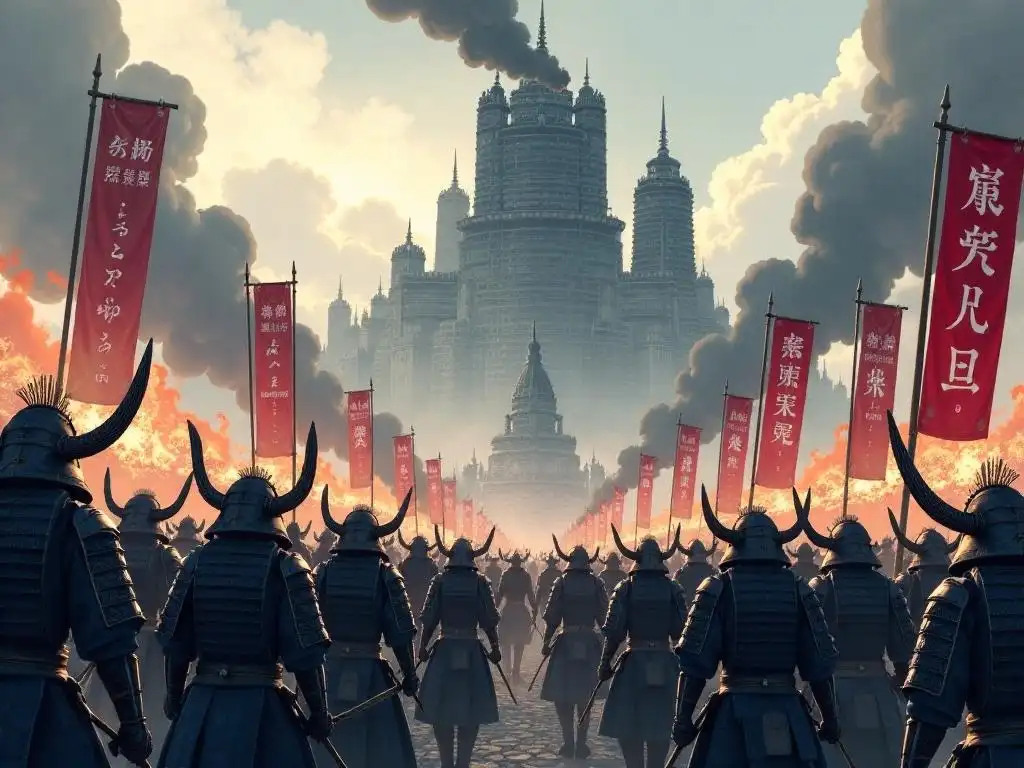
The Genpei War (1180-1185) was not just a pivotal conflict in the political landscape of Japan; it also had profound cultural and societal implications that shaped the nation’s identity. This section delves into the various ways the Genpei War influenced samurai culture, literature, and common society, marking a significant shift in Japan’s historical trajectory.
Influence on Samurai Culture and Bushido Code
The Genpei War is often viewed as a crucial turning point in the evolution of samurai culture and the development of the Bushido code. The war brought about a new ethos among the samurai class, emphasizing values such as loyalty, honor, and martial prowess.
- Rise of the Samurai Class: The war solidified the position of samurai as a distinct social class. With the emergence of the Kamakura shogunate following the conflict, the samurai became not only warriors but also administrators and landholders. This dual role deepened their influence in Japanese society.
- Bushido Code: The ethos of the samurai, encapsulated in the Bushido code, was crystallized during and after the Genpei War. This code emphasized virtues like rei (respect), yū (courage), jin (benevolence), and makoto (truthfulness). These principles guided samurai conduct both on and off the battlefield, shaping the moral framework of Japanese society.
- Legends and Heroism: The tales of valor and sacrifice during the Genpei War, such as those of Minamoto no Yoshitsune, became legendary. These stories were immortalized in various forms of literature and performance, reinforcing the ideals of heroism and loyalty that characterized the samurai identity.
The Role of Literature and Arts Post-War
The aftermath of the Genpei War saw a flourishing of literature and arts that reflected the experiences and values of the time. This cultural renaissance played a critical role in shaping Japan’s collective memory and identity.
- The Tale of the Heike: One of the most significant literary works emerged from this period: The Tale of the Heike. It recounts the rise and fall of the Taira clan and serves as both a historical document and a narrative of the samurai ethos. The story captures the tragedy of war, the impermanence of life, and the honor of warriors, making it a cornerstone of Japanese literature.
- Noh and Kabuki Theatre: The themes of the Genpei War greatly influenced the development of traditional Japanese theatre, particularly Noh and Kabuki. These art forms often depicted historical figures and events, allowing audiences to engage with their cultural heritage and reflect on the moral lessons of the past.
- Visual Arts: The war also inspired various visual arts, including paintings and woodblock prints. Artists depicted battle scenes, samurai heroes, and the emotional struggles of the time, helping to preserve the legacy of the Genpei War in the cultural consciousness of Japan.
The War's Impact on Common Society and Class Structure
The Genpei War had far-reaching effects on common society and the overall class structure in Japan. The conflict not only redistributed power among the elite but also altered the lives of ordinary people.
- Feudal System Reinforcement: The establishment of the Kamakura shogunate solidified the feudal system in Japan. Land was redistributed to loyal samurai, which reinforced the hierarchical structure of society. This new order created a clear distinction between the ruling class and commoners, leading to a more stratified society.
- Peasant Uprisings and Social Mobility: The war exacerbated the struggles of peasantry, as battles often led to the destruction of crops and homes. However, the subsequent military government allowed for some social mobility as warriors could rise through the ranks, providing opportunities for commoners who served them loyally.
- Cultural Exchange and Regional Identity: The war also stimulated cultural exchange among different regions as samurai clans interacted and competed. This led to the emergence of distinct regional identities and practices, further enriching the tapestry of Japanese culture.
The cultural and societal effects of the Genpei War were profound and enduring. They reshaped the samurai class, inspired a wealth of artistic expression, and altered the fabric of common society, laying the groundwork for the Japan that would emerge in the following centuries. Through these transformations, the impact of the Genpei War on Japan extended far beyond the battlefield, influencing the nation’s cultural heritage and societal structures for generations to come.
The Long-Term Effects of the Genpei War
Lasting Political Changes in Japan
The Genpei War (1180-1185) was not merely a conflict between the Taira and Minamoto clans; it marked a pivotal transition in Japanese political structure. The war culminated in the rise of the Kamakura shogunate, fundamentally reshaping the governance of Japan.
- Establishment of Military Rule: The victory of the Minamoto clan led to the establishment of the Kamakura shogunate in 1192, which introduced a feudal system where power was decentralized. This military government replaced the court-centered politics of the Heian period, shifting authority from the imperial court to the shogunate.
- Feudal Hierarchy: The war catalyzed the formation of a feudal hierarchy, with samurai emerging as a dominant class. Land was distributed among loyal warriors, creating a system where loyalty and military service were paramount. This relationship between lord and vassal would define Japanese politics for centuries.
- Legal and Administrative Reforms: The Kamakura shogunate also initiated significant legal reforms, such as the development of the Jus sanguinis principle, which emphasized hereditary rights over merit. This laid the groundwork for future governance structures and the concept of bushi (warrior class) as the ruling elite.
The Genpei War’s Legacy in Modern Japanese History
The repercussions of the Genpei War extended far beyond its immediate aftermath, influencing the trajectory of Japanese history into the modern era.
- Cultural Identity: The war fostered a sense of Japanese nationalism and cultural identity, particularly through historical narratives and folklore that celebrated the valor of the samurai. The tales of the Genpei War, such as The Tale of the Heike, became integral to Japan’s cultural heritage, shaping perceptions of honor and duty.
- Precedent for Future Conflicts: The political fragmentation that followed the Genpei War created a precedent for future conflicts in Japan. Subsequent wars, such as the Nanboku-chō Wars and the Sengoku period, can be traced back to the power dynamics established during the Genpei War.
- Influence on Governance: The dual rule of the emperor and shogun established during this period influenced Japan’s governance structure into the early 20th century. Even during the Meiji Restoration, the complexities of this duality were evident as Japan navigated modernization while grappling with its feudal past.
How the Genpei War Influenced Future Conflicts in Japan
The Genpei War set important precedents that would echo throughout Japan’s tumultuous history, influencing both military strategies and political alignments in subsequent conflicts.
- Military Strategies: The tactics used during the Genpei War, such as the use of cavalry and naval power, became foundational in shaping Japanese warfare. The Minamoto’s innovative approaches to battle were studied and emulated in later conflicts, including the Mongol invasions and the Sengoku period.
- Clan Rivalries and Alliances: The war intensified clan rivalries that would dominate Japanese politics for centuries. The establishment of the shogunate did not eliminate conflict; rather, it transformed it, leading to new alliances and rivalries among emerging clans.
- Political Fragmentation: The political landscape of Japan post-Genpei War was characterized by ongoing power struggles and shifts in loyalty among samurai. This fragmentation set the stage for the Warring States period (Sengoku Jidai), where regional warlords (daimyōs) vied for control, directly stemming from the power vacuums created during and after the Genpei War.
The impact of the Genpei War on Japan was profound and multifaceted, shaping political, cultural, and military landscapes that would resonate throughout Japanese history. Understanding these long-term effects is crucial for grasping the complexities of Japan's evolution from a feudal society to a modern nation-state.
Conclusion: Reflecting on the Genpei War’s Legacy
Summarizing the Impact of the Genpei War on Japan
The Genpei War, which spanned from 1180 to 1185, was a pivotal conflict in Japanese history. Its outcome not only determined the fate of the Taira and Minamoto clans but also fundamentally transformed the political landscape of Japan. One of the most significant impacts of the Genpei War was the establishment of the Kamakura shogunate, which marked the beginning of military governance in Japan.
- Shift in Power Dynamics: The war catalyzed a shift from aristocratic rule, where the Heian court held sway, to a more militaristic structure. The Minamoto victory led to the rise of the samurai class, fundamentally altering the social hierarchy.
- Decentralization of Power: With the rise of the Kamakura shogunate, power became increasingly decentralized. Local warlords, or daimyō, gained autonomy, which laid the groundwork for future feudal systems across Japan.
- Cultural Transformation: This period also saw a change in cultural expression. The samurai code of honor, known as bushidō, emerged, influencing Japanese culture, arts, and literature. The Genpei War inspired many literary works, including the epic Heike Monogatari, which immortalized the conflict and its figures.
The cumulative effects of these changes underscore the profound and lasting impact of the Genpei War on Japan's political history, establishing a legacy that would influence generations to come.
Importance of Learning from Historical Conflicts for Future Generations
Understanding the impact of the Genpei War on Japan is not just an academic exercise; it offers valuable lessons for contemporary society. Historical conflicts reveal patterns of behavior, governance, and social evolution that can inform current and future decision-making processes.
- Conflict Resolution: The Genpei War illustrates how unresolved tensions can escalate into full-blown conflict. By studying these historical precedents, future leaders can better navigate modern disputes, emphasizing dialogue over warfare.
- Power and Governance: The war's outcome emphasizes the fragility of power. It demonstrates how quickly political landscapes can shift and how new forms of governance can emerge from chaos. This knowledge is crucial for fostering resilient political systems that can adapt to change.
- Cultural Identity: The cultural impacts of the Genpei War resonate today as Japan continues to grapple with its historical narrative. Understanding the consequences of past conflicts can help shape a more inclusive and reflective national identity.
The lessons gleaned from the Genpei War extend beyond the confines of history, serving as a guide for navigating the complexities of modern governance, conflict resolution, and cultural identity. Engaging with this history is vital for fostering a more informed and conscientious society.
Frequently Asked Questions
What was the Genpei War?
The Genpei War (1180-1185) was a conflict between the Minamoto and Taira clans that significantly influenced the political landscape of Japan, leading to the rise of the samurai class.
How did the Genpei War impact Japanese society?
The war resulted in the establishment of the Kamakura shogunate, which shifted power from the imperial court to the military leaders, altering the social hierarchy of Japan.
What were the key outcomes of the Genpei War?
Key outcomes included the defeat of the Taira clan, the rise of the Minamoto, and the establishment of a feudal system that shaped Japanese governance for centuries.
How did the Genpei War influence Japanese culture?
The Genpei War inspired numerous literary and artistic works, such as the Tale of the Heike, which reflect the values of loyalty and honor prevalent in samurai culture.
Why is the Genpei War considered a turning point in Japanese history?
The war is seen as a turning point because it marked the transition from imperial rule to military governance, setting the stage for the feudal era that defined Japan's political structure for centuries to come.
Final Reflection: The Enduring Impact of the Genpei War on Japan
The Genpei War was not merely a conflict; it was a transformative event that reshaped the very foundations of Japanese political history. The struggle between the Taira and Minamoto clans set the stage for the rise of the samurai class and the establishment of the shogunate system, which would dominate Japan for centuries. Today, as we navigate a world still influenced by historical power dynamics, understanding the impact of the Genpei War on Japan serves as a reminder of how conflict can redefine governance and societal structures.
Culturally and socially, the Genpei War's legacy continues to resonate in Japan. The themes of loyalty, honor, and the warrior spirit that emerged from this tumultuous period are deeply embedded in Japanese culture, influencing everything from literature to modern media. The war's narrative has been immortalized in epic tales such as "The Tale of the Heike," which reflects the values and struggles of its time. History is written by the victors,
but the stories of the defeated also shape our understanding of the past. The Genpei War reminds us that every conflict carries multiple narratives, each contributing to the rich tapestry of a nation's identity.
As we reflect on the lessons of the Genpei War, let us consider how history informs our present and future. I invite you to explore the complexities of power, conflict, and resolution in your own life. How can the lessons learned from this pivotal moment in history inspire you to navigate challenges and foster understanding in your community? By engaging with the past, we can cultivate a more informed and compassionate future.
Embrace the Legacy of the Genpei War!
Thank you for diving into the transformative journey of the Genpei War and its profound impact on Japanese political history! By exploring this pivotal conflict, you’ve unlocked a deeper understanding of how power dynamics shifted during this era. Now, it’s time to put that knowledge into action!
Here are some engaging ways you can further your exploration and share the insights you've gained:
- Join a local history group or participate in an online forum to discuss the implications of the Genpei War with others who are passionate about Japanese history.
- Share this article on your social media platforms to spark conversations about its historical significance and how it continues to influence contemporary Japan.
- Dive deeper: Choose a book or watch a documentary on samurai culture or the Kamakura period to expand your understanding of this fascinating era.
As you reflect on the legacies of past conflicts, consider this: How do you think the outcomes of the Genpei War shape modern Japanese society and politics today? We invite you to share your thoughts below!