
The Rise of the Shogunate: How Power Shifted from Emperors to Military Leaders

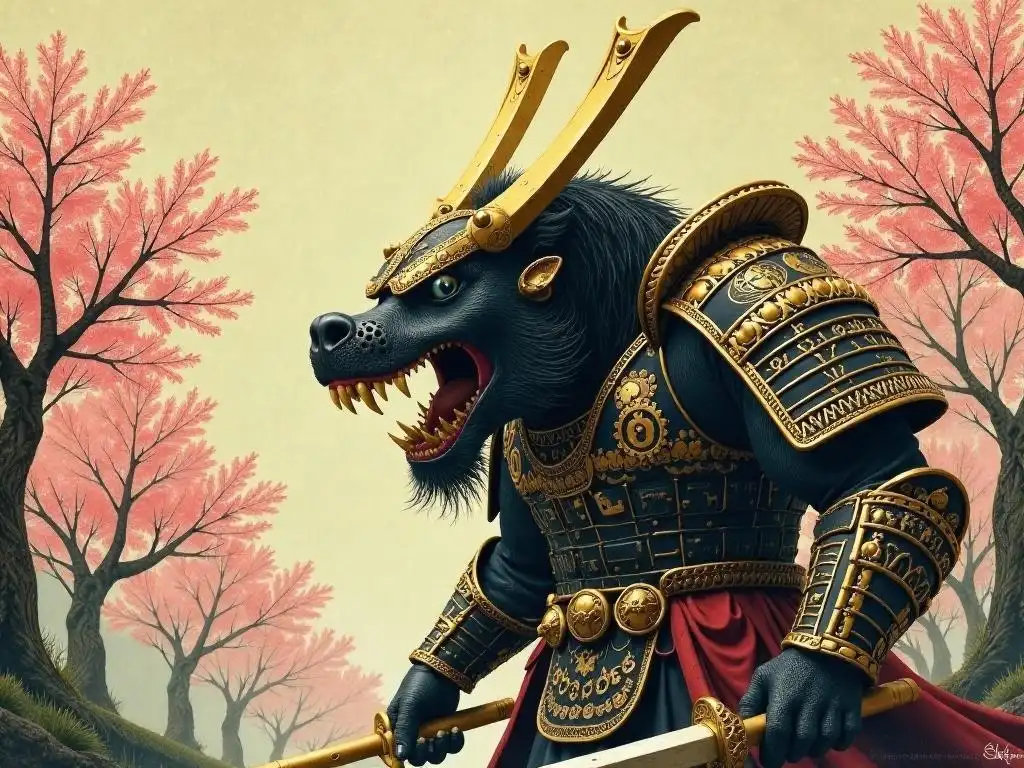
Welcome to Feudal Japan History, where we embark on a captivating journey through the intricate tapestry of Japan's feudal era. Delve into our featured article, "The Rise of the Shogunate: How Power Shifted from Emperors to Military Leaders," and uncover the dramatic transformations that reshaped the nation's political landscape. What forces propelled this monumental shift in power? As you explore the depths of shogunate authority and its impact on Japanese society, prepare to have your understanding of history challenged and enriched. Join us as we unravel the tales of ambition, conflict, and culture that defined an era!
Introduction to the Shogunate Power Shift in Japan
The transition of power from emperors to military leaders during Japan's feudal era represents a significant shift in the nation’s political landscape. This complex transformation, culminating in the establishment of the shogunate system, reshaped not only the governance of Japan but also its societal structure and cultural identity.
Understanding the shogunate power shift in Japan requires a deep dive into the historical context, the roles of various political entities, and the factors that contributed to the rise of military authority. This article will explore how the shogunate emerged as a dominant force, ultimately leading to a new era of governance characterized by military rule and a departure from imperial sovereignty.
Overview of Feudal Japan and the Role of Emperors
Feudal Japan, spanning from the 12th to the 19th centuries, was marked by a decentralized political system where local lords held significant power. The emperor, traditionally viewed as the divine sovereign, was often relegated to a symbolic role, with actual governance shifting to military leaders. During this period, the emperor's influence waned, as regional warlords, known as daimyō, began to assert control over their territories.
- Key Roles of the Emperor:
- Symbolic Leader: Represented the unity and continuity of the state.
- Spiritual Authority: Maintained religious significance, presiding over Shinto rituals.
- Diplomatic Figure: Engaged in ceremonial diplomacy, particularly with other nations.
This dynamic set the stage for a power struggle that ultimately favored military leaders, reshaping the political landscape of Japan.
Definition and Importance of the Shogunate System
The shogunate was a form of military government established to maintain order and stability in feudal Japan. The term "shogun" originally meant "general," but over time it came to denote the highest military authority in the country. The shogunate system is significant for several reasons:
- Centralization of Power: It allowed for a more organized governance structure despite Japan’s feudal nature.
- Military Leadership: Provided a framework for military leaders to exert control over their domains and maintain peace.
- Cultural Influence: The shogunate era fostered unique cultural developments, including the arts, literature, and the samurai code of conduct.
Understanding the shogunate is crucial for grasping how Japan transitioned from an imperial system to one dominated by military rulers.
Historical Context of the Shogunate Power Shift
Early Japanese Political Structure: Emperors and Nobility
In the early years of Japan's history, political power was centralized around the emperor and the noble class, known as the kuge. This system relied heavily on court aristocracy and was characterized by:
- Imperial Authority: The emperor held supreme power, but his influence was often challenged by powerful noble families.
- Land Ownership: Nobles controlled vast estates and wielded significant economic power, often acting independently of the emperor.
- Bureaucratic Structure: A complex bureaucracy developed to administer the state, but it often struggled to maintain control over distant provinces.
This structure laid the groundwork for the eventual rise of military leaders who would capitalize on the weaknesses of the imperial system.
The Emergence of Military Leadership in Japanese Politics
As Japan faced internal strife and external threats, the need for strong military leadership became evident. Various factors contributed to this shift:
- Civil Wars: Frequent conflicts, such as the Genpei War (1180-1185), weakened the central authority of the emperor and highlighted the power of military leaders.
- Rise of Samurai: The samurai class emerged as a powerful force, serving as warriors and vassals to daimyō, further diminishing the emperor's role.
- Economic Changes: The shift from a purely agrarian economy to one that included trade and commerce allowed military leaders to gain wealth and influence.
These developments paved the way for the establishment of the shogunate as a legitimate governing body.
Key Events Leading to the Rise of the Shogunate
Several pivotal events marked the transition of power to the shogunate, including:
- The Kamakura Shogunate: Established in 1192, this was the first shogunate in Japan, led by Minamoto no Yoritomo, signifying the official recognition of military rule.
- The Ashikaga Shogunate: Following the Kamakura period, this shogunate emerged in the 14th century, further entrenching military leadership in Japanese politics.
- Mongol Invasions: The successful defense against the Mongol invasions in the late 13th century solidified the military's power and underscored the need for a strong military government.
These key events illustrate how the power dynamics shifted in favor of military leaders and set the stage for the enduring legacy of the shogunate in Japan's history.
The following sections will delve deeper into the intricate relationships between the emperor, the military leaders, and the societal changes that defined this transformative period in Japan's political history.
The Establishment of Shogunate Power
The establishment of shogunate power in Japan marks a significant transition from a centralized imperial rule to a system dominated by military leaders. This shift began in the late 12th century, during a period of political strife and civil conflict known as the Genpei War. As the imperial court struggled to maintain control over the provinces, regional warlords, or daimyo, gained increasing power.
The pivotal moment came in 1192 when Minamoto no Yoritomo was appointed as shogun, establishing the Kamakura Shogunate. This new military government signified a drastic reorganization of political authority, where the emperor retained a ceremonial role, while real power was wielded by the shogun and his samurai warriors.
The Kamakura Shogunate laid the groundwork for future shogunates, introducing systems of governance that prioritized military loyalty and regional control. The shogunate established a network of vassals and retainers, creating a feudal structure where land was exchanged for military service. This system undermined the imperial court's authority and effectively shifted the locus of political power to the shogunate, setting a precedent for subsequent eras in Japanese history.
The First Shogun: Minamoto no Yoritomo and the Kamakura Shogunate
Minamoto no Yoritomo is recognized as the first shogun of Japan, and his rise to power was a direct result of the prolonged civil wars that characterized the late Heian period. His victory over the Taira clan in the Genpei War culminated in the establishment of the Kamakura Shogunate in 1192. Yoritomo's appointment was both a military and political maneuver, as he sought to legitimize his authority while also maintaining the loyalty of the samurai class.
Under Yoritomo's leadership, the Kamakura Shogunate implemented various reforms that strengthened its hold over the country. This included the establishment of a dual government system, where the shogunate handled military and administrative affairs, while the emperor remained in Kyoto, focusing on ceremonial duties. Yoritomo also initiated the creation of a warrior code, which would later evolve into the samurai ethos of bushido, further solidifying the samurai's role in governance and society.
The Role of Samurai in Shogunate Governance
The samurai were central to the governance of the shogunate, acting as both military enforcers and administrative officials. Their loyalty to the shogun was paramount, as they were often rewarded with land and privileges in exchange for their service. This relationship fostered a feudal hierarchy where samurai were bound to their lords through oaths of loyalty, known as "giri," while also adhering to the ethical code of bushido.
As the shogunate expanded, the role of the samurai evolved. They transitioned from mere warriors to influential figures within the government, participating in decision-making processes and local administration. Their influence grew further during the Ashikaga period, where they became integral to both military campaigns and the cultural landscape of Japan. The samurai not only enforced the shogunate's power through military means but also played a critical role in shaping the social fabric of feudal Japan.
Comparison of Imperial Authority and Shogunal Power
The power shift from emperors to shoguns significantly altered the political landscape of Japan. The emperor, once considered the divine ruler and the ultimate authority, saw his role diminish to that of a figurehead, primarily involved in religious and cultural matters. In contrast, the shogunate exercised real political and military power, commanding loyalty from the samurai and controlling vast territories.
This shift created a unique political dynamic, where the shogunate could enact laws and govern regions without imperial consent. While the emperor retained some symbolic importance, the shogunate's authority often superseded that of the imperial court, especially during periods of instability. The balance of power tilted firmly in favor of the shogunate, establishing a precedent for future military leaders and creating a legacy that would shape Japanese governance for centuries to come.
Cultural Impacts of the Shogunate Power Shift
The shift in power from emperors to shoguns during the feudal era had profound cultural implications for Japan. The new military governance influenced various aspects of Japanese life, including social structures, artistic expressions, and philosophical developments. As the samurai class emerged as the dominant social group, their values and customs permeated society, leading to a unique blend of military and cultural traditions.
Changes in Society Under Shogunate Rule
Under shogunate rule, Japanese society underwent significant changes. The feudal system established clear social hierarchies, with the samurai at the top, followed by farmers, artisans, and merchants. This stratification was reinforced by laws that regulated interactions between classes, promoting loyalty among the samurai and stability within the rural populace.
As the shogunate gained control, the emphasis on agricultural production increased, leading to economic growth in rural areas. However, this period also saw the suppression of the merchant class, which was often viewed with suspicion by the samurai elite. The shogunate's policies fostered a culture of self-sufficiency, encouraging local governance and community organization among the lower classes, thereby reshaping the social landscape of Japan.
The Influence of Bushido and Samurai Culture
The samurai culture, epitomized by the code of bushido, played a crucial role in shaping Japanese values during the shogunate era. Bushido, which translates to "the way of the warrior," emphasized virtues such as loyalty, honor, and discipline. It became the guiding principle for samurai behavior, influencing not only military conduct but also interactions with the broader society.
The ethos of bushido permeated various aspects of Japanese culture, including literature, art, and philosophy. Samurai ideals inspired a rich literary tradition, portraying themes of honor and sacrifice, while also influencing the development of traditional Japanese arts, such as tea ceremonies and flower arranging. The principles of bushido extended beyond the samurai class, impacting the moral framework of Japanese society as a whole.
Artistic and Cultural Developments During the Shogunate Era
The cultural landscape of Japan flourished during the shogunate era, marked by significant artistic developments. The stability provided by the shogunate allowed artists and craftsmen to explore new forms of expression, resulting in a vibrant period of creativity. The rise of the tea ceremony, Noh theater, and ukiyo-e woodblock printing are just a few examples of the artistic innovations that emerged during this time.
In addition, the shogunate's patronage of the arts led to the establishment of distinct regional styles and schools. This period saw the emergence of cultural practices that celebrated the beauty of nature and the complexities of human emotion. The interplay between military power and cultural expression during the shogunate era created a unique tapestry of Japanese identity, leaving a lasting legacy that continues to resonate in modern Japan.
Political Structures Within the Shogunate
The political landscape of feudal Japan was characterized by a complex hierarchy that defined the relationships and power dynamics between various leaders and factions. The shogunate system emerged as a military government that effectively shifted power from the emperor to military leaders known as shoguns. This political structure established a new order where the shogun held considerable authority, while the emperor remained a figurehead, largely relegated to religious and ceremonial roles.
The shogunate's governance relied on a well-defined hierarchy that ensured loyalty and control over the vast territories of Japan. The primary institutions of power were established to maintain order and facilitate military governance. This system not only influenced military strategies but also shaped the cultural and social fabric of Japan, as local lords and samurai were integrated into this governance model.
The Hierarchical Organization of Shogunate Leadership
At the top of the shogunate hierarchy was the shogun, who wielded supreme military authority. Below the shogun were the daimyōs, powerful feudal lords who governed individual provinces and were responsible for maintaining order and collecting taxes. Each daimyō controlled a retinue of samurai who served as both warriors and local administrators. The daimyōs' loyalty to the shogun was critical for maintaining stability and ensuring that military forces could be mobilized in times of conflict.
The structure further included various bureaucratic roles, such as shugo (military governors) and jito (land stewards), who managed day-to-day affairs and implemented the shogun's policies at a local level. This organization allowed the shogunate to exert control over a decentralized feudal system, ensuring that power was effectively distributed while maintaining the authority of the shogun at the apex.
The Role of Daimyo in the Shogunate System
The daimyō played a pivotal role in the shogunate system, acting as regional rulers who held significant power within their domains. They were granted land and autonomy by the shogun in exchange for loyalty and military service. This reciprocal relationship fostered a network of alliances that were crucial for the stability of the shogunate, as daimyōs were responsible for raising armies and defending their territories against external threats.
Daimyōs also had their own retinues of samurai, creating a layered social structure within their domains. They governed local affairs, enforced laws, and collected taxes, which further solidified their power and influence. However, the daimyōs were often subject to the shogun's authority, leading to a delicate balance of power that could shift based on political alliances or military conflicts.
The Shogunate's Relationship with the Emperor
Throughout the shogunate's rule, the emperor's position transformed significantly. Initially regarded as the supreme sovereign of Japan, the emperor became increasingly marginalized as the shogunate consolidated power. The emperor was often seen as a symbolic figure, with little actual political influence.
However, the shogunate maintained a façade of respect for the emperor, often seeking legitimacy through imperial endorsement of their rule. This relationship was complex; while the shogun needed the emperor to validate their authority, the emperor relied on the shogun for protection and governance. This dynamic created an intricate interplay between military and religious authority, shaping the political narrative of the era.
Over time, the shogunate faced numerous challenges that contributed to its decline. Internally, dissent among daimyōs and samurai, coupled with economic difficulties and social unrest, weakened the shogunate's grip on power. Externally, pressures from Western powers and the arrival of foreign influences further destabilized the political landscape, leading to a growing desire for reform and the restoration of imperial authority.
Factors Contributing to the Decline of Shogunate Power
Several factors played a crucial role in the decline of shogunate power. The economic strain caused by ongoing military campaigns and the maintenance of a large samurai class led to financial difficulties for the shogunate. Additionally, internal strife, including uprisings and the dissatisfaction of lower-class samurai, eroded the shogunate's legitimacy.
Moreover, the arrival of Commodore Perry in 1853 and subsequent treaties with Western nations exposed Japan's isolationist policies and highlighted the need for modernization. This foreign pressure fueled a growing movement among various factions to restore the emperor to a position of power, culminating in the eventual decline of the shogunate.
The Meiji Restoration: A Shift Back to Imperial Rule
The Meiji Restoration of 1868 marked a significant turning point in Japanese history, effectively ending the shogunate and restoring imperial rule. This revolution was driven by a coalition of dissatisfied samurai, daimyōs, and intellectuals who sought to modernize Japan and strengthen its standing against foreign powers.
The restoration led to profound changes in Japan's political structure. The emperor was reinstated as the sovereign ruler, and the new government implemented a series of reforms aimed at centralizing power and modernizing the military, economy, and educational systems. This marked the transition from a feudal society to a more centralized and modern nation-state.
Lasting Effects of the Shogunate on Modern Japan
The legacy of the shogunate continues to influence modern Japan in various ways. Its political structures laid the foundation for contemporary governance, with elements of the samurai code and feudal loyalty still resonating in Japanese culture. The centralized government established during the Meiji Restoration paved the way for Japan's emergence as a major world power in the 20th century.
Furthermore, the shogunate's emphasis on military efficiency and governance has impacted Japan's approach to national security and foreign policy. The historical context of the shogunate provides valuable insights into Japan's political evolution, illustrating how the shifts in power dynamics shaped the nation into what it is today.
Conclusion: The Legacy of Shogunate Power Shift in Japan
The power shift from emperors to military leaders, particularly the establishment of the shogunate, marked a transformative era in Japanese history. This transition not only altered the political landscape but also laid the groundwork for a new societal structure that would influence Japan for centuries. The emergence of the shogunate allowed for a more centralized military governance, which enabled the country to maintain relative stability during times of upheaval, such as the Mongol invasions and later internal conflicts.
The legacy of this power shift is evident in various aspects of Japanese culture, traditions, and governance. The samurai class, which rose to prominence during the shogunate era, became emblematic of Japanese values such as honor, loyalty, and discipline. Furthermore, the political frameworks established during this time, including the concept of a dual government with the emperor as a figurehead and the shogun as the de facto ruler, continued to impact Japan even after the fall of the shogunate in the 19th century.
In essence, the shogunate power shift not only redefined who held authority in Japan but also influenced the cultural and political identity that continues to resonate in modern Japanese society.
Summary of Key Points on Shogunate Power Shift
- Transition of Power: The shogunate system emerged as military leaders gained authority over the emperor, marking a significant political transformation.
- Rise of the Samurai: The samurai class became central to governance, embodying values that shaped Japanese culture.
- Dual Government Structure: The establishment of a dual governance system allowed for a separation between the ceremonial role of the emperor and the practical governance by the shogun.
- Cultural Impact: The shogunate era contributed to lasting cultural traditions and social norms that influenced subsequent generations.
The Historical Significance of the Shogunate in Japanese History
The shogunate represents a critical turning point in Japanese history, illustrating the transition from imperial rule to military governance. This shift was not merely a change in leadership but a fundamental transformation of societal norms and political structures. The historical significance of the shogunate can be observed through several lenses:
- Political Stability: By consolidating power in the hands of military leaders, Japan experienced a degree of political stability that had been absent during the preceding centuries of civil strife.
- Cultural Development: The shogunate era fostered unique cultural developments, including advancements in art, literature, and philosophy, heavily influenced by the samurai ethos.
- International Relations: The shogunate's policies towards foreign nations, particularly during the Edo period, shaped Japan's international relations and interactions with Western powers, leading to events such as the arrival of Commodore Perry in the 19th century.
Further Reading on Shogunate Power Shift in Japan
For those interested in exploring the complexities of the shogunate power shift in Japan further, a wealth of literature and resources is available. These works provide deeper insights into the political, cultural, and social dynamics of the period.
Recommended Books and Articles on Feudal Japan
- "The Rise of the Shogun" by Steven Turnbull: This book delves into the origins and evolution of the shogunate, highlighting key figures and events that shaped its development.
- "Samurai: The World of the Warrior" by Jonathan Lopez-Vera: An exploration of the samurai class and its integral role within the shogunate, examining the cultural impact of samurai values.
- "The Making of Modern Japan" by Joshua Fogel: This comprehensive work places the shogunate within the broader context of Japan’s modernization and its implications for contemporary society.
Online Resources for Exploring Shogunate History
- National Diet Library of Japan: An extensive collection of resources and documents related to the history of the shogunate and feudal Japan.
- Japan National Tourism Organization: Offers historical overviews and cultural insights related to the samurai and shogunate, along with tourist information.
- The Asia-Pacific Journal: A scholarly platform featuring articles and research papers focused on various aspects of Japanese history, including the shogunate and its legacy.
These resources provide an excellent starting point for readers wishing to deepen their understanding of the shogunate power shift in Japan and its lasting impact on Japanese history and culture.
- Introduction to the Shogunate Power Shift in Japan
- Historical Context of the Shogunate Power Shift
- The Establishment of Shogunate Power
- Cultural Impacts of the Shogunate Power Shift
- Political Structures Within the Shogunate
- The Decline of Shogunate Power and the Return of Imperial Authority
- Conclusion: The Legacy of Shogunate Power Shift in Japan
- Further Reading on Shogunate Power Shift in Japan
- What was the primary cause of the power shift from emperors to shoguns in Japan?
- How did the shogunate system impact Japanese society?
- What were the main shogunates in Japanese history?
- How did the shogunate affect Japan’s foreign relations?
- What role did samurai play during the rise of the shogunate?
Frequently Asked Questions
What was the primary cause of the power shift from emperors to shoguns in Japan?
The power shift occurred due to political instability and the need for military leadership to maintain order during the late Heian period.
How did the shogunate system impact Japanese society?
The shogunate system established a feudal hierarchy, where samurai became the ruling class, influencing social structures and cultural practices.
What were the main shogunates in Japanese history?
The most notable shogunates include the Minamoto, Ashikaga, and Tokugawa, each contributing significantly to the political landscape and governance of Japan.
How did the shogunate affect Japan’s foreign relations?
The shogunate often prioritized isolationism, particularly during the Tokugawa period, limiting foreign influence and trade to maintain internal stability.
What role did samurai play during the rise of the shogunate?
Samurai served as both warriors and administrators, enforcing the shogun's authority and shaping the military culture of feudal Japan.
Final Reflection: The Enduring Legacy of Shogunate Power Shift in Japan
The shift of power from emperors to military leaders during the rise of the shogunate is not merely a historical event; it is a profound transformation that resonates deeply in today's world. This transition illustrates how authority can evolve in response to societal needs and pressures, highlighting the complex interplay between governance and military strength. As we navigate contemporary issues of power dynamics and leadership, the lessons from Japan's shogunate era remain strikingly relevant.
Culturally and socially, the impact of this power shift continues to shape Japan's identity and its perception of authority. The legacy of the shogunate era can be seen in Japan's modern governance and its cultural narratives, where the balance of power and the role of military influence are still debated. History is not a burden on the memory but an illumination of the soul.
This quote encapsulates how understanding our past can guide us in shaping a more informed future, reminding us to reflect on the implications of authority and leadership in our lives today.
As we conclude this exploration of the shogunate power shift, I invite you to reflect on your own relationship with authority and leadership. Consider how the lessons from this pivotal moment in history can inspire you to engage with the power structures in your own life. Whether in your community, workplace, or personal relationships, recognizing the dynamics of power can empower you to advocate for change and foster a more equitable environment. Embrace the opportunity to learn from the past and apply those insights to create a brighter future.
Unveil the Power of the Shogunate!
Thank you for exploring the fascinating transformation of power in Feudal Japan! You’ve uncovered the critical shifts that led to the rise of military leaders over emperors. Now, it's time to delve deeper into this intriguing history and make your own impact!
Here are a few actionable steps to continue your journey:
- Dive into the stories of the Shoguns: Read biographies or historical accounts to understand the lives and strategies of these influential military leaders.
- Join a historical discussion group or forum: Engage with fellow history enthusiasts on various platforms or social media to share insights and perspectives about the rise of the Shogunate.
- Try your hand at reenactment or role-play: Explore historical events creatively through writing, gaming, or participating in local theater groups dedicated to Feudal Japan.
What aspect of the Shogunate do you find most intriguing, and how would you like to explore it further?