
A Closer Look at Tokugawa Ieyasu: The Architect of Japan’s Unification

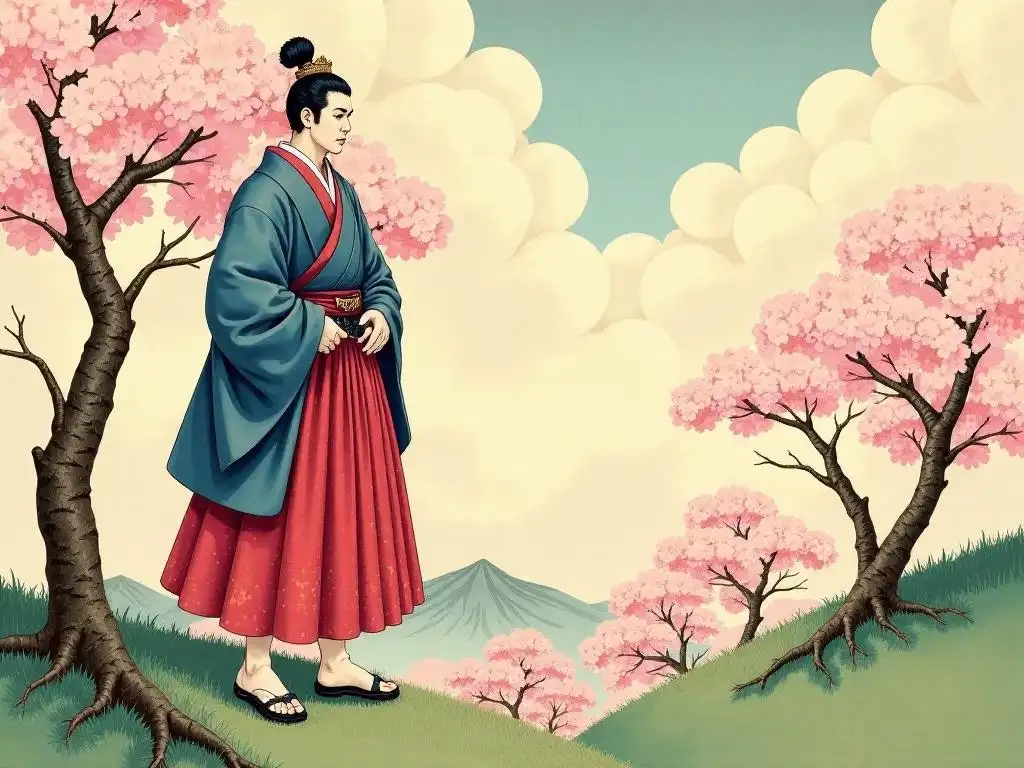
Welcome to Feudal Japan History, where we embark on a fascinating journey through the intricate tapestry of Japan’s feudal era. Here, we delve into the historical, cultural, and societal aspects that shaped a nation, and today, we shine a spotlight on the remarkable figure of Tokugawa Ieyasu. As the architect of Japan’s unification, Ieyasu's legacy is pivotal in understanding the dynamics of political power during this transformative period. Are you ready to uncover the layers of his historical significance and discover how his strategies and vision set the stage for an era of peace and prosperity? Let’s dive deeper!
Tokugawa Ieyasu stands as a pivotal figure in Japan's illustrious history, renowned for his extraordinary role in the unification of the nation during the tumultuous Sengoku period. His strategic acumen, political foresight, and military prowess enabled him to consolidate power and establish the Tokugawa Shogunate, which would govern Japan for over two and a half centuries.
This article delves into the historical significance of Tokugawa Ieyasu, exploring his contributions to Japan’s political landscape, cultural developments, and societal transformations. Through a comprehensive examination of his life and achievements, we aim to uncover the complexities of Ieyasu's legacy and how it shaped the trajectory of Japan into the modern era.
Early Life and Rise to Power
Tokugawa Ieyasu was born on January 31, 1543, in the province of Mikawa. His early life was marked by the chaos of the Sengoku period, a time characterized by constant military conflict among feudal lords. After being taken hostage during his youth, Ieyasu emerged as a shrewd political player, forming alliances and leveraging his position to gain power.
- Key Points in Early Life:
- Birth in Mikawa Province
- Hostage situation that shaped his worldview
- Formation of key alliances with powerful daimyos
Ieyasu's pivotal moment came after the Battle of Sekigahara in 1600, where he decisively defeated his rivals, paving the way for his ascension to shogunate. This victory marked the beginning of the Tokugawa era, initiating a period of relative peace and stability known as the Edo period.
Establishment of the Tokugawa Shogunate
The establishment of the Tokugawa Shogunate in 1603 was a transformative moment in Japanese history. Ieyasu implemented a centralized feudal system that not only maintained order but also curtailed the power of the daimyos, ensuring loyalty through a system of hostages and a strict code of conduct.
- Significant Policies:
- Sankin-kōtai: A system requiring daimyos to spend every other year in Edo (now Tokyo), weakening their regional power.
- Strict social hierarchy: Reinforcement of the four-class system: samurai, farmers, artisans, and merchants.
This era allowed for economic growth, cultural development, and the flourishing of the arts, laying the groundwork for what would become known as the "Genroku culture."
Cultural Contributions and Legacy
Tokugawa Ieyasu's influence extended beyond politics into the cultural realm. His governance fostered the development of various art forms, including kabuki, ukiyo-e, and traditional tea ceremonies, which became integral to Japanese identity.
- Cultural Highlights:
- Promotion of Zen Buddhism and the arts.
- Support for literature and performing arts, which thrived under the peace and stability he established.
Ieyasu's legacy is further encapsulated by his death in 1616 and the subsequent veneration of his spirit at the famous Nikkō Tōshō-gū shrine, symbolizing his enduring impact on Japan's cultural and historical landscape.
Conclusion
The historical significance of Tokugawa Ieyasu cannot be overstated. His strategic unification of Japan and the establishment of a lasting shogunate not only transformed the political landscape but also laid the foundation for a flourishing cultural era. Understanding Ieyasu's role provides valuable insights into the complexities of Japan's feudal history and its evolution into a modern nation. In the following sections, we will delve deeper into specific aspects of his policies, military strategies, and cultural contributions, offering a comprehensive view of this remarkable figure in Japanese history.
- Early Life and Rise to Power
- Establishment of the Tokugawa Shogunate
- Cultural Contributions and Legacy
- Conclusion
Introduction to Tokugawa Ieyasu

Tokugawa Ieyasu stands as a pivotal figure in Japanese history, renowned for his role in the unification of Japan during the tumultuous Sengoku period. His strategic acumen, political foresight, and military prowess were instrumental in establishing the Tokugawa Shogunate, which would dominate Japanese politics for over 250 years. Understanding Ieyasu's historical significance involves delving into his life, the socio-political landscape of his time, and the lasting impact of his rule.
Overview of Tokugawa Ieyasu's Life
Tokugawa Ieyasu was born on January 31, 1543, in the province of Mikawa. His early life was marked by the instability of the Sengoku period, a time characterized by constant warfare among rival feudal lords (daimyō). Ieyasu was originally taken hostage by the Imagawa clan, which influenced his later diplomatic strategies.
Key milestones in Ieyasu's life include:
- 1560: Ieyasu allied with Oda Nobunaga, a powerful daimyō who was seeking to unify Japan. This alliance was crucial for Ieyasu's rise.
- 1582: Following Nobunaga's assassination, Ieyasu maneuvered politically to consolidate power in the region.
- 1600: Ieyasu achieved a decisive victory at the Battle of Sekigahara, which paved the way for his ascension as the principal power in Japan.
- 1603: He was appointed shōgun, marking the formal establishment of the Tokugawa Shogunate.
Under his leadership, Japan enjoyed a prolonged period of peace known as the Edo period, which fostered economic development and cultural flourishing.
Historical Context of the Sengoku Period
The Sengoku period (1467-1603) was a time of profound upheaval in Japan, characterized by social chaos, political intrigue, and military conflict. The power vacuum left by the Ashikaga Shogunate's decline led to the emergence of numerous regional warlords vying for control. This era was marked by:
- Fragmentation of Power: Japan was divided among hundreds of daimyō, each controlling their own territory and often engaging in warfare against one another.
- Rise of the Samurai Class: The demand for skilled warriors escalated, leading to the samurai class's prominence. Their loyalty and martial skills became crucial to the daimyō's power.
- Political Alliances and Betrayals: Shifting allegiances were commonplace as daimyō sought to gain advantages over rivals, leading to a volatile political landscape.
Significant events during the Sengoku period that influenced Ieyasu's rise include:
- Battle of Okehazama (1560): Oda Nobunaga's unexpected victory over the Imagawa clan showcased the potential for strategic brilliance in warfare.
- Battle of Yamazaki (1582): This battle solidified Nobunaga's authority and set the stage for Ieyasu's rise following Nobunaga's death.
- Battle of Sekigahara (1600): This decisive conflict marked the culmination of Ieyasu's efforts to unify Japan, establishing him as the preeminent leader.
Ieyasu's ability to navigate this tumultuous period and emerge as a unifying force illustrates his historical significance within Japan's political landscape. The Tokugawa Shogunate that followed not only reshaped Japan's governance but also laid the foundation for a unique cultural and societal evolution that would influence the nation for centuries.
Tokugawa Ieyasu's Rise to Power

Tokugawa Ieyasu's journey to becoming one of Japan's most influential figures is marked by strategic alliances, military prowess, and an understanding of the sociopolitical landscape of feudal Japan. His rise to power is a testament to his adaptability and foresight, ultimately leading to the establishment of the Tokugawa Shogunate, which would dominate Japan for over 250 years.
Early Life and Influences
Tokugawa Ieyasu was born on January 31, 1543, in the Mikawa Province (present-day Aichi Prefecture). His early life was shaped by the tumultuous environment of the Sengoku period, a time characterized by constant military conflict and power struggles among regional daimyo.
- Background: Ieyasu was born to a minor lord, Matsudaira Hirotada, which placed him in a precarious position from a young age. Following his father’s defeat, Ieyasu was taken hostage by the Imagawa clan, which significantly influenced his worldview and political strategies.
- Influences: During his captivity, he learned the importance of diplomacy and the intricacies of political alliances. He developed a reputation for being shrewd, calculating, and patient—qualities that would define his leadership style.
- Education and Skills: Ieyasu was not only educated in the martial arts but also in the art of governance. He understood the value of both military strength and political acumen, which would prove essential in his quest for power.
Key Battles Leading to Ascendancy
Ieyasu's rise was marked by several significant battles that showcased his military talent and strategic thinking. His ability to form alliances and outmaneuver opponents was crucial in establishing his dominance.
- Battle of Okehazama (1560):
- Ieyasu allied with Oda Nobunaga, and together they faced the Imagawa forces. Nobunaga's surprise attack led to a stunning victory, enhancing Ieyasu's reputation.
- Battle of Nagakute (1582):
- Ieyasu's forces engaged in a fierce battle against Takeda Shingen's allies. Although the outcome was indecisive, Ieyasu's tactical retreats and careful leadership solidified his standing among his peers.
- Battle of Komaki and Nagakute (1584):
- This conflict against Toyotomi Hideyoshi further demonstrated Ieyasu's military capabilities. He skillfully maneuvered his troops and managed to hold his ground, earning respect even from his adversaries.
These battles not only showcased Ieyasu's military expertise but also positioned him as a key player in the ongoing struggle for unification in Japan.
The Battle of Sekigahara: A Turning Point
The Battle of Sekigahara, fought on October 21, 1600, is often regarded as the pivotal moment in Tokugawa Ieyasu's rise to power. This battle effectively determined the future of Japan and solidified Ieyasu's position as the preeminent leader.
- Context of the Battle: Following the death of Toyotomi Hideyoshi, the fragile balance of power in Japan was disrupted. Ieyasu sought to eliminate his rivals and establish a stable government.
- Forces Involved: Ieyasu commanded approximately 75,000 troops against a coalition of forces led by Ishida Mitsunari, who was backed by the Toyotomi loyalists. The battlefield was strategically chosen, allowing Ieyasu to leverage his superior tactics.
- Outcome: The battle culminated in a decisive victory for Ieyasu, who utilized espionage and strategic alliances to turn the tide. Notably, the betrayal of key allies on Mitsunari's side played a significant role in Ieyasu's success.
- Aftermath: Following the victory at Sekigahara, Ieyasu was granted the title of shogun in 1603, marking the beginning of the Tokugawa Shogunate. His victory laid the groundwork for over two centuries of relative peace and stability in Japan, known as the Edo period.
Tokugawa Ieyasu's historical significance lies not only in his military victories and political maneuvering but also in his lasting impact on Japanese governance and society. His ability to unify a fractured nation remains a pivotal highlight in Japan’s political history, shaping the course of the nation for generations.
Tokugawa Ieyasu's Role in Japan's Unification

Tokugawa Ieyasu played a pivotal role in the unification of Japan during the early 17th century, marking the end of the Warring States period (Sengoku Jidai) and setting the stage for over two centuries of relative peace under the Tokugawa Shogunate. His astute political maneuvering, military prowess, and strategic foresight were crucial in consolidating power and stabilizing a nation that had been fragmented by decades of conflict. Understanding Ieyasu's historical significance requires a closer examination of his strategies, political alliances, and the establishment of the Tokugawa Shogunate.
Strategies for Unification
Ieyasu's strategies for unification were multifaceted, blending military tactics with diplomatic acumen. One of his key strategies was the Battle of Sekigahara in 1600, which was a decisive conflict that effectively determined the future of Japan. This battle saw Ieyasu's forces triumph over a coalition of rival daimyōs, enabling him to consolidate power. His victory was not merely due to military strength; Ieyasu had meticulously gathered intelligence and secured the loyalty of influential samurai, showcasing his ability to forge tactical alliances.
In addition to military engagements, Ieyasu employed a strategy of divide and conquer, exploiting rivalries among his enemies. By creating discord among opposing factions, he was able to weaken their unified front. Furthermore, he understood the importance of public perception and worked to present himself as a stabilizing force. His adoption of Confucian ideals emphasized harmony and order, appealing to a war-weary populace eager for peace.
Moreover, Ieyasu implemented a system of hostage-taking, where he required daimyōs to send their heirs to Edo (modern-day Tokyo) as a form of assurance for their loyalty. This practice not only kept potential adversaries in check but also fostered a sense of loyalty to the Tokugawa regime among the feudal lords.
Political Alliances and Diplomacy
Ieyasu's political acumen was instrumental in forging alliances that facilitated his rise to power. His early affiliation with Oda Nobunaga and later with Toyotomi Hideyoshi laid the groundwork for his eventual unification efforts. By aligning himself with these powerful figures, Ieyasu gained critical military support and legitimacy.
After Hideyoshi's death, Ieyasu capitalized on the ensuing power vacuum. He navigated a complex political landscape, fostering alliances with other daimyōs through marriages and agreements. The Kanto and Tōkai regions became particularly significant as Ieyasu established control over these areas, securing vital resources and military support.
Ieyasu's diplomatic efforts extended beyond mere alliances; he adeptly negotiated with foreign entities, particularly the Portuguese and Dutch, to establish trade relationships that would enhance Japan’s economy. This access to foreign trade resources allowed him to bolster his military capabilities and ensure the Tokugawa Shogunate's prosperity.
Establishment of the Tokugawa Shogunate
The culmination of Ieyasu's unification efforts was the establishment of the Tokugawa Shogunate in 1603, a regime that would dominate Japan for 268 years. Upon being appointed shogun, Ieyasu enacted a series of reforms aimed at consolidating power and maintaining peace.
One of his foundational policies was the Sankin-kōtai system, which required daimyōs to alternate their residence between their domains and Edo. This policy effectively kept the daimyōs engaged in the affairs of the shogunate while limiting their power base in their own territories. The system created a vibrant cultural exchange and economic interdependence that contributed to the stability of the Tokugawa regime.
Additionally, Ieyasu's governance was characterized by a strict social hierarchy and the promotion of Confucian values, which emphasized loyalty and order. This ideological framework not only reinforced his authority but also shaped the social fabric of Japan during the Edo period.
Tokugawa Ieyasu's historical significance lies in his masterful orchestration of Japan's unification through strategic military victories, astute political alliances, and the establishment of a stable governance structure that would last for generations. His legacy continues to be felt in modern Japan, where the impacts of his policies and the Tokugawa Shogunate's era remain integral to the understanding of Japan's political history.
Tokugawa Ieyasu's Historical Significance

Impact on Japanese Political Structure
Tokugawa Ieyasu's influence on the political landscape of Japan is profound and multifaceted. After the tumultuous Sengoku period, which was characterized by constant warfare among rival clans, Ieyasu established a centralized feudal system that brought stability to the nation. He founded the Tokugawa Shogunate in 1603, which lasted until 1868, marking a significant shift in governance.
- Centralization of Power: Ieyasu's political reforms included the establishment of a centralized bureaucracy that allowed for more efficient governance. He implemented a system where daimyos (feudal lords) were required to maintain dual residences, one in their domains and another in Edo (modern-day Tokyo), effectively keeping them under watch and reducing their ability to rebel.
- The Edict of 1635: One of the most significant laws enacted during his rule was the Sakoku, or closed country policy, which restricted foreign influence and trade. This policy not only solidified the shogunate’s power but also ensured that Japan remained insulated from external conflicts and ideologies for over two centuries.
Through these measures, Ieyasu laid the groundwork for a political structure that emphasized loyalty, stability, and control, which would define the Tokugawa era.
Ieyasu's reign was not solely focused on political control; it also ushered in an era of cultural and social transformation. His policies encouraged the flourishing of unique Japanese arts and traditions, fostering a distinct national identity.
- Promotion of Neo-Confucianism: Ieyasu endorsed Confucian ideals, which influenced the ethical and educational standards of the time. This promotion of learning and moral governance helped cultivate a society where loyalty to the shogunate and adherence to social hierarchy were paramount.
- Support for the Arts: The period saw considerable patronage of the arts, including literature, theater (notably Kabuki), and the tea ceremony. Ieyasu's court supported cultural activities that reinforced the values of discipline and aesthetics, which played a crucial role in shaping Japanese cultural identity.
- Social Stratification: Ieyasu formalized a rigid class structure that categorized society into four main classes: samurai, farmers, artisans, and merchants. This stratification created a social order that persisted throughout the Tokugawa period, impacting the social dynamics and economic activities of the time.
Long-term Effects on Feudal Japan
The legacy of Tokugawa Ieyasu extends far beyond his lifetime, with long-lasting effects that influenced Japan's trajectory well into the modern era.
- Stability and Isolation: The stability established by Ieyasu lasted over 250 years, during which Japan experienced relative peace and prosperity. However, the isolationist policies also meant that Japan lagged behind in technological advancements compared to the rest of the world, ultimately contributing to challenges during the Meiji Restoration.
- Foundation for Modernization: The Tokugawa Shogunate's centralized governance provided a framework for the subsequent modernization of Japan. The rise of commerce and the merchant class during this period laid the groundwork for Japan's economic transformation in the late 19th century.
- Cultural Heritage: The cultural policies initiated by Ieyasu helped preserve and promote traditional Japanese arts and culture, which continue to be celebrated today. His era produced significant literary and artistic achievements that remain integral to Japan's cultural heritage.
Tokugawa Ieyasu's historical significance lies in his ability to unify a fractured nation, create a stable government structure, and foster a rich cultural landscape. His influence is evident not only in the political and social frameworks established during his rule but also in the lasting legacy that continues to shape Japan's identity.
The Legacy of Tokugawa Ieyasu

Influence on Successor Shoguns
Tokugawa Ieyasu's historical significance lies not only in his role as the founder of the Tokugawa Shogunate but also in the profound influence he exerted over subsequent shoguns. His governance model set a precedent that shaped the political landscape of Japan for over 250 years. Following Ieyasu's death in 1616, the shogunate continued to operate under his established framework, emphasizing centralized authority and a feudal system that prioritized loyalty and order.
- Political Structure:
- Ieyasu introduced a hierarchical system where power was concentrated in the shogunate, relegating the emperor to a ceremonial role. This structure was upheld by his successors, ensuring stability and continuity in governance.
- The bakufu (military government) he established maintained strict control over daimyōs (feudal lords), requiring them to pledge loyalty through the sankin-kōtai system. This policy mandated that lords alternate residence between their domains and Edo, fostering loyalty and reducing the likelihood of rebellion.
- Military Strategy:
- Ieyasu’s military acumen and strategies were emulated by his successors, who maintained a strong samurai class to enforce shogunal authority. This military preparedness deterred external threats and quelled internal dissent, reinforcing the shogunate's dominance.
- The legacy of Ieyasu's decisive victories, such as at the Battle of Sekigahara in 1600, inspired future military campaigns and strategic planning within the shogunate.
Preservation of Peace during the Edo Period
The era following Tokugawa Ieyasu's unification of Japan is often referred to as the Edo Period (1603-1868), a time characterized by relative peace and stability. This period is significant in Japanese history, often hailed as a golden age due to the absence of large-scale wars.
- Pax Tokugawa: Ieyasu's policies effectively curbed the frequent internal conflicts that had plagued Japan during the Sengoku period. His focus on peace allowed for the consolidation of power and the establishment of a stable society.
- Economic Growth: The long-lasting peace fostered economic development. Trade flourished, and agriculture improved, leading to population growth and urbanization. The flourishing merchant class emerged, contributing to the overall prosperity of the nation.
- Social Order: Ieyasu’s strict social hierarchy, which included samurai, peasants, artisans, and merchants, created a structured society that minimized conflict. By clearly delineating roles and responsibilities, the shogunate ensured social stability and compliance.
Cultural Developments under Tokugawa Rule
The Tokugawa era was not only a time of political stability but also a vibrant period for cultural development. Under Ieyasu's leadership and the subsequent Tokugawa shoguns, Japan experienced significant advancements in various cultural domains.
- Literature and Arts:
- The Edo period witnessed a flourishing of literature, with the rise of ** ukiyo-e** (woodblock prints) and kabuki theater. These art forms reflected the lives and aspirations of the common people, highlighting themes of everyday life.
- Renowned authors, such as Saikaku and Basho, contributed to a rich literary tradition that explored human emotions and nature, shaping Japanese literature for generations.
- Philosophy and Education:
- Ieyasu promoted Neo-Confucianism as the guiding philosophy of the state, emphasizing moral integrity and civic responsibility. This philosophy influenced education, leading to the establishment of schools and the spread of literacy.
- The terakoya (temple schools) educated children from various classes, ensuring that knowledge and culture permeated society, contributing to a more informed populace.
- Culinary and Ritual Arts:
- The period also saw the refinement of traditional Japanese cuisine and the establishment of tea ceremonies, which became integral to cultural expression. The matcha tea ceremony, in particular, epitomized the aesthetics of simplicity and mindfulness, reflecting the broader cultural shifts of the era.
In summation, Tokugawa Ieyasu's historical significance is multifaceted. His governance established a lasting framework for political stability, preserved peace during the Edo period, and fostered a rich cultural landscape that continues to influence Japan today.
Conclusion: Evaluating Tokugawa Ieyasu's Historical Legacy
Summary of Contributions to Japan's Unification
Tokugawa Ieyasu's role in Japan's unification during the early 17th century stands as a pivotal moment in the nation's history. After a prolonged period of civil strife known as the Sengoku period, Ieyasu emerged as a strategic leader who utilized both military prowess and political acumen to establish the Tokugawa Shogunate. His contributions can be highlighted in several key areas:
- Battle of Sekigahara (1600): This decisive battle marked the turning point in Ieyasu's quest for power. By defeating the opposing factions, he laid the groundwork for the Tokugawa regime, which would last over 250 years.
- Establishment of the Shogunate: Following his victory, Ieyasu was granted the title of shogun in 1603. This new government structure centralized power and created a stable political environment that fostered peace and order, crucial for the unification of Japan.
- Land Redistribution and Control: Ieyasu implemented a system of land redistribution, granting fiefs to loyal samurai and ensuring their allegiance. This not only secured his power but also integrated various regions into a cohesive political landscape.
- Societal Reforms: Ieyasu's administration introduced various policies that encouraged agricultural development, commerce, and cultural exchange. This economic stability was fundamental for unification, allowing different regions to thrive under a unified rule.
- Cultural Patronage: Under Ieyasu's leadership, arts and culture flourished. The establishment of a peaceable society allowed for the growth of traditional Japanese arts, contributing to a shared cultural identity that reinforced the unity of the Japanese people.
Reflection on Ieyasu's Enduring Influence in Japanese History
Tokugawa Ieyasu's historical significance extends beyond mere political accomplishments; his influence shaped the very fabric of Japanese society for generations. The legacy of his rule can be examined through various lenses:
- Long-term Stability: The Tokugawa Shogunate created a period of relative peace known as the Edo period (1603–1868). This stability allowed Japan to develop its unique culture and identity, setting the stage for a coherent national consciousness.
- Political Philosophy: Ieyasu's governance laid the groundwork for a feudal system characterized by a strict hierarchy and loyalty. His principles of governance, emphasizing order and hierarchy, influenced subsequent political thought in Japan.
- Cultural Identity: The policies initiated by Ieyasu fostered a sense of unity among the diverse regions of Japan. The shared cultural practices and values that emerged during his rule continue to resonate in contemporary Japanese society.
- Historical Narratives: Ieyasu's life and achievements have been romanticized and mythologized in Japanese history. His portrayal in literature, theater, and popular culture has ensured that his legacy remains a point of reference for discussions on leadership and national unity.
Tokugawa Ieyasu's historical significance is profound, as he not only unified Japan but also established a framework for governance that influenced the nation for centuries. His contributions and the stability he fostered remain a crucial part of Japan's historical narrative, making him an enduring figure in the study of Japan's political history.
Frequently Asked Questions
What was Tokugawa Ieyasu's role in Japan's unification?
Tokugawa Ieyasu played a crucial role in Japan's unification after the Sengoku period by establishing the Tokugawa shogunate, which brought stability and peace to the country.
Why is Tokugawa Ieyasu considered historically significant?
He is considered historically significant for his effective leadership and policies that laid the foundations for over 250 years of peace during the Edo period, influencing Japan’s cultural and social structures.
How did Tokugawa Ieyasu maintain control over Japan?
Tokugawa Ieyasu maintained control through a strict caste system, land redistribution, and the sankin-kotai (alternate attendance) policy, ensuring loyalty from the daimyos and minimizing rebellion.
What were the main achievements of Tokugawa Ieyasu's rule?
His main achievements include the establishment of a stable government, the promotion of economic growth, and the patronage of the arts, which fostered a unique cultural identity during the Edo period.
How did Tokugawa Ieyasu impact Japanese culture?
Tokugawa Ieyasu's reign led to the flourishing of Japanese culture, including the development of literature, theater, and art, while promoting a sense of national identity among the people.
Final Reflection: The Enduring Legacy of Tokugawa Ieyasu
Tokugawa Ieyasu's historical significance resonates profoundly in today's world, as his vision for a unified Japan laid the groundwork for a nation that thrives on cultural identity and stability. In an era marked by division and conflict, Ieyasu's ability to forge alliances and implement strategic governance serves as a timeless reminder of the power of leadership and diplomacy. His legacy is not merely a relic of the past; it is a guiding principle that continues to influence contemporary society.
The impact of Ieyasu's unification extends beyond the borders of Japan, shaping cultural narratives and social structures that persist today. His policies fostered a sense of national identity and cohesion that has endured through centuries, influencing everything from governance to the arts. As historian John W. Hall once noted, The Tokugawa period was a time of remarkable stability and cultural flourishing, setting the stage for modern Japan.
This observation underscores the importance of Ieyasu's contributions, reminding us that the foundations of a nation's identity are often built on the vision and resolve of its leaders.
As we reflect on the lessons imparted by Tokugawa Ieyasu, let us consider how we can apply his principles of unity and strategic foresight in our own lives. In a world that often feels fragmented, we are called to be architects of our own communities, fostering connections and understanding among diverse groups. Embrace the spirit of Ieyasu by seeking collaboration and harmony in your personal and professional relationships, and remember that the path to a brighter future often begins with the courage to unite.
Unveil the Legacy of Tokugawa Ieyasu Today!
Thank you for diving into the fascinating world of Tokugawa Ieyasu and his pivotal role in shaping Japan's history! By exploring his legacy, you've gained insights into the strategies that led to unification and peace during a tumultuous time. Now, let's build on that knowledge and turn your curiosity into action!
Here’s how you can engage further with this rich historical narrative:
- Participate in a local history discussion group to share insights about Ieyasu's influence on modern Japan. It’s a wonderful way to connect with fellow history enthusiasts!
- Visit a nearby museum or historical site related to the Sengoku period and discover artifacts that bring this era to life. Experience history up close!
- Explore additional readings or documentaries about Tokugawa Ieyasu and the Tokugawa Shogunate to expand your understanding beyond this article.
What aspect of Ieyasu's leadership resonates most with you, and how do you see it influencing contemporary leadership practices?