
The Tokugawa Shogunate and Its Impact on Women's Rights in Feudal Japan

Welcome to Feudal Japan History, where we embark on a journey through the captivating era of Japan's feudal past. In our featured article, "The Tokugawa Shogunate and Its Impact on Women's Rights in Feudal Japan," we delve into the intricate tapestry of political dynamics and cultural shifts that shaped women's roles during this transformative period. Have you ever wondered how the Tokugawa Shogunate influenced the status and rights of women?
Join us as we uncover the layers of history that reveal not only the struggles but also the resilience of women in feudal society. Prepare to be intrigued and enlightened—your exploration of this rich historical landscape begins now!
Introduction to the Tokugawa Shogunate
The Tokugawa Shogunate, a pivotal period in Japanese history, lasted from 1603 to 1868 and significantly shaped the socio-political landscape of the nation. This era was marked by a stable government led by the Tokugawa family, which implemented strict social hierarchies and enforced a rigid class system. While the shogunate is often associated with samurai culture and the flourishing of arts, literature, and commerce, it also profoundly influenced the status and rights of women in feudal Japan.
Understanding the complexities of women's rights during this time reveals not only their societal roles but also the cultural and political factors that shaped their experiences. This article will delve into the dynamics of the Tokugawa Shogunate and its implications on women's rights, offering a comprehensive exploration of how the era redefined gender roles within the rigid confines of feudal society.
Overview of the Tokugawa Period
The Tokugawa period, also known as the Edo period, is characterized by its unique governance model where the shogunate held de facto power while the emperor remained a symbolic figure. The era brought about significant changes in Japan, including:
- Peace and Stability: The long-standing conflicts of the preceding Sengoku period were resolved, leading to a peaceful society.
- Economic Growth: Trade flourished, and urban centers grew, contributing to the rise of a merchant class.
- Cultural Developments: This period witnessed advancements in arts, literature, and philosophy, including the popularization of ukiyo-e (woodblock prints) and kabuki theater.
These developments set the stage for the evolving roles of women, both in the household and in society at large.
Key Figures in the Shogunate Era
Several influential figures emerged during the Tokugawa period who played significant roles in shaping women's rights and societal norms:
- Tokugawa Ieyasu: The founder of the shogunate, whose policies laid the groundwork for the socio-political structure that would impact women's roles.
- Mitsukuni Tokugawa: A key figure known for promoting Confucian ideals that emphasized the importance of women's roles within the family.
- Women in Literature: Female authors like Matsuo Basho's contemporaries contributed to the cultural landscape, providing insights into women's perspectives during this era.
These figures and their contributions created a complex environment that would dictate the constraints and opportunities available to women.
The Political Structure of the Tokugawa Shogunate
The political structure of the Tokugawa Shogunate was characterized by a feudal hierarchy, which had direct implications for women's rights:
- Samurai Class: Women of the samurai class had specific roles, often tied to the family honor and lineage.
- Peasant Women: Unlike their noble counterparts, peasant women were more involved in agricultural labor, thus experiencing a different set of rights and responsibilities.
- Merchants: The rise of the merchant class allowed some women to engage in trade and business, providing them with a degree of financial independence.
This hierarchical structure illustrated how women's rights varied significantly across different classes, influencing their social standing and legal rights.
Understanding Women's Rights in Feudal Japan
The examination of women's rights in feudal Japan necessitates a thorough understanding of the societal expectations and legal frameworks that defined their roles.
Definition of Women's Rights in the Feudal Context
In the context of feudal Japan, women's rights were often limited and defined by their relationships with men—fathers, husbands, and sons. Key aspects included:
- Marriage and Family: Women were expected to marry and bear children, often without the ability to choose their spouses.
- Legal Status: Legal rights were largely dependent on the male head of the household, with women often having no legal personhood.
- Inheritance: Women's inheritance rights varied; while some could inherit property, this was generally more common among the samurai class.
This framework illustrates how women's identities were intrinsically linked to their familial roles, limiting their autonomy within a patriarchal society.
Comparison of Women's Roles Before and During the Tokugawa Era
The roles of women underwent notable changes from earlier periods to the Tokugawa era:
- Before the Tokugawa Era: Women in earlier periods had more freedom and were sometimes involved in political affairs, especially in noble families.
- During the Tokugawa Era: The adoption of Confucian ideals emphasized women's subservience and domestic roles, leading to a decline in their public influence.
This comparison highlights the shift in societal attitudes towards women and their roles, reflecting broader cultural and political changes.
Cultural Influences on Women's Rights in Japan
Cultural influences played a significant role in shaping women's rights during the Tokugawa period:
- Confucianism: The adoption of Confucian values reinforced traditional gender roles, promoting the idea of women as dutiful wives and mothers.
- Buddhism: While some Buddhist teachings offered spiritual equality, societal practice often contradicted these ideals.
- Literature and Art: The portrayal of women in literature and art reflected societal norms, often idealizing their roles while simultaneously constraining their agency.
These cultural influences created a complex tapestry that dictated the lived experiences of women in feudal Japan, illustrating how their rights were shaped by a confluence of philosophical, artistic, and social factors.
The Legal Framework Governing Women in the Tokugawa Shogunate
During the Tokugawa Shogunate (1603-1868), the legal framework shaping women’s rights was heavily influenced by Confucian ideals, which prioritized male authority and lineage. The Nihon Shoki and various local laws codified a patriarchal structure, establishing the subordinate status of women in society. Although specific laws varied by region, the overarching legal principles emphasized the importance of family lineage and the control exercised by male heads of households.
Women were generally seen as dependents of their fathers or husbands, with limited individual legal rights. For instance, they could not inherit property in the same way that men could, nor could they initiate divorce without specific conditions. This legal context significantly restricted women's autonomy and agency, confining them primarily to domestic roles.
Marriage and Family Laws Affecting Women's Rights
Marriage during the Tokugawa period was often arranged, reflecting the family's social status and economic interests rather than personal choice. Women were typically expected to marry young, and their roles were defined by their relationship to their husbands. Upon marriage, a woman would take her husband's surname, further diminishing her individual identity.
The Konin Code outlined specific expectations for wives, including obedience and fidelity. While divorce was permissible under certain circumstances, such as abuse or failure to provide, it was generally more challenging for women to initiate these proceedings. The stigma associated with divorce often pressured women to remain in unsatisfactory or abusive marriages, highlighting the limited rights they had within the family structure.
Property Rights and Inheritance for Women
In terms of property rights, women in the Tokugawa Shogunate faced significant limitations. While it was possible for women to own property, particularly in the case of widows or those from wealthier families, their rights were heavily curtailed by the prevailing patriarchal norms. Inheritance laws favored male heirs, often leading to women being excluded from family estates.
The practice of muko-iri, where a son-in-law would come to live with his wife's family, occasionally allowed women some control over their family’s resources. However, this arrangement was not common and depended heavily on the specific circumstances of the family. Overall, women's financial independence remained restricted, with many reliant on their husbands or male relatives for economic stability.
Education and Literacy for Women in Feudal Japan
Education for women in the Tokugawa era was largely informal and focused on domestic skills, such as sewing, cooking, and child-rearing. Although some women from samurai families had access to education, the curriculum did not emphasize formal literacy or scholarly pursuits. Instead, there was a strong focus on preparing women for their roles as wives and mothers.
However, in urban areas, particularly Edo (modern-day Tokyo), there were opportunities for women to learn reading and writing, especially among the merchant class. The rise of ukiyo-e (pictures of the floating world) and literature created a cultural space where women could engage with the arts, albeit still within the constraints of their societal roles. Notably, some women became recognized writers, contributing to the literary scene despite the limitations imposed on them.
Societal Norms and Gender Roles in Tokugawa Japan
Societal norms in Tokugawa Japan were deeply rooted in Confucian philosophy, which emphasized hierarchy, duty, and loyalty. These ideals shaped the gender roles of the time, dictating the behavior and responsibilities expected of women in both public and private spheres. Women's primary duty was to support their families and maintain the household, often at the expense of personal ambitions or desires.
The Role of Women in Samurai Families
In samurai families, women were expected to uphold the family's honor and manage domestic affairs. Despite being subordinate to their husbands, women played crucial roles in maintaining the household and raising children, particularly in instilling values of loyalty and discipline associated with the samurai code. Some women, especially widows, could inherit and manage family property, though this was often an exception rather than the rule.
Women in samurai families also participated in social and political life through their connections and marriages. They were encouraged to exhibit virtues such as chastity, loyalty, and obedience, which were essential in maintaining their family's social standing. Notably, some women even became influential figures in their own right, managing estates and engaging in political affairs, albeit within the confines of societal expectations.
Women in Peasant and Merchant Classes
The experiences of women in the peasant and merchant classes diverged significantly from those in samurai households. Peasant women often worked alongside their husbands in the fields, balancing agricultural labor with domestic responsibilities. Their contributions were vital to family survival, and while they had more practical autonomy, their societal status remained low.
In the merchant class, women sometimes found opportunities for economic participation. They could engage in trade and manage businesses, particularly in urban centers. However, these roles were often still viewed through a lens of subservience to their male counterparts. The economic activities of women in these classes provided them with a degree of agency not typically afforded to their samurai counterparts.
The Impact of Confucianism on Gender Roles
Confucianism profoundly influenced gender roles during the Tokugawa Shogunate, promoting a rigid hierarchy that placed men in positions of authority over women. The teachings emphasized filial piety, loyalty, and a clear demarcation of roles based on gender. Women were expected to embody virtues such as modesty and submissiveness, which were seen as essential for maintaining social harmony.
As a result, women's rights in feudal Japan were significantly limited, and their identities were largely defined by their relationships to men. Confucian ideals not only shaped family structures but also reinforced societal norms that constrained women's participation in public life. This cultural backdrop would continue to influence Japanese society long after the fall of the Tokugawa Shogunate, echoing through subsequent generations.
Changes in Women's Rights Throughout the Tokugawa Shogunate
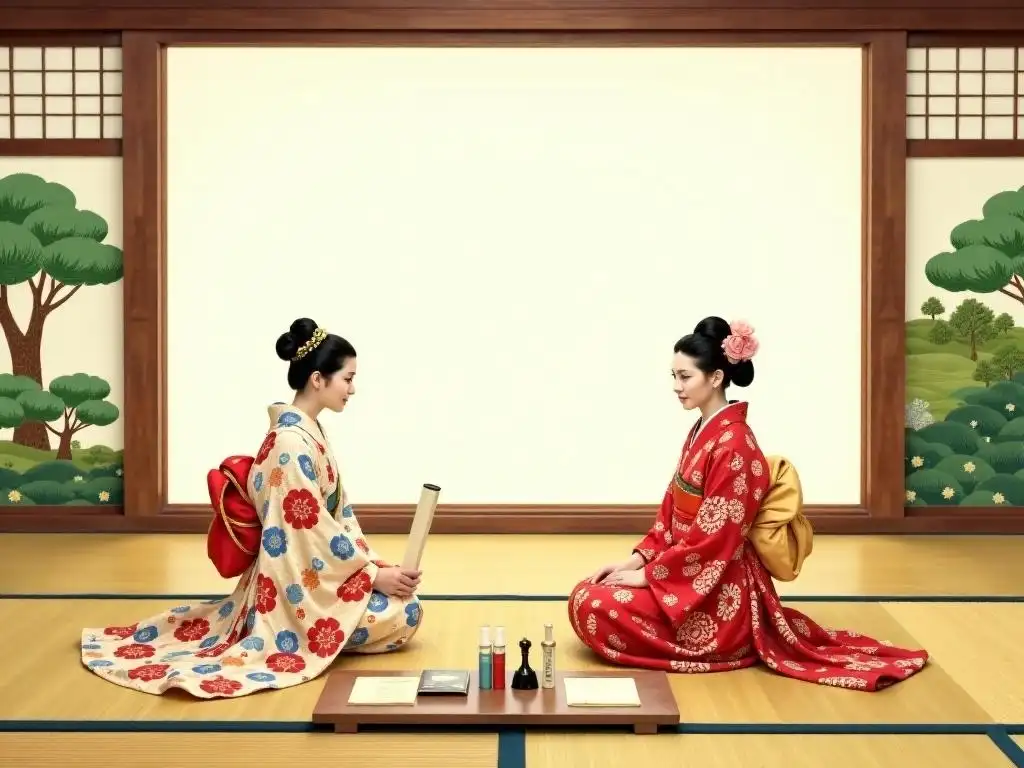
During the Tokugawa Shogunate (1603-1868), the status and rights of women were predominantly influenced by Confucian ideals that emphasized a patriarchal family structure. Initially, women in feudal Japan enjoyed certain rights, including property ownership and involvement in family decision-making. However, over the course of the Tokugawa period, these rights became increasingly limited. The shogunate enforced strict social hierarchies, and women's roles were largely confined to the domestic sphere.
The legal system reinforced the notion of male authority, where women were often viewed as subordinates to their fathers or husbands. This shift was significant, as many women lost control over their inheritance and faced restrictions on their mobility and autonomy. Despite these limitations, some women, particularly in merchant families, found ways to engage in commerce and maintain a degree of economic independence.
Overall, while the Tokugawa era saw a decline in women's rights compared to earlier periods, it also laid the groundwork for future movements advocating for women's empowerment.
Key Policies and Their Effects on Women's Rights
The Tokugawa Shogunate implemented several key policies that had profound implications for women's rights. One of the most notable was the ie system, which structured family life around male lineage. This system emphasized patrilineality, where property was passed down through male heirs, effectively reducing women's rights to inherit property. Women were often married off at young ages, and their roles were largely confined to childbearing and managing the household.
Furthermore, the seclusion policy (sakoku) limited women's mobility and access to education. This confinement meant that women had fewer opportunities to participate in social and political spheres, effectively silencing their voices in matters that affected their lives. The shogunate also enforced the miko system in shrines, where women served as priestesses, yet even this role was heavily regulated, limiting their agency.
Despite these constraints, some policies inadvertently allowed certain women to gain influence, particularly in the cultural realm. For instance, women in the arts, such as Edo period courtesans, became prominent figures in literature and performance, albeit in a manner that still reinforced traditional gender roles.
Case Studies of Notable Women in Tokugawa Japan
Several women emerged as notable figures during the Tokugawa period, challenging the boundaries of their prescribed roles. One such figure was Murasaki Shikibu, the author of the famous Tale of Genji, who, although preceding the Tokugawa era, inspired many women writers during this time. Her work highlighted the complexities of women's lives and emotions, serving as a cultural touchstone.
Another prominent figure was Yamamoto Shunsho, a woman who gained recognition for her skills in the arts, specifically in the realm of painting. She navigated the male-dominated art world and became a respected artist, illustrating that women could achieve recognition through talent and dedication.
Additionally, Chiyo-ni, a haiku poet, gained acclaim for her poetry that often reflected her experiences as a woman in a restrictive society. Through her works, she expressed the subtleties of female perspective, contributing significantly to Japanese literature.
These women exemplified the potential for influence and expression, despite the limitations imposed by the Tokugawa Shogunate.
The Role of Women in the Arts and Literature
Women played a vital role in the arts and literature of the Tokugawa period, serving as both creators and patrons. The cultural landscape of the time was rich, with women participating in various artistic endeavors, including poetry, painting, and theater.
The rise of ukiyo-e (floating world) woodblock prints saw women depicted in various roles, from courtesans to muses, reflecting both idealized beauty and the realities of their lives. Notable female artists, such as Kikugawa Eizan, produced works that showcased women's experiences and societal roles, contributing to the broader artistic narrative of the time.
In literature, women were prolific writers, often using poetry as a form of expression. The popularity of haiku allowed women like Chiyo-ni to convey their thoughts and feelings succinctly, transcending the limitations of their societal roles. Literary salons, often hosted by women, became spaces for intellectual discourse, allowing women to engage with literature and culture actively.
Through these artistic contributions, women not only found a voice but also influenced cultural norms, challenging the rigid gender roles of their time.
The Decline of the Tokugawa Shogunate and Its Aftermath
The decline of the Tokugawa Shogunate in the mid-19th century was marked by internal strife and external pressures, leading to a reevaluation of women's rights and roles in society. As the shogunate weakened, the Meiji Restoration in 1868 ushered in a new era that would dramatically alter the landscape of women's rights in Japan.
Factors Leading to the End of the Tokugawa Era
Several factors contributed to the decline of the Tokugawa Shogunate. Economic troubles, including food shortages and rising taxes, led to widespread discontent among the peasantry. Additionally, the arrival of Western powers, particularly Commodore Perry's expedition in 1853, pressured Japan to open its ports, challenging the isolationist policies of the shogunate.
Political movements, such as the sonnō jōi (revere the emperor, expel the barbarians), gained traction, advocating for the restoration of imperial power. These political upheavals created a climate of change, ultimately culminating in the fall of the Tokugawa regime. The resulting chaos opened discussions about the roles of women in society, as many sought to redefine traditional norms.
The Transition of Women's Rights Post-Tokugawa
With the establishment of the Meiji government, significant changes occurred in women's rights. The new government recognized the need for modernization, which included addressing women's roles in society. The Meiji Civil Code of 1898 marked a pivotal moment, as it legally defined the status of women and granted them limited rights, such as the ability to inherit property under certain conditions.
Education for women began to expand, with the establishment of schools that allowed girls to acquire literacy and practical skills. This educational reform was crucial, as it enabled women to participate more actively in the emerging modern society. While the Meiji period still retained many patriarchal norms, the groundwork was laid for future advancements in women's rights.
Lasting Impacts of the Tokugawa Period on Modern Women's Rights in Japan
The Tokugawa Shogunate's legacy profoundly influenced modern women's rights in Japan. The restrictive policies and societal norms established during this era created a framework that women would later challenge and redefine. The experiences of women in the Tokugawa period have been recognized as critical in understanding the evolution of women's roles in contemporary Japanese society.
As women began to mobilize for rights in the late 19th and early 20th centuries, they drew on the cultural and literary legacies of the Tokugawa period, using their historical experiences to advocate for change. The rise of women's movements in Japan can be traced back to the struggles and expressions of women during the Tokugawa era, illustrating a continuity of resilience and adaptation.
While the Tokugawa Shogunate imposed many restrictions on women's rights, it also set the stage for future advancements and the eventual emergence of women's rights movements in Japan, leading to the ongoing dialogue about gender equality in modern society.
Conclusion
The Tokugawa Shogunate, which ruled Japan from 1603 to 1868, had profound and lasting effects on various aspects of society, including women's rights. While it is often viewed through a lens of strict social hierarchy and rigid gender roles, the era also presented complex dynamics that shaped women's positions in both the family and society. Understanding these nuances is crucial to gaining a comprehensive view of women's rights in feudal Japan, particularly during the Tokugawa period.
Summary of Women's Rights in Feudal Japan
During the Tokugawa Shogunate, women's rights were primarily defined by a patriarchal framework that emphasized obedience and subservience within the household. Women were expected to uphold familial honor and engage in domestic responsibilities, often limiting their opportunities for education and personal agency. Despite these constraints, some women found ways to exert influence, particularly within the realms of family and community.
- Marriage and Family: Marriages were often arranged, and women had little say in their partners. However, they were crucial in managing household affairs and could wield considerable power in local communities.
- Economic Participation: Women participated in various economic activities, particularly in rural areas, where they worked in agriculture or local crafts. In urban settings, some women engaged in commerce, contributing to the local economy.
- Cultural Contributions: The Edo period saw a flourishing of literature and arts, and women contributed significantly as writers, artists, and performers, despite societal restrictions.
While the Tokugawa era enforced a rigid social order, it simultaneously provided women with unique opportunities for agency and influence within specific contexts.
The Legacy of the Tokugawa Shogunate on Gender Equality
The legacy of the Tokugawa Shogunate regarding gender equality is multifaceted. On one hand, the era entrenched patriarchal values and restricted women's rights, reinforcing the notion of male superiority in both public and private spheres. On the other hand, the period also laid the groundwork for the eventual changes in women's rights that would emerge in the Meiji Restoration and beyond.
- Institutional Framework: The formalization of gender roles during the Tokugawa period created a societal framework that persisted well into modern Japan, affecting women’s rights movements and legal reforms.
- Cultural Shifts: The cultural contributions of women during this time illustrate a form of resistance against societal constraints, highlighting their resilience and the slow evolution of their roles in society.
- Historical Reflection: Understanding the complexities of women's rights during the Tokugawa Shogunate is essential for recognizing the ongoing struggles for gender equality in contemporary Japan.
The Tokugawa era remains a pivotal chapter in the history of women's rights in Japan, influencing subsequent generations and movements.
Future Research Directions in Tokugawa Women's Studies
As scholars continue to explore the intricate tapestry of women's rights during the Tokugawa Shogunate, several avenues for future research emerge:
- Regional Variations: Investigating how women's roles differed across various regions of Japan during the Tokugawa period could provide a deeper understanding of local customs and practices.
- Intersectionality: Further analysis of how class, age, and social status intersected with gender in shaping women's experiences could yield richer insights into their multifaceted roles.
- Comparative Studies: Comparing women's rights in Tokugawa Japan with those in other contemporary societies might illuminate the uniqueness of the Japanese experience and highlight universal themes in gender dynamics.
- Primary Sources: Expanding the scope of primary source materials, such as diaries, letters, and art, would enhance our understanding of women's voices and perspectives during this era.
Future research in Tokugawa women's studies has the potential to challenge existing narratives and contribute significantly to our understanding of gender in historical contexts.
- Introduction to the Tokugawa Shogunate
- Understanding Women's Rights in Feudal Japan
- The Legal Framework Governing Women in the Tokugawa Shogunate
- Societal Norms and Gender Roles in Tokugawa Japan
- Changes in Women's Rights Throughout the Tokugawa Shogunate
- The Decline of the Tokugawa Shogunate and Its Aftermath
- Conclusion
- What was the Tokugawa Shogunate's role in women's rights in feudal Japan?
- How did the status of women change during the Tokugawa period?
- Were there any notable exceptions to women's rights during this era?
- What cultural factors influenced women's rights in feudal Japan?
- How did women's rights in feudal Japan compare to those in other cultures?
Frequently Asked Questions
What was the Tokugawa Shogunate's role in women's rights in feudal Japan?
The Tokugawa Shogunate significantly influenced women's rights by enforcing a patriarchal social structure that limited women's autonomy and opportunities in society.
How did the status of women change during the Tokugawa period?
During the Tokugawa period, women's rights were restricted, with legal and social norms emphasizing their roles as wives and mothers, which often undermined their individual rights and freedoms.
Were there any notable exceptions to women's rights during this era?
Yes, despite the patriarchal constraints, some women, particularly in the merchant class, could gain a degree of financial independence through family businesses, illustrating that not all women experienced the same level of restriction.
What cultural factors influenced women's rights in feudal Japan?
Confucian ideals deeply influenced societal views on women, promoting the belief that their primary role was within the home and family, which shaped legal frameworks and cultural expectations.
How did women's rights in feudal Japan compare to those in other cultures?
Compared to other cultures of the time, women's rights in feudal Japan were limited, though some societies offered different degrees of freedom and influence, which varied based on class and region.
Final Reflection: The Enduring Legacy of Women's Rights in Feudal Japan
The exploration of women's rights during the Tokugawa Shogunate reveals a complex tapestry of societal norms and expectations that still resonate today. As we reflect on this historical period, it becomes clear that the struggles and achievements of women in feudal Japan are not merely relics of the past; they are foundational stories that inform contemporary discussions about gender equality and women's rights across the globe. The lessons learned from this era remind us that progress is often incremental and fraught with challenges, yet it is essential for fostering a more equitable society.
Clearly, the Tokugawa Shogunate's influence on women's rights has left an indelible mark on the cultural landscape of Japan and beyond. The restrictions and roles imposed on women during this time have shaped modern perceptions of gender, prompting ongoing dialogues about empowerment and agency. As we navigate the complexities of gender dynamics today, we can draw inspiration from the resilience of women who navigated their circumstances with ingenuity and strength. The history of women's rights is not just a story of struggle; it is a testament to the enduring spirit of those who dared to challenge the status quo.
As we conclude this exploration, I invite you to reflect on the lessons of the past and consider how they apply to your own life and community. What can we learn from the experiences of women in feudal Japan to advocate for change in our current societal structures?
Let us honor their legacy by actively engaging in the pursuit of equality, ensuring that the voices of women are heard and valued in every sphere of life. Together, we can build a future where the rights of all individuals are recognized and celebrated, echoing the strength and resilience of those who came before us.
Empower Yourself: Explore the Legacy of Women in Feudal Japan!
Thank you for diving into the fascinating exploration of the Tokugawa Shogunate's influence on women's rights. Your interest in this significant historical period enriches our understanding of not only the past but also how it shapes the present. Now, let’s take a step further and celebrate the diverse stories and lessons from this era!
Here are a few ways you can continue your journey:
- Dive deeper: Read books or articles focused on women's roles during the Tokugawa period to uncover more hidden narratives and experiences.
- Join the conversation: Share your insights on social media or in online forums; your perspective is valuable and can inspire others!
- Engage with history: Visit a local museum or participate in events centered around Japanese history to connect with like-minded enthusiasts.
Have you ever considered how the changes in women's rights during the Tokugawa Shogunate resonate with the ongoing discussions about gender equality today? These historical shifts not only highlight the progress made but also encourage a reflection on the challenges that still exist in achieving true equality.