
Samurai vs. Peasants: Social Hierarchies in Tokugawa Japan

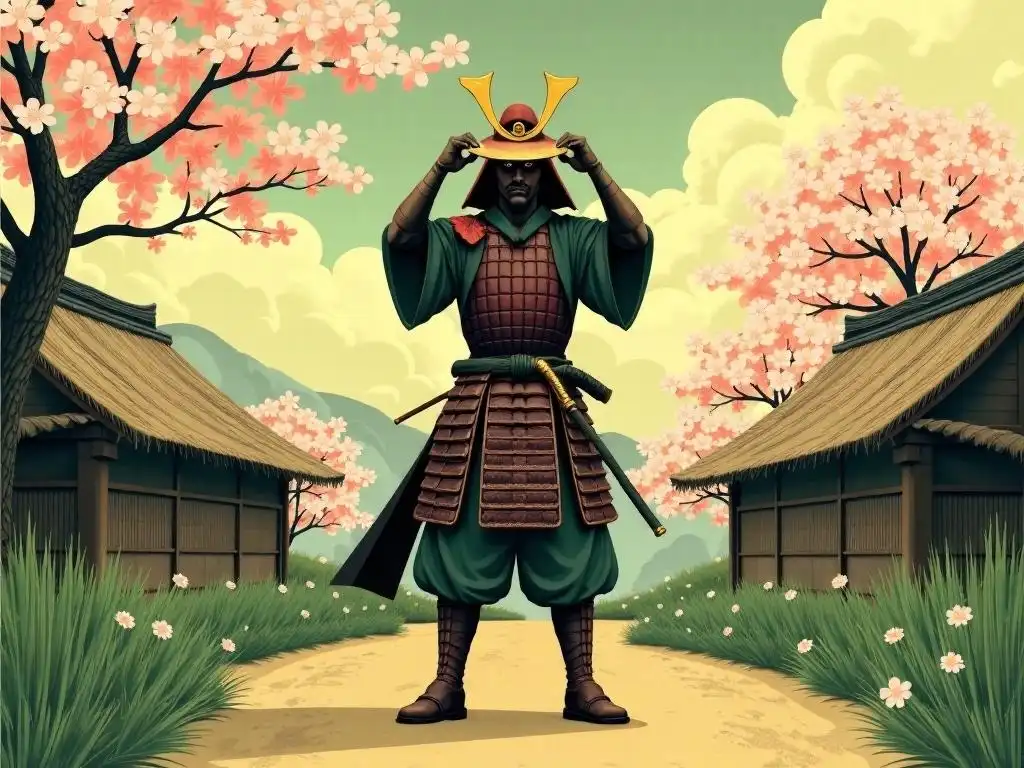
Welcome to Feudal Japan History! Here, we invite you to embark on a fascinating journey through the intricate tapestry of Japan's feudal era. Our in-depth articles delve into the historical, cultural, and societal aspects that defined this remarkable period. In today's feature, we unravel the complexities of the Tokugawa Japan social hierarchy, exploring the dynamic relationship between the esteemed samurai and the hardworking peasants. What roles did these groups play in shaping society, and how did their interactions influence the course of history? Dive in and discover the untold stories that lie beneath the surface!
- Introduction to Tokugawa Japan Social Hierarchy
- The Samurai Class in Tokugawa Japan
- The Peasant Class in Tokugawa Japan
- Comparison of Samurai and Peasant Roles
- The Impact of Social Hierarchies on Tokugawa Society
- Changes in Tokugawa Japan Social Hierarchy Over Time
- Conclusion: The Legacy of Tokugawa Japan's Social Hierarchy
-
Frequently Asked Questions
- What was the social hierarchy in Tokugawa Japan?
- How did the samurai differ from the peasants?
- What role did artisans and merchants play in the Tokugawa social structure?
- How did the Tokugawa shogunate maintain this hierarchy?
- What impact did the social hierarchy have on Japanese culture during the Tokugawa period?
- Final Reflection: Understanding the Layers of Tokugawa Japan's Social Hierarchy
- Unleash Your Curiosity: Dive Deeper into Tokugawa Japan!
The social hierarchy of Tokugawa Japan (1603-1868) represents a complex and rigid structure that defined the interactions, roles, and power dynamics within Japanese society during this feudal era. At the pinnacle of this hierarchy were the samurai, serving as warriors and administrators, while at the base were the peasants, who formed the backbone of the agrarian economy.
Understanding this social stratification is crucial to comprehending the broader socio-political landscape of the Tokugawa Shogunate. This article delves into the intricate layers of Tokugawa Japan’s social hierarchy, exploring the distinct roles and relationships between various social classes, and highlighting the significant impacts these dynamics had on cultural and societal development.
Overview of the Feudal System in Tokugawa Japan
The feudal system in Tokugawa Japan was characterized by a well-defined class structure that dictated not only economic roles but also social interactions and expectations. At the top of this hierarchy was the shogun, the military ruler who held ultimate power, followed by the daimyōs, the feudal lords who governed their domains. Below them were the samurai, who served as both warriors and retainers, ensuring loyalty and order within the daimyō's territories.
The common people were divided primarily into three categories:
- Peasants: The largest class, responsible for agricultural production, which was the economy's foundation.
- Artisans: Skilled workers who created goods and contributed to urban economies.
- Merchants: While they played a crucial role in trade and commerce, they were often looked down upon in the social hierarchy due to their wealth being derived from the labor of others.
This hierarchy was enforced through a strict code of conduct and legal restrictions, which dictated not only the professions individuals could pursue but also their rights and responsibilities within society. The social mobility was minimal, leading to a system that reinforced the status quo and maintained the established order.
Understanding the social hierarchies of Tokugawa Japan is essential for several reasons:
- Cultural Identity: The interactions between the different classes helped shape a unique cultural identity, influencing art, literature, and philosophy during this period.
- Political Stability: The rigid social structures contributed to a long period of peace and stability, known as the Edo period, which allowed for economic growth and cultural flourishing.
- Economic Functioning: The hierarchy dictated economic activities, with each class playing specific roles that ensured the functionality of the agrarian economy.
As we explore further into the nuances of this social hierarchy, we will uncover how the relationships between samurai and peasants, along with other social classes, defined the very fabric of Tokugawa society and laid the groundwork for its eventual transformation.
The Samurai Class in Tokugawa Japan

Origins and Evolution of Samurai Culture
The samurai class emerged during the late Heian period (794-1185) as a warrior elite that would evolve significantly throughout Japan’s history. By the time of Tokugawa Japan (1603-1868), the samurai had transitioned from a battlefield-oriented warrior class to a bureaucratic elite. Their origins can be traced back to the need for military leaders during the feudal conflicts that characterized earlier periods, including the Genpei War.
As the Tokugawa Shogunate established peace through its policy of sakoku (national isolation), the samurai's role shifted dramatically. Initially, they were landowners and military leaders, but over the years, many samurai became scholars, poets, and officials, reflecting a cultural evolution that emphasized education and governance. By the early 17th century, the samurai were expected to embody the Confucian virtues of loyalty, honor, and benevolence, effectively becoming the moral compass of society.
Key Points in the Evolution of Samurai Culture:
- Heian Period (794-1185): Emergence as military leaders.
- Kamakura Period (1185-1333): Establishment of the samurai class as a distinct social group.
- Muromachi Period (1336-1573): Increased political power amid civil strife.
- Tokugawa Period (1603-1868): Transformation into a bureaucratic and cultural elite.
Roles and Responsibilities of Samurai in Society
In Tokugawa Japan, the samurai held a multifaceted role that extended beyond mere military duties. They were responsible for maintaining peace and order, acting as local governors, and serving as enforcers of the shogunate’s laws. Each samurai was expected to uphold the ideals of bushido, the way of the warrior, which emphasized loyalty, courage, and self-discipline.
Daily Responsibilities of Samurai:
- Governance: Many samurai served as lords (daimyō) of their domains, overseeing agricultural production, taxation, and local administration.
- Military Service: Although the era was largely peaceful, samurai were still trained in martial disciplines and prepared for potential conflicts.
- Cultural Patronage: Samurai were also patrons of the arts, supporting literature, theater, and tea ceremonies, thus contributing to the cultural richness of the period.
- Education: They were expected to be literate and well-versed in classical texts, promoting education within their domains.
The Privileges of Samurai: Land, Power, and Status
The samurai class enjoyed significant privileges that reinforced their status in Tokugawa society. These privileges were codified in the social hierarchy, placing samurai above peasants, artisans, and merchants. This elevated position allowed them access to land, political power, and social prestige.
Key Privileges of Samurai:
- Land Ownership: Samurai were often granted land by their lords, which provided them with a source of income through agriculture and taxation.
- Stipends and Salaries: Many samurai received stipends from their daimyō, ensuring financial stability and allowing them to focus on their administrative and cultural duties.
- Judicial Authority: Samurai had the right to execute justice within their domains, effectively acting as local magistrates.
- Cultural Recognition: Samurai were seen as the moral and cultural leaders of society, often participating in elite social activities and patronizing the arts.
The samurai class in Tokugawa Japan was a complex and influential social group that evolved from warriors into a culturally rich elite, holding significant responsibilities and privileges that defined their status within the Tokugawa social hierarchy.
The Peasant Class in Tokugawa Japan
The Life of Peasants During the Tokugawa Era
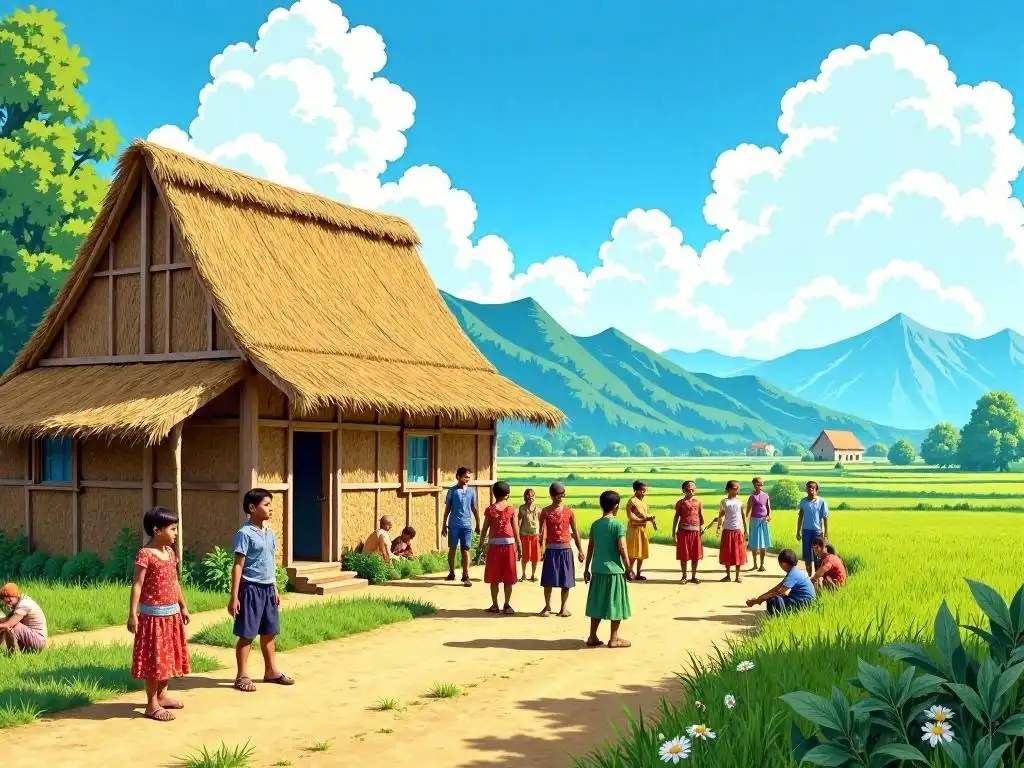
The peasant class, known as hyakusho, formed the backbone of Tokugawa Japan’s agrarian economy. Comprising over 80% of the population, these farmers lived in stark contrast to the samurai elite. Peasants were primarily engaged in rice cultivation, which was not only a staple food but also a crucial element of taxation and social status in feudal Japan.
Peasants lived in small villages, typically consisting of thatched-roof houses made from wood and straw. Their daily lives were dictated by the agricultural calendar, with seasonal changes heavily influencing their work. The rigorous labor involved planting, tending, and harvesting rice, as well as managing other crops such as millet, barley, and vegetables.
Despite their essential role in society, peasants faced numerous hardships. They were subjected to heavy taxation, often paying up to 40% of their harvest to their local lord, or daimyo. This tax burden, coupled with the threat of natural disasters—such as floods and droughts—often led to famine and poverty. The Edo period, however, also saw some improvements in agricultural techniques and crop yields, which occasionally alleviated these hardships.
Agricultural Practices and Economic Roles of Peasants
Agriculture in Tokugawa Japan was characterized by a variety of practices and innovations that reflected the changing dynamics of society. Peasant farmers employed techniques such as crop rotation and irrigation, which enhanced productivity. The introduction of new rice strains, such as Koshihikari, allowed for better yields, and practices like terracing enabled cultivation on hilly terrain.
- Key Agricultural Practices:
- Wet Rice Cultivation: This method involved flooding fields during the growing season, which was fundamental for rice production.
- Intercropping: Growing multiple crops together to maximize use of land and resources.
- Use of Fertilizers: Incorporating organic matter, such as manure, to improve soil fertility.
The economic role of peasants extended beyond mere food production. They were also involved in local trade, selling surplus crops in markets. This interaction fostered thriving rural economies and helped to create a network of trade among villages. Peasants sometimes engaged in secondary occupations, such as crafting, weaving, or fishing, which diversified their income sources.
In the rigid social hierarchy of Tokugawa Japan, peasants occupied a lowly yet essential position. While samurai held the highest status, peasants were often seen as the foundation of society, mainly due to their agricultural contributions. However, their rights were severely limited, and they were often at the mercy of the daimyo's whims.
- Social Status:
- Peasants were considered “commoners”, lacking the privileges afforded to the samurai class.
- They could not own land independently; land was typically owned by the samurai or local lords, and peasants worked as tenants.
- Rights of Peasants:
- Peasants had few legal rights and were subject to the laws of their local lords.
- In theory, they were protected from excessive taxation and exploitation by the Tokugawa shogunate, but in practice, these protections were often ineffective.
- The Tokugawa policies aimed to stabilize society, but during times of famine or economic distress, peasants revolted, leading to numerous uprisings, such as the Amakusa Rebellion.
While the peasant class in Tokugawa Japan was vital for the agricultural economy and societal structure, they faced numerous challenges, including limited rights and harsh socio-economic conditions. Their resilience and adaptability played a crucial role in sustaining the feudal system that dominated this period.
Comparison of Samurai and Peasant Roles

In Tokugawa Japan, the social hierarchy was rigidly defined, distinguishing clearly between the samurai and peasant classes. At the top of this hierarchy, the samurai were not only warriors but also held significant political power. They were often landowners and vassals serving the daimyō (feudal lords) and were expected to uphold the code of bushido, which emphasized honor, loyalty, and martial skill. Their elevated status came with privileges such as the right to bear arms and the expectation of military service.
Conversely, peasants occupied the lower rungs of this social ladder, primarily responsible for agricultural production. They constituted the majority of the population and were often bound to the land they farmed, working under the supervision of samurai landowners. Despite their essential role in sustaining the economy, peasants were viewed as inferior in status. Their rights were limited, and they were often subject to heavy taxation, which further entrenched their lower social standing.
| Class | Social Status | Rights and Privileges |
|---|---|---|
| Samurai | Elite warriors | Right to bear arms, political influence, land ownership |
| Peasants | Agricultural workers | Limited rights, heavy taxation |
Economic Influence: How Each Class Contributed to Tokugawa Japan
The economic structures of Tokugawa Japan were heavily influenced by both the samurai and peasant classes, albeit in drastically different ways.
Samurai, while primarily recognized for their military role, also engaged in governance and administration. Many samurai were appointed as officials who oversaw the collection of taxes and the management of resources within their domains. This gave them a vested interest in maintaining stability and prosperity, as their status and income were tied to the productivity of the peasant class.
On the other hand, peasants were the backbone of the Tokugawa economy. They were responsible for rice cultivation, which was the primary currency and staple food of the era. The success of the agricultural sector directly affected the wealth of the samurai class. Peasants were subjected to a rice tax that required them to pay a portion of their harvest to their samurai lords, which ensured the samurai's economic stability, albeit at the cost of the peasants' own resources.
This complex interdependence between the classes can be summarized as follows:
- Samurai Contributions:
- Tax collection and resource management
- Governance and military protection
- Peasant Contributions:
- Agricultural production (mainly rice)
- Labor force supporting the economy
Cultural Contributions: Samurai vs. Peasant Traditions
The cultural landscape of Tokugawa Japan was profoundly shaped by both samurai and peasant traditions, each contributing uniquely to the rich tapestry of Japanese heritage.
Samurai culture was characterized by a strong emphasis on martial arts, literature, and philosophy. The samurai were patrons of the arts, engaging in practices such as tea ceremonies, calligraphy, and poetry. Their code of ethics, bushido, influenced not only their behavior but also the broader cultural values of honor and discipline in society.
In contrast, peasant culture was rooted in practical traditions and communal activities. Festivals, agricultural rituals, and folk arts such as Noh and Kabuki theatre were significant aspects of peasant life. These cultural expressions served not only as entertainment but also reinforced community bonds and agricultural cycles, with many festivals coinciding with planting and harvest seasons.
Both classes also contributed to the spiritual life of Tokugawa Japan, with samurai often practicing Zen Buddhism and peasants engaging in Shinto rituals and local shrine festivals. This interplay of cultural practices highlights a dynamic society where both samurai and peasants played essential roles in shaping the identity of Tokugawa Japan.
While the samurai contributed to the cultural elite through their patronage of the arts and philosophy, peasants preserved and transmitted folk traditions that embodied the essence of everyday life in Tokugawa Japan.
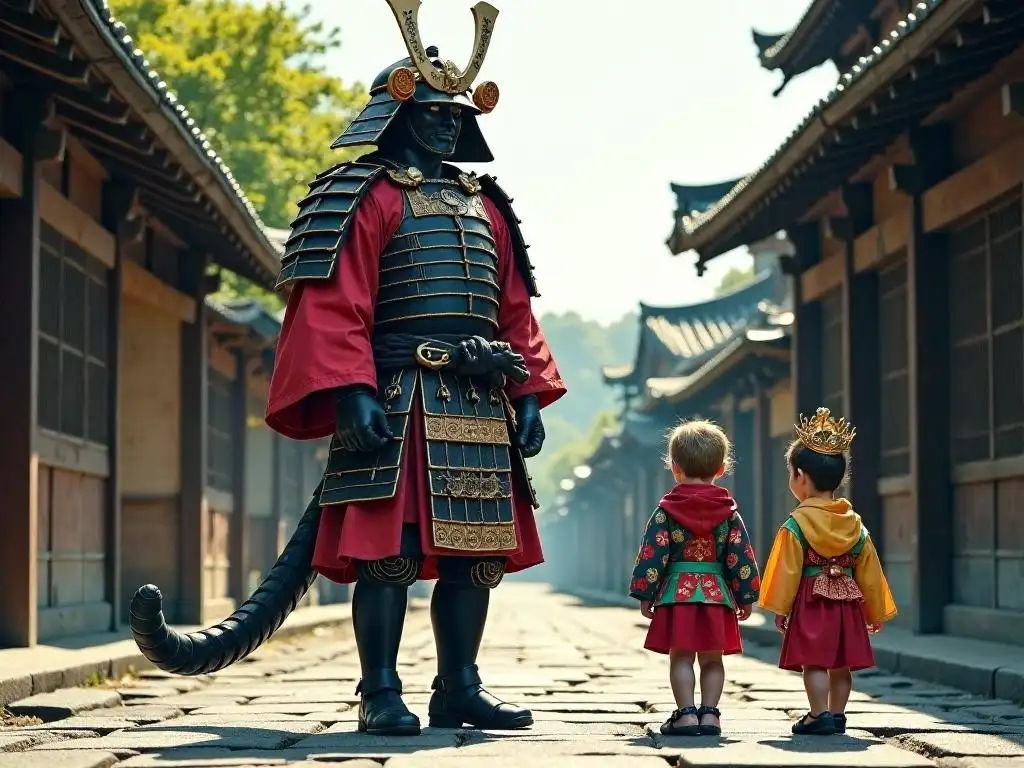
The social hierarchy in Tokugawa Japan was a defining characteristic of the period, influencing various aspects of life, governance, and interactions among different classes. This hierarchy was meticulously structured and enforced, contributing to both the stability and tensions within society. Understanding the implications of this social structure is crucial to grasping the broader socio-political landscape of Tokugawa Japan.
The Tokugawa shogunate established a rigid class system that categorized society into distinct classes, primarily the samurai, farmers, artisans, and merchants. This hierarchy was not merely a social construct but a crucial aspect of governance that promoted order and stability.
- Samurai (Warriors): At the top of the hierarchy, samurai held the most power and privilege, serving as both military leaders and administrators. Their status was ascribed and maintained through loyalty to their lords, reinforcing the feudal system.
- Farmers: Below the samurai, farmers were considered essential to the economy and society. They were highly respected for their role in agricultural production, which was the backbone of Tokugawa prosperity.
- Artisans and Merchants: Artisans created goods, while merchants facilitated trade and commerce. Despite their economic contributions, they ranked lower in the social hierarchy, reflecting the Confucian value placed on agriculture over trade.
The hierarchical structure fostered a sense of predictability and stability in Tokugawa society. Each class had defined roles and responsibilities, leading to a relatively peaceful coexistence. This stability was crucial during the prolonged period of peace known as the Pax Tokugawa, which lasted over 250 years.
Conflicts and Tensions Between Classes
Despite the stability that the Tokugawa social hierarchy provided, tensions and conflicts were inherent in this system. The rigid class distinctions often led to resentment and strife among different social groups.
- Economic Disparities: As the merchant class began to prosper, their wealth contrasted sharply with the fixed incomes of farmers and samurai, leading to social envy. Merchants, who were perceived as 'parasitic' by the samurai, began to gain influence, challenging the traditional power dynamics.
- Peasant Rebellions: Discontent among the peasantry, especially during poor harvests, sometimes resulted in uprisings. The harsh taxation policies imposed by the samurai class exacerbated these tensions, leading to significant uprisings such as the Dengakuhō Uprising in the late 18th century.
- Cultural Clash: As Japan opened up to foreign influences and modernization began to seep in, the samurai class struggled to maintain their authority against rising merchant power. This cultural clash contributed to the social tensions of the late Tokugawa period.
These conflicts highlighted the fragility of the established social order. While the hierarchy aimed to maintain stability, it also created underlying issues that would eventually contribute to the downfall of the Tokugawa shogunate.
Confucianism played a pivotal role in defining and legitimizing the social hierarchies of Tokugawa Japan. This philosophical system, which emphasizes hierarchical relationships and social harmony, provided the ideological underpinnings of the Tokugawa social order.
- Social Order and Filial Piety: Confucian values encouraged respect for authority and emphasized the importance of each class’s role in society. The concept of filial piety extended beyond familial relationships to societal ones, promoting loyalty and obedience among the samurai and farmers.
- Meritocracy vs. Ascription: While social status was largely ascribed, Confucian ideals also introduced the notion of merit and education, particularly among the samurai. The samurai were expected to cultivate virtue and knowledge, aligning their personal development with their social responsibilities.
- Benevolent Governance: Confucianism also influenced the governance of the Tokugawa shogunate. The shogunate aimed to rule justly, believing that a benevolent ruler would ensure the loyalty and stability of his subjects. This philosophy shaped policies that impacted all classes, from samurai to peasants.
The social hierarchy of Tokugawa Japan, deeply rooted in Confucian principles, provided both stability and tension within society. Understanding the dynamics between the samurai and peasants, as well as the role of Confucianism, offers critical insight into the complexities of Tokugawa Japan's social fabric.
The Tokugawa period, spanning from 1603 to 1868, witnessed a complex and evolving social hierarchy that reflected the shifting dynamics within Japanese society. The rigid class system established by the Tokugawa shogunate initially categorized people into four primary classes: the samurai, farmers, artisans, and merchants. However, as the era progressed, various factors influenced changes within this hierarchy.
The Late Tokugawa Period: Shifts in Class Dynamics
During the late Tokugawa period, particularly in the 19th century, significant shifts began to occur within the established social hierarchy. The economic reforms initiated by the shogunate aimed to stabilize the economy and support the samurai class, which was facing financial difficulties due to the rising costs of governance and military upkeep. This period marked a notable change where merchants, previously regarded as the lowest class, began to accumulate wealth and influence.
-
Economic Growth and the Rise of Merchants
With the growth of urban centers and an increase in commerce, merchants gained prominence. The introduction of new trade routes and increased agricultural productivity allowed merchants to amass wealth, challenging the traditional view of their societal role. This led to a phenomenon known as "the merchant class's upward mobility," where successful merchants began to adopt samurai-like lifestyles, including the purchase of land and the hiring of samurai for protection.
-
Decline of the Samurai Class
The samurai class, while initially the ruling elite, experienced a decline in their status and economic power. Many samurai found themselves in debt due to fixed stipends and the inability to adapt to the changing economic landscape. The rise of the merchant class often meant that former samurai were forced into positions of dependence on wealthier merchants, leading to a redefinition of social roles.
-
Intellectual Movements and Social Change
The late Tokugawa period also saw the emergence of intellectual movements that questioned the rigid class structures. The rise of Confucianism and other philosophical teachings encouraged debates on governance, ethics, and social roles, promoting ideas of meritocracy and challenging the notion that one's birth determined their capabilities or worth in society.
Throughout the Tokugawa era, various external factors played a crucial role in shaping the social hierarchy. These influences were instrumental in driving changes that ultimately led to the dissolution of the feudal system.
-
Western Influence and the Opening of Japan
The arrival of Commodore Perry in 1853 and the subsequent Treaty of Kanagawa in 1854 marked the beginning of Japan's exposure to Western ideas and practices. This interaction prompted a reevaluation of Japan's social structure, as many began to see the advantages of adopting Western technologies and educational systems. The influx of Western thought challenged traditional Japanese values and questioned the existing social hierarchy.
-
Political Unrest and the Rise of the Meiji Restoration
The dissatisfaction with the Tokugawa shogunate's inability to address internal strife and external pressures led to increased political unrest. The growing discontent among various classes, particularly the samurai and peasants who felt marginalized, culminated in movements that sought to overthrow the shogunate. This unrest laid the groundwork for the Meiji Restoration in 1868, which fundamentally transformed Japan's social, political, and economic landscape.
-
Agricultural Changes and Peasant Agency
Changes in agricultural practices, particularly the introduction of new farming techniques and crops, also empowered the peasant class. With increased food production, peasants became less dependent on the samurai and began to assert more agency within their communities. This shift contributed to the gradual erosion of the rigid social structures that characterized earlier Tokugawa Japan.
The social hierarchy in Tokugawa Japan underwent significant transformations influenced by economic, political, and external factors. The late Tokugawa period marked a pivotal time of change, leading to the eventual dissolution of the feudal system and the rise of a new social order in modern Japan.
The social hierarchy established during the Tokugawa period has left an indelible mark on Japanese society, influencing not only the political landscape but also cultural norms and social dynamics that persist to this day. The rigid class system, which placed samurai at the top and peasants at the bottom, shaped interactions among classes and established expectations that would echo through subsequent generations.
Lasting Impacts on Modern Japanese Society
The legacy of Tokugawa Japan’s social hierarchy can be observed in various facets of modern Japanese life. While the class distinctions of the feudal era have largely dissolved, many cultural attitudes and practices trace their roots back to this period. For example:
- Work Ethic and Social Responsibility: The samurai's commitment to duty and service influenced notions of loyalty and hard work within contemporary Japanese culture. This is evident in the modern workplace, where dedication and collective responsibility are highly valued.
- Respect for Authority: The hierarchical structures that characterized Tokugawa Japan have transitioned into modern relationships, where respect for authority figures—be it in business or social settings—remains paramount.
- Cultural Practices: Many traditional arts and practices, such as tea ceremonies, martial arts, and certain forms of theater, have origins in the samurai class and are still celebrated today, reflecting the values of discipline and refinement.
| Aspect of Modern Society | Tokugawa Influence |
|---|---|
| Work Ethic | Commitment to duty and service |
| Respect for Authority | Hierarchical respect in social settings |
| Traditional Arts | Samurai origins in cultural practices |
Understanding the social hierarchies of Tokugawa Japan is crucial for several reasons:
- Historical Context: Analyzing the social structures of the past provides insight into how societies evolve over time. It illustrates the dynamics of power, privilege, and the conflicts that arise from inequality.
- Cultural Identity: Recognizing the influences of feudal hierarchies on modern culture helps individuals appreciate the complexities of national identity and how historical legacies shape contemporary values.
- Comparative Analysis: Studying Tokugawa Japan's social hierarchy enables comparisons with other historical periods and societies, allowing for a deeper understanding of global social structures and their implications.
- Lessons for the Present: By examining the consequences of rigid social hierarchies, modern societies can learn valuable lessons about the importance of equity, social mobility, and the risks of systemic inequality.
The social hierarchy of Tokugawa Japan not only reflects a unique historical context but also serves as a lens through which to view modern Japanese society. By understanding these structures, we gain insight into the past and its lasting influence on contemporary life.
Frequently Asked Questions
The social hierarchy in Tokugawa Japan was structured into distinct classes, primarily consisting of samurai, peasants, artisans, and merchants, with samurai at the top and peasants forming the majority.
How did the samurai differ from the peasants?
The samurai were the elite warrior class with privileges, including land ownership and political power, while peasants worked the land and were often subject to the samurai's authority, despite being crucial to the economy.
Artisans specialized in craftsmanship, contributing to local economies, while merchants managed trade and commerce but were considered lower in status than peasants due to Confucian values that prioritized agriculture over trade.
How did the Tokugawa shogunate maintain this hierarchy?
The Tokugawa shogunate enforced the social hierarchy through strict laws and regulations, ensuring that each class adhered to their roles, which helped maintain stability and social order during its rule.
The social hierarchy in Tokugawa Japan influenced various aspects of culture, including art, literature, and philosophy, as it shaped people's identities and interactions within society, fostering a unique cultural development.
The exploration of Tokugawa Japan's social hierarchy reveals not just a historical framework but a profound commentary on the complexities of human society. In an era where rigid class structures dictated the lives of samurai and peasants alike, we see echoes of these dynamics in our contemporary world. The stark contrasts between privilege and hardship remind us that social hierarchies are not relics of the past but continue to shape our interactions and opportunities today.
The legacy of Tokugawa Japan's social stratification has left an indelible mark on cultural narratives and social consciousness. As we navigate our own societal structures, the lessons from this period resonate deeply. The struggles of the peasants against the samurai's dominance highlight the importance of equity and justice in any society. The true measure of a society can be found in how it treats its most vulnerable members.
This quote encapsulates the ongoing relevance of social hierarchies, urging us to reflect on how we can foster inclusivity and understanding in our communities.
As we conclude this exploration, I invite you to reflect on your own position within the social fabric of today. How do the lessons from Tokugawa Japan inspire you to challenge existing hierarchies and advocate for a more equitable society? Embrace the opportunity to engage with those around you, fostering dialogue and understanding that transcends class divisions. Let us carry forward the insights gained from history, striving to create a world where every voice is valued, and every individual has the chance to thrive.
Unleash Your Curiosity: Dive Deeper into Tokugawa Japan!
Thank you for exploring the fascinating social dynamics between samurai and peasants in Tokugawa Japan! We hope this article has sparked your interest in the complexities of feudal society. Now, let’s take it a step further; the journey of understanding doesn’t end here!
What can you do next?
- Immerse Yourself: Read more about the daily lives of both peasants and samurai. Discover unique insights and perspectives that provide a fuller understanding of the interactions within Tokugawa society.
- Share Your Thoughts: Join our community by sharing your opinions below! Whether you agree or disagree with the article’s points, your voice matters. Engage in discussions with fellow history enthusiasts.
- Experience History: Plan a visit to a museum or exhibition dedicated to feudal Japan! Witness artifacts and stories that bring this era to life, enriching your understanding even further.
What aspect of Tokugawa society intrigues you the most and why? Share your thoughts and let’s keep the conversation going!