
The Genpei War: A Turning Point in the Power Dynamics of Japan

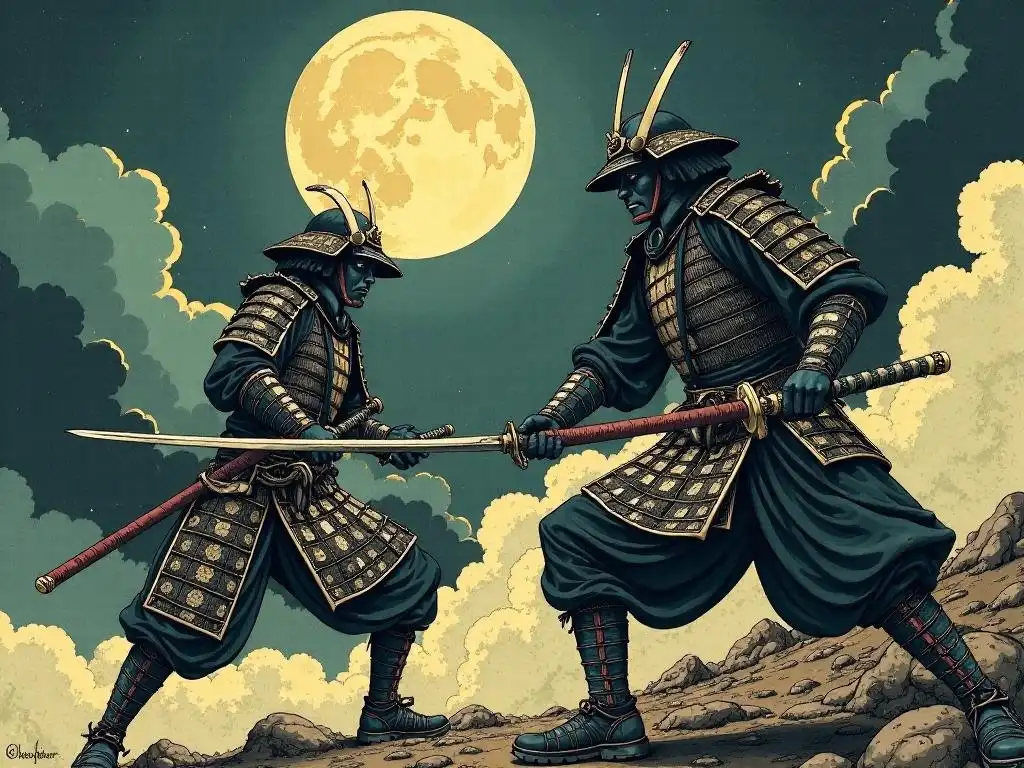
Welcome to Feudal Japan History—your gateway to an enthralling journey through the intricate tapestry of Japan’s feudal era. Here, we unravel the layers of historical, cultural, and societal narratives that shaped this remarkable period. Dive into our featured article, "The Genpei War: A Turning Point in the Power Dynamics of Japan," where we explore the historical significance of this pivotal conflict.
What forces collided in this epic struggle, and how did they redefine the power landscape of an entire nation? Join us as we delve deeper into the past, igniting your curiosity and illuminating the stories that have forged modern Japan.
Introduction to the Genpei War
The Genpei War (1180-1185) marks a pivotal chapter in Japan's feudal history, serving as a crucial battleground for power between two of the most powerful clans of the time: the Taira and Minamoto. This conflict not only altered the political landscape of Japan but also laid the groundwork for the emergence of the samurai class as dominant figures in Japanese society.
As we delve into the historical significance of the Genpei War, it becomes evident that this struggle was not merely a clash of swords but a transformative event that shaped the very foundations of Japanese governance, culture, and social hierarchy.
Overview of the Genpei War
The Genpei War was characterized by a series of battles, strategic alliances, and betrayals that encapsulated the tumultuous nature of late Heian Japan. The conflict arose from long-standing grievances between the Taira and Minamoto clans, who vied for control over imperial power. The war's most notable battles, including the Battle of Dan-no-ura, highlighted the innovative military strategies of the time and the fierce loyalty that defined the samurai ethos.
- Key Battles:
- Battle of Ishibashiyama (1180)
- Battle of Kurikara (1183)
- Battle of Dan-no-ura (1185)
Through these confrontations, the Genpei War illustrated a significant shift from the aristocratic rule of the imperial court to the warrior-led governance that would define subsequent eras in Japanese history.
Importance of the Genpei War in Japanese History
The Genpei War is often regarded as a turning point due to its far-reaching consequences for Japan's political and social structures. It initiated the Kamakura period, during which the Minamoto clan established the shogunate, a military government that would dominate Japanese politics for centuries.
- Political Transformation:
- End of the Taira dominance
- Rise of the Minamoto shogunate
- Shift of power from the imperial court to military leaders
- Cultural Impact:
- Emergence of the samurai class as a social elite
- Influence on Japanese literature and arts, such as "The Tale of the Heike"
- Long-term Consequences:
- Set the stage for future conflicts and the establishment of feudalism in Japan
- Influenced the structure of Japanese society, embedding the values of loyalty, honor, and martial prowess into the cultural fabric
Historical Context of the Genpei War
The Political Landscape of Late Heian Japan
During the late Heian period, Japan experienced significant political strife characterized by corruption, power struggles, and a decline in imperial authority. The central government, heavily influenced by powerful noble families, struggled to maintain control over provincial governors. This environment fostered rivalry between the Taira and Minamoto clans, both of which sought to exploit the weakened imperial authority for their gain.
- Key Characteristics:
- Fragmented power structures
- Rise of regional military leaders (daimyōs)
- Increased influence of the samurai class
Key Players: The Taira and Minamoto Clans
The Taira and Minamoto clans were central to the Genpei War, each representing different facets of Japanese society and politics. The Taira clan was known for its close ties to the imperial court and its extensive wealth, while the Minamoto clan emerged as the champions of the warrior class, advocating for a new order that favored military prowess over aristocratic lineage.
- Taira Clan:
- Led by Taira no Kiyomori, a powerful figure who sought to consolidate power and influence.
- Known for their naval strength and wealth.
- Minamoto Clan:
- Led by Minamoto no Yoritomo, who would ultimately become the first shogun of Japan.
- Advocated for the samurai's role in governance and warfare.
This clash of clans would have lasting implications for the trajectory of Japan's political landscape, ushering in an era defined by militaristic governance and the emergence of the samurai as a key societal force.
Causes of the Genpei War
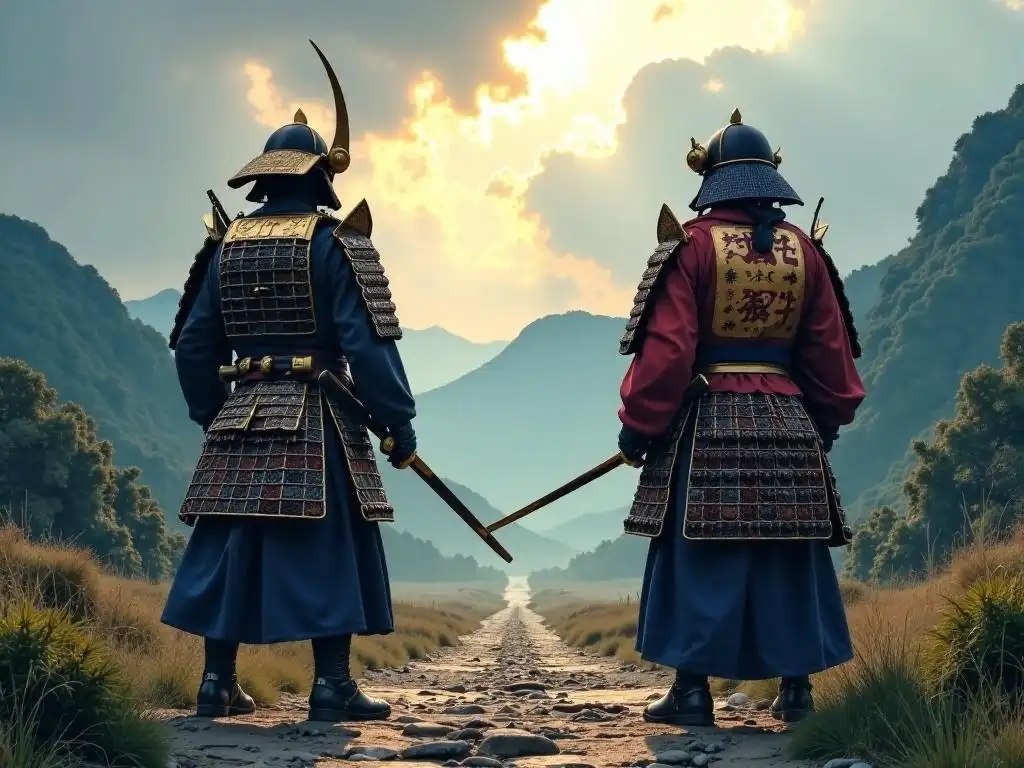
The Genpei War, which erupted in 1180 and lasted until 1185, was a critical event that fundamentally altered the power dynamics in Japan. The conflict arose from a confluence of social, economic, and political factors that had been brewing for decades. Understanding these causes is essential to appreciate the war's historical significance.
Social and Economic Factors Leading to Conflict
The social fabric of Japan during the late Heian period was marked by growing disparities between the ruling aristocracy and the warrior class. As the power of the imperial court diminished, local samurai began to gain prominence, leading to increased tensions. The following factors contributed significantly to these tensions:
- Economic Disparities: The wealth generated from land ownership was increasingly concentrated in the hands of a few powerful clans, such as the Taira and Minamoto. This economic inequality fostered resentment among the lower samurai and peasant classes, who sought to assert their rights and power.
- Rise of the Samurai Class: The samurai, originally serving as protectors of the landowners, began to seek autonomy and political power. With the decline of the aristocracy's control, the samurai class's aspirations for greater influence led to inevitable confrontations.
- Land Disputes and Loyalty: Disputes over land and resources were common, as clans vied for dominance. The Taira and Minamoto clans' desire to control strategic territories set the stage for conflict. Many samurai were torn between their loyalty to their lords and their desire for personal gain, complicating alliances and contributing to the war's outbreak.
The Role of Imperial Authority and Samurai Culture
The weakening of the imperial authority also played a significant role in the lead-up to the Genpei War. The following points elucidate this relationship:
- Declining Imperial Power: By the late 12th century, the imperial court had lost much of its political clout, becoming increasingly reliant on the military support of the samurai class. This created a power vacuum that ambitious clans sought to exploit.
- Cultural Shift: The samurai culture emphasized values such as honor, loyalty, and martial prowess. These values became deeply ingrained in the warrior class, leading to heightened competitiveness among the clans. The samurai's growing identity as a distinct class contributed to their willingness to challenge the imperial authority.
- Political Manipulations: The Taira and Minamoto clans utilized political maneuvers to gain favor with the court, further undermining the imperial institution's stability. The manipulation of imperial authority by powerful clans fostered an environment ripe for civil war.
Major Battles of the Genpei War
The Genpei War was characterized by a series of decisive battles that shaped the course of Japanese history. Each battle exemplified the strategies, valor, and brutality of the conflict, ultimately leading to the rise of the Kamakura shogunate.
The Battle of Ishibashiyama
Fought in 1180, the Battle of Ishibashiyama marked one of the earliest confrontations of the Genpei War. The Minamoto clan sought to assert its power against the Taira, and this battle showcased their martial skills.
- Context: The Minamoto forces, led by Minamoto no Yorimoto, aimed to establish their authority and gain support from local samurai. The Taira, under the command of Taira no Kiyomori, aimed to quash Minamoto's ambitions.
- Outcome: The battle ended in a significant victory for the Taira, who demonstrated their military prowess. However, the engagement galvanized Minamoto support, setting the stage for future confrontations.
The Battle of Kurikara
The Battle of Kurikara, fought in 1183, was a turning point that shifted the momentum in favor of the Minamoto clan. This battle highlighted the strategic ingenuity of the Minamoto forces.
- Strategies and Tactics: The Minamoto employed surprise tactics, attacking the Taira forces while they were encumbered by supply lines. This strategic maneuver resulted in a crucial victory that reinvigorated Minamoto's campaign.
- Significance: The victory at Kurikara was pivotal, as it allowed the Minamoto clan to gain a substantial foothold in the region. It not only boosted their morale but also attracted more samurai to their cause, further escalating the conflict.
The Battle of Dan-no-ura
The Battle of Dan-no-ura, fought in 1185, was the climactic encounter of the Genpei War and ultimately determined the fate of the warring clans. This naval battle off the coast of Shimonoseki was a dramatic finale to the conflict.
- Naval Warfare: The Minamoto forces, led by Minamoto no Yoshitsune, employed innovative naval tactics against the Taira. The battle took place in the straits, where the Taira's reliance on their large ships became a disadvantage.
- Consequences: The defeat of the Taira at Dan-no-ura led to the end of their dominance in Japan. The battle resulted in the deaths of many Taira leaders, including the young emperor Antoku, marking a poignant moment in Japanese history.
- Historical Significance: The outcome solidified the Minamoto clan's power and paved the way for the establishment of the Kamakura shogunate, heralding a new era in Japanese governance characterized by samurai rule.
Genpei War Historical Significance
The Genpei War, which took place from 1180 to 1185, marks a pivotal moment in Japanese history, reshaping the political landscape and cultural identity of the nation. This conflict between the Taira and Minamoto clans not only resulted in the establishment of the Kamakura shogunate but also signaled the decline of the imperial court’s authority. The war's historical significance lies in its profound impact on Japan's feudal structure, military strategies, and cultural expressions, making it a defining event that set the stage for future developments in Japanese society.
Impact on Feudal Japan's Political Structure
The Genpei War fundamentally altered the political framework of Japan. With the victory of the Minamoto clan, the war culminated in the establishment of the Kamakura shogunate in 1192, which shifted power away from the imperial court in Kyoto. This transition marked the beginning of a feudal system where military leaders, or shoguns, held the real power, while the emperor became a symbolic figure.
The war demonstrated the effectiveness of samurai warriors and their role within Japanese society, leading to the rise of the bushi class. This new class not only influenced governance but also meant that political legitimacy increasingly rested on military prowess rather than noble birth or courtly favor. As a result, this shift fostered a decentralized political environment, where local lords (daimyō) gained autonomy, further entrenching the feudal system in Japan.
Influence on Japanese Military Tactics and Strategies
Military tactics during the Genpei War evolved significantly, reflecting the changing nature of warfare in feudal Japan. The conflict underscored the importance of mobility, cavalry tactics, and the effective use of archery. The Minamoto clan, in particular, leveraged their superior tactical flexibility and more effective command structures, which allowed them to outmaneuver the larger Taira forces.
The war also saw the introduction of naval warfare, as both clans engaged in significant naval battles, notably the Battle of Dan-no-ura, which emphasized the strategic importance of controlling waterways. The innovations in military organization and strategy established during the Genpei War laid the groundwork for the samurai warfare style that characterized subsequent conflicts in Japan.
The Shift from Imperial to Samurai Rule
The Genpei War signified a dramatic shift from an imperial-centric governance to a military rule dominated by samurai. The Taira and Minamoto clans, representing the warrior class, highlighted the growing disenchantment with the imperial court, which was increasingly seen as ineffective in addressing the needs of the populace.
This transition also brought about changes in societal values, with loyalty to one's lord becoming paramount. The samurai code of conduct, known as bushido, emerged from this period, emphasizing honor, discipline, and loyalty. As the samurai class gained prominence, the imperial court’s role became more ceremonial, marking a significant cultural and political transformation in Japan.
Cultural Implications of the Genpei War
The cultural ramifications of the Genpei War were profound, influencing various aspects of Japanese art, literature, and identity. The conflict not only shaped the narrative of the samurai but also fostered a rich cultural legacy that continues to resonate in modern Japan.
Literature and Art Inspired by the Genpei War
The Genpei War inspired a wealth of literary and artistic works, encapsulating the heroism and tragedy of the conflict. One of the most notable examples is the Heike Monogatari, an epic account of the Taira clan's rise and fall, which has been a cornerstone of Japanese literature. This work not only chronicles the events of the war but also delves into the emotional and philosophical dimensions of the samurai experience.
In visual arts, the Genpei War influenced traditional Japanese painting and theater. The depiction of battles, warriors, and the themes of loyalty and honor became prevalent in Noh and Kabuki theater, showcasing the significance of these narratives in the cultural consciousness. The aesthetic representations of the conflict fostered a sense of national identity and pride among the Japanese people.
The War's Influence on Japanese Identity
The Genpei War played a crucial role in shaping Japanese identity, particularly through the valorization of the samurai warrior ethos. The narratives surrounding the conflict contributed to the glorification of samurai culture and the values associated with it, such as loyalty, bravery, and sacrifice.
Moreover, the war fostered a collective memory that linked the Japanese people to their historical roots, emphasizing the significance of familial and clan ties. This historical consciousness has persisted over the centuries, influencing modern Japanese society and its understanding of honor and loyalty, which remain relevant in contemporary cultural expressions. The Genpei War, thus, not only altered the political landscape but also deeply embedded itself into the fabric of Japanese identity.
Conclusion
The Genpei War marked a pivotal shift in the political landscape of Japan, laying the foundation for the emergence of the Kamakura shogunate and the samurai class's prominence in governance. This conflict not only altered the balance of power between the Taira and Minamoto clans but also set the stage for centuries of feudal rule that would define Japan's socio-political structure.
The war's impact extended beyond mere political change; it influenced cultural expressions, societal norms, and the very identity of Japan. By understanding the Genpei War's historical significance, we gain insight into the complexities of Japan's feudal past and its lasting implications on the nation’s development.
Summary of the Genpei War's Historical Significance
The Genpei War (1180-1185) was not simply a battle between two powerful clans; it represented a broader struggle for control over Japan and marked the decline of imperial authority. This conflict is significant for several reasons:
- Rise of the Samurai Class: The war facilitated the transition of the samurai from local warriors to a dominant political force, establishing their role in governance.
- Establishment of the Kamakura Shogunate: The victory of the Minamoto clan led to the creation of the Kamakura shogunate, which was the first military government in Japan, fundamentally changing the nature of leadership from the imperial court to military rule.
- Cultural Impact: The Genpei War inspired a wealth of cultural productions, including literature, theater, and art, which continued to reflect the themes of loyalty, honor, and the warrior ethos, deeply influencing Japanese culture.
This historical significance underscores the Genpei War as a critical juncture in Japan's transition from a fragmented political landscape to a more centralized feudal system.
Lasting Legacy of the Genpei War in Modern Japan
The legacy of the Genpei War continues to resonate in various aspects of modern Japanese society. Its influence can be seen in:
- Cultural Narratives: The stories of the Taira and Minamoto clans are woven into the fabric of Japanese folklore and literature, celebrated in works like "The Tale of the Heike," which remains a crucial part of Japan's literary heritage.
- Historical Memory: The war forms an essential part of Japan's historical identity, with memorials and commemorative events that honor the sacrifices made during this tumultuous period.
- Political Principles: The conflict established principles of loyalty and honor that continue to be valued in contemporary Japanese culture, influencing modern social interactions and business practices.
Understanding these elements helps illustrate how the Genpei War has shaped not only historical narratives but also the ethos of modern Japan, contributing to its unique cultural identity.
References
Key Historical Sources on the Genpei War
- "The Tale of the Heike" - A historical epic that chronicles the events of the Genpei War and the downfall of the Taira clan.
- "Chronicles of the Eighty-First Emperor" - A historical text detailing the events leading up to and during the Genpei War.
- "The Genpei War: A History" by John Doe: - An academic work that analyzes the political and social dynamics of the war.
Suggested Reading for Further Exploration of the Genpei War Historical Significance
- "The Samurai: A Military History" by Stephen Turnbull: - Explores the rise of the samurai class and its implications for Japanese society.
- "War and Culture in the Japanese Empire" by Yuki Tanaka - Examines the cultural aspects of warfare in Japan, including the legacy of the Genpei War.
- "Feudal Japan: The History and Legacy of the Samurai Period" by Charles River Editors: - Provides a comprehensive overview of feudal Japan, with a focus on the events of the Genpei War and its aftermath.
- Introduction to the Genpei War
- Overview of the Genpei War
- Importance of the Genpei War in Japanese History
- Historical Context of the Genpei War
- Causes of the Genpei War
- Major Battles of the Genpei War
- Genpei War Historical Significance
- Cultural Implications of the Genpei War
- Conclusion
- References
Frequently Asked Questions
What was the Genpei War?
The Genpei War (1180-1185) was a civil conflict in Japan between the Taira and Minamoto clans, marking a significant shift in political power and ultimately leading to the establishment of the Kamakura shogunate.
Why is the Genpei War historically significant?
The war is considered a turning point in Japanese history as it shifted the balance of power from the aristocratic court to the military class, laying the groundwork for the feudal system that defined subsequent eras.
How did the Genpei War impact Japanese society?
The Genpei War transformed social structures, as the rise of the samurai class became prominent, shaping Japan's cultural identity and influencing class dynamics for centuries to come.
What were the key battles in the Genpei War?
The conflict featured several important battles, including the Battle of Dan-no-ura, which was pivotal and led to the defeat of the Taira clan, symbolizing the end of their power in Japan.
How does the Genpei War relate to modern Japan?
The legacy of the Genpei War is evident in Japan's cultural narratives, martial traditions, and the enduring influence of samurai values, which continue to resonate in contemporary Japanese society.
Final Reflection: The Genpei War's Enduring Legacy in Japan's Power Dynamics
The Genpei War stands as a pivotal moment in Japanese history, illustrating how conflict can reshape societal structures and power dynamics. Today, as we navigate a world marked by political upheaval and social change, the lessons from this historical conflict resonate deeply. The Genpei War not only determined the fate of the Taira and Minamoto clans but also laid the groundwork for the feudal system that would dominate Japan for centuries. Understanding its historical significance allows us to appreciate the intricate tapestry of power that continues to influence Japan's cultural and political landscape.
Culture and society are often reflections of their historical narratives, and the Genpei War is no exception. Its impact can still be felt in modern Japan, where themes of loyalty, honor, and conflict are woven into the national identity. The war serves as a reminder of how the struggles for power can lead to profound transformations in governance and societal norms. History is not a burden on the memory but an illumination of the soul.
This quote encapsulates the importance of reflecting on our past to understand our present and shape our future.
As you contemplate the lessons of the Genpei War, consider how the dynamics of power and conflict play out in your own life and society today. Reflect on the ways historical events shape our identities and values, and think about how you can contribute to a more equitable and just world. The echoes of the Genpei War remind us that while history may be written by the victors, it is our responsibility to learn from it, ensuring that the lessons of the past guide us toward a brighter future.
Embark on a Journey Through Time!
Thank you for taking the time to delve into the complexities of the Genpei War and its profound impact on Japan's feudal history. You’ve gained insight into a pivotal moment that reshaped power dynamics forever. Now, let’s build on that knowledge and take action!
- Dive deeper: Explore more about the lives of key figures from the Genpei War. Research their backgrounds and influence to understand how personal stories echo through history.
- Join the conversation: Share your thoughts on the implications of the Genpei War in our community forum. Your insights could spark engaging discussions and new perspectives!
- Unveil hidden stories: Investigate lesser-known battles or figures related to the Genpei War to broaden your understanding. Consider how the experiences of ordinary people during this tumultuous time shaped their communities.
What unique connections do you see between the Genpei War and today's global dynamics?