
The Dark Side of Unity: Conflicts and Sacrifices During Japan's Unification

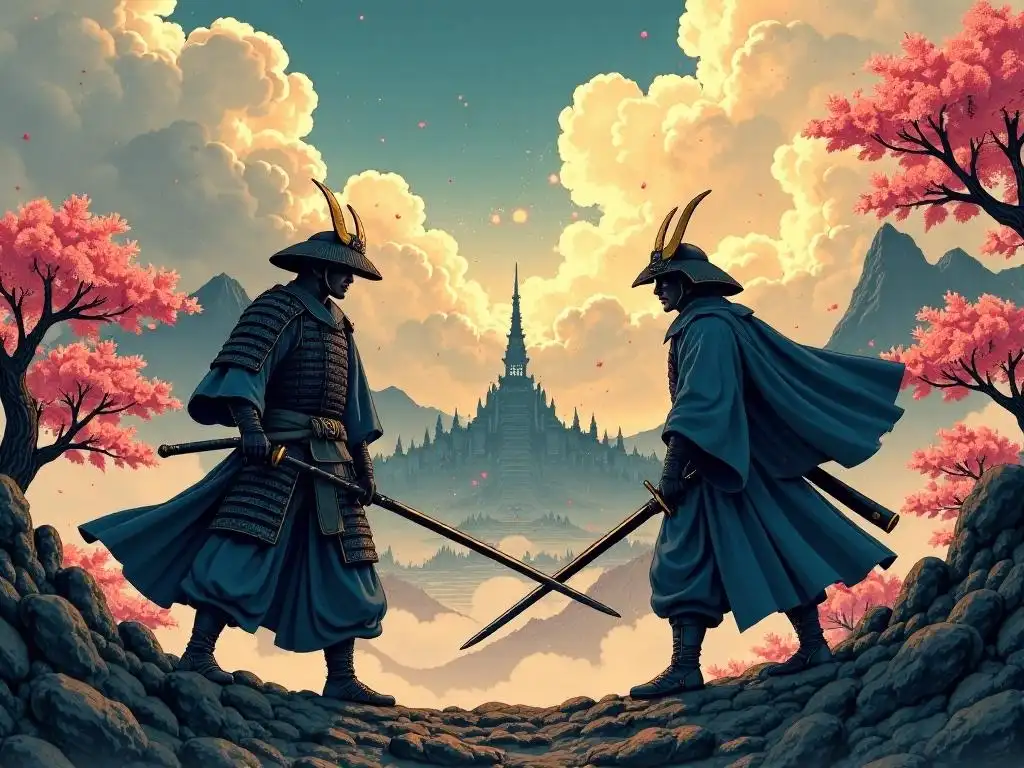
Welcome to Feudal Japan History, where the intricate tapestry of Japan's feudal era unfolds before your eyes. Are you ready to dive deep into the Japan feudal era conflicts analysis? In our featured article, The Dark Side of Unity: Conflicts and Sacrifices During Japan's Unification, we unravel the shadowy narratives behind the struggles for power and the profound sacrifices made in the pursuit of a unified nation.
Prepare to be captivated by the political intrigues and societal upheavals that shaped a pivotal chapter in history. Join us as we journey through the past, revealing the complexities that defined an era!
Introduction to Japan's Unification in the Feudal Era
The unification of Japan during the feudal era marks a pivotal moment in the nation’s history, characterized by a series of intense conflicts, power struggles, and significant sacrifices. This period, which spanned from the late 15th century to the early 17th century, saw the fragmentation of power among various feudal lords (daimyōs) vying for dominance.
The resulting chaos fostered an environment where warfare was rampant, and allegiances shifted frequently, leading to a complex tapestry of interactions that shaped the future of Japan. Understanding these Japan feudal era conflicts is essential for grasping the broader implications of how unity was achieved at such a steep cost.
Overview of the Feudal Era in Japan
The feudal era in Japan was characterized by a hierarchical system where land was the basis of wealth and power. This era was dominated by the samurai class, who served their daimyōs—powerful landowners—while adhering to a strict code of conduct known as bushido. The feudal structure led to a decentralized political landscape where loyalty and military prowess were paramount. As various factions vied for control, the social fabric of Japan was woven with threads of honor, betrayal, and sacrifice.
- Key Features of Feudal Japan:
- Daimyōs: Regional lords who controlled vast territories.
- Samurai: Warrior class serving the daimyōs, living by bushido.
- Peasants: The majority of the population, whose labor supported the feudal system.
- Bushi: Military nobility, often engaged in conflicts.
Importance of Unification in Japanese History
The unification of Japan was vital not only for political stability but also for cultural coherence. Prior to unification, Japan was a patchwork of warring states, each with its distinct customs and practices. The emergence of a centralized government under leaders such as Oda Nobunaga, Toyotomi Hideyoshi, and Tokugawa Ieyasu brought about a new era of peace, known as the Edo period, which allowed for the flourishing of arts, culture, and economy.
- Significance of Unification:
- Political Stability: Reduced internal conflicts and warfare.
- Cultural Homogeneity: Promotion of common cultural practices and beliefs.
- Economic Growth: Enhanced trade and commerce across unified territories.
Purpose of the Article: Analyzing Conflicts and Sacrifices
This article aims to provide a comprehensive analysis of the conflicts and sacrifices that were inherent in the unification of Japan. By examining the motivations behind the struggles and the profound impacts these events had on society, we can gain insights into the darker aspects of a seemingly noble endeavor. Through detailed exploration, we will uncover how the quest for unity was often marred by violence, loss, and the moral dilemmas faced by individuals during this tumultuous period.
Historical Context of Japan's Unification
The Fragmented State of Japan Before Unification
Before the unification efforts began, Japan was divided into numerous feudal domains, each ruled by its daimyō. This fragmentation led to persistent conflicts as these lords sought to expand their territories, leading to a cycle of warfare that drained resources and lives.
- Conditions in Pre-Unified Japan:
- Warring States Period (Sengoku Jidai): A time marked by civil war and instability.
- Power Struggles: Constant battles for dominance among daimyōs.
- Crisis of Governance: The inability of the central authority to maintain order.
Key Players in the Unification Process
The unification of Japan was driven by several key figures whose ambitions and military strategies played a crucial role in reshaping the nation. These leaders not only commanded loyalty from their samurai but also navigated complex alliances and rivalries.
- Prominent Figures:
- Oda Nobunaga: A ruthless strategist who initiated the unification process.
- Toyotomi Hideyoshi: Nobunaga's successor who furthered the unification efforts.
- Tokugawa Ieyasu: The final unifier who established a lasting peace and governance.
Major Events Leading to the Unification of Japan
Several major events marked the path toward unification, each one intertwining with the last, creating a narrative of conflict, strategy, and sacrifice. These events not only highlight the struggle for power but also reflect the social and political dynamics of the time.
- Critical Events:
- Battle of Okehazama (1560): Nobunaga's surprise victory over a much larger force.
- Siege of Osaka (1614-1615): The final attempt by the Toyotomi clan to regain power, leading to their downfall.
- Establishment of the Tokugawa Shogunate (1603): The culmination of unification efforts, leading to over 250 years of relative peace.
Through this exploration of the dark side of unity, we will delve deeper into the conflicts and sacrifices that characterized Japan's unification process, illuminating the complexities and narratives that define this crucial period in Japanese history.
Analyzing the Conflicts During Japan's Unification
The unification of Japan during the late 16th and early 17th centuries was marked by a series of intense conflicts that shaped the political landscape of the nation. This era, culminating in the establishment of the Tokugawa shogunate, was characterized by significant power struggles, both among local warlords (daimyō) and against external entities. The analysis of these conflicts reveals a complex interplay of ambition, loyalty, and the harsh realities of warfare, which ultimately led to the consolidation of power in the hands of a few.
The Sengoku period, or the "Age of Warring States," served as the backdrop for these conflicts, where regional warlords vied for territory and influence. This chaotic environment fostered not only military rivalries but also shifting alliances, betrayals, and a constant struggle for supremacy. Key figures such as Oda Nobunaga, Toyotomi Hideyoshi, and Tokugawa Ieyasu emerged as pivotal players, each contributing to the gradual unification of Japan through both strategic warfare and political maneuvering. Understanding these conflicts is essential for comprehending the sacrifices made during the unification process and the socio-political changes that followed.
Internal Conflicts Among Warlords
Internal conflicts among warlords were a driving force behind Japan's unification. The power struggles often resulted in bloody battles, with alliances forming and dissolving at an alarming rate. Notably, the infamous Battle of Sekigahara in 1600, which marked a decisive turning point in the power dynamics of Japan, saw Tokugawa Ieyasu emerge victorious over a coalition of rival factions. This battle showcased not only military tactics but also the intricate web of loyalties and rivalries among the daimyō.
The daimyō were compelled to adapt to the ever-changing political landscape, leading to both strategic marriages and betrayals. For example, Oda Nobunaga's aggressive campaigns against other warlords, such as the Takeda clan, exemplified the ruthless nature of these conflicts. Nobunaga's innovative tactics, including the use of firearms, significantly altered the battlefield dynamics, forcing other warlords to either adapt or face annihilation. These internal conflicts were not merely battles for territory; they reflected deeper cultural and social struggles that would shape the identity of Japan during this tumultuous period.
External Threats and Their Impact
External threats also played a crucial role in the unification of Japan, influencing the strategies and decisions of the warlords. The most significant external threat came from European powers and their attempts to establish trade and missionary activities in Japan. The arrival of Portuguese traders and Jesuit missionaries in the mid-16th century introduced new technologies and ideas, which, while beneficial in some respects, also posed challenges to the traditional societal structure.
The response to these external influences varied among the warlords. Some, like Nobunaga, embraced Western technologies and firearms, utilizing them to strengthen their military forces. Others viewed these foreign entities with suspicion and hostility, leading to violent confrontations. The resulting conflicts not only shaped Japan's internal dynamics but also forced the warlords to confront the reality of foreign intervention, ultimately affecting their strategies for unification.
Sacrifices Made During the Unification Process
The unification of Japan was not achieved without significant sacrifices, both human and material. The brutal nature of warfare during this period resulted in immense loss of life and disruption of communities. The pursuit of power led to the devastation of entire regions, as conflict often displaced populations and dismantled local economies.
Human Cost of Japan's Unification Efforts
The human cost of Japan's unification efforts was staggering. Estimates suggest that millions of lives were lost during the Sengoku period, primarily due to warfare, famine, and disease exacerbated by the ongoing conflicts. Battles such as the Siege of Osaka in the early 17th century claimed thousands of lives, as the forces of Tokugawa Ieyasu sought to eliminate the last remnants of opposition from the Toyotomi clan.
In addition to battlefield casualties, the social implications of these conflicts were profound. Families were torn apart, and communities were ravaged, leading to long-term psychological effects on the populace. The relentless pursuit of unification came at a significant human toll, as the ambitions of warlords often overshadowed the welfare of their subjects.
Economic Sacrifices and Resource Allocation
The economic sacrifices made during the unification process were equally significant. Resources were heavily allocated toward military campaigns, often at the expense of local economies and agricultural production. The need for funding to sustain prolonged warfare led many daimyō to impose heavy taxes on their subjects, resulting in widespread hardship.
In addition, the destruction of farmland and infrastructure during battles created long-lasting economic repercussions. Regions that were once prosperous found themselves in decline, as warlords prioritized military objectives over the stability and development of their territories. This allocation of resources illustrates the harsh reality that, while unification brought about a new political order, it also necessitated significant economic sacrifices that would take generations to recover from.
Through this analysis of conflicts and sacrifices, it becomes clear that the path to unification was fraught with challenges that shaped both the history and identity of feudal Japan.
The Dark Legacy of Conflicts in the Unification Era
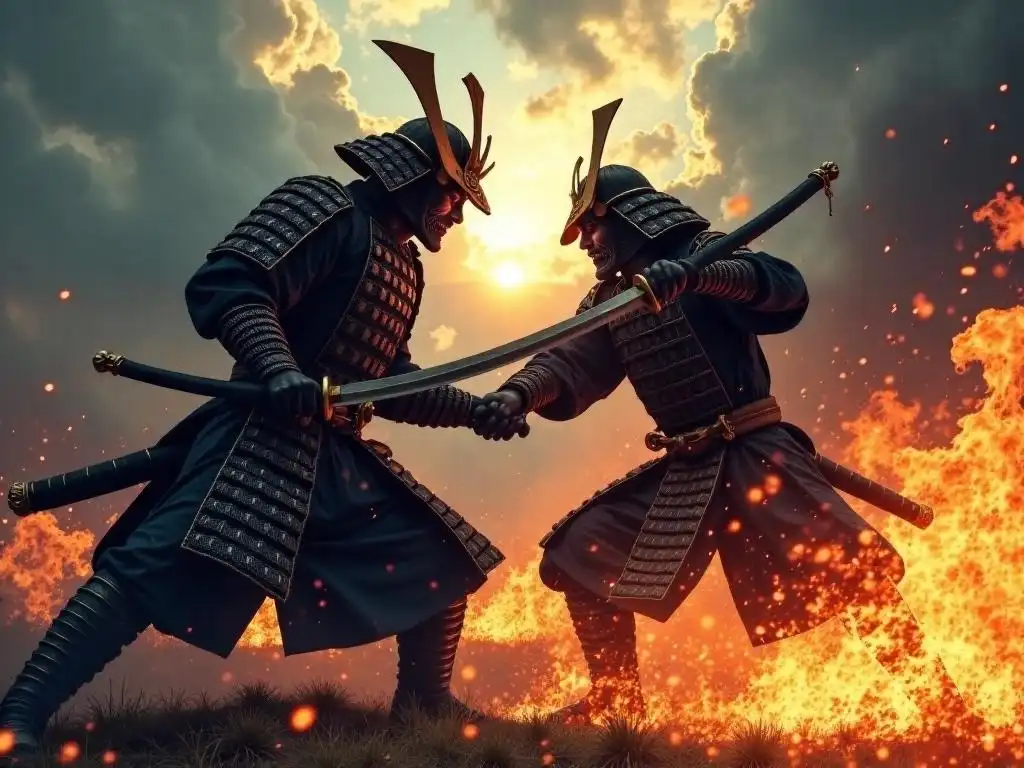
The unification of Japan during the late 16th century, primarily under the leadership of figures like Oda Nobunaga, Toyotomi Hideyoshi, and Tokugawa Ieyasu, was marked by intense and often brutal conflicts. These battles were not merely military confrontations; they represented deep-seated rivalries, ideological clashes, and shifts in power dynamics that would shape Japan's future. The legacy of these conflicts is dark and multifaceted, influencing not only the political landscape but also the cultural and social fabric of Japanese society.
As the various daimyo fought for control, they engaged in numerous sieges, betrayals, and assassinations. The chaos of these conflicts resulted in widespread destruction and loss of life. Villages were razed, and civilian populations suffered greatly. The psychological scars left by these wars would linger long after the battles ended, affecting the collective memory of communities across Japan. This legacy can still be seen in the way history is perceived and taught in modern Japan, where the narratives of heroism and tragedy intertwine.
Moreover, the consolidation of power that followed these conflicts led to the establishment of a rigid class system and a centralized government under the Tokugawa shogunate. While this brought about a period of relative peace known as the Edo period, it also stifled individual freedoms and led to the marginalization of certain classes. The repercussions of these feudal conflicts can thus be traced through Japan's subsequent societal developments.
Long-term Consequences of Feudal Conflicts
The long-term consequences of the feudal conflicts during Japan's unification extend beyond mere territorial gains or losses. One major consequence was the establishment of a strong centralized authority, which sought to prevent the kind of fragmentation that had characterized the preceding Sengoku period. The Tokugawa shogunate implemented policies to maintain peace, such as the "sankin-kōtai" system, requiring daimyo to spend alternating years in the capital, Edo. This system helped to control the daimyo and prevent rebellion, but it also created a heavy financial burden on their domains.
Economically, the unification and subsequent peace allowed for trade and commerce to flourish. However, the heavy taxation imposed to support the shogunate's military and government apparatus often strained local economies. While cities grew and urbanization increased, the disparities between the wealthy and poor widened, leading to social unrest in later years.
Culturally, the unification era set the stage for a distinct Japanese identity that was influenced by both the external pressures of foreign powers and internal dynamics. The samurai ethos, which glorified loyalty and sacrifice, became deeply ingrained in Japanese culture, influencing literature, art, and even modern nationalistic sentiments. However, the glorification of these conflicts also romanticized violence and war, casting long shadows over Japan's future military endeavors.
Reflections on the Sacrifices: Lessons for Modern Japan
The sacrifices made during the unification of Japan serve as a poignant reminder of the costs of conflict. Thousands of lives were lost, families torn apart, and communities destroyed in the pursuit of power and control. Modern Japan can draw several lessons from this tumultuous period.
Firstly, the importance of dialogue and diplomacy in resolving conflicts is paramount. The feudal era was characterized by a lack of communication and understanding among rival factions, leading to catastrophic consequences. In today's interconnected world, the ability to negotiate and find common ground is crucial to preventing conflicts.
Secondly, the recognition of the human cost of war is essential. The sacrifices of the past must not be forgotten; they should inform current policies and societal attitudes towards conflict. By honoring those who suffered, modern Japan can foster a culture of peace and reconciliation, ensuring that history does not repeat itself.
Lastly, the need to balance tradition with progress is vital. While the samurai code of honor played a significant role in shaping Japanese identity, it is essential to adapt these values to contemporary society, where cooperation and mutual respect are more valuable than militaristic pride.
Conclusion: The Complexity of Unity in Japan's Feudal Era
The unification of Japan was a complex process, fraught with conflict and sacrifice. It was not merely a political endeavor; it was a transformation that reverberated through all aspects of Japanese life. Understanding this complexity is crucial for appreciating Japan's historical trajectory and the development of its national identity.
Summary of Key Conflicts and Sacrifices
Key conflicts during the unification included:
- The Battle of Okehazama (1560): Oda Nobunaga’s surprising victory over Imagawa Yoshimoto marked a turning point in the Sengoku period.
- The Siege of Takamatsu (1582): Toyotomi Hideyoshi's siege exemplified the brutal tactics employed during the quest for unification.
- The Battle of Sekigahara (1600): This decisive battle led to the establishment of Tokugawa Ieyasu's shogunate, cementing the power dynamics of the era.
These conflicts led to significant sacrifices, including the loss of countless lives, the displacement of populations, and the cultural upheaval that ensued. The consequences of these sacrifices shaped not only the immediate aftermath but also the future of Japan.
Final Thoughts on the Historical Analysis of Japan's Unification
The historical analysis of Japan's unification reveals a narrative filled with both triumph and tragedy. It serves as a reminder of the darker aspects of unity, where conflict and sacrifice were necessary evils in the pursuit of a cohesive nation. As Japan continues to navigate its identity in a rapidly changing world, reflecting on these lessons from the feudal era can provide valuable insights into achieving harmony without the shadows of past conflicts. Understanding this intricate history enables modern Japan to honor its past while forging a path toward a more peaceful future.
References
In exploring the complexities of Japan's unification and the conflicts that shaped its feudal era, it is essential to engage with a variety of scholarly works and primary sources. These references provide a foundation for understanding the intricate dynamics of power, warfare, and societal change during this transformative period in Japanese history. Below are some recommended readings and key historical sources that delve into the conflicts and sacrifices inherent in Japan's unification.
Recommended Reading on Japan's Feudal Conflicts
-
"The Samurai: A Military History" by Stephen Turnbull
This book offers a comprehensive overview of the samurai class, their military strategies, and their roles in conflicts throughout Japan's feudal era. Turnbull's insights into the evolution of samurai warfare provide a crucial perspective on the broader conflicts during unification.
-
"Japan: A Modern History" by James L. McClain
McClain’s work is vital for understanding the socio-political landscape of Japan, including the tumultuous period leading up to and during unification. His analysis sheds light on the sacrifices made by various factions, detailing the impact of these conflicts on Japan's eventual modernization.
-
"The Age of the Samurai: Japan's 700-Year History of Violence" by John W. Dower
Dower’s book examines the recurrent themes of violence and conflict in Japan's history, with a focus on the period of unification. This text is essential for grasping the darker aspects of samurai culture and the societal ramifications of warfare.
-
"The Tale of the Heike" (Translation by Helen Craig McCullough)
This epic tale recounts the Genpei War and the rise of the samurai class. It serves as both a historical source and a literary masterpiece, illustrating the human experiences and sacrifices during significant conflicts.
-
"The Rise of Modern Japan: Political, Economic, and Social Change Since 1850" by James L. McClain
This book provides important context for understanding how the conflicts of the feudal era laid the groundwork for modern Japan. McClain highlights the continuity of violence and power struggles from the feudal period into the modern era.
Key Historical Sources and Literature on Unification
-
"The Unification of Japan: A Historical Overview" by John W. Hall
Hall's analysis covers the key events leading to the unification of Japan, emphasizing the political maneuvers and conflicts between major players like the Tokugawa and the Oda clans. His work is fundamental for comprehending the strategic sacrifices made during this period.
-
"The Warring States in Japan" by William Wayne Farris
This book explores the Sengoku period, a time characterized by social upheaval and military conflict. Farris details how these conflicts contributed to the eventual unification of Japan, providing a nuanced view of the sacrifices involved.
-
"The Book of Five Rings" by Miyamoto Musashi
Written by the famous swordsman, this text not only discusses martial strategy but also reflects on the philosophical aspects of conflict and sacrifice. Musashi's insights into the mindset of warriors during the feudal era add depth to our understanding of the personal costs of unification.
-
Primary Sources: "Shōtoku Taishi and the Constitution of Japan"
The constitution attributed to Shōtoku Taishi serves as an essential document for understanding the ideological underpinnings of unity and governance in early Japan. This primary source highlights the sacrifices made for the sake of political stability and social order.
These references and recommended readings serve as a guide for anyone interested in delving deeper into the conflicts that characterized Japan's feudal era and the sacrifices made in the name of unification.
- Introduction to Japan's Unification in the Feudal Era
- Historical Context of Japan's Unification
- Analyzing the Conflicts During Japan's Unification
- Sacrifices Made During the Unification Process
- The Dark Legacy of Conflicts in the Unification Era
- Conclusion: The Complexity of Unity in Japan's Feudal Era
- References
Frequently Asked Questions
What were the main conflicts during Japan's feudal era?
The Japan feudal era conflicts primarily involved power struggles between daimyos, the samurai class, and the central authority, leading to significant battles like the Onin War and the Sengoku period.
How did unification affect society in feudal Japan?
Unification brought about political stability but required sacrifices, including the loss of autonomy for many local leaders and the suppression of dissent among samurai and peasants.
What role did samurai play in these conflicts?
The samurai were essential combatants in the feudal conflicts, serving their daimyos loyally, and their skills were pivotal in determining the outcomes of battles during the unification process.
How did cultural aspects influence these conflicts?
Cultural elements like Bushido, the samurai code of honor, shaped motivations and strategies, often leading to sacrifices made in the name of loyalty and duty during the unification efforts.
Why is it important to analyze these conflicts today?
Analyzing the Japan feudal era conflicts provides invaluable insights into the historical foundations of modern Japan, highlighting themes of unity, sacrifice, and the complex interplay of power and culture.
Final Reflection: The Complex Tapestry of Unity in Japan's Feudal Era
The journey through Japan's feudal era reveals that unity often comes at a steep price, marked by conflicts and sacrifices that shaped the nation’s identity. In an age where the quest for harmony can overshadow the tumultuous paths taken to achieve it, understanding these historical intricacies is more relevant than ever. The lessons drawn from Japan's unification process remind us that the pursuit of a cohesive society can lead to profound consequences, both positive and negative.
Certainly, the conflicts that arose during Japan's unification serve as a poignant reminder of the delicate balance between unity and discord. The sacrifices made by countless individuals, whether through warfare or political maneuvering, highlight the human cost of progress. As we reflect on these historical events, we see their echoes in contemporary society, where the struggle for unity often leads to divisions and sacrifices that are not always visible. In the end, the path to unity is paved with the stones of conflict and the sacrifices of those who dared to dream of a better future.
As we conclude this exploration of Japan's feudal era conflicts, I invite you to reflect on the lessons of history and consider how they resonate in your own life. What sacrifices are we willing to make for the sake of unity in our communities?
Let us take these reflections to heart and strive for a future where we can learn from the past, embracing the complexities of unity while honoring the sacrifices that have paved the way for progress. In doing so, we can create a more inclusive and understanding world, one that acknowledges the shadows of history while moving toward a brighter horizon.
Unveil the Layers of History and Take Action!
Thank you for diving into the complexities of Japan's unification with us! Your interest in the conflicts and sacrifices involved sheds light on a pivotal moment in history. Now, it’s time to channel that curiosity into action and further explore these themes.
Here are some engaging steps you can take:
- Join a Discussion Group: Connect with fellow history enthusiasts by participating in online forums or local meet-ups focused on feudal Japan. Share your insights and learn from others!
- Explore Further Reading: Delve into books or documentaries that cover the era of unification in depth. **Feel free to recommend titles that particularly fascinate you. **
- Reflect and Share: Write a post or article reflecting on what you learned from this era. **Invite your friends or family to uncover the rich history of Feudal Japan with you. **
As you ponder these suggestions, we’d love to know: What aspect of Japan’s unification intrigues you the most, and how do you believe it shapes our understanding of modern society?