
The Role of Education in the Rise of the Samurai Class


Welcome to Feudal Japan History, where we embark on a captivating journey through the intricate tapestry of Japan’s feudal era. Here, we delve into the impact of education on the samurai class, uncovering how knowledge and learning shaped the very foundation of this esteemed warrior society. Join us as we explore the intersections of history, culture, and politics that forged the samurai's path to power. What role did education play in their rise? The answers await you within our expertly crafted articles. Let your curiosity lead the way!
The samurai class, often romanticized as the noble warriors of feudal Japan, played a pivotal role in shaping the political and social landscape of the country. Central to their rise and enduring influence was education, which not only equipped these warriors with martial skills but also imbued them with philosophical and ethical frameworks that defined their conduct.
Understanding the impact of education on the samurai class provides invaluable insights into how this elite group evolved from mere soldiers to esteemed leaders and administrators. This article delves into the intricate relationship between education and the emergence of the samurai, exploring how scholarly pursuits and cultural teachings contributed to their ascendancy and the broader implications for feudal Japanese society.
Introduction to the Samurai Class
Overview of the Samurai Class in Feudal Japan
The samurai class emerged during the late Heian period (794-1185) and gained prominence throughout the Kamakura (1185-1333) and Muromachi (1336-1573) periods. Initially serving as provincial warriors, samurai evolved into a powerful military and social class that dominated Japanese politics for centuries. Known for their code of conduct, Bushido, which emphasized loyalty, honor, and discipline, samurai were not only skilled fighters but also cultural custodians who upheld the values of Confucianism and Zen Buddhism.
- Key Characteristics of the Samurai Class:
- Warrior Ethos: Loyalty and bravery in battle.
- Cultural Patronage: Support of arts, literature, and philosophy.
- Political Power: Influence in governance and land ownership.
Historical Context of the Samurai Emergence
The rise of the samurai was intricately linked to the sociopolitical upheavals of feudal Japan. The decline of the imperial court's authority and the rise of regional warlords (daimyō) created a power vacuum that the samurai filled. Key events, such as the Genpei War (1180-1185), marked the beginning of samurai dominance, leading to the establishment of the Kamakura shogunate. As military leaders, samurai gained not only land but also the responsibility of governance, which further necessitated a structured form of education to manage their newly acquired roles.
The Importance of Education in Feudal Japan
Defining Education During the Samurai Era
Education in feudal Japan was a multifaceted endeavor that extended beyond mere literacy and martial training. It encompassed a wide array of subjects, including literature, philosophy, and military strategy. The samurai were expected to be not only warriors but also educated leaders capable of making informed decisions. This duality of purpose was crucial for maintaining order and loyalty within their domains.
- Core Components of Samurai Education:
- Martial Arts: Skills essential for combat and warfare.
- Literature and Poetry: Understanding of classical texts and writing skills.
- Philosophy: Ethical and moral teachings, particularly influenced by Confucianism.
Types of Education Available to Samurai
The types of education available to samurai varied significantly based on their status and the era. Formal education often took place in temples or through private tutors, while informal learning occurred within the family or through mentorship from experienced warriors.
- Education Methods:
- Formal Schools: Institutions like the Yamabuki Academy provided structured learning.
- Mentorship: Older samurai imparted knowledge to the younger generation.
- Self-Study: Samurai were encouraged to read and study classical texts to enhance their understanding of strategy and ethics.
The educational foundations established during the samurai's rise were instrumental in shaping their identity and societal role. By examining these educational influences, we can better appreciate the complexities of the samurai class and their enduring legacy in Japanese history.
How Education Shaped the Samurai Identity
Education played a pivotal role in shaping the identity of the samurai class, which emerged during the late Heian period and solidified in the Kamakura period. The samurai were not only warriors but also scholars and philosophers, blending martial prowess with intellectual pursuits. This duality fostered a unique identity that distinguished them from other social classes.
The samurai's education focused on various disciplines, including literature, philosophy, and martial arts, which collectively cultivated a code of conduct known as Bushido. This code emphasized loyalty, honor, and discipline, reflecting the moral and ethical standards that guided the samurai's actions both on and off the battlefield. As samurai families prioritized education, they instilled in their children the virtues of diligence and self-improvement, reinforcing the idea that a true warrior must also be a learned individual.
Moreover, the rise of the samurai class in feudal Japan coincided with a growing appreciation for education and intellectual achievements. This cultural shift allowed samurai to elevate their social status through knowledge, distinguishing themselves from the peasant and merchant classes. In essence, education was not merely a tool for personal advancement; it was integral to the very fabric of samurai identity.
The Influence of Confucian Values on Samurai Education
Confucianism, a philosophical system that emphasized moral integrity, social harmony, and respect for authority, profoundly influenced samurai education. Introduced to Japan from China, Confucian values shaped the moral and ethical frameworks that samurai adhered to. The teachings of Confucius emphasized the importance of learning and self-cultivation, which resonated with the samurai's quest for honor and personal excellence.
Samurai education incorporated Confucian principles, particularly in terms of loyalty to one's lord and the importance of filial piety. These values were not only taught in schools but were also integral to the household learning environments of samurai families. The emphasis on ethics and governance encouraged samurai to aspire to roles beyond mere warriors, often leading them into administrative positions where their education could be applied in service to the state.
As samurai began to adopt Confucian ethics, their identity evolved to include responsibilities as moral leaders and advisors. This transition marked a significant shift in the samurai's role within society, as they moved from being mere military figures to respected scholars and statesmen who contributed to the governance and cultural development of Japan.
The Role of Martial Arts Training in Samurai Education
Martial arts training was a cornerstone of samurai education, serving both practical and philosophical purposes. From a young age, samurai were trained in various forms of combat, including kenjutsu (swordsmanship), iaijutsu (the art of drawing the sword), and other weaponry skills. This rigorous physical training aimed to develop not only fighting abilities but also discipline, focus, and mental fortitude.
The integration of martial arts into the education of samurai reinforced the ideals of Bushido, where mastery of combat was seen as a reflection of one's character. Each technique learned was imbued with philosophical concepts that emphasized the harmony between the mind and body. Samurai were taught that true strength lay not just in physical prowess but also in the ability to remain calm and composed in the face of adversity.
Moreover, martial arts training fostered a sense of camaraderie among samurai, as they often trained together in dojos or during military drills. This communal aspect of education helped build strong bonds among warriors, reinforcing the importance of loyalty and teamwork. Ultimately, martial arts became a vital component of samurai identity, symbolizing their commitment to excellence and their role as protectors of society.
The Impact of Literature and Philosophy on Samurai Ideals
The study of literature and philosophy significantly impacted the ideals of the samurai class, providing them with a broader worldview and a deeper understanding of their place in society. Samurai education included the reading of classical texts, poetry, and philosophical works, which enriched their intellectual lives and informed their ethical frameworks.
Prominent works, such as "The Tale of the Heike" and "The Book of Five Rings" by Miyamoto Musashi, illustrated the values of loyalty, courage, and honor. These texts not only provided historical context but also served as moral guides, influencing the samurai's approach to life and warfare. Through literature, samurai learned to appreciate the nuances of human nature and the importance of compassion alongside strength.
Philosophical teachings, particularly those influenced by Zen Buddhism, encouraged samurai to cultivate a mindset of mindfulness and reflection. This spiritual aspect of education helped them reconcile the brutal realities of their profession with a deeper sense of purpose, fostering a balance between martial prowess and inner peace. As samurai integrated these literary and philosophical concepts into their lives, they cultivated a unique identity that combined the warrior's spirit with the scholar's intellect.
The Evolution of Samurai Education Systems
The samurai education system underwent significant evolution from its inception to the Edo period, adapting to the changing political and social landscapes of Japan. Initially, education was largely informal, conducted within samurai households, where parents taught their children the values and skills necessary for their future roles as warriors.
Early Education Practices Among Samurai Families
Early education practices among samurai families were characterized by a focus on practical skills and moral teachings. Parents often served as the primary educators, imparting knowledge about martial arts, etiquette, and the principles of Bushido. This informal education emphasized loyalty, honor, and discipline, establishing the foundational values that samurai would carry throughout their lives.
Children were also encouraged to engage in competitive activities, such as archery and fencing, which not only honed their physical abilities but also instilled a sense of resilience and determination. The emphasis on character development was crucial, as samurai were expected to embody the virtues of their lineage and uphold the honor of their families.
As samurai families began to recognize the importance of formal education, they sought to enhance their children's learning through the establishment of small private schools, where tutors would provide instruction in literature, philosophy, and the arts.
Establishment of Samurai Academies and Schools
With the rise of the samurai class and the increasing complexity of governance, formal education systems began to emerge in the form of samurai academies and schools. By the late 16th century, several educational institutions were established specifically for the samurai, combining martial training with scholarly pursuits. These academies served as centers of learning, where students could receive instruction from esteemed scholars and martial artists.
The curriculum in these schools was diverse, encompassing not only military strategy and martial arts but also literature, Confucian philosophy, and administrative skills. This holistic approach to education prepared samurai for various roles within society, allowing them to transition from warriors to leaders and administrators.
Notable schools, such as the Shushin Gakko and Kōdōkan, became instrumental in shaping the samurai's intellectual and martial prowess. The establishment of these institutions marked a significant shift in samurai education, as it became more formalized and structured, reflecting the growing importance of education in samurai culture.
Comparison of Samurai Education to Other Social Classes
Samurai education differed markedly from the educational practices of other social classes in feudal Japan. While samurai were afforded access to formal education and cultural teachings, the majority of the peasant class remained largely uneducated, focusing primarily on agricultural skills necessary for their survival.
In contrast, merchants and artisans pursued their own forms of education, often centered around trade skills and craftsmanship. However, these classes did not have the same emphasis on moral and ethical training that characterized samurai education. The samurai's dual focus on martial and scholarly pursuits set them apart, creating a distinct identity that combined the roles of warrior and scholar.
Additionally, the samurai's education was deeply rooted in the principles of Bushido, which emphasized loyalty, honor, and duty. Other social classes, while valuable to the economy and society, did not possess the same moral framework that guided samurai actions. This educational disparity contributed to the social hierarchy of feudal Japan, reinforcing the samurai's status as the ruling elite and their responsibility to uphold the values of their class.
The evolution of samurai education reflects the complex interplay between culture, politics, and social structure in feudal Japan, ultimately shaping the identity and legacy of the samurai class.
Case Studies of Notable Samurai and Their Education
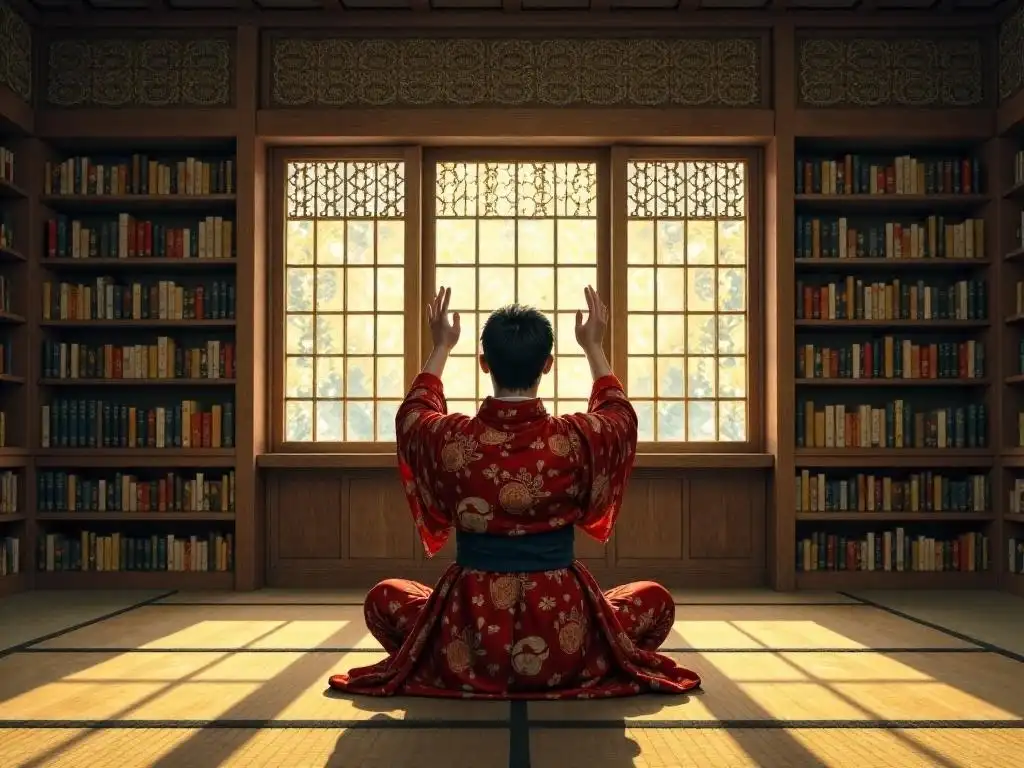
The educational backgrounds of notable samurai illustrate the profound impact of education on the rise and development of the samurai class in feudal Japan. These examples show how learning, strategy, and philosophy shaped their identities and influenced their roles in society.
Example 1: Minamoto no Yoritomo and Their Educational Background
Minamoto no Yoritomo, the founder of the Kamakura shogunate, exemplifies the crucial connection between education and leadership in the samurai class. Born into a prominent warrior family, Yoritomo was exposed to martial training from a young age. However, his education extended beyond the sword; he learned the importance of strategy, politics, and governance while in exile.
Yoritomo's time spent in the Izu Province allowed him to study various texts on military tactics and governance. He was particularly influenced by the Tale of Heike, which not only informed him about the historical context of the clan rivalries but also equipped him with insights into the moral and ethical dilemmas faced by leaders. His ability to read and understand these texts played a pivotal role in his eventual rise to power, enabling him to establish a government that balanced military might with effective administration.
Example 2: Miyamoto Musashi and the Influence of Their Studies
Miyamoto Musashi, one of Japan's most revered swordsmen, is another prominent figure whose educational journey significantly influenced his prowess and philosophy. Musashi was largely self-taught, immersing himself in various disciplines beyond martial arts, including philosophy, strategy, and the arts.
His renowned work, The Book of Five Rings, reflects his extensive study of combat strategy, weaponry, and the psychological aspects of warfare. Musashi emphasized the importance of adaptability and understanding one's opponent, principles learned through careful observation and reflection. His unique approach to education, blending practical experience with theoretical knowledge, not only solidified his status as a master swordsman but also contributed to the evolution of martial arts in Japan.
Example 3: Tokugawa Ieyasu as a Model of Samurai Education
Tokugawa Ieyasu, the founder of the Tokugawa shogunate, represents the convergence of education and governance in the samurai class. Born into a turbulent period marked by constant warfare, Ieyasu was educated in the principles of Confucianism, which greatly influenced his leadership style and policies.
His training in strategy and governance was complemented by his understanding of the importance of education in society. Ieyasu established schools and promoted the study of Confucian texts among samurai families, emphasizing moral education alongside martial training. This holistic approach to education not only fortified the samurai's role as warriors but also as administrators and scholars, contributing to the stability and longevity of his regime.
The Long-Term Effects of Education on the Samurai Class
The impact of education on the samurai class extended beyond individual achievements, shaping governance, societal norms, and the eventual decline of the samurai's traditional roles.
How Education Influenced Samurai Governance and Leadership
Education fostered a sense of responsibility among samurai leaders, encouraging them to adopt more structured and ethical approaches to governance. The principles learned through Confucian education promoted virtues such as loyalty, justice, and benevolence, which became integral to the samurai code of conduct, known as bushido.
As samurai transitioned from mere warriors to administrators, their educational background informed their decisions in local governance and military strategies. Well-educated samurai were able to navigate complex political landscapes, forming alliances and managing resources efficiently. This evolution in governance led to the establishment of a feudal system where education became synonymous with power and influence.
The Role of Education in the Decline of the Samurai Class
Despite the initial advantages provided by education, the samurai class faced challenges in the modern era that contributed to its decline. As Japan underwent rapid modernization during the Meiji Restoration, the educational focus shifted towards Western-style learning, often sidelining traditional samurai teachings.
The increased emphasis on universal education and the rise of a merit-based society diminished the samurai's exclusive hold on education. While samurai had once been the paragons of learning and governance, their inability to adapt to the new educational paradigms and societal structures ultimately led to a loss of their traditional roles and status. The decline of the samurai class serves as a poignant reminder of how education can shape not only individual destinies but also the fate of an entire social class.
Conclusion: The Lasting Legacy of Education in Samurai History
The legacy of education in the rise of the samurai class is both profound and enduring. As the samurai transitioned from mere warrior status to influential leaders and administrators, education played a pivotal role in this evolution. It not only equipped them with the necessary skills for governance and military strategy but also instilled a sense of moral responsibility and ethical conduct. The emphasis on Confucian ideals and the study of classical texts fostered a culture of intellectualism among the samurai, distinguishing them from other warrior classes and contributing to the social hierarchy of feudal Japan.
Furthermore, the educational frameworks established during this period laid the groundwork for future generations. Samurai were often seen as the custodians of knowledge and culture, and their commitment to learning influenced the broader societal values surrounding education. The samurai's dedication to both martial and intellectual pursuits became a defining characteristic of their identity, reinforcing the notion that true strength encompasses wisdom as well as physical prowess.
Summary of Key Points on Education's Impact on the Samurai Class
- Transformation of Identity: Education allowed the samurai to evolve from mere fighters to educated leaders, blending martial prowess with intellectual capabilities.
- Cultural and Moral Development: The study of Confucian texts and philosophy fostered a strong ethical framework, shaping the samurai's moral compass and sense of duty.
- Administrative Skills: With education came the ability to govern effectively, as samurai were trained in law, governance, and the arts of diplomacy, essential for managing their territories.
- Preservation of Knowledge: Samurai acted as custodians of cultural heritage, ensuring the transmission of knowledge through generations, which influenced societal norms and practices.
- Social Hierarchy: The emphasis on education solidified the samurai's status within the rigid social structure of feudal Japan, creating a distinct class that valued both intellectual and martial achievements.
Final Thoughts on the Importance of Education in Feudal Japan
Education was not merely a tool for personal advancement among the samurai; it was a transformative force that shaped the very fabric of feudal Japanese society. By prioritizing education, the samurai class established a legacy that would influence not only their own lives but also the cultural and political landscape of Japan for centuries to come. The integration of education into the samurai ethos helped cultivate a society that valued knowledge, ethics, and responsibility—a legacy that continues to resonate in modern Japan.
In understanding the impact of education on the samurai class, we gain insight into the complexities of their roles as warriors, leaders, and scholars. This multifaceted approach to education illustrates how knowledge and learning can empower individuals and classes, ultimately shaping the course of history. The samurai's journey underscores the notion that education is a cornerstone of societal development, capable of inspiring change and fostering a more nuanced understanding of leadership and governance.
- Introduction to the Samurai Class
- The Importance of Education in Feudal Japan
- How Education Shaped the Samurai Identity
- The Evolution of Samurai Education Systems
- Case Studies of Notable Samurai and Their Education
- The Long-Term Effects of Education on the Samurai Class
- Conclusion: The Lasting Legacy of Education in Samurai History
- What was the significance of education for the samurai class in feudal Japan?
- How did the educational system influence the samurai's code of conduct?
- Were samurai educated in both martial and scholarly pursuits?
- What impact did Confucianism have on samurai education?
- How did the rise of the samurai class relate to social changes in Japan?
Frequently Asked Questions
What was the significance of education for the samurai class in feudal Japan?
Education played a critical role in the development of the samurai class, enhancing their administrative skills and reinforcing their cultural values.
How did the educational system influence the samurai's code of conduct?
The educational system instilled the principles of Bushido, which governed the samurai's ethical behavior and sense of duty, shaping their roles in society.
Were samurai educated in both martial and scholarly pursuits?
Yes, samurai were trained in martial arts as well as literature, philosophy, and ethics, creating a well-rounded warrior capable of both combat and governance.
What impact did Confucianism have on samurai education?
Confucianism significantly influenced samurai education by promoting moral integrity, loyalty, and a sense of responsibility towards society and their lords.
The rise of the samurai class was closely tied to social changes, including the feudal system's evolution and the increasing importance of military service, which education helped to formalize.
Final Reflection: The Lasting Impact of Education on the Samurai Class
The role of education in shaping the samurai class is not just a historical footnote; it is a powerful testament to the transformative potential of knowledge. Today, as we navigate an increasingly complex world, the lessons learned from the samurai's rise remind us that education is a catalyst for social mobility and cultural evolution. The samurai, once mere warriors, became scholars and leaders, illustrating that education can redefine societal roles and empower individuals to transcend their circumstances.
Clearly, the influence of education on the samurai class has left an indelible mark on Japanese culture and beyond. The samurai's commitment to learning and moral development laid the groundwork for a society that values discipline, honor, and intellectual growth. This legacy continues to resonate in modern educational philosophies that emphasize holistic development. As the philosopher Confucius once said, Education breeds confidence. Confidence breeds hope. Hope breeds peace.
This quote encapsulates the enduring significance of education as a force for positive change, echoing through the ages and inspiring future generations.
As we reflect on the profound lessons from the samurai's journey, let us consider how we can harness the power of education in our own lives. Take a moment to evaluate your own learning journey and its impact on your personal growth and societal contributions. Embrace the idea that education is not merely a means to an end but a lifelong pursuit that shapes who we are and how we engage with the world. By committing to continuous learning, we can honor the legacy of the samurai and contribute to a future where knowledge empowers and uplifts all.
Unleash Your Understanding of the Samurai Class!
Thank you for diving into the fascinating world of feudal Japan and exploring the significant role education played in shaping the Samurai class. Your curiosity and engagement are what keep history alive! Now, it's time to take what you've learned and propel your journey further.
Consider these action steps to deepen your connection with this intriguing topic:
- Read More: Explore our in-depth articles on the lives and philosophies of renowned samurai warriors and how education influenced their values.
- Join the Discussion: Share your thoughts about the impact of education on Samurai culture in the comments section below—your voice matters!
- Discover Relatable Parallels: Research modern-day professionals, such as educators and leaders, who embody the qualities of discipline and honor within their roles.
What aspect of the Samurai's educational journey resonates with you the most, and how can we apply those lessons to our own lives today?