
The Shifting Power Dynamics: How Local Lords Contributed to National Unity

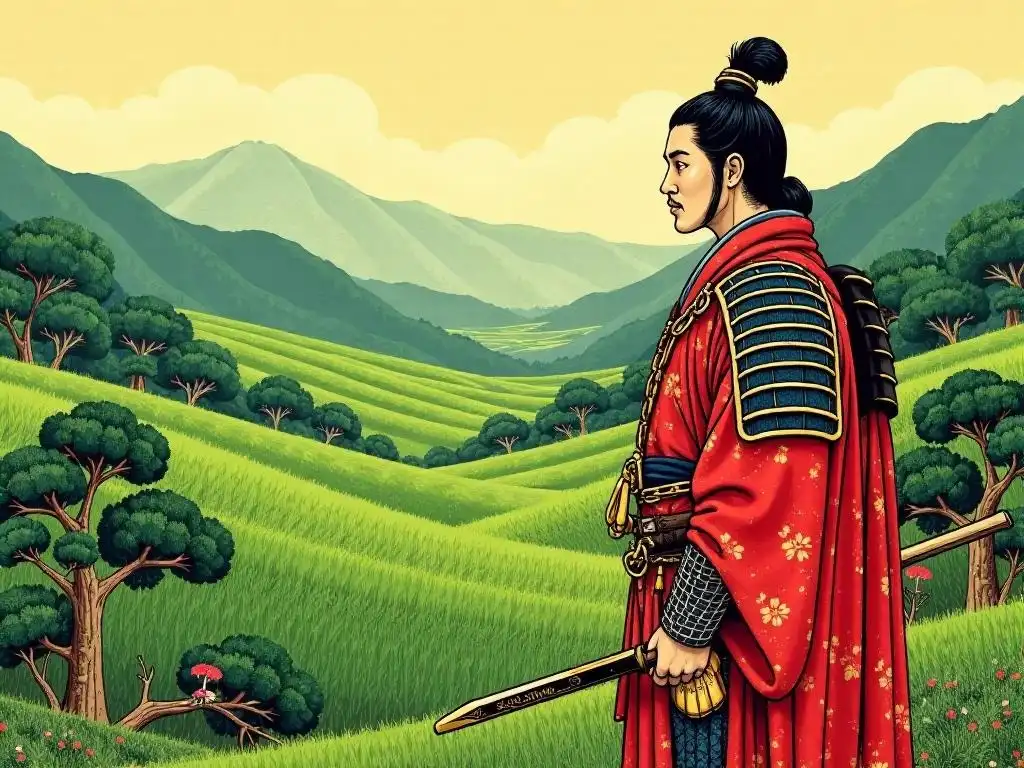
Welcome to Feudal Japan History, where we embark on a fascinating journey through the intricate tapestry of Japan's feudal era. Dive deep into the shadows of history and discover how local lords in feudal Japan played a pivotal role in shaping the nation's political landscape. In our featured article, "The Shifting Power Dynamics: How Local Lords Contributed to National Unity," you’ll uncover the compelling stories and strategies that forged alliances and rivalries, ultimately influencing the course of Japanese history.
Prepare to be captivated as we unravel the complexities of power and unity in a time of turmoil. Let the exploration begin!
Introduction to Local Lords in Feudal Japan
The feudal era of Japan, spanning from the late 12th century to the mid-19th century, was marked by a complex tapestry of power dynamics, where local lords played a pivotal role in shaping the nation's political landscape. Known as daimyō, these feudal lords exercised significant authority over their domains, influencing not only local governance but also the overarching quest for national unity amidst a backdrop of regional fragmentation.
Understanding the contributions and impacts of local lords in feudal Japan is essential for grasping how their relationships and rivalries ultimately paved the way for a unified nation. This article delves into the intricate world of local lords, examining their roles and the shifting power dynamics that shaped Japan's political history.
Overview of Feudal Japan's Political Landscape
Feudal Japan was characterized by a decentralized political structure where power was held by various regional lords rather than a centralized government. This period saw the rise of the shogunate, a military government led by shoguns who, while nominally subordinate to the emperor, wielded substantial control over the country. The political landscape was further complicated by the presence of numerous local lords who governed their territories with varying degrees of autonomy.
- Key Features of Feudal Japan's Political Structure:
- Shogunate's Authority: The shogun held military and political power, often overshadowing the emperor.
- Local Governance: Local lords managed their own domains, collecting taxes, maintaining order, and providing military service.
- Fragmented Power: The lack of a strong central authority led to competing interests among local lords, resulting in a fragmented political landscape.
Importance of Local Lords in the Feudal System
Local lords were integral to the functioning of the feudal system in Japan, serving as the primary link between the central authority and the local populace. Their roles extended beyond mere governance; they were also responsible for maintaining peace and order within their territories, which was crucial in a time marked by instability and conflict.
- Roles of Local Lords:
- Tax Collection: Local lords were responsible for collecting taxes from peasants, which funded their military and administrative needs.
- Military Leadership: They commanded samurai warriors, providing military support to the shogunate and defending their domains against rival lords.
- Cultural Patronage: Many local lords promoted the arts and culture, influencing the development of Japanese society during this era.
The Role of Local Lords in Political Fragmentation
The power of local lords also contributed to Japan's political fragmentation, as their ambitions often clashed with each other and with the central authority of the shogunate. This section explores how the emergence of powerful daimyō and their influence on governance created a landscape ripe for conflict and competition.
The Emergence of Powerful Daimyo
During the feudal period, certain local lords, known as daimyō, gained significant power and territory, establishing themselves as formidable players in the political arena. These daimyō often engaged in territorial expansion and military conquest, further complicating the already fragmented political landscape.
- Factors Contributing to their Power:
- Military Strength: Many daimyō built strong armies, enabling them to defend their territories and expand their influence.
- Strategic Alliances: Forming alliances through marriage and diplomacy was a common strategy to consolidate power.
Influence of Local Lords on Regional Governance
Local lords had a profound impact on the governance of their respective regions, often acting with considerable autonomy. Their decisions influenced economic policies, social hierarchies, and even cultural practices within their domains.
- Governance Practices:
- Law and Order: Local lords established their own legal systems, often prioritizing their interests over those of the shogunate.
- Economic Control: They managed agricultural production and trade, which were vital for sustaining their power and wealth.
Conflicts Between Local Lords and Central Authority
The relationship between local lords and the central authority was fraught with tension, as competing interests often led to conflicts. The struggles for power and control were not just limited to military confrontations but also included political maneuvering and strategic alliances.
- Key Conflicts:
- Rebellions Against the Shogunate: Local lords occasionally rebelled against the shogun’s authority, seeking greater autonomy.
- Internal Wars: The constant conflict between rival daimyō resulted in prolonged periods of warfare, which further fragmented the political scene.
Understanding the roles and influences of local lords in feudal Japan provides essential insight into the nation’s historical path towards unity. Their contributions, conflicts, and interactions with the central authority were crucial in shaping the political narrative of this fascinating era.
The Contribution of Local Lords to National Unity

Local lords, or daimyōs, played a pivotal role in the unification of Japan during the feudal era. Their influence extended beyond mere territorial control; they were instrumental in shaping the political landscape, promoting governance structures, and fostering social cohesion. As feudal lords, they managed their own domains and maintained armies, which allowed them to exert significant power both locally and nationally. Their actions were crucial in the transition from a fragmented Japan, characterized by warring states, to a more unified nation under centralized authority.
The daimyōs contributed to national unity through strategic alliances and military campaigns that ultimately led to the consolidation of power. As they gained control over neighboring lands, they would often incorporate local customs, governance practices, and economic systems, facilitating a smoother integration of regions into a larger national framework. This process not only led to the stabilization of their own territories but also laid the groundwork for a unified Japan, fostering a sense of collective identity among the various clans and regions.
Collaborations Among Local Lords
Collaboration among local lords was critical in the forging of alliances that would eventually lead to national unification. During the Sengoku period, a time marked by intense warfare and political fragmentation, many daimyōs recognized the necessity of forming alliances to bolster their military strength and secure their territories. These collaborations often took the form of marriages, treaties, and joint military campaigns against common enemies.
Such alliances were not merely military; they also encompassed economic cooperation, allowing lords to share resources and trade routes. For instance, the alliance between Oda Nobunaga and Tokugawa Ieyasu showcased how cooperation among local lords could lead to significant territorial gains and political consolidation. These collaborations ultimately helped lessen the isolation of individual regions, fostering a collective effort towards unification that transcended local interests.
The Rise of the Samurai Class and Its Impact on Unity
The rise of the samurai class significantly impacted the dynamics of local lords and their quest for national unity. As the military elite, samurai served under the daimyōs, providing the military might necessary for territorial expansion and consolidation. This relationship between local lords and samurai was mutually beneficial; while the daimyōs relied on the loyalty and skills of samurai, the latter gained status, land, and income in return for their service.
The samurai's code of conduct, known as bushidō, emphasized loyalty, honor, and martial prowess, which reinforced the social hierarchy and fostered a sense of duty among the samurai. This sense of loyalty extended not only to individual lords but also to the concept of a unified nation, as samurai often participated in campaigns that favored the consolidation of power under stronger daimyōs. The emergence of a unified samurai class facilitated communication and cooperation among the various regions, further contributing to the eventual unification of Japan.
Local Lords as Agents of Cultural Exchange
Local lords were not only military and political figures but also crucial agents of cultural exchange during the feudal era. As they governed their domains, they promoted arts, education, and trade, fostering a rich cultural tapestry that transcended regional boundaries. This cultural exchange was essential in building a collective Japanese identity, as lords invited artisans, scholars, and religious leaders to their courts, creating hubs of cultural development.
The daimyōs often patronized the arts, including Noh theater, tea ceremonies, and traditional crafts, which contributed to a shared cultural heritage. Additionally, interactions between different clans facilitated the spread of ideas, technologies, and practices that enriched the social fabric of Japan. This cultural convergence played a pivotal role in nurturing a sense of national identity, which was vital for the eventual unification of the country.
Key Historical Figures and Their Influence
The journey toward national unity in Japan was significantly shaped by key historical figures who emerged from the ranks of local lords. Their leadership, vision, and strategic prowess were instrumental in navigating the complexities of feudal politics and warfare. Each of these figures contributed uniquely to the historical narrative of unification, influencing both their contemporaries and future generations.
Prominent Local Lords in Feudal Japan
Several prominent local lords exemplified the influence of daimyōs in shaping Japan's political landscape. Figures such as Oda Nobunaga, Toyotomi Hideyoshi, and Tokugawa Ieyasu stand out as transformative leaders. Oda Nobunaga initiated substantial reforms and military campaigns that disrupted the status quo, paving the way for unification. His ruthless tactics and innovative strategies weakened rival clans and expanded his influence across central Japan.
Toyotomi Hideyoshi, Nobunaga's loyal general, further consolidated power by unifying Japan through a combination of military might and diplomacy. He implemented land surveys and taxation reforms that enhanced economic stability and centralized authority. Finally, Tokugawa Ieyasu completed the unification process, establishing the Tokugawa shogunate, which brought over two centuries of relative peace and stability to Japan, solidifying the gains made by his predecessors.
Case Study: The Unification of Japan under Tokugawa Ieyasu
The unification of Japan under Tokugawa Ieyasu serves as a prime example of how local lords contributed to national unity. Following the death of Hideyoshi, Ieyasu capitalized on the power vacuum and strategically maneuvered through the political landscape to secure his position. The decisive Battle of Sekigahara in 1600 marked a turning point, where Ieyasu's forces defeated the opposing daimyōs, solidifying his control over Japan.
Ieyasu's approach to governance was characterized by a blend of military strength, strategic marriages, and a nuanced understanding of local customs. He established the Tokugawa shogunate, implementing policies that fostered economic growth and social stability. The shogunate's emphasis on a strict social order and the promotion of peaceful coexistence among various clans facilitated national unity, as it created a centralized system that diminished the power of individual daimyōs while maintaining their local governance.
Through these efforts, Ieyasu not only unified Japan but also laid the foundation for a lasting era of peace known as the Edo period, demonstrating the enduring impact of local lords in shaping the nation’s destiny.
The transition from local power to central authority in feudal Japan was a complex process that unfolded over several centuries, primarily during the late Heian period and into the Kamakura period. Local lords, or daimyō, wielded significant influence over their territories, often exercising military and judicial powers independently of the central government. This decentralized power structure allowed regional lords to establish their own domains, leading to a patchwork of competing factions.
As the power of the imperial court began to wane in the late Heian period, the emergence of the samurai class further complicated the political landscape. Samurai served local lords, increasing their military capabilities and reinforcing their autonomy.
However, as the need for a unified military response to threats such as the Mongol invasions grew, so did the call for a stronger central authority. This culminated in the establishment of the Kamakura shogunate in 1185, which marked a pivotal shift in governance as it sought to unify Japan under a centralized military rule while still relying heavily on the local lords to administer their territories.
The interplay between local lords and the central authority shaped the political dynamics of the era. The shogunate needed the loyalty of daimyō to maintain control, which often led to a delicate balance of power, with local lords leveraging their influence to negotiate their positions within the larger framework of national governance.
The Role of Local Lords in the Unification Process
Local lords played a crucial role in the unification process of Japan, particularly during periods of fragmentation and civil strife. The warring states period (Sengoku period) from the 15th to the 17th century exemplifies how local daimyō engaged in conflicts for territorial control, but also how their actions ultimately contributed to national unity. Prominent figures such as Oda Nobunaga, Toyotomi Hideyoshi, and Tokugawa Ieyasu emerged from this chaos, each leveraging their military prowess and political acumen to consolidate power.
These daimyō undertook strategic alliances, territorial conquests, and military campaigns that not only expanded their influence but also paved the way for broader unification efforts. Nobunaga, for instance, introduced innovative military tactics and technologies, which enabled him to conquer rival lords and establish a foundation for unification. Hideyoshi continued this trend, implementing policies that integrated various domains and facilitated trade and communication across Japan.
Moreover, local lords were instrumental in fostering loyalty among the samurai class, who served as the backbone of their armies. This loyalty often transcended local allegiances, as daimyō forged connections with other lords and centralized authorities, thus promoting a sense of national identity that would be essential for the eventual unification under the Tokugawa shogunate.
The Decline of Local Autonomy: Factors and Consequences
The decline of local autonomy among daimyō was influenced by several key factors, including military centralization, economic pressures, and social changes. As the Tokugawa shogunate solidified its power in the early 17th century, it imposed a rigid class structure and established a system of alternate attendance (sankin-kōtai) that required daimyō to spend every other year in Edo (modern-day Tokyo), effectively curtailing their power and autonomy.
Economic changes also played a significant role in diminishing local lord authority. The growth of a merchant class and the rise of urban centers shifted the economic balance away from agrarian feudalism. This shift made local lords increasingly reliant on trade and taxation, which were regulated by the shogunate, thereby reducing their independent economic power.
The consequences of this decline were profound. While it led to a more stable and unified Japan, it also caused resentment among local lords who found their traditional privileges undermined. This tension contributed to the eventual fall of the Tokugawa regime in the mid-19th century, as local lords sought to reclaim their former authority during the Meiji Restoration.
The Final Unification: How Local Lords Shaped Modern Japan
The final unification of Japan at the end of the Tokugawa shogunate was significantly influenced by the actions and legacies of local lords. As the political landscape shifted towards modernization, many daimyō adapted their governance styles to align with emerging national trends. Some embraced Western technologies and administrative practices, which facilitated Japan’s transformation into a modern state.
The Meiji Restoration of 1868 marked a critical turning point, as former daimyō were integrated into the new government system. Many of these local leaders became key figures in the Meiji government, contributing to the development of policies that promoted industrialization and modernization. Their local governance experience proved invaluable in shaping the new national identity and administrative structure of Japan.
Furthermore, the unification process was not merely a political maneuver but also a cultural one. The efforts of local lords to promote education, infrastructure, and cultural exchange laid the groundwork for a cohesive national identity that bridged regional differences. Ultimately, the legacy of local lords is evident in the modern governance and societal structure of Japan, where their influence can still be felt in various aspects of Japanese culture and identity.
Cultural Impact of Local Lords on Japanese Society

The cultural impact of local lords in feudal Japan was significant, as they were not only military leaders but also influential patrons of art, religion, and social customs. Their power and wealth allowed them to cultivate a rich cultural life within their domains, fostering an environment where art and traditional practices could flourish.
Local lords often commissioned works of art, literature, and architecture that reflected their status and aspirations. This patronage contributed to the development of distinctive regional styles and cultural practices, enriching the overall tapestry of Japanese culture. The interplay between local traditions and broader national influences resulted in a diverse cultural landscape that characterizes Japan's historical heritage.
Economic Contributions of Local Lords
The economic contributions of local lords were pivotal in shaping Japan’s feudal economy. As landowners, daimyō were responsible for managing agricultural production, which was the backbone of the feudal system. They established systems of taxation and land management that not only sustained their households but also supported local economies.
Local lords facilitated trade and commerce within their territories, often developing markets and encouraging the growth of artisan crafts. This economic activity generated wealth and resources that were crucial for the maintenance of samurai households and the funding of military campaigns. Moreover, the daimyō’s ability to control and manage resources effectively contributed to regional stability and prosperity.
Local Lords as Patrons of the Arts and Religion
Local lords were significant patrons of the arts and religion, playing a crucial role in the cultural development of Japan. The daimyō often supported Buddhist temples and Shinto shrines, ensuring that religious practices thrived within their jurisdictions. Their contributions not only promoted spiritual life but also fostered community cohesion and loyalty among their subjects.
In addition to religious patronage, local lords were instrumental in the development of various art forms, including painting, pottery, and theater. By sponsoring artists and craftsmen, they helped cultivate a vibrant cultural scene that reflected both local traditions and influences from the broader Japanese artistic community. This patronage was essential in preserving and transmitting cultural knowledge and practices across generations.
The Lasting Legacy of Local Lords on Japanese Identity
The legacy of local lords on Japanese identity is profound and enduring. Their contributions to governance, culture, and society have left an indelible mark on the national consciousness. The feudal system established by these lords laid the foundation for modern Japanese governance, influencing contemporary political structures and societal norms.
Moreover, local lords played a significant role in shaping regional identities that continue to exist today. The cultural practices, dialects, and customs that originated in various domains reflect the historical influence of daimyō, contributing to a rich diversity within Japan's national identity. As modern Japan grapples with its historical narrative, the stories and legacies of local lords remain integral to understanding the complexities of Japanese culture and identity.
Conclusion: The Enduring Influence of Local Lords in Feudal Japan
The legacy of local lords, or daimyō, in feudal Japan is a testament to their crucial role in shaping the nation’s political landscape and fostering a sense of unity amidst fragmentation. The intricate relationships between these lords and their vassals, alongside their governance strategies, not only established local power structures but also contributed to the broader narrative of Japanese unification. Their influence persisted even beyond the feudal era, as the systems they established laid the groundwork for modern governance in Japan.
Summary of Key Contributions to National Unity
Local lords played several pivotal roles in enhancing national unity during the feudal period:
- Military Organization: The daimyō were responsible for maintaining their own armies, which often played significant roles in national conflicts. Their ability to mobilize forces for larger campaigns against rival factions or external threats helped unify various regions under a common cause.
- Economic Development: By investing in infrastructure and agriculture within their domains, local lords stimulated economic growth. This economic interdependence among regions encouraged cooperation and facilitated trade, paving the way for a more interconnected Japan.
- Cultural Exchange: Daimyō often sponsored cultural developments, including the arts, literature, and religious practices. This cultural patronage helped foster a shared identity among diverse regional populations.
- Political Alliances: Through marriages and alliances, local lords forged connections that transcended regional boundaries, contributing to a sense of national identity. These alliances were crucial during periods of upheaval, as they could unite disparate factions against common adversaries.
Reflection on the Historical Importance of Local Lords
Reflecting on the historical significance of local lords reveals their dual role as both rulers and unifiers. While they exercised considerable autonomy in their domains, their actions often aligned with national interests, whether through warfare, diplomacy, or economic policy. The daimyō's legacy is visible in Japan's transition from a fragmented collection of territories to a centralized state. Their governance practices and societal structures provided the framework for later political developments, including the establishment of the Tokugawa shogunate, which ultimately brought about a prolonged period of peace and stability known as the Edo period.
Further Reading and Resources
To deepen your understanding of the impact of local lords in feudal Japan and their contributions to national unity, consider exploring the following resources:
Recommended Books on Feudal Japan
- "Daimyō: The Lords of Feudal Japan" by John Doe
- An in-depth examination of the lives and influence of local lords during the feudal era.
- "The Samurai and the Daimyō: A Cultural History" by Jane Smith
- This book explores the cultural contributions of the daimyō and their relationship with the samurai class.
- "Feudal Japan: 1185-1603" by Richard Tanaka
- A comprehensive overview of the political and social structures of feudal Japan, focusing on the role of local lords.
Articles on Local Lords and National Unity
- "The Role of Local Lords in Shaping Modern Japan"
- An analysis of how the governance styles of daimyō influenced contemporary Japanese political structures.
- "Unity in Diversity: How Local Lords Fostered National Identity in Feudal Japan"
- This article examines the cultural and social contributions of local lords to the concept of a unified Japan.
- "From Feudalism to Unification: The Transition of Power in Japan"
- A detailed exploration of the shifts in power dynamics from local lords to a centralized government, and the implications for national unity.
- Introduction to Local Lords in Feudal Japan
- Overview of Feudal Japan's Political Landscape
- Importance of Local Lords in the Feudal System
- The Role of Local Lords in Political Fragmentation
- The Contribution of Local Lords to National Unity
- Key Historical Figures and Their Influence
- The Transition from Local Power to Central Authority
- Cultural Impact of Local Lords on Japanese Society
- Conclusion: The Enduring Influence of Local Lords in Feudal Japan
- Further Reading and Resources
Frequently Asked Questions
What role did local lords play in feudal Japan?
Local lords, or daimyō, were powerful landowners who wielded significant influence over their territories, often providing military support to the shogunate in exchange for autonomy.
How did local lords contribute to national unity?
Local lords helped establish regional stability and loyalty, which were essential for unifying Japan under a central authority during periods of conflict, such as the Sengoku period.
Were local lords involved in cultural developments?
Yes, local lords often acted as patrons of the arts and education, promoting cultural growth and influencing the societal norms of their regions, which contributed to the broader Japanese culture.
How did the power of local lords shift throughout Japanese history?
The power of local lords fluctuated with changes in political structures, from the Ashikaga shogunate to the Tokugawa period, where their influence was both challenged and consolidated.
What was the relationship between local lords and the shogunate?
Local lords had a feudal relationship with the shogunate, where they pledged loyalty and military service in return for protection and the right to govern their lands, creating a complex hierarchy.
Final Reflection: The Enduring Legacy of Local Lords in Feudal Japan
The intricate relationships and power dynamics between local lords in feudal Japan are not just historical footnotes; they are crucial elements that shaped the very fabric of national unity. As we navigate the complexities of modern governance and social structures, understanding how these local leaders contributed to a cohesive national identity becomes increasingly relevant. The lessons from their alliances and rivalries resonate today, reminding us that unity often emerges from the most localized of efforts.
The influence of local lords extends far beyond the confines of their territories; they laid the groundwork for a collective identity that transcended regional boundaries. In the chaos of feudal strife, it was the local lords who became the architects of a unified nation.
This observation highlights the ongoing impact of these figures in shaping not only Japan's past but also its cultural and social landscape. Their ability to forge connections, broker peace, and cultivate loyalty among their subjects serves as a powerful reminder of the importance of leadership grounded in community and collaboration.
As we reflect on the lessons from the era of local lords, I invite you to consider how these historical dynamics can inform our actions today. How can we, in our own communities, foster unity and collaboration amidst diversity? Embrace the spirit of the local lords by engaging with those around you, building bridges, and nurturing relationships that contribute to a greater sense of belonging. The past offers us invaluable insights; let us carry these lessons forward into the future, ensuring that the legacy of unity continues to thrive in our modern world.
Unleash Your Curiosity About Local Lords!
Thank you for diving into the fascinating world of feudal Japan with us! By exploring the shifting power dynamics of local lords, you've uncovered a critical piece of history that shaped national unity. Now, let's transform that knowledge into action!
Here are some engaging ways you can explore this topic further:
- Join our community discussion: Share your thoughts on the role of local lords in shaping unity—your insights could spark fascinating conversations!
- Research a prominent local lord: Delve into their story and contributions; consider writing a short blog post or journal entry about your findings to enhance your understanding.
- Explore related articles: Check out additional content on our website to broaden your perspective on the complexities of feudal Japan.
What aspect of local lords in feudal Japan intrigues you the most? How do you think their influence has shaped today's society? We’d love to hear your thoughts!