
Historical Figures: Notable Daimyo Who Changed Japan’s Course

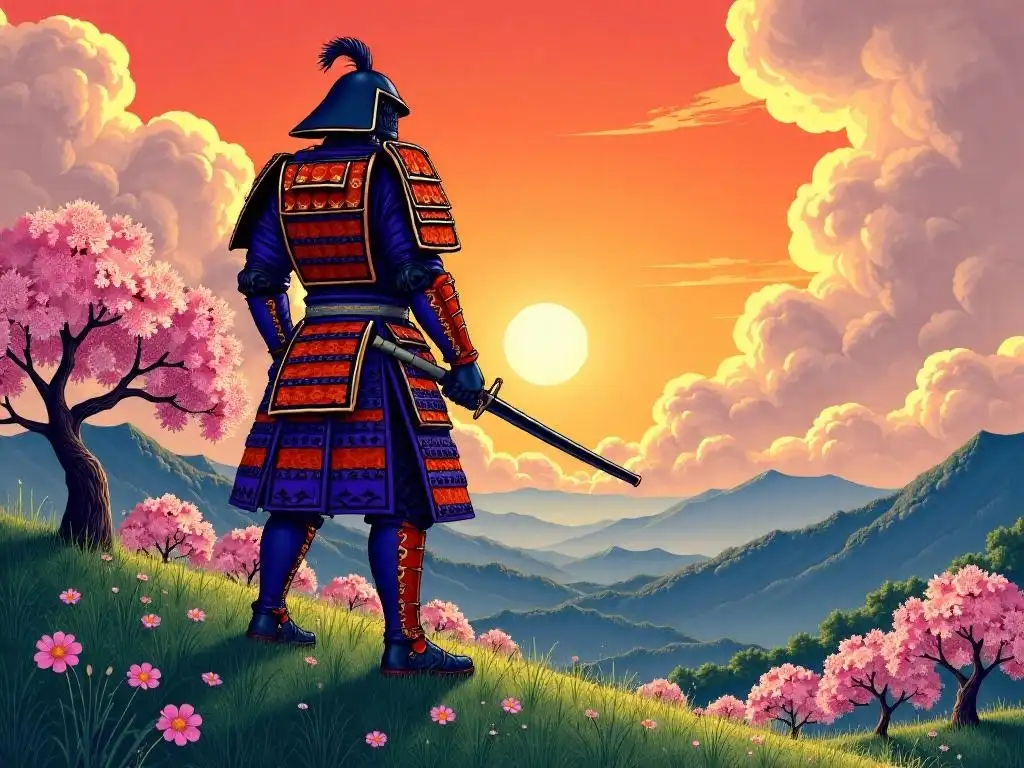
Welcome to Feudal Japan History, where we embark on an intriguing journey through the captivating tapestry of Japan's feudal era. Here, you'll uncover the stories of powerful figures who shaped the very course of the nation, starting with our spotlight on the notable daimyo in Japan. These influential lords not only commanded vast territories but also played pivotal roles in the political landscape of their time.
As you delve deeper into our expert-driven articles, prepare to explore the intricate connections between power, culture, and society in a period that continues to fascinate historians and enthusiasts alike. Join us as we unravel the legacies of these remarkable daimyo and their lasting impact on Japan's history.
- Introduction to Notable Daimyo in Japan
- The Rise of the Daimyo: Historical Context
- Key Characteristics of Notable Daimyo
- Notable Daimyo Who Changed Japan's Course
- The Legacy of Notable Daimyo in Japan's Political History
- Conclusion: The Enduring Impact of Notable Daimyo
- Frequently Asked Questions
- Final Reflection: The Enduring Legacy of Notable Daimyo in Japan
- Unveil Your Inner Samurai: Take Action Today!
Introduction to Notable Daimyo in Japan
The feudal era of Japan, spanning from the 12th to the 19th century, is a period rich in complexity and transformation. At the heart of this era were the daimyo, powerful feudal lords who wielded significant political, military, and economic influence. These noble figures not only governed vast domains but also played a crucial role in shaping the course of Japanese history through their alliances, conflicts, and policies.
This article delves into the lives and legacies of notable daimyo in Japan, highlighting their contributions and the impact they had on the social and political landscapes of their time. By exploring the historical narratives surrounding these influential leaders, we gain insight into the intricate tapestry of feudal Japan and the enduring legacies that continue to resonate in modern Japanese culture.
Overview of the Daimyo's Role in Feudal Japan
The term daimyo translates to "great name," and it aptly describes the status and authority these lords held within the feudal hierarchy. Daimyo were typically samurai who were granted land and power by the shogunate in exchange for their loyalty and military service. They governed their territories with considerable autonomy, managing everything from agricultural production to local justice.
Key characteristics of the daimyo's role include:
- Land Ownership: Daimyo controlled large estates known as han, which were subdivided into smaller units called mura.
- Military Leadership: They were responsible for raising and maintaining armies of samurai, who were pledged to serve them in battle.
- Political Influence: As local rulers, daimyo had significant sway over their regions, often engaging in diplomacy and warfare with other daimyo.
- Cultural Patrons: Many daimyo were also notable patrons of the arts, contributing to the development of Japanese culture through their support of literature, tea ceremonies, and architectural projects.
The intricate relationships among daimyo, the shogunate, and the emperor formed the backbone of Japan's feudal system, creating a dynamic environment of power struggles and shifting allegiances.
Significance of Notable Daimyo in Shaping Japanese History
Throughout Japan's feudal history, certain daimyo have emerged as pivotal figures whose decisions and actions significantly influenced the nation's trajectory. These notable daimyo not only impacted their own regions but also played crucial roles in national unification, warfare, and cultural development.
Some key contributions include:
- Unification Efforts: Figures such as Oda Nobunaga and Toyotomi Hideyoshi were instrumental in the unification of Japan during the late 16th century, laying the groundwork for the Tokugawa shogunate.
- Cultural Development: Daimyo like Takeda Shingen and Uesugi Kenshin are remembered for their military prowess, but also for their patronage of the arts and the cultivation of bushido, the samurai code of ethics.
- Economic Reforms: Many daimyo implemented agricultural and economic reforms that improved productivity and wealth in their domains, which in turn supported a burgeoning merchant class.
The legacies of the notable daimyo in Japan are not just historical footnotes; they are integral to understanding the evolution of Japanese society and governance. Through their leadership, these figures helped shape a nation that would endure through centuries of change, leaving behind a rich heritage that continues to be explored and celebrated today.
The Rise of the Daimyo: Historical Context
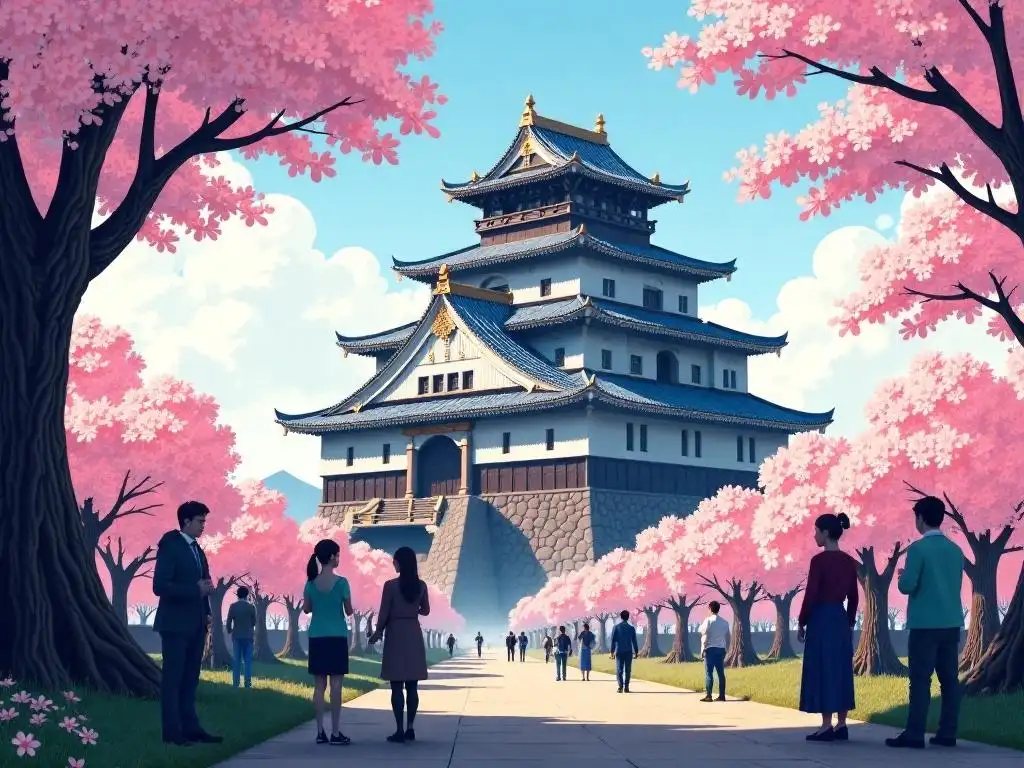
The rise of the daimyo in Japan is a pivotal chapter in the nation's political history, marking a significant shift in power dynamics from the imperial court to regional lords. This transition unfolded over several centuries, deeply influenced by social, economic, and military factors. Understanding this evolution provides crucial insights into the socio-political landscape of feudal Japan and the notable daimyo who emerged from this complex backdrop.
The Formation of Daimyo in the Heian Period
During the Heian Period (794-1185), Japan experienced a flourishing of culture and art, but politically, it was characterized by a weakening imperial authority and the rise of powerful noble families. The term daimyo (大名), meaning "great name," began to take shape as local lords gained control over their regions. This was largely a result of the shugo system, where provincial governors were appointed to maintain order and protect the land. Over time, many shugo became hereditary rulers of their provinces, thus laying the groundwork for the daimyo system.
- Key Factors in Daimyo Formation:
- Land Ownership: Wealth was derived from agricultural production, leading to the accumulation of land by noble families.
- Military Power: Shugo often had their own warrior retinues, which they used to enforce their authority and protect their domains.
- Political Fragmentation: As the central government weakened, regional lords began to assert their independence, gradually cementing their roles as daimyo.
The emerging daimyo began to manage their territories more effectively, often engaging in local governance and establishing their own courts. This period set the stage for the intense rivalries and conflicts that would characterize the following centuries.
The Impact of the Kamakura Shogunate on Daimyo Power
The establishment of the Kamakura Shogunate in 1185 marked a pivotal turning point for the daimyo. As the first military government in Japan, the shogunate fundamentally altered the political landscape. It created a new hierarchy where the shogun held supreme power, but local lords, or daimyo, became essential to maintaining order across the provinces.
- Daimyo Roles Under the Kamakura Shogunate:
- Military Obligations: Daimyo were required to provide military support to the shogunate, leading to the consolidation of power among those who could muster significant forces.
- Land Management: The shogunate granted land to loyal daimyo in exchange for their allegiance, formalizing their statuses as regional rulers.
- Judicial Authority: The authority to govern their lands included judicial power, allowing daimyo to resolve disputes and impose laws, further enhancing their local influence.
This period also saw the rise of notable daimyo, such as Minamoto no Yoritomo, who not only established the shogunate but also shaped the future of feudal governance in Japan. The Kamakura Shogunate thus facilitated the rise of a more structured and powerful class of daimyo, setting the stage for the conflicts of the Sengoku Period.
The Role of Daimyo during the Sengoku Period
The Sengoku Period (1467-1615), often referred to as the "Warring States" period, was marked by intense civil strife and power struggles among daimyo. This era was defined by the fragmentation of power, as numerous daimyo vied for control over territory and influence. The notable daimyo from this time not only shaped military strategies but also influenced the cultural and political landscape of Japan.
- Key Characteristics of the Sengoku Period:
- Constant Warfare: Daimyo engaged in continuous battles to expand their territories, leading to innovative military tactics and the use of firearms.
- Strategic Alliances: Many daimyo formed alliances through marriage and diplomacy, which were often temporary and shifted based on the tides of war.
- Cultural Patronage: Amidst the chaos of warfare, daimyo also became patrons of the arts, supporting tea ceremonies, Noh theater, and other cultural endeavors, thus contributing to Japan’s rich cultural heritage.
Notable figures such as Oda Nobunaga, Toyotomi Hideyoshi, and Tokugawa Ieyasu emerged during this tumultuous period, each playing critical roles in unifying Japan and establishing the Tokugawa Shogunate. Their legacies as notable daimyo in Japan are still remembered today, illustrating the profound impact these regional leaders had on shaping the nation's history.
Key Characteristics of Notable Daimyo
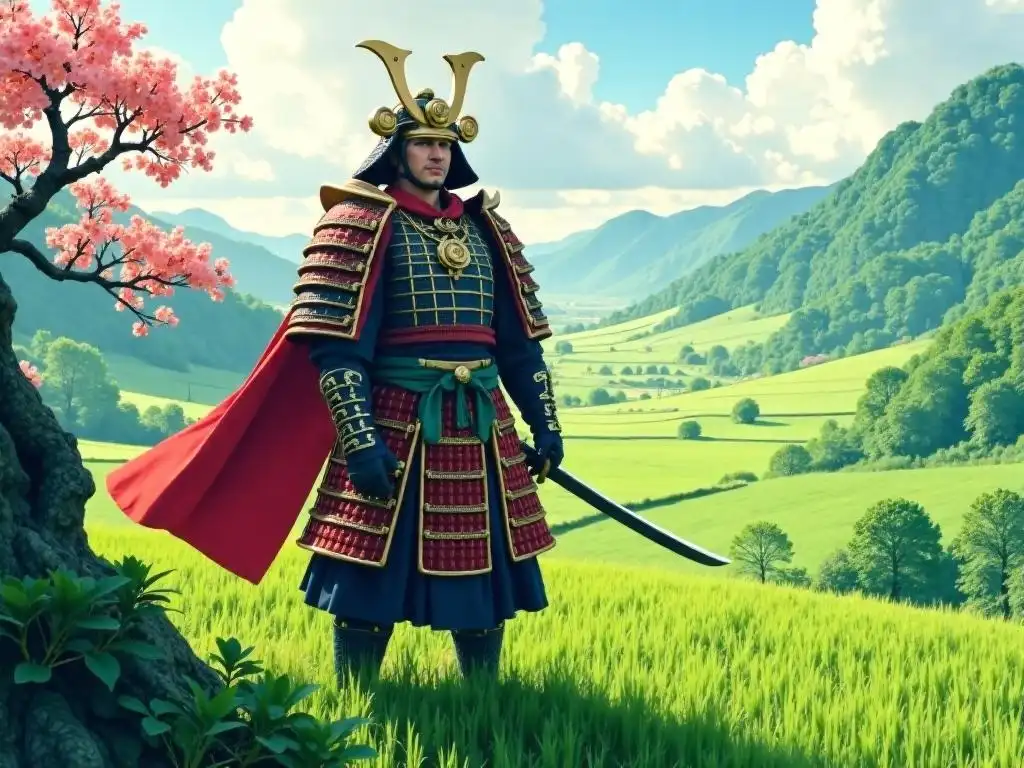
The daimyo of feudal Japan were not just feudal lords; they were complex figures whose actions and decisions significantly shaped the course of Japanese history. Understanding the key characteristics that defined these notable daimyo provides insight into their lasting impact on society, culture, and politics during the feudal era.
Military Prowess and Strategy
One of the most defining traits of notable daimyo in Japan was their military prowess. Many daimyo were skilled warriors and tacticians who led their samurai forces into battle, demonstrating a deep understanding of strategy and combat. Their military capabilities often determined their ability to expand their territories and maintain control over their domains.
- Famous Battles: Numerous daimyo, such as Oda Nobunaga and Takeda Shingen, became renowned for their victories in pivotal battles. Nobunaga, for instance, utilized innovative tactics and gunpowder weapons during the Battle of Nagashino (1575), which shifted the landscape of Japanese warfare.
- Siege Warfare: Notable daimyo were adept at siege warfare, employing tactics to capture fortified castles. The Siege of Osaka (1614-1615), led by Tokugawa Ieyasu against Toyotomi Hideyori, exemplifies how strategic foresight could lead to the downfall of a rival.
- Military Innovations: Many daimyo were responsible for introducing new military innovations, enhancing their forces' effectiveness. Takeda Shingen, for example, was famous for his cavalry tactics, which influenced the development of samurai warfare.
Political Influence and Alliances
The political landscape of feudal Japan was complex, and notable daimyo played a crucial role in shaping it through strategic alliances and political maneuvering. Their influence extended beyond their territories, affecting national governance and stability.
- Coalitions and Conflicts: Daimyo often formed alliances with each other, sometimes uniting against common enemies. The Sengoku period (1467-1603) was characterized by shifting loyalties, where alliances could quickly change, impacting the balance of power.
- Vassal Relationships: Many daimyo maintained a network of vassals who pledged loyalty in exchange for protection and land. This hierarchical system allowed them to consolidate power and extend their influence over larger areas.
- Political Marriages: Strategic marriages were a powerful tool for expanding influence. For instance, the marriage of Oda Nobunaga's daughter to the Takeda clan was a calculated move to secure alliances and strengthen ties between powerful families.
Cultural Contributions and Patronage
Beyond their military and political roles, notable daimyo were also significant patrons of culture and the arts. Their influence in these areas left a profound legacy that continues to resonate in modern Japan.
- Cultural Patronage: Many daimyo supported artists, poets, and craftsmen, fostering cultural development. For example, the Uesugi clan was known for its patronage of Noh theater, helping to elevate this art form.
- Zen Buddhism and Tea Ceremony: Daimyo like Sen no Rikyū, a tea master under the patronage of Nobunaga, played crucial roles in popularizing the tea ceremony and Zen Buddhist principles, which became integral to Japanese culture.
- Architectural Contributions: The construction of castles, such as Himeji Castle by the daimyos, reflects their commitment to aesthetics and legacy. These structures not only served military purposes but also became symbols of power and culture.
The notable daimyo in Japan were multifaceted leaders whose military, political, and cultural contributions significantly shaped the nation’s history. Their legacies continue to influence contemporary Japanese society, embodying a rich tapestry of tradition and historical significance.
Notable Daimyo Who Changed Japan's Course
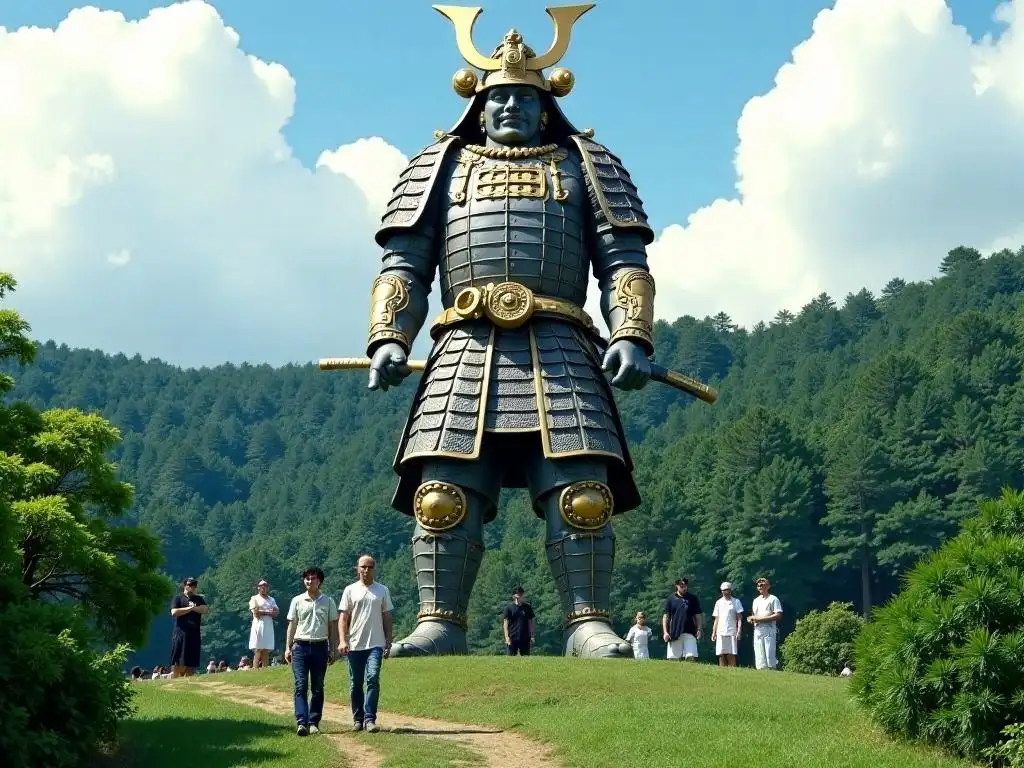
The feudal era of Japan was marked by powerful figures known as daimyo, who played crucial roles in shaping the nation’s history. Among them, Oda Nobunaga and Toyotomi Hideyoshi stand out for their significant contributions to the unification of Japan. This section delves into their lives, achievements, and lasting impacts on Japanese society and politics.
Oda Nobunaga: The Architect of Unification
Early Life and Rise to Power
Oda Nobunaga was born in 1534 into the Oda clan, a minor but influential family in the Owari Province. His early life was marked by political intrigue and family conflict, as his father was a powerful daimyō. Nobunaga’s rise began in 1551 when he succeeded his father. His unconventional tactics and bold ambitions set the stage for his future endeavors.
- Youthful Ambition: Nobunaga was known for his rebellious nature, often clashing with the traditional samurai code.
- Consolidation of Power: By 1560, he defeated the much larger army of Imagawa Yoshimoto at the Battle of Okehazama, a pivotal moment that propelled him into the national spotlight.
Nobunaga's strategic alliances and military prowess allowed him to expand his territory rapidly, laying the groundwork for his quest to unify Japan.
Military Campaigns and Innovations
Nobunaga was not only a skilled military leader but also a pioneer of innovative warfare techniques. His campaigns were characterized by several key elements:
- Firearms Utilization: He was among the first to effectively use firearms in battle, notably at the Battle of Nagashino in 1575, where his forces decimated the cavalry of Takeda Katsuyori.
- Strategic Alliances: Nobunaga formed crucial alliances with other daimyō, such as Tokugawa Ieyasu, solidifying his power base through clever diplomacy.
His military innovations and aggressive tactics helped him control significant portions of Japan, leading to the eventual unification under his rule.
Legacy and Impact on Japan’s Future
Oda Nobunaga’s influence extended far beyond his lifetime. His methods and ideas set the stage for future unification efforts:
- Cultural Transformation: He promoted the arts and supported the spread of Christianity, which had lasting effects on Japanese culture.
- Foundation for Successors: Nobunaga’s strategies were crucial for his successors, particularly Toyotomi Hideyoshi and Tokugawa Ieyasu, who completed the unification process.
His assassination in 1582 did not diminish his legacy; instead, it ignited a power struggle that ultimately led to a unified Japan under his successors.
Toyotomi Hideyoshi: The Unifier of Japan
Background and Early Achievements
Born in 1537 as a peasant, Toyotomi Hideyoshi rose through the ranks to become one of the most influential figures in Japanese history. His early life was defined by hardship, yet his ambition drove him to serve under Oda Nobunaga, where he quickly proved his mettle.
- Military Genius: Hideyoshi showcased exceptional talent during military campaigns, earning Nobunaga's trust and gaining significant power.
- Unification Efforts: Following Nobunaga’s death, Hideyoshi capitalized on the power vacuum and successfully unified Japan by 1590.
His ability to rally forces and strategically outmaneuver opponents was pivotal in his rise to power.
Political Reforms and Social Changes
Hideyoshi enacted several reforms that transformed Japanese society:
- Land Surveys: He conducted comprehensive land surveys to assess tax revenues, which improved agricultural productivity and stabilized the economy.
- Class System Reinforcement: Hideyoshi solidified the class structure, promoting the samurai class while restricting the movement of farmers and merchants.
These reforms not only strengthened his rule but also laid the foundation for the Tokugawa shogunate that followed.
Cultural Influence and the Nengō System
Hideyoshi's reign was also marked by significant cultural contributions:
- Nengō System: He established the Nengō (Japanese era names) to commemorate his reign, a practice that continued for centuries in Japan.
- Cultural Patronage: Hideyoshi was a patron of the arts, overseeing the construction of grand castles and supporting cultural practices such as the tea ceremony.
His focus on culture and governance helped to create a more cohesive society, further solidifying his legacy as a unifier of Japan.
Both Oda Nobunaga and Toyotomi Hideyoshi are notable daimyo in Japan whose actions and policies significantly changed the course of Japanese history. Their contributions to warfare, politics, and culture set a precedent that shaped the nation for generations to come.
Tokugawa Ieyasu: The Founder of the Tokugawa Shogunate
Tokugawa Ieyasu (1543-1616) is a pivotal figure in Japanese history, renowned for establishing the Tokugawa Shogunate, which ruled Japan for over 250 years. His rise to power marked the end of the Sengoku period, a time characterized by constant military conflict among rival daimyos. Ieyasu's political acumen, military prowess, and strategic foresight were instrumental in unifying Japan under a central authority, which ultimately laid the groundwork for a period of peace and stability known as the Edo period.
Strategic Alliances and the Battle of Sekigahara
One of Ieyasu's significant achievements was his ability to forge strategic alliances with other powerful daimyos. His relationship with Oda Nobunaga and Toyotomi Hideyoshi allowed him to navigate the treacherous political landscape of the time. The culmination of his military strategies was showcased during the Battle of Sekigahara in 1600, where Ieyasu's forces defeated the Toyotomi loyalists. This battle was not just a clash of arms but a decisive turning point that enabled Ieyasu to consolidate power and emerge as the unquestioned leader of Japan. The victory at Sekigahara set the stage for the establishment of the Tokugawa Shogunate.
Establishment of the Tokugawa Shogunate
Following his victory, Ieyasu was granted the title of shogun in 1603, officially marking the beginning of the Tokugawa Shogunate. His government implemented a strict class hierarchy and centralized control, which included the sankin-kotai system that required daimyos to spend alternating years in the capital of Edo (modern-day Tokyo). This system effectively curtailed the power of the daimyos by limiting their military resources and personal wealth. Ieyasu's governance emphasized stability and order, fostering a culture where arts and commerce flourished, which ultimately transformed Japan into a unified nation.
Long-term Effects on Japanese Society
The Tokugawa Shogunate had profound long-term effects on Japanese society. Its policies led to sustained peace, known as the Pax Tokugawa, which allowed for economic growth and cultural development. The rigid social structure established a clear demarcation between classes, impacting the lives of samurai, farmers, artisans, and merchants. Additionally, the isolationist foreign policy, or sakoku, initiated by Ieyasu, limited foreign influence and trade, which preserved Japan's unique cultural identity for centuries. The foundations laid by Ieyasu shaped the trajectory of Japan, influencing governance, society, and culture well into the modern era.
Other Notable Daimyo
The feudal era of Japan also saw several other significant daimyo who left indelible marks on the nation's history. Each of these figures played essential roles in shaping the political landscape and cultural development of Japan during their respective periods.
Uesugi Kenshin: The Warrior of the North
Uesugi Kenshin (1530-1578) is often celebrated as one of the most formidable military leaders of his time, earning the nickname "the Warrior of the North." He was the daimyo of the Uesugi clan and is best remembered for his fierce rivalry with Takeda Shingen. Their battles, particularly the Battles of Kawanakajima, are legendary and exemplify the intense warfare of the Sengoku period. Kenshin was renowned not only for his tactical genius but also for his strict code of honor and compassion toward his enemies, which contributed to his lasting legacy as a noble warrior.
Date Masamune: The One-Eyed Dragon
Date Masamune (1567-1636), known as "the One-Eyed Dragon," was a prominent daimyo of the Date clan in the Tōhoku region. Despite losing an eye to smallpox in childhood, Masamune became a powerful and influential leader known for his military strategies and ambition. He played a crucial role in the unification of Japan and was instrumental in promoting trade and cultural exchange. Masamune's legacy includes the construction of the famous Sendai Castle and his support of the arts, which helped to foster a vibrant cultural environment in his domain.
Takeda Shingen: The Tiger of Kai
Takeda Shingen (1521-1573), often referred to as "the Tiger of Kai," was another notable daimyo who significantly impacted the political dynamics of feudal Japan. Known for his exceptional military tactics and administrative skills, Shingen led the Takeda clan to great heights during the Sengoku period. His rivalry with Uesugi Kenshin was marked by several fierce confrontations, with both leaders respecting each other's prowess. Takeda's innovations in warfare, including the famous "Takeda cavalry," and his emphasis on agricultural reforms set a precedent for future governance in Japan. His legacy endures in Japanese culture, symbolizing the archetypal warrior and leader.
The Legacy of Notable Daimyo in Japan's Political History
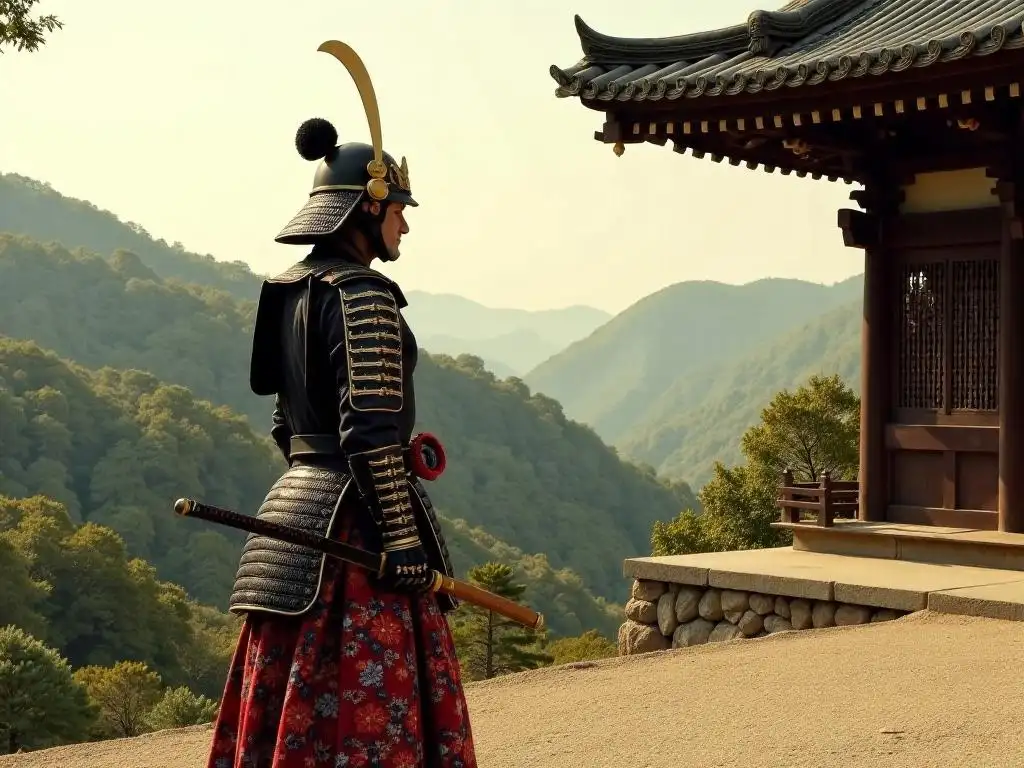
The legacy of notable daimyo in Japan extends far beyond their military exploits and territorial conquests; it encompasses a profound impact on the political landscape of Japan that resonates even today. These feudal lords played pivotal roles in shaping the governance systems, social hierarchy, and cultural identity of Japan during its feudal era.
Influence on Modern Japanese Governance
The political frameworks established by the daimyo have had lasting effects on modern governance in Japan. The feudal system, characterized by a hierarchy of loyalty and land ownership, laid the groundwork for contemporary administrative structures. Notable daimyo such as Oda Nobunaga and Toyotomi Hideyoshi implemented innovative policies that emphasized centralized control and efficient tax collection, which are principles still evident in Japan’s bureaucratic practices today.
- Centralization of Power:
- The unification efforts by daimyo during the Sengoku period culminated in the emergence of a centralized government, which is mirrored in Japan's current political organization.
- Nobunaga's use of strategic alliances and military might to consolidate power can be seen as a precursor to modern political strategy, where coalition-building remains critical.
- Legal Reforms:
- Daimyo established their own legal codes, which influenced the development of Japan’s legal system. For instance, Hideyoshi's Taiko Kenin system aimed to standardize laws across his territories, promoting a sense of order and justice.
- The evolution of these laws paved the way for the Meiji Restoration, which sought to modernize Japan's legal institutions while respecting historical precedents.
- Economic Development:
- The economic policies enacted by the daimyo, such as land surveys and agricultural improvements, laid the foundation for Japan's agrarian economy. Their focus on trade and commerce also stimulated regional economies, leading to the growth of cities and infrastructure.
- Modern Japan's economic strategies can trace their roots to these early initiatives, highlighting the foresight of these historical figures.
Cultural and Historical Remains of Daimyo Rule
The cultural and historical remnants of daimyo rule are evident in various aspects of Japanese society, from architecture to traditions that remain alive today. The influence of notable daimyo is preserved in the following ways:
- Castles and Architecture:
- Many of the castles built by daimyo, such as Himeji Castle and Nijo Castle, serve as UNESCO World Heritage Sites and are significant tourist attractions that reflect the architectural ingenuity of the era.
- These structures not only represent military strength but also the artistic sensibilities of the time, showcasing intricate designs and defensive features.
- Festivals and Cultural Practices:
- Traditional festivals, or matsuri, often celebrate the history of specific daimyo, reinforcing local identities and community bonds. For example, the Katsuura Matsuri honors the legacy of Tokugawa Ieyasu.
- Arts and crafts, especially those patronized by daimyo, such as Noh theater and tea ceremonies, continue to be integral to Japanese cultural heritage, illustrating the blend of aesthetics and philosophy introduced during their reigns.
- Historical Texts and Literature:
- Numerous historical accounts and literary works, such as "The Tale of the Heike," document the exploits of notable daimyo, contributing to Japan's rich tapestry of historical narrative.
- These texts serve as vital resources for understanding the socio-political dynamics of the era and the values upheld by these leaders.
Continuing Fascination with Daimyo in Popular Culture
The allure of notable daimyo in Japan's history continues to captivate the imagination of contemporary society, permeating various forms of popular culture. This fascination can be observed through:
- Anime and Manga:
- Series like "Sengoku Basara" and "Nobunaga the Fool" depict the lives and battles of famous daimyo, blending historical facts with imaginative storytelling to engage a modern audience.
- These narratives often highlight the strategic prowess and personal conflicts of these figures, offering viewers a dramatized glimpse into their lives.
- Video Games:
- Titles such as Total War: Shogun 2: and Samurai Warriors allow players to immerse themselves in the feudal era, taking on the roles of various daimyo and experiencing the complexities of warfare and governance.
- The popularity of these games reflects a growing interest in Japan’s historical figures and events, bridging the gap between history and entertainment.
- Film and Television:
- Historical dramas, known as taiga dramas, often dramatize the lives of notable daimyo, shedding light on their contributions to Japan's history while exploring themes of loyalty, power, and betrayal.
- These productions not only entertain but also educate audiences about the significant impact of these leaders on Japan’s trajectory.
Through their multifaceted legacy, notable daimyo in Japan have left an indelible mark on the nation's political history, cultural identity, and even contemporary media. Their stories continue to inspire and shape the narrative of Japan, ensuring their relevance in both historical discourse and popular culture.
Conclusion: The Enduring Impact of Notable Daimyo
The legacy of notable daimyo in Japan is profound and multifaceted, shaping not only the political landscape of their time but also leaving a lasting mark on the cultural and societal fabric of the nation. These feudal lords wielded significant power and influence during the Kamakura, Muromachi, and Edo periods, navigating complex alliances and rivalries that ultimately defined the course of Japanese history. Their strategic decisions, military prowess, and governance styles contributed to the establishment of regional identities and the centralization of authority in Japan.
The impact of these daimyo extends beyond mere territorial control; they were instrumental in the promotion of arts, culture, and economic development. For instance, the patronage of the arts by daimyo such as Oda Nobunaga and Toyotomi Hideyoshi fostered a rich cultural milieu that gave rise to distinctive forms of theater, poetry, and visual arts. Their contributions laid the groundwork for the cultural flourishing seen in the Edo period, which is often regarded as a golden age in Japanese history.
Reflection on Their Contributions to Japan’s Historical Narrative
The contributions of notable daimyo in Japan can be seen as pivotal turning points in the historical narrative of the country. For example, the unification efforts of Toyotomi Hideyoshi and Tokugawa Ieyasu were critical in ending the Sengoku period, a time marked by constant warfare and fragmentation. Their ability to consolidate power not only stabilized Japan but also established a framework for governance that would endure for centuries. This transition from chaos to order is a significant theme in Japan's historical evolution.
Moreover, the policies and practices instituted by these daimyo influenced the social hierarchy and administrative structures that governed feudal Japan. The land reforms, taxation systems, and military strategies employed by these leaders were crucial in shaping the socio-political landscape, laying the foundations for the Tokugawa shogunate's governance model. By examining their legacies, historians can gain insights into the complexities of feudalism in Japan and how these dynamics shaped modern Japanese society.
The Importance of Studying Notable Daimyo in Understanding Feudal Japan
Studying notable daimyo is essential for a comprehensive understanding of feudal Japan, as they were the key figures who shaped the political and cultural dynamics of their time. By exploring their lives and decisions, we uncover the intricate web of alliances, betrayals, and conflicts that characterized the era. These leaders were not just military commanders; they were also statesmen, cultural patrons, and local rulers who navigated the challenges of governance in a fragmented landscape.
Furthermore, the study of notable daimyo provides valuable lessons in leadership and strategy that remain relevant today. Their ability to adapt to changing circumstances and their innovative approaches to conflict resolution offer insights into effective leadership practices. By analyzing their decisions and the consequences that followed, we can draw parallels to contemporary political and social issues.
The exploration of notable daimyo in Japan is not merely an academic exercise; it is a vital inquiry into the forces that shaped a nation. Their enduring impact is felt in the historical narrative of Japan and continues to resonate within the cultural identity of the Japanese people today. Understanding these figures allows for a deeper appreciation of Japan's rich history and the complexities of its feudal past.
Frequently Asked Questions
What is a daimyo in feudal Japan?
A daimyo was a powerful feudal lord who ruled over large estates and had significant influence over the samurai class. They played a crucial role in the political and military landscape of Japan during the feudal era.
Who are some notable daimyo in Japan?
Some notable daimyo include Oda Nobunaga, Toyotomi Hideyoshi, and Tokugawa Ieyasu. These figures were instrumental in unifying Japan and shaping its political landscape.
How did daimyo contribute to Japan's cultural development?
Daimyo were major patrons of the arts, promoting literature, theater, and tea ceremonies. Their support helped cultivate a rich cultural heritage that influenced Japanese society.
What was the role of samurai under the daimyo?
The samurai served as the military elite for the daimyo, providing loyalty and military service in exchange for land and protection. They upheld the bushido code, emphasizing honor and duty.
How did the rise of daimyo affect Japan's history?
The rise of daimyo led to a period of civil war and conflict known as the Sengoku period. Their power struggles eventually paved the way for the unification of Japan under the Tokugawa shogunate.
Final Reflection: The Enduring Legacy of Notable Daimyo in Japan
The impact of notable daimyo in Japan is not merely a relic of the past; it is a vibrant thread woven into the fabric of modern Japanese identity. As we explore the lives and legacies of these influential leaders, we uncover the profound ways in which their decisions shaped the political, social, and cultural landscapes of Japan. Their stories remind us that history is not just a series of events but a continuum that influences our present and future.
The contributions of these remarkable figures continue to resonate in contemporary Japan, inspiring a sense of pride and identity among its people. The lessons learned from their leadership styles, strategic acumen, and cultural patronage are still relevant today, as we navigate our own complex societal challenges. History is not just what happened; it is what we choose to remember.
This quote encapsulates the importance of recognizing and honoring the legacies of those who came before us, as their choices have paved the way for the society we inhabit today.
As you reflect on the lives of these notable daimyo, consider how their courage and vision can inspire your own journey. What lessons can you draw from their experiences to apply in your life? Embrace the opportunity to learn from history, allowing it to guide you in making impactful decisions that contribute to your community and beyond. The stories of these remarkable leaders are not just tales of the past; they are a call to action for all of us to shape a better future.
Unveil Your Inner Samurai: Take Action Today!
Thank you for diving into the fascinating world of historical **Daimyo** and their transformative impact on Japan! We hope you gained valuable insights that inspire you to learn more about this pivotal era. Now, it's your chance to take that knowledge and turn it into action!
Here’s how you can continue your journey:
- Explore an era: Research a specific **Daimyo** that you found intriguing. Dive deeper into their life and legacy to understand their influence on Japanese culture and society.
- Share your insights: Discuss these historical figures in your community or on social media. Start a conversation about what we can learn from them today!
- Join a discussion group: Connect with fellow history enthusiasts. Engage in local or online groups where you can share perspectives on **feudal Japan**.
What historical change inspired you the most from the **Daimyo** we discussed? Share your thoughts and let's spark a conversation!