
Discovering Language: How Samurai Films Enhance Your Japanese Learning Experience

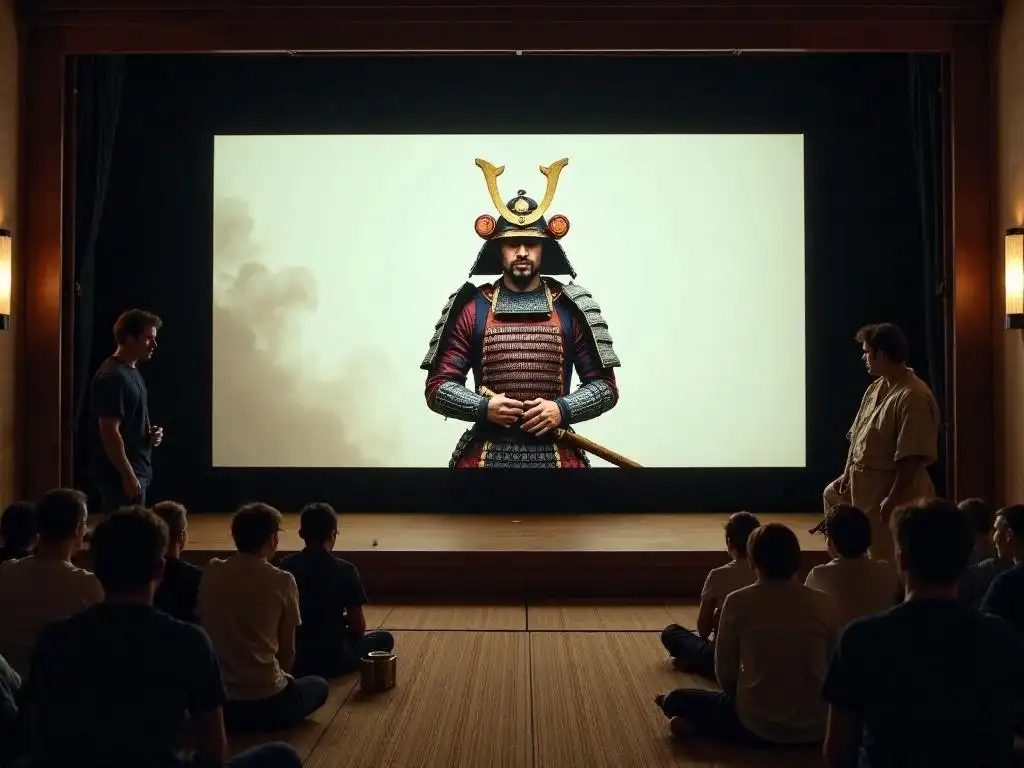
Welcome to Feudal Japan History, where we embark on a captivating journey through the rich tapestry of Japan's feudal era! Here, we delve into the fascinating interplay of history, culture, and society that defined this remarkable period. Are you ready to unlock the secrets of the past while enhancing your language skills?
In our featured article, “Discovering Language: How Samurai Films Enhance Your Japanese Learning Experience,” we explore how the iconic samurai films can serve as powerful tools for language acquisition. Join us as we uncover the unique ways these cinematic masterpieces can elevate your Japanese learning journey and ignite your curiosity!
The world of language learning is often enriched by cultural experiences, and one of the most immersive ways to engage with the Japanese language is through samurai films. These cinematic masterpieces not only present gripping narratives filled with honor, bravery, and the complexities of feudal society but also serve as a unique tool for language learners.
By delving into the rich dialogue, cultural nuances, and historical contexts depicted in these films, learners can significantly enhance their understanding of the Japanese language. In this article, we will explore how samurai films can be an exceptional resource for those looking to improve their Japanese, examining both the linguistic and cultural benefits they offer.
Introduction to Samurai Films for Japanese Learning
Samurai films, known as "jidaigeki" (時代劇), are a genre that captures the essence of Japan's feudal era, often focusing on the lives of samurai warriors. These films provide a vivid portrayal of historical events, social hierarchies, and the philosophical underpinnings of bushido, the samurai code of conduct. For Japanese learners, engaging with this genre can be particularly beneficial for several reasons:
- Authentic Language Exposure: The language used in samurai films often reflects the dialects and speech patterns of historical Japan, providing learners with a unique opportunity to hear and understand the nuances of Japanese as it was spoken in different periods.
- Cultural Context: Through samurai films, learners can gain insights into Japanese traditions, values, and societal structures, enriching their understanding of the language itself.
- Emotional Engagement: The dramatic narratives and character developments in these films can evoke strong emotional responses, making the learning process more memorable and impactful.
By immersing oneself in samurai films, learners can navigate both the language and the cultural context that surrounds it, making the process of learning Japanese more engaging and effective.
The Role of Samurai Films in Language Learning
Samurai films play a multifaceted role in language learning, offering various advantages that go beyond traditional study methods. Here are some key aspects to consider:
- Listening Comprehension:
- Variety of Accents and Dialects: Many samurai films feature characters from different regions, exposing learners to a range of Japanese accents and dialects.
- Contextual Listening: Learners can practice listening skills in context, improving their ability to understand spoken Japanese in real-life situations.
- Vocabulary Expansion:
- Thematic Vocabulary: Samurai films often introduce specific vocabulary related to feudal Japan, warfare, and cultural practices.
- Contextual Learning: Words and phrases are presented in context, aiding retention and comprehension.
- Cultural Understanding:
- Historical Insight: These films often depict significant historical events and social structures, allowing learners to connect language with cultural content.
- Exploration of Values: Themes such as honor, loyalty, and sacrifice prevalent in samurai films provide a deeper understanding of Japanese values.
- Pronunciation and Intonation:
- Role Models for Speech: Listening to native speakers in films allows learners to mimic pronunciation and intonation patterns, improving their spoken Japanese.
By integrating samurai films into their study routines, learners can create a rich, immersive environment that enhances their language skills and cultural knowledge simultaneously. This approach not only makes learning more enjoyable but also fosters a deeper connection to the language and its cultural heritage.
Key Themes in Samurai Films That Aid Language Learning
Samurai films are not only captivating narratives filled with action and drama, but they also serve as a unique medium for language learning. Several key themes emerge in these films that can significantly enhance the Japanese language learning experience:
- Honor and Bushido: The concept of honor, deeply rooted in the samurai code of Bushido, is prevalent in many films. Dialogue surrounding these themes often includes specific vocabulary related to ethics, loyalty, and duty, providing learners with valuable insights into both the language and cultural values.
- Conflict and Resolution: Samurai films frequently explore themes of conflict, whether interpersonal or societal. This conflict drives the narrative and often leads to rich dialogues that reflect emotional depth, which can help learners understand different registers of the language, from formal to colloquial.
- Tradition and Modernity: Many samurai films juxtapose traditional values with modern influences, showcasing the evolution of language over time. This theme can introduce learners to various dialects and styles of speech, enhancing their ability to grasp the nuances of contemporary Japanese.
- Nature and Aesthetics: The aesthetic appreciation of nature is often highlighted in samurai cinema. This theme not only enriches vocabulary related to nature and the environment but also exposes learners to poetic expressions and cultural references often woven into the dialogue.
Cultural Nuances and Language Usage
Cultural nuances embedded in samurai films provide a rich tapestry of language usage that goes beyond mere vocabulary. Learners can observe:
- Politeness Levels: Samurai films typically showcase a variety of speech levels, from the humble language of lower-ranking samurai to the formal speech of their superiors. This exposure helps learners understand the importance of context in choosing appropriate language forms.
- Idiomatic Expressions: Many dialogues feature idiomatic phrases and cultural references that might not be found in textbooks. Recognizing these expressions within the film's context enhances comprehension and retention.
- Body Language and Non-verbal Communication: Samurai films often emphasize the significance of body language and non-verbal cues, complementing spoken language. By observing characters’ gestures and expressions, learners can gain insights into the subtleties of communication in Japanese culture.
Historical Context in Samurai Cinema
The historical context portrayed in samurai films is integral to understanding the language used. These films often reflect specific periods in Japan's history, allowing viewers to engage with:
- Historical Events: Films often dramatize key events such as wars and political upheavals, providing context for the language used. Learners gain vocabulary related to historical terminology and can discuss events in both modern and traditional contexts.
- Social Hierarchies: The depiction of social structures such as the samurai class, peasants, and merchants offers insight into the societal norms of the time. This context enriches learners' understanding of language variations based on class and status.
- Language Evolution: Samurai films can illustrate how the Japanese language has evolved over time, allowing learners to appreciate historical dialects and shifts in linguistic expression.
Effective Strategies for Using Samurai Films to Learn Japanese
To maximize the benefits of watching samurai films for language learning, learners can employ several effective strategies:
Watching with Subtitles: A Balanced Approach
Using subtitles can be an invaluable tool for language learners. A balanced approach includes:
- Dual Subtitles: Watching films with both English and Japanese subtitles can help learners connect spoken language with written form, enhancing comprehension.
- Active Reading: Encourage learners to pause and take notes on unfamiliar vocabulary or phrases. This active engagement reinforces learning.
- Gradual Transition: Start by watching with English subtitles, then gradually switch to Japanese subtitles as confidence grows. This progression helps learners become accustomed to listening without relying solely on translations.
Active Listening and Repetition Techniques
Active listening is crucial for language acquisition. Here are techniques to enhance this skill:
- Repetition: View specific scenes multiple times. This allows learners to catch nuances in speech patterns, pronunciation, and intonation that may have been missed during the first viewing.
- Shadowing: Encourage learners to repeat lines immediately after characters. This technique improves pronunciation, rhythm, and fluency, making it easier to internalize language structures.
- Discussion and Analysis: After watching, engage in discussions about the film's themes, characters, and language use. This not only reinforces vocabulary but also promotes critical thinking and deeper understanding of cultural contexts.
By incorporating these strategies, learners can effectively utilize samurai films as a dynamic and engaging resource for enhancing their Japanese language skills.
Recommended Samurai Films for Japanese Learning
Samurai films are not only a window into the fascinating world of Japan's feudal era but also an effective tool for language learners. These films showcase the rich historical context and cultural nuances of the language, making them an engaging resource for those looking to improve their Japanese. Here are some recommended films that can aid your language learning journey:
- Seven Samurai (1954): Directed by Akira Kurosawa, this classic film is essential viewing. The dialogue is rich in both formal and informal Japanese, providing an excellent mix for learners.
- Rashomon (1950): Another Kurosawa masterpiece, this film explores different perspectives on a single event. The language used is nuanced, making it ideal for intermediate learners aiming to grasp subtle meanings.
- The Last Samurai (2003): Although this film is in English, it incorporates Japanese language elements and cultural references. It serves as a good bridge for learners who are just beginning to engage with the language.
- Harakiri (1962): This film delves into the samurai code of honor and features complex dialogue that can challenge advanced learners while providing rich cultural context.
- 13 Assassins (2010): A thrilling narrative that balances action with moral dilemmas, this film is great for learning more contemporary Japanese while still engaging with samurai themes.
Integrating Samurai Films into Your Japanese Learning Routine
To maximize the benefits of watching samurai films, it's crucial to integrate them thoughtfully into your Japanese learning routine. Here are some effective strategies:
Creating a Film Study Schedule
Establishing a film study schedule can help you engage with the language more systematically. Consider the following steps:
- Set Clear Goals: Decide what you want to achieve, whether it's improving vocabulary, listening skills, or understanding cultural references.
- Choose a Film: Select one film per week to focus on. Make sure it aligns with your current language level.
- Divide the Viewing: Break the film into segments. Watch a scene or a specific act, and pause to take notes or look up unfamiliar words.
- Review and Reflect: After watching, spend time reviewing the new vocabulary and discussing the film's themes. This reflection will reinforce your learning and comprehension.
- Track Your Progress: Keep a journal of the films you've watched and the language skills you've improved. This will help you stay motivated and see your growth over time.
Joining Online Samurai Film Clubs or Discussion Groups
Engaging with others who share your interest in samurai films can significantly enhance your learning experience. Here are a few ways to get involved:
- Search for Film Clubs: Look for local or online clubs dedicated to samurai films. Many of these groups hold regular screenings and discussions, providing a platform for language practice.
- Participate in Online Forums: Websites like Reddit or specialized film forums often have threads dedicated to samurai films. Joining these discussions can expose you to diverse perspectives while practicing your written Japanese.
- Social Media Groups: Platforms like Facebook or Discord may have groups focused on Japanese cinema. Engaging in these communities allows for casual conversation and language exchange.
- Language Exchange Partners: Consider finding a language exchange partner who shares your interest in samurai films. This can lead to engaging conversations where you practice speaking and listening in Japanese.
By combining the immersive experience of samurai films with structured learning techniques, you can significantly enhance your Japanese language skills while enjoying the rich narratives and cultural depth these films offer.
Conclusion: The Impact of Samurai Films on Your Japanese Learning Journey
Samurai films offer a unique and immersive experience for those looking to enhance their Japanese language skills. By engaging with the rich narratives and intricate character interactions within these films, learners can significantly improve their listening comprehension and vocabulary. The distinct dialects and period-specific language used in samurai films provide an authentic glimpse into the cultural heritage of Japan, making language acquisition not just a learning task but a captivating journey.
Moreover, the visual storytelling in samurai films helps contextualize language use, allowing learners to associate words and phrases with specific actions, emotions, and cultural nuances. This context aids retention and understanding, helping learners to recall vocabulary and phrases more effectively. As you immerse yourself in these cinematic masterpieces, you'll not only gain linguistic skills but also a deeper appreciation for Japanese history and culture.
Additionally, the themes of honor, loyalty, and conflict prevalent in samurai films resonate with universal human experiences, making them relatable and thought-provoking. This emotional connection can motivate learners to engage more actively with the language, fostering a passion for further exploration. Ultimately, samurai films serve as a valuable tool in your Japanese learning journey, enriching your understanding of the language while offering entertainment and cultural insight.
Additional Resources for Japanese Learners
To further enhance your Japanese learning experience through samurai films, consider exploring the following resources:
- Language Learning Platforms:
- Duolingo: Offers Japanese courses that can complement your film-viewing.
- Rosetta Stone: Provides an immersive language learning experience with a focus on conversation.
- Film Analysis and Discussion Forums:
- Reddit: Subreddits such as r/Samurai and r/LearnJapanese allow you to discuss films and share language tips with fellow learners.
- Film Critique Websites: Sites like Rotten Tomatoes and IMDb can provide insights into samurai films, helping you engage with content more deeply.
- Books and Literature:
- "The Samurai Film" by David Desser: A comprehensive guide to the genre, offering cultural context and analysis.
- Japanese Folktales and Samurai Stories: Reading these can enhance vocabulary and comprehension while providing cultural context.
- Online Language Exchanges:
- Tandem: Connects you with native Japanese speakers who share your interest in samurai films.
- HelloTalk: Allows you to practice Japanese by chatting with speakers from Japan.
- YouTube Channels and Podcasts:
- "JapanesePod101": Offers language lessons and cultural insights, often referencing popular media including samurai films.
- "Nihongo no Mori": Provides grammar and vocabulary lessons with examples from films.
By utilizing these resources alongside samurai films, you can create a rich and enjoyable environment for learning Japanese, ensuring that your journey is both effective and culturally enriching.
- Introduction to Samurai Films for Japanese Learning
- The Role of Samurai Films in Language Learning
- Key Themes in Samurai Films That Aid Language Learning
- Effective Strategies for Using Samurai Films to Learn Japanese
- Recommended Samurai Films for Japanese Learning
- Integrating Samurai Films into Your Japanese Learning Routine
- Conclusion: The Impact of Samurai Films on Your Japanese Learning Journey
- Additional Resources for Japanese Learners
- What are Samurai films and their significance in Japanese culture?
- How can Samurai films aid in learning the Japanese language?
- What elements of Samurai films are most beneficial for language learners?
- Are there specific Samurai films recommended for Japanese learners?
- How can I effectively use Samurai films for my language studies?
Frequently Asked Questions
What are Samurai films and their significance in Japanese culture?
Samurai films, known as chanbara, are historical dramas that depict the lives and values of samurai. They are significant for showcasing Japanese culture, traditions, and the feudal era's societal structure.
How can Samurai films aid in learning the Japanese language?
Watching Samurai films can enhance your Japanese learning experience by exposing you to authentic language, cultural references, and historical contexts, making the learning process more engaging and immersive.
What elements of Samurai films are most beneficial for language learners?
Key elements include dialogue, cultural nuances, and historical themes that help learners grasp contextual language use while also understanding the cultural significance behind certain phrases and expressions.
Are there specific Samurai films recommended for Japanese learners?
Yes, films like "Seven Samurai," "Yojimbo," and "Throne of Blood" are highly recommended. They provide not only rich storytelling but also varied language that can aid comprehension and vocabulary acquisition.
How can I effectively use Samurai films for my language studies?
To effectively use Samurai films, watch with Japanese subtitles to connect spoken words with written text, take notes on key phrases, and discuss themes with others to deepen your understanding of both the language and culture.
Final Reflection: Embracing Language Through the Lens of Samurai Films
In a world where cultural exchange is more vital than ever, the exploration of language through samurai films offers a unique and enriching experience for Japanese learners. These cinematic masterpieces not only entertain but also serve as a gateway to understanding the nuances of the Japanese language and culture. As we navigate an increasingly interconnected global landscape, the lessons embedded in these films resonate more profoundly than ever, reminding us of the power of storytelling in language acquisition.
Samurai films have long been a cornerstone of Japanese cinema, influencing not just film enthusiasts but also language learners across the globe. Their rich narratives and complex characters provide an immersive context that enhances vocabulary retention and comprehension. As we engage with these films, we are not merely passive viewers; we become active participants in a cultural dialogue. Cinema is a mirror by which we often see ourselves.
This quote encapsulates the transformative power of film, inviting us to reflect on our own journeys as language learners and cultural explorers.
As you embark on your own journey of language discovery, I invite you to embrace the lessons that samurai films offer. Consider how these stories can deepen your understanding of the Japanese language and culture, inspiring you to engage more fully with your learning process. Let the valor, honor, and complexity of the samurai inspire you to persevere in your language studies, reminding you that every film viewed is a step closer to fluency and cultural appreciation.
Unveil the Power of Language Through Samurai Cinema!
Thank you for diving into the world of samurai films and their remarkable ability to elevate your Japanese learning journey. You've uncovered valuable insights that can transform your language practice into an engaging experience. Now, it's time to take action!
Here are some practical steps to deepen your connection with both the language and culture:
- Immerse Yourself: Start watching samurai films in Japanese with subtitles. This approach will enhance your listening skills and expand your vocabulary in a fun and engaging way.
- Join a Community: Seek out online forums or local clubs where enthusiasts of samurai films and Japanese culture gather. Share your thoughts and learn from others in the community.
- Create Your Own Viewing List: Compile a list of must-watch samurai films and set a goal to view one each week. Challenge yourself to write a brief summary in Japanese after each viewing!
Which samurai film do you believe would have the most significant impact on your language journey, and why? We’d love to hear your thoughts!