
How Samurai Films Can Improve Your Listening Comprehension in Japanese


Welcome to Feudal Japan History, where we embark on a captivating journey through the intricate tapestry of Japan’s feudal era! Here, you’ll uncover the profound historical, cultural, and societal influences that shaped this remarkable period. In our featured article, " How Samurai Films Can Improve Your Listening Comprehension in Japanese," we delve into the intriguing intersection of cinema and language learning. Discover how these iconic films not only entertain but also serve as powerful tools to enhance your Japanese listening skills. Are you ready to unlock the secrets of the samurai and elevate your language journey? Let’s dive in!
- Introduction to Samurai Films for Language Learning
- Understanding Samurai Films: A Cultural Context
- How Samurai Films Enhance Listening Skills
- Recommended Samurai Films for Language Learning
- Practical Techniques for Using Samurai Films in Language Learning
- Overcoming Challenges in Learning Japanese Through Films
- Conclusion: Transforming Your Language Learning Journey
- Additional Resources for Learning Japanese
- Frequently Asked Questions
- Final Reflection: Embracing Language Through Samurai Cinema
- Embrace the Art of Listening: Level Up Your Japanese!
Introduction to Samurai Films for Language Learning
The world of samurai films offers a captivating lens through which learners can immerse themselves in the Japanese language and culture. These films, rich in historical context and cultural nuance, provide a unique opportunity for language learners to enhance their listening comprehension while enjoying compelling narratives and visual artistry.
By engaging with this genre, learners can encounter authentic dialogues, traditional customs, and the historical significance of the samurai era, all of which contribute to a deeper understanding of the language. In this article, we will explore how samurai films can serve as an effective tool for language acquisition, particularly focusing on improving listening comprehension skills in Japanese.
The Importance of Listening Comprehension in Japanese
Listening comprehension is a critical skill for anyone learning Japanese, as it lays the foundation for effective communication. Understanding spoken language involves more than just recognizing words; it requires learners to grasp the nuances of tone, context, and cultural references. Here are several key reasons why listening comprehension is vital in mastering Japanese:
- Real-Life Conversations: Many learners find that they struggle to understand native speakers in everyday situations. By improving listening skills, learners can interact more fluidly and confidently in real-life conversations.
- Cultural Context: Japanese is a language deeply intertwined with its culture. Understanding the context in which certain phrases or terms are used can significantly enhance comprehension and appreciation of the language.
- Accent and Dialect Variations: Japan has a myriad of dialects and accents. Exposure to authentic audio through films helps learners familiarize themselves with these variations, making it easier to understand different speakers.
- Listening Practice: Engaging with audio-visual materials, such as samurai films, provides learners with diverse listening practice that can improve their overall language proficiency.
By focusing on listening comprehension, learners can build a strong foundation that will support all other aspects of language learning, including speaking, reading, and writing.
Why Choose Samurai Films as a Learning Tool?
Samurai films are not only entertaining but also serve as an excellent medium for language learners. Here are several reasons to consider integrating samurai films into your Japanese study routine:
- Authentic Language Usage:
- These films often feature historical dialogue that reflects the language used during the feudal era, providing a unique opportunity to hear expressions and vocabulary not commonly found in modern conversation.
- Cultural Immersion:
- Samurai films depict the values, traditions, and societal norms of Japan's past, allowing learners to gain insights into the cultural context behind the language. This immersion is crucial for understanding idiomatic expressions and cultural references.
- Engaging Storylines:
- The narratives in samurai films are often rich and compelling, making the process of learning enjoyable. Engaging with the storyline can motivate learners to pay closer attention to the dialogue and improve their comprehension.
- Visual Context Clues:
- The visual nature of films provides context that aids in understanding spoken language. Learners can use body language, facial expressions, and scenery to infer meaning and enhance their listening skills.
- Variety of Dialects:
- Many samurai films feature a range of dialects and speaking styles, exposing learners to different ways of speaking Japanese. This variety can be beneficial in preparing learners for real-world interactions with native speakers.
By incorporating samurai films into language learning, students can turn their study sessions into immersive experiences, leading to improved listening comprehension and a deeper appreciation for both the language and culture of Japan.
Understanding Samurai Films: A Cultural Context
Historical Significance of Samurai in Japanese Cinema
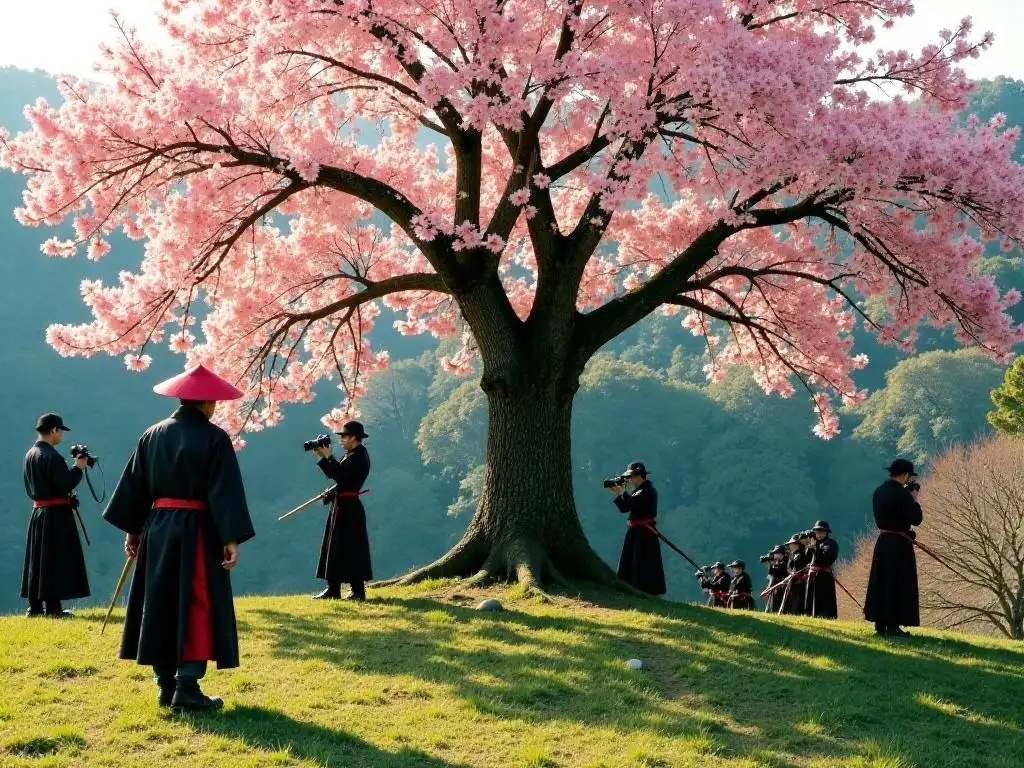
The portrayal of samurai in Japanese cinema is deeply entwined with the nation's cultural heritage and historical narratives. Samurai films, known as chanbara films, emerged in the early 20th century, gaining prominence during the post-World War II era. These films often reflect the socio-political climate of their times, illustrating the honor, loyalty, and martial prowess characteristic of the samurai ethos.
The samurai class, which flourished from the 12th to the 19th century, provided a rich backdrop for storytelling. Iconic films like Seven Samurai (1954) directed by Akira Kurosawa not only highlight the artistry of swordsmanship but also delve into themes of sacrifice and communal responsibility. This film, among others, has significantly influenced the global perception of samurai, making them symbols of justice and honor.
Moreover, samurai films often serve as a critique of contemporary society. For instance, in the 1960s and 1970s, directors like Masaki Kobayashi used samurai narratives to comment on the moral dilemmas and the existential crisis faced by post-war Japan. The samurai's struggle against oppressive systems resonates with audiences, making these films not just historical reenactments but profound explorations of human nature.
Key Themes and Elements in Samurai Films
Samurai films are characterized by several recurring themes and cinematic elements that contribute to their narrative depth:
- Honor and Loyalty: Central to the samurai code, or bushido, the concepts of honor and loyalty are often examined through the characters’ decisions and sacrifices. These themes resonate with viewers and provide moral lessons.
- Conflict and Duality: Many samurai films explore the inner conflict of characters torn between duty and personal desire. This duality adds complexity, as seen in films like Harakiri (1962), where the protagonist faces societal expectations against personal morality.
- Visual Aesthetics: Cinematic techniques in samurai films, such as the use of wide shots to capture landscapes and intricate fight choreography, enhance storytelling. The visual representation of sword fights is not merely for action but serves to symbolize deeper philosophical clashes.
- Historical Reflection: Samurai films often reflect historical events, providing insights into the feudal era's social structure, warfare, and governance. This historical grounding enriches the viewer’s understanding of Japan's past and cultural identity.
Popular Samurai Films for Language Learning
For language learners, samurai films offer a unique blend of engaging storytelling and authentic dialogue, making them valuable resources. Here are some notable films to consider:
| Film Title | Director | Year | Key Learning Aspects |
|---|---|---|---|
| Seven Samurai | Akira Kurosawa | 1954 | Complex dialogues, cultural context of honor |
| Rashomon | Akira Kurosawa | 1950 | Varied perspectives, rich vocabulary |
| Harakiri | Masaki Kobayashi | 1962 | Philosophical themes, emotional depth |
| The Last Samurai | Edward Zwick | 2003 | Modern narrative with historical references |
| 13 Assassins | Takashi Miike | 2010 | Action sequences, social hierarchies |
These films not only provide opportunities to hear the Japanese language in context but also immerse viewers in cultural nuances. Engaging with samurai films can enhance listening comprehension, as learners encounter a range of dialects, historical contexts, and emotional expressions.
Samurai films serve as a potent medium for language acquisition, combining entertainment with education. By delving into the themes, historical significance, and key films, learners can enrich their understanding of both the language and Japan's feudal culture.
How Samurai Films Enhance Listening Skills
Exposure to Authentic Japanese Language Use
Samurai films are rich in authentic Japanese language, providing viewers with a unique opportunity to hear natural speech patterns, vocabulary, and expressions that are often absent in traditional language learning resources. These films typically feature dialogues that reflect the historical context of feudal Japan, showcasing formal and colloquial language that can greatly enhance listening comprehension.
- Natural Speech Patterns: Unlike scripted language textbooks, samurai films present dialogue that is spontaneous and conversational. This exposure allows learners to familiarize themselves with the rhythm and flow of spoken Japanese, making it easier to understand real-life conversations.
- Contextual Learning: The narratives within samurai films are deeply rooted in cultural practices and historical events, offering context to the language used. For instance, terms related to bushido (the way of the warrior) or traditional Japanese customs are frequently used and can be better understood when viewed in context.
- Pronunciation and Intonation: Samurai films often exhibit regional accents and pronunciation peculiarities, helping learners grasp the nuances of how Japanese sounds in different contexts. Listening to characters from various backgrounds can improve pronunciation and intonation skills for learners.
Understanding Dialects and Regional Variations
One of the fascinating aspects of samurai films is their representation of various dialects and regional languages throughout Japan. Understanding these variations can significantly improve a learner's listening skills by exposing them to different ways of speaking.
- Diverse Dialects: Different regions in Japan have distinct dialects (方言, hōgen). For example, films set in the Edo period might feature the Edo dialect, while those based in the Kansai region might showcase the Osaka dialect. This exposure helps learners recognize and differentiate between these dialects, enhancing their overall comprehension.
- Historical Context: The portrayal of characters from different regions provides historical context for the language used. For example, a samurai from the Tōhoku region may use specific expressions that reflect local culture and history. By understanding these regional differences, learners can appreciate the richness of the language and improve their listening skills.
- Subtitles and Listening Practice: Watching samurai films with Japanese subtitles can further aid in comprehension. Learners can match spoken dialogue with written text, helping them to identify dialectal variations while solidifying their understanding of vocabulary and phrases.
Learning Cultural Nuances Through Dialogue
Samurai films are not just about action and drama; they are a window into the cultural fabric of Japan. The dialogues are steeped in cultural nuances that are essential for language learners to understand the subtleties of communication.
- Politeness Levels: The use of keigo (敬語), or honorific language, is prevalent in samurai films, reflecting the hierarchical nature of feudal society. Learners will encounter various levels of politeness throughout the dialogue, which is crucial for understanding social interactions in Japanese culture.
- Cultural References: Many samurai films incorporate cultural references, idioms, and historical allusions that enhance the dialogue's richness. For instance, references to famous battles, historical figures, or traditional festivals provide deeper insights into Japanese culture and can aid in retention of vocabulary.
- Emotional Expression: The way emotions are conveyed through dialogue in samurai films can also be a learning tool. Observing how characters express feelings such as honor, loyalty, or betrayal can help learners understand the emotional weight of certain phrases or expressions, enriching their overall comprehension of the language.
By immersing oneself in samurai films, learners can significantly enhance their listening skills while gaining valuable insights into the language and culture of Japan. The integration of authentic language use, dialectal variations, and cultural nuances creates a comprehensive learning experience that is both effective and engaging.
Recommended Samurai Films for Language Learning
1. The Last Samurai (2003)
The Last Samurai offers a compelling narrative that intertwines historical events with cultural themes. Set during the Meiji Restoration, it follows an American military advisor, Nathan Algren, who becomes immersed in the samurai culture. Through its rich dialogue and dramatic sequences, learners can absorb both the language and the nuances of Japanese society during this pivotal period.
The film is particularly beneficial for language learners due to its use of formal and colloquial Japanese. Viewers are introduced to a range of vocabulary related to samurai ethos, military strategies, and cultural practices. Additionally, the film's emotional depth and character development provide context for understanding expressions and idiomatic phrases, making it a valuable resource for improving listening comprehension.
Key Learning Points:
- Formal and Colloquial Language: Exposure to different styles of speech.
- Cultural Context: Understanding the significance of honor, loyalty, and tradition.
- Emotional Engagement: Enhances retention of vocabulary through character-driven narratives.
2. Harakiri (1962)
Harakiri is a classic samurai film that delves into the themes of honor and the samurai code (Bushido). The story revolves around a ronin who requests to commit seppuku (ritual suicide) in the courtyard of a feudal lord. This film's intricate plot and philosophical undertones provide a rich tapestry for language learners to engage with.
The dialogue is laden with historical and cultural references, making it a prime candidate for enhancing listening skills. The film employs a range of expressions, including both honorific and informal language, allowing learners to grasp the subtleties of conversation in a historical context. The slow pacing of the dialogue also aids comprehension, as viewers can take their time to process each line.
Key Learning Points:
- Philosophical Themes: Deepens understanding of Japanese values and ethics.
- Varied Dialogues: Exposure to a range of speech forms, enhancing listening skills.
- Cultural Nuances: Allows learners to grasp the significance of rituals and traditions.
3. 13 Assassins (2010)
13 Assassins is a thrilling action film that showcases a group of samurai who band together to assassinate a tyrannical lord. The film is notable for its exhilarating battle scenes as well as its strategic dialogue, which reflects the camaraderie and resolve of the samurai.
The cinematic portrayal of samurai culture, combined with fast-paced dialogue, offers an engaging way for learners to improve their listening comprehension. The film's language includes military terminology and expressions relevant to loyalty and sacrifice, providing context that can enrich vocabulary. Furthermore, the film's characters often speak in a direct manner, making it easier for learners to follow the storyline while picking up essential phrases.
Key Learning Points:
- Action-Packed Narrative: Keeps learners engaged while improving listening skills.
- Military Terminology: Introduces specific vocabulary related to samurai culture.
- Character Interactions: Facilitates understanding of relationship dynamics and social hierarchy within feudal Japan.
Practical Techniques for Using Samurai Films in Language Learning
Samurai films, rich in cultural nuances and language intricacies, present a unique opportunity for learners of Japanese to enhance their listening comprehension. By employing targeted strategies, these films can transform from mere entertainment to powerful educational tools. Below, we explore practical techniques that leverage the depth of samurai films for effective language learning.
Active Listening Strategies
Active listening is crucial when learning a new language, especially with the complex dialogues found in samurai films. Here are some effective strategies to enhance your listening comprehension:
- Focused Viewing:
- Initial Watch: View the film without subtitles to immerse yourself in the auditory experience. This helps train your ear to the sounds and rhythms of the language.
- Repeat Viewing: Watch again with Japanese subtitles enabled. This reinforces vocabulary and grammar structures while allowing you to connect spoken words with their written forms.
- Segmented Listening:
- Scene Breakdown: Divide the film into manageable scenes. Focus on a short segment, playing it multiple times to catch nuances in pronunciation and expression.
- Dialogue Repetition: Pause after key dialogues to repeat phrases aloud. This practice not only improves pronunciation but also aids in memorizing vocabulary.
- Contextual Understanding:
- Character Analysis: Pay attention to how different characters speak. For instance, samurai may use honorific language, while commoners might not. Understanding these dynamics enhances comprehension and cultural context.
Engaging with the Film’s Themes
Samurai films often convey profound themes reflecting cultural and historical contexts. Engaging with these themes can deepen your understanding of the language and its cultural significance:
- Thematic Discussions:
- Identify Themes: Look for recurring themes such as honor, loyalty, and sacrifice. Discussing these themes in a language exchange group can provide insights into cultural values embedded in the language.
- Character Motivations: Reflect on characters’ decisions and motivations. Articulating your thoughts in Japanese will enhance your expressive language skills.
- Cultural References:
- Historical Context: Research the historical backdrop of the film. Understanding the era depicted can illuminate language use, idioms, and expressions relevant to that time.
- Cultural Nuances: Take note of cultural references, such as traditional practices or samurai codes like Bushido. These elements enrich your vocabulary and understanding of Japanese society.
Incorporating Supplementary Learning Tools
To maximize the benefits of samurai films for language learning, integrating supplementary resources can be incredibly effective:
- Language Learning Apps:
- Vocabulary Lists: Create vocabulary lists based on the film. Use apps like Anki or Quizlet to practice these words through spaced repetition.
- Listening Exercises: Incorporate listening exercises from platforms like FluentU or NHK World, which offer context-rich content for learners.
- Discussion Forums and Study Groups:
- Online Communities: Join forums or social media groups focused on Japanese language learning. Engaging in discussions about the film can provide additional perspectives and language practice.
- Language Tandems: Partner with a native speaker who shares your interest in samurai films. This mutual exchange can enhance both your speaking and listening skills.
- Supplementary Reading:
- Screenplay Analysis: Read the screenplay of the film if available. This not only reinforces vocabulary but also allows you to analyze dialogue structure and narrative flow.
- Cultural Literature: Explore literature related to samurai culture. Books on bushido or historical accounts can provide context and vocabulary that enrich your film-watching experience.
By implementing these practical techniques, learners can effectively use samurai films as a dynamic resource for improving their Japanese listening comprehension and cultural understanding.
Overcoming Challenges in Learning Japanese Through Films

Learning Japanese through samurai films can be an enriching experience, but it also comes with its own set of challenges. This section delves into some common obstacles learners face and offers strategies to overcome them, ensuring a smoother and more effective learning journey.
Difficulty with Historical Language
Samurai films often employ historical language that can be quite different from modern Japanese. This can pose a significant challenge for language learners, as the vocabulary, grammar, and sentence structures used in these films may not be familiar.
- Understanding Archaic Vocabulary:
- Many terms used in samurai films, such as bushi (武士) meaning "warrior," or daimyo (大名) for "feudal lord," may not be commonly encountered in everyday conversation.
- To address this, learners should create a glossary of historical terms encountered in films. This can serve as a handy reference while watching.
- Grasping Complex Sentence Structures:
- Dialogue in samurai films often features complex sentence structures and honorifics that reflect the social hierarchy of the time.
- Tip: Watching films with subtitles in both Japanese and English can help learners identify how these structures are used in context.
- Listening Practice:
- Engaging in active listening exercises by pausing the film to repeat phrases can enhance comprehension.
- Consider using resources like language-learning apps that focus on historical language elements to supplement film viewing.
Samurai films are steeped in Japanese history and culture, which can be both fascinating and confusing for learners unfamiliar with these references.
- Recognizing Cultural Nuances:
- Understanding concepts such as bushido (武士道), the way of the warrior, or the significance of rituals like seppuku (切腹), is crucial for grasping the plot and character motivations.
- Learners can benefit from conducting brief research on cultural concepts before diving into a film.
- Contextual Background:
- Films often depict historical events or societal norms that may not be immediately clear.
- Strategy: Watching documentaries or reading historical texts about the Edo period can provide valuable context, enhancing comprehension during film viewing.
- Engaging with the Community:
- Joining language exchange groups or online forums focused on samurai culture can provide insights and foster discussions about cultural references in films. This communal learning can help bridge gaps in understanding.
Maintaining Motivation While Learning
Staying motivated while learning Japanese through samurai films can be challenging, especially when faced with complex language and cultural barriers.
- Setting Realistic Goals:
- Establish clear, achievable goals for each film, such as understanding specific dialogues or identifying cultural references.
- Example: Aim to learn five new words or phrases from each viewing.
- Creating a Reward System:
- Reward yourself for reaching milestones, such as finishing a film or successfully using new vocabulary in conversation.
- This can be as simple as treating yourself to a favorite snack or taking a break to enjoy another film.
- Diversifying Learning Materials:
- While samurai films are a fantastic resource, incorporating other media such as anime, manga, or podcasts can keep the learning experience fresh and engaging.
- Task List:
- [ ] Watch one samurai film per week.
- [ ] Create a vocabulary list from each film.
- [ ] Participate in discussions about the films with peers.
By addressing these challenges head-on, learners can turn potential obstacles into opportunities for growth, making the process of learning Japanese through samurai films both effective and enjoyable.
Conclusion: Transforming Your Language Learning Journey

Incorporating samurai films into your language learning journey can significantly enhance your Japanese proficiency. These films not only provide engaging narratives but also offer a rich context for understanding the language's nuances. By immersing yourself in the dialogue, cultural references, and historical settings, you can develop a more intuitive grasp of Japanese.
The Impact of Samurai Films on Your Japanese Proficiency
Samurai films serve as a unique educational tool for learners of all levels. Here are several ways these films can boost your language skills:
- Authentic Language Exposure:
- Samurai films often feature dialogues that are rich in idiomatic expressions and colloquialisms. By listening to characters speak in various contexts, learners can pick up on everyday language usage that textbooks may overlook.
- Cultural Context:
- Understanding cultural references is crucial for language learning. Samurai films explore themes such as honor (名誉, meiyo), loyalty (忠義, chūgi), and sacrifice (犠牲, gisei), providing viewers with insights into Japanese societal values. This cultural immersion can enhance comprehension and retention of vocabulary and phrases.
- Visual Learning:
- The visual storytelling in samurai films aids comprehension. Actions and emotions depicted on screen help learners associate words with their meanings, making it easier to remember vocabulary. For instance, the act of seppuku (切腹, seppuku) is not only explained through dialogue but also illustrated through dramatic visuals, enhancing understanding.
- Listening Skills Development:
- Engaging with the dialogue at various speeds and using subtitles can improve listening skills. Initially, learners might start with subtitles in their native language, then gradually switch to Japanese subtitles and finally to no subtitles, promoting active listening.
- Diverse Accents and Dialects:
- Samurai films often portray characters from different regions of Japan, exposing learners to various accents and dialects. This diversity helps learners to adapt their listening skills to different speaking styles and pronunciations.
Encouragement to Explore More Samurai Films for Language Learning
As you embark on this journey of language learning through samurai films, consider the following steps to maximize your experience:
- Create a Viewing Schedule:
- Dedicate specific times each week to watch a samurai film. Consistency will reinforce learning and help develop a habit.
- Engage Actively:
- Take notes of new vocabulary or phrases you encounter. Consider pausing the film to repeat dialogues to practice pronunciation.
- Join Discussions:
- Engage with online forums or local language exchange groups that focus on discussing films. Sharing insights and interpretations can deepen your understanding.
- Explore Various Genres:
- Don’t limit yourself to traditional samurai films. Explore modern adaptations, animated films, and documentaries that provide different perspectives on the samurai era.
By integrating samurai films into your language learning routine, you can transform your proficiency in Japanese while enjoying captivating stories that reflect the rich tapestry of Japan's feudal history. Embrace this dynamic approach, and watch as your listening comprehension flourishes alongside your appreciation for this fascinating aspect of Japanese culture.
Additional Resources for Learning Japanese
Recommended Books on Japanese Language and Culture
Delving into the world of Japanese language and culture through literature can significantly enhance your understanding, especially when combined with the insights gained from samurai films. Here are some recommended titles that cater to various aspects of the language and cultural context:
- "Remembering the Kanji" by James W. Heisig
- This book provides a unique approach to learning kanji characters, using mnemonic techniques to aid retention.
- "Japanese from Zero!" by George Trombley
- An excellent series for beginners that focuses on gradually building your language skills, starting from the basics.
- "The Tale of the Heike"
- This classic work of Japanese literature offers a glimpse into the samurai ethos and the historical context of feudal Japan, enriching your cultural vocabulary.
- "The Book of Five Rings" by Miyamoto Musashi
- Written by a legendary samurai, this text not only provides insights into martial philosophy but also serves as a source for understanding samurai culture and values.
- "Japanese Culture: An Illustrated History" by Roger J. Davies and Osamu Ikeno
- This book covers various cultural elements, including the samurai era, making it perfect for contextualizing what you learn through films.
Online Courses and Communities Focused on Japanese Learning
Engaging with online courses and communities can enhance your language learning experience, allowing you to practice your listening comprehension in tandem with viewing samurai films. Below are some valuable resources:
-
Coursera - "Japanese for Beginners"
This course introduces the basics of the language, focusing on listening and speaking skills essential for understanding dialogues in samurai films.
-
Duolingo
A user-friendly app that gamifies learning Japanese, making it easy to practice vocabulary and sentence structure on the go.
-
Lang-8
A social networking platform where you can write in Japanese and receive corrections from native speakers, providing a practical application of language skills.
-
HelloTalk
This language exchange app connects you with native Japanese speakers, allowing for real-time practice and cultural exchange.
-
Reddit - r/LearnJapanese
An active community where learners share resources, tips, and experiences related to studying Japanese, including insights on how samurai films can aid language comprehension.
By utilizing these resources, you can enrich your understanding of the language and culture, making your journey through samurai films even more fruitful and enjoyable.
Frequently Asked Questions
What are samurai films?
Samurai films are Japanese cinematic works that depict the lives and exploits of samurai warriors, often set in historical feudal Japan. They highlight themes of honor, loyalty, and conflict.
How can samurai films improve listening comprehension in Japanese?
Watching samurai films exposes viewers to authentic language use, including dialects and cultural expressions. This immersion helps enhance understanding of spoken Japanese in various contexts.
Are there specific samurai films recommended for language learners?
Yes, films like "Seven Samurai" and "Rashomon" are often recommended for their rich dialogue and cultural significance, making them excellent choices for learners looking to improve their listening skills.
What should I focus on while watching these films for language learning?
Pay attention to contextual cues, intonation, and body language. This holistic approach will help you grasp the nuances of communication in Japanese beyond just the spoken words.
Can watching samurai films help with cultural understanding?
Absolutely! Samurai films provide insights into Japanese values, traditions, and historical contexts, enriching your overall cultural comprehension alongside language skills.
Final Reflection: Embracing Language Through Samurai Cinema
The intersection of culture and language learning is more relevant today than ever, as globalization continues to blur the lines between nations and traditions. In our fast-paced world, the art of listening—especially in a foreign language—has become an invaluable skill. Samurai films not only offer a captivating glimpse into Japan's rich history and values but also serve as a dynamic tool for enhancing listening comprehension. By immersing ourselves in these cinematic masterpieces, we can unlock the nuances of the Japanese language while appreciating the artistry of storytelling.
The influence of samurai films extends beyond mere entertainment; they shape our understanding of cultural identity and foster a deeper connection with the language. As we engage with the dialogues and themes presented in these films, we cultivate a more profound appreciation for the subtleties of Japanese communication. This cultural immersion is essential in our increasingly interconnected world. Films are a universal language that can bridge gaps and foster understanding.
This sentiment resonates deeply, reminding us that through the lens of cinema, we can explore not just language, but the very essence of a culture.
As you reflect on the lessons learned from samurai films, I invite you to take action. Consider incorporating these films into your language learning journey, allowing them to guide you in honing your listening skills. Embrace the challenge of deciphering the dialogues and immerse yourself in the stories that have shaped a nation. By doing so, you not only enhance your comprehension but also connect with a rich cultural heritage that transcends time and borders. Let the spirit of the samurai inspire you to pursue language learning with passion and dedication.
Embrace the Art of Listening: Level Up Your Japanese!
Thank you for diving into the world of Samurai films with us! You’ve gathered valuable insights on how these cinematic treasures can boost your Japanese listening skills. Now, it's time to put that knowledge into action and truly enhance your language journey.
Here are some exciting steps you can take right now:
- Start Watching: Select a Samurai film that captures your interest and set aside time this week to watch it with Japanese subtitles for improved comprehension.
- Join the Conversation: Connect with a language partner or an online community to discuss your favorite scenes and share insights from the film.
- Create Your Movie List: Make a list of Samurai films you want to discover; be sure to include some hidden gems for a unique experience!
How have Samurai films inspired your learning journey with the Japanese language? We encourage you to share your favorite titles or moments in the comments below!