
The Art of War: Military Innovations Introduced by Daimyo

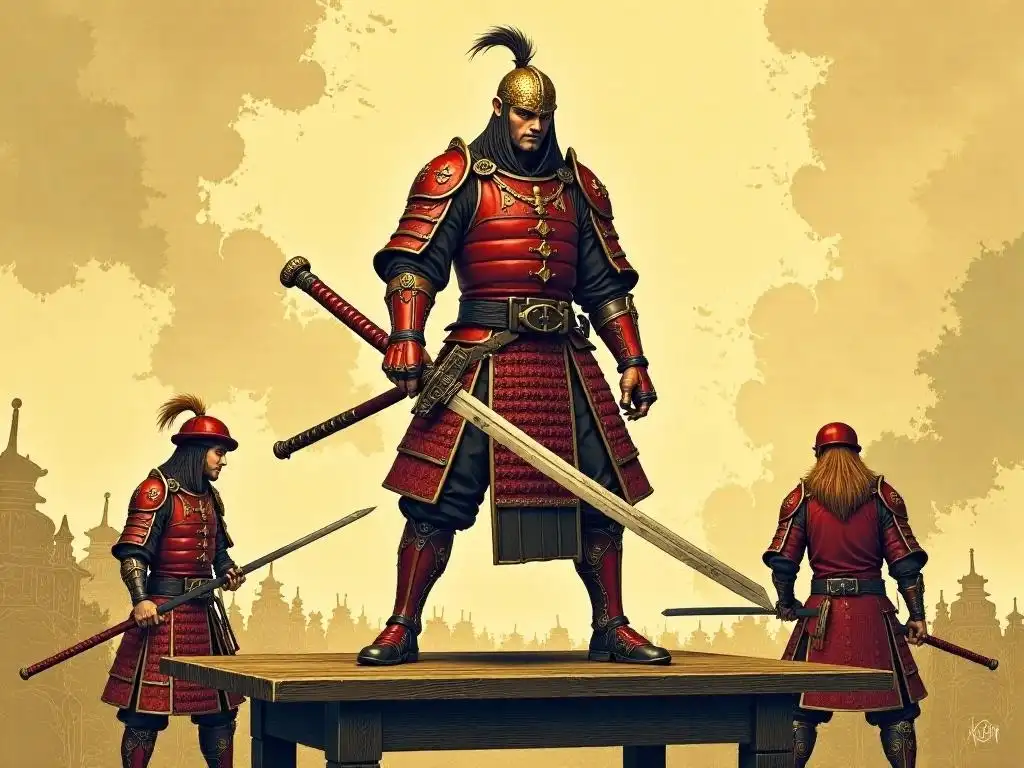
Welcome to Feudal Japan History, where we invite you to embark on an extraordinary journey through the intricate tapestry of Japan’s feudal era. Here, we delve into the military innovations in feudal Japan, revealing how visionary Daimyo shaped the landscape of warfare and governance. What strategies transformed the battlefield? As you explore our in-depth articles, prepare to uncover the fascinating interplay of culture, society, and power that defined an era, sparking your curiosity to discover more about the art of war in this captivating period.
The period of feudal Japan, characterized by a complex web of power struggles among the daimyo (feudal lords), was not only a time of political upheaval but also a remarkable era of military innovation. As these regional leaders vied for dominance, they introduced various strategic advancements and technologies that forever altered the landscape of warfare in Japan.
This article delves into the military innovations in feudal Japan, exploring how the daimyo adapted to the challenges of their time, leading to significant developments in tactics, weaponry, and organization. Through a comprehensive examination of key figures, notable battles, and groundbreaking strategies, we aim to provide a deeper understanding of how these innovations shaped the course of Japanese history and culture.
The Role of Daimyo in Military Innovations
The daimyo were pivotal in the evolution of military practices during the feudal era. As influential leaders who controlled vast territories, they had the resources and motivations to invest in military advancements.
- Resource Allocation: Daimyo often allocated significant portions of their wealth to improve their armies, leading to the adoption of new technologies and tactics.
- Cultural Influence: The unique cultural backgrounds of different daimyo led to diverse approaches to warfare, fostering a competitive environment that spurred innovation.
- Strategic Alliances: By forming alliances, daimyo could share military knowledge and resources, accelerating the pace of innovation.
Key Military Innovations in Feudal Japan
Several key innovations emerged during this period, transforming the way battles were fought:
- Gunpowder and Firearms: The introduction of firearms, particularly the matchlock gun (tanegashima), revolutionized combat strategies.
- Impact: Firearms allowed for greater lethality and changed the dynamics of battlefield engagements.
- Adaptation: Daimyo adapted their tactics to incorporate these new weapons, leading to the formation of specialized infantry units.
- Castle Fortifications: The construction of castles evolved significantly, becoming crucial military strongholds.
- Design Innovations: Features like moats, stone walls, and multi-tiered structures enhanced defensive capabilities.
- Strategic Locations: Castles were often built in locations that provided tactical advantages, such as high ground or access to important trade routes.
- Tactical Formations: The development of new formations, such as the kisho infantry, allowed for more flexible and mobile combat strategies.
- Adaptability: These formations enabled daimyo to respond effectively to various battlefield scenarios.
- Coordination: Improved communication among troops facilitated better coordination during battles.
The Lasting Impact of Military Innovations
The military innovations introduced by the daimyo had profound effects not only on warfare but also on the societal structure of feudal Japan.
- Shift in Power Dynamics: As military technologies advanced, the balance of power among daimyo shifted, leading to new alliances and conflicts.
- Cultural Legacy: Many of the innovations established during this period influenced subsequent generations, laying the groundwork for modern Japanese military practices.
- Historical Significance: Understanding these innovations provides valuable insights into Japan's feudal history and the complexities of its political landscape.
The military innovations in feudal Japan, spearheaded by the daimyo, played a crucial role in shaping the nation's history. By examining these advancements, we can appreciate the strategic ingenuity and cultural significance of this fascinating era.
- The Role of Daimyo in Military Innovations
- Key Military Innovations in Feudal Japan
- The Lasting Impact of Military Innovations
- What were the key military innovations introduced by Daimyo in feudal Japan?
- How did firearms impact warfare in feudal Japan?
- What role did fortifications play in military strategy during this period?
- How did cultural aspects influence military innovations in feudal Japan?
- Were there any notable battles that showcased these military innovations?
Introduction to Military Innovations in Feudal Japan
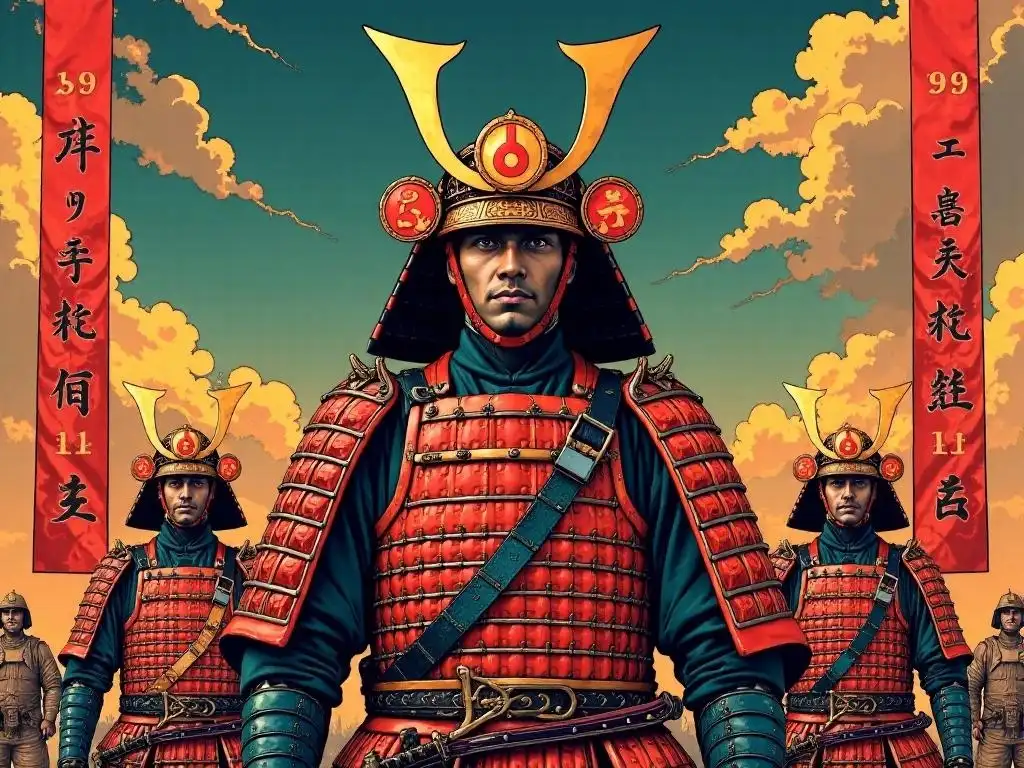
The feudal era in Japan, spanning from the late 12th century to the early 17th century, was marked by significant political, social, and military transformations. During this period, the Daimyo, powerful feudal lords, played a crucial role in shaping the military landscape of Japan. They were not only regional rulers but also key figures in the development and adoption of various military innovations. These innovations were essential for maintaining power, expanding territories, and ensuring the survival of their clans in a time of constant warfare.
Military innovations in feudal Japan included advancements in weaponry, tactics, and organizational structures, which collectively transformed the way wars were fought. The introduction of firearms, the use of advanced fortifications, and the establishment of disciplined armies were pivotal in establishing the dominance of certain Daimyo over their rivals. Understanding these innovations provides insight into how they influenced the broader socio-political dynamics of the era and shaped Japan's historical trajectory.
Overview of the Feudal Era in Japan
The feudal era, known as the Edo period (1603-1868), followed the tumultuous Sengoku period (1467-1603), characterized by social upheaval, political intrigue, and military conflict. This era witnessed the rise of regional warlords, or Daimyo, who controlled vast territories and maintained their own armies. The feudal structure created a complex hierarchy where loyalty and service were paramount.
Key Features of the Feudal Era:
- Daimyo and Samurai: The Daimyo were the landowners who governed regions and employed Samurai as their warrior class. The Samurai, bound by the code of Bushido, exemplified loyalty and martial skill.
- Constant Warfare: The struggle for power among Daimyo led to frequent battles and shifting alliances, which created a landscape where military prowess was crucial for survival.
- Emergence of Central Authority: The Tokugawa shogunate eventually unified Japan, establishing a centralized government that altered the role of the Daimyo and their military forces.
Importance of Military Innovations
Military innovations during the feudal era were not only about improving battlefield tactics; they also had profound implications for Japanese society and governance.
Key Innovations Include:
- Firearms:
- The introduction of Portuguese matchlocks in the 16th century revolutionized warfare in Japan. Daimyo like Oda Nobunaga effectively utilized these weapons to gain a tactical advantage over traditional samurai combat methods.
- The rapid adoption of firearms led to changes in military formations and strategies, marking a shift from the reliance on bows and swords.
- Fortifications:
- The development of castles as military strongholds became prominent. Castles such as Himeji Castle exemplified advanced architectural techniques, integrating defensive structures that could withstand sieges.
- These fortifications allowed Daimyo to consolidate power and protect their territories from rival clans.
- Organizational Structures:
- The establishment of professional armies, rather than ad hoc groups of samurai, allowed for better coordination and command during battles.
- Innovations in logistics, such as supply lines and troop movements, became critical for sustaining military campaigns.
The impact of these military innovations extended beyond the battlefield. They influenced the political landscape, as successful Daimyo could consolidate power through military might, leading to the eventual unification of Japan under the Tokugawa shogunate. Furthermore, these innovations laid the groundwork for modern military practices in Japan, illustrating the profound legacy of feudal military developments.
Overall, the study of military innovations in feudal Japan reveals the intricate relationship between warfare, governance, and societal change, highlighting the pivotal role of the Daimyo in shaping Japan's historical narrative.
The Role of Daimyo in Military Advancements
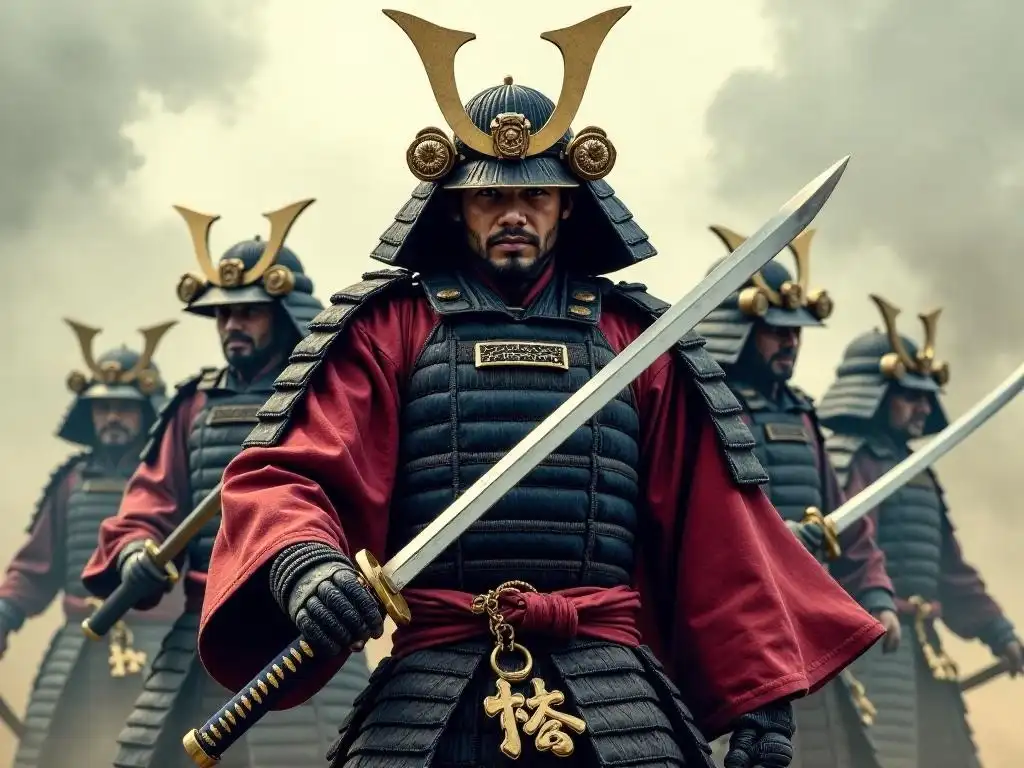
Definition and Influence of Daimyo
The daimyo were powerful feudal lords in Japan who wielded significant authority during the feudal period, particularly from the 12th to the 19th centuries. These individuals were not only landowners but also pivotal military leaders whose decisions shaped the course of Japanese history. Each daimyo governed their own domain, usually consisting of several villages and towns, and maintained a private army of samurai, which they trained and equipped.
The influence of daimyo on military innovations was profound. As semi-autonomous rulers, they were responsible for the defense of their territories and often engaged in conflicts with rival lords. This constant state of warfare necessitated the development of new strategies and technologies. The daimyo's resources allowed them to experiment with different military tactics and equipment, leading to advancements that would define warfare in feudal Japan.
Factors contributing to their influence included:
- Economic Resources: Wealth generated from agriculture and trade enabled daimyo to invest in military innovations.
- Political Ambitions: The desire to expand territories and increase power motivated daimyo to seek out and implement new military methods.
- Cultural Exchange: Interactions with foreign traders and other nations introduced new ideas and technologies, which daimyo adapted for their own use.
Daimyo as Leaders of Military Innovation
Daimyo played a crucial role in pioneering military innovations that transformed Japanese warfare. Their leadership and vision allowed them to implement a range of strategies and technologies, some of which are highlighted below:
- Introduction of Firearms:
- The arrival of Portuguese traders in the 1540s brought firearms to Japan. Daimyo such as Oda Nobunaga were quick to adopt and integrate these weapons into their armies. This innovation shifted the balance of power, as the effective use of guns could decisively influence battles.
- Tactical Formations:
- The use of the kikyo (flower formation) and other tactical formations became prominent. Daimyo organized their troops into cohesive units that maximized the effectiveness of their samurai and foot soldiers. This coordinated approach allowed for better control during battles and improved overall strategy.
- Castle Fortifications:
- The construction of shiro (castles) became a hallmark of daimyo military strategy. These fortified structures were not only defensive positions but also served as command centers. Innovations in castle design included thicker walls, moats, and strategic positioning on elevated ground. Notable examples include Himeji Castle and Matsumoto Castle.
- Logistics and Supply Chains:
- Effective logistics became crucial for maintaining armies in the field. Daimyo implemented systems for transporting food, weapons, and reinforcements. This included developing relationships with local peasants to ensure a steady supply of resources, which was vital during prolonged campaigns.
- Adoption of New Tactics:
- Daimyo were known for their adaptability in the face of changing warfare dynamics. They incorporated tactics such as ambushes, flanking maneuvers, and psychological warfare. The ability to outthink opponents on the battlefield became as important as the strength of their forces.
Through these innovations, daimyo not only enhanced their military capabilities but also contributed to the evolution of warfare in feudal Japan. Their legacy includes a blend of traditional samurai values with modern military techniques, which would influence Japan's military approach in subsequent eras. The military innovations in feudal Japan introduced by these leaders remain a pivotal aspect of Japan's rich history and cultural heritage.
Key Military Innovations Introduced by Daimyo
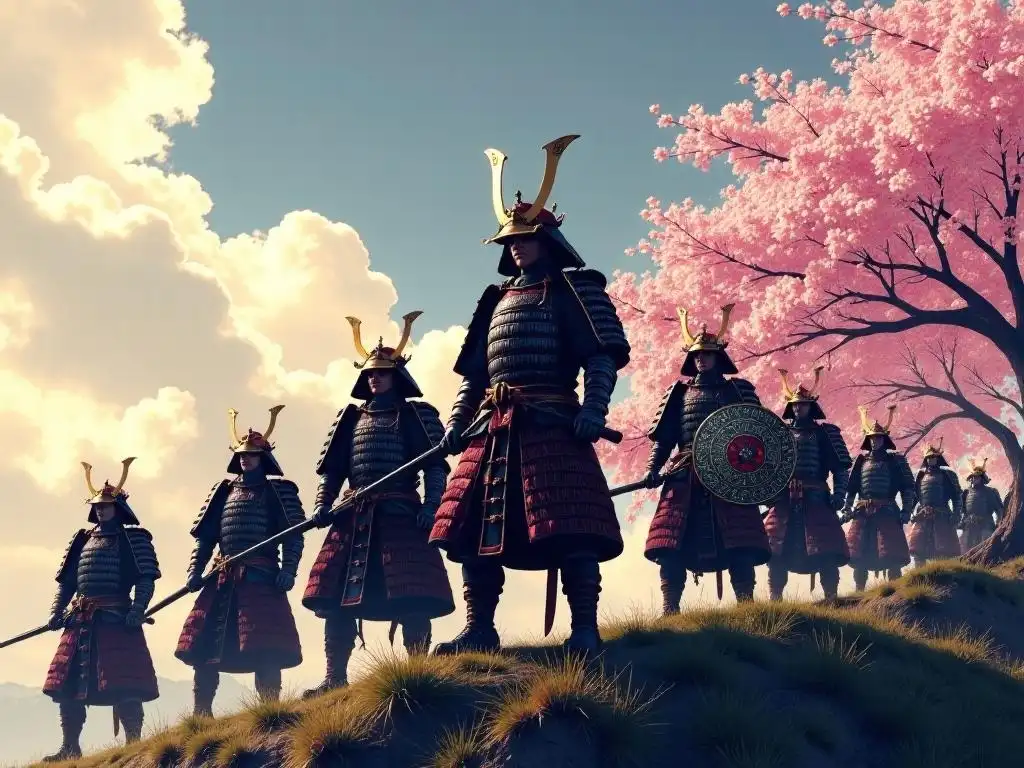
Development of the Samurai Class
The emergence of the samurai class during the feudal era in Japan marked a significant shift in military organization and strategy. Originally, samurai were warrior nobility who served as the military arm of the daimyo, regional lords who commanded their own territories. The samurai’s development was crucial to the establishment of a new military hierarchy, which emphasized loyalty, martial skill, and social status.
Evolution of Samurai Warfare
Samurai warfare evolved significantly over the centuries, transitioning from large-scale, unorganized battles to more strategic engagements. Early conflicts were characterized by the use of traditional weapons such as the katana, but as tactics evolved, so did the technologies and strategies employed. Key innovations included:
- Use of Archery: Archery played a central role in early samurai warfare, with techniques refined and developed through rigorous training. The Yamabujin were notable for their skills.
- Mobility and Cavalry Tactics: The introduction of mounted warfare allowed for greater mobility on the battlefield. Samurai began to utilize horses, leading to new tactics that involved swift cavalry charges.
- Formation Techniques: The development of formations, such as the Kumon and Hoko, enabled samurai to coordinate attacks and defend effectively against enemy forces.
Impact of Samurai on Military Tactics
The samurai's influence extended beyond mere combat techniques; it also shaped military tactics. The bushido code, which emphasized honor and loyalty, became a guiding principle for samurai conduct, affecting how battles were fought:
- Psychological Warfare: The reputation of samurai instilled fear in their enemies, often resulting in psychological advantages before battles even commenced.
- Siege Warfare Innovations: As daimyo expanded their territories, sieges became common. Samurai developed new tactics such as fire arrows and mining to undermine fortifications, showcasing their adaptability.
- Naval Warfare: Some daimyo also turned their attention to naval engagements, leading to the development of shipbuilding techniques and amphibious assault strategies.
Introduction of Firearms
The introduction of firearms in Japan during the 16th century marked a pivotal point in the history of military innovations. The arrival of these weapons altered the landscape of warfare, compelling samurai and daimyo to adapt their strategies and combat styles.
The Arrival of Portuguese Guns
The first firearms to reach Japan were introduced by Portuguese traders in the 1540s. These arquebuses, known as tanegashima, revolutionized combat:
- Immediate Impact: The introduction of these guns led to an immediate transformation in battle tactics, as daimyo recognized their potential to alter the balance of power.
- Cultural Exchange: The arrival of firearms facilitated a broader cultural exchange, with Japanese craftsmen quickly learning the art of gun-making from their Portuguese counterparts.
Adaptation of Firearms by Japanese Forces
Japanese forces rapidly adapted to the use of firearms, integrating them into their military strategies:
- Mass Infantry Tactics: Samurai began to form units of ashigaru (foot soldiers) equipped with firearms, leading to the development of new formations and tactics that emphasized the use of gunfire in battle.
- Combined Arms Approach: The combination of traditional samurai tactics with firearm units allowed for more complex battle strategies, leveraging speed and firepower effectively.
- Artillery and Siege Warfare: Firearms also influenced siege warfare, with fortified positions being challenged by gunpowder artillery, leading to innovations in castle design and fortification.
The incorporation of firearms not only changed how battles were fought but also influenced the social structure of the samurai class, as new ranks and roles emerged to accommodate the evolving nature of warfare. The shift towards military innovations in feudal Japan is, therefore, a testament to the adaptability and resilience of the samurai and their daimyo in the face of changing technologies.
Use of Fortifications and Castles
The use of fortifications and castles during the feudal era in Japan represented a significant military innovation introduced by the daimyo. As regional leaders, daimyo recognized the necessity of establishing strongholds to protect their territories from rival clans and external threats. This led to the construction of castles that served both defensive and administrative purposes.
Castles were strategically placed on elevated terrain or near vital resources, making them difficult to besiege. The architecture of these fortifications evolved over time, incorporating advanced defensive features such as moats, stone walls, and watchtowers. The presence of a castle not only provided physical security but also acted as a symbol of power and control over the domain, reflecting the prestige and authority of the daimyo.
Architectural Innovations in Castle Design
Castle design in feudal Japan underwent notable changes as daimyo sought to enhance their military capabilities. Early castles, primarily wooden structures, were gradually replaced by more robust stone edifices known as shiro. These stone castles featured multi-storied towers (tenshukaku) that provided vantage points for archers and lookouts.
Innovations such as masugata, an entryway designed to slow down intruders, and ni-no-maru (secondary enclosures) added layers of defense. The use of earthen walls and battlements were also crucial in protecting against sieges. Prominent examples of innovative castle architecture include Himeji Castle, known for its intricate design and formidable defenses, and Nagoya Castle, which showcased advancements in both aesthetics and military functionality.
Strategic Importance of Castles in Warfare
The strategic importance of castles in warfare cannot be overstated. Castles served as command centers from which daimyo could coordinate military campaigns, store provisions, and house troops. Their fortified nature made them ideal for withstanding sieges, allowing the defending forces to hold out against prolonged attacks.
Additionally, castles acted as deterrents against enemy incursions. The sight of a well-fortified castle could discourage rival clans from launching an assault, effectively safeguarding the domain. The control of key castles often dictated the balance of power among feudal lords, as holding a strategically located castle could influence trade routes and territorial disputes.
As conflicts expanded beyond land, naval innovations became essential for daimyo seeking to assert dominance over coastal regions and islands. The development of naval strategies and shipbuilding techniques allowed for more effective maritime operations during feudal conflicts.
Development of Japanese Warships
Japanese warships, known as atakebune, were specifically designed for combat and transport. These vessels featured shallow drafts that enabled swift maneuverability in coastal waters and rivers. Daimyo invested in the construction of larger ships equipped with reinforced hulls and artillery, adapting designs to meet the demands of naval warfare.
The introduction of the sengokubune, a type of warship characterized by its speed and agility, revolutionized naval engagements. These ships were often used for surprise attacks and troop deployment during coastal raids. The craftsmanship involved in shipbuilding exemplified the technological advancements of the time, as artisans developed techniques that improved durability and combat effectiveness.
Naval Tactics in Feudal Conflicts
Naval tactics in feudal Japan were marked by innovative approaches that reflected the evolving nature of warfare. The use of combined arms strategies, where naval forces worked in conjunction with land troops, was common. For instance, daimyo would launch amphibious assaults where ships would transport samurai to enemy shores, allowing for rapid and unpredictable strikes.
Furthermore, the adoption of boarding tactics became prevalent, where warriors would engage in hand-to-hand combat aboard enemy vessels. This shift in tactics underscored the importance of naval supremacy in securing territorial gains and conducting trade. Key battles, such as the Battle of Kōan, illustrated the effectiveness of these naval innovations, ultimately influencing the outcomes of regional conflicts.
The Impact of Military Innovations on Feudal Japan
Changes in Warfare Tactics and Strategies
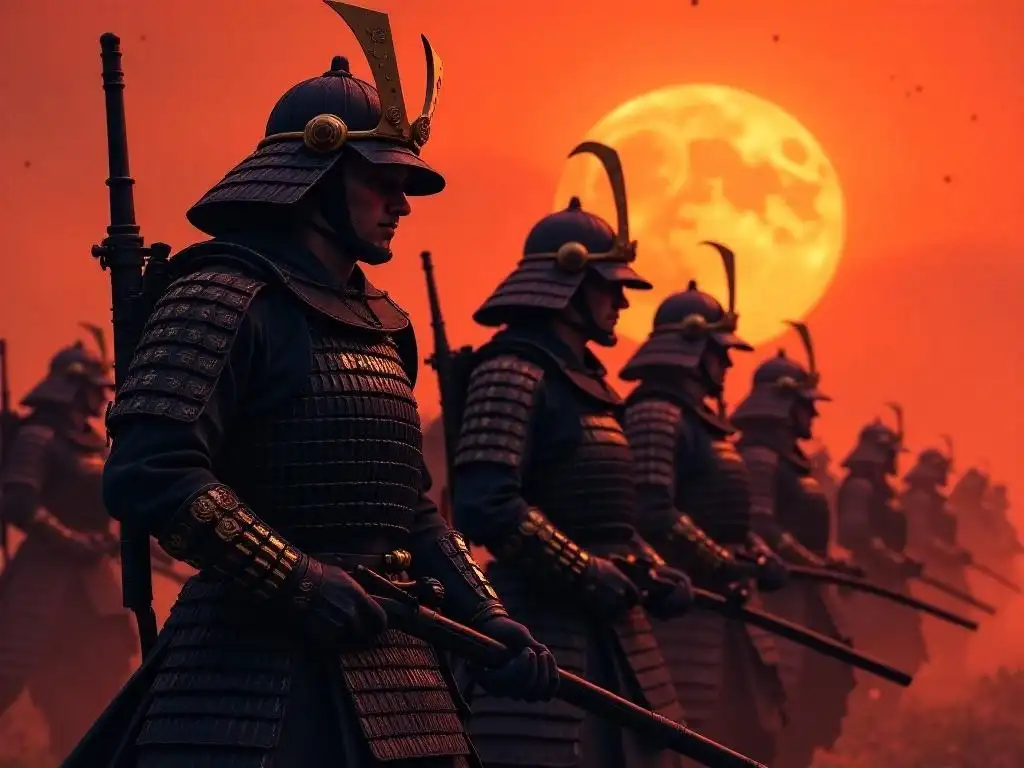
The era of the daimyo in feudal Japan saw significant transformations in warfare tactics and strategies, driven largely by military innovations. One of the foremost changes was the adoption of gunpowder weapons, particularly the introduction of firearms in the late 16th century. The arquebus, a type of matchlock gun, revolutionized battlefields as it allowed foot soldiers to engage effectively from a distance, shifting the emphasis from traditional archery and cavalry charges.
This transition also led to the development of new formations and battle strategies. The tercios formation, originally from European warfare, was adapted by Japanese commanders to maximize the effectiveness of their firearms. Troops were organized into layered units, allowing for overlapping fields of fire which increased lethality against enemy ranks. Additionally, the use of fortifications became prevalent, with daimyo constructing elaborate castles equipped to withstand sieges, employing innovations like stone walls and moats that reflected the evolving nature of military conflicts.
Furthermore, the introduction of mobile artillery units contributed to a change in siege warfare, allowing for more effective assaults on fortified positions. As a result, the tactics of ambush, flanking maneuvers, and guerrilla warfare became more prominent, showcasing a diversification in strategic approaches to combat that were vital for the survival and expansion of a daimyo's territory.
Influence on Japanese Society and Culture
Military innovations in feudal Japan did not merely alter the battlefield; they significantly influenced Japanese society and culture. The rise of firearms and new tactics necessitated the reorganization of military hierarchies and the training of samurai and ashigaru (foot soldiers) in their use. This democratization of military power allowed for the elevation of lower-class warriors, contributing to a more complex social structure within the samurai class.
Moreover, the increased emphasis on military efficiency led to a cultural shift in the values of honor and bravery. The traditional bushido code evolved, incorporating principles that emphasized adaptability and strategic thinking, rather than solely valor in close combat. This change was reflected in literature and art, where themes of strategy and innovation began to emerge, depicting the nuanced nature of warfare.
The impact of military innovations also extended to economic aspects, as the demand for firearms and related technology spurred developments in manufacturing and trade. Local artisans began to specialize in the production of weapons, leading to a flourishing of craftsmanship that would influence the aesthetic qualities of samurai armor and weaponry.
Long-Term Effects on Political Structures
The military innovations introduced by the daimyo had profound long-term effects on Japan's political structures. As warfare became more complex and reliant on technology, the power dynamics between the daimyo shifted significantly. Those who could effectively integrate these innovations into their military strategies gained a distinct advantage, often leading to the consolidation of power and territory.
This trend culminated in the rise of prominent figures such as Oda Nobunaga and Toyotomi Hideyoshi, who leveraged military innovations to unify Japan in the late 16th century. Their ability to adopt new technologies and tactics not only changed the face of warfare but also laid the groundwork for the Tokugawa shogunate, which would dominate Japanese politics for over 250 years.
Additionally, the reliance on gunpowder and artillery shifted the balance of power, as it favored those with access to resources and trade networks necessary for acquiring such weapons. This led to a more centralized form of governance, where the shogunate could exert greater control over the daimyo and their domains, effectively reducing the autonomy that many had previously enjoyed.
The military innovations introduced by the daimyo fundamentally transformed feudal Japan, shaping the tactics of warfare, influencing societal values, and altering the political landscape in ways that would resonate throughout Japanese history.
Conclusion
Summary of Military Innovations in Feudal Japan
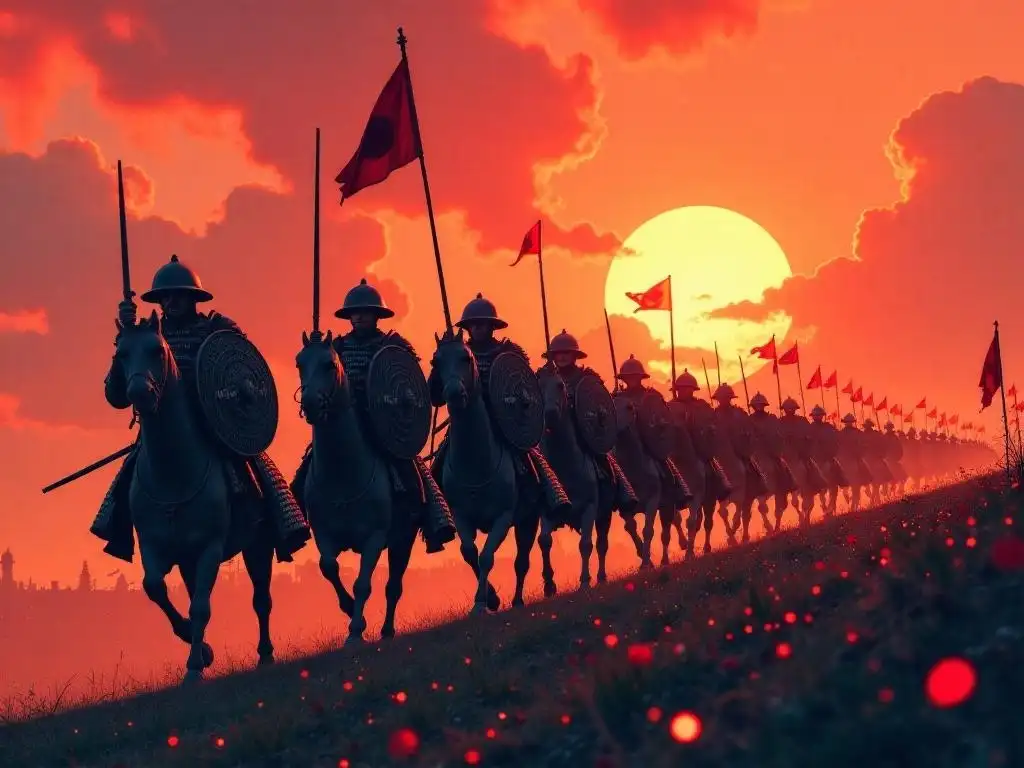
The feudal era in Japan was marked by significant military innovations that transformed the way warfare was conducted. The daimyo, powerful feudal lords, played a crucial role in introducing and implementing these innovations. Here are some key aspects of military innovations during this period:
- Weaponry Advancements:
- The introduction of firearms, particularly matchlocks (tanegashima), revolutionized combat strategies. By the 16th century, these weapons became integral to samurai warfare, allowing for greater lethality at range.
- The development of the katana, with its unique forging techniques, enhanced the effectiveness of close-quarter combat, making it a symbol of the samurai's status and prowess.
- Tactics and Strategy:
- The emergence of new battlefield tactics, such as the use of combined arms, allowed for more coordinated attacks involving infantry, cavalry, and archers.
- The formation of battle strategies like the "kisho" (rapid assault) showcased the importance of speed and surprise, which became essential elements of feudal warfare.
- Logistical Improvements:
- The establishment of supply lines and infrastructure, including roads and storage facilities, facilitated the movement of troops and resources, ensuring that armies could sustain prolonged campaigns.
- The daimyo implemented strategic alliances and vassal relationships that allowed for the pooling of resources and manpower, enhancing military capabilities across their domains.
These innovations not only influenced the dynamics of feudal warfare but also laid the groundwork for Japan's military practices in subsequent periods.
Lasting Legacy of Daimyo in Military History
The legacy of the daimyo in the realm of military innovations during feudal Japan is profound and enduring. Their contributions have had lasting effects on both Japanese history and military theory. Some key points to consider include:
- Cultural Impact:
- The samurai code of conduct, known as Bushido, evolved alongside military innovations, emphasizing values such as loyalty, honor, and discipline. This code continues to influence modern Japanese culture and martial arts.
- Institutional Development:
- The organizational structures established by the daimyo paved the way for future military hierarchies, influencing the formation of the Imperial Japanese Army in the Meiji Era.
- Strategic Military Thought:
- The tactics and strategies developed during this period have been studied and adapted in various military contexts worldwide. Concepts such as surprise attacks and combined arms operations are now standard in modern military doctrine.
- Historical Narratives:
- The stories of the daimyo and their military exploits are immortalized in literature, theater, and art, contributing to a rich cultural heritage that continues to captivate people today.
The military innovations introduced by the daimyo during Japan's feudal era were not only transformative for the time but also set the stage for Japan's military evolution in the centuries that followed. Their legacy remains a vital part of Japan's historical narrative, continuing to influence military thought and cultural identity.
References
Suggested Reading on Military Innovations in Feudal Japan
-
"Samurai Warfare: The Transformation of the Japanese Military" by Stephen Turnbull
This book provides an insightful analysis of the evolution of military tactics and technologies during the feudal era, focusing specifically on the role of samurai and their innovations.
-
"The Art of War in Japan" by Hiroshi M. Takahashi
An exploration of how traditional military strategies were adapted in feudal Japan, this text delves into both the philosophical and practical aspects of warfare.
-
"Warriors of Japan: The Role of the Samurai in Society" by James A. Wren
This work examines the societal implications of military innovations introduced by the daimyo, including the transition from feudal loyalty to a more centralized military structure.
Academic Sources on Daimyo and Their Military Influence
-
"Daimyo: The Lords of Feudal Japan" by David A. Eason
This academic piece details the political and military authority of the daimyo, emphasizing their role in driving military innovations and strategies.
-
"Military Technology and Innovation in Japan's Warring States Period" by Mikio Sato
This journal article presents a thorough investigation of the technological advancements during the Sengoku period and how they changed the face of warfare in Japan.
-
"Feudal Japan and the Evolution of Warfare" by Katsumi Tanaka
Tanaka's research provides an in-depth look at the military reforms implemented by various daimyo, highlighting the strategic shifts that occurred during this tumultuous time.
-
"The Role of the Daimyo in Japan's Military History" by Haruto Nishida
This scholarly article analyzes the influence of individual daimyo on military tactics and innovations, showcasing several case studies from different regions in Japan.
These resources collectively offer a comprehensive perspective on the military innovations in feudal Japan, illustrating the profound impact of the daimyo on the evolution of warfare during this era.
Frequently Asked Questions
What were the key military innovations introduced by Daimyo in feudal Japan?
Daimyo introduced several innovations, including the use of firearms, advancements in fortification techniques, and the development of strategic formations that transformed warfare during the era.
How did firearms impact warfare in feudal Japan?
The introduction of firearms in the 16th century significantly changed battle tactics, allowing for long-range engagements and altering the traditional samurai combat style.
What role did fortifications play in military strategy during this period?
Fortifications were crucial for protecting territories from enemy incursions, with castles designed to withstand sieges and provide strategic advantages in battle.
How did cultural aspects influence military innovations in feudal Japan?
Cultural values, such as the samurai code of honor (Bushido), shaped military strategies and encouraged innovations that emphasized discipline, loyalty, and skill in combat.
Were there any notable battles that showcased these military innovations?
Yes, battles like the Battle of Nagashino in 1575 highlighted the effective use of firearms and tactics developed by Daimyo, marking a pivotal point in Japanese military history.
Final Reflection: The Enduring Legacy of Military Innovations in Feudal Japan
The military innovations introduced by the Daimyo during feudal Japan are not merely historical footnotes; they are pivotal elements that shaped the very fabric of warfare and strategy. Today, as we navigate complex global conflicts and technological advancements, understanding these innovations provides invaluable insights into the evolution of military tactics and the importance of adaptability in the face of change. The lessons learned from this era resonate profoundly, reminding us that innovation is often born out of necessity and creativity.
Cultural and social landscapes are continuously influenced by the strategic decisions made in the past. The innovations of the Daimyo, from the introduction of gunpowder to the development of new battlefield tactics, have left an indelible mark on military history and continue to inspire modern military strategies. As we reflect on this legacy, we are reminded of the words of Sun Tzu: In the midst of chaos, there is also opportunity.
This quote encapsulates the spirit of the Daimyo, who transformed challenges into groundbreaking advancements, shaping the course of history.
As we conclude our exploration of military innovations in feudal Japan, I invite you to reflect on how these historical lessons can be applied to your own life. Consider the challenges you face and the opportunities they may present for innovation and growth. Embrace the spirit of the Daimyo by seeking creative solutions and adapting to the ever-changing landscape around you. By doing so, you not only honor the past but also pave the way for a future filled with potential and resilience.
Unleash Your Inner Strategist: Take Action Today!
Thank you for exploring the fascinating world of military innovations introduced by the **Daimyo** in Feudal Japan! We hope you’ve gained valuable insights into how these leaders shaped warfare and influenced history. Now, it's time to apply that knowledge and engage further with this compelling subject!
Here are a few actionable steps you can take right now:
- Explore more about specific **Daimyos** and their strategies by visiting our comprehensive articles on feudal warfare.
- Join our community on social media! Share your thoughts and discoveries about military history while connecting with fellow enthusiasts.
- Challenge yourself: Choose a significant battle from this era and analyze how the innovations discussed could have impacted its outcome. Document your findings and share them in our comments section.
What innovative strategies do you think would be effective in today's world of conflict? We would love to hear your thoughts!