
Merchants and Samurai: The Economic Dynamics of Edo's Urban Society


Welcome to Feudal Japan History, where we embark on a captivating journey through the intricate tapestry of Japan’s feudal era. Here, we delve into the fascinating Edo period merchant samurai dynamics, unraveling the complex relationships that shaped urban society during this transformative time. What drove the merchants to rise in power, and how did they navigate their interactions with the samurai class? Join us as we explore these compelling economic dynamics and discover the untold stories that lie within the pages of history. Your adventure into the rich heritage of Japan awaits!
The Edo period (1603-1868) marks a significant chapter in Japanese history, characterized by a unique social structure and economic evolution. During this era, the samurai class, traditionally viewed as the elite warriors of Japan, began to coexist and interact with a burgeoning class of merchants. This interplay between the merchant and samurai classes created complex economic dynamics that shaped urban society in Edo (modern-day Tokyo). Understanding these dynamics is crucial not only for grasping the economic history of Japan but also for appreciating the broader cultural and societal transformations that took place during this time.
This article delves into the intricate relationships between Edo period merchant samurai dynamics, exploring how commerce and feudal loyalty coexisted, influenced social hierarchies, and ultimately contributed to the transformation of Japan’s urban landscape. We will examine the roles, interactions, and mutual influences of both classes, revealing a nuanced picture of Edo's urban society that challenges traditional narratives about the rigid social structure of feudal Japan.
The Role of Merchants in Edo Society
As cities flourished during the Edo period, the merchant class emerged as a vital force in shaping the economy. Unlike their counterparts in earlier periods, Edo merchants wielded significant influence due to their control over trade and commerce. They played a pivotal role in the development of urban centers by:
- Facilitating trade through the establishment of markets and exchange networks.
- Innovating financial practices, such as credit and banking systems, which bolstered economic activity.
- Supporting the arts and culture, thereby enriching urban life and contributing to the rise of the ukiyo-e (floating world) culture.
Despite their wealth, merchants were often viewed with suspicion by the ruling samurai class, who held traditional notions of honor and loyalty. This tension created a unique dynamic where economic power did not necessarily translate into social status.
The Samurai's Economic Interests
While samurai were primarily known for their military prowess and governance, their economic interests also played a significant role in the Edo period. The samurai class was not immune to the allure of commerce, and many sought to augment their fixed stipends through various means, including:
- Engaging in land management and agriculture to increase their income.
- Investing in commercial ventures, often partnering with merchants to maximize profits.
- Collecting taxes and overseeing local economies, which allowed them to exert influence over trade.
This duality of roles—being both warriors and economic stakeholders—complicated the samurai's identity and their relationship with the merchant class.
The Intersections of Power and Commerce
The interaction between merchants and samurai in Edo was not merely transactional; it was also marked by a complex web of social and political alliances. These intersections manifested in several ways:
- Patronage: Merchants often sought the protection and favor of samurai, who would provide security in exchange for economic support.
- Cultural Exchange: The flourishing of art and literature during this period was fueled by the financial contributions of wealthy merchants, which in turn elevated the status of samurai who engaged with these cultural developments.
- Social Mobility: The ability of some merchants to amass wealth allowed for the possibility of upward mobility, challenging the rigid class structures that defined feudal Japan.
Through these interactions, a distinct Edo urban culture emerged, characterized by a blend of samurai values and merchant pragmatism.
Conclusion
The economic dynamics of Edo's urban society illustrate a fascinating interplay between merchants and samurai, highlighting how these two classes, often seen as oppositional, were deeply interwoven in the fabric of Japanese history. Understanding these dynamics is essential for appreciating the complexities of Edo period life and the lasting impact it had on Japan’s trajectory toward modernization. In the following sections, we will explore specific case studies and examples that further elucidate the intricate relationships and economic practices of this vibrant era.
- The Role of Merchants in Edo Society
- The Samurai's Economic Interests
- The Intersections of Power and Commerce
- Conclusion
Introduction to Edo Period Merchant-Samurai Dynamics

The Edo period (1603-1868) was a transformative era in Japanese history, characterized by significant social, political, and economic changes. The interplay between merchants and samurai during this time formed a complex dynamic that shaped urban society. Understanding the merchant-samurai dynamics provides valuable insight into the broader economic structures and societal developments of the period.
Overview of the Edo Period
The Edo period was marked by the establishment of the Tokugawa shogunate, which brought about a long-lasting peace known as the "Pax Tokugawa." This era saw the rise of urban centers, particularly Edo (modern-day Tokyo), where commerce flourished. The population of Edo grew exponentially, reaching over one million inhabitants by the early 18th century, making it one of the largest cities in the world at the time.
Key features of the Edo period include:
- Political Stability: The Tokugawa shogunate maintained strict social hierarchy and political order, reducing the frequency of military conflicts that had characterized earlier periods.
- Cultural Flourishing: The period was also known for the emergence of unique cultural practices, including kabuki theater, ukiyo-e (woodblock prints), and the development of popular literature.
- Economic Growth: Increased agricultural productivity and the flourishing of trade networks led to a vibrant economy, with merchants playing a crucial role in urban life.
The dynamics between merchants and samurai were central to this economic growth, influencing social structures and daily life in urban centers.
Importance of Economic Structures in Edo Society
The economic structures established during the Edo period were instrumental in defining the roles of different social classes. The samurai, traditionally viewed as the warrior class, found their status challenged as merchants gained wealth and influence.
- Class Hierarchy: The Edo social structure was rigidly divided into four main classes: samurai, farmers, artisans, and merchants. Despite being at the bottom of this hierarchy, merchants began to amass significant wealth, challenging the samurai’s traditional status.
- Taxation and Finance: The shogunate implemented a system of taxation that often burdened the lower classes while allowing merchants to thrive. This created a financial dependency where samurai relied on the economic contributions of merchants, particularly for maintaining their status and privileges.
- Market Economy: The rise of a market economy facilitated trade in goods such as rice, textiles, and luxury items. Merchants became essential players in this economy, fostering economic interdependence between themselves and the samurai.
The economic structures of the Edo period were not merely transactional; they reflected and reinforced the social dynamics between the merchant and samurai classes, leading to both collaboration and tension.
The Role of Merchants and Samurai in Urban Development
The development of urban centers during the Edo period was significantly influenced by the interplay between merchants and samurai. Their roles in this urbanization process were distinct yet interconnected.
- Merchants as Catalysts for Growth: Merchants were instrumental in the development of cities through their control of trade and commerce. They established marketplaces, facilitated the exchange of goods, and fostered economic activity that supported urban growth. Their wealth allowed them to invest in infrastructure, such as roads and bridges, which further enhanced trade.
- Samurai as Landholders: Many samurai were granted land by the shogunate, and their role as landholders positioned them as both protectors and enforcers of order within urban settings. Although their primary identity was that of warriors, their connection to landownership made them stakeholders in the urban economy, often relying on merchant activity to sustain their livelihoods.
- Cultural Interactions: The collaboration between merchants and samurai led to cultural exchanges that enriched urban life. Samurai patronized the arts and supported merchants who produced cultural goods, resulting in a vibrant urban culture that celebrated both social classes.
The dynamics of merchants and samurai during the Edo period were pivotal in shaping urban society, creating a unique blend of economic and cultural development that defined the era. This complex relationship not only influenced the economic landscape of Edo but also laid the groundwork for subsequent changes in Japan’s social structure as the country moved toward modernization.
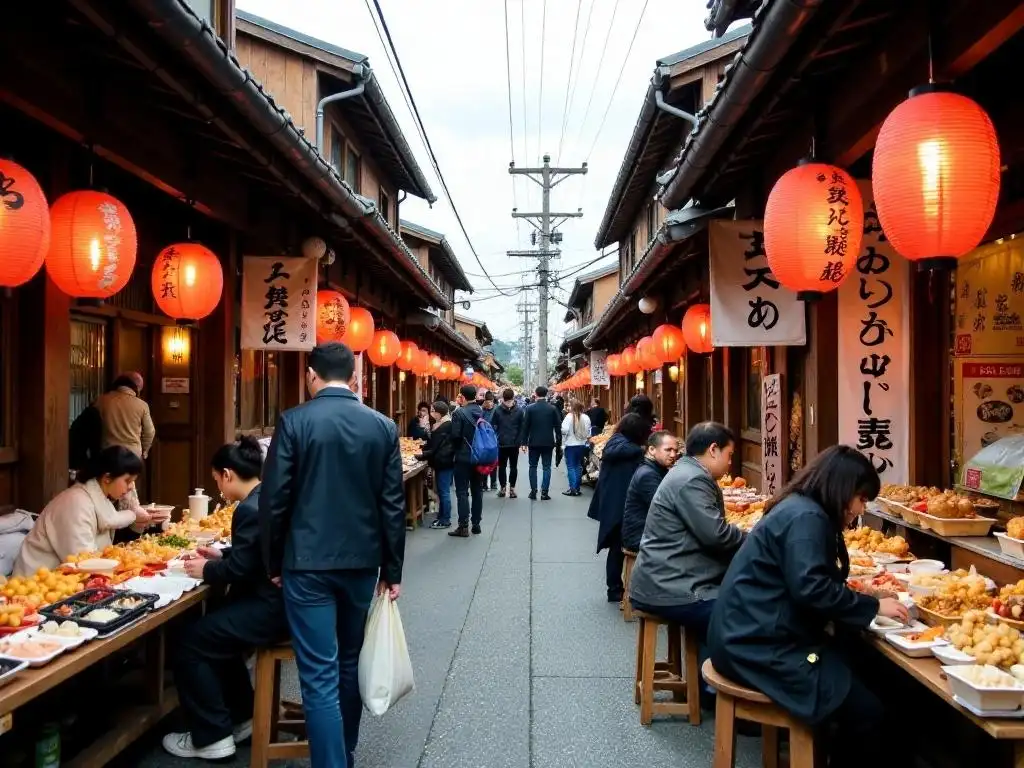
The Edo period, spanning from 1603 to 1868, was marked by a unique social hierarchy that significantly influenced the dynamics between samurai and merchants. This period established a rigid class system that dictated the roles and interactions of various societal groups. At the top of the hierarchy were the samurai, followed closely by farmers, artisans, and finally, merchants. However, the economic prowess of merchants began to challenge traditional norms, leading to a complex interplay between these two classes.
Defining the Class Structures in Edo Society
Edo society was primarily divided into four main classes:
- Samurai: The warrior class, considered the ruling elite, they were tasked with governance and military service.
- Farmers: Responsible for agriculture, farmers were viewed as the backbone of society but held limited power.
- Artisans: Skilled craftsmen who created goods, artisans occupied a middle ground, respected for their craft but subordinate to samurai.
- Merchants: Initially regarded as the lowest class, merchants gradually gained wealth and influence, which disrupted traditional social dynamics.
The Tokugawa shogunate enforced this hierarchy through laws known as the Shinokosho system, which prioritized samurai over merchants. However, as urbanization progressed in Edo, the economic landscapes shifted, allowing merchants to accumulate wealth that often surpassed that of the samurai.
The Samurai Class: Roles and Responsibilities
The samurai class had distinct roles and responsibilities that defined their position in Edo society. Primarily, samurai served as retainers to feudal lords (daimyō) and were expected to uphold values such as loyalty, honor, and discipline. Their duties included:
- Military Service: Engaging in battles and protecting their lord's territory.
- Governance: Managing the affairs of the domain, including tax collection and law enforcement.
- Cultural Patronage: Supporting arts, education, and cultural practices, which reinforced their status.
Despite their esteemed position, many samurai faced financial difficulties as the Edo period progressed, particularly during peacetime, which diminished their need for military engagement. This economic strain led some samurai to seek alternative sources of income, including trade and commerce, blurring the lines between their traditional roles.
In stark contrast to their initial status, merchants became increasingly influential during the Edo period. As cities expanded and trade flourished, merchants played a critical role in the economic dynamics of urban society. Key aspects of the merchant class included:
- Wealth Accumulation: Merchants capitalized on the growing urban economy, leading to significant wealth that often surpassed that of samurai.
- Economic Networks: They established extensive trade networks and became intermediaries between producers and consumers, facilitating the distribution of goods.
- Cultural Impact: As they gained wealth, merchants began to invest in cultural pursuits, such as theater and literature, contributing to the vibrant urban culture of Edo.
Despite their economic power, merchants faced social restrictions. They were often looked down upon by samurai, who viewed them as socially inferior. However, as the Edo period progressed, the blurred lines between economic power and social status prompted a reevaluation of these dynamics, leading to a complex relationship between merchants and samurai.
The Edo period merchant samurai dynamics reflect the evolving economic and social landscape of Japan during this time. The tension between the privileged samurai class and the rising merchant class illustrates the transformative nature of Edo society, where economic power began to challenge traditional hierarchies. This period laid the groundwork for significant societal changes that would emerge in the years to follow.
Economic Interactions Between Merchants and Samurai
The economic interactions between merchants and samurai during the Edo period (1603-1868) were pivotal in shaping the socio-economic landscape of Japan. Despite their distinct social standings, these two classes engaged in a complex web of relationships that significantly influenced the dynamics of Edo's urban society. The period was marked by a strict social hierarchy where samurai held political and military authority, while merchants, often viewed with disdain, became increasingly vital to the economy.
The Edo period saw the rise of a merchant class that was not only essential for trade but also for the overall economic vitality of the region. This interplay of power dynamics and economic necessity created a unique environment where both merchants and samurai had to navigate their positions carefully to maximize their interests.
Trade Practices in the Edo Period
Trade practices during the Edo period were characterized by a combination of local and long-distance commerce. The government imposed strict regulations on trade, allowing merchants to operate within certain boundaries. However, the reality was far more nuanced.
- Marketplaces and Fairs: Urban centers such as Edo (modern-day Tokyo), Osaka, and Kyoto became bustling hubs of commerce. Annual festivals and fairs were significant events where merchants showcased their goods, ranging from textiles to luxury items.
- Barter and Currency: The use of currency became more prevalent, with the introduction of various forms of money, including copper, silver, and gold coins. Merchants adapted quickly, learning to navigate the complexities of currency exchange to optimize their profits.
- Guild System: Merchants often organized themselves into guilds to protect their interests and maintain market stability. These guilds not only facilitated trade practices but also provided a framework for cooperation and competition among merchants.
- Transportation Networks: The development of transportation networks, including roads and waterways, significantly enhanced trade efficiency. The famous Tōkaidō road connected Edo with other major cities, allowing for the rapid movement of goods and information.
Through these practices, merchants established themselves as essential players in the economy, gradually altering their relationship with the samurai class.
Economic Dependencies: Samurai's Reliance on Merchants
While samurai were the ruling class, their economic stability increasingly hinged on the activities of merchants. This dependency can be broken down into several key aspects:
- Income Sources: Many samurai received stipends from their feudal lords, but these were often insufficient for maintaining their status. As a result, samurai began to invest in or partner with merchants to secure additional income, leading to an intricate economic relationship.
- Debt and Loans: Samurai frequently found themselves in debt to merchants. The need to support their lifestyles, especially during peacetime, compelled samurai to borrow money, a practice that created a cycle of dependence. Merchants, in turn, gained leverage over samurai through these financial arrangements.
- Consumer Goods: The samurai class increasingly sought luxury goods, which were primarily produced and sold by merchants. The desire for fine clothing, tea, and other commodities created a market that benefited merchants while simultaneously enhancing the status of samurai who could afford such items.
This economic symbiosis illustrates how the samurai's reliance on merchants shaped their roles in society and led to a shift in power dynamics.
Merchants’ Influence on Samurai Wealth and Power
The growing economic power of merchants during the Edo period had profound implications for the wealth and authority of the samurai class.
- Status through Wealth: As merchants accumulated wealth, they began to gain social standing. The luxury goods they provided not only enriched the samurai's lives but also allowed them to display their affluence, effectively blurring the lines of social stratification.
- Political Connections: Wealthy merchants often sought to cultivate relationships with samurai, providing gifts or financial support to gain favor. This practice enabled merchants to exert influence over local governance and policy, further altering the traditional power dynamics.
- Cultural Exchange: The interaction between merchants and samurai fostered a rich cultural exchange. Merchants introduced new ideas, art forms, and practices that were embraced by samurai, leading to a flourishing urban culture during the Edo period.
The economic dynamics between Edo period merchants and samurai were complex and multifaceted. The interplay of trade practices, economic dependencies, and the influence of merchants on samurai wealth and power reshaped the societal landscape of feudal Japan. Understanding these dynamics is crucial for grasping the broader economic history of the Edo period.
The Impact of Urbanization on Merchant-Samurai Dynamics
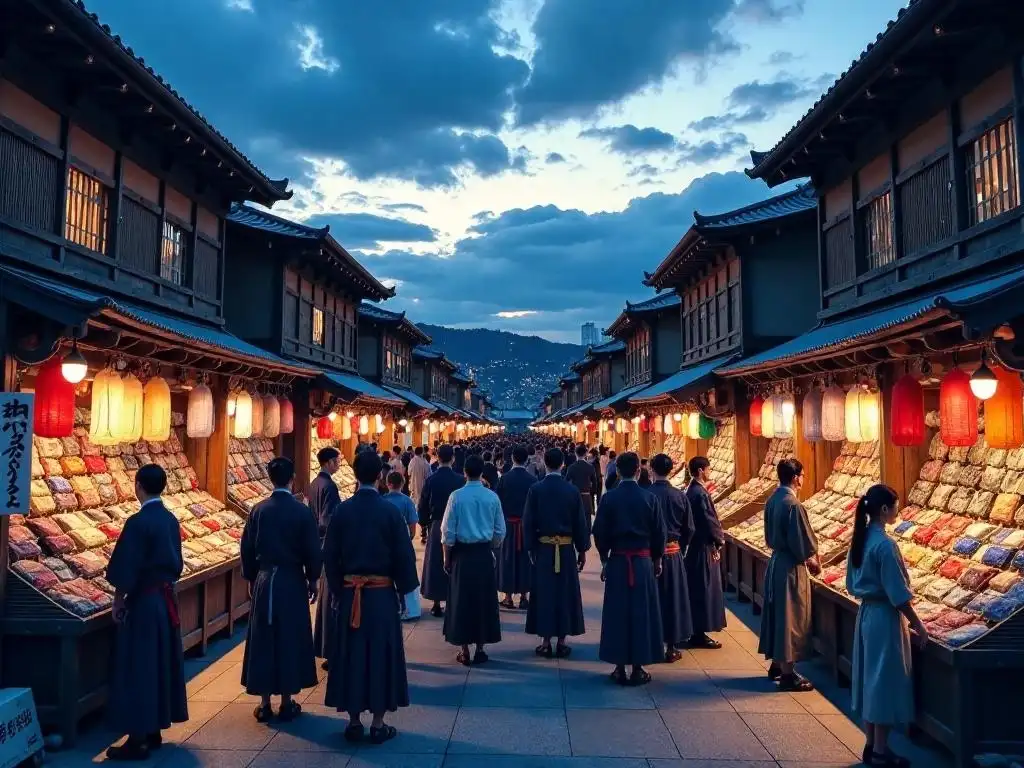
Growth of Edo as a Major Urban Center
The Edo period (1603-1868) marked a transformative time in Japan's history, particularly with the rise of Edo (modern-day Tokyo) as a major urban center. By the mid-18th century, Edo had grown to become one of the largest cities in the world, with a population exceeding one million. This unprecedented urban growth had profound implications for the merchant-samurai dynamics of the period.
- Population Boom: The influx of people into Edo was fueled by several factors, including a flourishing economy, the establishment of a stable Tokugawa shogunate, and improved transportation networks. The city's vast population created a vibrant marketplace, providing merchants with opportunities to thrive.
- Economic Hub: Edo became the political and cultural heart of Japan, attracting not only samurai but also artisans, traders, and laborers. This diversity fostered an environment where commercial activities flourished. Merchants began to accumulate wealth and influence, gradually shifting the traditional power balance that had previously favored the samurai class.
- Infrastructure Development: Developments such as roads, bridges, and marketplaces facilitated trade and communication. Notable examples include the Nihonbashi bridge, which served as a vital commercial hub, connecting various regions and enabling merchants to transport goods efficiently.
Changes in Economic Activities and Opportunities
As Edo evolved into a bustling metropolis, the economic landscape underwent significant transformations that altered the roles of both merchants and samurai.
- Rise of the Merchant Class: With the growing urban population, the merchant class emerged as a powerful economic force. They engaged in various trades, including textiles, rice, and luxury goods. Wealthy merchants began to invest in land and businesses, challenging the samurai's economic dominance. This shift is exemplified by the rise of the chōnin, urban merchants who became integral to Edo's economy.
- Samurai as Bureaucrats: Many samurai transitioned from their traditional roles as warriors to positions within the bureaucratic system. This shift often involved managing land and collecting taxes, which placed them in direct economic competition with merchants. Some samurai began to engage in trade themselves, further blurring the lines between the two classes.
- Emergence of New Markets: The Edo period witnessed the rise of specialized markets, such as those for rice, textiles, and other goods. The daimyo, or feudal lords, controlled large estates and required merchants for their economic survival. As demand for goods increased, merchants took on significant roles in the economic ecosystem of Edo, enabling them to gain social status and influence.
Cultural Exchanges Between Merchants and Samurai
The interaction between merchants and samurai during the Edo period was not limited to economic exchanges; it also fostered rich cultural interactions that shaped Japanese society.
- Patronage and Arts: Wealthy merchants became patrons of the arts, sponsoring cultural activities and artists. This led to the flourishing of ukiyo-e (woodblock prints) and kabuki theater, which were enjoyed by both the merchant and samurai classes. The exchange of ideas and aesthetics contributed to a unique cultural synthesis that characterized Edo society.
- Social Mobility: Although the strict class hierarchy limited social mobility, the economic power of merchants allowed them to gain respect and recognition. Notable examples include the shinpan, merchants who were able to rise to prominence and influence, often acquiring samurai status through wealth and connections.
- Shared Spaces: Public spaces such as tea houses and theaters became venues for interactions between the two classes. These settings facilitated dialogue and cultural exchanges, resulting in a blending of lifestyles and values. Merchants and samurai often mingled at festivals, further solidifying their interdependence within Edo's urban fabric.
The urbanization of Edo significantly influenced the dynamics between merchants and samurai, reshaping social, economic, and cultural landscapes. The collaborative and sometimes contentious relationships between these two classes played a vital role in the development of Edo's urban society, illustrating the complexity of Japan's economic history during the feudal era.
Case Studies of Merchant-Samurai Relationships
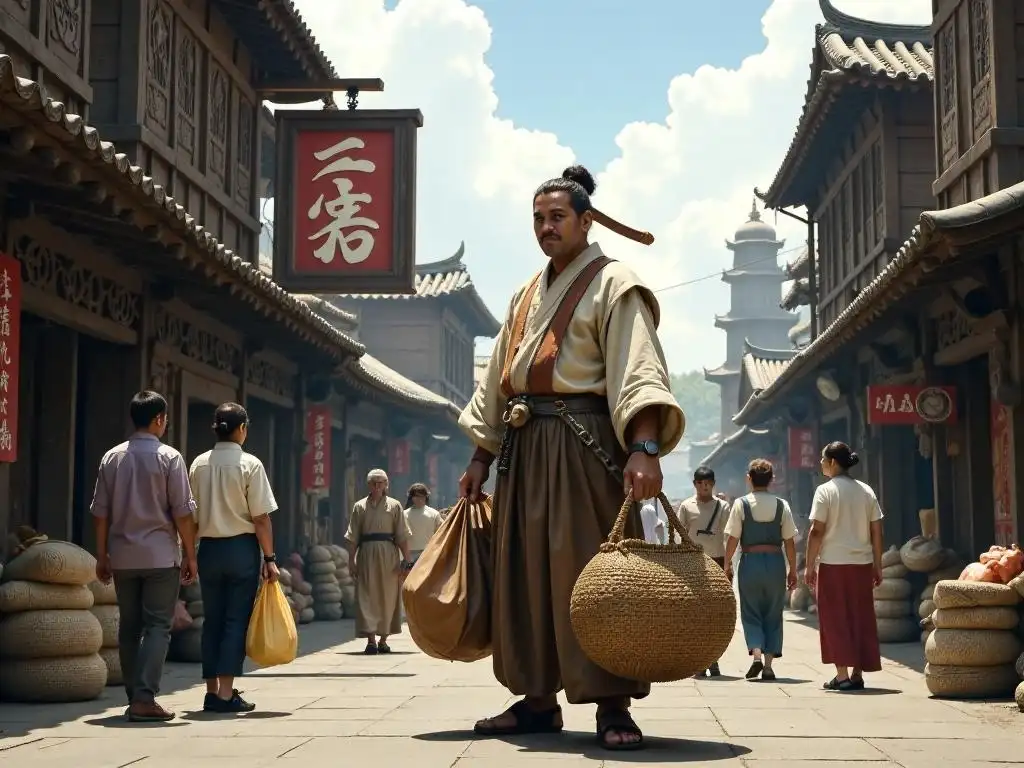
The Edo period, spanning from 1603 to 1868, was marked by significant interactions between merchants and samurai, shaping the economic landscape of urban society. This section explores pivotal case studies that exemplify the dynamics between these two classes, showcasing the intricate relationships that forged the foundation of Edo's economic framework.
Notable Merchant Families in Edo
Edo's merchant class was not monolithic; it consisted of various families that played crucial roles in the economic development of the city. Among these notable families, the Mitsui and Sumitomo clans stand out.
- Mitsui Family:
- Founded in the early 17th century, the Mitsui family became synonymous with the success of the kimono and rice trades. They established a network of shops and expanded their reach through innovative marketing strategies. Their financial acumen was reflected in their ability to lend money to samurai, thereby creating a reliance that blurred class lines.
- Sumitomo Family:
- Originally involved in copper mining, the Sumitomo family diversified their investments into banking and trade. Their strategic partnerships with samurai not only enhanced their wealth but also allowed samurai to gain access to much-needed capital for land and military endeavors.
These families exemplify how merchants leveraged their economic power to influence societal structures and establish lasting legacies during the Edo period.
Samurai Patronage of Merchants and Their Businesses
The relationship between samurai and merchants was often characterized by a system of patronage, where samurai provided protection and status to merchants in exchange for economic benefits. This mutualistic relationship can be observed in various scenarios:
- Financial Support: Many samurai, particularly those with lower ranks, relied on merchants for loans. In return, merchants gained status and security, allowing them to expand their operations. For instance, samurai would often use merchant funds to finance their campaigns or maintain their households.
- Cultural Exchanges: Samurai patronage also extended into cultural realms. Wealthy merchants would sponsor Noh and Kabuki performances, creating a fusion of merchant culture and samurai traditions. This not only elevated merchant status but also allowed samurai to showcase their educational pursuits and cultural literacy.
- Market Control: Through alliances with merchants, samurai could exert control over essential markets. Samurai would often regulate trade practices, ensuring that their patrons benefited from monopolistic advantages. This control played a crucial role in maintaining the social hierarchy while also benefiting the economy.
Conflicts and Collaborations: A Dual Perspective
While the relationship between merchants and samurai was often symbiotic, it was not devoid of conflict. The tensions arising from economic disparities and social mobility created a complex dynamic.
- Tensions and Rivalries: As merchants gained wealth, they began to challenge the traditional authority of the samurai class. This led to instances of rivalry, particularly when merchants sought political power or sought to influence local governance. For example, the Shinmachi Incident of 1730 showcased a clash between wealthy merchants and samurai, highlighting the friction between economic ambition and traditional class structures.
- Collaborative Ventures: Conversely, many instances of collaboration arose from necessity. During times of economic distress, samurai and merchants would come together to address common issues such as famine or societal unrest. These collaborations often resulted in community initiatives and shared resources, reinforcing the idea that despite class differences, both groups were integral to Edo's social fabric.
The dynamics of Edo period merchant-samurai relationships were characterized by a blend of collaboration, conflict, and mutual dependence. Through case studies of merchant families and their interactions with samurai, we gain insights into how economic power shaped societal structures and the intricate balance of urban life during this transformative period in Japan's history.
The Decline of Samurai Influence and Rise of Merchant Power
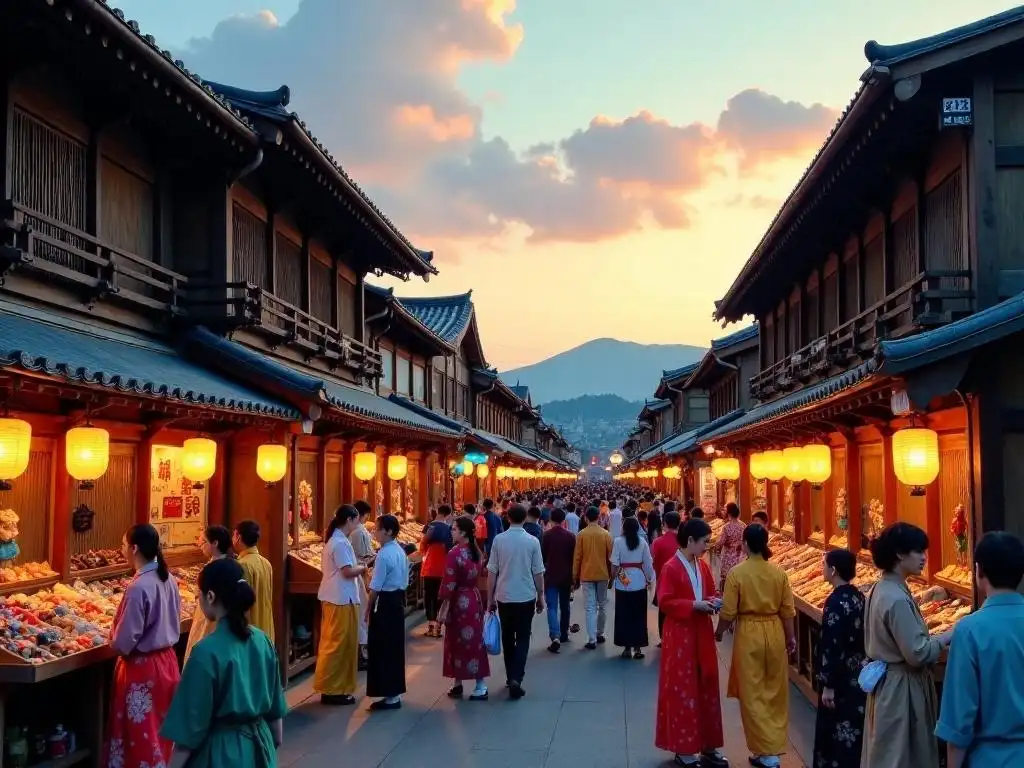
The Edo period (1603-1868) marked a significant transformation in Japan's economic landscape, particularly regarding the relationship between samurai and merchants. This era saw a decline in the traditional power of the samurai class and a corresponding rise in the influence of merchants. Understanding this dynamic is crucial for grasping the complexities of Edo’s urban society.
Factors Leading to the Shift in Economic Power
Several factors contributed to the declining influence of the samurai and the burgeoning power of merchants during the Edo period:
- Economic Centralization:
- The Tokugawa shogunate implemented policies that centralized economic control. This included the establishment of a stable currency system and the regulation of trade routes, which facilitated commerce and encouraged merchant growth.
- The Sankin-kōtai system required daimyo (feudal lords) to spend time in Edo, leading to increased expenditures on luxury items that benefited merchants.
- Decline of Samurai Stipends:
- As agricultural productivity increased, the fixed stipends given to samurai became less sustainable. Many samurai struggled to maintain their status, leading to a loss of their economic power.
- Some samurai began to engage in commercial activities to supplement their incomes, further eroding the distinction between the two classes.
- Urbanization:
- The Edo period experienced significant urbanization, with cities like Edo (now Tokyo) becoming major economic and cultural centers. This shift created a burgeoning marketplace where merchants thrived.
- Increased population density in urban areas fostered a demand for various goods and services, allowing merchants to capitalize on new opportunities.
- Cultural Shifts:
- The rise of a consumer culture, influenced by the merchant class, altered societal values. Luxury items became symbols of status, shifting focus from samurai honor to merchant wealth.
- The flourishing of arts and entertainment, supported by merchants, contributed to the perception of their importance in society.
The Evolving Role of Merchants in Late Edo Society
As the Edo period progressed, the role of merchants evolved significantly:
- Economic Innovators:
- Merchants began to adopt innovative business practices, including credit systems and partnerships, to expand their enterprises. This facilitated a more complex economic environment.
- The rise of merchant guilds allowed for collective bargaining and improved trade practices, enhancing their economic standing.
- Cultural Patrons:
- Merchants became patrons of the arts, supporting kabuki theater, ukiyo-e (woodblock prints), and other cultural endeavors. This patronage not only enriched cultural life but also elevated the status of merchants as influential figures in society.
- The proliferation of entertainment districts, such as Yoshiwara, exemplified how merchants shaped urban culture, creating spaces where commerce and culture intertwined.
- Political Engagement:
- As their wealth grew, some merchants sought greater political influence, engaging in local governance and decision-making processes. This marked a shift from the purely economic role to a more politically involved position within their communities.
- The rise of influential merchant families, such as the Mitsui and Sumitomo, showcased how merchants could leverage their economic power into social and political capital.
Implications for Post-Edo Economic Structures
The decline of samurai power and the rise of merchant influence during the Edo period set the stage for significant changes in Japan's economic structures in the post-Edo era:
- Transition to Modern Economy:
- The economic foundations laid by merchants during the Edo period facilitated Japan’s transition to a modern economy in the Meiji Restoration (1868). The skills and practices developed by merchants became instrumental in industrialization.
- The emergence of a capitalist economy can be traced back to the merchant practices established during the Edo period, underscoring their lasting legacy.
- Social Mobility:
- The growing prominence of merchants contributed to a shift in social hierarchies, allowing for greater social mobility. The rigid class structures of the feudal era began to dissolve, paving the way for a more fluid society.
- This shift laid the groundwork for the emergence of a new middle class that would play a crucial role in Japan’s economic development.
- Cultural Transformation:
- The cultural dynamics established by merchants continued to influence Japanese society, as the blending of commerce and culture remained a hallmark of urban life.
- The prioritization of consumerism and cultural patronage initiated a transformation that would shape Japan's modern identity.
The dynamics between merchants and samurai during the Edo period fundamentally altered Japan's economic and social landscape. The decline of samurai influence and the rise of merchant power not only redefined urban society in Edo but also set the stage for Japan’s future economic development. Understanding these dynamics provides crucial insights into the historical trajectory of Japan's economic history.
Conclusion: The Legacy of Edo Period Merchant-Samurai Dynamics
Summary of Key Economic Interactions
The economic interactions between merchants and samurai during the Edo period (1603-1868) were pivotal in shaping Japan's urban society. The samurai, traditionally seen as the warrior class, began to adapt to the economic realities of an increasingly commercialized society. As their stipends often fell short, many samurai engaged in trade, either directly or through partnerships with merchants. This blending of roles created a complex web of economic relationships that facilitated the growth of urban centers.
- Mutual Dependency:
- Samurai: Relied on merchants for goods, services, and financial support.
- Merchants: Needed samurai protection and status to legitimize their business dealings.
- Innovations in Trade:
- Introduction of new financial instruments, such as bills of exchange and promissory notes, allowed for more sophisticated trade practices.
- The rise of wholesale markets in cities like Edo (Tokyo) enabled merchants to capitalize on mass distribution.
- Cultural Exchange:
- The interactions between these two classes led to a rich cultural exchange, evident in art, literature, and cuisine. For example, the flourishing of ukiyo-e (woodblock prints) depicted the lives of both samurai and merchants, illustrating their intertwined fates.
Reflections on Urban Society and Its Evolution
The Edo period marked a significant turning point in Japan's urban development, primarily driven by the dynamics between merchants and samurai. Cities expanded rapidly, becoming hubs of commerce and culture. This urbanization brought about several societal changes:
- Rise of the Merchant Class: As merchants gained wealth, they began to assert their influence in society, leading to a shift in the socio-political hierarchy. This rising class challenged the traditional power held by the samurai, creating a more diverse society.
- Social Mobility: The interactions allowed for some degree of social mobility, where successful merchants could gain status and even marry into samurai families, further blurring class distinctions.
- Cultural Flourishing: The urban society of Edo became a center for cultural innovation, with the establishment of theaters, teahouses, and festivals. This cultural dynamism was largely fueled by the economic activities of both merchants and samurai, reflecting their collaborative spirit.
Future Implications for Understanding Feudal Japan's Economic History
The intricate dynamics of the Edo period merchant-samurai relationship provide valuable insights into the broader economic history of feudal Japan. Understanding these interactions sheds light on several key areas for future research and analysis:
- Economic Structures: The evolution of economic practices during the Edo period can inform our understanding of how early modern economies functioned within feudal systems, particularly regarding trade networks and financial innovations.
- Class Relations: The changing roles of merchants and samurai can serve as a case study for examining class relations in historical contexts, revealing how economic necessity can reshape social hierarchies.
- Cultural Integration: The legacy of this era highlights the importance of cultural exchange in economic development, suggesting that future studies should explore how cultural dynamics influence economic growth and societal transformation in historical settings.
The Edo period merchant samurai dynamics not only shaped the economic landscape of their time but also left a lasting legacy that continues to resonate in Japan's historical narrative. Understanding these interactions is crucial to comprehending the complexities of feudal Japan's economic history, offering a nuanced perspective on the interplay of commerce, culture, and class.
Frequently Asked Questions
What was the role of merchants during the Edo period?
Merchants played a crucial role in the Edo period, facilitating trade and commerce, which significantly contributed to the urban economy. Despite their wealth, they were often viewed as socially inferior to samurai.
How did the samurai class interact with merchants?
The samurai class had a complex relationship with merchants, often relying on them for financial support while simultaneously maintaining a social hierarchy that placed samurai above merchants.
What were the economic dynamics of Edo's urban society?
Edo's urban society was characterized by a dynamic economy where merchants thrived, creating a flourishing market culture that coexisted with the samurai's need for goods and services.
How did the Edo period influence modern Japanese society?
The Edo period laid the foundations for modern Japanese society, particularly through the establishment of trade networks, urbanization, and the rise of a merchant class that shaped economic practices.
What were the main challenges faced by merchants and samurai during this era?
Both merchants and samurai faced challenges such as economic restrictions, social mobility issues, and the need to navigate the political landscape dominated by the ruling shogunate.
Final Reflection: Understanding the Edo Period Merchant-Samurai Dynamics
In examining the economic dynamics of Edo's urban society, we uncover a rich tapestry of interactions between merchants and samurai that shaped the very fabric of Japanese culture during this pivotal era. The relationship between these two classes was not merely transactional; it was a complex interplay of power, influence, and social mobility that resonates with today's economic landscapes. As we navigate a world increasingly defined by economic stratification, the lessons from the Edo period remind us of the profound impact that class dynamics can have on society as a whole.
The legacy of the merchant-samurai relationship continues to influence our cultural and social landscapes, highlighting the importance of collaboration across different societal roles. This historical dynamic serves as a reminder that economic success is often rooted in the ability to bridge gaps between disparate groups. As we reflect on the past, we can see how these interactions fostered innovation and resilience. In the midst of chaos, there is also opportunity.
– Sun Tzu. This quote encapsulates the essence of the Edo period, where merchants and samurai navigated their respective roles to create a thriving urban society, ultimately leading to a more interconnected community.
As we look to the future, I invite you to reflect on the lessons learned from the Edo period merchant-samurai dynamics. Consider how you can apply these insights in your own life, whether in your professional relationships or community engagements. Embrace the idea that collaboration and understanding across different social strata can lead to greater innovation and harmony. Let us honor the past by fostering connections that transcend boundaries, ensuring that the spirit of cooperation and mutual respect continues to thrive in our modern world.
Unleash the Power of Edo's Economic Legacy!
Thank you for diving into the fascinating world of Edo's urban society! You've uncovered valuable insights into the unique interplay between merchants and samurai that shaped Japan’s past. Now, it’s time to take that knowledge and make it your own!
Here’s how you can start exploring and engaging with this intriguing topic further:
- Dive Deeper: Research a specific merchant or samurai from Edo’s era and share your findings in our comments section. Your insights could inspire others!
- Join the Conversation: Connect with fellow history enthusiasts on social media platforms to share what captivates you about Edo's society.
- Create Your Story: Write a short story or reflection imagining life as a merchant or samurai in Edo. Embrace your creativity and explore how history influences your perspective!
What aspect of Edo's economic dynamics intrigues you the most, and how do you believe it shapes our understanding of modern society?