
Edo Period Architecture: The Harmony Between Nature and Design

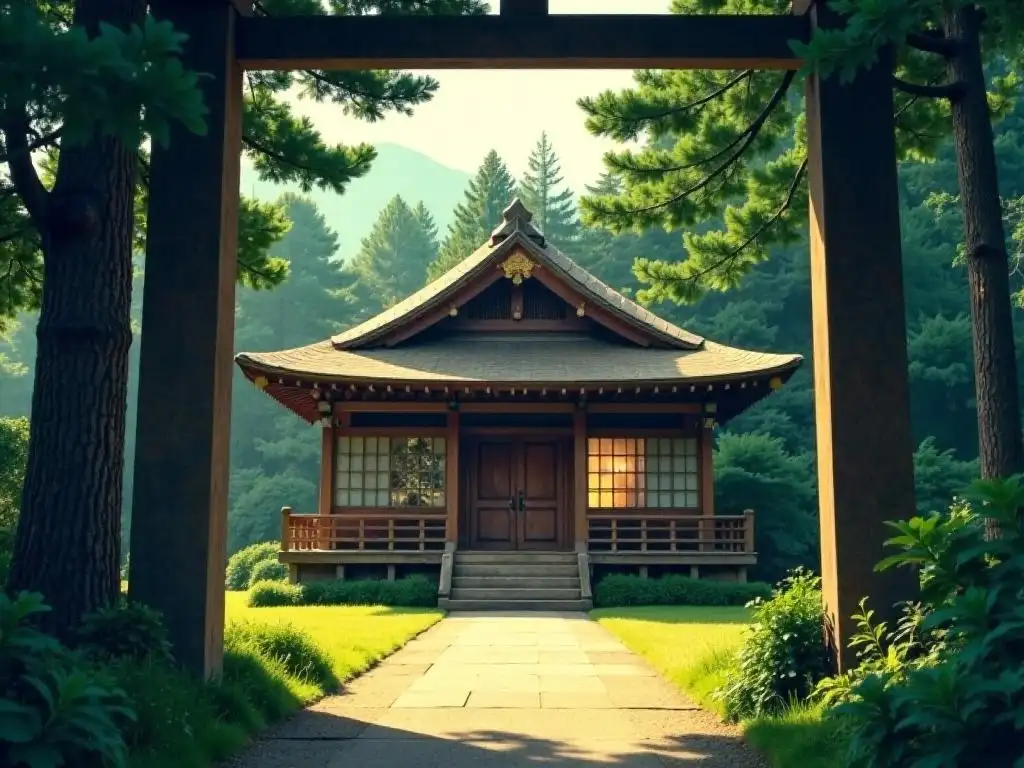
Welcome to Feudal Japan History, where we invite you to embark on a captivating journey through the intricate tapestry of Japan's feudal era. In this exploration, we delve into the Edo period architectural styles, revealing how these remarkable designs harmoniously blend with nature and reflect the cultural ethos of their time. Are you ready to uncover the secrets of elegant wooden structures, serene gardens, and innovative urban planning? Join us as we unlock the doors to a fascinating world shaped by history, culture, and artistry—your adventure begins here!
Introduction to Edo Period Architecture
The Edo period, spanning from 1603 to 1868, marked a transformative era in Japan's cultural and architectural landscape. Known for its relative peace and stability under the Tokugawa shogunate, this period saw not only the flourishing of arts and culture but also significant advancements in architectural styles that harmonized beautifully with the natural environment.
Edo period architectural styles are characterized by their simplicity, functionality, and a profound respect for nature, reflecting the societal values and aesthetic sensibilities of the time. This article delves into the intricate relationship between design and nature, exploring the key characteristics that define the architectural styles of this captivating era.
Overview of the Edo Period (1603-1868)
The Edo period began in 1603 when Tokugawa Ieyasu established a shogunate in Edo, which is present-day Tokyo. This era was marked by the isolationist policies of sakoku, leading to a unique cultural development that was largely self-contained. Major cities like Edo, Osaka, and Kyoto became vibrant centers of commerce and culture. The population grew significantly, and with it, the need for innovative and functional building designs. This period also witnessed the rise of the merchant class, which influenced architectural styles, allowing for a blend of traditional aesthetics with practicality.
Significance of Architecture in Edo Japan
Architecture during the Edo period was not merely about creating shelter; it served as a reflection of social hierarchies, cultural values, and the relationship between humans and nature. Buildings were designed to accommodate the lifestyle of the samurai, merchants, and commoners, showcasing an array of styles that catered to varying needs. Moreover, architecture played a critical role in the expression of Japanese identity, with many structures embodying the principles of harmony, balance, and tranquility.
Main Features of Edo Period Architectural Styles
Edo period architectural styles are distinct, featuring several key elements:
- Tatami Flooring: Traditional straw mats used in many Japanese homes, providing a comfortable and flexible living space.
- Shoji Screens: Sliding doors made of wood and paper that allow for light and air while maintaining privacy.
- Engawa: A wooden corridor that connects the interior and exterior, blurring the lines between indoor and outdoor spaces.
- Curved Rooflines: Architectural designs often included gracefully curved roofs, symbolizing elegance and fluidity.
These features collectively contributed to an architectural style that emphasized simplicity and a connection to nature.
Key Characteristics of Edo Period Architectural Styles
Use of Natural Materials in Edo Architecture
One of the defining characteristics of Edo period architectural styles is the predominant use of natural materials. Wood was the primary building material, chosen not only for its availability but also for its ability to create a warm and inviting atmosphere. Structures were often adorned with subtle wooden carvings that reflected the beauty of nature, enhancing the overall aesthetic.
Integration of Nature in Design
Edo period architecture is renowned for its seamless integration with the surrounding landscape. Gardens, water features, and natural vistas were thoughtfully incorporated into the design of homes and public buildings. This approach fostered a sense of tranquility and harmony, allowing inhabitants to engage with the beauty of nature daily. The design philosophy encouraged open spaces and large windows, promoting natural light and views of the outdoors.
Influence of Zen Philosophy on Architectural Design
Zen philosophy had a profound impact on the architectural styles of the Edo period. Emphasizing simplicity, minimalism, and a deep connection to nature, Zen principles shaped the way spaces were designed and utilized. Elements such as asymmetry, subtle color palettes, and the use of negative space became hallmarks of Edo architecture, reinforcing a sense of peace and contemplation within the built environment.
The architectural styles of the Edo period serve as a testament to Japan's rich cultural heritage, showcasing a harmonious relationship between design and nature that continues to inspire contemporary architecture. Through this exploration, we will further uncover the intricate details and lasting impact of these styles on Japan's architectural narrative.
Types of Edo Period Architectural Styles
The Edo period, spanning from 1603 to 1868, was a time of significant development in architectural styles in Japan. This era saw the emergence of various styles that not only reflected the aesthetic preferences of the time but also the cultural values and social structures of society. Edo period architectural styles are characterized by their close relationship with nature, simplicity, and functionality. Below, we explore some of the most notable styles that emerged during this period.
Sukiya-zukuri: The Art of Simplicity
Sukiya-zukuri is a style that epitomizes the aesthetic philosophy of simplicity and natural beauty. Originating in the tea houses of the late 16th century, this architectural style emphasizes understated elegance and a connection to nature. Key features of Sukiya-zukuri include:
- Natural Materials: The use of wood, bamboo, and paper is prevalent, creating a warm and inviting atmosphere.
- Asymmetrical Designs: Emphasizing balance and harmony, structures often feature irregular shapes and layouts that mimic the organic forms found in nature.
- Tatami Flooring: Rooms are traditionally lined with tatami mats, which add to the natural feel and are integral to the cultural practices associated with tea ceremonies.
Sukiya-zukuri focuses on creating spaces that invite reflection and appreciation of the surrounding environment, making it an essential style in the context of Japanese aesthetics.
Shoin-zukuri: A Blend of Functionality and Aesthetics
Shoin-zukuri is another significant architectural style that emerged during the Edo period, particularly in residential buildings of the samurai class. This style is marked by its sophisticated layout and multifunctional spaces, designed to accommodate both living and working needs. Notable characteristics include:
- Sliding Doors (Fusuma): These partitions allow for flexible room usage, enabling spaces to be adapted based on the occasion.
- Built-in Furniture: The incorporation of built-in features, such as alcoves (Tokonoma) for displaying art, emphasizes both functionality and aesthetic appeal.
- Engawa: The presence of a narrow verandah that connects the interior with the exterior, blurring the boundaries between indoors and outdoors.
Shoin-zukuri reflects a harmonious balance between the practical needs of its inhabitants and the beauty of its surroundings, making it a quintessential representation of Edo period architecture.
Mizuya: The Water Room and Its Importance
The Mizuya, or water room, is a component that holds significant cultural importance within Edo period architecture, particularly in tea houses and traditional homes. This specialized space is dedicated to the preparation and serving of tea, reflecting the integral role of tea ceremonies in Edo society. Key elements include:
- Functional Design: Mizuya is designed for efficiency, with shallow sinks and storage areas for utensils, ensuring that the tea-making process is seamless.
- Natural Lighting: Often featuring large windows, the design maximizes natural light, creating a serene environment conducive to the art of tea preparation.
- Symbolic Connection to Water: Water, a vital element in Japanese culture, symbolizes purity and tranquility, further enhancing the spiritual experience of tea ceremonies.
The Mizuya exemplifies how architecture can serve not just practical purposes but also spiritual and cultural roles within society.
Other Notable Styles: Kura and Machiya
In addition to Sukiya-zukuri, Shoin-zukuri, and Mizuya, other architectural styles also flourished during the Edo period. Two notable styles include:
- Kura: These are traditional storehouses characterized by their thick earthen walls and wooden beams, primarily used for storing goods. Kura are designed to protect contents from fire and pests, showcasing practical architectural ingenuity.
- Machiya: Found mainly in urban areas, machiya are long, narrow townhouses that reflect a blend of residential and commercial space. With an emphasis on functionality, these structures typically feature wooden facades and tatami rooms, allowing for a versatile living arrangement.
These styles further illustrate the diversity and adaptability of Edo period architecture, showcasing how different needs influenced design choices.
The Role of Gardens in Edo Period Architecture
Gardens played a crucial role in Edo period architecture, serving not only as aesthetic enhancements but also as reflections of philosophical ideas about nature and harmony. The integration of gardens with residential architecture created spaces where people could engage with the natural world, reinforcing the cultural belief in the importance of nature.
Traditional Japanese Garden Designs
Edo period gardens are recognized for their meticulous design and thoughtful arrangement of elements. Traditional designs often include:
- Water Features: Ponds, streams, and waterfalls are common, representing the beauty and tranquility of nature.
- Carefully Placed Rocks: Rocks are strategically positioned to symbolize mountains or islands, creating a miniaturized landscape.
- Plant Selection: Seasonal plants are chosen for their colors and textures, ensuring that the garden remains vibrant throughout the year.
These design principles reflect the Japanese aesthetic of wabi-sabi, embracing imperfection and transience in nature.
Symbolism of Nature in Edo Gardens
The gardens of the Edo period were rich in symbolism, often conveying deeper philosophical meanings. Notable symbolic elements include:
- Cherry Blossoms: Representing the fleeting nature of life, cherry blossoms remind viewers of the beauty and impermanence of existence.
- Bamboo: Symbolizing resilience and strength, bamboo is often used in garden designs to convey virtues admired in samurai culture.
- Lanterns: Stone lanterns not only serve as decorative elements but also symbolize enlightenment and spiritual illumination.
This symbolic representation of nature reinforces the cultural narratives that permeated Edo society, making gardens vital to both personal and communal spaces.
The Relationship Between Gardens and Residential Architecture
The relationship between gardens and residential architecture during the Edo period is characterized by a seamless integration that enhances overall living experiences. Key aspects include:
- Visual Continuity: Gardens are designed to be viewed from various rooms, ensuring that the beauty of nature is a constant presence in daily life.
- Pathways and Transitions: Walkways guide inhabitants through the garden, creating a journey that connects indoor and outdoor spaces.
- Meditative Spaces: Gardens serve as retreats for contemplation and relaxation, allowing residents to escape the hustle of everyday life.
This harmonious relationship exemplifies the Edo period's emphasis on balance and unity between architecture and nature, creating living spaces that foster serenity and reflection.
Regional Variations in Edo Period Architectural Styles
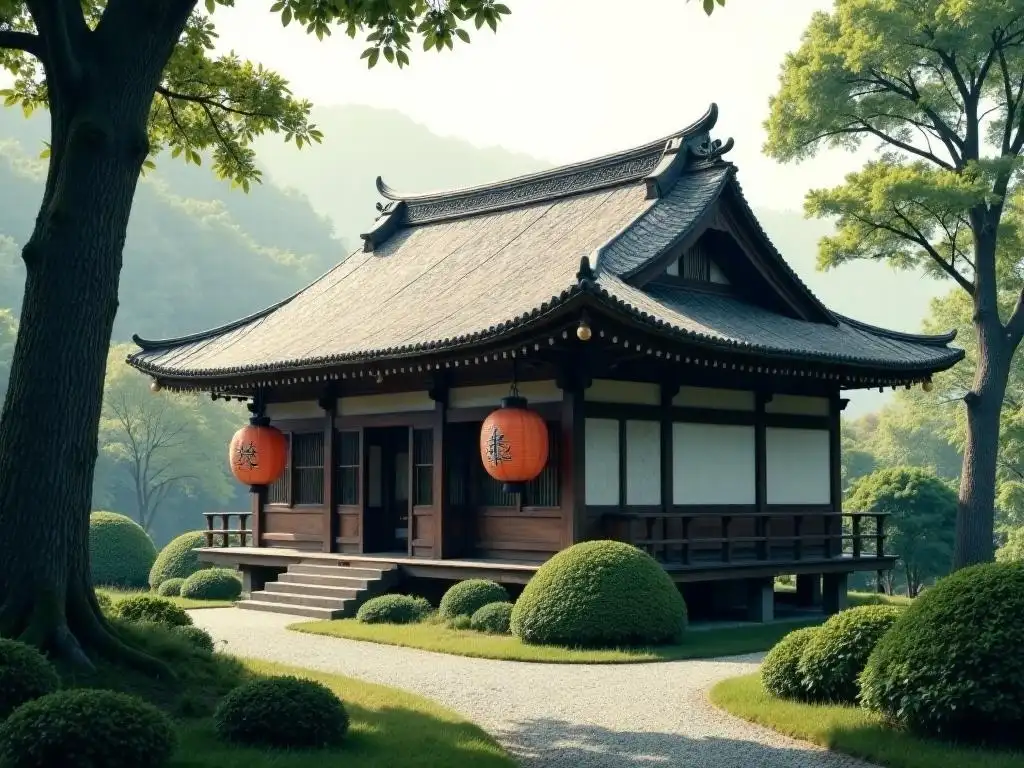
The Edo period (1603-1868) witnessed a rich tapestry of architectural styles that varied significantly across different regions of Japan. These regional differences were influenced by local customs, materials, and socio-economic factors.
Differences Between Urban and Rural Edo Architecture
Urban areas such as Edo (present-day Tokyo) were characterized by a more formal, densely packed architectural style. Buildings in these cities showcased intricate wooden frameworks and elaborate decorations, reflecting the affluence of the merchant class. Townhouses, known as machiya, often featured sliding doors ( fusuma) and tatami mat flooring, maximizing space while maintaining aesthetic appeal.
In contrast, rural architecture was simpler and more functional, focusing on practicality. Farmhouses ( mura) utilized thatched roofs and wooden beams, designed to withstand local weather conditions. The layout of these homes often included a central hearth ( irori) for cooking and warmth, embodying a close relationship with nature and the surrounding environment.
Influences of Local Materials and Climate
Local materials played a crucial role in shaping architectural styles during the Edo period. In coastal regions, buildings were often made from cedar, a wood abundant in forests and resistant to humidity. Meanwhile, in mountainous areas, structures frequently incorporated stone and clay, utilizing resources readily available in the vicinity.
Climate also dictated design choices; for instance, in the colder northern regions, roofs were constructed with steep pitches to prevent snow accumulation. Conversely, in warmer areas, broad eaves were implemented to shield walls from harsh sunlight. This thoughtful integration of natural materials and climatic considerations exemplified the harmony between architecture and the environment.
Case Studies of Notable Edo Period Structures by Region
Several notable structures exemplify the regional variations in Edo period architecture.
- Kinkaku-ji (Golden Pavilion) in Kyoto showcases the elegance of Zen architecture, with its gold leaf-covered exterior reflecting the influence of the shogunate.
- Himeji Castle in Hyogo Prefecture represents the fortifications of the Edo period, combining both defensive capabilities and aesthetic beauty through its intricate design and white plaster walls.
- Shitamachi houses in Tokyo highlight urban living, characterized by their narrow facades and deep interiors, adapted to the bustling life of the Edo period's merchant class.
These case studies illustrate how regional identities influenced architectural styles, resulting in a diverse cultural landscape throughout Japan.
The Evolution of Edo Period Architectural Styles
The architectural styles of the Edo period evolved significantly over its 265-year span, adapting to changes in society, governance, and culture. This evolution is marked by a transition in aesthetic preferences and construction techniques that reflect the dynamic history of the time.
Transition from the Early to Late Edo Period
In the early Edo period, architecture was heavily influenced by the Samurai class, emphasizing strength and fortification. Structures often featured high walls and moats. As the period progressed, particularly in the late Edo period, there was a shift towards more refined aesthetics, influenced by the growing merchant class. The introduction of decorative elements, such as intricate carvings and vibrant colors, became prevalent in urban architecture, showcasing the wealth and status of the owners.
The aesthetics of the late Edo period also embraced a more naturalistic approach, integrating gardens and open spaces into architectural designs. This change marked a significant departure from the earlier utilitarian structures, emphasizing beauty and harmony with nature.
Key Historical Events Shaping Architectural Trends
Several key historical events influenced the architectural trends of the Edo period. The establishment of the Tokugawa shogunate brought about a long-lasting peace known as the Pax Tokugawa, which allowed for economic growth and urbanization. This period of stability led to an increase in cultural pursuits, including architecture.
Additionally, the rise of ukiyo-e (floating world) culture encouraged the development of theaters, teahouses, and pleasure districts designed to cater to the burgeoning merchant class. These spaces needed to be both functional and visually appealing, leading to innovation in architectural styles.
Preservation and Influence on Modern Japanese Architecture
The architectural legacy of the Edo period continues to influence modern Japanese architecture. Many traditional design principles, such as the use of natural materials, open floor plans, and integration with nature, are evident in contemporary structures.
Furthermore, efforts to preserve Edo period buildings have led to the establishment of cultural heritage sites, allowing future generations to appreciate this unique architectural heritage. The emphasis on sustainability and harmony with the environment in modern architecture echoes the philosophies that were integral to Edo period designs, reflecting a continuous dialogue between past and present in Japan's architectural narrative.
Conclusion: The Enduring Legacy of Edo Period Architecture
The architecture of the Edo period (1603-1868) represents a unique confluence of functionality and aesthetic harmony, deeply reflecting the social, political, and cultural dynamics of its time. As we draw our exploration of Edo period architectural styles to a close, it's essential to acknowledge how these structures not only served the needs of their inhabitants but also conveyed a profound respect for nature and the environment. This period laid the groundwork for many architectural principles that are still revered and implemented in contemporary Japanese design.
Lasting Impact on Japanese Culture and Aesthetics
The influence of Edo period architecture extends far beyond its physical structures; it has woven itself into the very fabric of Japanese cultural identity. The use of natural materials, such as wood and paper, along with techniques that prioritize harmony with the surrounding environment, has shaped modern Japanese aesthetics. Concepts like wabi-sabi (the beauty of imperfection) and shakkei (borrowed scenery) originated during this period, promoting an appreciation for simplicity and the impermanence of life.
Moreover, traditional Japanese garden design, which often accompanies Edo architecture, continues to inspire landscape architects worldwide. The principles of balance, asymmetry, and the integration of water elements reflect an enduring legacy that resonates with contemporary environmental design.
Future of Edo Period Architectural Preservation
As interest in preserving historical architecture grows, the Edo period structures face both challenges and opportunities. Many buildings, particularly in urban areas, are at risk due to urban development and modernization. However, initiatives aimed at preserving these historical sites have gained momentum. Organizations and local governments are increasingly recognizing the importance of maintaining these structures as cultural heritage sites.
Preservation efforts often focus on restoring original materials and techniques, while also adapting some features to meet modern safety standards. Educational programs and workshops have been developed to teach traditional building methods, ensuring that knowledge of Edo period architectural styles is passed down to future generations. The integration of Edo architecture into contemporary urban planning also presents a pathway to maintain this legacy while fostering sustainable development.
Final Thoughts on Harmony Between Nature and Design in Edo Architecture
The Edo period stands as a testament to the exceptional ability of Japanese architects and builders to create spaces that resonate with their natural surroundings. The seamless blend of indoor and outdoor environments highlights a philosophy that values nature as an integral part of living spaces. This harmony not only represents a design principle but also embodies a cultural ethos that respects and nurtures the environment.
As we look toward the future, the lessons learned from Edo period architecture can inform contemporary practices, encouraging a return to designs that prioritize ecological sustainability and cultural authenticity. The legacy of the Edo period will undoubtedly continue to inspire architects and designers, ensuring that its principles remain relevant in a rapidly changing world.
References and Further Reading
Recommended Books on Edo Period Architecture
- Edo Architecture: A Cultural History by David A. Young
- The Architecture of Japan by K. A. F. H. A. T. I. K. I. K. O. R. I. (Author Unknown)
- Japanese Architecture: A History by T. M. H. A. S. U. K. A. F. O. U. K. A. G. I. K. I.
Online Resources for Deeper Exploration
- The National Museum of Modern Art, Tokyo - Online exhibitions on Edo architecture.
- Japan National Tourism Organization - Resources on historical sites and Edo period culture.
- Edo-Tokyo Museum - Virtual tours and educational materials.
Documentaries and Visual Guides on Edo Period Design
- Edo: The Last Samurai - A documentary exploring the architecture and culture of the Edo period.
- The Beauty of Japanese Architecture - A visual guide featuring various architectural styles, including Edo period structures.
- Inside Japan's Oldest Buildings - A documentary series highlighting the preservation of historical architecture in Japan.
- Introduction to Edo Period Architecture
- Key Characteristics of Edo Period Architectural Styles
- Types of Edo Period Architectural Styles
- The Role of Gardens in Edo Period Architecture
- Regional Variations in Edo Period Architectural Styles
- The Evolution of Edo Period Architectural Styles
- Conclusion: The Enduring Legacy of Edo Period Architecture
- References and Further Reading
- What is the Edo period known for in terms of architecture?
- How did nature influence Edo period architectural styles?
- What are some key characteristics of Edo period architecture?
- Can you describe the cultural significance of architecture during the Edo period?
- How does Edo period architecture influence modern Japanese design?
Frequently Asked Questions
What is the Edo period known for in terms of architecture?
The Edo period (1603-1868) is known for its unique architectural styles that reflected a harmony between nature and design, incorporating natural elements into urban settings.
How did nature influence Edo period architectural styles?
Architects during the Edo period emphasized natural materials and landscape integration, using features like gardens and water elements to create a serene environment.
What are some key characteristics of Edo period architecture?
Key characteristics include wooden structures, intricate joinery, sliding doors (fusuma), and tatami mat flooring, all designed to enhance the flow of space and light.
Can you describe the cultural significance of architecture during the Edo period?
Architecture during the Edo period served not just functional purposes but also reflected the social hierarchy and aesthetic values, showcasing the importance of artistic expression in everyday life.
How does Edo period architecture influence modern Japanese design?
Many modern Japanese designs still draw inspiration from Edo period architecture, particularly in their minimalist layouts and emphasis on blending with nature, maintaining a sense of tranquility in urban spaces.
Final Reflection: Embracing the Harmony of Nature and Design in Edo Period Architecture
Edo period architectural styles are not merely relics of the past; they resonate deeply with our contemporary quest for balance and sustainability in design. Today, as we grapple with urbanization and environmental concerns, the principles of harmony that defined Edo architecture offer a timeless blueprint. The elegance of these structures, seamlessly integrated with their natural surroundings, reminds us that beauty and functionality can coexist in a world increasingly dominated by concrete and steel.
Edo period architecture has profoundly shaped our cultural landscape, influencing modern design philosophies that prioritize ecological awareness and aesthetic integrity. The enduring legacy of this era is evident in the growing movement towards biophilic design, which seeks to reconnect people with nature through architecture. As architect Tadao Ando once said, The architecture of the future will be a reflection of the natural world, a synthesis of human creativity and the environment.
This sentiment echoes the essence of Edo period styles, where every building was a testament to the delicate balance between human habitation and the natural world.
As we reflect on the lessons from Edo period architecture, let us challenge ourselves to incorporate these principles into our daily lives and design choices. Consider how you can foster a deeper connection with nature in your own environment, whether through mindful landscaping, sustainable materials, or simply appreciating the beauty around you. By embracing the harmony between nature and design, we can create spaces that not only honor our heritage but also inspire future generations to live in greater harmony with the world.
Unveil the Beauty of Edo Architecture Today!
Thank you for exploring the enchanting world of Edo Period architecture with us! We hope you have gained valuable insights into the harmonious connection between nature and design during this transformative era. Now, it's time to take action and deepen your appreciation for this stunning architectural style.
Here’s how you can immerse yourself further:
- Visit a local museum or historical site featuring Edo Period architecture to experience its beauty firsthand.
- Create your own mini Edo garden at home using natural materials to reflect the intricate designs you’ve discovered.
- Share your favorite facts or images about Edo architecture with friends on social media to spark conversations and spread awareness.
What aspect of Edo Period architecture inspires you the most, and how will you incorporate that inspiration into your daily life?