
Navigating Trade Routes: The Intricate Balancing Act of Isolation and Commerce

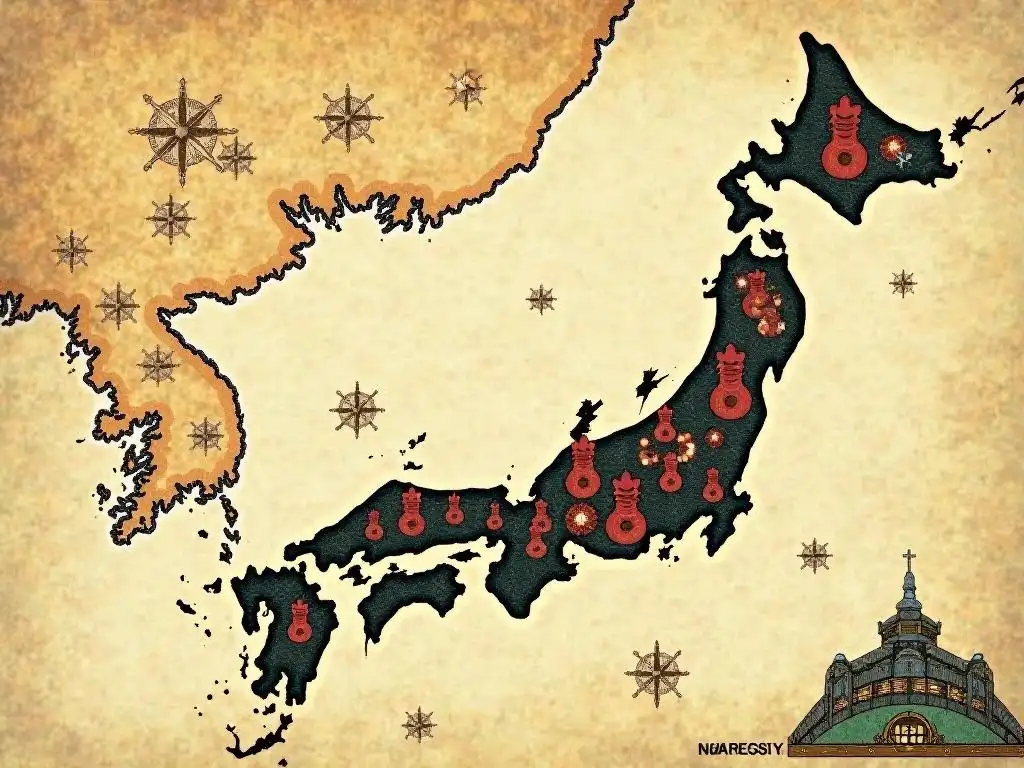
Welcome to Feudal Japan History, where we invite you to embark on a captivating journey through the intricate tapestry of Japan’s feudal era. In our featured article, “Navigating Trade Routes: The Intricate Balancing Act of Isolation and Commerce,” we delve into the fascinating history of Japan's feudal trade routes—a world where isolation met the bustling vibrancy of commerce. What secrets did these routes hold, and how did they shape the cultural and economic landscape of the time?
Join us as we uncover the complexities and nuances that defined this pivotal period in Japanese history, and get ready to explore the connections that continue to resonate today. Your adventure into the past starts here!
Introduction to Japan’s Feudal Trade Routes History
The history of Japan's feudal trade routes represents a fascinating intersection of economic strategy and cultural evolution during a period marked by both isolation and commerce. As Japan transitioned through various feudal periods, particularly from the 12th to the 19th centuries, the nation developed a complex web of trade routes that played a crucial role in shaping its economic landscape.
This intricate balancing act between maintaining isolationist policies while engaging in trade not only influenced Japan's economy but also its societal structures and cultural exchanges. Understanding this dynamic is essential for appreciating how trade routes facilitated the flow of goods, ideas, and cultural practices, despite the overarching theme of seclusion that characterized much of Japan's history.
Overview of Feudal Japan's Economic Landscape
In feudal Japan, the economy was primarily agrarian, with rice serving as the staple currency and a measure of wealth. During this period, local lords, or daimyōs, controlled land and resources, and their power was linked to agricultural productivity. The economic landscape was defined by:
- Agriculture: Rice cultivation was central to the economy.
- Craftsmanship: Skilled artisans produced goods for local consumption and trade.
- Regional Markets: Local markets emerged, facilitating trade among villages and provinces.
Trade routes, both land and maritime, became vital for the distribution of these goods, fostering not just economic interactions but also regional identities.
Importance of Trade Routes in Japan’s Isolationist Policies
Despite the Sakoku (鎖国) policy, which enforced national seclusion from the 17th to the 19th centuries, Japan's trade routes were instrumental in navigating the delicate balance between isolation and commerce. Key features included:
- Restricted Trade: While foreign trade was limited, certain ports, such as Nagasaki, remained open to select foreign merchants.
- Cultural Exchange: Limited contact led to the exchange of ideas, technology, and culture, such as the introduction of Western scientific knowledge.
- Economic Control: The shogunate regulated trade routes to ensure that the economic benefits were contained within Japan's borders, promoting self-sufficiency.
This intricate relationship underscores how Japan managed to maintain a degree of isolation while still engaging with the global economy.
The Historical Context of Japan's Trade Routes
Development of Trade Routes in the Feudal Era
The development of trade routes during Japan's feudal era was influenced by political stability and the rise of centralized power under various shogunates. Major developments included:
- Road Networks: The construction of roads, such as the Tōkaidō, facilitated movement and trade between significant cities.
- Maritime Routes: Coastal trade flourished, with ships transporting goods along the islands, connecting local economies.
- Market Towns: The establishment of market towns along trade routes created hubs for commerce, where goods were exchanged and cultural interactions occurred.
These trade routes were essential for sustaining the feudal economy and fostering regional interdependence.
Key Historical Events Shaping Trade Practices
Several key historical events significantly impacted Japan's trade practices and routes:
- The Unification of Japan (1600): Under Tokugawa Ieyasu, political stability allowed for the expansion of trade networks.
- The Arrival of the Portuguese (1543): European contact introduced new goods and ideas, influencing trade dynamics.
- The Opium Wars (1839-1860): Global pressures led to the eventual opening of Japan's ports, marking the end of its isolationist policies.
These events collectively shaped the trajectory of Japan's trade routes, reflecting the complex interplay between isolation and commerce throughout its feudal history.
The Balance Between Isolation and Commerce
During the feudal era, Japan's approach to trade was characterized by a delicate balance between isolation and commerce. This balance was largely influenced by the political climate, social structures, and economic needs of the time. The Tokugawa shogunate, which ruled from the early 17th to the mid-19th century, implemented strict isolationist policies known as Sakoku. These policies aimed to limit foreign influence and maintain social order, yet they did not completely eradicate trade. Instead, they facilitated a controlled environment where commerce could thrive under regulated conditions.
The shogunate sanctioned limited trade with specific countries, notably the Netherlands and China, which allowed for the inflow of goods and ideas while simultaneously keeping the bulk of foreign influence at bay. This selective engagement led to a unique situation where Japan could benefit from trade without fully opening itself to external cultural and political pressures. The duality of this approach not only shaped Japan’s economy but also reinforced its cultural identity during a time of significant change.
Understanding Japan’s Isolationist Policies
Japan's isolationist policies were formally established under the Tokugawa shogunate in the 1630s, stemming from a desire to curb the influence of Christianity and foreign powers, particularly after the arrival of European missionaries and traders. The Sakoku edicts prohibited Japanese citizens from traveling abroad and strictly limited the presence of foreigners in Japan.
These policies were justified on the grounds of protecting Japan’s sovereignty and cultural integrity. The shogunate viewed foreign trade as a double-edged sword; while it provided economic benefits, it also posed risks to the social fabric. By controlling trade, the government could regulate the flow of goods and ideas, ensuring that they aligned with the state’s interests. The laws allowed for limited trade, which was conducted through designated ports, notably Nagasaki, where the Dutch and Chinese were permitted to trade under strict supervision.
The Role of Foreign Trade in Feudal Japan
Despite the isolationist stance, foreign trade played a crucial role in Japan's economy during the feudal period. The limited engagement with foreign traders allowed for the exchange of various goods, including textiles, spices, and precious metals. For instance, silk from China and Western goods were highly sought after, while Japan exported unique items such as ceramics and silver.
The economic implications of trade were significant; it contributed to the rise of a merchant class that gained wealth and influence despite the rigid class system of feudal Japan. This merchant class became instrumental in developing local economies and facilitating regional trade networks. Furthermore, foreign trade introduced new agricultural practices and technologies, which enhanced productivity and food security. Thus, while Japan maintained a policy of isolation, the controlled trade routes significantly shaped its economic landscape.
The Societal Implications of Trade Routes
Trade routes in feudal Japan had profound societal implications, influencing not only the economy but also the social structure and cultural exchanges within the country. The existence of trade routes facilitated interactions among different classes and regions, leading to a more interconnected society.
Economic Classes and Their Relationship with Trade
The merchant class, known as "chōnin," emerged as a powerful economic force during the feudal period, despite the samurai and agricultural classes traditionally holding higher social status. The rise of the chōnin was largely due to their involvement in trade, which allowed them to accumulate wealth and challenge the existing social hierarchy.
As trade flourished, so did the economic interdependence between different classes. Farmers produced surplus goods, which were traded by merchants, creating a symbiotic relationship that bolstered regional economies. This economic dynamic began to shift societal perceptions, as wealth became a measure of status rather than solely birthright. Consequently, the merchant class's growing influence led to changes in the traditional feudal order, gradually paving the way for a more complex social structure.
Cultural Exchange Through Trade Routes
Trade routes in feudal Japan also served as conduits for cultural exchange, facilitating the flow of ideas, art, and technology. The limited foreign trade allowed for the introduction of various cultural elements, such as Western scientific knowledge, which had a lasting impact on Japanese society.
For example, the importation of Western books and literature during the Edo period sparked interest in new philosophies and scientific advancements, leading to a gradual transformation in education and intellectual pursuits. Additionally, trade routes helped disseminate artistic styles, influencing traditional Japanese art forms. As a result, the interactions fostered by trade routes enriched Japan's cultural landscape, blending indigenous practices with foreign influences while still adhering to the overarching isolationist policies.
The intricate balancing act of isolation and commerce during feudal Japan not only shaped its economic history but also left a lasting imprint on its societal and cultural development.
The Evolution of Trade Routes Over Time
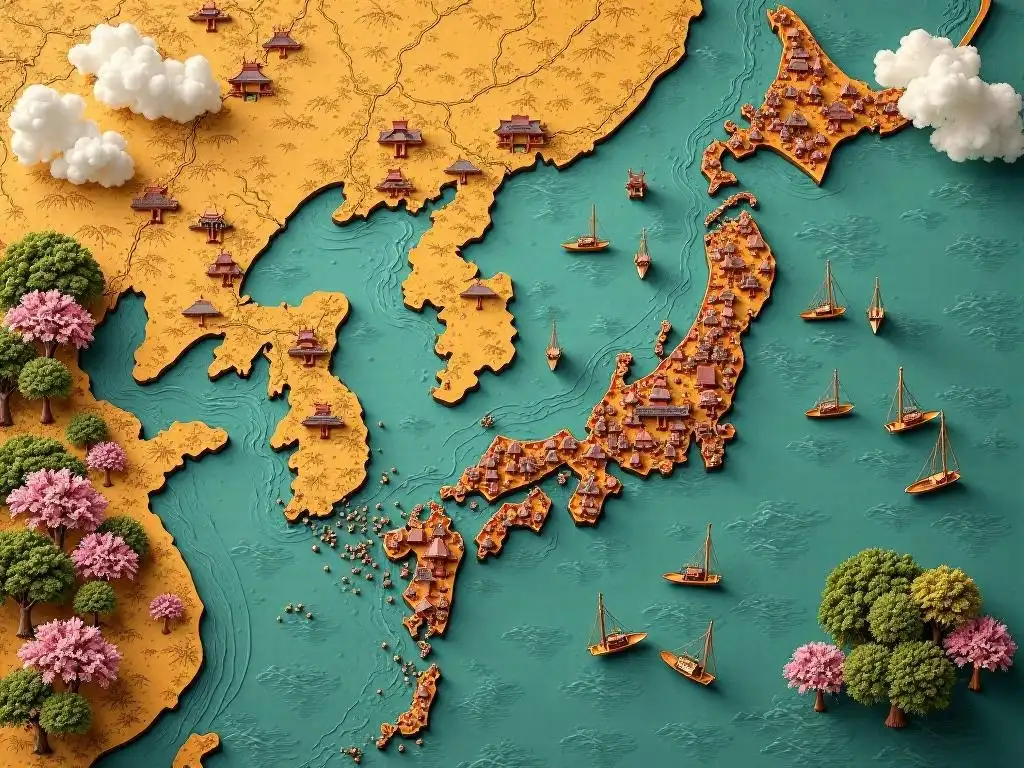
The trade routes of Japan during the feudal era underwent significant transformations, influenced by various political, social, and economic factors. Initially, trade was largely localized, with regional markets exchanging goods such as rice, textiles, and pottery. As the influence of the samurai class grew, so did the need for a more structured trading system that connected different parts of the archipelago.
During the Kamakura period (1185-1333), the establishment of the shogunate led to improved security and a rise in commerce. Trade routes began to expand, linking major urban centers and facilitating the movement of goods. This period saw the emergence of merchant classes, which played a crucial role in the economy. The routes were primarily overland, with merchants relying on caravans to transport goods.
The subsequent Muromachi period (1336-1573) marked a further evolution of trade routes, characterized by the development of maritime trade. The proximity of Japan to China and Korea allowed the exchange of valuable commodities like silk and ceramics, enhancing Japan's trade networks. By the time of the Edo period (1603-1868), a complex web of trade routes had emerged, melding traditional overland paths with maritime routes, thus laying the groundwork for a more integrated economy.
Changes in Trade Dynamics During the Edo Period
The Edo period was pivotal in shaping Japan's trade dynamics, characterized by a strict isolationist policy known as sakoku, which lasted from the early 17th century until the mid-19th century. Despite its isolation, the period was marked by significant commercial growth and the establishment of vital trade routes.
Under the Tokugawa shogunate, Japan adopted a policy of limiting foreign influence while simultaneously promoting domestic trade. This dual approach led to the development of major highways, such as the Tōkaidō and Nakasendō, which facilitated the movement of goods and people between key regions. The shogunate implemented a system of post towns (shukuba) along these routes, providing rest and resupply for travelers and merchants, thereby enhancing trade efficiency.
Furthermore, the Edo period saw the rise of a vibrant merchant class, known as the chōnin, who played a crucial role in the economy. They established trade networks that connected urban centers with rural areas, thereby creating a more robust internal market. This period also witnessed the growth of commodities like cotton and sake, which became significant in trade. Despite the restrictions, Japan's trade routes thrived, demonstrating a complex balance between isolation and economic activity.
The Decline of Isolationist Policies and Opening of Trade
The decline of Japan's isolationist policies began in the mid-19th century, culminating in the arrival of Commodore Matthew Perry in 1853. His expedition forced Japan to reconsider its stance on foreign trade, leading to the signing of the Treaty of Kanagawa in 1854, which marked the end of sakoku. This treaty opened several ports to American ships and set the stage for further international trade agreements.
As Japan transitioned from an isolationist policy to one embracing foreign trade, the historical trade routes that had flourished during the Edo period began to evolve further. The influx of foreign goods, ideas, and technology transformed the economic landscape, leading to a modernization of trade practices and infrastructure. The previously established routes became conduits for international trade, connecting Japan not only with its Asian neighbors but also with Western powers.
The opening of trade routes also led to significant cultural exchanges, as new products and ideas entered Japan, influencing everything from cuisine to fashion. While this shift brought about economic growth and modernization, it also posed challenges to traditional practices and societal structures, ultimately leading to a period of rapid change in Japanese history.
Case Studies of Significant Trade Routes
The Tōkaidō Road: Connecting Major Cities
The Tōkaidō Road, one of the most famous highways in Japan, played a crucial role in the nation's trade and transportation during the feudal era. Stretching approximately 500 kilometers from Edo (modern-day Tokyo) to Kyoto, it connected two of Japan's most significant cities, facilitating not only trade but also cultural exchange.
Established during the early Edo period, the Tōkaidō was lined with post towns (shukuba) that provided services to travelers and merchants. These towns became vibrant hubs of commerce, where goods such as textiles, food, and crafts were exchanged. The road was strategically significant, enabling the swift movement of samurai, merchants, and information across the country, thus enhancing the interconnectedness of various regions.
As a trade route, the Tōkaidō also served as a vital artery for the movement of rice, the staple of the Japanese diet and the economic backbone of the feudal system. Its significance extended beyond commerce; it became a cultural symbol, inspiring artists and writers, particularly during the ukiyo-e movement, which celebrated the beauty of landscapes along the route.
The Nakasendō: A Route of Cultural Exchange
The Nakasendō, or "Central Mountain Route," was another important trade route that connected Edo and Kyoto, running through the mountainous interior of Honshu. Unlike the coastal Tōkaidō, the Nakasendō offered a more scenic and rugged journey, attracting travelers seeking to experience Japan's natural beauty.
This route was not just a means of transportation; it became a vital cultural exchange network. Along the Nakasendō, numerous post towns facilitated trade and communication between regions, allowing for the exchange of goods and ideas. The towns were bustling centers where merchants traded products like lacquerware, textiles, and local delicacies, fostering economic activity.
The Nakasendō also played a significant role in the dissemination of culture. It was a conduit for literary and artistic exchanges, as scholars, poets, and artists journeyed along the route. The experiences and stories gathered during these travels contributed to the rich tapestry of Japanese culture during the feudal era, leaving a lasting impact on the nation's heritage.
Conclusion: The Legacy of Japan’s Feudal Trade Routes History
The intricate trade routes of feudal Japan serve as a testament to the nation’s ability to balance isolation with commerce. These routes were not merely conduits for goods; they represented a complex interplay between cultural exchange, economic necessity, and political strategies. As Japan navigated its isolationist policies, particularly during the Edo period (1603-1868), the nation adapted its trade practices to maintain a unique identity while still engaging with the world beyond its shores. This balancing act laid the groundwork for Japan's future economic landscape, influencing both domestic policies and international relations.
Through the establishment of controlled trade with specific nations, Japan was able to select what cultural influences to absorb while minimizing foreign interference. The legacy of these trade routes is evident in the historical artifacts, culinary traditions, and even the language that emerged from the interactions of the past. The careful curation of trade and isolation allowed Japan to cultivate a rich cultural heritage that still resonates today.
Lasting Effects on Modern Japan’s Economic Practices
The historical context of feudal trade routes has left an indelible mark on modern Japan’s economic practices. The lessons learned from the delicate balance of isolation and trade are reflected in Japan’s contemporary approach to international commerce. For instance, Japan's post-World War II economic boom was heavily influenced by its historical trade strategies, focusing on selective engagement with global markets while preserving national interests.
Modern Japan continues to emphasize both innovation and tradition, much like its feudal predecessors who navigated the complexities of trade. The emphasis on high-quality goods, meticulous craftsmanship, and a strong sense of national identity can be traced back to the values established during the feudal era. Furthermore, Japan's current economic policies often echo the need for strategic partnerships, reminiscent of the controlled trade practices of yore, where the nation sought to enhance its economic standing while safeguarding its sovereignty.
Reflections on the Balance of Isolation and Trade in Historical Context
Reflecting on Japan's historical balance of isolation and trade reveals profound insights into the nation's identity and resilience. The Sakoku policy, enacted in the early 17th century, exemplifies the extreme measures Japan took to preserve its cultural integrity amidst global pressures. While this isolation limited foreign influence, it also fostered a robust internal economy and encouraged the development of unique cultural practices.
The historical trade routes, which were meticulously regulated, facilitated not only the exchange of goods but also the exchange of ideas and technologies. This selective openness allowed Japan to innovate while retaining a strong sense of self. The philosophical underpinnings of this balance can be seen in the way Japan approached foreign interactions, often choosing to engage selectively with nations that aligned with its national interests.
The legacy of Japan’s feudal trade routes history is a rich tapestry that continues to influence the country's economic practices and cultural identity. The lessons drawn from this intricate balancing act remind us of the importance of navigating the complexities of commerce and isolation in an increasingly interconnected world.
- Introduction to Japan’s Feudal Trade Routes History
- The Historical Context of Japan's Trade Routes
- The Balance Between Isolation and Commerce
- The Societal Implications of Trade Routes
- The Evolution of Trade Routes Over Time
- Case Studies of Significant Trade Routes
- Conclusion: The Legacy of Japan’s Feudal Trade Routes History
- What were the main trade routes during Japan's feudal era?
- How did isolation impact Japan's trade during the feudal period?
- What role did the samurai play in trade during feudal Japan?
- How did trade influence Japanese society during the feudal era?
- What were some key products traded in feudal Japan?
Frequently Asked Questions
What were the main trade routes during Japan's feudal era?
The main trade routes included the Silk Road, coastal shipping lanes, and overland paths connecting regional markets. These routes facilitated the exchange of goods, ideas, and culture.
How did isolation impact Japan's trade during the feudal period?
Japan's isolationist policies, particularly during the Edo period, limited foreign trade. However, the government still allowed controlled trade with select nations, promoting a unique blend of commerce and culture.
What role did the samurai play in trade during feudal Japan?
Samurai were primarily warriors, but they also engaged in trade to support their lords and maintain their status. They often protected trade routes, ensuring the safety of merchants and goods.
How did trade influence Japanese society during the feudal era?
Trade led to the rise of a merchant class and contributed to the development of urban centers. This economic shift gradually altered traditional social hierarchies, impacting cultural dynamics.
What were some key products traded in feudal Japan?
Key products included silk, ceramics, and spices. The exchange of these goods not only bolstered the economy but also enriched Japan's cultural landscape, fostering a vibrant trade network.
Final Reflection: The Enduring Legacy of Japan's Feudal Trade Routes
The intricate balance between isolation and commerce during Japan's feudal era remains profoundly relevant today, as we navigate our own global trade dynamics. The historical trade routes of Japan not only shaped its economy but also influenced cultural exchanges that resonate in our interconnected world. As we grapple with the complexities of globalization, the lessons drawn from Japan's past remind us of the delicate equilibrium that must be maintained between embracing external influences and preserving our unique identities.
The impact of Japan's feudal trade routes extends far beyond mere economic transactions; it has woven itself into the very fabric of cultural identity and social structure. The ebb and flow of goods, ideas, and traditions during this period fostered a rich tapestry of interactions that continue to influence contemporary Japanese society. As historian William McNeill aptly stated, “Trade is a bridge between cultures, a pathway that leads to understanding and respect.” This observation underscores the ongoing significance of trade in fostering connections and mutual appreciation among diverse societies.
As we reflect on the lessons from Japan's feudal trade routes, I invite you to consider the role you play in today's global landscape. How can you contribute to a balanced approach that honors both commerce and cultural heritage? By embracing the spirit of exploration and understanding, we can navigate our own trade routes with wisdom, ensuring that we honor our past while forging a future that values both connection and individuality. Let us take these lessons to heart and strive for a world where commerce enriches our lives without compromising our unique identities.
Embark on Your Journey: Explore the Balance of Trade and Isolation!
Thank you for diving into the fascinating world of trade routes in Feudal Japan! Your curiosity about this unique interplay between isolation and commerce not only enriches your understanding but also helps preserve the legacy of this era. Now, let's turn that knowledge into action!
Here are a few exciting ways you can further engage with this captivating topic:
- Dive Deeper! Explore more articles on our site about the significant trade routes and their impact on cultural exchange.
- Join the Conversation! Share your insights on how isolation influences commerce—post a comment below or connect with us on social media.
- Create Your Own Map! Visualize your understanding by illustrating how trade has shaped local cultures in your community or region.
Which aspect of trade and isolation captivates you the most, and in what ways do you think it has influenced our modern world?