
Daimyo and Their Retainers: The Hierarchy of Loyalty

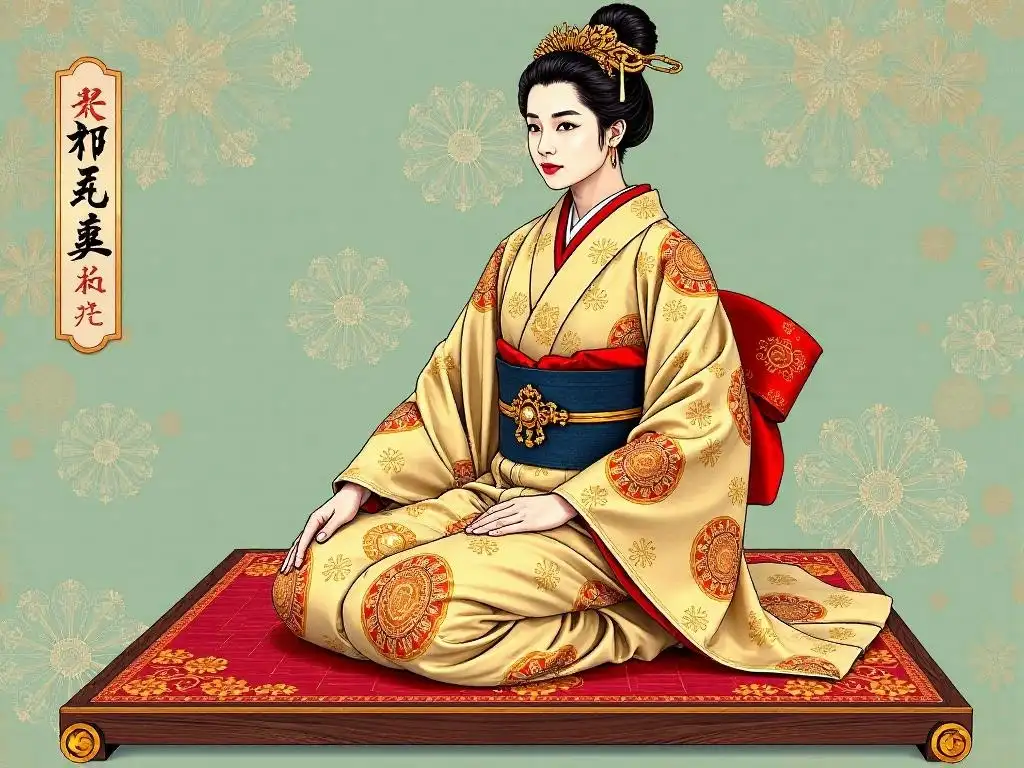
Welcome to Feudal Japan History, where we delve deep into the intricate tapestry of Japan’s feudal era. Here, you will uncover the fascinating dynamics of power that shaped a nation—starting with our spotlight article on the Daimyo retainers' loyalty hierarchy. What drove these warriors to pledge their allegiance, and how did their loyalties influence the very fabric of society? Prepare to embark on a captivating journey through time, as we unravel the political intricacies and cultural nuances that defined this remarkable period. Explore further and discover the secrets that lie within!
- Introduction to Daimyo and Their Retainers
- Understanding the Role of Daimyo in Feudal Japan
- The Concept of Retainers in Feudal Japan
- The Loyalty Hierarchy of Daimyo Retainers
- Case Studies of Notable Daimyo and Their Retainers
- The Evolution of the Daimyo Retainers Loyalty Hierarchy
- Conclusion: The Enduring Legacy of Daimyo and Their Retainers
- Frequently Asked Questions
- Final Reflection: The Enduring Legacy of Daimyo Retainers and Their Loyalty Hierarchy
- Unveil the Bonds of Loyalty!
Introduction to Daimyo and Their Retainers
The feudal era of Japan, spanning several centuries, is marked by a complex tapestry of power dynamics, social hierarchies, and intricate relationships among various classes. At the heart of this system were the Daimyo, the powerful feudal lords who commanded vast domains and wielded significant influence over their territories.
The loyalty of their retainers—samurai and other vassals—was paramount in maintaining their power and ensuring the stability of their rule. This article delves into the Daimyo retainers loyalty hierarchy, exploring the intricate layers of loyalty that defined the relationships between the Daimyo and their retainers, and how these bonds influenced the broader socio-political landscape of feudal Japan.
Overview of the Feudal System in Japan
The feudal system in Japan was characterized by a strict hierarchy that dictated social, political, and economic relationships. During this period, the land served as the primary source of power and wealth, leading to a system where land ownership was intricately tied to allegiance and loyalty.
- Key Components of the Feudal System:
- Emperor: The symbolic figurehead with little real power.
- Shogun: The military dictator who held actual power and authority over the land.
- Daimyo: Feudal lords who governed their own domains and were vassals to the Shogun.
- Samurai: The warrior class who served the Daimyo, bound by a code of loyalty and honor.
- Peasants: The working class who cultivated the land and provided sustenance for the feudal hierarchy.
Within this structure, the relationships between the Daimyo and their retainers were governed by a deep sense of loyalty that went beyond mere duty. The interdependence of these roles forged a unique bond that was essential for the functioning of the feudal system.
Importance of Loyalty in the Daimyo-Retainer Relationship
The loyalty between a Daimyo and their retainers was not simply a matter of obligation; it was a cornerstone of the feudal system that shaped political alliances and social order. This loyalty was often formalized through rituals, oaths, and mutual commitments, reinforcing the bonds that were essential for both parties.
- Elements of Loyalty:
- Personal Loyalty: Retainers owed their allegiance to the individual Daimyo, often stemming from personal relationships and shared experiences.
- Feudal Duty: The expectation of service in exchange for protection and land ownership created a reciprocal relationship.
- Honor and Reputation: The samurai code of Bushido emphasized honor and loyalty, where a retainers’ loyalty was a matter of personal honor.
This intricate loyalty hierarchy was critical during times of conflict and political strife, where the strength of a Daimyo's retainers could determine the outcomes of battles and the survival of their domains. Understanding this loyalty hierarchy illuminates the complexities of power and governance during Japan's feudal era, showcasing the profound impact of personal relationships on political stability and social order.
Understanding the Role of Daimyo in Feudal Japan

Definition and Responsibilities of a Daimyo
The term Daimyo refers to the powerful feudal lords who ruled over vast territories in Japan during the feudal era, particularly from the 12th to the 19th century. These lords played a pivotal role in the political structure of feudal Japan, serving as both military leaders and landowners. Each daimyo governed a specific domain, known as a han, which was often composed of several villages or towns.
The responsibilities of a daimyo were multifaceted and encompassed several critical aspects:
- Governance: Daimyo were responsible for the administration of their domains. This included establishing laws, collecting taxes, and maintaining order among the populace. They were expected to provide justice and ensure the welfare of their subjects.
- Military Leadership: As feudal lords, daimyo were required to maintain a standing army. This included samurai retainers, who were sworn to serve the daimyo in exchange for land and protection. The loyalty of these retainers was crucial for the daimyo to exert control over their territory and defend against rival factions.
- Economic Management: Daimyo oversaw the agricultural production within their domains. They implemented policies that affected farming practices, irrigation, and trade. The wealth generated from these activities was vital for sustaining their armies and fulfilling their responsibilities as rulers.
- Cultural Patronage: Many daimyo were also patrons of the arts and culture. They supported local artisans, encouraged the development of traditional crafts, and sponsored religious institutions, contributing to the cultural richness of their domains.
The intricate balance of these responsibilities highlighted the significant role daimyo played in shaping the social and political landscape of feudal Japan.
The Political Power of Daimyo in the Hierarchy
Daimyo held substantial political power within the feudal hierarchy of Japan, often acting as key players in the dynamics of loyalty and governance. Their influence can be traced through several interconnected factors:
- Feudal Loyalty System: The loyalty of samurai retainers was central to the power structure. Daimyo relied on a network of loyal retainers, who pledged their allegiance and military service in return for land and protection. This relationship created a complex web of loyalty that ensured the daimyo's authority over their domain.
- Land Ownership and Wealth: The wealth derived from land ownership significantly bolstered a daimyo's political standing. The more land a daimyo controlled, the greater their influence and ability to field larger armies. This often translated into increased power during conflicts, such as the Sengoku period, where territorial disputes were common.
- Political Alliances: Daimyo often formed alliances with other lords to strengthen their positions. These alliances could be strategic marriages or military pacts, aimed at consolidating power and expanding territories. Such political maneuvering was essential for survival in a landscape characterized by rivalry and warfare.
- Central Authority vs. Regional Power: While the shogunate represented the central authority, daimyo operated with considerable autonomy within their domains. This tension between central control and regional power highlighted the complexity of governance during the feudal era. The ability of a daimyo to navigate this landscape often determined their success and longevity.
- Impact on Japanese History: The actions and decisions of daimyo had far-reaching consequences for Japanese history. They played crucial roles in events such as the unification of Japan under Oda Nobunaga and Toyotomi Hideyoshi, ultimately shaping the country's transition from a fragmented realm to a centralized state during the Edo period.
The political power of daimyo was deeply intertwined with their relationships with samurai retainers, land ownership, and strategic alliances. Understanding this hierarchy of loyalty provides insight into the complex governance of feudal Japan and the enduring legacy of its political structures.
The Concept of Retainers in Feudal Japan
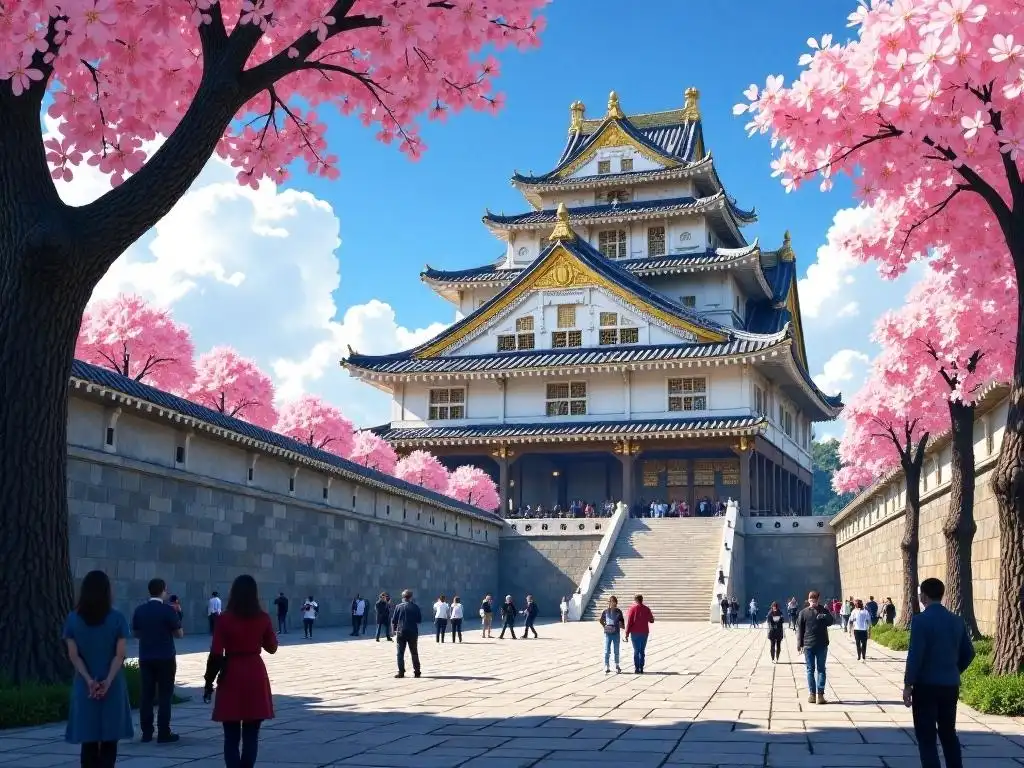
In the feudal structure of Japan, retainers played a crucial role, functioning as the backbone of the daimyō's power and influence. The term retainer refers to individuals who were in service to a higher lord, providing military, administrative, and personal support in exchange for land, protection, and status. This relationship was not merely transactional; it was deeply rooted in the cultural values of loyalty and honor that characterized the samurai class.
Definition of Retainers and Their Role
Retainers, known as gokenin (御家人), were primarily samurai who swore allegiance to a daimyō (大名), a powerful feudal lord. Their responsibilities extended beyond military service; they were also tasked with managing lands, collecting taxes, and maintaining order within their domains. This multifaceted role made them indispensable to the daimyō's governance and military campaigns.
The loyalty of a retainer was crucial, as it was built on a code of conduct known as bushidō (武士道), the "way of the warrior." This code emphasized loyalty, honor, and bravery, creating a bond that transcended mere duty. Retainers were expected to protect their lord's interests, often at great personal risk, and in return, they received not only land and sustenance but also the honor of serving a higher cause.
Types of Retainers: From Samurai to Ashigaru
The hierarchy of retainers was diverse, ranging from elite samurai to foot soldiers known as ashigaru (足軽). Each type of retainer had distinct roles and responsibilities that contributed to the daimyō's authority.
- Samurai:
- The noble warriors who were often the direct vassals of the daimyō.
- They received land (or stipends) in exchange for their military service and loyalty.
- Their training in martial arts and strategy made them the primary combatants in battles.
- Ashigaru:
- These were foot soldiers who served under samurai.
- Often recruited from the peasantry, they provided essential support in battles and could be organized into units.
- Over the years, many ashigaru gained prominence and could rise to samurai status through valor in combat.
- Karo (家老):
- Senior retainers who often managed the daimyō's estate and affairs.
- They acted as advisors and were instrumental in decision-making processes.
- Their loyalty and experience made them key figures in maintaining the stability of the domain.
- Chūnagon (中納言):
- These retainers often held administrative roles, acting as intermediaries between the daimyō and the lower-ranking samurai.
- They were responsible for organizing resources and ensuring that the daimyō’s directives were carried out effectively.
The Importance of Loyalty Among Retainers
Loyalty in the hierarchy of daimyo retainers loyalty hierarchy was paramount, as it underscored the entire feudal system. This loyalty was not simply a matter of obligation but was deeply ingrained in the cultural framework of the samurai ethos. Retainers often participated in elaborate ceremonies and rituals to pledge their allegiance, reinforcing the bonds of loyalty.
The repercussions of disloyalty were severe. Betrayal could lead to death, not only for the traitor but also for their family, illustrating the weight of loyalty in this context. Additionally, loyalty was often tested during times of conflict, as retainers had to decide between their personal ambitions and their allegiance to their lord.
The relationship between a daimyō and their retainers was characterized by a mutual dependence, where loyalty facilitated the stability of feudal Japan. This loyalty was reflected in various aspects of society, from military campaigns to cultural expressions, such as literature and art, further enriching the legacy of feudal Japan.
This exploration of the daimyo retainers loyalty hierarchy highlights the intricate relationships within feudal Japan, underlining the importance of loyalty and the various roles retainers played in sustaining the power of the daimyō.
The Loyalty Hierarchy of Daimyo Retainers

The loyalty hierarchy of daimyo retainers represents a complex web of relationships and obligations that defined the political and social landscape of feudal Japan. At the apex of this hierarchy was the daimyo, a powerful feudal lord who controlled vast territories and commanded the loyalty of his retainers. The retainers, or vassals, were categorized based on their rank, which in turn determined their duties, privileges, and the level of loyalty they owed to their lord. This loyalty was crucial for maintaining the daimyo's power, ensuring stability within the domain, and executing military campaigns.
Structure of the Loyalty Hierarchy
The loyalty hierarchy among daimyo retainers was structured much like a pyramid, with the daimyo at the top and various ranks of retainers below. The structure typically included the following levels:
- Daimyo: The feudal lord, responsible for governance, military leadership, and land management.
- Hatamoto: Direct retainers of the daimyo, often serving as his advisors and military commanders. They were granted land and were integral to the daimyo's military might.
- Gokenin: Lower-ranked retainers who served under hatamoto. They were often responsible for local administration and military duties but had less direct influence over the daimyo.
- Ashigaru: Foot soldiers who could be retainers but were typically lower in status. They were often employed for military campaigns and served at the discretion of their superiors.
- Ronin: Masterless samurai who had lost their daimyo and were often in search of new lords to serve. Their loyalty was unpredictable and could shift based on personal motives.
This hierarchical structure was not merely about rank; it was deeply intertwined with the concept of loyalty. Each level was expected to demonstrate unwavering fidelity to their superiors, often formalized through oaths of loyalty known as "chuugi".
Key Factors Influencing Loyalty Among Retainers
Several factors influenced the loyalty of retainers within the daimyo's hierarchy:
- Economic Incentives: Retainers were often rewarded with land, stipends, and other resources that tied their livelihood to the success of their daimyo. The more significant the rewards, the stronger the loyalty.
- Social Status and Connections: Retainers who belonged to influential families or had strong connections within the court enjoyed elevated status, which fostered a sense of loyalty. Social ties could also lead to marriages and alliances that reinforced loyalty bonds.
- Military Success: Victorious campaigns could enhance a daimyo's prestige and, correspondingly, the loyalty of his retainers. A successful military leader would inspire greater loyalty, as retainers sought to share in the spoils of war.
- Cultural Values: The cultural backdrop of feudal Japan, including Confucian ideals and warrior ethics, emphasized loyalty and duty. These principles were instilled in retainers from a young age, shaping their identities.
Understanding these factors is crucial for comprehending the dynamics of loyalty within the feudal system and how it influenced the broader political landscape of Japan.
The Role of Honor and Bushido in Loyalty Dynamics
Honor and the code of Bushido played significant roles in shaping the loyalty dynamics among daimyo retainers. Bushido, often translated as "the way of the warrior," was a code of conduct that emphasized virtues such as loyalty, honor, courage, and self-discipline.
- Loyalty to the Daimyo: Retainers were expected to display unwavering loyalty to their lord, sometimes even to the point of sacrificing their lives. This loyalty was not only a personal obligation but also a social expectation that reflected the samurai's honor.
- Honor in Warfare: The concept of honor extended into the battlefield. Retainers were expected to fight valiantly and uphold the reputation of their daimyo. Defeating an enemy was not just a matter of territory but also a test of honor.
- Seppuku: In instances where a retainer failed in his duties or brought dishonor to his daimyo, the practice of seppuku (ritual suicide) was seen as a means to restore honor. This extreme measure illustrated the deep-rooted importance of honor in the loyalty dynamics.
The loyalty hierarchy of daimyo retainers was a multifaceted system shaped by social, economic, and cultural factors, with honor and Bushido providing the moral foundation that governed loyalty and service within feudal Japan. Understanding this hierarchy is essential for grasping the complexities of political and social relationships during this pivotal era in Japanese history.
Case Studies of Notable Daimyo and Their Retainers
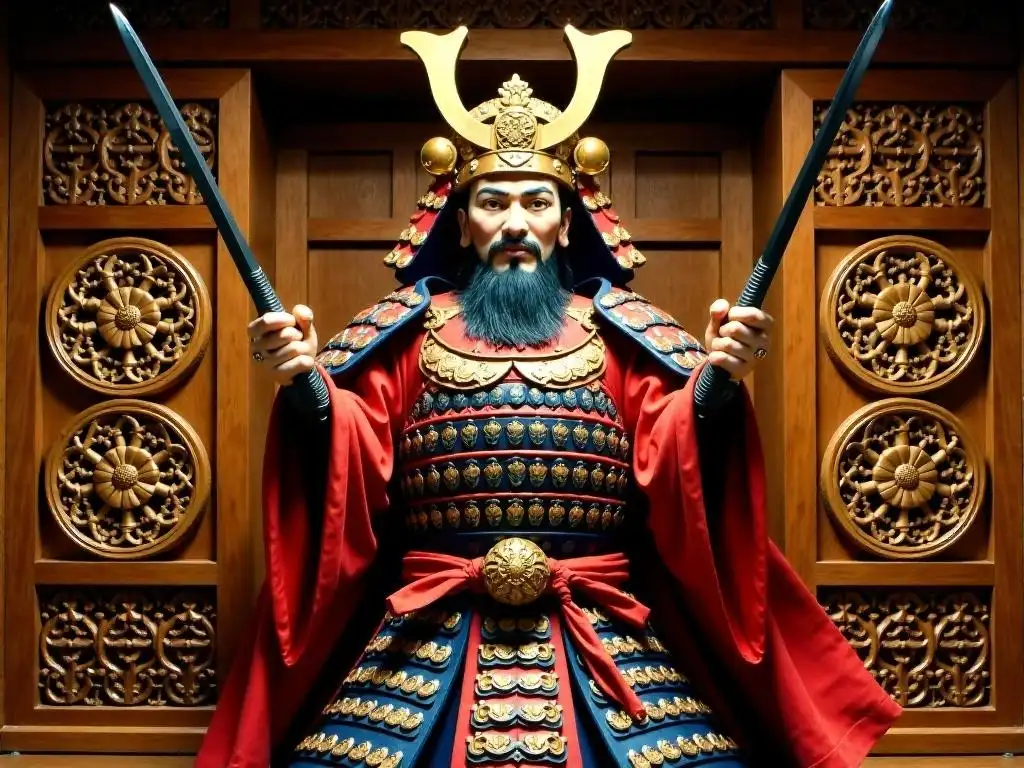
Example 1: Oda Nobunaga and Their Retainers
Oda Nobunaga, one of the most influential figures in Japanese history, was a powerful daimyō during the late 16th century. His strategic brilliance and ruthless ambition allowed him to consolidate power over much of Japan, paving the way for the unification of the country. The loyalty of his retainers was paramount to his success, and his relationship with them exemplifies the daimyo retainers loyalty hierarchy.
Key Retainers
- Toyotomi Hideyoshi: Initially a low-ranking retainer, Hideyoshi's loyalty and strategic acumen helped Nobunaga achieve significant military victories. His rise to prominence illustrates the potential for merit-based advancement within the retainers' hierarchy.
- Akechi Mitsuhide: Although Mitsuhide is often remembered for betraying Nobunaga, his initial loyalty and the trust placed in him highlight the complex dynamics of retainers. This betrayal ultimately led to Nobunaga's downfall, emphasizing the precarious nature of loyalty among samurai.
Loyalty Dynamics
Nobunaga’s retainers were bound by a code of loyalty that was both personal and strategic. He employed a system of rewards and punishments to maintain control, including:
- Land Grants: Retainers were often rewarded with land, which not only secured their loyalty but also provided them with resources to maintain their own vassals.
- Titles and Honors: Bestowing titles elevated the status of retainers and solidified their allegiance.
- Military Command: Entrusting key military roles to loyal retainers allowed Nobunaga to delegate authority while ensuring that his interests were protected.
The loyalty seen in Nobunaga's retainers exemplifies the intricate balance of power and trust that characterized the daimyo retainers loyalty hierarchy.
Example 2: Tokugawa Ieyasu and Their Retainers
Following Oda Nobunaga, Tokugawa Ieyasu emerged as a significant daimyō who established a lasting peace in Japan, known as the Edo period. His approach to managing retainers and loyalty was marked by a calculated and pragmatic strategy that emphasized stability and governance.
Key Retainers
- Mitsunari Ishida: As a prominent retainer, Ishida initially supported Ieyasu during his rise but later became a rival during the Battle of Sekigahara. His story illustrates the complexities of loyalty and rivalry among retainers.
- Kato Kiyomasa: Known for his military prowess, Kiyomasa was one of Ieyasu's most loyal and effective retainers. His commitment to Ieyasu's vision of a unified Japan was critical in bolstering the Tokugawa's power.
Loyalty Mechanisms
Ieyasu implemented various strategies to foster loyalty among his retainers:
- Marriage Alliances: By marrying off his daughters to powerful families, Ieyasu created bonds that extended loyalty beyond mere vassalage.
- Centralization of Power: Ieyasu's establishment of the bakufu (military government) allowed him to consolidate power and reduce the autonomy of his retainers, fostering a centralized loyalty structure.
- Rewarding Loyalty: Ieyasu understood the importance of rewarding loyalty through land allocation, titles, and positions within the government, reinforcing a loyalty hierarchy that ensured stability.
The Tokugawa period exemplifies how Ieyasu's management of his retainers forged a new order of loyalty that became foundational for Japan’s political landscape.
Lessons Learned from Historical Cases
The histories of Oda Nobunaga and Tokugawa Ieyasu provide invaluable insights into the daimyo retainers loyalty hierarchy. Several key lessons can be derived from their approaches:
- The Importance of Meritocracy: Both daimyōs exemplified the potential for social mobility within the retainer system. Meritocratic advancement, as seen with Toyotomi Hideyoshi, encouraged loyalty based on capability and results rather than solely lineage.
- Strategic Alliances: Marriage and alliances were critical in solidifying loyalty and power. By creating familial bonds, daimyōs could secure alliances that transcended traditional vassal relationships.
- Balancing Control and Autonomy: Maintaining a delicate balance between control and the autonomy of retainers was essential. While centralization promoted loyalty, allowing retainers some degree of independence fostered a sense of responsibility and commitment.
- Rewards as a Loyalty Tool: A clear system of rewards and recognition reinforced loyalty. By ensuring that loyal retainers were adequately compensated, daimyōs could maintain a strong and dedicated vassal base.
These lessons continue to resonate in studies of loyalty, leadership, and governance, highlighting the historical significance of the daimyo retainers loyalty hierarchy in shaping Japan's feudal era.
The Evolution of the Daimyo Retainers Loyalty Hierarchy
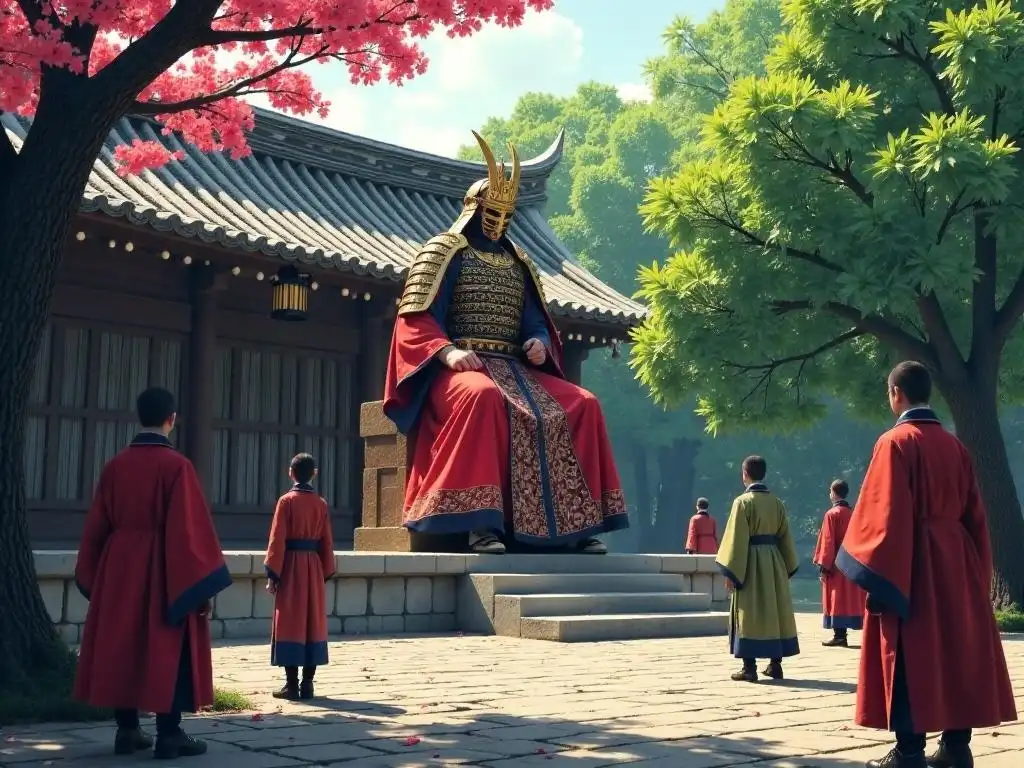
The loyalty hierarchy among daimyo retainers has evolved significantly throughout the feudal era in Japan, particularly influenced by various social, political, and economic factors. This evolution reflects the changing dynamics of power, loyalty, and governance within the samurai class and their relationships with their lords.
Changes During the Edo Period
During the Edo period (1603-1868), significant transformations occurred within the loyalty hierarchy of daimyo retainers. The Tokugawa shogunate established a centralized government, which altered the traditional feudal structure. Here are some notable changes:
- Stability and Control:
- The Tokugawa shogunate's policies aimed at stabilizing the realm resulted in a more rigid class structure. Daimyo were required to maintain a certain number of retainers, which solidified their loyalty through economic dependency.
- The system of sankin-kotai (alternate attendance) mandated that daimyo spend every other year in Edo, effectively keeping their families there as hostages. This practice fostered loyalty by intertwining the lives of retainers with the shogunal court.
- Rise of the Samurai Bureaucracy:
- As the samurai class became more bureaucratic in nature, the retainers' roles evolved from purely military obligations to administrative functions. This shift allowed for a different kind of loyalty based on shared governance and administrative duties.
- Retainers were often assigned specific domains of governance, leading to a complex network of responsibilities that further entrenched loyalty through shared interests in maintaining the daimyo's power.
- Cultural Integration:
- The Edo period saw the proliferation of Confucian ideals, which emphasized loyalty and hierarchies. This cultural shift reinforced existing loyalty structures, as retainers were educated in Confucian principles.
- The emergence of a samurai ethic, emphasizing loyalty (忠義, chūgi), honor, and duty, became a core tenet guiding the behavior of daimyo and their retainers.
The loyalty dynamics among daimyo and their retainers were deeply influenced by broader social and political changes throughout the feudal era. Key factors include:
- Economic Factors:
- The agricultural economy of feudal Japan meant that the loyalty of retainers was often tied to the economic stability of their daimyo's domain. Fluctuations in rice production and taxation could lead to shifts in allegiances.
- In times of economic hardship, some retainers might seek alternative lords, leading to a more transactional nature of loyalty based on material needs rather than mere fealty.
- Political Alliances and Conflicts:
- The rise and fall of various clans influenced the loyalty hierarchy. Alliances formed during times of conflict often dictated the loyalty of retainers, who were compelled to support their daimyo during military engagements.
- The Sekigahara Battle (1600) significantly reshaped loyalty dynamics, as many retainers had to choose sides, demonstrating that loyalty could be swayed by political necessity.
- Social Mobility:
- While the samurai class was generally rigid, there were instances of social mobility that affected loyalty. Successful retainers could rise in status, acquiring land or titles, which in turn encouraged loyalty through mutual benefit.
- The development of merchant classes and their wealth also led to new forms of loyalty, as some retainers found themselves increasingly aligned with prosperous merchant interests rather than traditional samurai values.
The hierarchy of loyalty among daimyo retainers was not static; it changed in response to the evolving political landscape of Japan. Understanding the nuances of these dynamics provides a clearer picture of the complex feudal relationships that characterized Japan's historical narrative.
Conclusion: The Enduring Legacy of Daimyo and Their Retainers
The feudal era of Japan, characterized by the intricate relationships between daimyo and their retainers, has left a lasting impact on the nation’s historical landscape. At the heart of this structure was a loyalty hierarchy that dictated not only military alliances but also social and political dynamics. Understanding this hierarchy is essential to grasp the complexities of feudal Japan, where loyalty was often intertwined with honor, duty, and personal relationships.
The loyalty of retainers to their daimyo was not merely a matter of obligation; it was a deeply embedded cultural value that shaped the very fabric of society. This relationship was often governed by a code of conduct, where loyalty was reciprocated with protection and support. The disintegration of this loyalty, particularly during periods of conflict, could lead to significant power shifts and realignments within the feudal system.
As we reflect on the legacy of these relationships, it becomes clear that the dynamics of loyalty established during the feudal era continue to resonate in modern Japan. The principles of loyalty and hierarchy established by the daimyo and their retainers have influenced contemporary social structures, workplace ethics, and even political affiliations.
Reflection on Loyalty in Historical and Modern Contexts
The concept of loyalty in the context of daimyo and their retainers was multifaceted. In historical terms, loyalty was a binding force that ensured the stability of the feudal system. Retainers were often bound by oaths of loyalty, which dictated their actions and affiliations. These oaths were not taken lightly; they represented a commitment to defend the interests of the daimyo, often to the death.
In modern contexts, the principles of loyalty established during the feudal period can be observed in various aspects of Japanese society. For instance, in corporate culture, the idea of loyalty to one’s employer resembles the loyalty of retainers to their daimyo. Employees often display a strong sense of allegiance to their company, sometimes at the expense of their personal interests. This reflects a cultural continuity of the feudal loyalty hierarchy, where collective interests sometimes supersede individual desires.
Moreover, loyalty in the political arena often mirrors the daimyo-retainer relationships of the past. Politicians may rely on their supporters and aides, akin to retainers, to maintain power and influence, fostering a culture where loyalty can dictate political survival.
The Influence of Daimyo and Retainers on Japanese Culture and Society
The influence of daimyo and their retainers on Japanese culture and society extends far beyond the political sphere. Their relationships shaped various cultural practices, including martial arts, literature, and art.
- Martial Arts: The samurai class, comprised of retainers, developed various martial arts forms that were not only practical for warfare but also became integral to Japanese culture. The philosophy of bushido, or the "way of the warrior," encapsulates the values of loyalty and honor that were prevalent in the relationships between daimyo and their retainers.
- Literature and Arts: The feudal hierarchy inspired numerous literary works, including the famous Tale of the Heike, which explores themes of loyalty, honor, and the transient nature of power. Artists, often patrons of daimyo, created works that celebrated these themes, further embedding the ideals of loyalty within Japanese culture.
- Social Structures: The relationships between daimyo and their retainers also influenced the social hierarchy of Japan. The samurai class, as retainers, held a privileged status, leading to a society that revered individuals who exemplified loyalty and martial prowess. This stratification can still be observed in modern Japanese society, where respect for hierarchy and loyalty remains significant.
The loyalty hierarchy established between daimyo and their retainers has not only shaped the political landscape of feudal Japan but continues to influence modern cultural and societal norms. Understanding this legacy provides valuable insights into the enduring values of loyalty and hierarchy that define Japanese identity today.
Frequently Asked Questions
What is the role of a Daimyo in feudal Japan?
A Daimyo was a powerful feudal lord who governed large estates and had control over their own samurai. They played a crucial role in the political and military structure of Japan during the feudal era.
How did the loyalty hierarchy among Daimyo retainers function?
The loyalty hierarchy was structured so that retainers pledged allegiance to their Daimyo, who in return provided protection and resources. This mutual loyalty was essential for maintaining power and stability within the domain.
What were the expectations of retainers towards their Daimyo?
Retainers were expected to demonstrate absolute loyalty and service to their Daimyo, often through military support or administrative duties. In return, they received land, status, and protection.
How did the loyalty of Daimyo retainers impact society?
The loyalty of Daimyo retainers reinforced the social hierarchy and stability within feudal Japan. Their commitments often influenced political alliances and the overall power dynamics of the period.
What factors could lead to a shift in loyalty among Daimyo retainers?
Factors such as betrayal, changes in political power, or territorial disputes could lead to shifts in loyalty. Retainers might realign themselves with more powerful Daimyo if they perceived a better opportunity for wealth or status.
Final Reflection: The Enduring Legacy of Daimyo Retainers and Their Loyalty Hierarchy
The intricate relationship between daimyo and their retainers is not just a relic of Japan's feudal past; it serves as a profound reminder of the complexities of loyalty and hierarchy that resonate in today's society. In an era where personal and professional loyalties are often tested, understanding the dynamics of these historical relationships can illuminate our own interactions and commitments. The loyalty hierarchy of daimyo and their retainers exemplifies how trust and duty can shape not only individual destinies but also the broader social fabric.
The legacy of daimyo retainers continues to influence modern cultural narratives, emphasizing the importance of loyalty in various forms, whether in business, friendships, or community ties. This historical framework invites us to reflect on our own relationships and the values we uphold. As the scholar John W. Hall once noted, The samurai's loyalty was not merely a matter of duty; it was a profound bond that transcended the individual.
This observation underscores the timeless nature of loyalty and the responsibilities that come with it, reminding us that our connections to others can define our paths and purpose.
As we contemplate the lessons drawn from the loyalty hierarchy of daimyo and their retainers, I encourage you to reflect on your own relationships and the commitments you hold dear. Consider how you can embody the principles of loyalty and duty in your life, fostering connections that are not only beneficial but also deeply rooted in trust and respect. By embracing these values, you can contribute to a culture of loyalty that honors the past while shaping a more connected and compassionate future.
Unveil the Bonds of Loyalty!
Thank you for taking the time to explore the intricate relationships between the **Daimyo** and their loyal **retainers**! Understanding these connections provides a deeper insight into the **feudal systems of Japan** and the principles that shaped its society. Now, let’s transform that knowledge into action!
Here are some steps you can take to delve deeper into this fascinating topic:
- Follow our journey into **Feudal Japan** by subscribing to our newsletter for updates on historical insights and articles.
- Join our online community! Connect with fellow history enthusiasts and share your thoughts on the loyalty and service dynamics that defined this era.
- Explore interactive timelines on our website to visualize the hierarchy of loyalty in a new and engaging way.
What aspect of the **Daimyo-retainer relationship** intrigues you the most, and how do you think it shaped Japan's history? Share your thoughts below!