
The Connection Between Feudal Politics and Martial Arts Development

Welcome to Feudal Japan History, where we invite you to embark on an exhilarating journey through the intricate tapestry of Japan’s feudal era. This is not just a history lesson; it’s a deep dive into the dynamic interplay between feudal politics and martial arts that shaped a nation. Have you ever wondered how the strategies of samurai leaders influenced the evolution of combat techniques?
Our latest article unravels this captivating connection, offering you insights that will ignite your curiosity and deepen your understanding. Join us as we explore the rich cultural and societal undercurrents of this remarkable period—your adventure begins here!
Introduction to Feudal Politics and Martial Arts
The intricate tapestry of feudal Japan presents a unique landscape where politics and martial arts intertwined. During this turbulent era, from the late 12th century to the 19th century, the rise of the samurai class and the establishment of feudal lords created a complex socio-political environment that significantly influenced the development of martial arts.
As we delve into the connection between feudal politics and martial arts, we will uncover how the political structures, social hierarchies, and cultural values shaped the evolution of martial practices, creating a legacy that continues to resonate in modern Japan. Understanding this relationship not only sheds light on the historical significance of martial arts but also highlights their role as a reflection of the political climate of the time.
Overview of Feudal Japan
Feudal Japan was characterized by a system of land ownership and obligations, where powerful lords (daimyō) governed their territories through a network of vassals and samurai. This hierarchical structure was marked by loyalty and military service, as samurai pledged their allegiance to their lords in exchange for land and protection. The political landscape was often fraught with conflict, as rival factions vied for power, leading to a culture steeped in warfare and martial prowess.
Key aspects of feudal Japan include:
- The Rise of the Samurai: The samurai emerged as elite warriors, trained in various martial arts forms, with a code of conduct known as Bushidō guiding their actions.
- Shogunate System: The establishment of the shogunate solidified the power of military leaders, further intertwining governance and martial capability.
- Cultural Flourishing: Despite the tumultuous nature of feudal politics, this era also saw the flourishing of arts, philosophy, and literature, enriching the context in which martial arts developed.
Importance of Martial Arts in Feudal Society
Martial arts were not merely a means of combat; they played a vital role in the social fabric of feudal Japan. They served multiple purposes:
- Military Training: Martial arts provided essential training for samurai, ensuring readiness for battle and the ability to protect their lord's interests.
- Cultural Identity: The practice of martial arts became a symbol of honor and status, deeply rooted in the samurai ethos.
- Philosophical Development: Many martial arts incorporated philosophical teachings, promoting self-discipline, respect, and mental fortitude.
The Role of Feudal Politics in Shaping Martial Arts
The interplay between feudal politics and martial arts development is profound, with various factors influencing how martial practices evolved.
Political Structures of Feudal Japan
The political framework of feudal Japan was foundational to the martial arts landscape. The daimyōs, as landholders and military leaders, dictated the terms of engagement in warfare and consequently influenced martial training. Their decisions regarding alliances, conflicts, and territorial disputes directly impacted which martial arts were prioritized and which techniques were developed.
Influence of Samurai Class on Martial Arts Development
The samurai class was pivotal in the cultivation and refinement of martial arts. As the military elite, samurai were not only warriors but also patrons of various martial arts schools (koryū). Their status allowed them to:
- Sustain Martial Traditions: With resources at their disposal, samurai supported the training of martial arts, ensuring the transmission of knowledge through generations.
- Innovate Techniques: As experienced fighters, samurai contributed to the evolution of martial techniques, blending various styles and creating new forms tailored to the changing dynamics of warfare.
The Relationship Between Feudal Lords and Martial Arts Schools
Feudal lords often established close ties with martial arts schools, recognizing their importance in training capable warriors. This relationship manifested in several ways:
- Patronage and Sponsorship: Lords would sponsor martial arts schools, providing funding and resources in exchange for skilled samurai loyal to their cause.
- Cultural Exchanges: The interaction between lords and martial arts masters facilitated the exchange of ideas and techniques, enriching the martial landscape of feudal Japan.
The connection between feudal politics and martial arts development reveals a dynamic interplay that shaped the identity and practices of a society steeped in conflict and honor. As we explore this relationship further, we will uncover the nuances of how political structures, societal norms, and the samurai ethos contributed to the rich legacy of martial arts in Japan.
Key Historical Events Impacting Martial Arts
The evolution of martial arts in Japan is deeply intertwined with significant historical events that shaped feudal politics. These events not only influenced the methods and techniques of martial arts but also their cultural significance within Japanese society. Noteworthy occurrences such as the rise of the samurai class, the Mongol invasions, and the unification of Japan under the Tokugawa shogunate played crucial roles in the development of martial arts.
The emergence of the samurai in the 12th century marked a pivotal moment in Japanese history. As the ruling class, samurai were not only warriors but also custodians of a unique cultural identity. Their need for effective combat techniques led to the formalization and systematization of martial arts. This period saw the establishment of various schools, each with its distinct style, which were often influenced by the political climate of the time.
The Mongol invasions in the late 13th century further accelerated the development of martial arts. The samurai, tasked with defending Japan, adapted their techniques to counter foreign threats. This period initiated a blending of existing martial practices with new strategies, enriching the martial arts landscape.
Finally, the Tokugawa shogunate, which began in 1603, ushered in a long period of peace known as the Edo period. While warfare decreased, the demand for martial arts training grew as samurai sought to maintain their skills for the potential of conflict. This era saw an emphasis on discipline and philosophical teachings, leading to the refinement of martial arts into more than just combat techniques; they became a means for personal development and cultural expression.
Major Conflicts and Their Influence on Martial Arts Styles
Major conflicts throughout Japan's feudal era had a profound impact on the styles and techniques of martial arts. Each conflict necessitated adaptations in combat practices, leading to the emergence of various martial arts forms that reflected the realities of warfare at the time.
One significant example is the Genpei War (1180-1185), which marked the rise of the samurai class. During this conflict, the need for effective battlefield strategies led to the development of new techniques, particularly in kenjutsu (swordsmanship). The importance of mounted combat also came to the forefront, resulting in the evolution of horseback riding techniques utilized by the samurai.
The Sengoku period (1467-1603), characterized by constant military conflict among regional warlords, further catalyzed martial arts evolution. This era saw the flourishing of numerous schools and styles as samurai sought to gain an advantage over their rivals. Notable techniques such as iaijutsu (the art of drawing the sword) gained prominence, emphasizing speed and precision in combat.
In contrast, the peaceful conditions of the Edo period led to a shift in martial arts focus from battlefield techniques to more philosophical and ritualistic practices. While the martial arts adapted to changing political landscapes, they also preserved the essence of their origins, allowing for a diverse array of styles to emerge.
The Role of Warfare in Evolving Martial Techniques
Warfare played a critical role in shaping martial techniques throughout feudal Japan. As conflicts arose, the need for effective combat strategies and techniques became paramount. Each battle presented unique challenges, driving martial artists to innovate and refine their skills.
For instance, the introduction of firearms in the 16th century dramatically altered the dynamics of warfare. Samurai had to adapt their strategies and techniques to incorporate gunfighting, leading to the development of new schools that focused on both traditional weapons and firearms. This period saw the birth of hybrid techniques that integrated kenjutsu with the use of matchlocks, showcasing the adaptability of martial arts to the ever-changing nature of warfare.
Furthermore, the evolution of military tactics, such as the use of formations and coordinated attacks, influenced martial arts training. The need for teamwork and strategy among samurai led to the development of group training exercises, which became ingrained in martial arts traditions. Techniques were not only focused on individual combat but also on how to effectively work with others in a battlefield scenario.
As warfare progressed into the Edo period, the emphasis shifted from practical combat to preserving techniques for demonstration and personal development. The peace allowed martial artists to explore the philosophical underpinnings of their practices, resulting in a deeper understanding of the martial arts as a way of life rather than merely a means for survival.
Political Alliances and Their Impact on Martial Arts Traditions
Political alliances and feudal relationships significantly influenced the development of martial arts traditions in Japan. As different clans formed alliances or engaged in rivalries, the transfer of knowledge and techniques became commonplace, enriching the martial arts landscape.
For example, the ties between the Takeda and Uesugi clans during the Sengoku period fostered a spirit of competition that encouraged the refinement of techniques. Samurai from both clans exchanged knowledge, leading to the evolution of specific martial arts styles that integrated elements from both traditions. This exchange not only improved combat effectiveness but also fostered a sense of camaraderie and respect among warriors.
Moreover, the unification of Japan under the Tokugawa shogunate further solidified the connection between politics and martial arts. The establishment of a centralized government allowed for the standardization of martial arts practices, as the shogunate encouraged the proliferation of certain styles while suppressing others. This standardization helped preserve various traditions, ensuring their survival despite the changing political landscape.
The influence of powerful patrons, such as feudal lords, also played a crucial role in the development of martial arts. These leaders often supported specific schools or masters, providing them with the resources to flourish. As a result, the martial arts became closely linked with the social and political hierarchies of feudal Japan, shaping the traditions that would endure for generations.
Cultural Exchange and Martial Arts Evolution
Cultural exchange during the feudal era significantly influenced the evolution of martial arts in Japan. As Japan engaged with neighboring countries and facilitated trade and diplomacy, the cross-pollination of ideas and techniques enriched its martial arts traditions.
How Feudal Politics Facilitated Cultural Exchange
Feudal politics created an environment ripe for cultural exchange. As samurai traveled for diplomacy, trade, or military campaigns, they came into contact with different cultures and martial practices. These interactions often led to the adoption and adaptation of foreign techniques and philosophies.
One prominent example of this exchange is the introduction of Chinese martial arts into Japan. Chinese techniques, philosophies, and training methods were absorbed and integrated into existing Japanese practices, resulting in hybrid styles that showcased the best of both worlds. The feudal lords recognized the value of these exchanges, often inviting foreign experts to teach their samurai, further enriching the martial arts landscape.
Additionally, the establishment of trade routes allowed for the flow of not only goods but also ideas. As merchants and diplomats interacted with various cultures, they brought back knowledge that influenced Japanese martial arts. The political climate of the time encouraged these exchanges, as leaders sought to enhance their power and prestige through a deeper understanding of foreign practices.
The Influence of Chinese Martial Arts on Japanese Styles
Chinese martial arts had a profound impact on the development of Japanese martial arts. The philosophical underpinnings and techniques of Chinese martial arts laid the groundwork for various Japanese styles, particularly during the Kamakura period (1185-1333).
One of the most notable influences was the introduction of the concept of Tao (the way) in martial training. This philosophical approach emphasized the importance of self-discipline, mental fortitude, and the pursuit of mastery. Samurai adopted these principles, integrating them into their training regimens, which elevated martial arts beyond mere physical combat to include mental and spiritual development.
The techniques from Chinese martial arts, such as stances and movements, also found their way into Japanese styles. For instance, certain forms of karate and judo exhibit similarities to their Chinese counterparts, showcasing the blending of techniques. This cross-cultural fertilization continued to evolve, giving rise to a myriad of martial arts schools in Japan that reflect this rich heritage.
The Role of Trade and Diplomacy in Martial Arts Development
Trade and diplomacy were crucial factors in the development of martial arts in feudal Japan. The engagement with other nations facilitated the transfer of knowledge and techniques, while also allowing for the introduction of new martial practices.
As Japanese merchants traveled to China and other regions, they encountered diverse martial arts traditions. These experiences often inspired the creation of new styles or the adaptation of existing ones back home. The influence of foreign martial practices led to the evolution of techniques that incorporated elements from various cultures, enriching the martial arts tapestry of Japan.
Moreover, diplomatic missions frequently included martial artists who showcased their skills as a means of fostering goodwill and demonstrating strength. These performances not only promoted martial arts but also established a cultural exchange that allowed for the sharing of techniques and philosophies. The resulting blend of practices contributed to the ongoing evolution of martial arts in Japan, ensuring their relevance and adaptability in an ever-changing political landscape.
The Interplay of Philosophy and Martial Arts in Feudal Politics
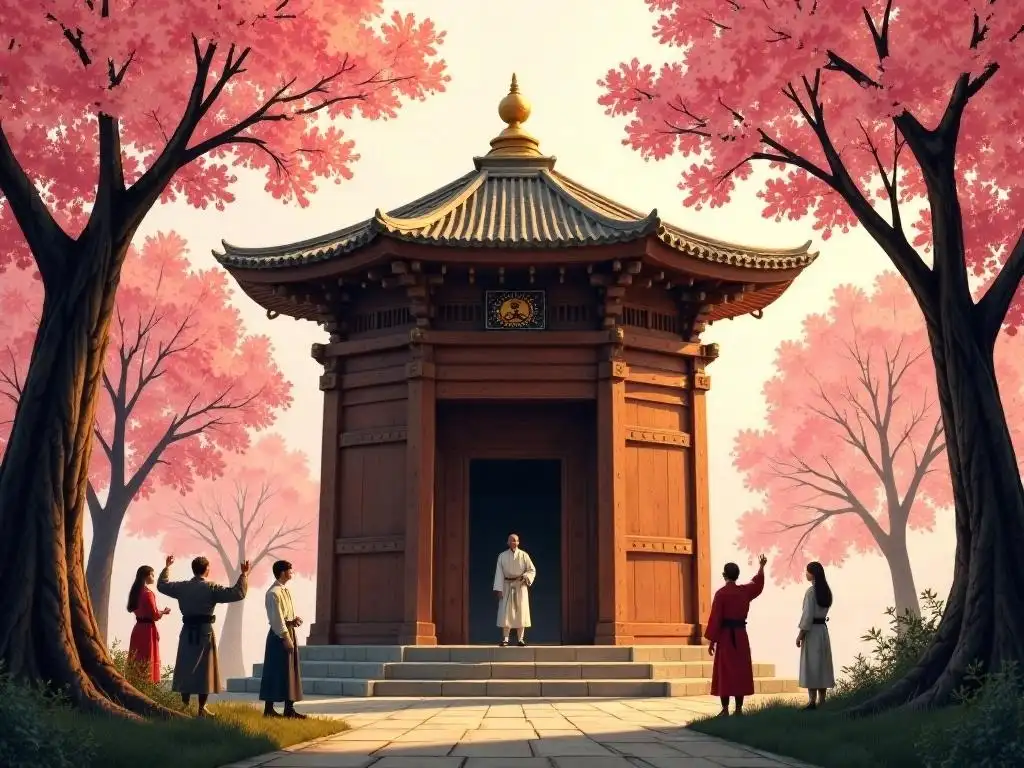
The relationship between feudal politics and martial arts in Japan is deeply embedded in the philosophical underpinnings that shaped the behavior and mindset of warriors. During the feudal era, martial arts were not merely physical disciplines but were closely aligned with the ethical and moral philosophies of the time. This interplay illustrates how martial arts served as a means to uphold the values of loyalty, honor, and duty, which were paramount in the context of feudal politics.
The philosophies that influenced martial arts training were often drawn from various schools of thought, including Confucianism, Buddhism, and Shintoism. Each of these philosophies contributed to the concept of self-discipline, respect for others, and the understanding of one's place within the social hierarchy, all of which were crucial for a warrior navigating the complexities of feudal allegiances and conflicts.
Moreover, the martial arts were seen as an extension of a warrior's duty to protect their lord and community. This connection between martial prowess and philosophical ideals reinforced the notion that a true warrior was not only skilled in combat but also possessed a strong moral compass, making the training in martial arts a holistic endeavor that encompassed both body and spirit.
Bushido: The Way of the Warrior
Bushido, often translated as "the way of the warrior," is the ethical code that guided samurai conduct throughout Japan's feudal era. This code emphasized virtues such as loyalty, honor, courage, and benevolence, which were vital in the tumultuous political landscape of feudal Japan. The principles of Bushido shaped not only the behavior of samurai in battle but also their approach to martial arts.
Martial arts training under the influence of Bushido necessitated a rigorous adherence to these values, fostering an environment where physical strength was complemented by ethical considerations. The samurai were expected to demonstrate self-control and humility, reflecting the belief that martial skill should be used judiciously and never for personal gain or vengeance.
Bushido's impact on martial arts can be seen in various styles that developed during the feudal period, which integrated these ethical teachings into their training regimens. For instance, the practice of swordsmanship was not only a means of combat but also a way to cultivate discipline and mental clarity, reinforcing the samurai's commitment to their lord and peers.
The Ethical Implications of Martial Arts in Political Contexts
The ethical implications of martial arts within the context of feudal politics are significant, as they reveal how martial disciplines were intertwined with the governance and social order of the time. In a political landscape characterized by shifting allegiances and power struggles, the practice of martial arts often served as a reflection of the moral obligations of warriors.
Warriors trained in martial arts were expected to act in accordance with the laws of their feudal lords, adhering to a code of conduct that governed their behavior on and off the battlefield. This ethical framework contributed to the stability of feudal society, as it instilled a sense of responsibility among samurai to protect their communities and honor their commitments.
Moreover, martial arts presented a unique avenue for political expression and influence. As warriors became more proficient in their martial skills, they gained respect and authority within their clans, which could translate into political power. This dynamic often led to the rise of influential samurai who not only excelled in combat but also became key players in the political machinations of feudal Japan.
Philosophical Schools and Their Influence on Martial Arts Training
Various philosophical schools played a pivotal role in shaping martial arts training during Japan's feudal era. Notably, Confucianism emphasized social harmony and the importance of moral education, which influenced the development of martial arts as a discipline aimed at cultivating both physical and ethical excellence. This approach encouraged warriors to view martial training as a means to achieve personal growth and to contribute positively to society.
Buddhism, particularly Zen Buddhism, also had a profound impact on martial arts. The concepts of mindfulness and meditation became integral to training, as they promoted mental clarity and focus—qualities essential for a successful warrior. Zen teachings encouraged practitioners to cultivate a deep understanding of themselves and the nature of conflict, enhancing their martial arts practice with philosophical insights.
Shintoism, the indigenous spirituality of Japan, contributed to the reverence for nature and the spiritual aspects of martial arts. This connection to the divine and the natural world fostered a sense of harmony and balance in martial training, reflecting the samurai's duty to maintain equilibrium in both personal and political realms.
Conclusion: The Lasting Impact of Feudal Politics on Martial Arts
The intricate relationship between feudal politics and martial arts development has left a lasting legacy that continues to influence martial practices today. The values and philosophies instilled during the feudal era shaped not only the training of warriors but also the broader cultural understanding of martial arts as a disciplined and ethical pursuit.
Reflection on the Legacy of Feudal Japan's Martial Arts
The legacy of feudal Japan's martial arts extends beyond mere combat techniques; it encompasses a rich tapestry of philosophical thought and ethical conduct that has endured through generations. Contemporary martial arts practitioners often draw upon these historical foundations, integrating the principles of Bushido and the teachings of various philosophical schools into their training.
This legacy serves as a reminder of the importance of character development alongside physical prowess, encouraging modern martial artists to embody the virtues of respect, honor, and discipline in their practices. The connection to feudal politics provides a historical context that enriches the understanding of martial arts as a cultural and spiritual journey.
Future Implications for Understanding Martial Arts Today
As martial arts continue to evolve in the modern world, the implications of feudal politics and the philosophical teachings that shaped them remain highly relevant. Understanding this historical context can enhance practitioners' appreciation for their art, fostering a deeper connection to the values and ethics that underpin martial disciplines.
Moreover, the ongoing dialogue between martial arts and societal values encourages a reflective approach to training, urging practitioners to consider how their skills can be used for personal development and the betterment of their communities. As we move forward, the lessons drawn from feudal Japan's martial arts heritage will undoubtedly continue to inform and inspire future generations of martial artists.
References
Key Texts and Resources on Feudal Politics and Martial Arts
-
"The Book of Five Rings" by Miyamoto Musashi
A foundational text on strategy, tactics, and philosophy of martial arts, written by one of Japan's most famous samurai. Musashi explores the connection between martial prowess and political power during the feudal era.
-
"Hagakure: The Book of the Samurai" by Yamamoto Tsunetomo
This text offers insights into the samurai code and how political dynamics influenced martial conduct and ethics. It provides a glimpse into the mindset of samurai during the Edo period.
-
"Samurai, Warfare and the State in Early Medieval Japan" by Karl F. Friday
This scholarly work examines the interplay between political structures and martial traditions in Japan's feudal era, highlighting how feudal politics shaped martial arts development.
-
"The Samurai: A Military History" by Stephen Turnbull
A comprehensive overview of samurai history, this book discusses the evolution of martial arts within the context of Japan's feudal systems and their political implications.
-
"Warriors of Japan as Portrayed in the War Tales" by Thomas D. Conlan
This text analyzes historical narratives that reflect the martial practices of samurai, revealing how feudal politics influenced warfare tactics and the development of martial arts.
Suggested Further Reading on Martial Arts Evolution in Feudal Japan
-
"The Secret History of the Samurai" by John Man
This book delves into the life and training of samurai, providing context on how feudal politics influenced their martial skills and societal roles.
-
"Budo: The Martial Way" by G. H. K. T. Shihan
A modern perspective on traditional martial arts, exploring how the principles of feudal politics continue to shape martial practices in contemporary Japan.
-
"Japanese Swordsmanship: Technique and Practice" by Donn F. Draeger
This resource offers an in-depth look at the techniques of swordsmanship that evolved during the feudal era, alongside the political implications of these martial practices.
-
"The Art of War in Japan" by Anthony J. Bryant
This book examines the strategies and philosophies of war in Japan, linking martial arts evolution to the broader context of feudal political structures.
-
"The Dynamics of Power in Japanese History" by John Whitney Hall
A comprehensive analysis of how power dynamics have influenced various aspects of Japanese history, including the development of martial arts as a reflection of feudal politics.
These texts provide a solid foundation for understanding the complex relationship between feudal politics and martial arts in Japan, offering various perspectives and insights into this fascinating aspect of history.
- Introduction to Feudal Politics and Martial Arts
- The Role of Feudal Politics in Shaping Martial Arts
- Key Historical Events Impacting Martial Arts
- Cultural Exchange and Martial Arts Evolution
- The Interplay of Philosophy and Martial Arts in Feudal Politics
- Conclusion: The Lasting Impact of Feudal Politics on Martial Arts
- References
- What is the significance of feudal politics in Japan's history?
- How did martial arts develop during the feudal era?
- What are some key martial arts associated with feudal Japan?
- How did the samurai class influence martial arts?
- What is the relationship between political power and martial arts training?
Frequently Asked Questions
What is the significance of feudal politics in Japan's history?
Feudal politics played a crucial role in shaping Japan's social structure and governance, influencing everything from land distribution to military alliances.
How did martial arts develop during the feudal era?
During the feudal era, martial arts evolved as a means of training for samurai warriors, reflecting the strategic needs of the time and adapting to changing combat techniques.
What are some key martial arts associated with feudal Japan?
Key martial arts include Kendo, Judo, and Aikido, each with roots in the combat techniques and philosophies developed during the feudal period.
How did the samurai class influence martial arts?
The samurai class not only practiced martial arts but also shaped their philosophical underpinnings, intertwining martial skills with ethical principles and spiritual beliefs.
What is the relationship between political power and martial arts training?
Martial arts training was often tied to political power, as those in authority, like the shogunate, promoted martial techniques to ensure loyalty and maintain military strength.
Final Reflection: The Enduring Legacy of Feudal Politics on Martial Arts
The intricate relationship between feudal politics and martial arts development remains profoundly relevant today, as we witness the echoes of historical power dynamics shaping modern practices and philosophies. The evolution of martial arts is not merely a tale of physical prowess; it is a narrative intertwined with the very fabric of societal structures and governance that defined entire eras. Understanding this connection allows us to appreciate the depth and richness of martial arts beyond their combat applications.
Cultural and social landscapes are continuously influenced by the historical interplay of power and discipline, as martial arts serve as a reflection of the values and struggles of their time. The principles of honor, loyalty, and strategy that were essential in feudal societies are still echoed in the teachings of martial arts today. As the renowned martial artist Bruce Lee once said, The martial arts are not about fighting; they are about self-discovery.
This sentiment underscores how martial arts, rooted in feudal traditions, continue to guide individuals in their personal journeys, fostering resilience and self-awareness in an ever-changing world.
As we reflect on the lessons drawn from the intersection of feudal politics and martial arts, I invite you to consider how these insights can be applied in your own life. Embrace the discipline and philosophical teachings of martial arts as tools for personal growth and empowerment. Whether you practice martial arts or not, the principles derived from this rich history can inspire you to navigate your own challenges with honor and purpose. Let the legacy of feudal politics remind us that our actions today can shape the future, just as they have shaped the past.
Unveil the Secrets of Feudal Politics and Martial Arts!
Thank you for exploring the intricate relationship between feudal politics and the development of martial arts in Japan! We appreciate your interest in uncovering these historical connections. Now, it’s time to take the next step and dive deeper into this fascinating world.
Here are some ways you can continue your journey:
- Join a Local Martial Arts Class: Experience the physicality and philosophy of martial arts firsthand. It’s a fantastic way to connect with the rich heritage we discussed!
- Read More about Feudal Japan: Explore additional articles on our site to broaden your understanding of the cultural and political nuances of this remarkable period.
- Share Your Thoughts: Engage in discussions with fellow enthusiasts! Share this article with friends or connect with our community on social media.
How has your understanding of feudal politics influenced your perspective on martial arts today? We’d love to hear your insights in the comments!