
Education Through Art: How Aesthetics Shaped Learning in Feudal Japan

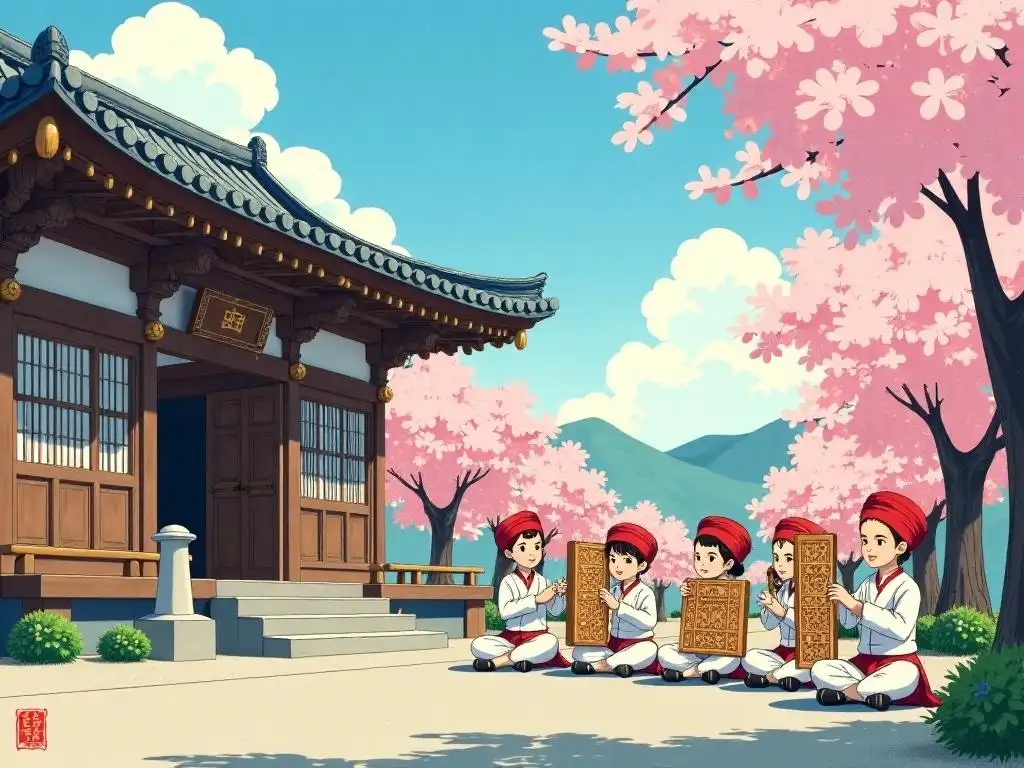
Welcome to Feudal Japan History, where we delve into the rich tapestry of Japan's feudal era, exploring the intricate threads of history, culture, and society. In our featured article, "Education Through Art: How Aesthetics Shaped Learning in Feudal Japan," we invite you to uncover the profound impact of art education on the lives of individuals during this captivating period. What role did aesthetics play in shaping minds and fostering creativity?
Join us on this journey to discover how the beauty of art not only influenced learning but also reflected the values of an entire society. Prepare to be intrigued as you explore the depths of this fascinating aspect of feudal Japan!
- Introduction to Art Education in Feudal Japan
- Historical Context of Art Education in Feudal Japan
- Key Elements of Art Education in Feudal Japan
- Aesthetic Philosophy and Its Impact on Learning
- Art Education Institutions in Feudal Japan
- Comparison of Art Education Approaches
- Case Studies of Notable Artists and Their Educational Contributions
- The Legacy of Art Education in Feudal Japan
- Conclusion: The Lasting Influence of Aesthetics on Learning
-
Frequently Asked Questions
- What role did art education play in feudal Japan?
- How did aesthetics influence the learning process during this period?
- Were there specific art forms that were prioritized in education?
- Did art education differ between social classes in feudal Japan?
- How has the legacy of art education in feudal Japan influenced modern practices?
- Final Reflection: The Enduring Legacy of Art Education in Feudal Japan
- Embrace Your Inner Artist: Make Learning an Adventure!
Introduction to Art Education in Feudal Japan
Art has always been a powerful medium for expression and communication, and its role in education is particularly significant in the context of Feudal Japan. This period, marked by a complex social hierarchy and rich cultural traditions, saw education evolve beyond mere literacy and numeracy, incorporating aesthetics as a core component of the learning experience.
The intricate relationship between art and education during this time not only influenced the skills and knowledge imparted to students but also shaped their worldview and cultural identity. This article delves into the nuances of art education in feudal Japan, exploring how aesthetics were interwoven with learning across various disciplines, from literature and philosophy to martial arts and craftsmanship.
Overview of Education in Feudal Japan
Education in Feudal Japan was primarily accessible to the elite, particularly the samurai class, where the emphasis was placed on moral and ethical education, along with practical skills. Schools, known as terakoya, were established mainly for the sons of samurai and wealthy merchants, focusing on Confucian teachings, literature, and calligraphy. The curriculum was heavily influenced by the Chinese educational system, which valued not only intellectual development but also artistic proficiency.
- Key Features of Education:
- Confucian Influence: Moral development was paramount, with teachings focusing on loyalty, filial piety, and civic duty.
- Artistic Disciplines: Calligraphy, painting, and poetry were integral to the curriculum, fostering creativity and expression.
- Martial Training: Samurai education included physical training, emphasizing the importance of aesthetics in martial arts.
This structured approach to education fostered a culture that appreciated the refinement of skills, where aesthetics were seen as vital to personal and societal development. The beauty of art was not merely for appreciation; it was a form of knowledge that shaped the character and intellect of students.
The Role of Aesthetics in Learning
The aesthetics of art played a significant role in shaping the learning environment in Feudal Japan. The integration of beauty into education served multiple purposes, enhancing both the emotional and intellectual engagement of students.
- Cultivating Sensitivity:
- The study of art nurtured a sensitivity to beauty and nature, which was essential in the samurai's understanding of the world around them.
- Students learned through the appreciation of nature, which was often reflected in traditional Japanese art forms such as ink painting and flower arranging (ikebana).
- Art as a Learning Tool:
- Aesthetic experiences, such as attending performances of Noh theater or engaging in poetry recitals, were crucial for developing critical thinking and emotional intelligence.
- Artistic practices were often used to teach discipline and patience, traits that were highly valued in samurai culture.
- Visual Communication:
- The emphasis on aesthetics also transformed the way students communicated ideas, with art serving as a bridge between complex philosophical concepts and practical understanding.
The intersection of art and education in Feudal Japan was not merely a cultural ornament; it was a foundational element that shaped the educational landscape, influencing how knowledge was imparted and absorbed. Understanding this relationship sheds light on the broader societal values of the time and their lasting impact on Japanese culture.
Historical Context of Art Education in Feudal Japan
The education system in feudal Japan, spanning from the 12th to the 19th century, was deeply intertwined with the prevailing cultural and societal norms of the time. During this period, art education emerged as a significant aspect of learning, reflecting the values and philosophies that shaped Japanese society. The emphasis on aesthetics in education was not merely for the sake of artistic expression; it was a critical component in cultivating moral character, social status, and political acumen among the ruling classes.
Art education in feudal Japan was closely linked to the teachings of Confucianism, which emphasized the importance of moral development and social harmony. This philosophical framework laid the groundwork for educational practices that prioritized the cultivation of virtue through the study of arts and humanities. In this historical context, art became a vehicle for imparting ethical values, discipline, and a sense of responsibility, especially within the samurai class.
The Influence of Confucianism on Educational Practices
Confucianism, introduced to Japan from China, played a pivotal role in shaping educational practices during the feudal era. The philosophy emphasized the importance of education for personal and societal development, advocating for a curriculum that included literature, history, and the arts. Confucian ideals promoted the belief that a well-rounded education would produce not only knowledgeable individuals but also morally upright citizens.
In feudal Japan, educational institutions such as terakoya (temple schools) and han schools (domain schools) adopted Confucian principles. These schools focused on teaching the classics and moral philosophy, but they also integrated artistic disciplines such as calligraphy, poetry, and painting. This integration served multiple purposes:
- Moral Development: Students learned to appreciate beauty in art, which was believed to foster inner virtue.
- Social Status: Mastery of art forms was often a prerequisite for gaining respect and recognition in society, especially among the samurai class.
- Cultural Identity: Art education helped to reinforce a shared cultural identity and social cohesion within the feudal hierarchy.
The teachings of Confucianism thus permeated the educational landscape, cultivating a generation that valued both intellectual and artistic pursuits as essential to their societal roles.
The Samurai's Role in Promoting Art and Culture
The samurai class, as the ruling elite of feudal Japan, played a crucial role in the promotion of art education. Beyond their military responsibilities, samurai were expected to be cultured individuals who embodied the principles of bushido, the way of the warrior. This code not only emphasized martial skills but also the importance of intellectual and artistic development.
Samurai patronage was vital to the flourishing of various art forms. They supported artists, poets, and scholars, ensuring that art education thrived within their domains. Notable contributions from samurai included:
- Calligraphy: Samurai were often trained in the art of calligraphy, which was viewed as a reflection of one's character and discipline. The elegance of their writing was a status symbol.
- Tea Ceremony: The chanoyu, or tea ceremony, became an influential cultural practice among the samurai. It combined aesthetics, philosophy, and hospitality, emphasizing the importance of mindfulness and appreciation for beauty.
- Martial Arts: The practice of martial arts was infused with aesthetic principles, focusing on form and grace. This blend of physical and artistic training reflected the samurai's belief in the harmony of body and mind.
The samurai's dedication to art and culture significantly shaped the landscape of art education in feudal Japan. By intertwining military prowess with artistic expression, they created a legacy that emphasized the importance of aesthetics in the broader educational framework. This dual focus on art and education not only enriched individual lives but also contributed to the cultural richness that defines Japan's feudal history.
Key Elements of Art Education in Feudal Japan
Traditional Art Forms and Their Educational Value
In feudal Japan, art education was deeply interwoven with cultural values and societal structures. The emphasis on aesthetics in learning was not merely about skill acquisition but also about fostering discipline, patience, and an appreciation for beauty. Various traditional art forms played a significant role in the educational landscape, each offering unique insights and teachings. These art forms included Ikebana, calligraphy, and visual arts, all of which contributed to a holistic educational experience reflective of the broader cultural ethos of the time.
Ikebana: The Art of Flower Arrangement
Ikebana, the refined art of flower arrangement, served as an essential educational tool in feudal Japan. It was more than just arranging flowers; it was a discipline that emphasized balance, harmony, and simplicity. Students engaged in Ikebana learned to observe nature closely, understanding seasonal changes and the characteristics of different plants.
- Philosophical Foundations: The practice was steeped in Zen principles, encouraging practitioners to meditate on the beauty of nature and the transience of life. This aspect fostered mindfulness and a deeper appreciation for the world around them.
- Techniques and Styles: Various styles of Ikebana, such as Rikka and Nageire, taught students different principles of composition and arrangement. Each style required a nuanced understanding of form, line, and space, promoting critical thinking and creativity.
Through Ikebana, students learned not only the technical aspects of floral design but also invaluable life lessons about balance and aesthetics, making it a cornerstone of art education in feudal Japan.
Calligraphy: The Beauty of Written Language
Calligraphy, or shodō, was another vital component of art education in feudal Japan. The act of writing was elevated to an art form, emphasizing the beauty of brush strokes and the elegance of kanji characters.
- Cultural Significance: Calligraphy was considered a reflection of one’s character. Mastery of this art form was often associated with scholarly pursuits and was a mark of refinement in samurai and aristocratic circles.
- Educational Techniques: Students practiced the fundamental strokes and styles, often copying classical texts to internalize the flow and rhythm of the written word. This repetitive practice fostered discipline and precision, linking physical technique with intellectual engagement.
Through calligraphy, learners not only honed their artistic skills but also cultivated a deep respect for language and literature, reinforcing the integral relationship between art and education.
Painting and Visual Arts: Techniques and Themes
Painting and visual arts flourished in feudal Japan, encompassing a wide array of techniques and thematic expressions. The educational value of visual arts extended beyond mere representation; it engaged students in critical thinking and cultural storytelling.
- Techniques: Traditional techniques such as ukiyo-e (floating world pictures) and sumi-e (ink wash painting) were taught to convey depth and emotion. Each technique required mastery of brushwork and an understanding of color theory, offering a comprehensive curriculum that encompassed both practical skills and artistic philosophy.
- Themes and Symbolism: Common themes in Japanese painting, such as nature, seasons, and folklore, served as a means of cultural transmission. Students explored these themes, learning to interpret and convey complex ideas through visual mediums, thereby enhancing their analytical and creative abilities.
The study of painting and visual arts in feudal Japan provided students with a rich tapestry of cultural knowledge and artistic expression, solidifying the role of art education as a fundamental aspect of their overall learning experience.
Art education in feudal Japan was characterized by its integration of traditional art forms such as Ikebana, calligraphy, and painting. Each of these disciplines not only imparted technical skills but also fostered personal growth, cultural appreciation, and a profound understanding of the aesthetic values that permeated Japanese society.
Aesthetic Philosophy and Its Impact on Learning
The aesthetic philosophy of feudal Japan played a crucial role in shaping not only the arts but also the educational frameworks of the time. This philosophy emphasized the importance of beauty, nature, and simplicity, which influenced the methods of teaching and learning within various disciplines. Central to this philosophy was the interplay between aesthetics and education, where art became a medium for conveying deeper knowledge and understanding.
The Concept of Wabi-Sabi in Education
Wabi-sabi, a Japanese aesthetic that finds beauty in imperfection and transience, significantly influenced educational practices during feudal Japan. This philosophy encouraged students to appreciate the fleeting nature of existence, fostering a mindset that valued learning from imperfections rather than striving for unattainable perfection.
- Embracing Imperfection: In art education, students were taught to embrace flaws in their work, allowing for personal expression and growth. This approach helped cultivate resilience and creativity, important traits for artists and scholars alike.
- Nature as a Teacher: The principles of wabi-sabi also extended to learning from nature. Educators encouraged students to observe the natural world, drawing inspiration from its organic forms and cycles. This connection with nature not only enriched artistic practices but also fostered a sense of humility and respect for the environment.
- Mindfulness in Learning: The practice of mindfulness was integral to wabi-sabi education. Students were trained to engage fully with their creative processes, cultivating an awareness of their thoughts and feelings. This mindful approach enhanced their understanding of art and its emotional resonance, allowing for a more profound learning experience.
Harmony and Balance in Artistic Expression
The concepts of harmony and balance were fundamental to both art and education in feudal Japan. These principles guided artists and students alike, promoting a holistic approach to learning that integrated various disciplines.
- Integration of Art Forms: Education in feudal Japan often blurred the lines between different art forms. For instance, students studying calligraphy also explored painting and poetry, understanding that each discipline informed and enriched the others. This interdisciplinary approach fostered a comprehensive understanding of aesthetics.
- The Role of Zen Philosophy: Zen Buddhism greatly influenced the pursuit of harmony and balance. It taught that true understanding comes from simplicity and focus, which was reflected in educational practices. Students were encouraged to create art in a state of calmness and concentration, allowing their inner thoughts to manifest through their work.
- Collaboration and Community Learning: Artistic expression in feudal Japan was not solely an individual pursuit; it often involved collaboration. Group projects and communal learning spaces allowed students to learn from one another, fostering a sense of community and shared values. This collaborative spirit cultivated balance among peers and encouraged mutual respect and support.
The aesthetic philosophy prevalent in feudal Japan, particularly through concepts like wabi-sabi and the emphasis on harmony and balance, profoundly shaped art education. By integrating these principles into their learning, students not only honed their artistic skills but also developed a deeper understanding of themselves and the world around them. This holistic approach to education left a lasting legacy on Japan's cultural landscape, influencing future generations in their pursuit of knowledge through art.
Art Education Institutions in Feudal Japan
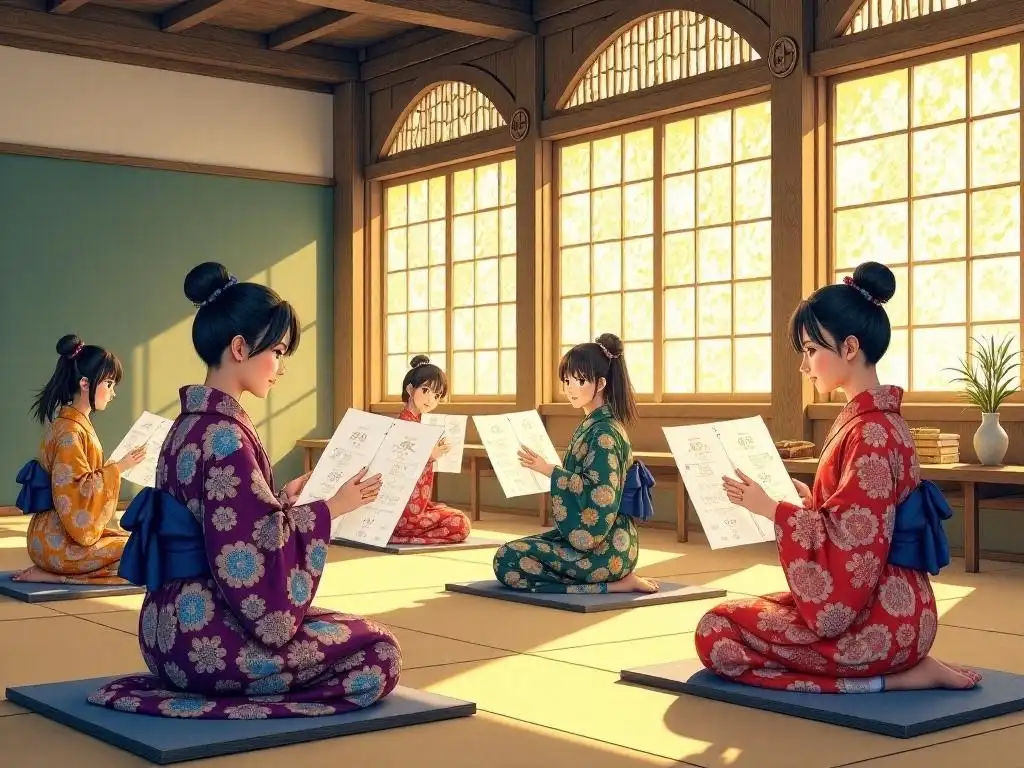
Buddhist Temples as Centers of Learning
During the feudal era in Japan, Buddhist temples emerged as pivotal institutions for art education, significantly influencing both the spiritual and cultural landscape of the time. These temples were not only places of worship but also served as centers of learning where various forms of art were cultivated and transmitted. Monastic communities dedicated themselves to the preservation and advancement of artistic practices, particularly in fields such as painting, calligraphy, and sculpture.
Key Characteristics of Temples as Educational Institutions
- Monastic Training: Monks were trained in various artistic disciplines, often under the guidance of skilled masters. This training was integral to their spiritual practice, as art was viewed as a means to express devotion and understanding of Buddhist teachings.
- Artistic Workshops: Many temples established workshops where monks and laypeople could collaborate on artistic projects. These workshops produced significant works, including elaborate temple murals and sculptures that adorned the structures.
- Cultural Preservation: Temples played a crucial role in preserving traditional arts. For instance, the Shingon and Tendai schools of Buddhism emphasized the importance of visual art in conveying complex religious concepts.
- Literary Contributions: Temples also contributed to art education through the production of texts on painting techniques and aesthetics. Works such as the Shinran’s Teachings often included illustrations that served as instructional material.
The Role of Private Tutors and Art Masters
In addition to institutional learning at temples, private tutors and art masters held a significant role in the art education landscape of feudal Japan. These individuals provided personalized instruction and mentorship, often shaping the artistic paths of their students.
Features of Private Tutorship in Art
- Individualized Learning: Private tutors tailored their teaching methods to suit the individual needs and skills of their students, offering a more focused approach compared to the broader curriculum of temples.
- Diverse Artistic Styles: Art masters specialized in different techniques, such as ink painting (sumi-e), calligraphy, and ceramics. This diversity allowed students to explore various mediums and find their unique artistic voice.
- Notable Figures: Prominent art masters, such as Sesshū Tōyō, played a crucial role in advancing art education. Sesshū, a master of ink painting, is renowned for his ability to blend Chinese techniques with Japanese aesthetics, influencing generations of artists.
- Patronage and Networking: Many art masters were supported by samurai and wealthy merchants, which facilitated the growth of art schools. This patronage created a network of artists who shared knowledge and collaborated on significant projects.
Conclusion
The interplay between Buddhist temples and private tutors formed a robust framework for art education in feudal Japan. This synergy not only fostered the development of artistic skills but also ensured the continuity of Japan’s rich cultural heritage. As a result, art education during this period became a crucial element in shaping the artistic landscape, influencing the aesthetics and philosophies that would endure through the ages.
Comparison of Art Education Approaches
Art education in feudal Japan was not a monolithic experience but rather a complex tapestry influenced by social class, gender, and regional variations. This section explores the diverse approaches to art education during this period, highlighting how different circumstances shaped the learning of artistic skills and knowledge.
In feudal Japan, the class structure significantly impacted access to art education. The nobility and commoners had vastly different experiences, influenced by their social status, economic means, and cultural priorities.
Nobility vs. Commoners: Access to Art Education
The samurai class and the aristocracy enjoyed privileged access to art education. This access was often facilitated through formal apprenticeships with renowned artists, allowing them to learn various techniques in painting, calligraphy, and the tea ceremony. For example, many high-ranking families employed professional artists to instruct their children in the refined arts, emphasizing skills such as:
- Calligraphy: Mastering brush techniques was seen as essential for both aesthetic appeal and communication.
- Painting: Techniques in traditional Japanese painting, such as Nihonga, were taught with a focus on symbolism and nature.
- Ceramics: Nobles often engaged in pottery, learning from artisans to create exquisite tea sets that reflected their status.
In contrast, commoners had limited access to formal art education. While they may have learned basic artistic skills informally through family or local community practices, opportunities were restricted by economic constraints. Common folk often engaged in folk arts, which emphasized practicality over aesthetics. For instance, their skills were focused on:
- Textile weaving: Creating functional and decorative items for daily use.
- Woodblock printing: While some commoners could learn this skill, it was often reserved for commercial purposes rather than artistic expression.
Gender Differences in Art Education Opportunities
Gender also played a crucial role in shaping art education in feudal Japan. The opportunities available to men and women reflected broader societal norms and expectations regarding gender roles.
Male Dominance in Art Education
Men predominantly occupied the upper echelons of art education, with formal training and apprenticeships being highly gendered. Male artists were often celebrated and recognized in society, gaining prestige and social status through their work. As a result, art schools and apprenticeship programs were largely male-dominated environments that prioritized the training of boys and young men.
Women’s Access to Art Education
Women in feudal Japan faced considerable barriers to accessing formal art education. However, some women from noble families had the opportunity to engage in artistic pursuits. Noteworthy aspects include:
- Literary arts: Women were often encouraged to learn calligraphy and poetry, honing their skills in letter writing and literary expression, which were seen as suitable for their gender.
- Tea ceremony: Women of the upper class were traditionally trained in the art of the tea ceremony, which involved not only preparation but also the aesthetic presentation of tea.
Despite these opportunities, most women, particularly from lower social classes, were largely excluded from formal artistic education. Instead, they often learned through familial or communal practices, focusing on crafts that were deemed appropriate for their roles in society.
The examination of art education in feudal Japan reveals a rich interplay of social class and gender, shaping the learning experiences of individuals within this historical context. Understanding these dynamics provides deeper insight into how art education evolved and its lasting impact on Japanese culture.
Case Studies of Notable Artists and Their Educational Contributions
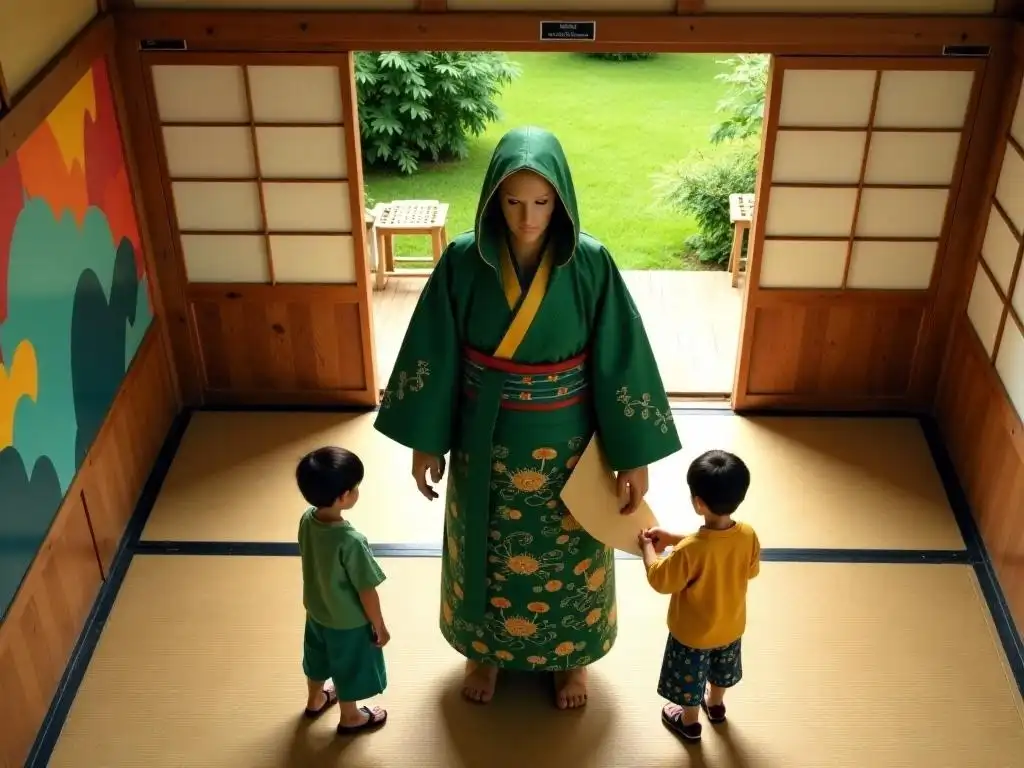
In the complex tapestry of feudal Japan, the intersection of art and education played a pivotal role in shaping societal values and individual identities. This section delves into the lives and educational contributions of two renowned artists: Sesshū Tōyō and Ogata Kōrin. Their works not only exemplified the aesthetic principles of their time but also served as educational tools, influencing generations of students and artists.
The Life and Influence of Sesshū Tōyō
Sesshū Tōyō (1420–1506) stands as one of the most illustrious figures in Japanese art history. Renowned for his mastery of ink painting, Sesshū's approach to art was deeply intertwined with his philosophical beliefs and educational practices.
- Early Life and Training: Born in the Okayama Prefecture, Sesshū began his artistic journey as a monk in a Zen temple, where he honed his skills in ink wash painting. His training under Chinese masters during his travels significantly influenced his style, leading to a unique blend of Chinese techniques and Japanese sensibilities.
- Art as Education: Sesshū believed that art was not merely a form of expression but a way to cultivate the mind and spirit. He often incorporated lessons on Zen philosophy into his teachings, emphasizing the importance of mindfulness and observation in the artistic process. His works, such as "Winter Landscape," served as visual lessons in composition, perspective, and the subtleties of nature.
- Legacy and Influence: The educational impact of Sesshū extended beyond his lifetime. His innovative techniques and philosophies influenced successive generations of artists, including the famous Kano school. His emphasis on the spiritual aspects of art laid a foundation for art education in feudal Japan, where aesthetics were viewed as a means of personal and intellectual development.
Educational Practices of Ogata Kōrin
Ogata Kōrin (1658–1716) epitomized the elegance and sophistication of the Edo period through his mastery of decorative arts, particularly in the realms of painting and lacquerware. His contributions to art education were significant, shaping the aesthetic sensibilities of his time.
- Innovative Techniques: Kōrin's distinctive style, characterized by bold colors and intricate patterns, was not just for visual appeal but also served as a pedagogical tool. His works, such as the "Red and White Plum Blossoms," illustrated the principles of balance and harmony, inviting students to explore these concepts through their creations.
- Mentorship and Teaching: Kōrin established a workshop that became a hub for aspiring artists. He emphasized the importance of learning through practice, encouraging students to experiment with materials and techniques. His hands-on approach ensured that students gained practical skills while also developing their unique artistic voices.
- Cultural Impact: The aesthetic values imparted by Kōrin influenced not only visual arts but also literature and design, contributing to a broader educational framework in feudal Japan. His integration of art into everyday life reinforced the notion that aesthetics were essential to personal development and societal harmony.
The contributions of Sesshū Tōyō and Ogata Kōrin highlight the vital role of art education in feudal Japan. Their innovative practices and philosophies not only shaped the artistic landscape of their time but also fostered a culture that valued art as a means of learning and personal growth. Through their legacies, we gain insight into the profound connection between aesthetics and education in this fascinating historical period.
The Legacy of Art Education in Feudal Japan
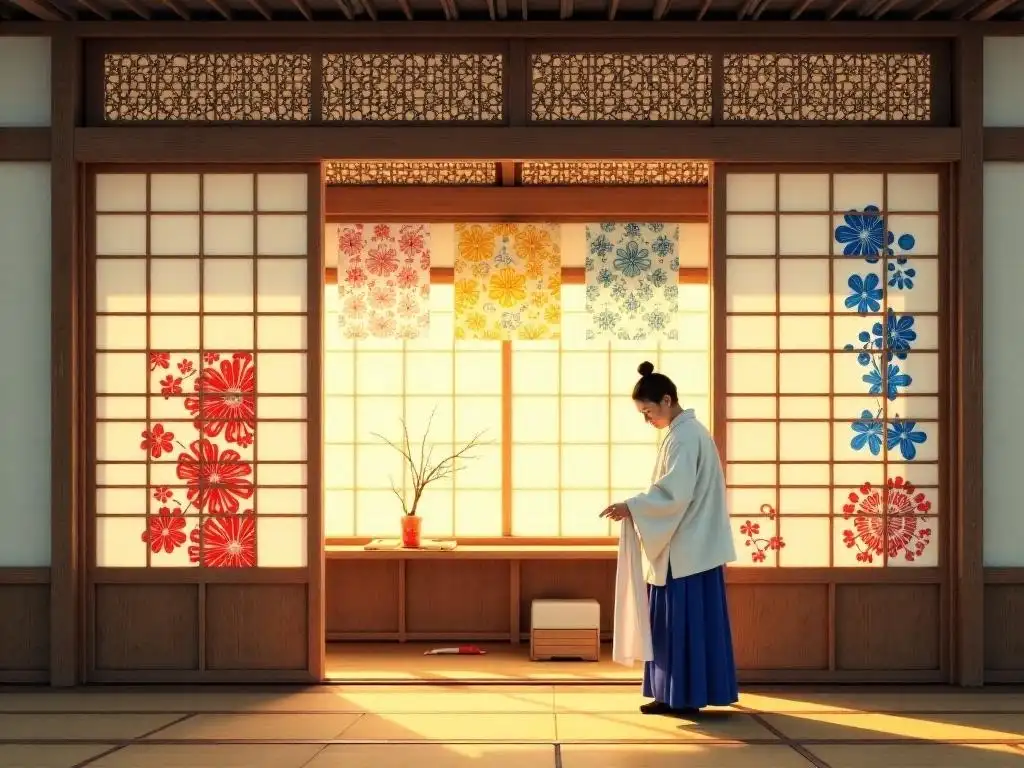
Lasting Effects on Modern Japanese Education
The influence of art education in feudal Japan extends far beyond its historical period, leaving an indelible mark on contemporary Japanese education. In the feudal era, education was not merely a means of imparting knowledge; it was an intricate blend of aesthetics, philosophy, and moral instruction. The integration of art into learning cultivated a holistic approach to education, emphasizing the development of both intellect and character.
One of the key legacies is the incorporation of aesthetic appreciation within the modern curriculum. Art forms such as calligraphy, painting, and traditional crafts remain integral to educational programs in Japan today. These subjects foster creativity and critical thinking, encouraging students to engage deeply with their cultural heritage. For instance, calligraphy (書道, shodō) is taught not just as a skill but as a meditative practice that instills discipline and focus.
In a survey conducted by the Japanese Ministry of Education, it was found that over 70% of schools include art education as a compulsory part of their curriculum. This reflects a sustained commitment to the values imparted during the feudal period, where art was seen as a vehicle for personal and social development.
Furthermore, the educational philosophies of influential figures from the feudal era, such as Yamamoto Tsunetomo, whose work "Hagakure" emphasizes the importance of aesthetics in the samurai code, continue to resonate in modern pedagogical practices. The principles of harmony, respect, and dedication to craft that were paramount in feudal Japan are echoed in contemporary educational values, promoting a well-rounded approach to learning.
Preservation of Traditional Arts in Contemporary Society
The preservation of traditional arts in contemporary Japanese society is a testament to the enduring impact of art education during the feudal era. Many art forms, such as Noh theatre, Ikebana (flower arranging), and traditional ceramics, are not only preserved but actively taught within various cultural and educational institutions.
Traditional Institutions and Their Roles
- Cultural Centers: Numerous cultural centers across Japan offer workshops and classes aimed at teaching traditional arts. These centers play a crucial role in passing down skills that have roots in feudal practices.
- Universities and Art Schools: Institutions like the Tokyo University of the Arts incorporate traditional techniques into their curricula, ensuring that future generations of artists are well-versed in the historical context and techniques of their crafts.
Community Engagement
In addition to formal education, community initiatives also promote the appreciation and practice of traditional arts. Local festivals often feature demonstrations and workshops, allowing participants to experience these art forms firsthand. This community engagement fosters a sense of continuity and shared cultural identity, echoing the communal learning environments of feudal Japan.
The legacy of art education in feudal Japan continues to shape modern educational practices and cultural preservation efforts. The integration of aesthetics into learning not only enriches the educational experience but also reinforces the cultural identity of Japan, ensuring that the artistry of the past remains vibrant and relevant in contemporary society.
Conclusion: The Lasting Influence of Aesthetics on Learning
The influence of aesthetics on learning during the feudal era of Japan is a profound testament to the intertwining of art and education. This era was not merely about the transmission of knowledge; it was about cultivating an appreciation for beauty and understanding its role in society. Art education in feudal Japan was woven into the fabric of daily life, influencing the way individuals perceived the world around them.
Art served as a medium through which values, traditions, and philosophies were communicated. The practice of calligraphy, for example, was not just about writing; it represented a philosophical pursuit of harmony and balance. Students learned to appreciate the fluidity of brush strokes, which echoed the principles of Zen Buddhism, emphasizing mindfulness and presence.
Moreover, aesthetics shaped not only the curriculum but also the environment of learning. Schools and temples were often designed with artistic elements that inspired creativity and reflection. The serene gardens of temples encouraged students to engage with nature, fostering a deep connection between art, environment, and education.
As we reflect on this historical context, it becomes clear that the aesthetic principles that governed art education in feudal Japan continue to resonate today. The integration of beauty and philosophy in learning has left an indelible mark on Japanese culture and education systems, promoting a holistic approach to intellectual development.
Reflections on the Importance of Art Education in History
Art education in feudal Japan offers valuable insights into the significance of aesthetics in historical contexts. It illustrates how art functions as a vehicle for communication, cultural expression, and moral development. The blending of art with educational practices can be seen as a response to the sociopolitical structures of the time, where samurai, merchants, and farmers each had distinct cultural contributions that shaped educational philosophies.
- Cultural Identity: The art forms prevalent during this era, such as Ikebana (flower arranging) and tea ceremonies, were not just artistic expressions but forms of education that reinforced cultural identity and social norms. These practices taught individuals about discipline, respect, and the transient nature of beauty, which were essential values in feudal society.
- Social Stratification: The accessibility of art education varied across classes, highlighting the societal hierarchies of feudal Japan. While the samurai class had the means to pursue high-level artistic training, commoners often engaged in more practical forms of art that were directly tied to their livelihoods, such as woodworking or textile crafts.
Art education thus served as both a reflection of and a tool for cultivating societal norms, influencing generations in their understanding of self, community, and the world around them. This historical perspective encourages contemporary educators to recognize the importance of integrating art into educational frameworks, fostering a deeper appreciation for cultural heritage.
Future Directions for Art Education Studies in Japan
Looking ahead, the study of art education in feudal Japan can inform modern educational practices in several important ways:
- Interdisciplinary Approaches: Future research should explore the connections between art education and other disciplines, such as history, philosophy, and environmental studies. This interdisciplinary approach can enrich educational curricula, creating more holistic learning experiences.
- Cultural Heritage Preservation: As globalization continues to influence education, there is a need to emphasize the preservation of traditional art forms and practices. Initiatives that encourage students to engage with local art traditions can foster a sense of cultural pride and continuity.
- Modern Applications of Historical Practices: Contemporary educators can draw inspiration from the aesthetic principles of feudal Japan, applying them in today's classrooms. For example, incorporating mindfulness practices found in traditional art forms can enhance student well-being and focus.
- Research and Documentation: Further studies are necessary to document the rich tapestry of art education during this period. By compiling resources and case studies, educators and historians can create a comprehensive understanding of how aesthetics shaped learning, providing a foundation for future educational reforms.
The legacy of art education in feudal Japan remains relevant today. By examining its historical significance and exploring future directions, we can better appreciate how aesthetics can continue to enrich learning environments and foster cultural identity in an increasingly interconnected world.
Frequently Asked Questions
What role did art education play in feudal Japan?
Art education was integral to the cultural development of feudal Japan, promoting both aesthetic appreciation and practical skills in various art forms.
How did aesthetics influence the learning process during this period?
Aesthetics were central to educational practices, as they shaped the curriculum and teaching methods, emphasizing beauty and harmony in artistic expression.
Were there specific art forms that were prioritized in education?
Yes, several art forms, including calligraphy, painting, and ceramics, were prioritized, as they were seen as essential for cultivating discipline and creativity.
Absolutely, art education varied significantly across social classes, with the samurai class often receiving more formal training compared to peasantry or lower classes.
How has the legacy of art education in feudal Japan influenced modern practices?
The legacy continues to influence modern art education in Japan, emphasizing the importance of cultural heritage and the integration of traditional techniques into contemporary practices.
Final Reflection: The Enduring Legacy of Art Education in Feudal Japan
Art education in feudal Japan was not merely a means of cultivating aesthetic appreciation; it was a profound vehicle for personal and societal transformation. Today, as we navigate an increasingly complex world, the lessons drawn from this historical period resonate more than ever. The integration of art into education fosters creativity, critical thinking, and emotional intelligence—skills that are essential in our modern landscape. The past whispers to us, urging us to recognize the power of art in shaping minds and cultures.
The influence of art education during feudal Japan extends far beyond its historical context; it continues to shape the cultural and social fabric of contemporary society. The intricate relationship between art and education fosters a sense of identity and community, allowing individuals to express themselves and connect with others. As the renowned artist and educator Paul Klee once said, Art does not reproduce the visible; rather, it makes visible.
This sentiment echoes the importance of nurturing creativity in education, reminding us that art is not just an aesthetic pursuit but a vital component of holistic learning.
As we reflect on the lessons of art education in feudal Japan, let us consider how we can incorporate these principles into our own lives and educational practices. I invite you to explore the transformative power of art in your own learning journey. Whether through creating, appreciating, or advocating for the arts, each of us has the potential to enrich our understanding of the world and inspire those around us. Embrace the legacy of art education, and let it guide you toward a more creative and connected future.
Embrace Your Inner Artist: Make Learning an Adventure!
Thank you for diving into the fascinating world of education through art in feudal Japan! You've unraveled how aesthetics shaped learning experiences and enriched cultural understanding. Now, it's time to take what you've learned and put it into action!
Here are a few exciting steps to continue your journey:
- Explore a local museum or gallery that features art from this captivating period—observe and reflect on the connection between art and education.
- Consider creating your own art piece inspired by the aesthetics of feudal Japan—get creative and express what education means to you through your artwork!
- Share this article with friends or family who appreciate history and art— spark discussions about how education has evolved through creative expressions.
What do you think is the most compelling way art has influenced modern education? Let's discuss your thoughts in the comments below!