
The Art of Family Portraiture: Visual Representation of Feudal Japanese Families

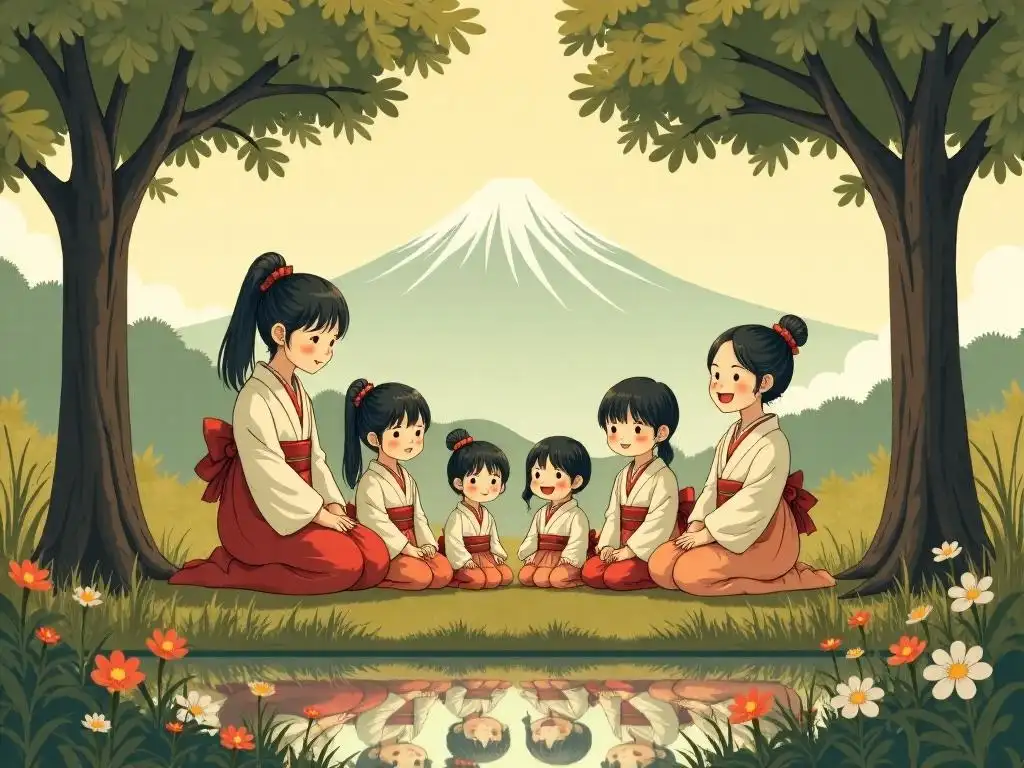
Welcome to Feudal Japan History, where we invite you to journey through the rich tapestry of Japan's feudal era. Here, every brushstroke tells a story, and every family portrait reveals the intricacies of daily life and societal structures. In our featured article, “The Art of Family Portraiture: Visual Representation of Feudal Japanese Families,” we delve into the captivating world of feudal Japanese family portrait art, exploring how these masterpieces not only captured likenesses but also conveyed deep cultural significance.
Join us as we unveil the secrets behind these stunning visuals and their role in shaping the identity of feudal families. Your exploration of Japan’s fascinating past starts here—prepare to be inspired!
Introduction to Feudal Japanese Family Portrait Art
The art of family portraiture in feudal Japan serves as a fascinating window into the societal, cultural, and familial dynamics of the era. This unique form of visual representation not only captures the likenesses of family members but also conveys deeper meanings related to status, lineage, and the societal roles that defined their existence.
By examining these portraits, one can gain insight into the values, beliefs, and historical contexts that shaped the lives of feudal Japanese families. The keyword feudal Japanese family portrait art encapsulates a rich tradition that blends artistry with cultural significance, reflecting not just the aesthetics of the time but also the intricate social fabric of Japan's feudal society.
Overview of Family Portraiture in Feudal Japan
Family portraits in feudal Japan were often commissioned by the samurai class and wealthy merchants, serving as a means to showcase their lineage and social standing. These artworks were characterized by their meticulous attention to detail, with artists employing various techniques to ensure that each subject was depicted with accuracy and dignity. Portraits typically featured family members in formal attire, often against a backdrop that symbolized their heritage or achievements.
Key Characteristics of Family Portraits
- Symbolism: Portraits often included objects that represented the family's status, such as weapons for samurai or agricultural tools for farmers.
- Formal Staging: Members were arranged based on hierarchy, reflecting the family structure and social roles.
- Artistic Techniques: Artists used traditional methods, such as ink wash and color pigments, to create depth and realism.
Importance of Visual Representation in Japanese Society
Visual representation through family portraiture played a crucial role in the social and cultural identity of feudal Japan. These portraits were not merely decorative; they served multiple functions in society, including:
- Cultural Preservation: Family portraits became a means of preserving lineage and heritage, allowing future generations to connect with their ancestors.
- Social Status Assertion: Portraits were often displayed prominently in homes, asserting the family's status and influence within their community.
- Historical Documentation: These artworks provide valuable historical insights, allowing historians to trace lineage, social changes, and cultural evolution over time.
Historical Context of Feudal Japanese Families
To fully appreciate the art of family portraiture, it is essential to understand the historical context of feudal Japanese families. The feudal system, which dominated Japan from the late 12th century to the mid-19th century, was characterized by a hierarchical society that shaped family structures and relationships.
The Structure of Feudal Society
Feudal Japan was organized into a rigid class system, with the emperor at the top, followed by the shogun, daimyos, samurai, and the peasantry. Each class had distinct roles and responsibilities, influencing the dynamics within families:
- Emperor: The spiritual and symbolic leader, with limited political power.
- Shogun: The military ruler who held real power over the country.
- Daimyos: Feudal lords who governed large territories and maintained their own armies.
- Samurai: The warrior class, serving the daimyos and adhering to a strict code of honor.
- Peasants: The largest class, working the land and providing for the economy.
Roles and Hierarchies within Japanese Families
Within this hierarchical structure, family roles were clearly defined. Patriarchy played a significant role, with fathers typically serving as heads of the household. Responsibilities were distributed based on gender and age, with men often engaged in public life, while women managed the household and upbringing of children.
- Men: Often took on roles as warriors, farmers, or merchants, depending on their family's status.
- Women: Responsible for domestic duties, women in noble families could wield considerable influence, especially in arranging marriages and managing family affairs.
- Children: Seen as extensions of their parents' status, children were educated in the ways of their class, preparing them to uphold family honor.
Through the lens of family portraiture, one can explore the intricate interplay between art, family, and societal roles in feudal Japan, shedding light on a rich cultural heritage that continues to resonate today.
Characteristics of Feudal Japanese Family Portrait Art
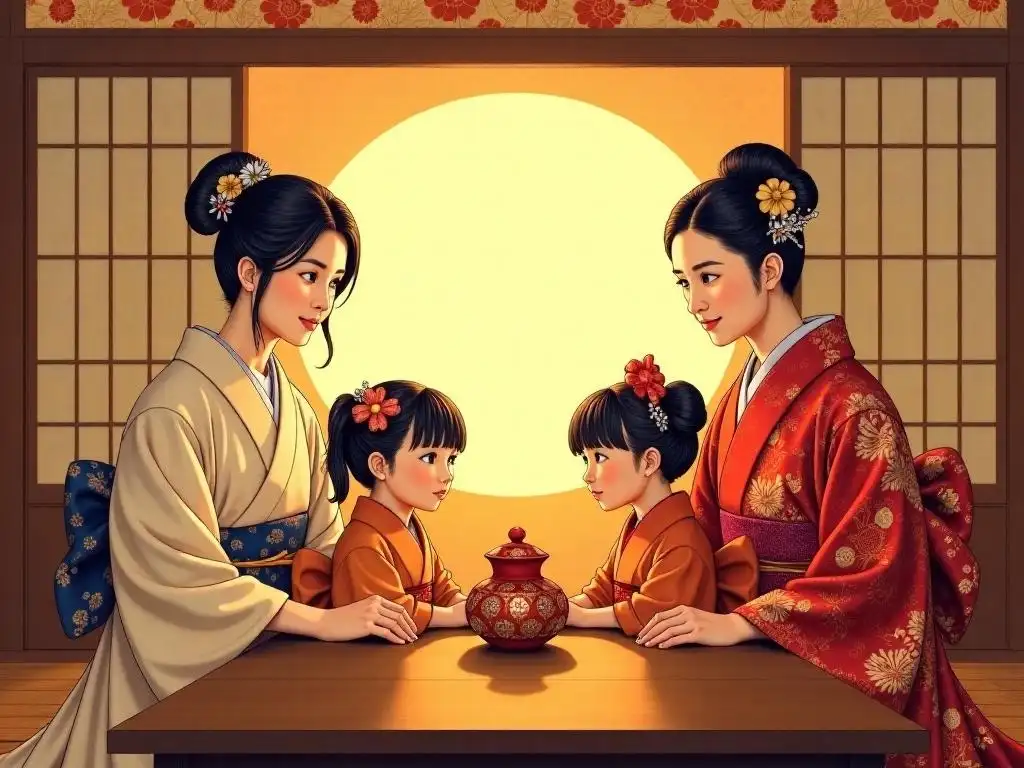
Feudal Japanese family portrait art is distinguished by its unique characteristics that reflect the societal values and aesthetics of the time. These portraits often emphasize hierarchy, familial relationships, and social roles within the context of feudal Japan.
One of the primary features is the use of formal composition, where family members are typically arranged in a way that clearly indicates their status and relationships. This hierarchical arrangement not only reflects the family's social standing but also embodies the Confucian values that influenced Japanese society, emphasizing respect for elders and the importance of lineage.
Additionally, the color palette used in these portraits is significant; vibrant colors often represent wealth and status, while more subdued tones may indicate modesty. Gold leaf accents and intricate patterns were frequently employed to enhance the visual appeal and signify the family's prosperity.
Finally, the attention to detail in clothing and accessories is paramount. Artists meticulously depicted traditional garments such as kimonos, which varied in style and color depending on the wearer's social rank and gender. This attention to attire served not only as a means of identification but also as a celebration of the family's heritage.
Artistic Techniques and Styles Used in Portraiture
In the realm of feudal Japanese family portraiture, several artistic techniques and styles emerged, each contributing to the overall aesthetic and cultural significance of the artwork.
- Ink and Wash Painting: This technique involved the use of ink and water to create delicate and expressive images. Artists employed varying shades of ink to highlight details and create depth, resulting in portraits that appeared both lifelike and ethereal.
- Woodblock Printing: A popular method during the Edo period, woodblock printing allowed for the mass production of family portraits. This technique enabled artists to reach a broader audience, making family portraits more accessible to various social classes.
- Emphasis on Naturalism: As the art evolved, there was a noticeable shift toward naturalism, where artists began to focus on accurately depicting human features and expressions. This attention to realism enhanced the viewer's emotional connection to the subjects.
- Use of Symbolism: Artists often incorporated symbolic elements into their portraits, such as specific colors or motifs that represented virtues like loyalty and prosperity. These symbols added layers of meaning to the artwork, reflecting the family's identity and aspirations.
Common Themes and Symbols in Family Portraits
Family portraits from the feudal period are rich with themes and symbols that convey important cultural narratives and values.
- Ancestry and Lineage: Many portraits prominently feature the family tree or ancestral symbols, emphasizing the importance of heritage and the continuity of the family line. This theme underscores the societal expectation of honoring one's ancestors.
- Harmony and Unity: Poses and arrangements in portraits often reflect unity among family members, signifying the collective strength and support of the family unit. This theme is a direct representation of the Confucian ideal of familial harmony.
- Nature and Seasons: Natural elements such as cherry blossoms or autumn leaves are frequently integrated into family portraits. These symbols not only enhance the aesthetic quality of the art but also represent the transient beauty of life, echoing the Japanese concept of mono no aware, or the awareness of the impermanence of things.
- Prosperity and Wealth: Items such as gold ornaments or luxurious fabrics symbolize the family's wealth and status. The presence of such elements in portraits serves to convey the family's social standing and aspirations.
Notable Artists and Their Contributions to Family Portrait Art
Throughout the feudal era, several artists emerged who made significant contributions to the evolution of family portrait art in Japan.
- Kano Eitoku: A prominent painter of the late 16th century, Kano Eitoku is celebrated for his large-scale family portraits that emphasized grandeur and detail. His works often featured elaborate backgrounds and intricate clothing, reflecting the sophisticated lifestyle of the samurai class.
- Tawaraya Sōtatsu: Known for his early Edo period works, Sōtatsu combined traditional techniques with innovative styles. His family portraits often showcased vibrant colors and dynamic compositions, which became influential in shaping the visual language of Japanese portraiture.
- Utagawa Kuniyoshi: A master of ukiyo-e, Kuniyoshi's portraits featured not just family members but also heroic figures and legendary stories. His unique approach to family portraiture expanded the narrative scope, blending personal identity with cultural mythos.
- Maruyama Ōkyo: Renowned for his realistic depictions, Ōkyo brought a sense of individuality to family portraits. His focus on naturalism and detail influenced many artists who followed, making his contributions pivotal in the transition toward modern portraiture.
The Cultural Significance of Family Portraits in Feudal Japan
Family portraits in feudal Japan held profound cultural significance, serving as vital artifacts that encapsulated the essence of family life and societal values.
Portraits as a Reflection of Social Status
Family portraits were more than mere representations; they were powerful statements of social status. The way family members were depicted—through their clothing, posture, and arrangement—communicated their rank within the social hierarchy.
- Samurai Families: For samurai, portraits often displayed elaborate armor and weapons, symbolizing their martial status and loyalty to their lords. These portraits served as a reminder of their noble responsibilities and the weight of their heritage.
- Merchant Classes: Conversely, portraits of merchant families showcased wealth through luxurious fabrics and opulent settings, reflecting their economic power and societal aspirations. Such depictions allowed them to elevate their status in a society that traditionally valued the samurai class.
Preservation of Family Legacy through Art
Family portraits served as a means of preserving legacies, ensuring that the stories and identities of families were recorded for future generations.
- Generational Continuity: By commissioning portraits, families solidified their identities and histories, creating a visual narrative that could be passed down. This practice fostered a sense of belonging and continuity, reinforcing familial bonds across generations.
- Commemoration of Important Events: Portraits often commemorated significant milestones such as marriages, births, or deaths, effectively marking crucial moments in the family’s history. This documentation allowed families to celebrate their heritage and honor their ancestors.
The Role of Portraits in Rituals and Ceremonies
In feudal Japan, family portraits played an integral role in various rituals and ceremonies, linking art with spiritual and social practices.
- Funerary Rites: Portraits were used during funerary ceremonies as a means to honor the deceased, serving as a focal point for remembrance. Families would display these portraits to pay respect and connect with their ancestors.
- Celebration of Milestones: Significant life events, such as weddings and coming-of-age ceremonies, often included the creation or display of family portraits. These portraits acted as visual testimonies to the family’s collective joy and pride, reinforcing social bonds.
- Ritual Offerings: In some cases, portraits were included in ritual offerings to deities or ancestors, emphasizing the spiritual connection between the family and their lineage. This practice highlighted the importance of both art and spirituality within daily life.
The art of family portraiture in feudal Japan is a multifaceted reflection of the era's social, cultural, and artistic values. Through detailed techniques, evocative themes, and the contributions of notable artists, these portraits provide invaluable insights into the complexities of family life and societal structure during this historic period.
Evolution of Family Portraiture Throughout the Feudal Era
Family portraiture in feudal Japan evolved significantly from the early medieval period to the Edo period, reflecting changes in societal structures, cultural values, and artistic techniques. Initially, portraiture was primarily focused on individual figures, particularly samurai and religious icons, but gradually expanded to include representations of entire families. The increasing importance of family lineage and status in a hierarchical society led to a greater demand for collective representations, showcasing the unity and prestige of noble families.
Over the centuries, portraiture transitioned from simplistic depictions to more elaborate artworks, incorporating not just the physical likeness of family members but also symbolic elements that conveyed their social standing and virtues. This evolution paralleled shifts in Japan's political landscape, where the consolidation of power under shogunates necessitated the visual representation of authority and familial legacy. By the Edo period, family portraits had become a staple of elite households, serving both as a record of lineage and a means of asserting social identity.
Early Influences on Japanese Portraiture
The roots of Japanese portraiture can be traced back to ancient times, where influences from Chinese art played a crucial role. The introduction of Buddhism brought with it a focus on individual figures, often depicted in religious contexts, which laid the groundwork for later developments in portraiture. The Heian period (794-1185) saw the emergence of courtly arts, with family members of the aristocracy being represented in illustrated narratives and scrolls. These early portraits often emphasized stylization over realism, adhering to the ideals of beauty and propriety prevalent in the court.
As samurai culture gained prominence during the Kamakura period (1185-1333), portraiture began to shift towards more realistic representations of warriors, emphasizing their valor and status. This period fostered the creation of hanging scrolls and folding screens that depicted notable samurai families, further intertwining the concepts of honor, lineage, and visual representation. These early influences set the stage for the rich tradition of family portraiture that would flourish in subsequent centuries.
Changes in Artistic Styles During Different Periods
Artistic styles in Japan underwent significant transformations throughout the feudal era, reflecting broader cultural shifts. The Muromachi period (1336-1573) saw the rise of ink painting and the use of naturalism, leading to more lifelike depictions in family portraits. Artists began to experiment with techniques that highlighted the personalities and individual traits of family members, moving away from the rigid formalities of earlier styles.
The Momoyama period (1573-1603) introduced vibrant colors and intricate details, as artists sought to impress viewers with opulence and grandeur. The use of gold leaf and luxurious materials became prevalent, especially in portraits commissioned by the wealthy merchant class, who sought to display their newfound status.
Finally, during the Edo period (1603-1868), the art of family portraiture reached its zenith. The development of ukiyo-e prints made portraiture more accessible to the burgeoning middle class, leading to a democratization of family representation. This era was characterized by a blend of traditional and Western influences, resulting in portraits that were both realistic and expressive, capturing the essence of family life and societal roles.
The Impact of Western Art on Japanese Family Portraits
The arrival of Western art in Japan during the late Edo period and the subsequent Meiji Restoration (1868) marked a turning point for Japanese portraiture. Exposure to European artistic techniques and styles led to a significant transformation in how family portraits were created. Artists began to incorporate perspective, chiaroscuro, and realistic anatomy into their works, which contrasted sharply with the flat, stylized forms of traditional Japanese art.
This blending of Western and Eastern styles resulted in family portraits that retained their cultural significance while adopting new artistic methodologies. Portraits from this era often featured families posed in natural settings, highlighting their roles within the broader context of society. The influence of Western art not only enriched the visual language of family portraiture but also contributed to a greater exploration of themes such as individuality and emotional expression, paving the way for modern Japanese art.
Case Studies of Notable Feudal Japanese Family Portraits
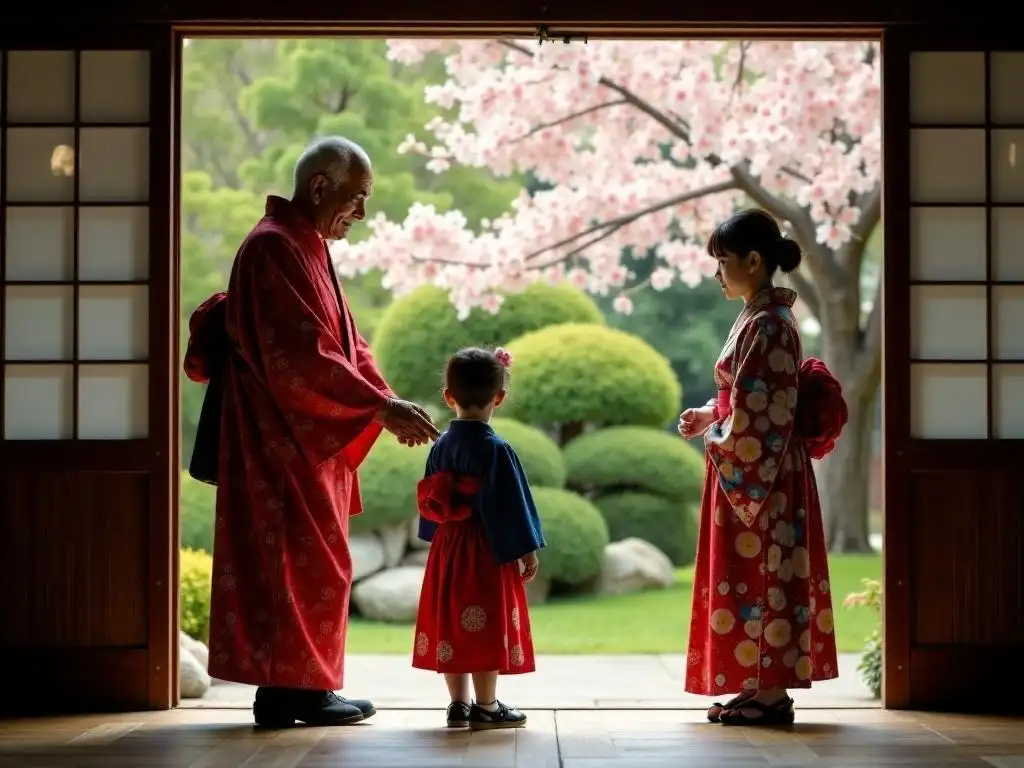
Case Study 1: The Portrait of the Tokugawa Family and Its Significance
The Tokugawa family, who ruled Japan during the Edo period, produced several notable family portraits that exemplify the grandeur and authority of their lineage. One prominent example is the "Tokugawa Ieyasu and His Family" portrait, which captures the first shogun surrounded by his descendants. This artwork is significant not only for its artistic merit but also for its role in solidifying the Tokugawa legacy in Japanese history.
The portrait employs lavish colors and intricate details, showcasing the family's wealth and power. Each member is depicted with a distinct identity, reflecting their social roles and responsibilities within the clan. This representation served to reinforce the importance of family lineage in maintaining political stability and authority, making it a pivotal piece in the narrative of feudal Japan.
Case Study 2: The Portrait of the Date Clan and Its Significance
The Date clan, known for their military prowess and influence in the Tohoku region, is represented in a striking family portrait that captures the essence of their warrior identity. The "Date Masamune and His Family" portrait features the iconic one-eyed warrior alongside his family members, each adorned in traditional armor and clothing, symbolizing their roles as protectors and leaders.
This portrait is significant as it reflects the clan's commitment to honor and valor, central tenets of samurai culture. The composition emphasizes the unity and strength of the Date family, serving as a visual testament to their power and influence during the tumultuous years of feudal Japan. The artwork not only celebrates their achievements but also immortalizes their legacy for future generations.
Case Study 3: The Portrait of the Hoshakukō Family and Its Significance
The Hoshakukō family, a lesser-known but influential clan, is represented in a family portrait that offers insights into the daily lives of feudal Japanese families. This portrait, characterized by its intimate portrayal of family members engaged in domestic activities, highlights the importance of familial bonds and social cohesion within the clan.
The significance of this portrait lies in its departure from the grandiose depictions of samurai families, instead focusing on the human aspects of family life. It reflects the cultural values of harmony and cooperation, which were essential for maintaining the family's status and reputation. By showcasing the Hoshakukō family's daily interactions, this portrait serves as a valuable historical document, shedding light on the social dynamics and values of feudal Japan.
Conclusion: The Lasting Impact of Feudal Japanese Family Portrait Art
The art of family portraiture in feudal Japan represents more than mere aesthetics; it encapsulates social hierarchies, cultural values, and the intricate relationships within families. As a visual narrative, these portraits have left an indelible mark on Japanese society, influencing how families perceive and represent themselves throughout history. The meticulous detail and symbolism embedded in these artworks serve as a testament to the importance of familial ties and status during the feudal era, reflecting the interplay of power, honor, and tradition.
As we explore the legacy of this art form, we find that it has paved the way for modern interpretations of family dynamics in Japan. The cultural significance of these portraits continues to resonate, inspiring artists and families alike to reflect on their identities and connections, bridging the past and present through visual storytelling.
Legacy of Family Portraiture in Modern Japanese Culture
In contemporary Japan, the influence of feudal family portrait art is evident in various forms of artistic expression and cultural practices. Modern family portraits often draw inspiration from traditional techniques, incorporating elements of composition, color, and symbolism that originated during the feudal era. These artistic choices not only honor the past but also adapt to the evolving nature of family structures in today’s society.
Moreover, the concept of family portraiture has expanded beyond the confines of art galleries into everyday life. The tradition of capturing family moments through photography has become a common practice, with families engaging in thematic portrait sessions that reflect their values and heritage. This shift highlights how the legacy of feudal Japanese family portrait art continues to shape individual and collective identities.
Continuing Influence on Contemporary Art and Family Representation
The impact of feudal Japanese family portrait art extends into contemporary visual arts, influencing a myriad of artists who seek to explore themes of identity, belonging, and familial ties. Many modern artists incorporate traditional motifs and techniques into their works, creating a dialogue between historical and contemporary perspectives.
This influence can also be seen in the way family is represented in various media, including film, literature, and performance art. The narratives that emerge often reflect the complexities of family life, mirroring the layered representations found in historical portraits. As artists navigate the intersections of tradition and modernity, the essence of feudal family portraiture continues to inspire new interpretations and discussions around family representation.
References and Further Reading on Feudal Japanese Family Portrait Art
For those interested in delving deeper into the fascinating world of feudal Japanese family portrait art, a variety of resources are available that cover historical contexts, artistic techniques, and cultural implications.
Recommended Books and Articles
- "The Art of Japanese Family Portraits: A Historical Perspective": by [Author Name] – This book provides an in-depth analysis of family portraiture from its inception to modern times, exploring its cultural significance.
- "Feudal Japanese Society and the Role of Family Portraits" by [Author Name] – An academic article discussing the societal structures reflected in family portraits during the feudal era.
Online Resources for Exploring Feudal Japanese Portraiture
- The National Museum of Modern Art, Tokyo – Offers an online collection of feudal Japanese artworks, including family portraits, with detailed descriptions and historical context.
- Japan Art History Archive – A digital resource featuring a wealth of information on various art forms in Japan, including family portraiture and its evolution over the centuries.
These resources will enhance your understanding of how feudal Japanese family portrait art has shaped cultural narratives and continues to influence contemporary representations of family in Japan.
- Introduction to Feudal Japanese Family Portrait Art
- Overview of Family Portraiture in Feudal Japan
- Importance of Visual Representation in Japanese Society
- Historical Context of Feudal Japanese Families
- Characteristics of Feudal Japanese Family Portrait Art
- The Cultural Significance of Family Portraits in Feudal Japan
- Evolution of Family Portraiture Throughout the Feudal Era
- Case Studies of Notable Feudal Japanese Family Portraits
- Conclusion: The Lasting Impact of Feudal Japanese Family Portrait Art
- References and Further Reading on Feudal Japanese Family Portrait Art
- What is feudal Japanese family portrait art?
- How did family portrait art reflect societal roles in feudal Japan?
- What materials were commonly used in feudal Japanese family portraits?
- How did the portrayal of families change over the feudal period?
- What role did family portrait art play in feudal Japanese culture?
Frequently Asked Questions
What is feudal Japanese family portrait art?
Feudal Japanese family portrait art refers to visual representations of families during the feudal era, often depicting their social status, values, and relationships through symbolic imagery.
How did family portrait art reflect societal roles in feudal Japan?
Family portraits served as a reflection of societal roles by showcasing the hierarchical structures within families, including the roles of patriarchs, matriarchs, and children, often emphasizing their status and lineage.
What materials were commonly used in feudal Japanese family portraits?
Artists typically used silk, paper, and ink for family portraits, employing techniques like watercolor and lacquer to create vibrant and lasting images that captured the essence of the subject's identity.
How did the portrayal of families change over the feudal period?
As the feudal period progressed, family portraits evolved to include more detailed backgrounds and cultural symbols, reflecting changes in political dynamics, social customs, and the increasing influence of samurai culture.
What role did family portrait art play in feudal Japanese culture?
Family portrait art held significant cultural value, serving as a status symbol and a means of preserving lineage, helping to reinforce familial bonds and cultural identity within the broader context of Japanese society.
Final Reflection: The Enduring Legacy of Feudal Japanese Family Portrait Art
The exploration of feudal Japanese family portrait art reveals not only the aesthetic values of a bygone era but also the profound connections that bind families across generations. In today's world, where individualism often overshadows collective identity, the intricate depictions of familial ties in these portraits serve as a poignant reminder of our shared heritage and the importance of family bonds. The artistry encapsulated in these works transcends time, urging us to reflect on our own familial narratives and the legacies we wish to leave behind.
Cultural representations, such as feudal Japanese family portraits, continue to influence our understanding of identity and belonging in contemporary society. The meticulous attention to detail and symbolism in these artworks not only narrate the stories of the past but also inspire current and future generations to appreciate the richness of their own family histories.
As the renowned artist Katsushika Hokusai once said, "> Each day is a journey, and the journey itself is home." This sentiment resonates deeply as we consider how the art of family portraiture can guide us in recognizing the importance of our roots and the stories that shape who we are today.
As we conclude this exploration of feudal Japanese family portrait art, I invite you to reflect on your own family story and the visual representations that might capture its essence. Consider how you can honor your heritage through art, storytelling, or even by creating your own family portraits. Let the lessons from these historical artworks inspire you to celebrate the connections that define your family and to cherish the moments that weave your unique tapestry of life. Embrace the journey of understanding your past, as it is the foundation upon which your future will be built.
Embrace the Legacy: Capture Your Family's Story
Thank you for diving into the fascinating world of family portraiture in feudal Japan! You've uncovered how visual art reflects deep cultural values and personal narratives that resonate through generations. Now, let’s turn this inspiration into action!
Here are a few ways to connect with the art of family portraiture:
- Create Your Own Family Portrait: Gather your loved ones and hire a local artist or photographer to capture your family's unique story. Consider incorporating traditional elements from Japanese culture for a meaningful touch!
- Explore Historical Art: Visit a museum or gallery to view authentic examples of feudal family portraits. Take notes on the styles and themes that resonate with you.
- Share Your Thoughts: Join our community forum at feudaljapanhistory.com to share your insights and personal experiences with family portraiture. What elements of your family's story would you want to portray?
Which aspect of your family’s history would you love to highlight through a portrait? Let’s discuss!