
The Role of Tatami Mats in Feudal Japanese Homes

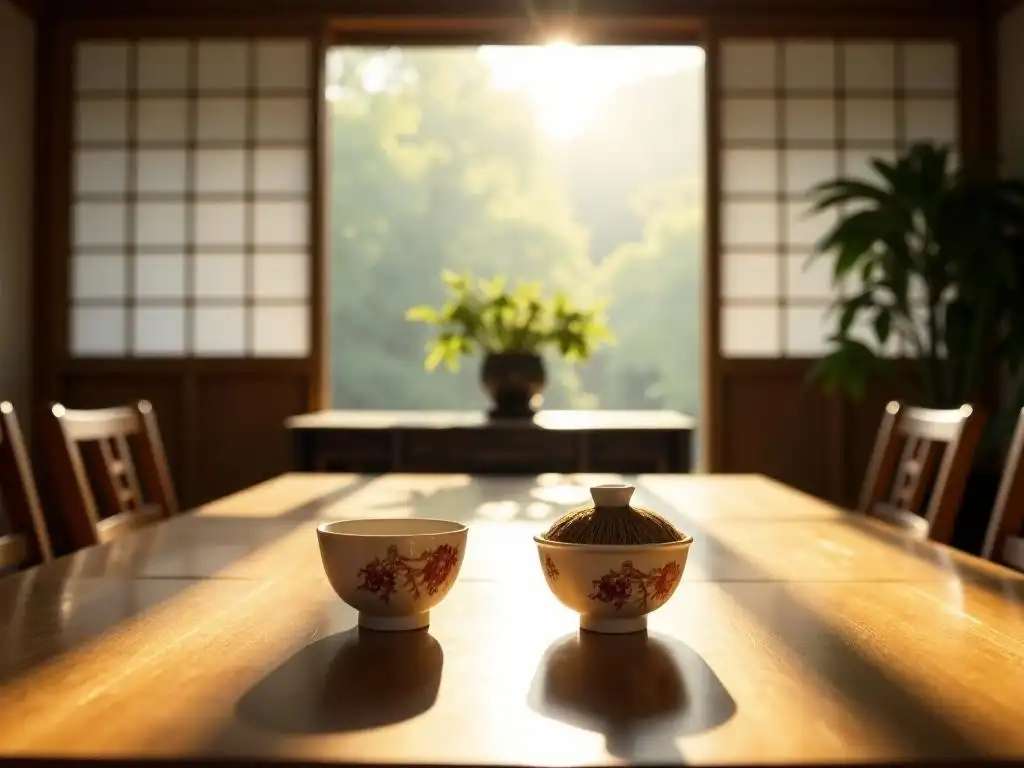
Welcome to Feudal Japan History, where the echoes of a bygone era come alive! Immerse yourself in the intricate tapestry of Japan's feudal period as we delve into the historical, cultural, and societal threads that define this fascinating time. In our featured article, "The Role of Tatami Mats in Feudal Japanese Homes," we uncover the significance of these traditional mats, exploring how they influenced daily life and shaped the very essence of Japanese interiors. Prepare to be captivated as we unlock the secrets of feudal Japan—your journey into history begins here!
Tatami mats are more than just simple floor coverings; they are a quintessential element of traditional Japanese architecture and culture, particularly during the feudal era. This period, characterized by a rigid social hierarchy and intricate customs, saw tatami mats evolve from basic floor mats to important symbols of status, comfort, and cultural identity. In this article, we will delve into the historical significance, cultural context, and societal implications of tatami mats within feudal Japanese homes, exploring how they shaped daily life and reflected the values of the time.
Introduction to Tatami Mats in Feudal Japan
Definition of Tatami Mats
Tatami mats are rectangular mats made of rice straw and covered with woven rush grass (igusa). Traditionally, they are about 0.9 meters by 1.8 meters in size and have a thickness of around 5 to 6 centimeters. The mats are not only functional, providing a soft surface for sitting and sleeping, but also play a significant role in the aesthetics of Japanese interiors. Tatami mats are integral to the layout and design of traditional Japanese rooms, influencing furniture placement and overall decor.
Historical Context of Tatami Mats in Japanese Culture
The origins of tatami mats can be traced back to the Heian period (794-1185), where they were initially used by the aristocracy. Over time, their use spread to the samurai class and eventually to commoners, becoming a staple in homes across Japan. The evolution of tatami mats mirrors the shifts in Japanese society, reflecting changes in lifestyle, aesthetics, and cultural values. By the time of the feudal era, tatami mats had become a vital part of Japanese architecture, representing not only comfort but also a connection to nature and tradition.
The Importance of Tatami Mats in Feudal Japanese Homes
Symbolism of Tatami Mats in Daily Life
In feudal Japan, tatami mats were imbued with various meanings and were essential in daily life. They served as a foundation for the home, both literally and metaphorically, representing stability and security. The practice of sitting and sleeping on tatami mats encouraged a closer connection to the earth, aligning with the Japanese aesthetic of simplicity and harmony with nature. Additionally, the arrangement of tatami mats in a room often reflected the social hierarchy, with more prestigious positions indicated by the quality and placement of mats.
Tatami Mats as a Status Symbol in Feudal Society
Tatami mats also functioned as a status symbol within feudal society. The quality and quantity of tatami mats in a home were direct indicators of a family's wealth and social standing. Higher-ranked samurai and wealthy merchants often had rooms entirely covered in tatami, showcasing their prosperity. Conversely, lower-ranking individuals typically had fewer mats, which reflected their place in the social hierarchy. This distinction not only influenced the physical layout of homes but also shaped interactions and relationships within the community.
Tatami mats were a fundamental aspect of feudal Japanese homes, enriching the cultural and societal fabric of the time. Their significance extended beyond mere utility, encapsulating the values, traditions, and social dynamics of feudal Japan. As we explore further, we will uncover the intricate layers of meaning associated with tatami mats and their enduring legacy in Japanese culture.
Construction and Materials of Tatami Mats
Tatami mats are an iconic element of traditional Japanese homes, particularly during the feudal era. These mats are not merely decorative; they are fundamental to the architectural and cultural identity of Japan. The construction of tatami mats involves a meticulous process that combines functionality with craftsmanship. Typically, tatami mats are rectangular and measure approximately 90 cm by 180 cm, with a thickness ranging from 5 to 6 cm.
The core of a tatami mat is made from rice straw, tightly packed to create a solid and resilient structure. This core is then covered with a woven rush grass called igusa, which contributes to the mat's distinctive fragrance and texture. The edges of the tatami are usually finished with a cloth border, known as tatami-beri, which helps to protect the mat and adds an element of aesthetic appeal. The construction process emphasizes not only durability but also comfort, as tatami mats provide a soft surface that enhances the sitting and sleeping experience.
Traditional Materials Used in Tatami Mats
The primary materials for tatami mats have remained largely unchanged over centuries. The use of rice straw as the core material is rooted in practicality; rice straw is readily available and provides excellent insulation properties. In addition to rice straw, igusa rush grass is essential for the outer layer, offering a unique texture and natural antibacterial properties.
Historically, the quality of tatami mats varied based on the materials used. Higher-status homes often featured mats made from premium igusa, which was harvested in specific regions known for producing superior grass, such as Kumamoto. These higher-quality mats not only lasted longer but also offered a more pleasant aroma and feel. In contrast, lower-class homes might have used coarser materials or synthetic alternatives as the demand for tatami mats grew over time.
Craftsmanship and Techniques in Creating Tatami Mats
The craftsmanship involved in creating tatami mats is a highly skilled art that has been passed down through generations. Artisans, known as tatami-ya, undergo extensive training to master the techniques required to weave, cut, and assemble tatami mats. The process begins with the careful selection of raw materials, ensuring that only the finest rice straw and igusa are used.
The weaving technique is particularly important, as it affects both the durability and appearance of the mat. Traditional tatami mats feature a tight weave that not only provides a sturdy surface but also enhances the mat's aesthetic qualities. Once the mats are woven, they are cut to size and carefully assembled, ensuring that they fit perfectly within the designated space in a home. This attention to detail reflects the Japanese principle of harmony and balance, making tatami mats a true embodiment of craftsmanship in feudal Japan.
The Layout of Feudal Japanese Homes with Tatami Mats
In feudal Japan, the layout of homes was intricately designed around the use of tatami mats. These mats played a crucial role in defining spaces, determining the function of rooms, and influencing the overall aesthetics of the home. The placement of tatami mats not only indicated the social status of the inhabitants but also dictated the flow of daily life within the household.
Room Configurations in Feudal Homes
Feudal Japanese homes typically featured a range of room configurations, with tatami mats serving as the primary flooring material. Common room types included the washitsu (Japanese-style room), which was characterized by its tatami flooring and sliding doors ( fusuma). The number of tatami mats in a room often indicated its purpose; for example, a chashitsu (tea room) might be designed with a specific number of mats to accommodate tea ceremonies.
The layout of tatami mats also influenced how space was utilized. For instance, a genkan (entryway) would often have a different flooring material, transitioning into a tatami-floored area where guests would sit and socialize. The flexible nature of tatami mats allowed for the reconfiguration of space, enabling rooms to serve multiple purposes, such as dining, sleeping, or entertaining.
The Role of Tatami Mats in Defining Space and Functionality
Tatami mats not only defined the physical space within feudal homes but also played a symbolic role in Japanese culture. The presence of tatami indicated a space meant for formal gatherings and intimate family moments. Moreover, the tradition of sitting on tatami mats during meals and ceremonies emphasized the importance of humility and connection to the ground.
In terms of functionality, tatami mats provided insulation from the cold and a comfortable surface for sitting or sleeping. They also contributed to the overall aesthetic of a room, as the natural hues of the mats complemented the traditional wooden structures of the homes. The arrangement of tatami mats often reflected social hierarchies, with the highest-ranking individuals sitting on the most prestigious mats placed in the room. Thus, tatami mats were more than just a flooring choice; they were integral to the design, culture, and daily life of feudal Japan.
Cultural Practices Surrounding Tatami Mats
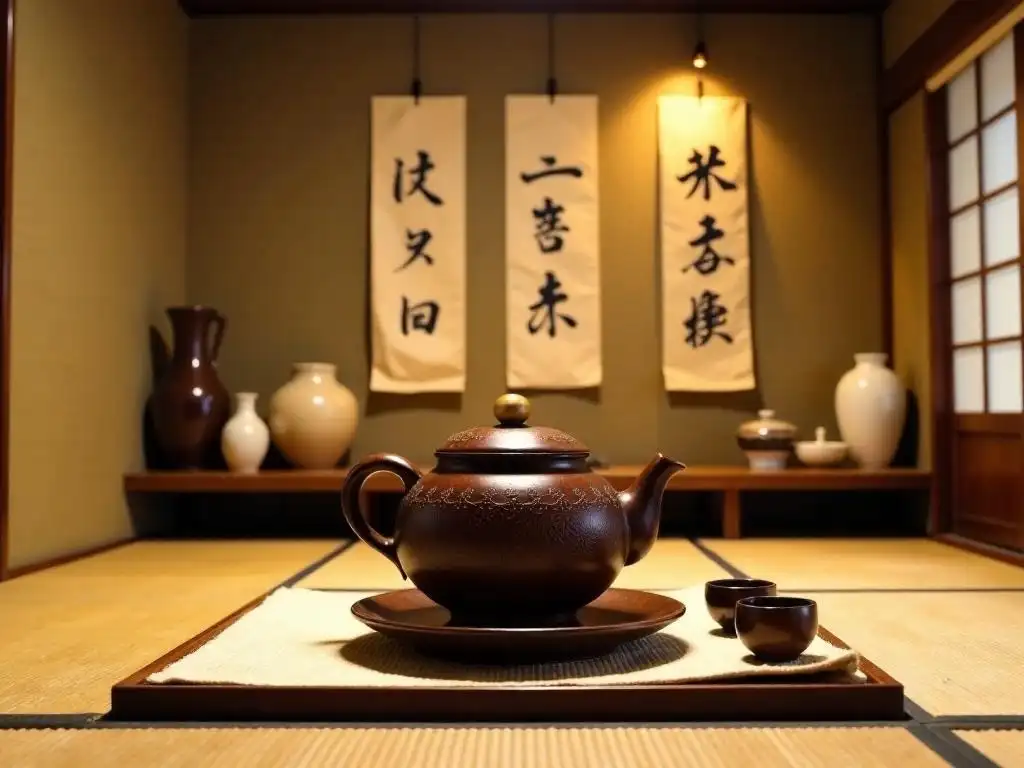
Tatami mats held a significant place in the cultural landscape of feudal Japan, influencing not only the architecture of homes but also the daily lives and customs of their inhabitants. As woven rush grass mats, tatami became a symbol of status and tradition, deeply embedded in the Japanese way of life. Their use was often dictated by social standing, with higher-ranking individuals typically enjoying rooms with a greater number of tatami mats, while lower classes were limited to fewer or less elaborate arrangements.
The arrangement and design of tatami mats also reflected the principles of Feng Shui, emphasizing harmony and balance within the living space. The orientation and placement of tatami were meticulously planned to facilitate movement and enhance the aesthetics of the room. This consideration is particularly evident in traditional tea ceremonies, where the tatami mat served as a sacred space for participants, fostering a sense of tranquility and respect.
Rituals and Customs Involving Tatami Mats
Tatami mats were integral to various rituals and customs that shaped the social fabric of feudal Japan. One prominent example is the traditional tea ceremony, or chanoyu, where tatami mats provided the appropriate setting for this refined cultural practice. The act of kneeling on tatami while preparing and serving tea signified humility and respect, reinforcing social hierarchies and the importance of etiquette in Japanese culture.
Additionally, tatami mats were often used during important life events, such as weddings and funerals. The arrangement of mats during these ceremonies reflected the solemnity and significance of the occasion. Families would often create special tatami arrangements to honor ancestors, showcasing the deep-rooted connections between the living and the spiritual world.
The symbolism of tatami extended beyond mere functionality; it represented a connection to the earth and nature, which was crucial in Shinto beliefs. This reverence for the natural world emphasized the importance of harmony between human habitation and the environment.
The Influence of Tatami Mats on Japanese Aesthetics
The aesthetic influence of tatami mats permeated various aspects of Japanese art and design. The subtle textures and muted colors of tatami contributed to the serene atmosphere found in traditional Japanese interiors, emphasizing simplicity and minimalism. This aesthetic philosophy, known as wabi-sabi, celebrates the beauty in imperfection and transience, qualities that tatami mats embody through their natural materials and gradual aging process.
Tatami mats also played a crucial role in defining the spatial organization within feudal Japanese homes. The division of space created by tatami arrangements allowed for fluid functionality, where rooms could serve multiple purposes—from sleeping quarters to gathering spaces—while maintaining an inviting ambiance. The spatial hierarchy influenced how spaces were perceived, with higher-ranked rooms often featuring a more elaborate tatami layout.
This aesthetic sensibility extended to various art forms, including traditional painting, calligraphy, and architecture, where the principles of tatami design were mirrored. The seamless integration of tatami in everyday life exemplified the Japanese ideals of beauty, utility, and harmony.
Maintenance and Care of Tatami Mats in Feudal Japan
The maintenance and care of tatami mats were crucial for preserving their functionality and appearance in feudal Japanese homes. Given their natural materials, tatami required regular attention to ensure longevity. The practice of maintaining tatami was not merely a chore but an essential aspect of household management that reflected the values of cleanliness and order prevalent in Japanese culture.
Homeowners were tasked with monitoring the condition of tatami mats, taking care to avoid damage from moisture or pests. This diligence was vital, as tatami mats could easily deteriorate if not cared for properly.
Cleaning and Preserving Tatami Mats
Cleaning tatami mats involved a delicate balance of techniques to avoid damaging the woven surface. Homeowners would often use a soft brush or cloth to remove dust and debris, ensuring that the mats remained clean without compromising their integrity. Occasionally, mats were aired out in sunlight to prevent mold growth and eliminate odors, as moisture could quickly become a problem in Japan's humid climate.
In addition to regular cleaning, tatami mats required preservation efforts. This included periodically replacing the tatami covering, known as tatami omote, which would become worn over time. The process of re-covering tatami was a skilled craft, requiring expertise to ensure a perfect fit and aesthetic appeal.
Challenges in Maintaining Tatami Mats Over Time
Despite the care taken, maintaining tatami mats presented several challenges over the years. Environmental factors, such as humidity and temperature fluctuations, could lead to warping or discoloration. Pests, particularly insects like termites, posed a significant threat to tatami mats, necessitating vigilant inspection and control measures.
Moreover, the wear and tear from daily use could lead to fraying or damage, making it essential for households to invest in regular maintenance. The labor-intensive nature of this upkeep often meant that families had to dedicate time and resources to ensure their tatami remained in good condition, reflecting the cultural importance attached to these mats.
As the feudal era progressed, the introduction of new materials and Western influences began to challenge traditional practices, leading to a gradual decline in the use of tatami. However, the legacy of these mats continues to resonate in contemporary Japanese homes, symbolizing a rich history of cultural significance and aesthetic appreciation.
The Evolution of Tatami Mats Beyond Feudal Japan
Tatami mats, which originated in the Heian period (794-1185), underwent significant transformations through the centuries, particularly as Japan transitioned from the feudal era to modern times. During the feudal period, tatami mats were primarily used in the homes of samurai and affluent families, serving both functional and aesthetic purposes. The rich textures and natural materials reflected the status of the household. However, as societal structures changed and Japan opened up to Western influences in the late 19th century, the design and usage of tatami mats began to evolve.
One key change was the shift in materials. In the past, tatami mats were made from rice straw and covered with intricate woven rush grass (igusa). Post-feudal Japan saw the introduction of synthetic materials, allowing for cheaper and more durable alternatives. Despite this shift, traditional tatami still holds a revered place in Japanese culture due to its association with authenticity and heritage.
Changes in Usage and Design Post-Feudal Era
Following the end of the feudal era during the Meiji Restoration (1868-1912), the use of tatami mats began to decline in formal settings as Western-style furniture and décor became popular. However, tatami mats found new roles in modern homes, often being integrated into multi-functional spaces. The tatami room, known as a "washitsu," became a popular feature in contemporary Japanese homes, serving as a place for relaxation, social gatherings, and traditional activities like tea ceremonies.
Moreover, the design of tatami mats adapted to fit modern aesthetics. While traditional tatami dimensions are still respected, variations such as thinner mats and different colors have emerged to cater to contemporary tastes. The cultural significance of tatami endured, with many Japanese people still preferring to sleep on tatami mats rather than Western-style beds for reasons of comfort and tradition.
The Continued Relevance of Tatami Mats in Modern Japanese Homes
Today, tatami mats continue to play a vital role in modern Japanese homes, embodying a blend of tradition and contemporary living. Their natural materials contribute to improved indoor air quality and a sense of tranquility, making them appealing in an increasingly urbanized environment. In addition, the minimalistic aesthetic of tatami aligns with the modern Japanese design philosophy, which emphasizes simplicity and harmony with nature.
Furthermore, tatami mats are celebrated for their versatility. They are often used in various settings, from traditional tea houses to urban apartments, providing a connection to Japan's rich cultural heritage. The continued production of tatami mats, along with the preservation of traditional crafting techniques, underscores their lasting importance in Japanese society.
Conclusion
Summary of the Role of Tatami Mats in Feudal Japanese Homes
Tatami mats were not merely functional elements in feudal Japanese homes; they were deeply woven into the fabric of daily life and social customs. They defined spaces, influenced social status, and facilitated cultural practices, from dining to sleeping. The layered nature of tatami allows for flexibility in room usage, with the capability to transform a space for varied activities, reflecting the complex social interactions of feudal Japan.
Final Thoughts on Cultural Significance and Legacy of Tatami Mats
The legacy of tatami mats extends beyond their physical presence in homes; they symbolize a rich cultural history and the evolution of Japanese society. Even as Japan modernizes, the reverence for tatami mats endures, marking them as a significant aspect of national identity and cultural continuity. Their adaptability and timeless appeal ensure that tatami mats will remain a cherished element of Japanese homes, bridging the past and present in a uniquely harmonious way.
- Introduction to Tatami Mats in Feudal Japan
- The Importance of Tatami Mats in Feudal Japanese Homes
- Construction and Materials of Tatami Mats
- The Layout of Feudal Japanese Homes with Tatami Mats
- Cultural Practices Surrounding Tatami Mats
- Maintenance and Care of Tatami Mats in Feudal Japan
- The Evolution of Tatami Mats Beyond Feudal Japan
- Conclusion
Frequently Asked Questions
What are tatami mats?
Tatami mats are traditional Japanese flooring made from rice straw and covered with woven rush grass. They played a significant role in feudal Japanese homes, influencing interior design and lifestyle.
How did tatami mats affect the layout of feudal Japan homes?
The presence of tatami mats dictated the layout and design of rooms, as they defined spaces for different purposes, such as sleeping, dining, and entertaining guests, emphasizing a harmonious living environment.
What materials were used to make tatami mats in feudal Japan?
Tatami mats were primarily made from rice straw for the core and igusa (rush grass) for the outer covering. This combination provided both comfort and insulation, essential for feudal living conditions.
Were tatami mats used by all classes in feudal Japan?
While tatami mats were prevalent in samurai and upper-class homes, their use was less common among the lower classes. However, they were a symbol of status and refined living in feudal Japan.
How did tatami mats contribute to Japanese culture?
Tatami mats played a crucial role in shaping Japanese aesthetics and culture, promoting values of simplicity and natural beauty. Their use in traditional practices, such as tea ceremonies, highlighted their cultural significance.
Final Reflection: The Enduring Legacy of Tatami Mats in Feudal Japan Homes
The significance of tatami mats in feudal Japan homes extends far beyond mere flooring; they embody a cultural heritage that continues to resonate today. As we navigate a world increasingly disconnected from traditional practices, the elegance and functionality of tatami mats remind us of the beauty found in simplicity and the importance of cultural roots. The way these mats shaped domestic life in feudal Japan offers invaluable lessons about harmony, respect, and the connection between people and their environment.
Cultural artifacts like tatami mats have a profound influence on our understanding of history and identity. They serve as a bridge linking past and present, illustrating how domestic spaces can reflect societal values. The careful craftsmanship and intentional design of tatami mats reveal a deep appreciation for nature and aesthetics that still inspires contemporary interior design. Tradition is not the worship of ashes, but the preservation of fire.
This quote encapsulates the essence of how we can honor our past while igniting innovation in our present.
As you reflect on the role of tatami mats in feudal Japan homes, consider how these lessons can be applied to your own life. Embrace the values of simplicity, mindfulness, and respect for your surroundings. Whether it's through creating a serene space in your home or fostering deeper connections with your community, let the legacy of tatami mats inspire you to cultivate a life that honors tradition while embracing the future.
Embrace the Harmony of Tatami Living!
Thank you for joining us on this journey through the fascinating world of Tatami mats in feudal Japanese homes! We hope you've gained insights into their significance and how they shaped daily life and aesthetic values in that era. Now, it’s time to take this knowledge further and immerse yourself in the rich tapestry of feudal Japan.
Here are a few engaging ways to continue your exploration:
- Visit a local Japanese or Asian cultural center to experience traditional living spaces and their significance firsthand.
- Share this article with friends or on social media to spark discussions about the beauty of Tatami and its role in Japanese culture.
- Explore traditional Japanese art forms, such as tea ceremonies or calligraphy, which reflect the principles of Tatami living.
What aspect of feudal Japanese culture would you like to explore next—architecture, rituals, or perhaps the relationship between nature and daily life? Let's dive deeper together!