
Wooden Wonders: The Techniques Behind Feudal Japanese Carpentry


Welcome to Feudal Japan History, where we invite you to embark on a captivating journey through the intricate tapestry of Japan’s feudal era. Here, you will uncover the hidden wonders of feudal Japanese carpentry techniques, a craft that not only shaped the architectural landscape but also reflects the cultural and societal values of the time.
As you delve into our featured article, "Wooden Wonders: The Techniques Behind Feudal Japanese Carpentry," prepare to be inspired by the artistry and innovation that defined daily life in feudal Japan. Join us as we explore the craftsmanship that has endured through the ages, and let your curiosity guide you deeper into this fascinating world.
- Introduction to Feudal Japanese Carpentry Techniques
- Historical Context of Carpentry in Feudal Japan
- Key Feudal Japanese Carpentry Techniques
- Tools and Equipment Used in Feudal Japanese Carpentry
- Architectural Styles Influenced by Carpentry Techniques
- Cultural Significance of Carpentry in Feudal Japan
- Preservation of Carpentry Techniques in Modern Japan
- Conclusion: The Lasting Legacy of Feudal Japanese Carpentry Techniques
- Frequently Asked Questions
- Final Reflection: The Enduring Legacy of Feudal Japanese Carpentry Techniques
- Unleash Your Inner Craftsman and Explore Japanese Carpentry!
Introduction to Feudal Japanese Carpentry Techniques
Feudal Japan, a period marked by samurai warfare, intricate social hierarchies, and rich cultural practices, also boasts a remarkable architectural legacy that reflects its unique societal values and technological advancements. Among the many crafts that flourished during this era, carpentry stood out as a vital skill, facilitating the construction of homes, temples, and castles that embodied both functionality and aesthetic beauty.
The techniques behind feudal Japanese carpentry are not merely methods of construction; they represent a deep understanding of materials, an appreciation for nature, and a commitment to craftsmanship that has been passed down through generations. This article will delve into the intricacies of feudal Japanese carpentry techniques, exploring their historical significance, cultural relevance, and the enduring impact they have had on Japanese architecture.
Overview of Feudal Japan's Architectural Landscape
The architectural landscape of feudal Japan was as diverse as its geography, comprising a myriad of structures ranging from humble dwellings to grand castles.
- Key characteristics of feudal Japanese architecture include:
- Use of Natural Materials: Predominantly wood, bamboo, and clay, chosen for their availability and harmony with nature.
- Asymmetrical Designs: Reflecting the natural forms of the landscape, emphasizing balance rather than strict symmetry.
- Integration with Nature: Buildings often featured sliding doors (fusuma) and tatami mats that connected indoor and outdoor spaces, fostering a sense of tranquility.
The quintessential mukōzuke, or "no wall" design, allowed for flexibility and change, showcasing an architectural philosophy that prioritized adaptability. Structures like the iconic shoin-zukuri and sukiya-zukuri styles emerged, each catering to different social classes and functions, from the austere simplicity of Zen temples to the ornate aesthetics of samurai residences.
Importance of Carpentry in Feudal Society
Carpentry was not just a craft but a cornerstone of daily life in feudal Japan, influencing social status, cultural practices, and economic activity.
- Reasons why carpentry was essential include:
- Cultural Expressions: Carpentry techniques were often infused with artistic elements, leading to the development of unique styles and motifs that represented various cultural narratives.
- Social Structure Reflection: Skilled carpenters gained respect and recognition, often aligning themselves with the samurai class or serving in temple construction, which was integral to community life.
- Economic Impact: The demand for skilled carpenters surged during the feudal era, as the construction of fortifications and religious structures became prevalent, creating job opportunities and supporting local economies.
Feudal Japanese carpentry techniques encapsulate a rich tapestry of historical significance, cultural identity, and practical application. By examining these techniques, we gain insight into the very fabric of feudal Japanese society and the enduring legacy of its craftsmanship.
Historical Context of Carpentry in Feudal Japan

The Evolution of Carpentry Techniques through the Eras
Carpentry in feudal Japan evolved significantly from the early periods through the Edo period (1603-1868), influenced by various political, social, and technological changes. Initially, carpentry was rudimentary, focusing on functional structures such as simple wooden homes and grain storage facilities. The Jomon period (c. 14,000–300 BCE) saw the use of natural materials, with early inhabitants constructing dwellings using timber and thatch.
As Japan entered the Heian period (794-1185), carpentry techniques advanced significantly. The introduction of more sophisticated tools and the concept of joinery allowed for the creation of more complex structures. Techniques such as dovetail joints and mortise and tenon joints became prevalent, enabling carpenters to build sturdier and more aesthetically appealing buildings.
During the Kamakura period (1185-1333), as the samurai class emerged, there was a shift in carpentry styles to reflect the newfound social hierarchies. Structures like shoin-zukuri, characterized by sliding doors and tatami mat flooring, began to dominate. This period also saw the rise of temple construction, where carpentry techniques incorporated both functionality and religious symbolism.
The Muromachi period (1336-1573) further refined these techniques, with notable advancements in the use of latticework and decorative elements in both residential and religious buildings. The aesthetic principles of wabi-sabi, which embraces imperfection and transience, began to influence carpentry designs, leading to the creation of structures that harmonized with their natural surroundings.
The Edo period marked the culmination of feudal Japanese carpentry techniques. The period was characterized by urbanization, leading to the construction of townhouses (machiya) and merchant buildings that featured intricate woodwork. The use of kigumi—a traditional Japanese joinery technique that involves interlocking wooden pieces without the use of nails—became a hallmark of this era, showcasing the artisans' craftsmanship and understanding of structural integrity.
Influence of Cultural and Religious Beliefs on Carpentry
Cultural and religious beliefs played a pivotal role in shaping feudal Japanese carpentry techniques and styles. The concept of Shinto and Buddhism significantly influenced the design and construction of both residential and religious structures, emphasizing harmony with nature and spiritual significance.
In Shinto, the belief that natural elements possess spirits led to a preference for wooden structures that harmonized with their surroundings. This resulted in the use of untreated wood and a focus on the natural grain and texture in carpentry. Shrines, which often featured simple, elegant designs, relied on traditional joinery techniques to ensure durability and respect for the materials used. The famous Ise Shrine, rebuilt every 20 years, exemplifies this approach, utilizing natural wood and showcasing skilled craftsmanship.
Buddhism also influenced carpentry, especially in the construction of temples and monasteries. The design principles followed in Buddhist architecture prioritized simplicity, balance, and a sense of tranquility. The use of tatami mats in temples and residences reflected a cultural appreciation for minimalism and comfort, allowing spaces to serve multiple functions, from living areas to meditation rooms.
The aesthetic philosophy of Zen Buddhism further shaped carpentry practices during the feudal era. Zen gardens and tea houses emphasized the use of space, natural materials, and subtle beauty. The tea ceremony architecture, for instance, required precise carpentry skills to create intimate and serene environments, reflecting the values of mindfulness and simplicity.
Overall, the interplay of cultural and religious beliefs with carpentry techniques in feudal Japan created a rich tapestry of architectural styles that not only served practical purposes but also conveyed deeper meanings related to identity, spirituality, and the natural world.
Key Feudal Japanese Carpentry Techniques

Feudal Japanese carpentry techniques are renowned for their intricate craftsmanship and sustainability, reflecting the harmony between nature and human ingenuity. This section delves into the prominent techniques that shaped the architectural legacy of feudal Japan, emphasizing traditional joinery methods and the use of natural materials.
Traditional Joinery Methods
Joinery is a fundamental aspect of feudal Japanese carpentry, where wood is meticulously crafted to fit together without the use of nails or metal fasteners. This method not only showcases the skill of the carpenter but also allows for flexibility and durability in wooden structures. Key joinery techniques include:
- Dovetail Joints
- Mortise and Tenon
Dovetail Joints: Craftsmanship and Functionality
Dovetail joints are a hallmark of Japanese carpentry, characterized by interlocking wedge-shaped pieces of wood. This technique offers exceptional strength and resistance to pulling forces, making it ideal for furniture and structural elements.
- Craftsmanship: The creation of dovetail joints requires a high level of precision. Carpenters would use hand tools such as chisels and saws to shape the wood accurately.
- Aesthetic Appeal: Beyond functionality, dovetail joints contribute to the beauty of wooden constructions. The visible craftsmanship adds a unique charm to furniture and wooden structures.
- Applications: Commonly used in drawer construction and the assembly of wooden frames, dovetail joints are a testament to the skill and artistry of feudal Japanese carpenters.
Mortise and Tenon: The Backbone of Wooden Structures
The mortise and tenon joint is another fundamental technique in feudal Japanese carpentry, serving as a critical structural component.
- Definition: This joint consists of a mortise hole cut into one piece of wood and a tenon that fits snugly into it.
- Strength and Stability: Mortise and tenon joints provide remarkable strength and stability, allowing wooden structures to withstand the elements and the test of time.
- Cultural Significance: Often utilized in the construction of temples and traditional homes, this technique underscores the importance of craftsmanship in Japanese culture.
Use of Natural Materials in Carpentry
Feudal Japanese carpentry is deeply rooted in the use of natural materials, where the selection and treatment of wood play a vital role in the longevity and aesthetic of structures.
Selection of Wood Types: Cedar, Pine, and Cypress
The choice of wood is essential in feudal Japanese carpentry, with specific types favored for their properties:
- Cedar (Sugi): Known for its durability and resistance to rot, cedar was often used for temples and shrines.
- Pine (Matsu): A versatile and widely available wood, pine was utilized for both structural and decorative elements.
- Cypress (Hinoki): Renowned for its fragrant aroma and natural resistance to insects, cypress was a preferred choice for sacred buildings.
| Wood Type | Characteristics | Common Uses |
|---|---|---|
| Cedar | Durable, rot-resistant | Temples, shrines |
| Pine | Versatile, widely available | Structural elements, roofs |
| Cypress | Fragrant, insect-repellent | Sacred buildings |
Preservation Techniques for Longevity
To ensure the longevity of wooden structures, feudal Japanese carpenters employed various preservation techniques:
- Natural Oils: Applying natural oils helped to protect the wood from moisture and pests.
- Elevated Foundations: Raising buildings off the ground prevented water damage.
- Ventilation: Designing structures with adequate airflow minimized humidity-related issues.
These methods reflect a profound understanding of material properties and environmental conditions, allowing feudal Japanese carpentry to stand the test of time.
By mastering these carpentry techniques and employing natural materials, the artisans of feudal Japan created lasting legacies that continue to inspire modern craftsmanship.
Tools and Equipment Used in Feudal Japanese Carpentry
Essential Hand Tools for Traditional Carpentry
Feudal Japanese carpentry was characterized by the use of specialized hand tools that allowed artisans to create intricate wooden structures with precision and artistry. The craftsmanship involved in constructing homes, temples, and other buildings during this era relied heavily on a select set of tools, each designed for specific tasks.
The Role of the Nomi (Chisel) in Woodworking
The nomi, or chisel, was an indispensable tool in the toolkit of a feudal Japanese carpenter. These chisels came in various shapes and sizes, tailored for different types of cuts and details. The cutting edge, often made of high-carbon steel, allowed for both fine detail work and robust structural cuts.
- Types of Nomi:
- Usunomi: A thin chisel for delicate work.
- Okinomi: A wider chisel used for larger cuts.
- Kōnomi: A general-purpose chisel for various tasks.
Carpenters frequently employed the nomi in joinery, where precise cuts were essential for creating interlocking joints without the use of nails. This technique not only showcased the skill of the carpenter but also contributed to the durability and aesthetics of the wooden structures.
The Importance of the Nokogiri (Saw) in Joinery
Another vital tool in feudal Japanese carpentry was the nokogiri, or saw. Unlike Western saws, which typically have a rigid blade, the nokogiri features a flexible blade that allows for smoother, more controlled cuts. This flexibility was crucial when working with wood, as it minimized splintering and allowed for intricate joinery.
- Types of Nokogiri:
- Ryoba: A double-sided saw with one side for rip cuts and the other for cross cuts.
- Kataba: A single-sided saw designed for more precise cuts.
The saw's design and operation required a skilled hand, as the carpenter had to apply the right amount of pressure and angle to achieve the desired cut. The craftsmanship inherent in using the nokogiri was a testament to the artistry that defined feudal Japanese carpentry techniques.
Innovations in Carpentry Tools during the Feudal Era
During the feudal era, carpentry tools underwent notable innovations that enhanced their efficiency and effectiveness. These advancements were driven by the evolving needs of society and the increasing complexity of architectural designs.
- Development of the Kanna (Plane): The kanna allowed carpenters to smooth and shape wood with remarkable precision. Its design evolved to include adjustable blades, enabling users to control the thickness of the material being planed.
- Introduction of New Materials: The use of better-quality metals for tool blades improved durability and cutting efficiency. The blending of iron and high-carbon steel resulted in sharper edges that could withstand rigorous use.
- Standardization of Tool Sizes: Over time, standard sizes for tools emerged, which facilitated training and improved the overall quality of carpentry. This standardization allowed apprentices to learn more quickly and effectively, ensuring that traditional techniques were passed down through generations.
The innovations in tools not only improved the artisans' workflow but also significantly impacted the quality and longevity of the structures built during the feudal period. The combination of traditional methods and new technologies exemplified the rich heritage of feudal Japanese carpentry techniques.
Architectural Styles Influenced by Carpentry Techniques

Traditional Japanese Housing: Minka and Shoin-zukuri
Traditional Japanese housing showcases a profound connection between feudal Japanese carpentry techniques and architectural styles, most notably seen in minka and shoin-zukuri.
Minka, or "people's houses," were typically constructed using local materials such as wood and clay, reflecting the harmony with nature that is central to Japanese aesthetics. The carpentry techniques employed in minka included:
- Post-and-Beam Construction: This method, known as hashira, utilized vertical posts and horizontal beams, which allowed for flexible and durable structures.
- Irregular Layouts: Unlike Western architecture, minka often featured asymmetrical designs, promoting airflow and providing functionality without compromising aesthetics.
In contrast, shoin-zukuri represents a more formal style of architecture, originally developed for samurai residences and later adopted in tea houses. Key features of shoin-zukuri include:
- Tatami Mats: The use of tatami, or straw mats, dictated room dimensions and influenced the layout. The precision in carpentry ensured that rooms were well-proportioned and visually appealing.
- Sliding Doors (Fusuma): These doors were crafted with intricate wood joinery, allowing for flexible room usage and enhancing the aesthetic experience through sliding mechanisms.
The distinction between minka and shoin-zukuri highlights the adaptability of feudal Japanese carpentry techniques, which catered to various social classes and functional requirements.
The Role of Carpentry in Temple and Shrine Construction
Carpentry played a pivotal role in the construction of temples and shrines in feudal Japan, where craftsmanship was not only a skill but also a form of spiritual expression.
One of the most recognized carpentry techniques in this domain is the Kongō Gumi method, which involves the intricate wooden joinery that allows for flexibility and strength without the need for nails. This technique is significant in resisting seismic activity, an essential consideration in Japan's earthquake-prone regions.
Some notable characteristics of temple and shrine carpentry include:
- Post-and-Lintel Systems: Similar to minka, this system utilized wooden posts to support the roof, allowing for expansive interiors that could accommodate large gatherings.
- Complex Roof Structures: The roofs of temples and shrines often featured ornate designs, with multiple layers and angles, which were achieved through expert joinery. This not only provided protection from the elements but also contributed to the iconic silhouette of Japanese sacred architecture.
Moreover, the use of local woods, such as cedar and cypress, not only showcased the beauty of natural materials but also aligned with the Shinto belief in the sacredness of nature. The careful selection and treatment of wood, including techniques like yaki-sugi (charred wood), enhanced durability and contributed to the aesthetic charm of these structures.
The techniques behind feudal Japanese carpentry have left an indelible mark on architectural styles, influencing both domestic dwellings and religious edifices. The combination of functionality, aesthetics, and respect for nature exemplifies the depth of skill embedded in feudal Japanese carpentry.
Cultural Significance of Carpentry in Feudal Japan
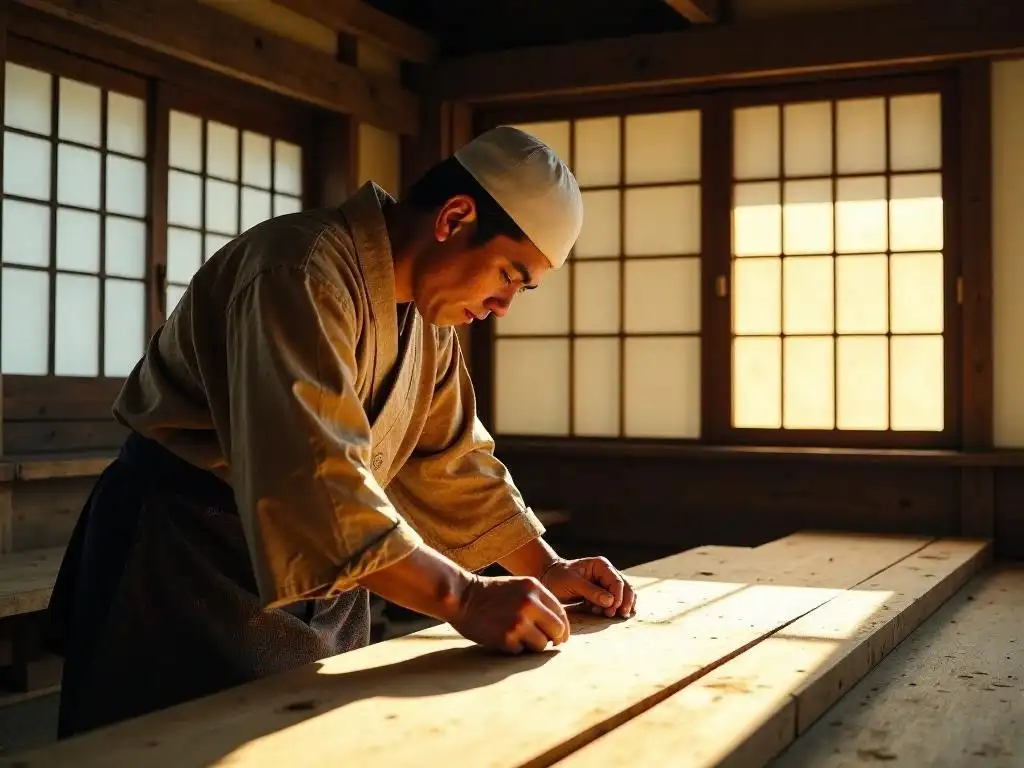
Carpentry as an Artistic Expression
Carpentry in feudal Japan transcended mere construction; it became a revered form of artistic expression. The intricate designs and techniques employed by carpenters reflected not only their craftsmanship but also the aesthetic values of the era. Traditional Japanese architecture emphasized harmony with nature, utilizing wood as a fundamental building material. This connection to nature is evident in the tatami mats, sliding doors ( fusuma), and wooden beams that define the spaces.
- Proportions and Symmetry: Aesthetic principles like wa (和), meaning harmony, guided carpenters in creating structures that were visually balanced. The proportions of buildings were meticulously calculated to achieve a sense of calm and tranquility. For instance, the famous Kinkaku-ji (Golden Pavilion) exemplifies these principles with its elegant lines and balance against the backdrop of its surroundings.
- Joinery Techniques: The absence of nails in traditional carpentry showcases the skill involved in joinery techniques such as dovetail and mortise and tenon joints. These joints not only provided structural integrity but also contributed to the beauty of the work. Each joint was crafted with precision, ensuring that the wood would expand and contract with the seasons without compromising the overall structure.
- Decorative Elements: Beyond functional aspects, decorative elements like kōbō (ornamental carving) added an artistic flair to buildings. These carvings often depicted nature, deities, or folklore, serving both aesthetic and spiritual purposes. The artistry displayed in these embellishments was a testament to the carpenter's skill and creativity, elevating their work to the realm of fine art.
The Role of the Carpenter in Feudal Society
In feudal Japan, carpenters held a significant position within the social hierarchy, often respected for their expertise and craftsmanship. Their role extended beyond that of mere builders; they were vital contributors to the cultural and communal identity of their regions.
- Professional Guilds: Carpenters often organized into guilds known as za, which provided training, resources, and support for their members. These guilds played a crucial role in preserving traditional techniques and passing them down through generations. The structured hierarchy within these guilds mirrored the broader feudal system, with master carpenters mentoring apprentices and ensuring the continuity of skills.
- Civic Contributions: Carpenters were responsible for constructing not only homes but also temples, shrines, and community buildings. Their work contributed to the spiritual and social fabric of feudal society. For example, the construction of Shinto shrines required not just technical skill but a deep understanding of religious practices, as the buildings were designed to honor the kami (spirits) and serve the community.
- Cultural Ambassadors: Through their craftsmanship, carpenters served as cultural ambassadors, reflecting local traditions and stories in their work. Each region in Japan had its unique architectural styles and techniques, influenced by the local environment and materials available. This regional variation enriched the tapestry of Japanese architecture, showcasing the diversity and depth of feudal Japanese carpentry techniques.
Carpentry in feudal Japan was a multifaceted discipline deeply ingrained in cultural, social, and artistic realms. The techniques and practices developed during this era continue to influence modern architectural approaches, underscoring the lasting legacy of feudal Japanese carpentry.
Preservation of Carpentry Techniques in Modern Japan
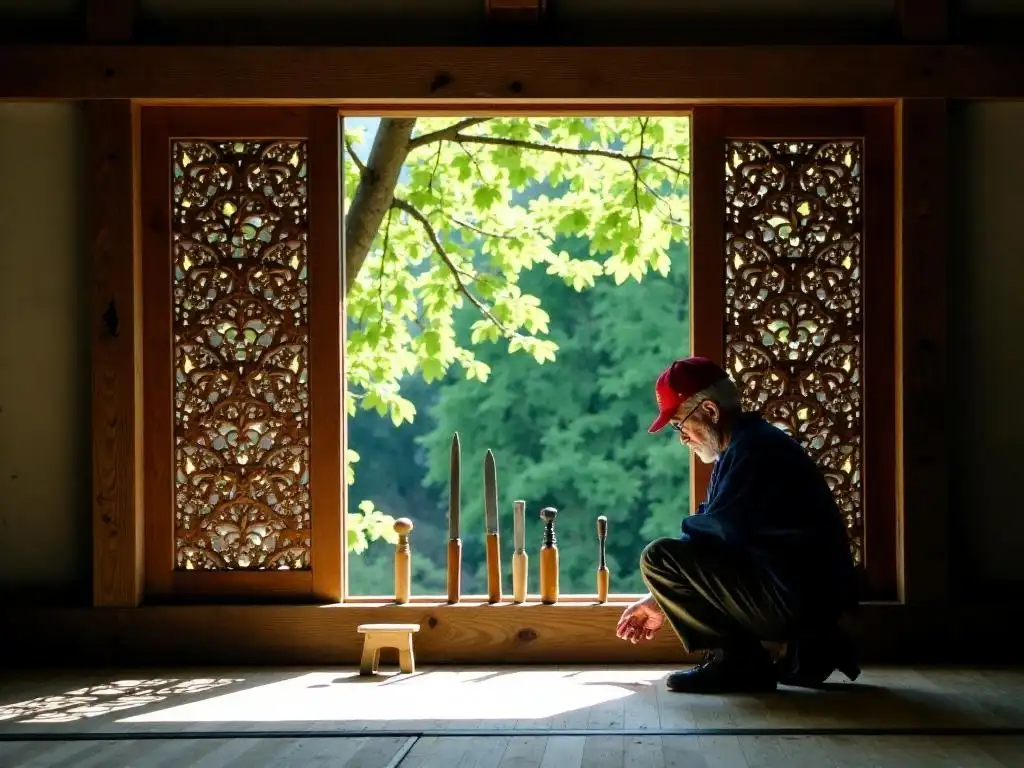
The preservation of feudal Japanese carpentry techniques is not only a matter of nostalgia but also a crucial aspect of maintaining cultural identity in modern Japan. As urbanization and contemporary construction methods have taken precedence, there is a growing recognition of the need to preserve traditional skills and craftsmanship that defined the architectural heritage of Japan.
Reviving Traditional Carpentry Skills
Efforts to revive traditional carpentry skills have become increasingly important in recent years. Craftsmen, known as miyadaiku, are now engaging in practices to ensure that the intricate methods used in feudal Japanese carpentry are not lost. These techniques include:
- Joinery Techniques:
- Traditional joinery methods, such as kanawa tsugi (dovetail joints) and shachi-sen (shark fin joints), are central to feudal carpentry. These joints do not require nails, showcasing the ingenuity of Japanese carpenters in creating sturdy constructions.
- Material Selection:
- The choice of wood, often sourced from local forests, is critical. Commonly used species like cedar ( sugi) and cypress ( hinoki) are favored not only for their strength but also for their aesthetic qualities and resistance to rot.
- Tools and Techniques:
- The use of traditional hand tools, such as chisels ( nomi) and saws ( nogu), remains vital in maintaining the authenticity of feudal carpentry. Understanding the techniques for sharpening and maintaining these tools is also part of the revival process.
Through workshops and mentorship programs, younger generations are being taught not just the physical skills but also the philosophy behind these techniques, emphasizing sustainability and respect for materials.
Educational Initiatives and Workshops for Future Generations
To ensure the longevity of these skills, various educational initiatives and workshops have been established across Japan. These programs aim to engage the youth and foster an appreciation for traditional carpentry. Key elements of these initiatives include:
- Hands-on Workshops:
- Local craftsmen offer workshops where participants can learn the basics of traditional carpentry. These sessions often include practical exercises in creating small wooden structures, allowing participants to directly experience the techniques.
- School Programs:
- Schools have begun integrating traditional carpentry into their art and craft curricula. This approach not only teaches students about the techniques but also instills a sense of pride in their cultural heritage.
- Cultural Festivals:
- Various regions host festivals that celebrate traditional craftsmanship, featuring demonstrations of carpentry techniques, storytelling about the history of these methods, and exhibitions of completed works.
- Collaboration with Universities:
- Some universities have partnered with local artisans to create courses focused on traditional Japanese architecture and carpentry. These courses often combine theoretical knowledge with practical skills, ensuring a comprehensive educational experience.
By investing in these educational initiatives, modern Japan is taking significant steps to ensure that the rich legacy of feudal Japanese carpentry techniques is preserved for future generations. This not only contributes to the cultural landscape of the country but also reinforces the importance of craftsmanship in contemporary society.
Conclusion: The Lasting Legacy of Feudal Japanese Carpentry Techniques
Feudal Japanese carpentry techniques have left an indelible mark on both historical and contemporary architecture. As we explore the lasting legacy of these methods, it becomes clear that their influence extends beyond mere construction; they embody a unique philosophy that intertwines craftsmanship with nature, sustainability, and community.
The principles established during the feudal era continue to inspire modern architects and builders, who seek to integrate the harmony and functionality characteristic of traditional Japanese structures into their designs. A key aspect of this influence is the emphasis on materials, particularly wood, which not only showcases the beauty of the natural environment but also promotes ecological sustainability.
Impact on Contemporary Architecture and Design
Modern architecture often looks to the past for inspiration, and feudal Japanese carpentry techniques provide a rich source of knowledge and aesthetics. Key elements include:
- Joinery Techniques: The intricate joinery methods, such as tsugite (wooden joints), are prized for their strength and aesthetic appeal. Contemporary architects are increasingly incorporating these techniques to create buildings that are both durable and visually striking.
- Open Spaces: Traditional Japanese homes emphasized open floor plans that fostered a connection with nature. Today, many architects aim to replicate this fluidity by designing spaces that encourage interaction and a seamless transition between indoor and outdoor environments.
- Natural Materials: The use of wood, bamboo, and other natural materials in feudal Japanese carpentry promotes a sense of warmth and authenticity. Modern designs often emphasize sustainability by sourcing local materials and employing eco-friendly practices, mirroring the traditional values of their predecessors.
- Minimalism: The minimalist aesthetic found in feudal Japanese architecture resonates with current design trends. The focus on simplicity, clean lines, and functional beauty is a testament to the enduring appeal of traditional carpentry techniques.
Here is a comparative table highlighting the key features of feudal Japanese carpentry and their contemporary counterparts:
| Feature | Feudal Japanese Carpentry | Contemporary Architecture |
|---|---|---|
| Joinery | Intricate, no nails | Modern joinery, sometimes using nails |
| Materials | Natural wood and bamboo | Sustainable materials, varied |
| Space | Open, flowing layouts | Open floor plans, flexible spaces |
| Aesthetic | Minimalist, nature-inspired | Minimalist, often urban-focused |
| Sustainability | Environmentally harmonious | Eco-friendly practices |
Reflection on the Cultural Heritage of Feudal Japan's Carpentry
The techniques and philosophies of feudal Japanese carpentry are deeply intertwined with the cultural heritage of Japan. Each structure built during this era not only served a practical purpose but also reflected the values, beliefs, and aesthetics of society. The craftsmanship involved in these techniques is a testament to the skill and dedication of the carpenters, who viewed their work as an art form.
The cultural significance of these carpentry techniques is evident in:
- Spiritual Connection: Many traditional structures, such as Shinto shrines and Buddhist temples, were designed with deep spiritual significance. The use of natural materials and harmonious designs created spaces that fostered tranquility and reflection.
- Community and Collaboration: Feudal carpentry was often a communal effort, with local craftsmen working together to construct buildings. This collaboration not only strengthened community ties but also ensured that knowledge and techniques were passed down through generations.
- Cultural Events and Traditions: Many carpentry techniques are linked to seasonal festivals and rituals, highlighting the importance of craftsmanship in the daily lives of the people. Structures built for these occasions often incorporated specific design elements that held cultural significance.
The techniques of feudal Japanese carpentry are more than mere construction methods; they are a reflection of a rich cultural heritage that continues to influence modern architecture and design. The enduring legacy of these techniques serves as a reminder of the importance of craftsmanship, community, and respect for nature in our built environment. As we move forward, embracing these principles can lead to a more sustainable and harmonious future in architecture.
Frequently Asked Questions
What are feudal Japanese carpentry techniques?
Feudal Japanese carpentry techniques refer to the traditional methods used by craftsmen during Japan's feudal era, emphasizing precision, joinery, and the use of natural materials.
How did the environment influence carpentry in feudal Japan?
The natural environment played a crucial role, as carpenters utilized local woods and adapted their techniques to suit the climate and terrain, leading to unique architectural styles.
What role did carpentry play in feudal Japanese society?
Carpentry was essential for constructing homes, temples, and other structures, reflecting the social hierarchy and cultural values of the time, while also showcasing craftsmanship.
What are some notable structures built using these techniques?
Some notable structures include Shinto shrines, Buddhist temples, and castles, which exemplify the aesthetic and functional aspects of feudal Japanese carpentry.
How have these techniques influenced modern Japanese architecture?
Modern Japanese architecture still reflects the principles of feudal carpentry, emphasizing harmony with nature, minimalism, and the use of sustainable materials, showcasing the enduring legacy of these techniques.
Final Reflection: The Enduring Legacy of Feudal Japanese Carpentry Techniques
The intricate craftsmanship of feudal Japanese carpentry techniques remains profoundly relevant today, as it embodies a harmonious blend of artistry and functionality. In an era where mass production often overshadows traditional methods, the meticulous practices of Japanese carpenters remind us of the beauty found in patience and precision. These techniques not only shaped the architectural landscape of Japan but also serve as a testament to the cultural values of sustainability and respect for nature that are increasingly vital in our modern world.
The influence of feudal Japanese carpentry extends far beyond the physical structures it created; it has woven itself into the very fabric of cultural identity and craftsmanship. The principles of joinery and the use of natural materials reflect a deep understanding of the environment, fostering a connection that many contemporary artisans strive to emulate. The essence of craftsmanship is not merely in the creation of objects but in the relationship between the maker and the materials.
This ongoing dialogue between tradition and innovation continues to inspire artists and builders alike, encouraging a revival of these ancient techniques in contemporary design.
As we reflect on the lessons embedded in feudal Japanese carpentry, let us embrace the call to honor craftsmanship in our own lives. Consider how you can integrate the values of patience, sustainability, and artistry into your daily practices. Whether through a personal project, a commitment to supporting local artisans, or simply appreciating the beauty of handcrafted work, each of us has the power to contribute to a legacy that celebrates the skill and dedication of those who came before us.
Unleash Your Inner Craftsman and Explore Japanese Carpentry!
Thank you for joining us on this journey through the fascinating world of feudal Japanese carpentry. You've gained valuable insights into the techniques and artistry that define this remarkable craft. Now, it’s time to take what you've learned and apply it in your own life!
Here are some **exciting ways** you can dive deeper:
- Start a woodworking project inspired by traditional Japanese techniques; consider building a simple piece of furniture or a decorative element!
- Share your newfound knowledge with friends by **hosting a discussion** or **writing online** about the unique aspects of Japanese carpentry.
- Explore local workshops or online courses to **enhance your skills** and connect with fellow woodworking enthusiasts.
What unique project will you craft that pays homage to the beauty of feudal Japanese carpentry? We can’t wait to hear your ideas!