
Women in Feudal Education: The Forgotten Female Scholars of Japan


Welcome to Feudal Japan History, where we embark on a fascinating journey through the intricate tapestry of Japan's feudal era. Delve into the hidden narratives of the past as we uncover the remarkable stories of female scholars in feudal Japan—a topic often overlooked yet rich with insight and inspiration. In our featured article, "Women in Feudal Education: The Forgotten Female Scholars of Japan," we illuminate the lives and contributions of these extraordinary women who shaped societal knowledge against all odds.
Join us as we explore the intersection of education, gender, and culture in a world that is both captivating and complex. Your adventure into the depths of history begins here—read on to uncover the untold legacy of these pioneering minds!
Introduction to Female Scholars in Feudal Japan
The role of women in feudal Japan has often been overshadowed by their male counterparts, leading to a significant gap in our understanding of the contributions made by female scholars during this period. While the narratives of samurai and warlords dominate the history books, countless women engaged in intellectual pursuits that shaped the educational landscape of their time.
This article aims to shine a light on the often-overlooked female scholars in feudal Japan, exploring their contributions to education and scholarship, and examining the societal structures that both enabled and constrained their participation in learning. Through this exploration, we will uncover the rich tapestry of women's education in a society predominantly defined by male achievements.
Historical Context of Education in Feudal Japan
Understanding the educational landscape of feudal Japan requires a deep dive into the historical context that shaped it. The following sections will detail the structure of feudal society and the various educational institutions that existed during this period.
The Structure of Feudal Society
Feudal Japan was characterized by a rigid hierarchical system, where social status was primarily determined by birth. At the top of this hierarchy were the daimyōs, powerful feudal lords who controlled vast lands and maintained armies of samurai. Below them were the samurai, who served as warriors and were often granted a form of education focused on military strategy and philosophy.
However, the structure of society also allowed for the emergence of various classes, including artisans, farmers, and merchants. It is within this complex social fabric that women navigated their roles, often dictated by both class and gender. While many women were relegated to domestic spheres, others found opportunities to engage in education, particularly in the realms of literature, poetry, and philosophy.
Educational Institutions in Feudal Japan
Education in feudal Japan was primarily accessible to the elite classes, with temples, shrines, and private tutoring being the main avenues for learning. Women of higher social standing could gain access to education through these institutions, where they studied various subjects, including:
- Literature and Poetry: Many women became accomplished poets and writers, contributing to genres like waka and narrative fiction.
- Calligraphy: The art of writing was highly regarded, and many women practiced calligraphy, often creating beautiful works that showcased their education.
- Philosophy and Ethics: Some women were able to delve into philosophical texts, engaging with the ideas of Confucianism, which emphasized moral development.
Despite the limitations imposed by a patriarchal society, these educational experiences allowed women to emerge as scholars, influencing cultural and intellectual life in feudal Japan. The stories of these women, often left untold, are crucial for a comprehensive understanding of education in this era.
Notable Female Scholars in Feudal Japan
Feudal Japan, spanning from the 12th to the 19th century, is often perceived as a patriarchal society where women had limited educational opportunities. However, a closer examination reveals that several female scholars emerged during this period, contributing significantly to literature, philosophy, and the arts. These women navigated a complex socio-political landscape, often defying societal norms to pursue knowledge and share their insights. Their contributions were not only pivotal within their immediate communities but also laid foundational stones for future generations of female intellectuals.
Among the notable female scholars of this era, figures such as Murasaki Shikibu and Sei Shonagon stand out due to their literary achievements. Murasaki is best known for her work, The Tale of Genji, often regarded as the world's first novel, while Sei Shonagon is celebrated for her essays and lists compiled in The Pillow Book. These women exemplified the intersection of scholarship and creativity, showcasing the intellectual capabilities of women in a time when their voices were frequently marginalized.
Profiles of Prominent Female Scholars
-
Murasaki Shikibu
Murasaki lived during the Heian period and served as a lady-in-waiting at the Heian court. Her novel The Tale of Genji not only reflects the court's culture but also explores themes of love, power, and the complexities of human relationships. Murasaki's sophisticated narrative style and character development have earned her a lasting place in literary history.
-
Sei Shonagon
A contemporary of Murasaki, Sei Shonagon was also a lady-in-waiting and is best known for her work The Pillow Book, a collection of essays, lists, and anecdotes that provide a vivid glimpse into court life. Her keen observations and witty prose highlight her intellectual prowess and insight into the social dynamics of her time.
-
Kikuchi Yosai
An artist and scholar, Kikuchi Yosai was known for her contributions to the art of calligraphy and poetry. She blended traditional Japanese aesthetics with her unique flair, earning recognition not only for her artistic talents but also for her philosophical writings that discussed the role of women in society.
-
Kōda Rohan
Though primarily recognized as a male author, the influence of female scholars like Kōda Rohan was significant, as he often cited and acknowledged the contributions of women in his works. His respect for female intellectuals of his time reflects a broader acknowledgment of their impact on literature and thought.
The Works of Female Scholars
The literary contributions of female scholars during feudal Japan were diverse and influential. These works ranged from poetry and novels to essays and philosophical treatises. Notable forms of expression included:
- Poetry: Women often used poetry as a means to express their emotions and thoughts. The waka form, a traditional Japanese poetry style, was particularly popular among women, allowing them to articulate personal and societal concerns elegantly.
- Prose: Female scholars like Murasaki Shikibu and Sei Shonagon contributed significantly to prose literature. Their works provide insight into the socio-cultural milieu of the Heian court and beyond, often intertwining personal experiences with broader narratives.
- Philosophical Writings: Some female scholars ventured into philosophical discourse, addressing themes of morality, ethics, and the human condition. Their writings challenged prevailing norms and offered fresh perspectives on women's roles in society.
The impact of these works extended beyond their immediate historical context, influencing later generations and contributing to the evolution of Japanese literature and thought.
Challenges Faced by Female Scholars
Despite their contributions, female scholars in feudal Japan faced numerous challenges that hindered their educational pursuits and intellectual growth. These challenges were often rooted in societal norms and personal circumstances that restricted their access to knowledge and opportunities.
Societal Barriers to Education
The educational landscape of feudal Japan was predominantly male-centric, with educational institutions largely catering to men. Women were often excluded from formal education, limiting their access to literary and scholarly resources. The societal perception of women as primarily caretakers and homemakers reinforced these barriers. Additionally, the Confucian ideals prevalent during the Edo period emphasized women’s subservience and obedience, further marginalizing female scholars and their aspirations for education.
- Limited Access to Resources: Libraries and schools were often inaccessible to women, and the prevailing belief was that education was unnecessary for them. Consequently, opportunities for self-study were minimal.
- Cultural Expectations: Women were expected to adhere to traditional roles, focusing on domestic responsibilities rather than pursuing scholarly endeavors. This cultural norm discouraged many from seeking education.
Personal Struggles of Female Scholars
In addition to societal barriers, many female scholars faced personal struggles that complicated their educational journeys. These challenges were often intertwined with their familial obligations and societal expectations.
- Family Responsibilities: Many women were expected to prioritize family duties over personal ambitions. Balancing household responsibilities with the desire for education often proved overwhelming.
- Isolation: Female scholars often worked in isolation, lacking the camaraderie and support systems that their male counterparts enjoyed. This isolation could stifle creativity and hinder intellectual exchange.
- Reputation and Criticism: Women who pursued education and scholarship often faced societal scrutiny and judgment. The fear of damaging their family's reputation could deter many from fully engaging in scholarly pursuits.
These challenges highlight the resilience of female scholars in feudal Japan, who, despite facing significant obstacles, contributed to the cultural and intellectual fabric of their society. Their legacy serves as a testament to the enduring spirit of women seeking knowledge in a restrictive environment.
The Legacy of Female Scholars in Feudal Japan
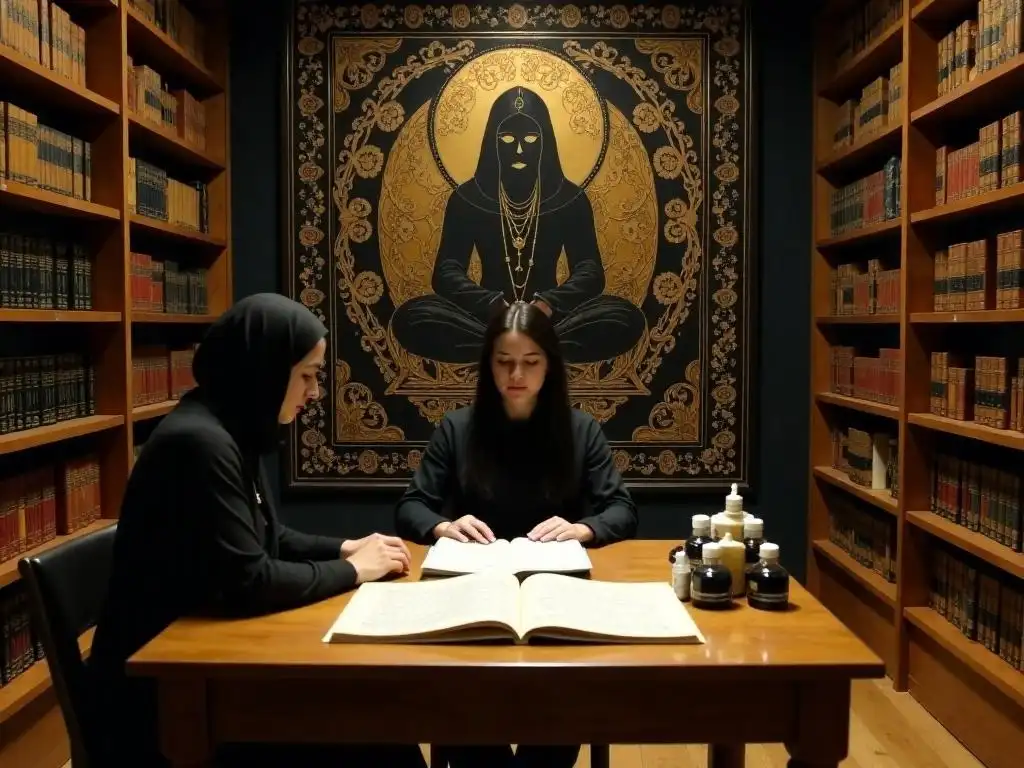
The legacy of female scholars in feudal Japan is often overshadowed by their male counterparts, yet their contributions to education and culture were significant and transformative. These women navigated a complex societal landscape that both restricted and empowered them, allowing them to engage in scholarly pursuits despite prevalent gender norms. Female scholars, particularly those from the samurai and merchant classes, often pursued education in literature, poetry, and philosophy, fostering a unique intellectual tradition that would ripple through generations.
Notably, women such as Murasaki Shikibu, author of "The Tale of Genji," and Sei Shonagon, known for her work "The Pillow Book," exemplified the intellectual capabilities of women during this period. Their writings not only provided insight into the lives of women in the Heian court but also laid the groundwork for future literary developments in Japan. Furthermore, the education they received was often informal, passed down through family and within the context of their households, emphasizing the importance of women as educators within their communities.
The legacy of these female scholars also extends to the arts, where women participated in various cultural practices, including calligraphy and painting. Their works often reflected the subtleties of female experience in a male-dominated society, thus enriching the cultural tapestry of feudal Japan. The impact of their scholarship and creativity is evident even today, as modern scholars increasingly recognize and celebrate their contributions.
Influence on Future Generations
The influence of female scholars in feudal Japan has transcended time, shaping the education and aspirations of subsequent generations of women. By challenging the societal norms of their era, these scholars laid the groundwork for future female intellectuals and activists. Their examples served as a beacon of possibility, illustrating that women could indeed partake in scholarly activities and contribute to society in meaningful ways.
As education became more accessible, particularly during the Edo period, the inspiration drawn from these early female scholars motivated many women to pursue knowledge and skills. This legacy can be observed in the rise of terakoya (temple schools) where both boys and girls were educated, leading to an increase in literacy rates among women. The presence of female educators during this period further solidified the idea that women could act as knowledge bearers and influencers in their communities.
Moreover, the writings and ideas of these scholars permeated various aspects of Japanese culture, including theater, literature, and philosophy. Their contributions encouraged a more inclusive discourse on education, prompting future generations to recognize the value of women’s perspectives and experiences in shaping societal norms.
Rediscovery and Recognition in Modern Scholarship
In recent years, the academic community has begun to rediscover and recognize the contributions of female scholars in feudal Japan, leading to a more nuanced understanding of their roles in history. This shift has been driven by a broader movement to reevaluate historical narratives that traditionally marginalized women's experiences. Researchers are now delving into archives, literature, and historical records to bring to light the stories and achievements of these forgotten female scholars.
Modern scholarship has highlighted the importance of women's writings in understanding the socio-political landscape of feudal Japan. Authors and historians are increasingly acknowledging how these women influenced not only the literary field but also the cultural and social dynamics of their time. By analyzing texts produced by female scholars, scholars can gain insights into the values, aspirations, and challenges faced by women in feudal society.
Additionally, the emergence of feminist historiography has encouraged a multidisciplinary approach to studying female scholars in feudal Japan. This approach not only emphasizes the need for inclusivity in historical narratives but also posits that understanding women's roles in education is crucial for grasping the full complexity of Japanese history. As a result, the recognition of female scholars is gaining traction, fostering a richer appreciation for their contributions and a reevaluation of their legacy.
Conclusion
The exploration of female scholars in feudal Japan reveals a rich tapestry of intellectual and cultural contributions that have long been overlooked. Despite facing significant societal barriers, these women forged paths for themselves and future generations, influencing education and cultural practices in profound ways.
As modern scholarship continues to rediscover their legacy, it becomes increasingly clear that the stories of these forgotten female scholars are not only essential to understanding Japan's feudal past but also vital to shaping a more inclusive historical narrative for the future. Their enduring impact serves as a reminder of the importance of recognizing and celebrating the contributions of women throughout history, ensuring that their voices are no longer silenced or forgotten.
References
The exploration of female scholars in feudal Japan highlights a significant yet often overlooked aspect of Japanese history. To understand the context and contributions of these women, it’s essential to refer to a variety of scholarly works, historical texts, and contemporary analyses. Below are some key references that provide in-depth insights into the education of women during this era:
-
"Women and Education in Japan" by K. H. Tanaka
This comprehensive study examines the educational opportunities available to women throughout Japanese history, specifically focusing on the feudal era. Tanaka discusses the varying levels of access to education for women across different social classes and regions.
-
"The Hidden History of Women in Japan" by S. Y. Nara
Nara's work provides a broader historical narrative that includes the contributions of female scholars. It highlights individual stories of women who defied societal norms and pursued education and scholarship during feudal times.
-
"Feudal Japan: A History" by J. T. Watanabe
Watanabe’s book offers a detailed account of the socio-political environment of feudal Japan, setting the stage for understanding the challenges and achievements of women in education. It includes sections specifically addressing the role of women in intellectual pursuits.
-
"The Education of Women in Confucian Societies" by M. R. Fujimoto
This text explores the influence of Confucian ideals on the education of women in Japan, comparing it with other East Asian cultures. Fujimoto’s analysis helps contextualize the educational limitations and opportunities faced by women scholars.
-
"Voices from the Past: Female Scholars in Feudal Japan" (Journal Article)
This academic article compiles various case studies of female scholars in feudal Japan, detailing their contributions to literature, philosophy, and education. It serves as a crucial resource for understanding specific individuals and their impact on education.
-
"Women in Japanese History" by E. K. Saito
Saito discusses the evolution of women's roles in Japanese society, with particular attention to education. This reference provides a timeline of significant changes in educational practices affecting women throughout different periods, including feudal Japan.
-
"Gender and Education in Japan" (Edited Volume)
This collection of essays covers various aspects of gender and education, including the historical context of female education in Japan. It offers multiple perspectives from various scholars, enriching the understanding of women's roles in education.
These references not only provide historical context but also emphasize the importance of recognizing the contributions and challenges faced by female scholars in feudal Japan. They serve as a foundation for further research and exploration into the often-forgotten narratives of women in education during this pivotal era.
- Introduction to Female Scholars in Feudal Japan
- Historical Context of Education in Feudal Japan
- Notable Female Scholars in Feudal Japan
- Challenges Faced by Female Scholars
- The Legacy of Female Scholars in Feudal Japan
- Conclusion
- References
- What role did female scholars play in feudal Japan?
- How were educational opportunities for women different in feudal Japan?
- Who were some notable female scholars in feudal Japan?
- What challenges did female scholars face in feudal Japan?
- How has the perception of female scholars in feudal Japan changed over time?
Frequently Asked Questions
What role did female scholars play in feudal Japan?
Female scholars contributed to educational advancements despite societal restrictions. They often focused on literature, poetry, and the arts, influencing cultural development.
How were educational opportunities for women different in feudal Japan?
Women had limited access to formal education compared to men. However, some were able to learn through private tutoring or family teachings, especially in the arts and literature.
Who were some notable female scholars in feudal Japan?
Notable figures include Murasaki Shikibu, author of The Tale of Genji, and Sei Shonagon, known for her work The Pillow Book. Both showcased the intellectual contributions of women during this era.
What challenges did female scholars face in feudal Japan?
Women faced significant social and cultural barriers, including patriarchal norms that prioritized male education. Many had to navigate these challenges to pursue their scholarly interests.
How has the perception of female scholars in feudal Japan changed over time?
Historically overlooked, recent scholarship has highlighted the achievements of female scholars, recognizing their impact on culture and education in feudal Japan, thereby reshaping their legacy.
Final Reflection: Rediscovering the Voices of Female Scholars in Feudal Japan
In exploring the lives of female scholars in feudal Japan, we uncover a rich tapestry of intellect and resilience that has often been overshadowed by historical narratives focused on male figures. Today, as we strive for gender equality and recognition of women's contributions across all fields, the stories of these forgotten scholars resonate more than ever. Their experiences remind us that knowledge knows no gender, and the pursuit of education is a fundamental right that should be accessible to all.
The impact of these female scholars extends beyond their time, influencing contemporary discussions on women's roles in education and society. Their determination to seek knowledge in a restrictive environment serves as a powerful reminder of the importance of female voices in academia and beyond. As we reflect on their legacy, we can draw inspiration from the words of the renowned feminist scholar, bell hooks: Life-transforming ideas have always come to me through books.
This highlights the profound effect that education and scholarship can have on individual lives and societal progress, urging us to honor and amplify the voices of women throughout history.
As we conclude this exploration, I invite you to reflect on the lessons learned from these remarkable women. Consider how you can contribute to the ongoing dialogue about gender equality in education and support the empowerment of future generations of female scholars. Whether through mentorship, advocacy, or simply sharing their stories, each of us has a role to play in ensuring that the voices of women in academia are no longer forgotten but celebrated and recognized for their invaluable contributions to our collective knowledge and culture.
Unveil the Rich Legacy of Women Scholars!
Thank you for exploring the remarkable journey of female scholars in feudal Japan with us! You've uncovered a vital piece of history that highlights the resilience and intellect of women throughout time. Now, it's time to take that knowledge and turn it into action!
Here are a few steps you can take to deepen your understanding and appreciation of this important topic:
- Dive Deep: Explore the lives and contributions of notable female scholars in education and culture during feudal Japan. Begin your journey by checking out the recommended books and resources available on our website!
- Share Your Knowledge: Engage in discussions about what you’ve learned with friends, family, or on social media platforms. Use the hashtag #WomenInFeudalJapan to connect with others who share an interest in this rich history.
- Join the Conversation: Get involved in online forums or local history groups to exchange insights and discover other significant figures who have influenced our understanding of women's roles in education.
As you reflect on the stories of these often-overlooked scholars, consider what lessons we can apply to our modern world.