
The Language of the Land: How Dialects Shaped Educational Practices

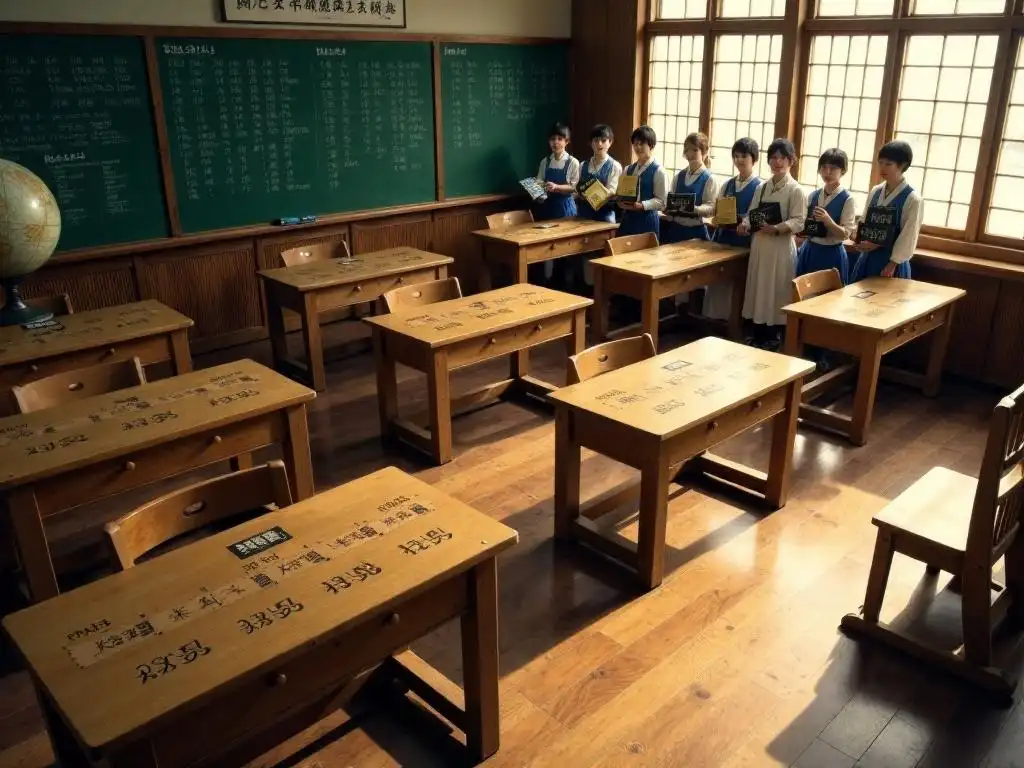
Welcome to Feudal Japan History, where we invite you to journey through the rich tapestry of Japan's feudal era. In our exploration, we delve into the profound impact of Japanese dialects in education, revealing how regional languages influenced learning and societal structures during this pivotal time. Prepare to uncover the hidden connections between language, culture, and education in our latest article, "The Language of the Land: How Dialects Shaped Educational Practices." Join us as we unravel the stories that shaped daily life and society in feudal Japan, sparking your curiosity and enriching your understanding of this fascinating period.
Introduction to Japanese Dialects in Education
The intricate tapestry of Japan's linguistic landscape reveals a rich spectrum of dialects, each reflecting the unique cultural and historical influences of its region. In the context of education, these dialects not only represent a means of communication but also play a crucial role in shaping pedagogical practices and educational policies.
This article delves into how Japanese dialects in education have influenced learning environments, teaching methodologies, and student interactions over time. By exploring the interplay between local dialects and educational frameworks, we can gain a deeper understanding of the societal attitudes towards language diversity and its implications for learners across Japan.
Overview of Dialects in Japan
Japan is home to a multitude of dialects, known as hōgen, which vary significantly from one region to another. These dialects are characterized by distinct phonetic, grammatical, and lexical features. Some of the most notable dialects include:
- Kanto Dialect: Predominantly spoken in the Tokyo area, it's often considered the standard dialect.
- Kansai Dialect: Common in the Osaka and Kyoto regions, known for its unique intonation and expressions.
- Hokkaido Dialect: Influenced by the indigenous Ainu language, this dialect has its own distinctive characteristics.
Understanding these dialects is essential, as they reflect the cultural heritage and identity of their speakers, significantly influencing educational dynamics across the country.
Importance of Dialects in Educational Contexts
The importance of dialects in education cannot be overstated. They serve as a bridge between students' home environments and school settings, impacting:
- Student Engagement: When educational materials incorporate local dialects, students often feel more connected and engaged.
- Cognitive Development: Learning in a familiar dialect can enhance comprehension and retention of information.
- Cultural Identity: Recognizing and valuing dialects fosters a sense of pride and belonging among students, which can positively affect their academic performance.
By acknowledging the role of dialects, educators can create more inclusive and effective learning environments that respect and reflect the diverse linguistic heritage of Japan.
Historical Context of Japanese Dialects
The Evolution of Dialects in Feudal Japan
During the feudal era, Japan was characterized by a fragmented political landscape, leading to the development of distinct regional dialects. The isolation of various domains resulted in unique linguistic patterns emerging, influenced by local customs, trade, and interactions with neighboring regions. This evolution was pivotal in shaping the dialectical diversity we see today.
Regional Variations of Japanese Language
The regional variations of the Japanese language are not merely linguistic; they encapsulate the histories and cultures of their respective areas. Variations can be broadly categorized into:
- Western Japanese: Including Kansai and Chugoku dialects, known for their distinct intonation and vocabulary.
- Eastern Japanese: Encompassing Kanto and Tohoku dialects, often perceived as more formal and standardized.
- Northern Dialects: Such as Hokkaido, which reflect the influences of indigenous languages and migration patterns.
These regional characteristics have left a lasting imprint on educational practices, influencing how language is taught and learned across Japan.
Influence of Social Class on Dialect Usage
Social class has historically played a significant role in dialect usage and perception in Japan. The samurai class, for instance, promoted the use of the Kanto dialect as a standard during the Edo period. In contrast, rural dialects were often associated with lower social status, leading to a stigma against their use in formal education.
This social stratification has implications for educational policies, as dialects associated with higher social status are often favored in academic settings, potentially marginalizing students who speak regional dialects. Addressing this bias is crucial for fostering equitable educational opportunities for all learners.
Dialects and Their Impact on Educational Practices
Japanese dialects, known as "hogen," play a crucial role in shaping educational practices across the archipelago. With over a hundred dialects, each region boasts its unique linguistic features, including vocabulary, pronunciation, and grammar. This linguistic diversity influences how education is delivered, as teachers often need to adapt their methods to meet the needs of students who might speak different dialects at home. The relationship between dialects and education is complex, as it not only encompasses the content taught but also the language of instruction and communication within the classroom.
In a society where local dialects are often viewed with pride, they can also present challenges in formal educational settings. Schools must navigate the balance between promoting a standard form of Japanese, known as "Kyotsu-go," and respecting the local dialects that resonate with students. This duality affects everything from curriculum design to teacher training, ultimately impacting how students engage with their education.
The Role of Dialects in Local Schools
In local schools, dialects serve as both a barrier and a bridge in the educational landscape. For many students, dialects are an integral part of their identity and cultural heritage, fostering a sense of belonging. Teachers in regions with strong dialectal influences often incorporate local language into their teaching to create a more inclusive environment. This practice not only makes learning more relatable for students but also encourages them to take pride in their linguistic background.
However, the presence of dialects can also lead to misunderstandings or a sense of alienation among students who may struggle to understand standard Japanese. To address this, educators often employ bilingual strategies, using both the local dialect and standard Japanese to facilitate learning. This approach helps students transition into the standardized language while preserving their dialectal roots, thereby enriching the educational experience.
Teaching Methods Influenced by Dialect Diversity
Teaching methods in regions with significant dialect diversity are often tailored to accommodate the linguistic needs of students. Educators may utilize storytelling, songs, and local folklore that incorporate dialectal expressions, making lessons more engaging and culturally resonant. This method not only aids comprehension but also fosters a connection between students and their community.
Additionally, collaborative projects that involve the use of local dialects can enhance peer learning. For instance, group discussions or presentations in dialect can promote confidence and encourage students to express their thoughts more freely. Teachers often emphasize the importance of understanding both dialects and standard Japanese, highlighting the value of bilingualism in an increasingly globalized world.
Case Studies of Dialects in Educational Settings
Several case studies illustrate the impact of dialects on educational practices in Japan:
- Okinawa: In Okinawa, the unique Okinawan language has been integrated into school curricula. Teachers use local dialect in lessons to engage students and help them appreciate their cultural heritage. This approach has been successful in maintaining interest and improving attendance rates.
- Hokkaido: In Hokkaido, schools have adopted a dual-language program that includes both the Hokkaido dialect and standard Japanese. This program has shown positive results in student performance, as it aids comprehension and allows students to express themselves comfortably.
- Kanto Region: In urban areas like Tokyo, where the Kanto dialect is prevalent, schools face the challenge of a diverse student body with varying dialect backgrounds. Educators employ inclusive teaching strategies that incorporate multiple dialects, fostering an environment of respect and understanding.
Dialect Literacy and Standardization
Dialect literacy plays a significant role in the educational landscape of Japan. The push for standardization in education—primarily through the use of standard Japanese—poses challenges for students who are more familiar with their local dialects. Efforts to promote dialect literacy are essential in ensuring that students can appreciate their linguistic heritage while also mastering standard language skills necessary for academic success.
Challenges in Standardizing Education Across Dialects
Standardizing education across various dialects presents several challenges. One major issue is the variation in vocabulary and pronunciation that can lead to confusion in the classroom. For example, a word that is commonly used in one dialect may not be understood by students from another region. This lack of mutual intelligibility can hinder communication between teachers and students, creating barriers to learning.
Moreover, the emphasis on standard Japanese in textbooks and teaching materials often sidelines local dialects, which can lead to a diminished sense of cultural identity among students. Teachers must navigate these complexities, often requiring additional training to effectively teach in a way that respects both standard language and local dialects.
The Role of Kanji and Kana in Dialect Education
Kanji and kana are central to Japanese literacy, yet their role in dialect education is multifaceted. While kanji characters are standardized, the readings and usages can vary significantly across dialects. This discrepancy can complicate the teaching of reading and writing in schools, as students may encounter kanji in ways that differ from their spoken dialect.
Incorporating dialectal variations in kanji and kana instruction can help bridge the gap between spoken and written language. Teachers often employ creative strategies, such as using dialect-specific texts or literature, to enhance students’ understanding and appreciation of both their dialect and standard Japanese. This dual approach fosters a more comprehensive literacy education that respects linguistic diversity.
Promoting Dialect Literacy in Schools
Promoting dialect literacy in schools involves creating curricula that recognize and celebrate local dialects. This can be achieved through various initiatives, such as:
- Dialect Days: Schools can organize events where students share stories, poems, or songs in their dialect, promoting pride in their linguistic heritage.
- Community Involvement: Engaging local elders to teach students about the history and significance of their dialect can enhance learning experiences.
- Teacher Training: Offering professional development for teachers on how to effectively incorporate dialects into their teaching practices can improve educational outcomes.
By fostering an environment that values dialect literacy, schools can help students navigate the complexities of their linguistic identity while achieving academic success in both their local dialect and standard Japanese.
Cultural Significance of Dialects in Education

The cultural significance of dialects in education cannot be overstated, particularly in the context of Japan, where regional variations of the language reflect deep-rooted historical, social, and cultural identities. Dialects, known as hōgen, serve not only as a means of communication but also as a vessel for conveying the unique traditions, stories, and lifestyles of local communities. In educational settings, these dialects play a crucial role in shaping the curriculum, influencing pedagogy, and fostering a sense of belonging among students.
When students learn in their native dialect, they engage more authentically with the content, allowing for a richer learning experience. This connection between language and culture enhances students' understanding of their heritage while promoting respect for linguistic diversity. Furthermore, incorporating local dialects into education can provide a platform for marginalized voices, ensuring that cultural narratives are preserved and celebrated within the academic sphere.
How Dialects Reflect Cultural Identity
Japanese dialects are closely intertwined with regional identities, acting as markers of cultural heritage. Each dialect embodies specific historical influences, local customs, and even distinct worldviews that characterize its speakers. In educational contexts, the use of dialects can reinforce students’ connection to their roots, fostering pride in their cultural background.
For example, the Kansai dialect, often associated with the vibrant culture of Osaka and Kyoto, may be used in educational materials to highlight regional literature, folklore, or even local business practices. This not only enriches the curriculum but also affirms students' identities. When students see their dialect represented in education, it validates their experiences and encourages them to embrace their cultural narratives.
Dialect Use in Traditional and Modern Educational Materials
Throughout history, the incorporation of dialects in educational materials has varied significantly. Traditional texts often overlooked regional dialects in favor of standard Japanese, which was seen as more prestigious. However, modern educational practices have increasingly recognized the value of dialects.
Today, many educational materials, from textbooks to digital resources, include examples and exercises that utilize local dialects. This shift reflects a growing acknowledgment of the importance of dialects in making education more relatable and effective. For instance, children in rural areas may benefit from learning in their native dialect, which can enhance comprehension and communication skills. Moreover, contemporary literature and educational resources often feature engaging stories that resonate with students’ lived experiences, thus making learning more impactful.
The Importance of Dialect Preservation in Education
Dialect preservation is essential in maintaining cultural diversity and heritage. As globalization continues to influence language use, many dialects face the risk of extinction. Educational institutions play a pivotal role in safeguarding these linguistic varieties by integrating them into curricula.
By promoting dialect preservation in education, schools can contribute to the vitality of local cultures. Programs that encourage students to engage with their dialects through writing, storytelling, and performance help to keep these languages alive. Furthermore, dialect-based education fosters an appreciation for linguistic diversity, encouraging students to view their dialects as valuable components of Japan's rich tapestry of languages.
Modern Implications of Dialects in Education
As society evolves, so too do the implications of dialects in education. Today, educators and policymakers are increasingly aware of the need to adapt teaching practices to accommodate linguistic diversity. This evolution reflects broader societal changes and recognizes the importance of inclusivity in education.
Current Trends in Japanese Dialects and Education
Current trends indicate a growing acceptance and incorporation of dialects in Japanese educational settings. More schools are adopting bilingual or multilingual approaches, wherein both standard Japanese and local dialects are used to teach subjects. This not only aids in language acquisition but also promotes cultural awareness among students from different regions.
In addition, there is a rise in community-driven educational initiatives that focus on dialects, such as workshops and summer camps that immerse students in local language and culture. These programs aim to strengthen students' connections to their roots while equipping them with the skills needed to navigate a multicultural world.
The Role of Technology in Teaching Dialects
Technology has transformed the way dialects are taught and learned in Japan. Digital platforms, apps, and online resources are increasingly being utilized to facilitate dialect education. These tools allow for interactive learning experiences, where students can engage with dialects through multimedia content, such as videos, podcasts, and games.
Moreover, social media has become a powerful avenue for promoting dialect use among younger generations. Platforms like YouTube and TikTok enable users to share content in their local dialects, fostering a sense of community and encouraging peer-to-peer learning. This technological integration not only enhances accessibility but also revitalizes interest in regional languages and cultures.
Future Directions for Dialect Education in Japan
Looking ahead, dialect education in Japan is poised for further development. Future directions may include:
- Increased Policymaking Support: Greater emphasis on policy initiatives that recognize and support dialect education in schools.
- Collaborative Efforts: Partnerships between educational institutions, local governments, and cultural organizations to create comprehensive dialect programs.
- Research and Development: Continued research into effective pedagogical approaches for teaching dialects, incorporating feedback from educators and communities.
- Community Involvement: Encouraging local communities to play an active role in dialect education, ensuring that cultural narratives are preserved and celebrated.
By embracing these future directions, Japan can foster a more inclusive educational landscape that honors and preserves the rich tapestry of its dialects.
Conclusion: The Lasting Influence of Dialects on Education
The impact of Japanese dialects on educational practices cannot be overstated. Throughout Japan’s feudal era and beyond, dialects have served not only as a means of communication but also as a reflection of regional identity, cultural nuances, and local customs. The variations in dialects across different regions have significantly influenced how education was delivered and received, shaping the curriculum, teaching methodologies, and the relationship between teachers and students.
As educators strive to foster an inclusive learning environment, it is essential to recognize the role that dialects play in student engagement and comprehension. The acknowledgment and integration of local dialects into educational practices can enhance the learning experience, allowing students to connect more deeply with the material. Moreover, dialects can serve as a bridge to understanding broader cultural contexts, promoting a sense of belonging and identity among students.
Summary of Key Points
- Cultural Significance: Dialects are deeply intertwined with regional identity, providing insights into local customs and traditions.
- Educational Methodologies: The presence of dialects has led to tailored teaching methods that resonate with students, accommodating their linguistic backgrounds.
- Student Engagement: Incorporating local dialects in education fosters a more relatable and engaging learning environment, enhancing comprehension and retention.
- Curriculum Development: The integration of dialects can influence curriculum content, emphasizing local histories and narratives that enrich the educational experience.
- Teacher-Student Relationships: Understanding and respecting students' dialects can strengthen the bond between educators and learners, promoting a more effective teaching dynamic.
The Future of Japanese Dialects in Educational Practices
Looking ahead, the role of Japanese dialects in educational practices is likely to evolve in response to societal changes and ongoing globalization. With the increasing movement of people across regions and the rise of digital communication, dialects may experience both shifts and revitalizations.
Educational institutions are now recognizing the importance of linguistic diversity and its impact on learning. Future educational frameworks may prioritize the inclusion of dialects, not only in language classes but across various subjects. This could lead to the development of teaching materials that reflect local dialects, fostering a more personalized learning experience.
Moreover, as Japan continues to embrace multiculturalism, there may be a growing acknowledgment of the value of preserving dialects as a means of sustaining cultural heritage. Educational practices that celebrate linguistic diversity can contribute to greater awareness and appreciation of Japan's rich tapestry of dialects.
The future of Japanese dialects in education holds promise as educators and policymakers strive to create a more inclusive and culturally relevant educational landscape that honors the distinct voices of all learners.
- Introduction to Japanese Dialects in Education
- Historical Context of Japanese Dialects
- Dialects and Their Impact on Educational Practices
- Dialect Literacy and Standardization
- Cultural Significance of Dialects in Education
- Modern Implications of Dialects in Education
- Conclusion: The Lasting Influence of Dialects on Education
Frequently Asked Questions
What are Japanese dialects?
Japanese dialects are regional variations of the Japanese language, each with unique vocabulary, pronunciation, and grammar. They reflect the cultural diversity and historical developments within Japan.
How do dialects influence education in Japan?
Dialects can affect educational practices by creating challenges in communication and understanding. Teachers may need to adapt their methods to accommodate students from different linguistic backgrounds.
What role do dialects play in preserving Japanese culture?
Dialects serve as a cultural repository, preserving local traditions and customs. They help maintain a connection between communities and their historical identities.
Are dialects used in formal education settings in Japan?
While standard Japanese is the primary language of instruction, some schools incorporate regional dialects to enhance cultural relevance and engage students more deeply in their local heritage.
How can understanding dialects improve educational outcomes?
Recognizing and valuing dialects can foster a more inclusive learning environment, leading to improved engagement and academic performance among students who might otherwise feel alienated in a standard language setting.
Final Reflection: The Power of Dialects in Shaping Education
The exploration of Japanese dialects in education reveals a profound truth: language is not merely a tool for communication, but a vessel of culture and identity. As we navigate an increasingly globalized world, understanding the nuances of dialects becomes essential in fostering inclusive educational practices. The significance of dialects in shaping the educational landscape cannot be overstated; they are integral to creating environments where all students feel valued and understood.
Cultural diversity enriches our educational systems, and the recognition of dialects is a vital step toward inclusivity. The influence of dialects extends beyond mere communication; they embody the history, traditions, and values of communities. As noted by renowned linguist William Labov, Language is the most powerful tool of social integration.
This observation underscores the importance of incorporating dialects into educational practices, as they can bridge gaps between students and educators, fostering a sense of belonging and engagement.
As we reflect on the lessons drawn from the intersection of Japanese dialects and education, I invite you to consider how you can embrace linguistic diversity in your own life. Think about the dialects that shape your identity and how they can enrich your interactions with others.
By valuing and promoting dialects in educational settings, we not only honor our cultural heritage but also pave the way for a more inclusive future where every voice is heard and celebrated. Let us commit to being advocates for linguistic diversity, ensuring that the language of the land continues to resonate in our classrooms and beyond.
Unveil the Power of Dialects in Education!
Thank you for exploring the fascinating topic of how dialects have shaped educational practices in Feudal Japan. Your interest in the interplay between language and learning highlights the richness of this historical period. Now it’s time to turn that curiosity into action!
Here are a few steps you can take to deepen your understanding and connection to this topic:
- Dive deeper: Research a specific dialect that piqued your interest and investigate its influence on local education. Look for primary sources or historical texts that showcase this dialect's role in the learning environment.
- Engage with others: Share your newfound knowledge with friends or on social media! Initiate discussions about how dialects continue to impact education in contemporary settings.
- Join a community: Seek out or participate in forums and groups dedicated to Feudal Japan or historical linguistics to exchange ideas and insights.
What unique connections can you draw between the dialects you’ve learned about and modern educational systems? We invite you to share your thoughts below!