
Festivals and Family Bonds: How Celebrations Reinforced Social Ties in Feudal Japan

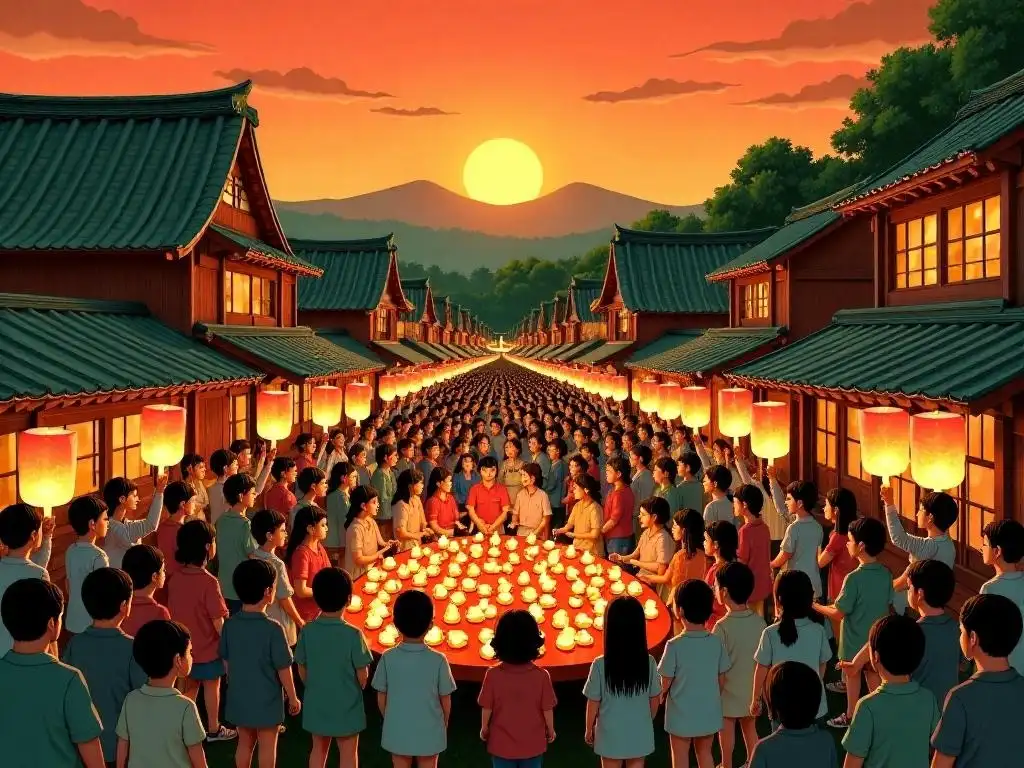
Welcome to Feudal Japan History, where we embark on a captivating journey through the intricate tapestry of Japan’s feudal era. Dive into our latest article, “Festivals and Family Bonds: How Celebrations Reinforced Social Ties in Feudal Japan,” and discover the remarkable ways in which cultural celebrations shaped the social fabric of this fascinating period. As we unravel the connections between festivals and familial ties, prepare to be intrigued by how these vibrant traditions fostered community and solidarity. Join us as we explore the rich historical narratives that defined daily life and society in feudal Japan—your adventure begins now!
Festivals played a pivotal role in the social fabric of feudal Japan, serving not only as a means of celebration but also as a profound catalyst for reinforcing social ties within families and communities. The feudal era, characterized by a complex hierarchy of power and relationships, saw various festivals that were steeped in tradition, spirituality, and communal participation. These celebrations were not merely events on the calendar; they functioned as vital social mechanisms that fostered connections among families, reinforced cultural values, and maintained the hierarchical structure of society.
The significance of these festivals extended beyond mere enjoyment. They often involved elaborate rituals, offerings to deities, and community gatherings that brought people together, helping to strengthen familial bonds and communal identity. In a society where loyalty and hierarchy were paramount, these celebrations provided opportunities for families to showcase their status, assert their roles, and engage in collective activities that underscored their unity and shared beliefs.
In this article, we will delve into the various festivals of feudal Japan, examining their historical backgrounds, cultural significance, and the ways in which they contributed to reinforcing social ties among families. We will explore how these events not only marked the passage of seasons or commemorated historical events but also served as vital moments for the reaffirmation of family structures and societal norms. Through this exploration, we will gain a deeper understanding of the intricate relationships that festivals fostered within the feudal Japanese context, highlighting their enduring impact on social cohesion and family dynamics.
- Introduction to Social Ties in Feudal Japan
- Major Festivals Celebrated in Feudal Japan
- The Significance of Rituals and Traditions
- The Influence of Samurai Culture on Festivals
- Community Involvement in Feudal Festivals
- The Transformation of Social Ties Through Festivals
- Conclusion: The Lasting Impact of Festivals on Family Bonds
- Frequently Asked Questions
- Final Reflection: The Enduring Legacy of Social Ties in Feudal Japan
- Strengthen Your Family Bonds Through Celebration!
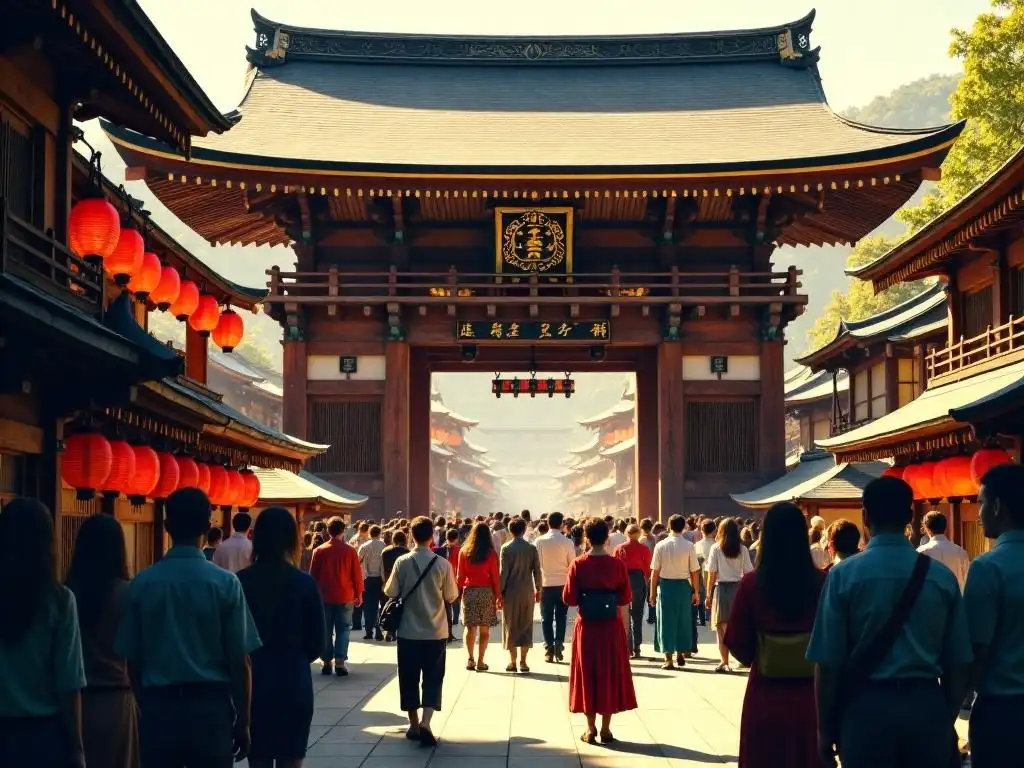
In feudal Japan, social ties were the foundation of everyday life, influencing the relationships between families, communities, and social classes. These ties were not merely a matter of personal connection; they were essential for the functioning of society, dictating everything from land ownership to social obligations. Understanding the dynamics of these relationships provides a deeper insight into the cultural fabric of feudal Japan and highlights the importance of communal activities, such as festivals, in reinforcing these bonds.
Overview of Feudal Japan
Feudal Japan, spanning from the 12th to the 19th century, was characterized by a hierarchical social structure dominated by a system of lords (daimyōs), vassals (samurai), and peasants. The society was organized around land ownership and loyalty, where each class had distinct roles and responsibilities.
- Social Classes:
- Emperor: The spiritual leader with little political power.
- Shogun: The military ruler who held actual power.
- Daimyōs: Feudal lords who controlled vast lands and had their own samurai.
- Samurai: Warrior class serving the daimyōs, bound by the code of bushido.
- Farmers and Artisans: The majority of the population, providing the economic backbone.
The rigid structure meant that social ties were often dictated by duty and obligation. Loyalty to one's lord was paramount, and family ties were crucial for maintaining status and wealth.
Social ties in feudal Japan were essential for several reasons:
- Economic Stability: Families often worked together to manage agricultural practices, ensuring the survival of their household and contributing to the local economy.
- Political Alliances: Marriages often served as tools for strengthening alliances between powerful families, creating networks that could provide military support or economic benefits.
- Cultural Transmission: Knowledge, traditions, and skills were passed down through familial lines, maintaining cultural integrity and continuity.
- Social Cohesion: Strong family ties fostered a sense of belonging and community, crucial for the stability of feudal society.
These aspects illustrate how intertwined social ties were with the very fabric of life in feudal Japan, shaping everything from individual identity to communal interactions.
Role of Festivals in Strengthening Family Connections
Festivals in feudal Japan played a pivotal role in reinforcing social ties, particularly within families. They served as occasions for celebration, remembrance, and community engagement. Here are several ways festivals contributed to strengthening family connections:
- Gathering of Families: Festivals provided opportunities for families to come together, share meals, and engage in traditional activities, fostering unity and solidarity.
- Cultural Practices: Many festivals included rituals and customs that were passed down through generations, reinforcing family heritage and identity.
- Community Participation: Involvement in local festivals encouraged collaboration among families, enhancing relationships beyond immediate kin, thus expanding the network of social ties.
- Ceremonial Roles: Certain families were entrusted with specific ceremonial roles during festivals, which elevated their status and solidified their connections within the community.
For instance, the Obon festival, a time for honoring deceased ancestors, saw families gathering to participate in rituals that strengthened their bonds to those who came before them. This practice not only honored family lineage but also emphasized the importance of maintaining familial connections across generations.
The interplay between festivals and social ties in feudal Japan was a vital aspect of family structures, contributing to the societal fabric of the era. Understanding these connections helps elucidate the broader cultural significance of communal celebrations in reinforcing social bonds within families and communities alike.
Major Festivals Celebrated in Feudal Japan
Harvest Festivals: Celebrating Agricultural Success
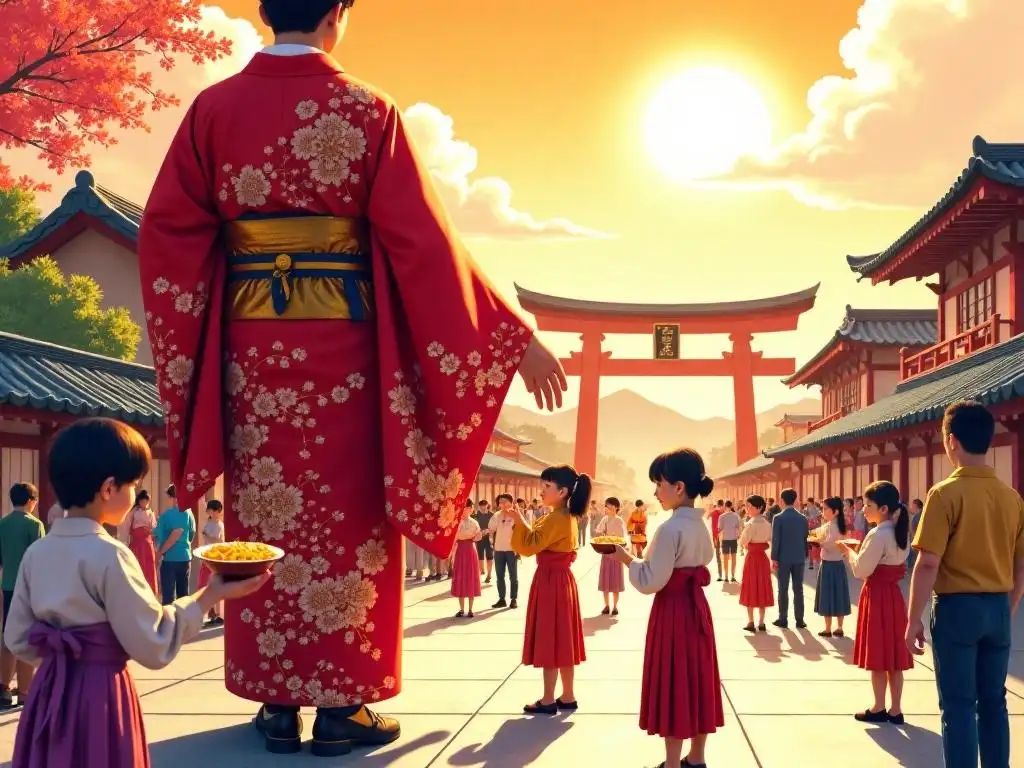
In feudal Japan, harvest festivals were pivotal events that celebrated the culmination of agricultural efforts, marking the season's end and the community's reliance on successful farming. These festivals were not only an opportunity to express gratitude to the deities for bountiful harvests but also served as a means of reinforcing social ties in feudal Japan among families and communities.
- Key Harvest Festivals:
- Niinamesai: This festival, also known as the "Harvest Festival," is celebrated in November. It involved the ceremonial offering of the year's first rice harvest to the Emperor and was a time for families to gather and share food, reinforcing familial bonds.
- Matsuri: Local matsuri (festivals) celebrated specific harvests, where townsfolk would engage in communal activities, such as rice planting and harvesting, accompanied by traditional music and dance.
- Community Involvement:
- During these festivals, families would come together to prepare food offerings, elaborate decorations, and participate in rituals, promoting a strong sense of community and shared identity.
- The collective efforts required for the preparations fostered collaboration among families, strengthening their social networks.
The significance of these festivals extended beyond mere celebration; they were a vital mechanism for maintaining and enhancing social ties, as individuals and families came together, shared resources, and celebrated their interconnectedness.
New Year Celebrations: Family Reunions and Rituals
The New Year, or Shōgatsu, was one of the most important celebrations in feudal Japan, steeped in traditions that emphasized family reunions and the renewal of social bonds. This period was marked by various rituals and customs that not only honored ancestors but also reinforced the importance of family ties.
- Key Elements of Shōgatsu:
- Osechi Ryori: Families prepared a special array of dishes known as osechi, which were beautifully arranged in lacquered boxes. Each dish had symbolic meanings, promoting health, prosperity, and fertility—values that were deeply connected to family well-being.
- Hatsumode: The first shrine visit of the year, known as hatsumode, was a time for families to pray for blessings and fortune. This communal activity served to strengthen familial bonds as families visited shrines together, sharing hopes for the upcoming year.
- Rituals and Traditions:
- Kagamimochi: This traditional decoration, made from rice cakes, was placed in homes to invite good fortune. Families would gather to prepare these decorations, further enhancing familial cooperation and unity.
- New Year’s Greetings: The practice of exchanging nengajo (New Year’s postcards) was an essential part of the celebration, allowing families to reconnect with extended relatives and friends, thus reinforcing social ties beyond immediate family.
These New Year celebrations highlighted the importance of family and community, as they provided opportunities for reunions and the re-establishment of social connections, embodying the essence of social ties in feudal Japan.
Seasonal Festivals: Connecting Families through Nature
Seasonal festivals in feudal Japan were deeply intertwined with the natural cycles and agricultural practices, serving as a means of connecting families and communities with the environment and each other. These celebrations allowed for a shared appreciation of nature's beauty and bounty, fostering a sense of unity among participants.
- Symbolism of Seasonal Changes:
- Hanami: The cherry blossom viewing festival, celebrated in spring, brought families together to enjoy the fleeting beauty of the blossoms. Families would organize picnics under blooming cherry trees, fostering social interactions and reinforcing family bonds.
- Tsukimi: The moon-viewing festival in autumn was another occasion for families to gather. Participants would prepare offerings of rice dumplings and seasonal fruits, emphasizing gratitude for the harvest and the joy of togetherness.
- Cultural Practices:
- Traditional Crafts: Many seasonal festivals incorporated traditional crafts, such as making decorations from seasonal flowers or fruits. Families often worked together on these crafts, strengthening their ties through shared activities.
- Community Participation: These festivals also encouraged participation from the broader community, leading to collaborative efforts in organizing events, further enhancing the social fabric of feudal Japan.
Through these seasonal celebrations, families not only honored the changing seasons but also reinforced their social ties by engaging in shared traditions, celebrating communal achievements, and fostering connections with nature and each other.
The Significance of Rituals and Traditions
Rituals and traditions played a pivotal role in feudal Japan, serving not only as means of cultural expression but also as crucial elements in reinforcing family bonds and social ties. These practices were deeply embedded in the everyday lives of the Japanese people and were often linked to the agricultural calendar, seasonal changes, and religious beliefs. The significance of these rituals transcended mere celebration; they embodied the values and hierarchies that defined feudal society.
In feudal Japan, the community was often structured around family units, where lineage and ancestry were paramount. Rituals provided a framework within which families could come together, celebrate their heritage, and reaffirm their connections to one another. Festivals, in particular, acted as focal points for family gatherings, allowing members to engage in shared experiences that strengthened their ties. Through these communal activities, individuals not only celebrated but also reinforced their roles within the family hierarchy, contributing to a sense of belonging and identity.
Rituals as a Means of Reinforcing Family Bonds
Rituals in feudal Japan were multifaceted, encompassing a variety of practices that reinforced family bonds. From annual festivals to intimate family ceremonies, these rituals provided opportunities for families to express their unity and solidarity. Key rituals included:
- Seasonal Festivals: Celebrations such as the New Year (Shōgatsu) and the rice planting festival (Taue Matsuri) were occasions where families gathered to observe traditional customs, share meals, and participate in communal prayers for a bountiful harvest. These gatherings fostered a sense of shared purpose and collective identity.
- Rites of Passage: Important milestones such as births, marriages, and deaths were marked by specific ceremonies that emphasized familial ties. For instance, shichi-go-san, a rite for children aged three, five, and seven, involved dressing children in traditional attire and visiting shrines, symbolizing their integration into the family and community.
- Community Involvement: Many rituals required collective participation, which meant that families were not isolated in their celebrations. Instead, they engaged with other families, thus broadening their social networks and reinforcing bonds not only within their family but also with the wider community.
These rituals were vital in maintaining the fabric of social ties in feudal Japan, highlighting the importance of family unity and mutual support.
Traditional practices in feudal Japan were deeply rooted in the cultural and spiritual life of families, with significant implications for social ties. The integration of customs and everyday practices fostered a sense of community and belonging. Key traditional practices included:
- Family Gatherings: Regular family meals and celebrations were central to maintaining relationships. The act of sharing food symbolized unity and underscored the importance of familial support in times of both joy and hardship.
- Cultural Performances: Traditional arts, such as Noh theater and Kabuki, often depicted themes related to family and social values. Participating in or attending these performances created shared experiences that reinforced family bonds and cultivated a deeper understanding of cultural heritage.
- Craftsmanship and Trade: Families often engaged in specific crafts or trades, passing down skills through generations. This not only solidified family identity but also established social ties within the broader community of craftsmen, promoting collaboration and mutual support.
Each of these traditional practices contributed to the reinforcement of social ties in feudal Japan, creating a tapestry of relationships that supported both individual families and the community at large.
The Role of Ancestor Worship in Family Unity
Ancestor worship was a fundamental aspect of Japanese culture during the feudal era, deeply intertwined with family unity and social ties. The reverence for ancestors transcended individual families, fostering a collective identity that linked generations. Key aspects of ancestor worship included:
- Family Altars (Butsudan): Most households maintained a Butsudan, a small altar dedicated to the family’s ancestors. Daily rituals performed at the altar, such as offering food and prayers, served as a constant reminder of family lineage, reinforcing connections between the living and the deceased.
- Obon Festival: This annual festival honored the spirits of ancestors, inviting them back to the family home. Families would gather to perform rituals, share stories, and celebrate their heritage, thereby deepening their bonds with one another and their ancestors.
- Legacy and Memory: The act of remembering and honoring ancestors instilled a sense of responsibility among family members to uphold family values and traditions. This emphasis on lineage and legacy reinforced the idea that family ties extended beyond the present, creating a continuity that bound generations together.
The practice of ancestor worship thus played a significant role in maintaining family unity and reinforcing social ties in feudal Japan, ensuring that familial connections remained strong across generations.
The Influence of Samurai Culture on Festivals
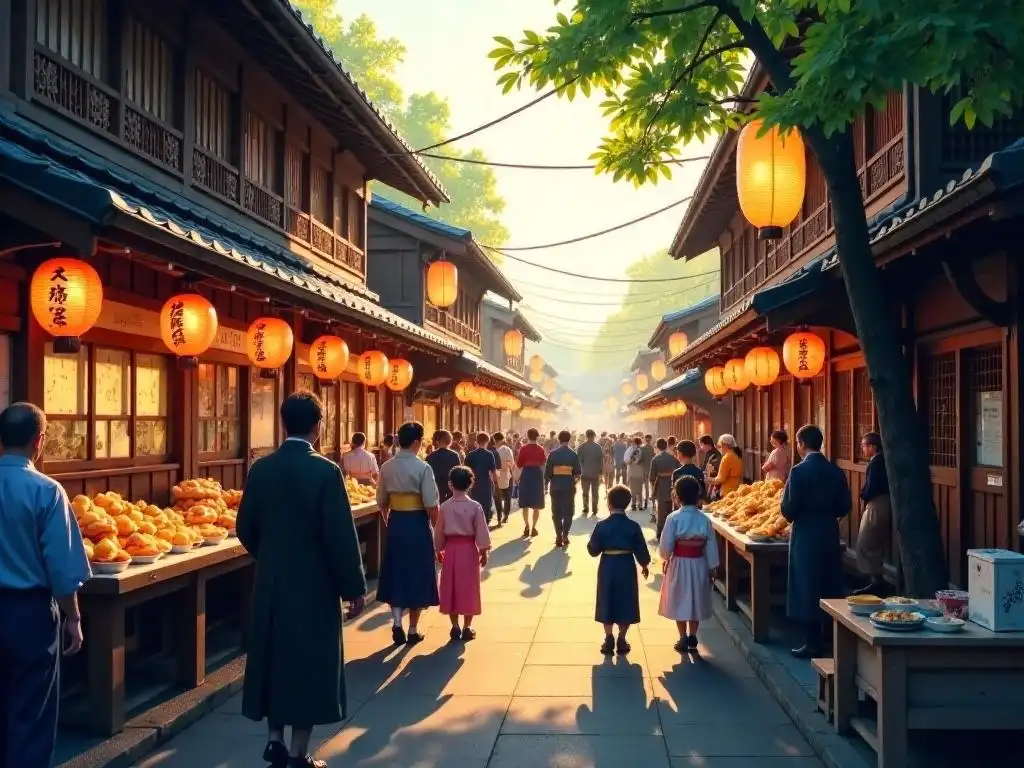
The samurai, as the warrior elite of feudal Japan, played a pivotal role in shaping not only the military landscape but also the cultural fabric of the society. Their values, traditions, and rituals were deeply interwoven with the festivals that punctuated the agricultural calendar and the social life of communities. These celebrations often served as a reflection of samurai ideals, allowing them to reinforce their status while also fostering social ties within their own families and with the broader community.
Samurai Values and Their Reflection in Celebrations
Samurai culture was imbued with a strict code of ethics known as Bushido, which emphasized honor, loyalty, and discipline. These values were prominently showcased during various festivals, which often served as both religious observances and social gatherings.
- Honor and Respect: Festivals such as the Gion Matsuri in Kyoto were not just celebrations of seasonal change; they were also expressions of gratitude to the gods. Samurai families participated actively, reinforcing their commitment to honor and respect the divine and the community.
- Loyalty and Bonds: The participation of samurai in local festivals helped to solidify their loyalty to their lord and their community. By engaging in these communal events, they demonstrated their allegiance, fostering a sense of unity among clan members and commoners.
- Discipline and Training: Certain festivals included martial displays, where samurai would showcase their skills in archery or swordsmanship. Such events not only entertained but also served as a means of maintaining discipline among the ranks, reinforcing the warrior ethos.
Festivals as a Platform for Samurai Families to Showcase Prestige
Feudal Japan was characterized by a strict hierarchy, and festivals provided an opportune moment for samurai families to display their status and wealth.
- Elaborate Processions: High-ranking samurai would often lead processions during festivals, dressed in ornate armor and accompanied by retainers. This display of power and prestige was crucial in maintaining their social standing within the community.
- Cultural Patronage: Samurai families frequently sponsored festivals, thereby aligning themselves with artistic and cultural achievements. For example, the patronage of Noh theater during festivals not only celebrated the arts but also highlighted the family's influence and sophistication.
- Gift-Giving and Reciprocity: During festivals, it was customary for samurai families to exchange gifts with their peers and commoners. This practice reinforced social ties and established networks of mutual support, essential for the complex social fabric of feudal Japan.
Interactions Between Samurai and Common Families During Celebrations
One of the most significant aspects of feudal festivals was the interaction between samurai and common families. These events provided a rare opportunity for social engagement across class lines.
- Shared Celebrations: Many festivals were community-oriented, allowing samurai to mingle with commoners. This interaction was crucial for building social cohesion and fostering an environment of mutual respect, even amidst the rigid class distinctions of feudal Japan.
- Cultural Exchange: Festivals often featured performances, food, and activities that brought together different classes. Samurai families would partake in local customs, which not only entertained but also humanized the samurai in the eyes of the common people.
- Symbolic Acts of Generosity: Acts such as distributing food or prizes during festivals served to bridge the gap between samurai and commoners. These gestures were vital in reinforcing social ties and demonstrating the samurai's role as protectors and benefactors of their communities.
The influence of samurai culture on festivals in feudal Japan was profound, encompassing values of honor, prestige, and social interaction. These celebrations not only reinforced social ties within the samurai class but also fostered connections with the broader community, highlighting the intricate dynamics of feudal society.
Community Involvement in Feudal Festivals
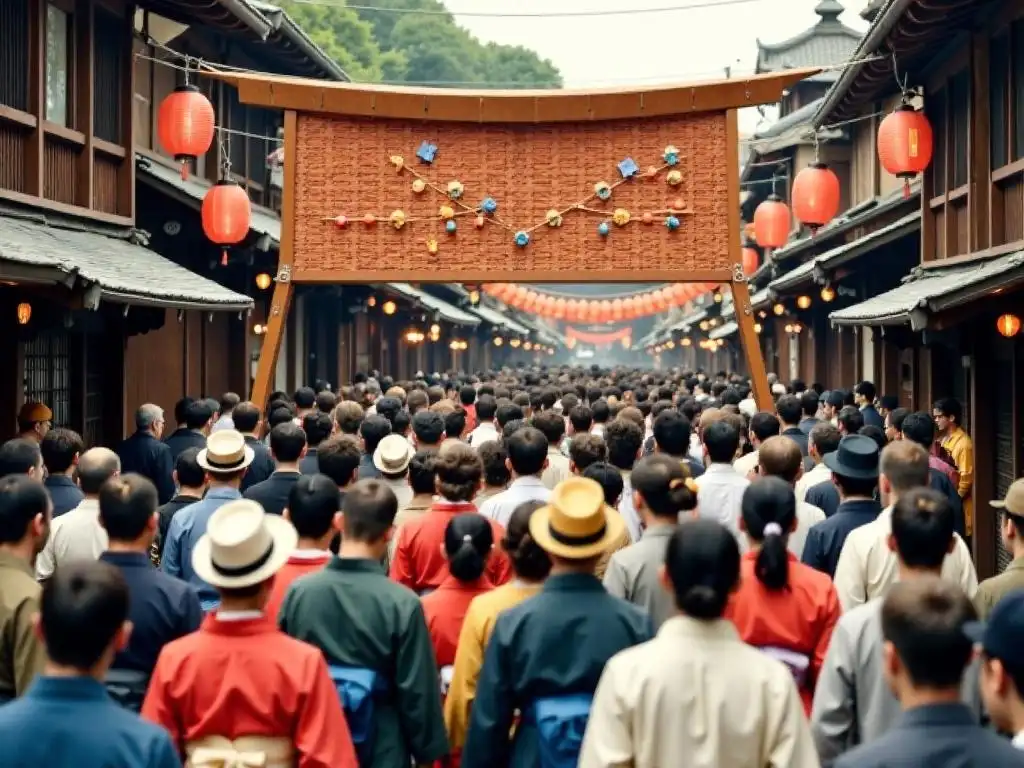
The festivals of feudal Japan were not merely celebrations; they were pivotal events that helped to reinforce social ties within communities. These gatherings fostered a sense of belonging among participants, and the collective involvement in various festivities significantly impacted social cohesion across different layers of society.
In feudal Japan, collective participation in festivals served as a catalyst for strengthening social ties among community members. Festivals such as Matsuri (祭り) provided an opportunity for people from various social classes to come together, share experiences, and celebrate their cultural heritage. This communal aspect was essential, as it allowed individuals to forge connections beyond their immediate family units.
- Shared Experiences: During these celebrations, participants engaged in traditional activities such as processions, rituals, and performances. Such shared experiences helped to create a collective memory that intertwined individual identities with the community's cultural narrative.
- Strengthening Bonds: By working together in preparations—whether it was building floats, organizing dances, or preparing food—community members cultivated stronger interpersonal relationships. This teamwork fostered trust and a sense of duty towards one another, essential elements for social cohesion.
- Intergenerational Participation: Festivals often included all age groups, allowing for the transfer of cultural values and traditions from elders to younger generations. This intergenerational involvement not only preserved cultural continuity but also reinforced familial and community bonds.
Festivals as a Means of Building Community Ties
Festivals in feudal Japan were crucial in fostering a sense of community identity. The themes and activities associated with these celebrations often reflected the values, beliefs, and struggles of the local populace.
- Cultural Significance: Many festivals were tied to religious beliefs and agricultural cycles, reflecting the community's dependence on nature and spirituality. For instance, the rice planting festivals celebrated the vital agricultural practices that sustained the community, reinforcing collective responsibility for the land.
- Celebrating Shared Heritage: Festivals often featured traditional music, dance, and crafts unique to specific regions. These elements not only showcased local talent but also emphasized a shared cultural heritage, enhancing the community's sense of pride.
- Conflict Resolution: Festivals also acted as neutral grounds for resolving conflicts within the community. Rivalries could be set aside as individuals came together to celebrate, allowing for the mending of social rifts and fostering harmony.
The Role of Local Governance in Organizing Celebrations
Local governance played a significant role in organizing festivals, which were often seen as reflections of the ruling class's power and influence. The samurai class and local lords were responsible for the logistics of these events, ensuring they occurred smoothly and effectively.
- Resource Allocation: Local leaders often provided resources, such as funding and materials, essential for the successful execution of festivals. This support demonstrated the ruling class's commitment to community welfare, reinforcing their social ties with the populace.
- Regulating Participation: Governance also extended to regulating who could participate in festivals, which could serve as a means of social control. By determining the roles of different social classes during celebrations, local leaders could reinforce the existing social hierarchy while still fostering a sense of community.
- Encouraging Civic Engagement: Festivals organized by local authorities encouraged civic engagement, as they often included competitions, games, and communal feasts. This engagement not only entertained but also instilled a sense of belonging and loyalty to the local governance structure.
The festivals of feudal Japan were vital in shaping social ties within communities. Through collective participation, cultural celebration, and the involvement of local governance, these events reinforced the fabric of society, ensuring the continuity of traditions and the strength of familial and community bonds.
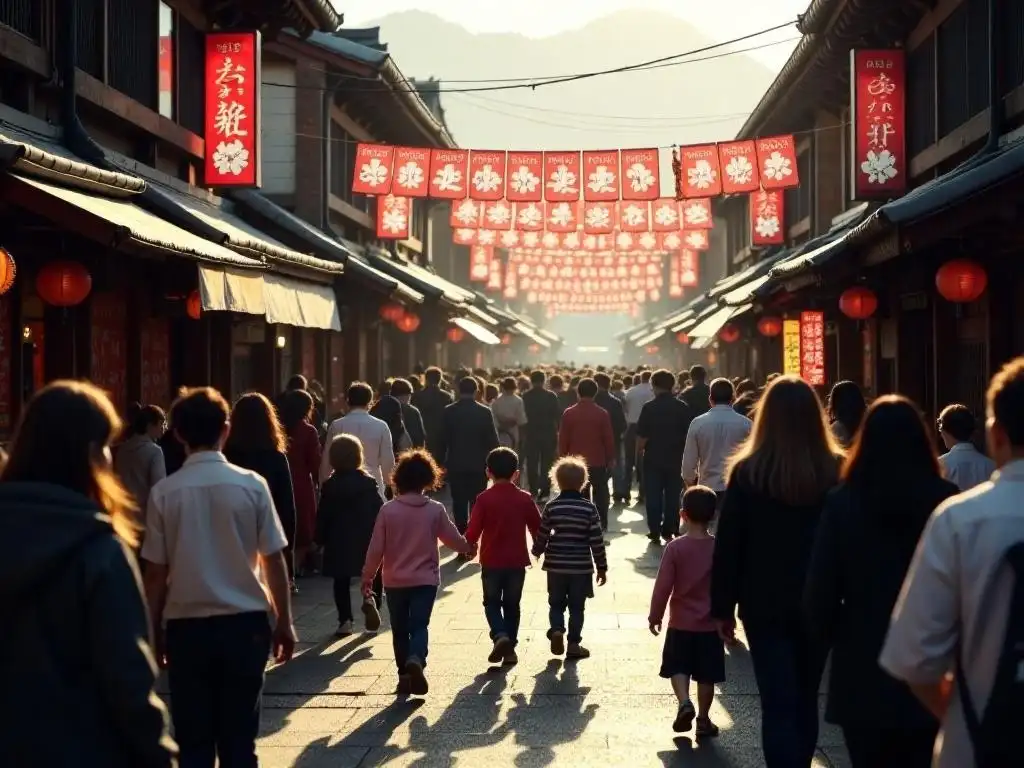
Festivals in feudal Japan were more than mere celebrations; they were pivotal in shaping and reinforcing social ties within families and communities. These events served as a backdrop for the intricate web of relationships that defined society during this era. As families gathered to partake in various festivities, they strengthened their bonds and established their social standing through shared customs and traditions.
Changes in Family Structures Over Time
During the feudal period, family structures in Japan experienced significant transformations due to shifts in political, economic, and social dynamics. The samurai class emerged as a powerful entity, leading to a hierarchical society where loyalty and honor were paramount.
- Patriarchal Influence: The family unit was predominantly patriarchal, with the eldest male serving as the head. This structure was reinforced through festivals that celebrated lineage and ancestral ties. For instance, during the Obon Festival, families would honor their ancestors, reinforcing the importance of familial loyalty and respect.
- Expanded Kinship Networks: As clans sought to solidify their power, marriages often served as strategic alliances. Festivals provided an excellent opportunity for families to showcase their connections and strengthen their networks. Celebrations such as Shichi-Go-San, aimed at children of specific ages, were not only a rite of passage but also a means to affirm family ties and clan affiliations.
- Urbanization and Social Mobility: The later part of the feudal era saw increased urbanization, leading to the rise of merchant classes. This change affected family structures as economic power began to shift away from the samurai. Festivals like the Gion Matsuri in Kyoto became platforms for both samurai and merchants to display their wealth and status, thus altering the traditional family dynamics.
How Festivals Adapted to Shifts in Power and Society
The evolution of social ties in feudal Japan was closely linked to the changing nature of power and societal roles. Festivals adapted to reflect these shifts, serving as both a cultural expression and a tool for social cohesion.
- Symbolism in Celebrations: Festivals often incorporated symbols that resonated with the prevailing social order. For example, Kagura, an ancient dance performed during religious festivals, was adapted to reflect the values of loyalty that characterized the samurai class. This dance not only entertained but also reinforced the ideals of devotion and bravery among participants.
- Local vs. Central Authority: As feudal lords (daimyō) exerted control over their domains, local festivals began to reflect the authority of these leaders. Events like the Tamataregu Shrine Festival showcased the lord's patronage, reinforcing their social ties with the peasantry who depended on them for protection and resources.
- Adaptation to Societal Changes: With the introduction of foreign influences during the latter part of the feudal era, festivals began to incorporate new elements, such as Western-style parades. This blending of traditions not only showcased adaptability but also highlighted the ongoing negotiation of social ties as Japan prepared for modernization.
The Legacy of Feudal Celebrations on Modern Japanese Culture
The impact of feudal festivals is still evident in contemporary Japanese society, where many customs and practices have persisted or evolved.
- Cultural Continuity: Many traditional festivals, such as Tanabata and Setsubun, continue to be celebrated today, preserving the communal spirit that once fostered social ties. Modern celebrations often retain their historical significance, reminding participants of their cultural heritage and familial bonds.
- Community Engagement: In modern Japan, festivals remain a vital aspect of community life, serving as a means to foster relationships among neighbors and local residents. Events like the Sapporo Snow Festival not only attract tourists but also encourage participation from families, reinforcing the sense of belonging within the community.
- Reflection of Social Values: Contemporary festivals often reflect the values of cooperation and harmony, echoing the social ties established during the feudal era. For example, Hanami (cherry blossom viewing) gatherings emphasize appreciation of nature and social bonding, showcasing how historical practices continue to influence modern interactions.
The festivals of feudal Japan were crucial in shaping social ties, adapting to changes in society while leaving a lasting legacy that continues to resonate in contemporary culture. As we explore these traditions, we gain insight into the intricate relationships that characterized daily life in feudal Japan and their enduring impact on modern Japanese society.
Conclusion: The Lasting Impact of Festivals on Family Bonds
Summary of Key Points
Throughout the feudal era in Japan, festivals served not only as occasions for communal celebration but also as pivotal events for reinforcing social ties in feudal Japan. These gatherings were deeply rooted in cultural traditions and often revolved around agricultural cycles, religious observances, and familial honor. Key points to consider include:
- Cultural Significance: Festivals were a reflection of local customs and values, providing a platform for families to showcase their heritage and maintain their societal roles.
- Community Engagement: Participation in festivals facilitated interactions among families, fostering relationships that transcended individual households and created a sense of belonging within the broader community.
- Reinforcement of Hierarchies: Social structures were both acknowledged and reinforced during festivals, where nobles often hosted elaborate celebrations that emphasized their status, while commoners participated in more localized events.
These aspects illustrate that festivals were not merely celebrations; they were essential mechanisms for maintaining and strengthening familial and social networks in feudal Japan.
The social ties fostered during feudal Japan’s festivals have profound implications even in contemporary society. The communal nature of these celebrations highlights how shared experiences can cultivate relationships and strengthen bonds within families and communities.
In modern Japan, certain traditions from the feudal era have been preserved, with festivals still playing a crucial role in bringing people together. For instance, events like Hanami (cherry blossom viewing) and Tanabata (star festival) echo the familial and community ties that were vital in the past. These modern celebrations serve as a reminder of the importance of social connections and collective identity, emphasizing that the core values of family and community continue to resonate in today’s society.
Final Thoughts on the Importance of Celebrations in Strengthening Family Connections
Festivals in feudal Japan were more than just events on a calendar; they were vital expressions of cultural identity and familial ties. By celebrating together, families reinforced their connections, preserved traditions, and fostered a sense of community that transcended generations.
In reflecting on these practices, it becomes clear that the legacy of these celebrations continues to influence the way families interact and bond today. The lessons learned from the social ties in feudal Japan remind us of the power of communal celebrations in nurturing relationships and fostering a sense of belonging. As societies evolve, the importance of such gatherings remains a timeless reminder of our shared human experience.
Frequently Asked Questions
What role did festivals play in feudal Japan?
Festivals served as important social gatherings that reinforced community bonds and family ties. They provided opportunities for people to come together and celebrate shared traditions.
Family bonds were central to the social structure in feudal Japan, shaping relationships within and between clans. Strong family ties often translated into political alliances and community support.
What types of festivals were celebrated in feudal Japan?
Feudal Japan saw a variety of seasonal and religious festivals, each celebrating different aspects of life, such as harvests, deities, and ancestral spirits, fostering a sense of unity and identity among participants.
While festivals promoted social ties, they also highlighted social hierarchy, as different classes participated differently. Elite families often hosted grand events, solidifying their status and influence in the community.
Can you explain the significance of rituals during these festivals?
Rituals performed during festivals were essential for strengthening social ties, as they involved communal participation and spiritual connections, fostering a sense of belonging and collective identity among families and clans.
The intricate tapestry of social ties in feudal Japan, woven through the vibrant threads of festivals and celebrations, continues to resonate in our contemporary society. As we navigate an increasingly fragmented world, the importance of communal bonds, much like those forged during the grand festivals of the past, becomes ever more pronounced. These celebrations were not merely events; they were vital rituals that reinforced relationships, fostered unity, and cultivated a sense of belonging. Today, as we seek connection in our fast-paced lives, we can draw inspiration from these historical practices that remind us of the power of togetherness.
Celebrations in feudal Japan were more than just a means of entertainment; they were essential to the social fabric, shaping identities and strengthening community ties. The legacy of these festivals serves as a poignant reminder of how shared experiences can cultivate resilience and solidarity among individuals. As noted by historian John W. Hall, “The strength of a society lies in its ability to foster connections among its members.” This observation rings true today, as we witness the resurgence of community-oriented events aimed at bridging divides and nurturing relationships in our modern landscape.
As we reflect on the lessons from feudal Japan, let us embrace the call to strengthen our own social ties through celebration and shared experiences. Consider how you can weave moments of joy and connection into your life and the lives of those around you. Whether it's organizing a gathering, participating in local events, or simply reaching out to loved ones, each action contributes to a more connected and harmonious community. In honoring the traditions of the past, we have the opportunity to create a brighter future, one where social ties flourish and the spirit of togetherness prevails.
Strengthen Your Family Bonds Through Celebration!
Thank you for exploring the fascinating connections between festivals and familial ties in Feudal Japan! You've gained valuable insights into how these ancient celebrations influenced social cohesion. Why not bring some of that spirit into your life today?
Here are a few actions you can take:
- Organize a family gathering or celebration inspired by traditional Japanese festivals, encouraging storytelling and the sharing of cultural roots.
- Explore local cultural festivals together, allowing your family to experience new traditions and deepen your connections.
- Share this article with friends and family to spark a discussion about how celebrations enhance relationships in our lives.
How do you envision incorporating celebrations into your family’s traditions, and what impact do you think it might have on your relationships?