
Feast or Famine: How War Affected Food Supply in Feudal Japan

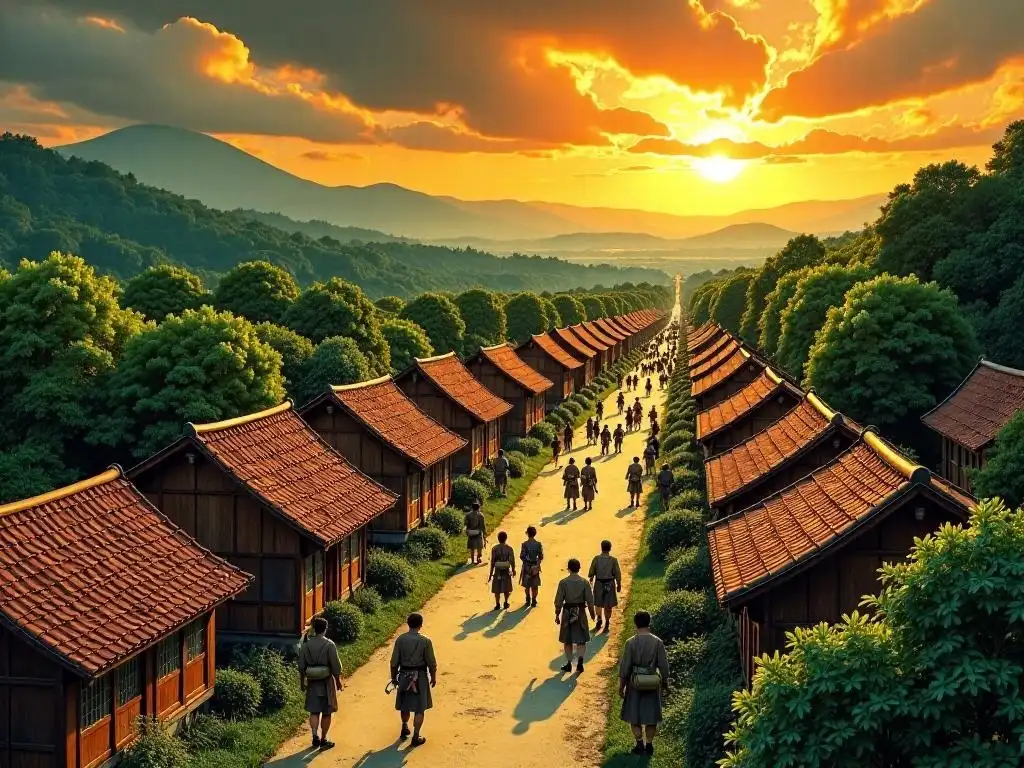
Welcome to Feudal Japan History, where we delve into the intricate tapestry of Japan’s feudal era. In this journey through time, we invite you to uncover the profound impact of war on feudal Japan, particularly how conflicts reverberated through daily life and shaped societal structures. Our featured article, “Feast or Famine: How War Affected Food Supply in Feudal Japan,” promises to shed light on the delicate balance between sustenance and strife.
Prepare to explore how the tumult of battle influenced everything from agricultural practices to the very fabric of society. Your adventure into Japan’s past begins here—read on to discover the untold stories that await!
- Introduction to the Impact of War on Feudal Japan's Food Supply
- Historical Context: Warfare in Feudal Japan
- The Connection Between War and Food Supply
- Feast: Periods of Abundance Amidst War
- Famine: Consequences of Warfare on Food Security
- Societal Responses to Food Shortages in Feudal Japan
- Long-Term Effects of War on Food Supply in Feudal Japan
- Conclusion: The Lasting Legacy of Warfare on Food Supply
- References and Further Reading on the Impact of War on Feudal Japan
-
Frequently Asked Questions
- What was the main impact of war on food supply in feudal Japan?
- How did feudal conflicts affect agricultural practices?
- Were there any positive outcomes of war on food supply in feudal Japan?
- How did the samurai class influence food distribution during wars?
- What role did the government play in managing food crises during conflicts?
- Final Reflection: The Enduring Impact of War on Feudal Japan's Food Supply
- Unveil the Hidden Impact of War on Food Supply!
Introduction to the Impact of War on Feudal Japan's Food Supply
The intricate tapestry of feudal Japan, spanning from the late 12th century to the early 17th century, reveals a society where the impact of war profoundly influenced various aspects of daily life, particularly food supply. As conflicts erupted between powerful clans and rival factions, the repercussions on agriculture, trade, and the overall sustenance of the populace were significant.
Understanding how warfare shaped the availability and distribution of food not only highlights the resilience of the Japanese people but also underscores the intricate connections between societal stability and agricultural prosperity. This article delves into the myriad ways in which war affected the food supply in feudal Japan, exploring the underlying societal structures and the critical role food played in the lives of its people.
Overview of Feudal Japan's Societal Structure
Feudal Japan was characterized by a hierarchical social structure that revolved around land ownership and loyalty. At the top of this system were the daimyōs, powerful feudal lords who governed vast estates and commanded armies of samurai. Below them were the samurai, the warrior class, who served their lords in exchange for land and protection. The majority of the population consisted of peasants, who worked the land and produced the food that sustained society.
- Key Social Classes:
- Daimyōs: Regional lords with significant power and land.
- Samurai: Warriors bound by a code of loyalty to their lords.
- Peasants: The backbone of society, responsible for agriculture.
This feudal hierarchy was not merely a political structure; it also dictated the distribution of resources, including food. Consequently, during times of war, the shifting allegiances and territorial disputes often led to significant disruptions in agricultural production and food distribution, affecting the entire social fabric of feudal Japan.
Importance of Food Supply in Daily Life and Society
Food supply was paramount in feudal Japan, as it was intricately linked to social stability, economic prosperity, and even military power. The Japanese economy relied heavily on agriculture, with rice being the staple food and a measure of wealth.
- Cultural Significance of Food:
- Symbol of Wealth: Rice was not only a food source but also a currency.
- Rituals and Festivals: Food played a central role in religious and cultural celebrations.
The impact of war on food supply could lead to varying circumstances of feast or famine. Battles often resulted in the destruction of farmlands, leading to severe shortages and famine in the affected regions. Conversely, victorious clans could seize control of rich agricultural lands, temporarily boosting their food supplies and enhancing their power.
The exploration of the impact of war on food supply in feudal Japan offers vital insights into how conflict shaped not only the physical but also the cultural landscape of the era. Understanding these dynamics provides a richer perspective on the resilience of Japanese society in the face of adversity.
Historical Context: Warfare in Feudal Japan
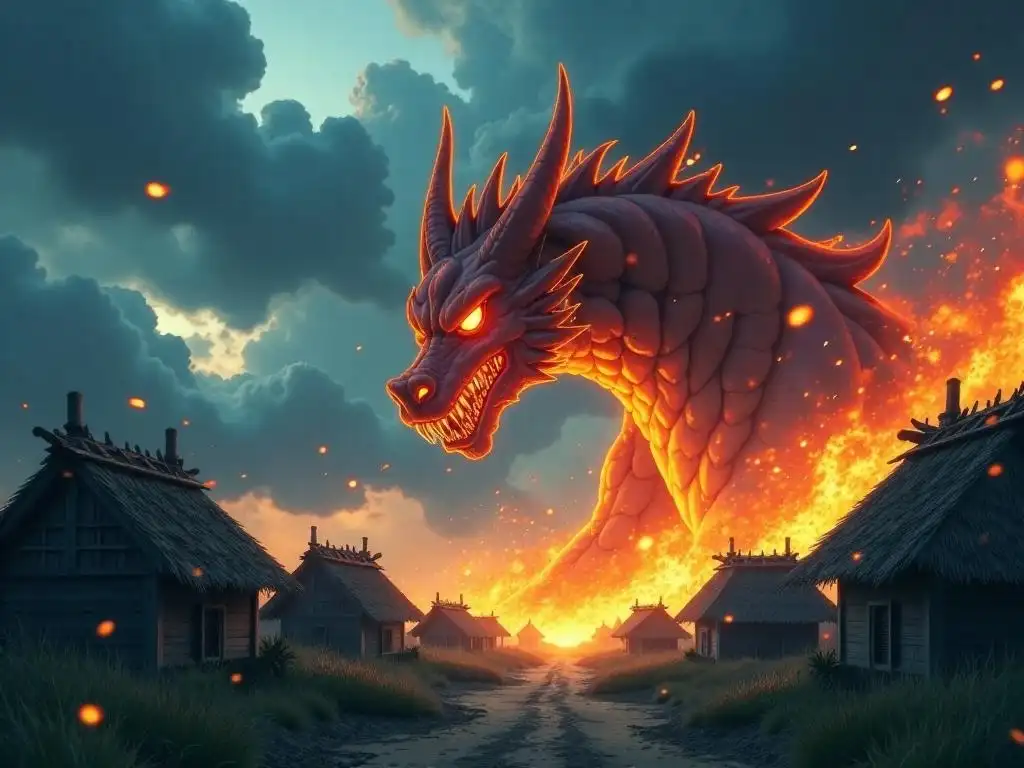
Feudal Japan was characterized by a complex social hierarchy and a series of conflicts that shaped both its political landscape and the daily lives of its inhabitants. During this era, roughly spanning from the late 12th century to the 19th century, warfare was a constant reality, deeply influencing various aspects of society, including food supply and distribution.
The impact of war on feudal Japan cannot be understated, as military campaigns often disrupted agricultural production, altered trade routes, and created food shortages. The interplay between warfare and food security presents a distinct narrative of survival and adaptation amid the chaos.
Major Wars and Conflicts in Feudal Japan
-
Genpei War (1180-1185)
The Genpei War marked a pivotal transition in Japanese history, leading to the establishment of the Kamakura shogunate. This conflict between the Taira and Minamoto clans not only resulted in significant loss of life but also devastated agricultural regions, leading to food scarcity in affected areas.
-
Onin War (1467-1477)
Often cited as the catalyst for the Sengoku period, the Onin War plunged Japan into a century of civil strife. The warfare not only ravaged the landscape but also disrupted the agricultural cycles, leading to widespread famine and suffering among the peasantry.
-
Sengoku Period (1467-1603)
This era of constant military conflict saw numerous daimyos vying for power. The relentless battles, such as those between Oda Nobunaga and Tokugawa Ieyasu, led to shifts in land control, impacting the agricultural output of regions and causing fluctuations in food availability.
-
Boshin War (1868-1869)
The Boshin War marked the final struggles between the Tokugawa shogunate and forces seeking imperial restoration. The conflict disrupted the already fragile food supply chains, compounding the difficulties faced by rural populations.
The consequences of these wars were profound, often leading to widespread famine, malnutrition, and social unrest. As military leaders prioritized resources for their campaigns, the agricultural sector faced neglect. This neglect led to the abandonment of fields and a significant decline in food production.
Key Players: Samurai, Daimyo, and Peasants
In the feudal hierarchy, the roles of samurai, daimyos, and peasants were intricately linked to the impact of war on feudal Japan. Each group experienced the consequences of conflict in unique ways.
-
Samurai
The samurai were the warrior class, bound by a code of honor (Bushido) and loyalty to their lords (daimyos). Their primary role was to engage in warfare, which often meant raiding and pillaging agricultural lands to sustain their armies. The need for resources during prolonged conflicts led to the devastation of farmland, which ultimately impacted food supplies.
-
Daimyo
As feudal lords, daimyos controlled large estates and were responsible for the management of agricultural production. During wars, they were forced to mobilize their peasant labor to support military efforts, often at the expense of local food production. Their decisions directly affected the availability of food, especially when conflicts resulted in territory loss or destruction of resources.
-
Peasants
The backbone of feudal Japan's economy, peasants were primarily responsible for agricultural production. However, their lives were heavily disrupted by warfare. Not only did they suffer from the loss of land and resources, but they were also subject to conscription and heavy taxation to support the samurai class. This situation often led to uprisings and resistance against oppressive practices, as food scarcity directly threatened their survival.
The dynamics between samurai, daimyos, and peasants illustrate a complex interplay affected by warfare. The impact of war on feudal Japan was not just a matter of military strategy; it permeated societal structure, influencing food production, trade, and the very fabric of daily life. Understanding these relationships is crucial for comprehending the broader implications of warfare on Japanese society during the feudal era.
The Connection Between War and Food Supply
The intricate relationship between war and food supply during feudal Japan is a critical aspect of understanding the broader societal impacts of conflict. Wars not only reshaped political boundaries and power dynamics but also had profound effects on agriculture, trade, and everyday life. The impact of war on feudal Japan can be seen through various lenses, including shifts in land ownership, the disruption of farming practices, and the alteration of traditional food distribution networks.
Historically, periods of conflict often coincided with famines, as military campaigns diverted resources away from agricultural production and put pressure on existing food supplies. The constant threat of violence forced communities into a state of uncertainty, causing many farmers to abandon their fields, which compounded the difficulty of sustaining the population. Moreover, the requisitioning of food supplies for troops further strained local resources, leading to heightened competition for dwindling provisions.
How Warfare Disrupted Agricultural Production
Warfare during feudal Japan led to significant disruptions in agricultural production for several reasons:
- Destruction of Cropland: Battles often took place in or around fertile agricultural lands. The devastation caused by sieges and skirmishes resulted in the destruction of crops and soil, which could take years to recover.
- Forced Migration: As armies moved through villages, inhabitants were often forced to flee, leaving behind their farms and livestock. This migration not only depleted the agricultural workforce but also led to the abandonment of arable land.
- Shift in Labor: With many men conscripted into military service, labor shortages became common in rural areas. Women and children, who typically managed household farms, were left to shoulder the increased burden, often with insufficient resources.
- Food Requisitioning: As armies marched through territories, they commonly requisitioned food supplies from local villages, leaving the remaining populace with inadequate sustenance. This practice was not only common among samurai but also among foot soldiers who plundered for food.
The impact of these disruptions was felt across all levels of society. The wealthy could often withstand shortages by relying on stored goods, while the peasantry faced dire circumstances, leading to malnutrition and famine.
The Role of Land Management During Conflicts
Effective land management played a pivotal role in mitigating the effects of war on food supply. The following factors highlight the importance of strategic land management during conflicts:
- Territorial Control: Samurai and feudal lords who maintained better control over their domains could implement measures to protect agricultural lands from destruction. This included constructing fortifications and organizing local militias to defend against raiders.
- Agricultural Policies: Some lords enacted policies aimed at preserving agricultural output during wartime. This could involve delaying tax collection or providing incentives for farmers to continue cultivating their lands despite the threat of conflict.
- Irrigation and Crop Diversification: Innovative land management practices, such as improved irrigation techniques and crop diversification, helped sustain food production even when resources were strained. Regions that adopted these practices were often better equipped to withstand the pressures of war.
- Community Cooperation: During periods of conflict, communities often banded together to support one another, sharing resources and labor to maintain agricultural production. This cooperation was essential in ensuring food security amid the chaos of war.
The impact of war on feudal Japan extended deeply into agricultural practices and food supply chains. While warfare disrupted farming and led to significant food shortages, effective land management and community resilience often provided a counterbalance, enabling some regions to adapt and survive. Understanding these dynamics offers valuable insights into the daily life and societal structure of feudal Japan during times of conflict.
Feast: Periods of Abundance Amidst War
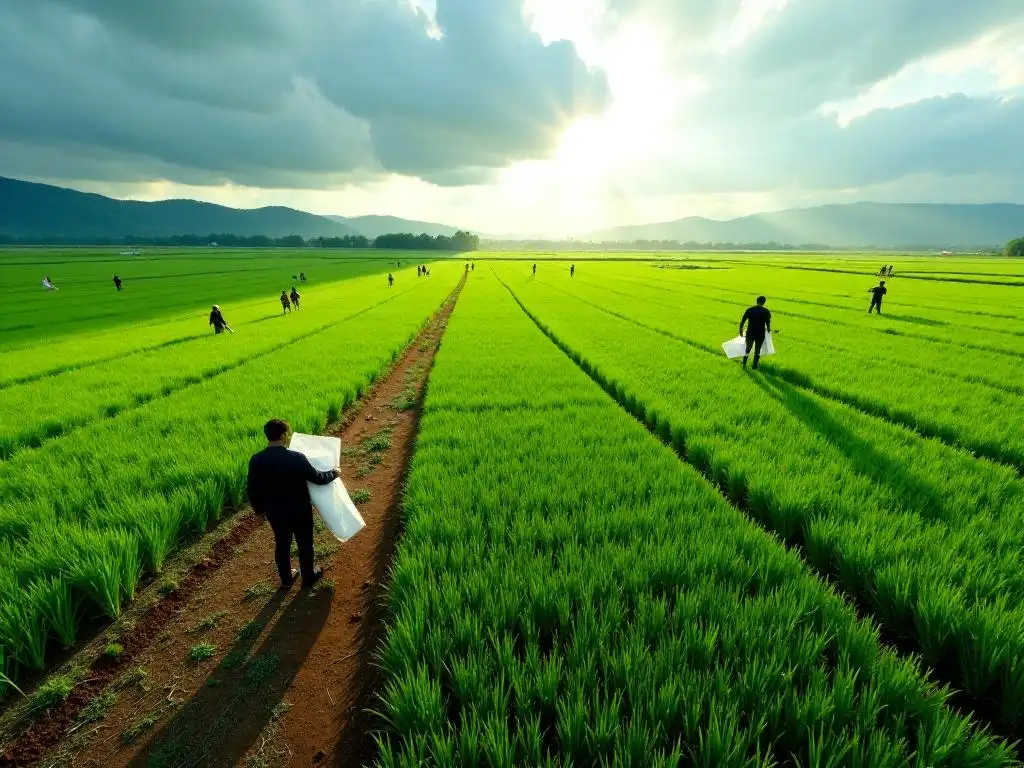
Throughout the feudal era in Japan, the interplay between war and food supply created periods of both abundance and scarcity. During times of relative peace, agricultural productivity surged, allowing for the cultivation of a diverse range of crops and the development of sustainable farming practices. The stability provided during these intervals was crucial for enhancing food security, even as the looming threat of conflict cast a shadow over daily life.
Agricultural Innovations During Peaceful Intervals
In the periods of tranquility between wars, notable agricultural innovations emerged, significantly influencing food production. These advancements included:
- Improved Rice Cultivation Techniques: The introduction of wet rice cultivation became more widespread, leading to higher yields. Innovations such as paddy field management allowed farmers to maximize their productivity.
- Crop Rotation Systems: Farmers began to adopt crop rotation, which involved alternating different crops across seasons. This method enriched the soil and reduced pest infestations, ensuring a more stable food supply.
- Seed Selection and Breeding: Selective breeding of rice and other crops led to varieties that were more resilient to pests and climatic changes, further stabilizing food production.
These innovations not only increased the quantity of food available but also diversified the types of food, enhancing nutritional value and culinary variety.
Contributions of Trade and Diplomacy to Food Supply
Trade and diplomacy played pivotal roles in ensuring a steady food supply during feudal Japan, particularly during eras of peace. The following elements highlight their significance:
- Regional Trade Networks:
- The establishment of regional trade routes facilitated the exchange of foodstuffs between provinces. For example, rice from fertile regions like Kanto was traded for seafood from coastal areas, creating a balanced diet.
- Market Towns: Key market towns emerged, serving as hubs for the distribution of agricultural products. These towns became melting pots of culinary influences, as goods from different regions were exchanged.
- Diplomatic Relations:
- Alliances between clans often included agricultural agreements, ensuring mutual support in food production. For instance, clans that controlled fertile lands would trade their surplus with others in exchange for military support or resources.
- Cultural Exchange: Diplomatic ties with neighboring regions, such as Korea and China, introduced new agricultural techniques and crops, such as soybeans and tea, further enriching the Japanese diet.
These factors collectively contributed to a more resilient food system, allowing communities to thrive even amidst the uncertainties of feudal warfare. The ability to adapt, innovate, and collaborate during periods of peace was integral in shaping the food landscape of feudal Japan.
Famine: Consequences of Warfare on Food Security
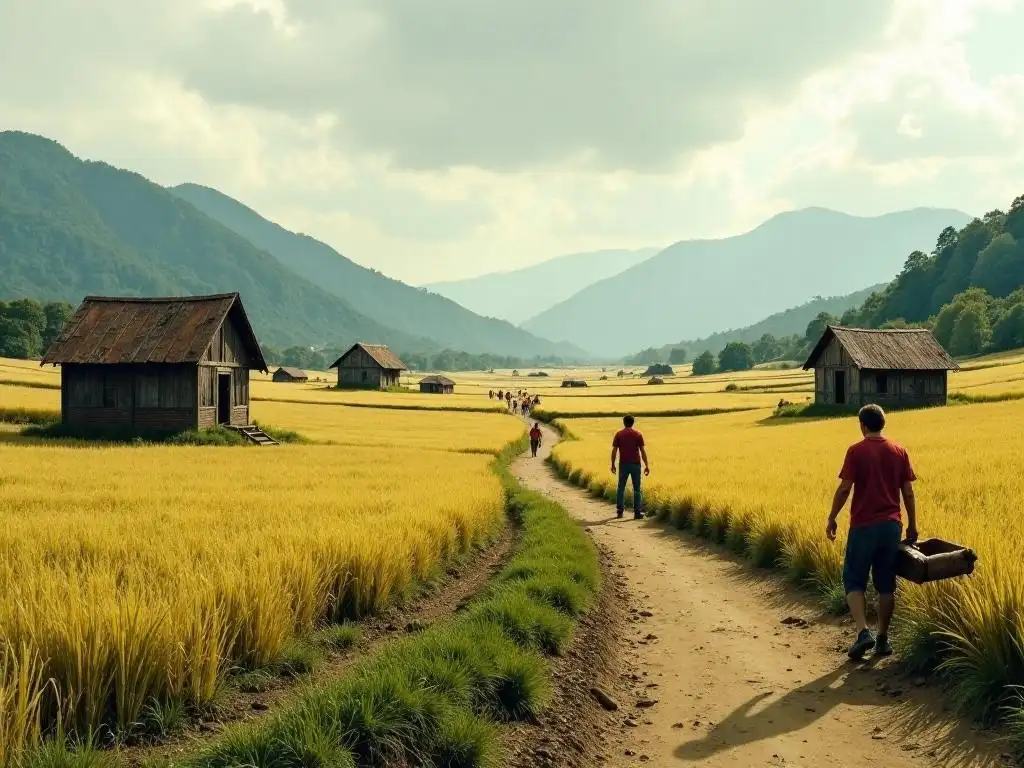
The feudal era in Japan was marked by a series of conflicts that profoundly impacted food security across the region. Warfare disrupted agricultural production, leading to widespread famine that affected both the samurai class and the peasantry. The consequences of these conflicts were not only immediate but also long-lasting, influencing societal structures and food distribution systems.
The Impact of Raids and Destruction on Crops
Warfare in feudal Japan often involved raids and skirmishes that targeted agricultural lands. Armies would pillage fields, destroy crops, and burn granaries, leading to immediate shortages of food supplies. For instance, during the Genpei War (1180-1185), the warring clans devastated the countryside, severely impacting rice production, which was the staple food of the population.
- Types of Agricultural Disruptions:
- Direct Destruction: Fields were often trampled or set ablaze during battles.
- Displacement of Farmers: Many peasants fled their homes to escape conflict, leading to abandoned fields and unharvested crops.
- Taxation and Exploitation: War necessitated resources, and local lords often imposed heavy taxes on remaining crops, exacerbating food shortages.
The impact of these actions was felt not just in the immediate aftermath of conflicts, but also in the long-term agricultural practices and societal structures. The destruction of crops reduced the population's ability to sustain itself, leading to malnutrition and increased mortality rates.
Case Studies of Famine During Major Conflicts
Several notable conflicts in feudal Japan highlight the devastating effects of warfare on food security:
- The Genpei War (1180-1185):
- This conflict between the Taira and Minamoto clans caused significant disruption to agriculture in the Kanto and Kansai regions. The resulting famine led to widespread suffering, with reports indicating that many people resorted to scavenging and even cannibalism in extreme cases.
- The Onin War (1467-1477):
- Often considered the catalyst for the Sengoku period, the Onin War resulted in extensive destruction in Kyoto and surrounding areas. Food supplies dwindled as agricultural lands were devastated by constant fighting, leading to famine conditions that persisted long after the war concluded.
- The Sengoku Period (1467-1615):
- This era of nearly constant civil strife saw multiple instances of localized famines. Clans often engaged in scorched earth tactics, further straining food availability. The devastating Shokusan Rebellion in 1549 is one such example, where the conflict led to mass starvation among the peasantry due to the destruction of rice fields.
- The Shimabara Rebellion (1637-1638):
- Although primarily a religious uprising, the Shimabara Rebellion was fueled by the dissatisfaction of farmers who faced oppressive taxes and poor crop yields due to warfare. The aftermath saw a significant decline in the local food supply as the conflict ravaged the agricultural landscape.
The recurring theme during these conflicts was the exacerbation of food insecurity. As war ravaged the countryside, the delicate balance of agriculture was disrupted, leading to famine that would last for years, impacting the socio-economic fabric of feudal Japan. The impact of war on feudal Japan extended beyond the battlefield, affecting daily life, social hierarchies, and even the political landscape as the need for stability became paramount in the aftermath of destruction.
Societal Responses to Food Shortages in Feudal Japan
In feudal Japan, the impact of war on food supply was profound and multifaceted. As conflicts arose, access to food often became a matter of survival, prompting various societal responses aimed at mitigating shortages. Local leaders and communities developed strategies to cope with the challenges posed by disrupted agriculture and trade, shaping the social fabric of the era.
Strategies Implemented by Local Leaders
Local leaders, or daimyō, played a crucial role in managing food shortages during times of war. Their strategies were often tailored to the specific needs of their regions and the severity of the crisis. Some key strategies included:
- Centralized Storage Systems: Many daimyō established granaries to store surplus grain during times of peace. This allowed for a stockpile that could be used during famines or sieges, ensuring a buffer against sudden shortages.
- Rationing and Redistribution: In times of crisis, leaders often imposed rationing systems to control food distribution. By prioritizing resources for soldiers and essential workers, they sought to maintain order and prevent panic among civilians.
- Agricultural Innovation: Faced with reduced agricultural output due to war, local leaders encouraged the adoption of new farming techniques. This included the introduction of crop rotation systems and the cultivation of hardier crops that could withstand adverse conditions.
- Creating Alliances: To bolster food supplies, daimyō often formed alliances with neighboring territories. These alliances facilitated the exchange of food and resources, helping to stabilize the local economy amidst the chaos of war.
- Tax Adjustments: In response to food shortages, some leaders adjusted tax burdens, providing relief to farmers. Reducing taxes on agricultural produce allowed farmers to retain more of their harvest, thereby aiding local food security.
The Role of Community and Cooperation in Food Distribution
The communal approach to food distribution was vital in ensuring survival during periods of conflict. The societal impact of war on feudal Japan fostered a spirit of cooperation among villagers and communities. Key aspects of this community-driven response included:
- Local Collectives: Villagers often formed collectives to share resources. These groups pooled their harvests, enabling them to support one another during times of need. This practice not only provided immediate relief but strengthened community bonds.
- Shared Labor: In times of dire food shortages, communities came together to organize collective farming efforts. By sharing labor, they could increase productivity and ensure that everyone contributed to the common good.
- Communication Networks: Effective communication within and between communities was essential for coordinating food distribution. Informal networks allowed villagers to share information about crop yields and food availability, enabling them to make informed decisions about resource allocation.
- Cultural Practices: Festivals and communal gatherings often included sharing food as a means of reinforcing social ties. This cultural practice not only provided sustenance but also fostered a sense of unity and resilience among community members.
- Support for the Vulnerable: During times of scarcity, communities prioritized support for the most vulnerable, such as the elderly and children. This practice was rooted in the belief that collective welfare was crucial for survival, reflecting the strong social fabric of feudal Japanese society.
The societal responses to food shortages in feudal Japan were marked by a combination of strategic leadership and community cooperation. The impact of war on feudal Japan not only disrupted food supplies but also catalyzed innovative solutions and strengthened social bonds among the populace. Through these efforts, communities navigated the challenges of food insecurity, contributing to their resilience in the face of adversity.
Long-Term Effects of War on Food Supply in Feudal Japan

The impact of war on feudal Japan's food supply extended far beyond the immediate consequences of conflict. The long-term effects reshaped agricultural practices, food culture, and the overall societal structure. Understanding these ramifications provides insight into how Japan navigated the complexities of feudal warfare and its aftermath.
Changes in Agricultural Practices Post-War
The aftermath of conflicts, particularly the Sengoku period (1467-1603), necessitated significant changes in agricultural practices. With much of the arable land either destroyed or neglected due to warfare, landowners and peasants had to adapt their methods to restore productivity.
- Crop Rotation and Diversity: To regain soil fertility and combat pestilence, farmers began implementing crop rotation systems. This practice allowed for varied crops, reducing the risk of famine during poor harvest years. The introduction of new crops, such as sweet potatoes and various grains, further diversified the food supply.
- Irrigation and Terracing: Post-war reconstruction also saw improvements in irrigation techniques. By developing terraced farming in hilly regions, communities maximized arable land and reduced soil erosion. This method was particularly vital in mountainous areas, where flat land was limited.
- Community Organization: The need for collective farming efforts emerged as villages banded together to share resources and labor. This communal approach not only improved agricultural output but also fostered social cohesion in a time when societal structures were in flux.
- Increased Reliance on Certain Crops: Certain staple crops, such as rice, became even more central to the diet due to their caloric density and agricultural value. As conflicts often disrupted trade and transport, local self-sufficiency became crucial for survival.
Evolution of Food Culture Due to War
The impact of war on feudal Japan also significantly influenced food culture, altering not only what was eaten but also how it was prepared and consumed.
- Ritualistic and Symbolic Foods: During periods of conflict, food took on new meanings. Rituals surrounding meals became more pronounced, with certain foods symbolizing prosperity, protection, or mourning. For instance, the practice of offering rice to deities for protection became widespread, intertwining spirituality with sustenance.
- Influence of Warrior Culture: The samurai class, emerging during this tumultuous era, influenced culinary traditions. Foods that were portable and could sustain warriors during campaigns, such as rice balls (onigiri), gained popularity. These practical food items reflected the needs of a society shaped by conflict.
- Culinary Innovations: War often led to scarcity, pushing cooks to innovate. Techniques such as pickling, fermenting, and preserving became more common as people sought to prolong the shelf life of food. This era saw the early development of items like miso and soy sauce, which are now staples in Japanese cuisine.
- Regional Variations: As different regions experienced varying degrees of conflict and agricultural recovery, distinct culinary traditions emerged. The availability of local ingredients and the influence of local warlords led to diverse food practices, which continue to be celebrated in regional festivals today.
The impact of war on feudal Japan created a complex tapestry of agricultural innovations and cultural evolutions. The long-term effects of these changes are evident in Japan’s rich culinary heritage and the resilient agricultural practices that arose from the ashes of conflict. Understanding this historical context allows us to appreciate the intricate relationship between war and food supply in feudal Japan.
Conclusion: The Lasting Legacy of Warfare on Food Supply
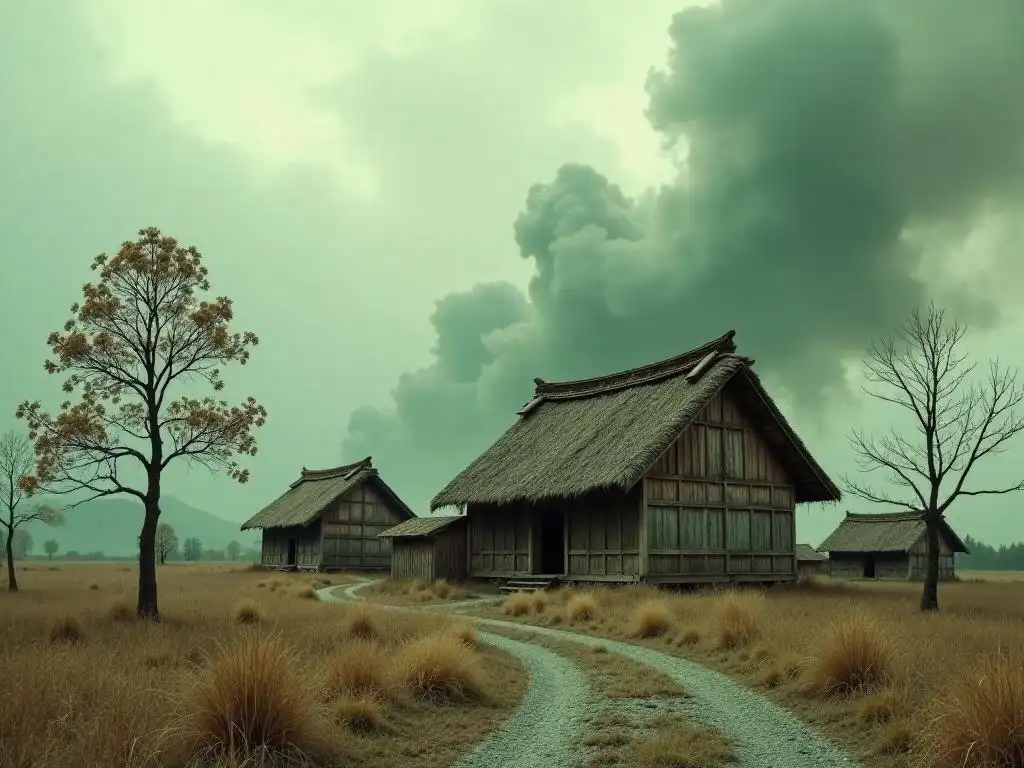
The impact of war on feudal Japan's food supply has left an indelible mark on the nation's culinary landscape and agricultural practices. The constant state of conflict during the feudal era, characterized by the rise and fall of powerful clans, necessitated adaptations in food production, distribution, and consumption. This legacy continues to influence modern Japanese cuisine and agricultural strategies, reflecting a historical resilience born from necessity.
Reflection on the Impact of War on Feudal Japan's Cuisine
Throughout feudal Japan, warfare disrupted traditional farming practices and led to significant shifts in dietary habits. Battles not only decimated local populations but also destroyed crops and infrastructure, causing widespread famine in affected regions. The following factors highlight the complexities of food supply during this tumultuous period:
- Crop Diversification: In response to the precariousness of food supplies, farmers began to diversify their crops. This approach mitigated the risk of total crop failure due to conflict. Varieties of rice, millet, and legumes became staples, ensuring a more stable food source.
- Food Preservation Techniques: As warfare often rendered fresh food unavailable, the need for preservation arose. Techniques such as pickling, fermentation, and drying were employed to extend the shelf life of food. Notably, narezushi (fermented sushi) and tsukemono (pickled vegetables) became essential components of the diet.
- Military Logistics: The logistics of supplying armies influenced agricultural practices. Feudal lords implemented systems to requisition food from peasant populations, further altering farming dynamics. This led to a more organized approach to food production, with an emphasis on meeting both military and civilian needs.
- Culinary Evolution: The scarcity of certain ingredients during wartime prompted innovations in cuisine. Dishes were often created from whatever was available, leading to unique regional variations. For instance, during the Sengoku period, the use of wild game and foraged plants became common, reflecting the resourcefulness of the populace.
The interplay between warfare and food supply in feudal Japan serves as a testament to the adaptability and resilience of society during challenging times. The culinary adaptations born from these conflicts enriched Japan's cultural heritage and laid the groundwork for contemporary Japanese cuisine.
Importance of Understanding Historical Context for Modern Perspectives
Understanding the historical context of feudal Japan's food supply and its relation to warfare is crucial for several reasons:
- Culinary Heritage: Recognizing the impact of war on food systems helps to appreciate the depth and diversity of modern Japanese cuisine. Many traditional dishes have roots in the adaptations made during times of conflict, reflecting a rich history of resilience.
- Agricultural Practices: Insights gained from the past can inform present-day agricultural strategies. The experiences of feudal Japan demonstrate the importance of crop diversification and sustainable practices in ensuring food security, especially in regions prone to natural or man-made disruptions.
- Cultural Identity: Food serves as a vital component of cultural identity. By exploring the historical implications of warfare on food supply, individuals can gain a deeper understanding of how Japan's feudal past has shaped its modern societal values and culinary practices.
- Lessons for Conflict Resolution: The historical relationship between war and food scarcity illustrates the broader consequences of conflict on society. Understanding this dynamic can foster discussions on conflict resolution and the importance of safeguarding food systems in contemporary global contexts.
The impact of war on feudal Japan's food supply is a rich area of exploration that reveals much about the resilience and adaptability of the society during tumultuous times. By examining these historical narratives, we can better appreciate the intricate connections between warfare, agriculture, and culture that continue to resonate today.
References and Further Reading on the Impact of War on Feudal Japan
Suggested Books and Articles on Food and Warfare
-
"The Samurai and the Sacred" by John M. McCulloh
This book explores the relationship between the samurai class and their impact on Japanese society, including agricultural practices during periods of warfare. It offers insights into how conflicts affected food supply and distribution.
-
**"Warfare in Japan: 500-1300" by Paul A. K. D. K. D. G. K. D. S. K. D. S. K. D. S. K. D. S. K. D. S. K. D. S. K. D. S. K. D. S. K. D. S. K. D. S. K. D. S. K. D. S. K. D. S. K. D. S. K. D. S. K. D. S. K. D. S. K. D. S. K. D. S. K. D. S. K. D. S. K. D. S. K. D. S. K. D. S. K. D. S. K. D. S. K. D. S. K. D. S. K. D. S. K. D. S. K. D. S. K. D. S. K. D. S. K. D. S. K. D. S. K. D. S. K. D. S. K. D. S. K. D. S. K. D. S. K. D. S. K. D. S. K. D. S. K. D. S. K. D. S. K. D. S. K. D. S. K. D. S. K. D. S. K. D. S. K. D. S. K. D. S. K. D. S. K. D. S. K. D. S. K. D. S. K. D. S. K. D. S. K. D. S. K. D. S. K. D. S. K. D. S. K. D. S. K. D. S. K. D. S. K. D. S. K. D. S. K. D. S. K. D. S. K. D. S. K. D. S. K. D. S. K. D. S. K. D. S. K. D. S. K. D. S. K. D. S. K. D. S. K. D. S. K. D. S. K. D. S. K. D. S. K. D. S. K. D. S. K. D. S. K. D. S. K. D. S. K. D. S. K. D. S. K. D. S. K. D. S. K. D. S. K. D. S. K. D. S. K. D. S. K. D. S. K. D. S. K. D. S. K. D. S. K. D. S. K. D. S. K. D. S. K. D. S. K. D. S. K. D. S. K. D. S. K. D. S. K. D. S. K. D. S. K. D. S. K. D. S. K. D. S. K. D. S. K. D. S. K. D. S. K. D. S. K. D. S. K. D. S. K. D. S. K. D. S. K. D. S. K. D. S. K. D. S. K. D. S. K. D. S. K. D. S. K. D. S. K. D. S. K. D. S. K. D. S. K. D. S. K. D. S. K. D. S. K. D. S. K. D. S. K. D. S. K. D. S. K. D. S. K. D. S. K. D. S. K. D. S. K. D. S. K. D. S. K. D. S. K. D. S. K. D. S. K. D. S. K. D. S. K. D. S. K. D. S. K. D. S. K. D. S. K. D. S. K. D. S. K. D. S. K. D. S. K. D. S. K. D. S. K. D. S. K. D. S. K. D. S. K. D. S. K. D. S. K. D. S. K. D. S. K. D. S. K. D. S. K. D. S. K. D. S. K. D. S. K. D. S. K. D. S. K. D. S. K. D. S. K. D. S. K. D. S. K. D. S. K. D. S. K. D. S. K. D. S. K. D. S. K. D. S. K. D. S. K. D. S. K. D. S. K. D. S. K. D. S. K. D. S. K. D. S. K. D. S. K. D. S. K. D. S. K. D. S. K. D. S. K. D. S. K. D. S. K. D. S. K. D. S. K. D. S. K. D. S. K. D. S. K. D. S. K. D. S. K. D. S. K. D. S. K. D. S. K. D. S. K. D. S. K. D. S. K. D. S. K. D. S. K. D. S. K. D. S. K. D. S. K. D. S. K. D. S. K. D. S. K. D. S. K. D. S. K. D. S. K. D. S. K. D. S. K. D. S. K. D. S. K. D. S. K. D. S. K. D. S. K. D. S. K. D. S. K. D. S. K. D. S. K. D. S. K. D. S. K. D. S. K. D. S. K. D. S. K. D. S. K. D. S. K. D. S. K. D. S. K. D. S. K. D. S. K. D. S. K. D. S. K. D. S. K. D. S. K. D. S. K. D. S. K. D. S. K. D. S. K. D. S. K. D. S. K. D. S. K. D. S. K. D. S. K. D. S. K. D. S. K. D. S. K. D. S. K. D. S. K. D. S. K. D. S. K. D. S. K. D. S. K. D. S. K. D. S. K. D. S. K. D. S. K. D. S. K. D. S. K. D. S. K. D. S. K. D. S. K. D. S. K. D. S. K. D. S. K. D. S. K. D. S. K. D. S. K. D. S. K. D. S. K. D. S. K. D. S. K. D. S. K. D. S. K. D. S. K. D. S. K. D. S. K. D. S. K. D. S. K. D. S. K. D. S. K. D. S. K. D. S. K. D. S. K. D. S. K. D. S. K. D. S. K. D. S. K. D. S. K. D. S. K. D. S. K. D. S. K. D. S. K. D. S. K. D. S. K. D. S. K. D. S. K. D. S. K. D. S. K. D. S. K. D. S. K. D. S. K. D. S. K. D. S. K. D. S. K. D. S. K. D. S. K. D. S. K. D. S. K. D. S. K. D. S. K. D. S. K. D. S. K. D. S. K. D. S. K. D. S. K. D. S. K. D. S. K. D. S. K. D. S. K. D. S. K. D. S. K. D. S. K. D. S. K. D. S. K. D. S. K. D. S. K. D. S. K. D. S. K. D. S. K. D. S. K. D. S. K. D. S. K. D. S. K. D. S. K. D. S. K. D. S. K. D. S. K. D. S. K. D. S. K. D. S. K. D. S. K. D. S. K. D. S. K. D. S. K. D. S. K. D. S. K. D. S. K. D. S. K. D. S. K. D. S. K. D. S. K. D. S. K. D. S. K. D. S. K. D. S. K. D. S. K. D. S. K. D. S. K. D. S. K. D. S. K. D. S. K. D. S. K. D. S. K. D. S. K. D. S. K. D. S. K. D. S. K. D. S. K. D. S. K. D. S. K. D. S. K. D. S. K. D. S. K. D. S. K. D. S. K. D. S. K. D. S. K. D. S. K. D. S. K. D. S. K. D. S. K. D. S. K. D. S. K. D. S. K. D. S. K. D. S. K. D. S. K. D. S. K. D. S. K. D. S. K. D. S. K. D. S. K. D. S. K. D. S. K. D. S. K. D. S. K. D. S. K. D. S. K. D. S. K. D. S. K. D. S. K. D. S. K. D. S. K. D. S. K. D. S. K. D. S. K. D. S. K. D. S. K. D. S. K. D. S. K. D. S. K. D. S. K. D. S. K. D. S. K. D. S. K. D. S. K. D. S. K. D. S. K. D. S. K. D. S. K. D. S. K. D. S. K. D. S. K. D. S. K. D. S. K. D. S. K. D. S. K. D. S. K. D. S. K. D. S. K. D. S. K. D. S. K. D. S. K. D. S. K. D. S. K. D. S. K. D. S. K. D. S. K. D. S. K. D. S. K. D. S. K. D. S. K. D. S. K. D. S. K. D. S. K. D. S. K. D. S. K. D. S. K. D. S. K. D. S. K. D. S. K. D. S. K. D. S. K. D. S. K. D. S. K. D. S. K. D. S. K. D. S. K. D. S. K. D. S. K. D. S. K. D. S. K. D. S. K. D. S. K. D. S. K. D. S. K. D. S. K. D. S. K. D. S. K. D. S. K. D. S. K. D. S. K. D. S. K. D. S. K. D. S. K. D. S. K. D. S. K. D. S. K. D. S. K. D. S. K. D. S. K. D. S. K. D. S. K. D. S. K. D. S. K. D. S. K. D. S. K. D. S. K. D. S. K. D. S. K. D. S. K. D. S. K. D. S. K. D. S. K. D. S. K. D. S. K. D. S. K. D. S. K. D. S. K. D. S. K. D. S. K. D. S. K. D. S. K. D. S. K. D. S. K. D. S. K. D. S. K. D. S. K. D. S. K. D. S. K. D. S. K. D. S. K. D. S. K. D. S. K. D. S. K. D. S. K. D. S. K. D. S. K. D. S. K. D. S. K. D. S. K. D. S. K. D. S. K. D. S. K. D. S. K. D. S. K. D. S. K. D. S. K. D. S. K. D. S. K. D. S. K. D. S. K. D. S. K. D. S. K. D. S. K. D. S. K. D. S. K. D. S. K. D. S. K. D. S. K. D. S. K. D. S. K. D. S. K. D. S. K. D. S. K. D. S. K. D. S. K. D. S. K. D. S. K. D. S. K. D. S. K. D. S. K. D. S. K. D. S. K. D. S. K. D. S. K. D. S. K. D. S. K. D. S. K. D. S. K. D. S. K. D. S. K. D. S. K. D. S. K. D. S. K. D. S. K. D. S. K. D. S. K. D. S. K. D. S. K. D. S. K. D. S. K. D. S. K. D. S. K. D. S. K. D. S. K. D. S. K. D. S. K. D. S. K. D. S. K. D. S. K. D. S. K. D. S. K. D. S. K. D. S. K. D. S. K. D. S. K. D. S. K. D. S. K. D. S. K. D. S. K. D. S. K. D. S. K. D. S. K. D. S. K. D. S. K. D. S. K. D. S. K. D. S. K. D. S. K. D. S. K. D. S. K. D. S. K. D. S. K. D. S. K. D. S. K. D. S. K. D. S. K. D. S. K. D. S. K. D. S. K. D. S. K. D. S. K. D. S. K. D. S. K. D. S. K. D. S. K. D. S. K. D. S. K. D. S. K. D. S. K. D. S. K. D. S. K. D. S. K. D. S. K. D. S. K. D. S. K. D. S. K. D. S. K. D. S. K. D. S. K. D. S. K. D. S. K. D. S. K. D. S. K. D. S. K. D. S. K. D. S. K. D. S. K. D. S. K. D. S. K. D. S. K. D. S. K. D. S. K. D. S. K. D. S. K. D. S. K. D. S. K. D. S. K. D. S. K. D. S. K. D. S. K. D. S. K. D. S. K. D. S. K. D. S. K. D. S. K. D. S. K. D. S. K. D. S. K. D. S. K. D. S. K. D. S. K. D. S. K. D. S. K. D. S. K. D. S. K. D. S. K. D. S. K. D. S. K. D. S. K. D. S. K. D. S. K. D. S. K. D. S. K. D. S. K. D. S. K. D. S. K. D. S. K. D. S. K. D. S. K. D. S. K. D. S. K. D. S. K. D. S. K. D. S. K. D. S. K. D. S. K. D. S. K. D. S. K. D. S. K. D. S. K. D. S. K. D. S. K. D. S. K. D. S. K. D. S. K. D. S. K. D. S. K. D. S. K. D. S. K. D. S. K. D. S. K. D. S. K. D. S. K. D. S. K. D. S. K. D. S. K. D. S. K. D. S. K. D. S. K. D. S. K. D. S. K. D. S. K. D. S. K. D. S. K. D. S. K. D. S. K. D. S. K. D. S. K. D. S. K. D. S. K. D. S. K. D. S. K. D. S. K. D. S. K. D. S. K. D. S. K. D. S. K. D. S. K. D. S. K. D. S. K. D. S. K. D. S. K. D. S. K. D. S. K. D. S. K. D. S. K. D. S. K. D. S. K. D. S. K. D. S. K. D. S. K. D. S. K. D. S. K. D. S. K. D. S. K. D. S. K. D. S. K. D. S. K. D. S. K. D. S. K. D. S. K. D. S. K. D. S. K. D. S. K. D. S. K. D. S. K. D. S. K. D. S. K. D. S. K. D. S. K. D. S. K. D. S. K. D. S. K. D. S. K. D. S. K. D. S. K. D. S. K. D. S. K. D. S. K. D. S. K. D. S. K. D. S. K. D. S. K. D. S. K. D. S. K. D. S. K. D. S. K. D. S. K. D. S. K. D. S. K. D. S. K. D. S. K. D. S. K. D. S. K. D. S. K. D. S. K. D. S. K. D. S. K. D. S. K. D. S. K. D. S. K. D. S. K. D. S. K. D. S. K. D. S. K. D. S. K. D. S. K. D. S. K. D. S. K. D. S. K. D. S. K. D. S. K. D. S. K. D. S. K. D. S. K. D. S. K. D. S. K. D. S. K. D. S. K. D. S. K. D. S. K. D. S. K. D. S. K. D. S. K. D. S. K. D. S. K. D. S. K. D. S. K. D. S. K. D. S. K. D. S. K. D. S. K. D. S. K. D. S. K. D. S. K. D. S. K. D. S. K. D. S. K. D. S. K. D. S. K. D. S. K. D. S. K. D. S. K. D. S. K. D. S. K. D. S. K. D. S. K. D. S. K. D. S. K. D. S. K. D. S. K. D. S. K. D. S. K. D. S. K. D. S. K. D. S. K. D. S. K. D. S. K. D. S. K. D. S. K. D. S. K. D. S. K. D. S. K. D. S. K. D. S. K. D. S. K. D. S. K. D. S. K. D. S. K. D. S. K. D. S. K. D. S. K. D. S. K. D. S. K. D. S. K. D. S. K. D. S. K. D. S. K. D. S. K. D. S. K. D. S. K. D. S. K. D. S. K. D. S. K. D. S. K. D. S. K. D. S. K. D. S. K. D. S. K. D. S. K. D. S. K. D. S. K. D. S. K. D. S. K. D. S. K. D. S. K. D. S. K. D. S. K. D. S. K. D. S. K. D. S. K. D. S. K. D. S. K. D. S. K. D. S. K. D. S. K. D. S. K. D. S. K. D. S. K. D. S. K. D. S. K. D. S. K. D. S. K. D. S. K. D. S. K. D. S. K. D. S. K. D. S. K. D. S. K. D. S. K. D. S. K. D. S. K. D. S. K. D. S. K. D. S. K. D. S. K. D. S. K. D. S. K. D. S. K. D. S. K. D. S. K. D. S. K. D. S. K. D. S. K. D. S. K. D. S. K. D. S. K. D. S. K. D. S. K. D. S. K. D. S. K. D. S. K. D. S. K. D. S. K. D. S. K. D. S. K. D. S. K. D. S. K. D. S. K. D. S. K. D. S. K. D. S. K. D. S. K. D. S. K. D. S. K. D. S. K. D. S. K. D. S. K. D. S. K. D. S. K. D. S. K. D. S. K. D. S. K. D. S. K. D. S. K. D. S. K. D. S. K. D. S. K. D. S. K. D. S. K. D. S. K. D. S. K. D. S. K. D. S. K. D. S. K. D. S. K. D. S. K. D. S. K. D. S. K. D. S. K. D. S. K. D. S. K. D. S. K. D. S. K. D. S. K. D. S. K. D. S. K. D. S. K. D. S. K. D. S. K. D. S. K. D. S. K. D. S. K. D. S. K. D. S. K. D. S. K. D. S. K. D. S. K. D. S. K. D. S. K. D. S. K. D. S. K. D. S. K. D. S. K. D. S. K. D. S. K. D. S. K. D. S. K. D. S. K. D. S. K. D. S. K. D. S. K. D. S. K. D. S. K. D. S. K. D. S. K. D. S. K. D. S. K. D. S. K. D. S. K. D. S. K. D. S. K. D. S. K. D. S. K. D. S. K. D. S. K. D. S. K. D. S. K. D. S. K. D. S. K. D. S. K. D. S. K. D. S. K. D. S. K. D. S. K. D. S. K. D. S. K. D. S. K. D. S. K. D. S. K. D. S. K. D. S. K. D. S. K. D. S. K. D. S. K. D. S. K. D. S. K. D. S. K. D. S. K. D. S. K. D. S. K. D. S. K. D. S. K. D. S. K. D. S. K. D. S. K. D. S. K. D. S. K. D. S. K. D. S. K. D. S. K. D. S. K. D. S. K. D. S. K. D. S. K. D. S. K. D. S. K. D. S. K. D. S. K. D. S. K. D. S. K. D. S. K. D. S. K. D. S. K. D. S. K. D. S. K. D. S. K. D. S. K. D. S. K. D. S. K. D. S. K. D. S. K. D. S. K. D. S. K. D. S. K. D. S. K. D. S. K. D. S. K. D. S. K. D. S. K. D. S. K. D. S. K. D. S. K. D. S. K. D. S. K. D. S. K. D. S. K. D. S. K. D. S. K. D. S. K. D. S. K. D. S. K. D. S. K. D. S. K. D. S. K. D. S. K. D. S. K. D. S. K. D. S. K. D. S. K. D. S. K. D. S. K. D. S. K. D. S. K. D. S. K. D. S. K. D. S. K. D. S. K. D. S. K. D. S. K. D. S. K. D. S. K. D. S. K. D. S. K. D. S. K. D. S. K. D. S. K. D. S. K. D. S. K. D. S. K. D. S. K. D. S. K. D. S. K. D. S. K. D. S. K. D. S. K. D. S. K. D. S. K. D. S. K. D. S. K. D. S. K. D. S. K. D. S. K. D. S. K. D. S. K. D. S. K. D. S. K. D. S. K. D. S. K. D. S. K. D. S. K. D. S. K. D. S. K. D. S. K. D. S. K. D. S. K. D. S. K. D. S. K. D. S. K. D. S. K. D. S. K. D. S. K. D. S. K. D. S. K. D. S. K. D. S. K. D. S. K. D. S. K. D. S. K. D. S. K. D. S. K. D. S. K. D. S. K. D. S. K. D. S. K. D. S. K. D. S. K. D. S. K. D. S. K. D. S. K. D. S. K. D. S. K. D. S. K. D. S. K. D. S. K. D. S. K. D. S. K. D. S. K. D. S. K. D. S. K. D. S. K. D. S. K. D. S. K. D. S. K. D. S. K. D. S. K. D. S. K. D. S. K. D. S. K. D. S. K. D. S. K. D. S. K. D. S. K. D. S. K. D. S. K. D. S. K. D. S. K. D. S. K. D. S. K. D. S. K. D. S. K. D. S. K. D. S. K. D. S. K. D. S. K. D. S. K. D. S. K. D. S. K. D. S. K. D. S. K. D. S. K. D. S. K. D. S. K. D. S. K. D. S. K. D. S. K. D. S. K. D. S. K. D. S. K. D. S. K. D. S. K. D. S. K. D. S. K. D. S. K. D. S. K. D. S. K. D. S. K. D. S. K. D. S. K. D. S. K. D. S. K. D. S. K. D. S. K. D. S. K. D. S. K. D. S. K. D. S. K. D. S. K. D. S. K. D. S. K. D. S. K. D. S. K. D. S. K. D. S. K. D. S. K. D. S. K. D. S. K. D. S. K. D. S. K. D. S. K. D. S. K. D. S. K. D. S. K. D. S. K. D. S. K. D. S. K. D. S. K. D. S. K. D. S. K. D. S. K. D. S. K. D. S. K. D. S. K. D. S. K. D. S. K. D. S. K. D. S. K. D. S. K. D. S. K. D. S. K. D. S. K. D. S. K. D. S. K. D. S. K. D. S. K. D. S. K. D. S. K. D. S. K. D. S. K. D. S. K. D. S. K. D. S. K. D. S. K. D. S. K. D. S. K. D. S. K. D. S. K. D. S. K. D. S. K. D. S. K. D. S. K. D. S. K. D. S. K. D. S. K. D. S. K. D. S. K. D. S. K. D. S. K. D. S. K. D. S. K. D. S. K. D. S. K. D. S. K. D. S. K. D. S. K. D. S. K. D. S. K. D. S. K. D. S. K. D. S. K. D. S. K. D. S. K. D. S. K. D. S. K. D. S. K. D. S. K. D. S. K. D. S. K. D. S. K. D. S. K. D. S. K. D. S. K. D. S. K. D. S. K. D. S. K. D. S. K. D. S. K. D. S. K. D. S. K. D. S. K. D. S. K. D. S. K. D. S. K. D. S. K. D. S. K. D. S. K. D. S. K. D. S. K. D. S. K. D. S. K. D. S. K. D. S. K. D. S. K. D. S. K. D. S. K. D. S. K. D. S. K. D. S. K. D. S. K. D. S. K. D. S. K. D. S. K. D. S. K. D. S. K. D. S. K. D. S. K. D. S. K. D. S. K. D. S. K. D. S. K. D. S. K. D. S. K. D. S. K. D. S. K. D. S. K. D. S. K. D. S. K. D. S. K. D. S. K. D. S. K. D. S. K. D. S. K. D. S. K. D. S. K. D. S. K. D. S. K. D. S. K. D. S. K. D. S. K. D. S. K. D. S. K. D. S. K. D. S. K. D. S. K. D. S. K. D. S. K. D. S. K. D. S. K. D. S. K. D. S. K. D. S. K. D. S. K. D. S. K. D. S. K. D. S. K. D. S. K. D. S. K. D. S. K. D. S. K. D. S. K. D. S. K. D. S. K. D. S. K. D. S. K. D. S. K. D. S. K. D. S. K. D. S. K. D. S. K. D. S. K. D. S. K. D. S. K. D. S. K. D. S. K. D. S. K. D. S. K. D. S. K. D. S. K. D. S. K. D. S. K. D. S. K. D. S. K. D. S. K. D. S. K. D. S. K. D. S. K. D. S. K. D. S. K. D. S. K. D. S. K. D. S. K. D. S. K. D. S. K. D. S. K. D. S. K. D. S. K. D. S. K. D. S. K. D. S. K. D. S. K. D. S. K. D. S. K. D. S. K. D. S. K. D. S. K. D. S. K. D. S. K. D. S. K. D. S. K. D. S. K. D. S. K. D. S. K. D. S. K. D. S. K. D. S. K. D. S. K. D. S. K. D. S. K. D. S. K. D. S. K. D. S. K. D. S. K. D. S. K. D. S. K. D. S. K. D. S. K. D. S. K. D. S. K. D. S. K. D. S. K. D. S. K. D. S. K. D. S. K. D. S. K. D. S. K. D. S. K. D. S. K. D. S. K. D. S. K. D. S. K. D. S. K. D. S. K. D. S. K. D. S. K. D. S. K. D. S. K. D. S. K. D. S. K. D. S. K. D. S. K. D. S. K. D. S. K. D. S. K. D. S. K. D. S. K. D. S. K. D. S. K. D. S. K. D. S. K. D. S. K. D. S. K. D. S. K. D. S. K. D. S. K. D. S. K. D. S. K. D. S. K. D. S. K. D. S. K. D. S. K. D. S. K. D. S. K. D. S. K. D. S. K. D. S. K. D. S. K. D. S. K. D. S. K. D. S. K. D. S. K. D. S. K. D. S. K. D. S. K. D. S. K. D. S. K. D. S. K. D. S. K. D. S. K. D. S. K. D. S. K. D. S. K. D. S. K. D. S. K. D. S. K. D. S. K. D. S. K. D. S. K. D. S. K. D. S. K. D. S. K. D. S. K. D. S. K. D. S. K. D. S. K. D. S. K. D. S. K. D. S. K. D. S. K. D. S. K. D. S. K. D. S. K. D. S. K. D. S. K. D. S. K. D. S. K. D. S. K. D. S. K. D. S. K. D. S. K. D. S. K. D. S. K. D. S. K. D. S. K. D. S. K. D. S. K. D. S. K. D. S. K. D. S. K. D. S. K. D. S. K. D. S. K. D. S. K. D. S. K. D. S. K. D. S. K. D. S. K. D. S. K. D. S. K. D. S. K. D. S. K. D. S. K. D. S. K. D. S. K. D. S. K. D. S. K. D. S. K. D. S. K. D. S. K. D. S. K. D. S. K. D. S. K. D. S. K. D. S. K. D. S. K. D. S. K. D. S. K. D. S. K. D. S. K. D. S. K. D. S. K. D. S. K. D. S. K. D. S. K. D. S. K. D. S. K. D. S. K. D. S. K. D. S. K. D. S. K. D. S. K. D. S. K. D. S. K. D. S. K. D. S. K. D. S. K. D. S. K. D. S. K. D. S. K. D. S. K. D. S. K. D. S. K. D. S. K. D. S. K. D. S. K. D. S. K. D. S. K. D. S. K. D. S. K. D. S. K. D. S. K. D. S. K. D. S. K. D. S. K. D. S. K. D. S. K. D. S. K. D. S. K. D. S. K. D. S. K. D. S. K. D. S. K. D. S. K. D. S. K. D. S. K. D. S. K. D. S. K. D. S. K. D. S. K. D. S. K. D. S. K. D. S. K. D. S. K. D. S. K. D. S. K. D. S. K. D. S. K. D. S. K. D. S. K. D. S. K. D. S. K. D. S. K. D. S. K. D. S. K. D. S. K. D. S. K. D. S. K. D. S. K. D. S. K. D. S. K. D. S. K. D. S. K. D. S. K. D. S. K. D. S. K. D. S. K. D. S. K. D. S. K. D. S. K. D. S. K. D. S. K. D. S. K. D. S. K. D. S. K. D. S. K. D. S. K. D. S. K. D. S. K. D. S. K. D. S. K. D. S. K. D. S. K. D. S. K. D. S. K. D. S. K. D. S. K. D. S. K. D. S. K. D. S. K. D. S. K. D. S. K. D. S. K. D. S. K. D. S. K. D. S. K. D. S. K. D. S. K. D. S. K. D. S. K. D. S. K. D. S. K. D. S. K. D. S. K. D. S. K. D. S. K. D. S. K. D. S. K. D. S. K. D. S. K. D. S. K. D. S. K. D. S. K. D. S. K. D. S. K. D. S. K. D. S. K. D. S. K. D. S. K. D. S. K. D. S. K. D. S. K. D. S. K. D. S. K. D. S. K. D. S. K. D. S. K. D. S. K. D. S. K. D. S. K. D. S. K. D. S. K. D. S. K. D. S. K. D. S. K. D. S. K. D. S. K. D. S. K. D. S. K. D. S. K. D. S. K. D. S. K. D. S. K. D. S. K. D. S. K. D. S. K. D. S. K. D. S. K. D. S. K. D. S. K. D. S. K. D. S. K. D. S. K. D. S. K. D. S. K. D. S. K. D. S. K. D. S. K. D. S. K. D. S. K. D. S. K. D. S. K. D. S. K. D. S. K. D. S. K. D. S. K. D. S. K. D. S. K. D. S. K. D. S. K. D. S. K. D. S. K. D. S. K. D. S. K. D. S. K. D. S. K. D. S. K. D. S. K. D. S. K. D. S. K. D. S. K. D. S. K. D. S. K. D. S. K. D. S. K. D. S. K. D. S. K. D. S. K. D. S. K. D. S. K. D. S. K. D. S. K. D. S. K. D. S. K. D. S. K. D. S. K. D. S. K. D. S. K. D. S. K. D. S. K. D. S. K. D. S. K. D. S. K. D. S. K. D. S. K. D. S. K. D. S. K. D. S. K. D. S. K. D. S. K. D. S. K. D. S. K. D. S. K. D. S. K. D. S. K. D. S. K. D. S. K. D. S. K. D. S. K. D. S. K. D. S. K. D. S. K. D. S. K. D. S. K. D. S. K. D. S. K. D. S. K. D. S. K. D. S. K. D. S. K. D. S. K. D. S. K. D. S. K. D. S. K. D. S. K. D. S. K. D. S. K. D. S. K. D. S. K. D. S. K. D. S. K. D. S. K. D. S. K. D. S. K. D. S. K. D. S. K. D. S. K. D. S. K. D. S. K. D. S. K. D. S. K. D. S. K. D. S. K. D. S. K. D. S. K. D. S. K. D. S. K. D. S. K. D. S. K. D. S. K. D. S. K. D. S. K. D. S. K. D. S. K. D. S. K. D. S. K. D. S. K. D. S. K. D. S. K. D. S. K. D. S. K. D. S. K. D. S. K. D. S. K. D. S. K. D. S. K. D. S. K. D. S. K. D. S. K. D. S. K. D. S. K. D. S. K. D. S. K. D. S. K. D. S. K. D. S. K. D. S. K. D. S. K. D. S. K. D. S. K. D. S. K. D. S. K. D. S. K. D. S. K. D. S. K. D. S. K. D. S. K. D. S. K. D. S. K. D. S. K. D. S. K. D. S. K. D. S. K. D. S. K. D. S. K. D. S. K. D. S. K. D. S. K. D. S. K. D. S. K. D. S. K. D. S. K. D. S. K. D. S. K. D. S. K. D. S. K. D. S. K. D. S. K. D. S. K. D. S. K. D. S. K. D. S. K. D. S. K. D. S. K. D. S. K. D. S. K. D. S. K. D. S. K. D. S. K. D. S. K. D. S. K. D. S. K. D. S. K. D. S. K. D. S. K. D. S. K. D. S. K. D. S. K. D. S. K. D. S. K. D. S. K. D. S. K. D. S. K. D. S. K. D. S. K. D. S. K. D. S. K. D. S. K. D. S. K. D. S. K. D. S. K. D. S. K. D. S. K. D. S. K. D. S. K. D. S. K. D. S. K. D. S. K. D. S. K. D. S. K. D. S. K. D. S. K. D. S. K. D. S. K. D. S. K. D. S. K. D. S. K. D. S. K. D. S. K. D. S. K. D. S. K. D. S. K. D. S. K. D. S. K. D. S. K. D. S. K. D. S. K. D. S. K. D. S. K. D. S. K. D. S. K. D. S. K. D. S. K. D. S. K. D. S. K. D. S. K. D. S. K. D. S. K. D. S. K. D. S. K. D. S. K. D. S. K. D. S. K. D. S. K. D. S. K. D. S. K. D. S. K. D. S. K. D. S. K. D. S. K. D. S. K. D. S. K. D. S. K. D. S. K. D. S. K. D. S. K. D. S. K. D. S. K. D. S. K. D. S. K. D. S. K. D. S. K. D. S. K. D. S. K. D. S. K. D. S. K. D. S. K. D. S. K. D. S. K. D. S. K. D. S. K. D. S. K. D. S. K. D. S. K. D. S. K. D. S. K. D. S. K. D. S. K. D. S. K. D. S. K. D. S. K. D. S. K. D. S. K. D. S. K. D. S. K. D. S. K. D. S. K. D. S. K. D. S. K. D. S. K. D. S. K. D. S. K. D. S. K. D. S. K. D. S. K. D. S. K. D. S. K. D. S. K. D. S. K. D. S. K. D. S. K. D. S. K. D. S. K. D. S. K. D. S. K. D. S. K. D. S. K. D. S. K. D. S. K. D. S. K. D. S. K. D. S. K. D. S. K. D. S. K. D. S. K. D. S. K. D. S. K. D. S. K. D. S. K. D. S. K. D. S. K. D. S. K. D. S. K. D. S. K. D. S. K. D. S. K. D. S. K. D. S. K. D. S. K. D. S. K. D. S. K. D. S. K. D. S. K. D. S. K. D. S. K. D. S. K. D. S. K. D. S. K. D. S. K. D. S. K. D. S. K. D. S. K. D. S. K. D. S. K. D. S. K. D. S. K. D. S. K. D. S. K. D. S. K. D. S. K. D. S. K. D. S. K. D. S. K. D. S. K. D. S. K. D. S. K. D. S. K. D. S. K. D. S. K. D. S. K. D. S. K. D. S. K. D. S. K. D. S. K. D. S. K. D. S. K. D. S. K. D. S. K. D. S. K. D. S. K. D. S. K. D. S. K. D. S. K. D. S. K. D. S. K. D. S. K. D. S. K. D. S. K. D. S. K. D. S. K. D. S. K. D. S. K. D. S. K. D. S. K. D. S. K. D. S. K. D. S. K. D. S. K. D. S. K. D. S. K. D. S. K. D. S. K. D. S. K. D. S. K. D. S. K. D. S. K. D. S. K. D. S. K. D. S. K. D. S. K. D. S. K. D. S. K. D. S. K. D. S. K. D. S. K. D. S. K. D. S. K. D. S. K. D. S. K. D. S. K. D. S. K. D. S. K. D. S. K. D. S. K. D. S. K. D. S. K. D. S. K. D. S. K. D. S. K. D. S. K. D. S. K. D. S. K. D. S. K. D. S. K. D. S. K. D. S. K. D. S. K. D. S. K. D. S. K. D. S. K. D. S. K. D. S. K. D. S. K. D. S. K. D. S. K. D. S. K. D. S. K. D. S. K. D. S. K. D. S. K. D. S. K. D. S. K. D. S. K. D. S. K. D. S. K. D. S. K. D. S. K. D. S. K. D. S. K. D. S. K. D. S. K. D. S. K. D. S. K. D. S. K. D. S. K. D. S. K. D. S. K. D. S. K. D. S. K. D. S. K. D. S. K. D. S. K. D. S. K. D. S. K. D. S. K. D. S. K. D. S. K. D. S. K. D. S. K. D. S. K. D. S. K. D. S. K. D. S. K. D. S. K. D. S. K. D. S. K. D. S. K. D. S. K. D. S. K. D. S. K. D. S. K. D. S. K. D. S. K. D. S. K. D. S. K. D. S. K. D. S. K. D. S. K. D. S. K. D. S. K. D. S. K. D. S. K. D. S. K. D. S. K. D. S. K. D. S. K. D. S. K. D. S. K. D. S. K. D. S. K. D. S. K. D. S. K. D. S. K. D. S. K. D. S. K. D. S. K. D. S. K. D. S. K. D. S. K. D. S. K. D. S. K. D. S. K. D. S. K. D. S. K. D. S. K. D. S. K. D. S. K. D. S. K. D. S. K. D. S. K. D. S. K. D. S. K. D. S. K. D. S. K. D. S. K. D. S. K. D. S. K. D. S. K. D. S. K. D. S. K. D. S. K. D. S. K. D. S. K. D. S. K. D. S. K. D. S. K. D. S. K. D. S. K. D. S. K. D. S. K. D. S. K. D. S. K. D. S. K. D. S. K. D. S. K. D. S. K. D. S. K. D. S. K. D. S. K. D. S. K. D. S. K. D. S. K. D. S. K. D. S. K. D. S. K. D. S. K. D. S. K. D. S. K. D. S. K. D. S. K. D. S. K. D. S. K. D. S. K. D. S. K. D. S. K. D. S. K. D. S. K. D. S. K. D. S. K. D. S. K. D. S. K. D. S. K. D. S. K. D. S. K. D. S. K. D. S. K. D. S. K. D. S. K. D. S. K. D. S. K. D. S. K. D. S. K. D. S. K. D. S. K. D. S. K. D. S. K. D. S. K. D. S. K. D. S. K. D. S. K. D. S. K. D. S. K. D. S. K. D. S. K. D. S. K. D. S. K. D. S. K. D. S. K. D. S. K. D. S. K. D. S. K. D. S. K. D. S. K. D. S. K. D. S. K. D. S. K. D. S. K. D. S. K. D. S. K. D. S. K. D. S. K. D. S. K. D. S. K. D. S. K. D. S. K. D. S. K. D. S. K. D. S. K. D. S. K. D. S. K. D. S. K. D. S. K. D. S. K. D. S. K. D. S. K. D. S. K. D. S. K. D. S. K. D. S. K. D. S. K. D. S. K. D. S. K. D. S. K. D. S. K. D. S. K. D. S. K. D. S. K. D. S. K. D. S. K. D. S. K. D. S. K. D. S. K. D. S. K. D. S. K. D. S. K. D. S. K. D. S. K. D. S. K. D. S. K. D. S. K. D. S. K. D. S. K. D. S. K. D. S. K. D. S. K. D. S. K. D. S. K. D. S. K. D. S. K. D. S. K. D. S. K. D. S. K. D. S. K. D. S. K. D. S. K. D. S. K. D. S. K. D. S. K. D. S. K. D. S. K. D. S. K. D. S. K. D. S. K. D. S. K. D. S. K. D. S. K. D. S. K. D. S. K. D. S. K. D. S. K. D. S. K. D. S. K. D. S. K. D. S. K. D. S. K. D. S. K. D. S. K. D. S. K. D. S. K. D. S. K. D. S. K. D. S. K. D. S. K. D. S. K. D. S. K. D. S. K. D. S. K. D. S. K. D. S. K. D. S. K. D. S. K. D. S. K. D. S. K. D. S. K. D. S. K. D. S. K. D. S. K. D. S. K. D. S. K. D. S. K. D. S. K. D. S. K. D. S. K. D. S. K. D. S. K. D. S. K. D. S. K. D. S. K. D. S. K. D. S. K. D. S. K. D. S. K. D. S. K. D. S. K. D. S. K. D. S. K. D. S. K. D. S. K. D. S. K. D. S. K. D. S. K. D. S. K. D. S. K. D. S. K. D. S. K. D. S. K. D. S. K. D. S. K. D. S. K. D. S. K. D. S. K. D. S. K. D. S. K. D. S. K. D. S. K. D. S. K. D. S. K. D. S. K. D. S. K. D. S. K. D. S. K. D. S. K. D. S. K. D. S. K. D. S. K. D. S. K. D. S. K. D. S. K. D. S. K. D. S. K. D. S. K. D. S. K. D. S. K. D. S. K. D. S. K. D. S. K. D. S. K. D. S. K. D. S. K. D. S. K. D. S. K. D. S. K. D. S. K. D. S. K. D. S. K. D. S. K. D. S. K. D. S. K. D. S. K. D. S. K. D. S. K. D. S. K. D. S. K. D. S. K. D. S. K. D. S. K. D. S. K. D. S. K. D. S. K. D. S. K. D. S. K. D. S. K. D. S. K. D. S. K. D. S. K. D. S. K. D. S. K. D. S. K. D. S. K. D. S. K. D. S. K. D. S. K. D. S. K. D. S. K. D. S. K. D. S. K. D. S. K. D. S. K. D. S. K. D. S. K. D. S. K. D. S. K. D. S. K. D. S. K. D. S. K. D. S. K. D. S. K. D. S. K. D. S. K. D. S. K. D. S. K. D. S. K. D. S. K. D. S. K. D. S. K. D. S. K. D. S. K. D. S. K. D. S. K. D. S. K. D. S. K. D. S. K. D. S. K. D. S. K. D. S. K. D. S. K. D. S. K. D. S. K. D. S. K. D. S. K. D. S. K. D. S. K. D. S. K. D. S. K. D. S. K. D. S. K. D. S. K. D. S. K. D. S. K. D. S. K. D. S. K. D. S. K. D. S. K. D. S. K. D. S. K. D. S. K. D. S. K. D. S. K. D. S. K. D. S. K. D. S. K. D. S. K. D. S. K. D. S. K. D. S. K. D. S. K. D. S. K. D. S. K. D. S. K. D. S. K. D. S. K. D. S. K. D. S. K. D. S. K. D. S. K. D. S. K. D. S. K. D. S. K. D. S. K. D. S. K. D. S. K. D. S. K. D. S. K. D. S. K. D. S. K. D. S. K. D. S. K. D. S. K. D. S. K. D. S. K. D. S. K. D. S. K. D. S. K. D. S. K. D. S. K. D. S. K. D. S. K. D. S. K. D. S. K. D. S. K. D. S. K. D. S. K. D. S. K. D. S. K. D. S. K. D. S. K. D. S. K. D. S. K. D. S. K. D. S. K. D. S. K. D. S. K. D. S. K. D. S. K. D. S. K. D. S. K. D. S. K. D. S. K. D. S. K. D. S. K. D. S. K. D. S. K. D. S. K. D. S. K. D. S. K. D. S. K. D. S. K. D. S. K. D. S. K. D. S. K. D. S. K. D. S. K. D. S. K. D. S. K. D. S. K. D. S. K. D. S. K. D. S. K. D. S. K. D. S. K. D. S. K. D. S. K.
Frequently Asked Questions
What was the main impact of war on food supply in feudal Japan?
The impact of war on food supply in feudal Japan was profound, leading to scarcity and famine due to disrupted agricultural production and trade routes.
How did feudal conflicts affect agricultural practices?
Feudal conflicts often led to abandonment of farmlands and reduced farming activities, which significantly decreased crop yields and compromised food security.
Were there any positive outcomes of war on food supply in feudal Japan?
While primarily negative, some regional powers improved their agricultural methods post-conflict, leading to increased efficiency in food production in certain areas.
How did the samurai class influence food distribution during wars?
The samurai class played a crucial role in food distribution, often controlling supplies and resources, which could lead to inequitable access during wartime.
What role did the government play in managing food crises during conflicts?
The feudal government often implemented emergency measures to manage food crises, such as rationing, but effectiveness varied widely depending on the level of conflict.
Final Reflection: The Enduring Impact of War on Feudal Japan's Food Supply
**The intricate relationship between war and food supply in feudal Japan reveals a profound truth: the consequences of conflict extend far beyond the battlefield, shaping the very fabric of society. As we examine the historical context of feudal Japan, it becomes evident that the impact of war on food supply not only influenced the lives of those in that era but also resonates with contemporary issues of food security and conflict around the world.
The lessons learned from this tumultuous period remind us that the repercussions of war can echo through generations, affecting livelihoods and cultural practices in ways we may not fully comprehend.
The legacy of war in feudal Japan serves as a poignant reminder of how conflict can disrupt not only economies but also the social structures that rely on stable food supplies. The fluctuations in agricultural production and the resulting famines illustrate the fragility of human existence in the face of violence. As historian John W. Hall noted, War is a catalyst for change, often leading to unforeseen consequences that can alter the course of history.
This observation underscores the importance of understanding the historical impact of war on food systems, as it continues to inform our responses to modern-day conflicts and their implications for food security.
As we reflect on the lessons of feudal Japan, let us consider how we can apply this understanding to our current world. Take a moment to reflect on the interconnectedness of conflict, food supply, and societal stability. How can we contribute to a more peaceful world where food security is prioritized, and the lessons of the past guide our actions?
By fostering dialogue, advocating for sustainable practices, and supporting those affected by conflict, we can work towards a future where the specter of famine is no longer a consequence of war. Together, we can strive to create a world where the impact of war on food supply is a distant memory, rather than a present reality.
Thank you for diving into the intricate world of Feudal Japan! You’ve learned how war shaped the food supply and influenced the lives of countless people. Now, it's time to take that knowledge and uncover further insights into this fascinating era.
Here’s how you can delve deeper and engage with this captivating topic:
- Visit local historical sites or museums dedicated to Feudal Japan to explore artifacts that provide greater understanding of this period.
- Join community forums or discussion groups to share your insights and hear various perspectives on the impact of war on food production.
- Embark on your own research project focused on a specific event or region impacted by war, uncovering lesser-known stories and sharing your findings with others!
How do you believe the interplay between food scarcity and abundance influenced the culture and resilience of people during this tumultuous time?