
The Impact of Warfare on Educational Access and Opportunities

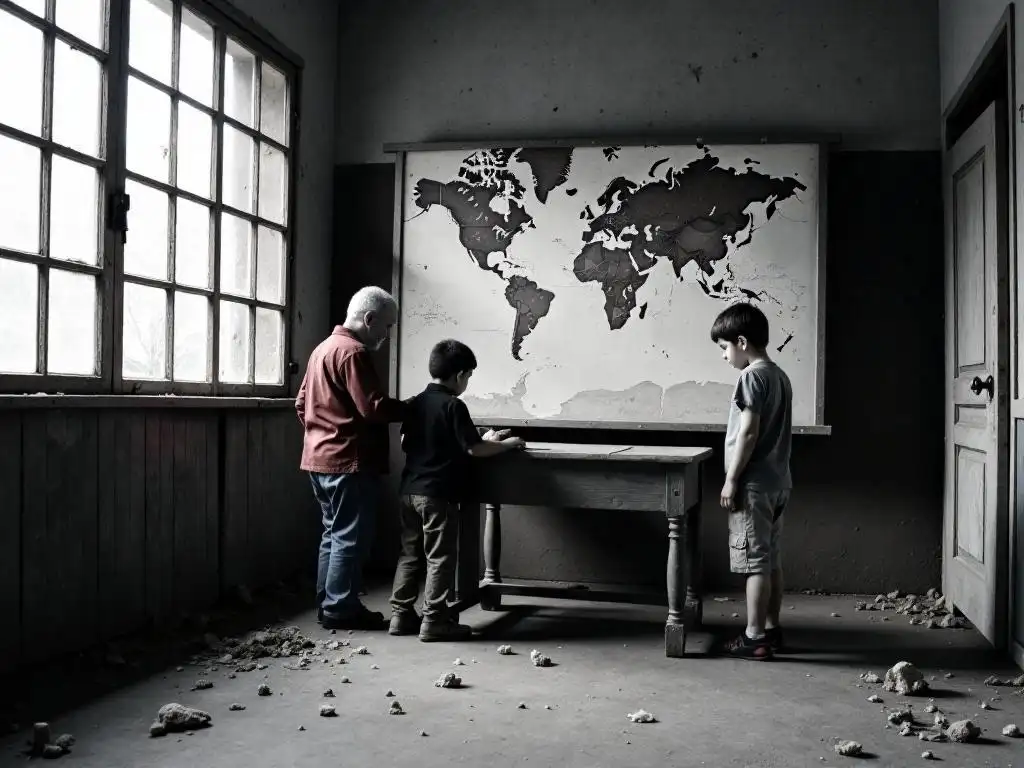
Welcome to Feudal Japan History, where we embark on a captivating journey through the intricate tapestry of Japan's feudal era. Here, we delve into the profound effects of warfare on education in Japan, uncovering how conflicts shaped access and opportunities in a time of turmoil. As you explore our expert-driven articles, prepare to discover the surprising connections between battlefields and classrooms that transformed society. What lessons did the past hold, and how did they influence the future? Join us as we reveal the untold stories that lie at the intersection of warfare and education—your adventure into history begins now!
-
The Impact of Warfare on Educational Access and Opportunities in Feudal Japan
- Introduction to Warfare Effects on Education in Japan
- Overview of Education During Feudal Japan
- Historical Context of Warfare in Japan
- Direct Effects of Warfare on Educational Access
- Indirect Effects of Warfare on Educational Opportunities
- Case Studies of Warfare and Educational Access in Feudal Japan
- Comparative Analysis: Warfare Effects on Education in Other Cultures
- Long-Term Consequences of Warfare on Education in Japan
- Conclusion: Understanding the Legacy of Warfare on Education in Japan
- Further Reading and Resources on Warfare and Education in Japan
-
Frequently Asked Questions
- What were the main effects of warfare on education in feudal Japan?
- How did the samurai class influence education during wartime?
- Were there any specific educational reforms during periods of conflict?
- How did the availability of resources affect educational opportunities?
- What long-term impacts did warfare have on Japan's educational system?
- Final Reflection: The Lasting Shadows of Warfare on Education
- Empower Change: Champion Educational Access Today!
The Impact of Warfare on Educational Access and Opportunities in Feudal Japan
Introduction to Warfare Effects on Education in Japan
The feudal era of Japan, spanning from the late 12th century to the mid-19th century, was marked by significant political and social upheaval, primarily driven by warfare among samurai clans. This tumultuous period not only shaped the nation’s governance and military structure but also had profound impacts on various aspects of daily life, including education. Understanding the effects of warfare on education in Japan reveals a complex relationship where conflict both hindered and, in some cases, spurred educational opportunities.
As battles raged and territories shifted, the accessibility and nature of educational institutions evolved, reflecting the broader societal changes of the time. This article delves into the intricate dynamics of how warfare influenced educational access and opportunities, setting the stage for a deeper exploration of the educational landscape during feudal Japan.
Overview of Education During Feudal Japan
Education in feudal Japan was primarily influenced by Confucian ideals, which emphasized moral development and the importance of knowledge. However, the impact of warfare created a duality in educational access, often varying by region and social class.
- Social Stratification: The samurai class had access to formal education, primarily focusing on military strategy, ethics, and governance. In contrast, peasants had limited educational opportunities, often restricted to practical skills and agricultural knowledge.
- Disruption of Learning: Frequent conflicts led to the destruction of schools and libraries, disrupting the continuity of education for many. This was particularly evident during periods of intense warfare, such as the Sengoku period (1467-1603), where local clans fought for control over territories.
Despite these challenges, certain factors emerged that allowed education to persist, even in the face of warfare.
Structure of Educational Institutions in Feudal Japan
The educational landscape during feudal Japan was characterized by a variety of institutions serving different social classes:
- Monastic Schools: Many monks educated young samurai and elite families, teaching not just religious texts but also literature, philosophy, and military tactics.
- Han Schools: These were established by feudal lords (daimyō) to provide education for their retainers and subjects. Curriculum often included Confucian teachings, military strategy, and administrative skills.
- Private Tutors: Wealthy families often hired tutors to provide personalized education, further solidifying the educational divide between classes.
The structural organization of these institutions was heavily influenced by the needs of the ruling class, often sidelining the majority of the population.
Key Figures in Education and Warfare
Throughout feudal Japan, several notable figures emerged who played pivotal roles in shaping educational practices amidst the backdrop of warfare:
- Confucian Scholars: Figures like Yoshida Shintō and Hayashi Razan contributed to the establishment of Confucian schools, promoting education even during turbulent times.
- Military Leaders: Some samurai leaders recognized the importance of education for their retainers, understanding that knowledgeable warriors were essential for effective governance and military success.
- Cultural Figures: Poets, artists, and philosophers also thrived during these periods, often using their works to comment on the societal impacts of warfare and the value of education.
These individuals not only influenced the educational frameworks of their time but also left a lasting legacy on Japan’s cultural and societal development. Understanding their contributions provides insight into how education adapted and survived amid the challenges posed by warfare.
Historical Context of Warfare in Japan
Warfare has played a pivotal role in shaping the history and societal structures of Japan, particularly during the feudal era. This period, spanning from the late 12th century to the mid-19th century, was marked by constant military conflict among feudal lords (daimyōs) and their samurai warriors. The rise of the samurai class was closely tied to the political and military turbulence of the time, as local rulers vied for power and territory.
The historical context of warfare in Japan reveals a complex interplay between military actions and the development of educational systems. Initially, education was largely the privilege of the samurai class, who were trained in both martial and scholarly arts. However, as warfare escalated, the focus on military training often overshadowed scholarly pursuits. The necessity for combat readiness led to the establishment of military academies, which prioritized martial skills over traditional academic subjects.
Furthermore, the shifting allegiances and the rise and fall of various clans had a profound impact on local governance and educational access. Regions under the control of powerful daimyōs often saw the establishment of schools, while those ravaged by conflict experienced a significant decline in educational opportunities.
Major Conflicts and Their Timelines
Throughout feudal Japan, several key conflicts shaped the landscape of warfare and its effects on society and education:
- Genpei War (1180-1185): This conflict between the Taira and Minamoto clans marked the beginning of the Kamakura shogunate and established the samurai as a dominant class.
- Nanboku-chō Wars (1336-1392): A civil war between the Northern and Southern courts that disrupted political stability and educational continuity.
- Onin War (1467-1477): A significant conflict that led to the Warring States period (Sengoku), resulting in widespread destruction and societal upheaval.
- Sengoku Period (1467-1603): A time of constant military strife, where numerous daimyōs fought for control, profoundly affecting local economies and access to education.
- Boshin War (1868-1869): A civil war that transitioned Japan from feudalism to a modern state, ultimately leading to educational reforms.
These conflicts created cycles of destruction and rebuilding, where educational institutions often suffered during wars but sometimes flourished in peacetime.
The Role of Samurai and Warfare on Society
The samurai class not only served as warriors but also as landowners and local leaders. Their dual role influenced the societal structure, as they were tasked with maintaining order and governance in their domains. The samurai were expected to embody the values of loyalty, honor, and discipline, which were integral to their identity.
As warriors, samurai dedicated significant resources to military training, often at the expense of formal education. The emphasis on warfare limited the time and energy available for scholarly pursuits among samurai families. However, some samurai also engaged in teaching and scholarship, leading to a unique blend of martial and intellectual education.
The societal impact of warfare also extended to the lower classes. While samurai were often educated, the peasantry had limited access to formal education, and their opportunities further diminished during periods of conflict. The wartime demands on labor and resources created barriers for young people seeking education, forcing many to prioritize survival over schooling.
Direct Effects of Warfare on Educational Access
Warfare in feudal Japan had profound direct effects on educational access, influencing both the availability of educational institutions and the curriculum offered.
Disruption of Educational Institutions
The constant threat of warfare led to the destruction and abandonment of many educational institutions. Schools, temples, and monastic centers that served as educational hubs were often targets during conflicts. For instance, during the Onin War, many temples that housed schools were destroyed, resulting in a significant decline in educational access.
Moreover, the instability caused by military campaigns meant that families were often displaced, disrupting the continuity of education for children. In many cases, students had to abandon their studies or relocate to areas with functioning schools, which were few and far between during active warfare.
Changes in Curriculum Due to Conflict
As warfare became a central aspect of life in feudal Japan, educational curricula shifted to reflect the needs of society. Traditional subjects such as literature and philosophy were often sidelined in favor of military strategy, tactics, and survival skills.
In samurai academies, the focus was on training young warriors in the arts of combat, weaponry, and strategy, while academic subjects took a backseat. This shift meant that while some samurai received a form of education, it was primarily vocational and geared toward preparing them for battle rather than fostering a well-rounded intellectual development.
Accessibility Issues for Students During Wars
Access to education was heavily influenced by the sociopolitical climate during periods of conflict. Many children, especially from lower social classes, found it increasingly difficult to attend school due to various barriers:
- Displacement: Families often moved to avoid conflict, leading to a lack of stable educational environments.
- Resource Allocation: Wars diverted resources away from educational institutions, often leading to their closure or repurposing for military needs.
- Safety Concerns: The dangers of warfare, including violence and the conscription of young men, made it unsafe for children to attend schools.
The effects of warfare on education in feudal Japan were profound and multifaceted, shaping not only the access to educational opportunities but also the very content of what was taught. The legacy of these impacts can still be felt in contemporary discussions about the relationship between conflict and education.
Indirect Effects of Warfare on Educational Opportunities
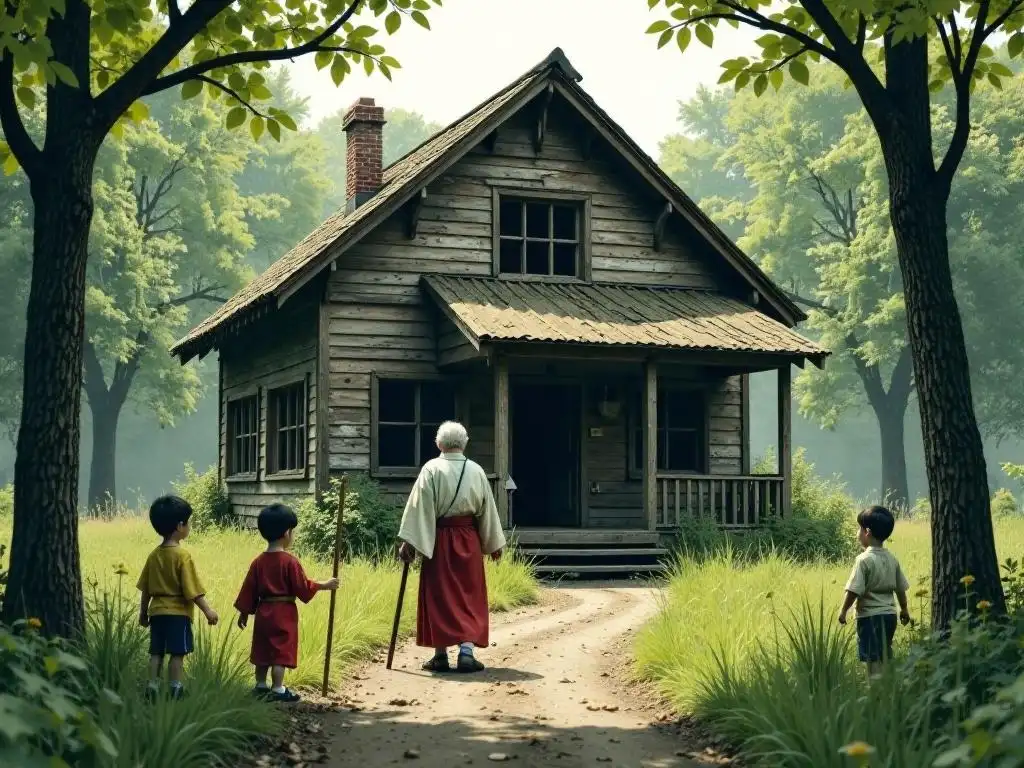
The indirect effects of warfare on educational opportunities in feudal Japan are multifaceted and deeply intertwined with the social, economic, and political landscapes of the time. Wars often led to significant disruptions in the daily lives of families, which in turn affected their children's access to education. Many families were forced to prioritize survival over schooling, leading to a decline in literacy and learning opportunities.
The destruction of infrastructure, including schools and temples where education often took place, further exacerbated the situation. Additionally, as resources became scarce, families might have been unable to afford the costs associated with education, such as books and materials, creating a barrier to learning.
Moreover, the shifting political allegiances and the rise and fall of powerful clans during these tumultuous times contributed to a lack of stability in educational institutions. The constant state of conflict often resulted in the reallocation of resources away from education toward military endeavors. As a result, educational opportunities were not just diminished; they were often completely transformed, with a focus on martial training over classical learning. This shift in priorities had long-lasting implications for the educational landscape of Japan.
Socioeconomic Impact on Families and Education
The socioeconomic impact of warfare on families during feudal Japan led to significant changes in educational access and opportunities. Families of samurai, who were often engaged in warfare, faced the dual challenge of maintaining their social status while also dealing with the financial strains that prolonged conflicts imposed. This pressure often meant that educational opportunities for their children were prioritized differently based on immediate needs—military prowess became more valuable than academic knowledge.
Peasant families, on the other hand, experienced even harsher consequences. The destruction of farmland and the loss of livestock due to war meant that many peasant families struggled to meet their basic needs. As a result, children were needed to contribute to labor on farms, and formal education became a luxury that few could afford. This socioeconomic upheaval led to a significant decline in literacy rates among the lower classes, which would have long-term implications for Japan's social development.
The disparity in educational access between the samurai and peasant classes highlighted the broader societal inequalities perpetuated by warfare. While the samurai class had the means to pursue education, often through private tutors or specialized schools, the majority of the population was left without formal educational opportunities. This inequality in educational access contributed to a cycle of poverty and limited social mobility for generations.
Migration Patterns and Their Influence on Education
Warfare in feudal Japan led to significant migration patterns that profoundly influenced educational access. As clans engaged in battles, many families were displaced, leading to increased movement toward areas deemed safer or more prosperous. This migration often resulted in the scattering of families and communities, disrupting the educational continuity for children. In many cases, displaced families could not find stable educational institutions in their new locales, leading to gaps in learning for the younger generation.
Additionally, urban areas that became centers of military activity often saw an influx of people, including refugees and soldiers. This rapid population growth put pressure on existing schools and educational resources, which were typically ill-equipped to handle large numbers of new students. Consequently, educational quality suffered, and many children were left without access to adequate learning opportunities.
Moreover, the establishment of new settlements often prioritized military fortifications over educational institutions. Schools were frequently delayed or neglected in favor of constructing defenses, leaving communities without the educational infrastructure necessary for their development. This disruption caused by migration patterns further emphasized the adverse effects of warfare on educational access in feudal Japan.
Shift in Educational Priorities During War Times
The shift in educational priorities during wartime in feudal Japan was marked by a growing emphasis on military training and practical skills over traditional academic subjects. As the need for warriors increased, educational institutions adapted their curricula to focus on martial arts, strategy, and survival skills. This shift was particularly pronounced during periods of intense conflict, such as the Sengoku period, when the very survival of clans depended on military strength.
Traditional education, which often included the study of literature, philosophy, and the arts, was overshadowed by the practical necessity of preparing young men for battle. As a result, schools began to prioritize teaching tactics, weaponry, and physical conditioning. While this adaptation was essential for the times, it diminished the broader educational value that had previously been emphasized in samurai culture.
Additionally, the role of educators changed dramatically during wartime. Samurai who were once scholars might have found themselves primarily acting as military trainers. This transformation not only altered the nature of education but also affected the identity of educational institutions. Schools became hubs for military training rather than centers of learning in the arts and sciences, leading to a significant cultural shift in the way knowledge was perceived and valued.
Case Studies of Warfare and Educational Access in Feudal Japan
The Onin War and Its Consequences for Education
The Onin War (1467-1477) serves as a stark example of how warfare directly impacted educational access in feudal Japan. This conflict marked the beginning of a prolonged period of civil strife known as the Sengoku period, leading to widespread destruction in Kyoto and surrounding areas. Educational institutions in the capital, which had been centers of learning, faced significant setbacks as resources were diverted to support military efforts.
The aftermath of the Onin War saw a decline in the number of students attending schools, as many families were displaced or impoverished due to the conflict. The war not only destroyed physical infrastructure but also created an environment where education was seen as less relevant compared to immediate survival and military preparedness. Temples and shrines that had once served as educational hubs were repurposed or abandoned, leading to a significant loss of knowledge transmission during this chaotic period.
Additionally, the war altered the social dynamics of education. With the rise of local warlords (daimyōs), new power structures emerged that often prioritized military loyalty over traditional scholarly pursuits. This change further marginalized academic education, leading to a generation that was less literate and less educated in the humanities.
The Impact of the Sengoku Period on Learning
The Sengoku period (1467-1603), characterized by constant warfare between rival clans, had profound and lasting effects on educational access and opportunities in Japan. During this time, the focus on military training overshadowed traditional learning, drastically altering the educational landscape. As the need for soldiers grew, education increasingly catered to producing warriors rather than scholars.
Many schools that had flourished before the Sengoku period either closed or shifted their focus to teaching military strategies. This shift meant that subjects like literature, poetry, and philosophy were neglected, leading to a decline in cultural and intellectual pursuits. The emphasis on martial education created a society that valued strength and combat skills over academic achievement.
Moreover, the social structures underpinning education became increasingly stratified. While the samurai class continued to have access to education, often through their own private tutors or through the support of powerful daimyōs, the lower classes were generally excluded from formal education. This disparity entrenched social inequalities, as the lack of educational opportunities for peasants contributed to cycles of poverty and limited social mobility.
The Sengoku period exemplified how warfare could reshape educational priorities, leading to a loss of cultural heritage and a generation less equipped with the knowledge and skills that had previously defined Japanese society. The long-term consequences of this shift were felt not only in education but also in the broader societal development of Japan.
Comparative Analysis: Warfare Effects on Education in Other Cultures
The effects of warfare on education are not unique to Japan; various cultures throughout history have experienced similar disruptions. In many cases, conflicts have led to significant changes in educational access, curriculum, and societal attitudes toward learning. For instance, during the Thirty Years' War in Europe (1618-1648), many schools were destroyed or repurposed for military use. This resulted in a sharp decline in literacy rates and educational attainment in affected regions.
In contrast, some cultures have adapted to warfare by prioritizing education as a means of resilience. For example, in Ancient Greece, despite the constant threat of war, philosophical schools flourished, emphasizing critical thinking and civic responsibility. This adaptation often led to a legacy of educational advancement, even amidst the chaos of conflict.
Overall, while the impact of warfare on education shares common themes across cultures, the responses and adaptations can vary widely, providing a rich field for comparative analysis.
Contrasting Educational Disruptions in Feudal Japan and Europe
In Feudal Japan, the frequent power struggles among samurai clans and the resulting conflicts created a unique educational landscape. During periods of warfare, like the Sengoku period (1467-1603), many schools were forced to close, and the focus shifted from academic learning to martial training. This disruption significantly limited educational opportunities for the common people, as resources were redirected towards military efforts.
In contrast, European feudalism saw a different trajectory. While warfare similarly disrupted educational institutions, the establishment of universities during the Middle Ages allowed for a more resilient educational framework. For instance, the University of Bologna was founded in 1088, thriving even during conflicts. The presence of these institutions provided continuity in education, allowing for the preservation of knowledge despite the surrounding turmoil.
Thus, while both regions experienced educational disruptions due to warfare, Europe managed to maintain a more stable educational infrastructure than Japan, where the immediate needs of conflict often overshadowed long-term educational goals.
Lessons from Other Historical Contexts
Examining other historical contexts reveals valuable lessons about the relationship between warfare and education. For instance, the impact of the American Civil War (1861-1865) on education in the United States illustrates how conflict can lead to significant reforms. Post-war, there was a push for universal education and the establishment of public schooling systems, fueled by a desire to rebuild and educate a fractured society.
Similarly, the aftermath of World War II saw a global emphasis on education as a means of fostering peace and rebuilding nations. In Japan, the American occupation led to educational reforms that transformed the system into one focusing on democratic values, critical thinking, and increased access for all citizens.
These cases highlight how, while warfare can disrupt education, it can also serve as a catalyst for reform and improvement in educational access and quality, emphasizing the resilience of societies in the face of adversity.
Long-Term Consequences of Warfare on Education in Japan
The long-term consequences of warfare on education in Japan have been profound, shaping the educational landscape for generations. The disruptions caused by constant conflict during the feudal era led to a fragmented educational system, with access often limited to the elite classes. This inequality in educational opportunities has had lasting effects on societal structure and cultural development.
Moreover, the focus on martial skills over academic learning during periods of warfare has contributed to a historical narrative that often prioritizes military prowess over intellectual achievement. This cultural emphasis continues to influence Japan's educational values and policies, with ongoing debates about the balance between traditional martial education and contemporary academic curricula.
Evolution of Educational Systems Post-Warfare
Following the end of major conflicts, Japan saw significant evolution in its educational systems, particularly during the Meiji Restoration in the late 19th century. The Meiji government recognized the need for a modern education system to compete with Western powers, leading to the establishment of compulsory education and the introduction of Western educational models.
This evolution was crucial in transforming Japan from a feudal society into a modern nation-state. The new educational framework emphasized science, technology, and civic education, moving away from the previous martial-centric approach. As a result, Japan experienced rapid industrialization and modernization, demonstrating how the aftermath of warfare can serve as a powerful impetus for educational reform.
Lasting Effects on Japanese Society and Culture
The lasting effects of warfare on Japanese society and culture are evident in various aspects of life, including education. The historical focus on martial values has fostered a cultural identity that values discipline, respect for authority, and collective responsibility. These values continue to influence contemporary educational practices, where discipline and respect are emphasized in school environments.
Additionally, the historical disruptions in education have led to a greater awareness of the importance of access and equity in education. Modern Japan continues to grapple with issues of educational disparity, particularly in rural versus urban areas and among different socioeconomic groups. The legacy of feudal warfare has created a complex landscape of educational access that reflects both historical inequities and contemporary challenges.
Overall, the impact of warfare on education in Japan has shaped not only the educational system itself but also the broader cultural and societal values that persist to this day.
Conclusion: Understanding the Legacy of Warfare on Education in Japan
The legacy of warfare on education in feudal Japan is multifaceted and profound. The constant state of conflict significantly influenced the structure, accessibility, and content of educational systems throughout the era. As battles raged and clans vied for power, the focus shifted away from academic pursuits, particularly for the lower classes, who were often caught in the crossfire of war. The samurai class, while gaining educational advantages, also faced the pressures of military obligations that dictated the nature and extent of their learning.
The evolution of educational practices during this tumultuous period laid the groundwork for future educational reforms in Japan. The eventual transition to a more structured and accessible education system was influenced by these early disparities, highlighting a need for change born out of the chaos of warfare. Understanding this legacy provides a critical lens through which we can analyze contemporary educational structures and the lasting effects of historical conflicts on access to education.
Summary of Key Findings
- Disruption of Learning: Frequent warfare led to significant interruptions in educational activities, particularly in rural areas where battles were often fought, resulting in the closure of schools and loss of instructional time.
- Class Disparities: The educational opportunities available were often stratified; samurai children received formal education while peasants and lower classes faced barriers, limiting their access to knowledge.
- Cultural Transmission: Despite disruptions, the need for military and strategic knowledge fostered a unique form of education that included martial arts, strategy, and ethics, which were integral to samurai training.
- Post-War Educational Shifts: The aftermath of wars often prompted reforms that aimed to broaden educational access, laying the foundation for modern educational practices in Japan.
Reflections on Current Educational Access in Conflict Zones
Today, the impact of warfare on education remains a pressing global issue. Many regions across the world continue to face the devastating effects of conflict, where schools are targets of violence, and educational infrastructure is systematically dismantled. This scenario mirrors aspects of feudal Japan, where education was often a privilege of the few amid the chaos of war.
Current reflections on educational access in conflict zones emphasize the importance of resilience and adaptation. Initiatives aimed at providing educational opportunities in these areas are crucial for fostering stability and rebuilding communities. Moreover, understanding historical contexts, such as that of feudal Japan, can inform contemporary strategies to ensure that education remains a priority, even in times of crisis.
Further Reading and Resources on Warfare and Education in Japan
Recommended Books and Articles
- "Education in Japan: A Historical Perspective": by John W. Dower - This book provides an in-depth analysis of the evolution of education in Japan, including the influences of warfare.
- "The Samurai and the Sacred" by Michael E. McCullough - A look at how the samurai class shaped educational practices and cultural transmission during and after periods of conflict.
- "War and Education: A Global Perspective": - This collection of essays examines the intersection of warfare and educational access in various historical contexts, including Japan.
Documentaries and Online Resources
- "The Samurai: The Last Warrior": - A documentary that explores the samurai culture, providing insights into their educational practices amidst the backdrop of warfare.
- Online Lectures and Courses - Various platforms offer courses on Japanese history, with sections dedicated to the impact of warfare on society, including education.
- Japan Society - This organization provides resources and events focused on Japanese history and culture, often highlighting the educational aspects of feudal society.
These resources serve to deepen the understanding of how warfare shaped educational access in Japan, providing a comprehensive view of its historical legacy and contemporary implications.
Frequently Asked Questions
What were the main effects of warfare on education in feudal Japan?
Warfare in feudal Japan significantly disrupted educational access by prioritizing military training and resource allocation for conflict over schooling. This often led to limited opportunities for the youth, particularly in rural areas.
How did the samurai class influence education during wartime?
The samurai class placed a high value on education, particularly in martial arts and strategy. However, during periods of intense warfare, their focus shifted primarily towards military responsibilities, which affected broader educational initiatives.
Were there any specific educational reforms during periods of conflict?
Yes, certain educational reforms emerged during times of conflict, aiming to better prepare citizens for the realities of warfare. These reforms often emphasized practical skills and military education over traditional academic subjects.
How did the availability of resources affect educational opportunities?
Warfare often diverted resources from educational institutions to support military efforts, leading to a decline in infrastructure and materials necessary for effective learning, particularly in regions heavily impacted by conflict.
What long-term impacts did warfare have on Japan's educational system?
The long-term impacts included a shift in educational priorities, where military training became more prominent, and an eventual restructuring of the educational system post-warfare to balance both military and civilian learning needs.
Final Reflection: The Lasting Shadows of Warfare on Education
The effects of warfare on education are not merely historical footnotes; they resonate deeply in our contemporary society. As we examine the scars left by conflict, particularly in Japan, we uncover a profound truth: the disruption of educational access during times of war creates ripples that can last for generations. The stories of resilience and recovery remind us that education is not just a privilege but a fundamental right that must be protected, even amidst chaos.
The impact of warfare on educational opportunities extends beyond the immediate aftermath of conflict, shaping cultural narratives and societal structures. In Japan, the echoes of past conflicts continue to influence educational policies and access, highlighting the need for ongoing dialogue about the importance of education in rebuilding communities. Education is the most powerful weapon which you can use to change the world.
– Nelson Mandela. This quote encapsulates the essence of our discussion: education is a beacon of hope, illuminating the path toward recovery and growth, even in the darkest times.
As we reflect on the lessons learned from the intersection of warfare and education, I invite you to consider your own role in advocating for educational access. How can you contribute to creating a world where every child, regardless of their circumstances, has the opportunity to learn and thrive? Let this reflection inspire you to take action, whether through supporting educational initiatives, raising awareness, or simply engaging in conversations about the importance of education in fostering peace and resilience. Together, we can ensure that the shadows of warfare do not dim the light of learning for future generations.
Empower Change: Champion Educational Access Today!
Thank you for investing your time in understanding the profound impact of warfare on educational access and opportunities. By delving into this crucial topic, you’ve taken a significant step toward creating awareness and inspiring change. Now, let’s channel that knowledge into action!
- Take a stand: Contact local educational organizations to advocate for initiatives that support students affected by conflict.
- Spread the word: Disseminate this article within your network to raise awareness about the challenges faced by students in regions impacted by war.
- Engage with your community: Participate in or establish a discussion group that focuses on historical lessons and their relevance to contemporary educational challenges.
What actions will you take to ensure that the lessons of the past inspire effective solutions for the future of education?