
Feudal Japan's Culinary Legacy: Dishes That Still Endure Today

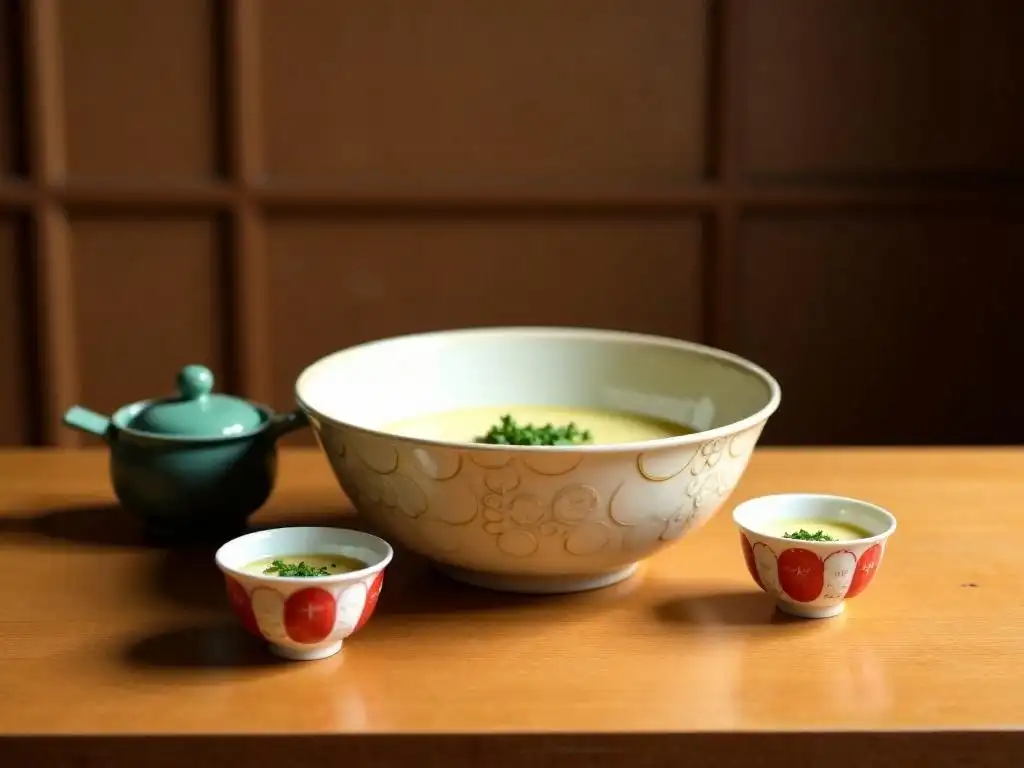
Welcome to Feudal Japan History, where we unlock the secrets of a captivating era that shaped Japan's rich cultural tapestry. Prepare to embark on a journey through time as we delve into the intriguing world of traditional Japanese feudal cuisine. In our featured article, "Feudal Japan's Culinary Legacy: Dishes That Still Endure Today," you'll discover how the flavors and techniques from centuries past continue to influence modern dining.
Join us as we explore the delicious intersections of history, culture, and society, and uncover the culinary traditions that have stood the test of time. Your adventure in feudal Japan awaits—let's dig in!
- Introduction to Traditional Japanese Feudal Cuisine
- Key Ingredients of Traditional Japanese Feudal Cuisine
- Iconic Dishes from Feudal Japan
- Cooking Techniques in Traditional Japanese Feudal Cuisine
- The Cultural Significance of Food in Feudal Japan
- Evolution of Traditional Japanese Feudal Cuisine into Modern Times
- Conclusion: The Enduring Legacy of Traditional Japanese Feudal Cuisine
- Frequently Asked Questions
- Final Reflection: The Enduring Legacy of Traditional Japanese Feudal Cuisine
- Savor the Flavors: Experience Feudal Japan’s Culinary Heritage Today!
Introduction to Traditional Japanese Feudal Cuisine
The culinary landscape of feudal Japan is a rich tapestry woven from historical influences, cultural practices, and societal norms that have shaped the nation’s identity. This era, spanning from the 12th to the 19th century, was marked by the rise of samurai culture, regional feudal lords, and a society deeply connected to its agrarian roots. Understanding traditional Japanese feudal cuisine provides insight not only into the dietary habits of the time but also into the values, rituals, and social structures that defined daily life.
From the simple yet profound flavors of rice and seasonal vegetables to the more elaborate preparations of fish and game, the foods of feudal Japan reflect a harmonious relationship with nature and the seasons. In this article, we will explore the enduring legacy of feudal cuisine and how these traditional dishes continue to influence modern Japanese food culture.
Overview of Feudal Japan and Its Culinary Context
Feudal Japan was characterized by a hierarchical society where power was concentrated in the hands of the samurai and daimyō (feudal lords). This structure significantly impacted the culinary practices of the time. The diet of the samurai was often more refined, involving elaborate meals that showcased their status, while the peasantry relied on simpler, more utilitarian fare. Key elements of feudal cuisine included:
- Staple Ingredients:
- Rice: The foundation of most meals, symbolizing prosperity and stability.
- Vegetables: Seasonal and locally sourced, vegetables were essential for nutrition.
- Fish and Meat: Often consumed by the elite, with specific dishes prepared for ceremonial occasions.
- Culinary Techniques:
- Preservation: Techniques like pickling and drying were crucial for storing food.
- Seasonality: Emphasis on using fresh, seasonal ingredients to enhance flavor and nutrition.
Understanding this context helps illuminate how food was not just sustenance but a reflection of social status, regional diversity, and cultural values.
Importance of Culinary Traditions in Japanese Society
Culinary traditions in feudal Japan played a vital role in shaping societal norms and fostering community bonds. Food was integral to various aspects of daily life, including rituals, festivals, and family gatherings. Notable points include:
- Cultural Significance: Meals were often laden with symbolism, where specific dishes were prepared to honor deities, ancestors, or to mark seasonal changes.
- Community and Family: Shared meals reinforced family ties and community cohesion, with festivals often centered around food offerings that celebrated harvests and local customs.
- Rituals and Ceremonies: Traditional feasts, such as kagamimochi (mochi rice cakes), were prepared for New Year celebrations and showcased the artistry and care involved in food preparation.
Exploring traditional Japanese feudal cuisine reveals layers of cultural significance, historical evolution, and societal impact that continue to resonate in contemporary Japanese food practices. This enduring legacy reminds us of the intricate relationships between food, culture, and community in shaping identity.
Key Ingredients of Traditional Japanese Feudal Cuisine
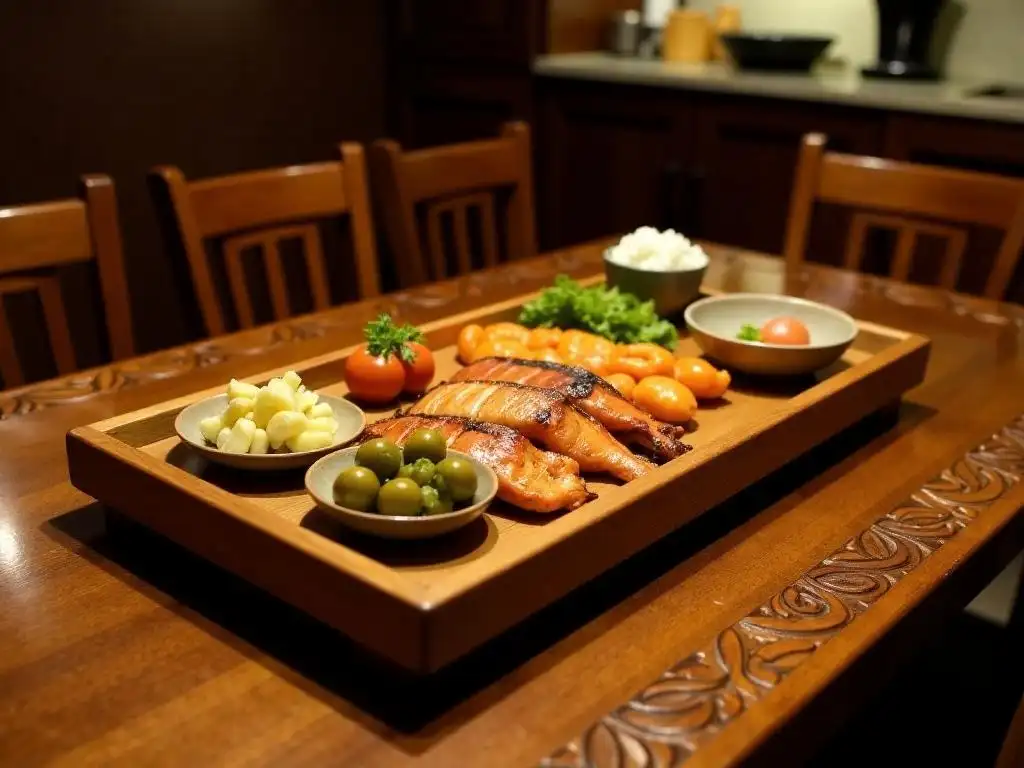
The culinary landscape of feudal Japan was shaped by the geography, climate, and social structures of the time. This resulted in a distinctive array of ingredients that were not only integral to daily meals but also reflective of the cultural and societal norms of the era. Understanding these key ingredients provides a deeper appreciation of traditional Japanese feudal cuisine and its enduring legacy.
Staple Foods in Feudal Japan: Rice, Fish, and Vegetables
In feudal Japan, rice was the cornerstone of the diet and considered a symbol of wealth and prosperity. It was not merely a food source but also a crucial element in religious rituals and agricultural practices. The cultivation of rice was labor-intensive, leading to a strong agrarian society that relied heavily on the harvest seasons.
- Fish played a significant role in the diet, especially in coastal regions. The abundance of fresh fish led to diverse preparation methods, including grilling, stewing, and drying. Common varieties included:
- Sardines
- Mackerel
- Tuna
- Vegetables were also essential to the feudal diet, with seasonal availability dictating their use. Some of the most common vegetables included:
- Daikon radish
- Carrots
- Burdock root
The combination of rice, fish, and vegetables formed the basis of many traditional dishes, exemplifying the harmony between land and sea.
The Role of Seasonal Ingredients in Traditional Dishes
Seasonality was a guiding principle in traditional Japanese feudal cuisine. The Japanese have long celebrated the changing seasons through their culinary practices, creating dishes that highlight the freshest ingredients available. This emphasis on seasonality not only ensured the quality and flavor of the food but also fostered a deep connection between the people and their environment.
- Spring brought forth ingredients like bamboo shoots and young greens, often used in soup and stir-fry dishes.
- Summer was characterized by the abundance of fresh fish and vegetables, leading to the popularity of dishes like sashimi and salads.
- Autumn introduced hearty ingredients such as chestnuts and mushrooms, perfect for rice dishes and stews.
- Winter focused on preserved and fermented foods, with pickles and nabe (hot pot) being staples to keep warm.
This seasonal approach not only enhanced the meal experience but also promoted sustainability and respect for nature, which remain integral to Japanese culinary practices today.
Fermented Foods: Miso, Soy Sauce, and Pickles
Fermentation was a crucial aspect of traditional Japanese feudal cuisine, providing both preservation methods and unique flavor profiles. The extensive use of fermented foods contributed to the nutritional balance and complexity of dishes.
- Miso: This fermented soybean paste was a staple in the feudal diet, used in soups, sauces, and marinades. Its rich umami flavor was essential for creating depth in various dishes.
- Soy Sauce: Another vital fermented product, soy sauce was used not just for seasoning but also as a marinade for fish and vegetables. Different types of soy sauce emerged, each with distinct flavor profiles, contributing to the regional diversity of Japanese cuisine.
- Pickles (Tsukemono): Pickling was a common preservation method, with various vegetables being fermented in salt, vinegar, or rice bran. These pickles served as side dishes, providing contrasting flavors and textures to the main fare.
The integration of these fermented foods into feudal cuisine laid the groundwork for many contemporary dishes, highlighting the enduring nature of traditional Japanese feudal cuisine and its flavors that continue to resonate in modern culinary practices.
Iconic Dishes from Feudal Japan
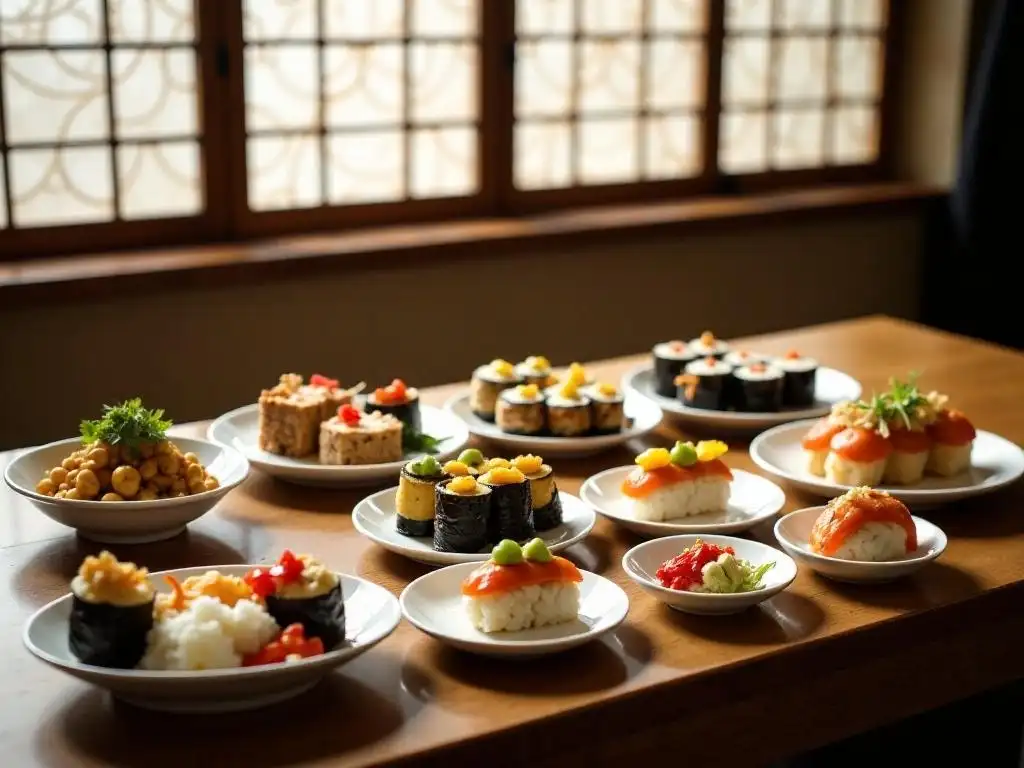
Sushi: Origins and Evolution in the Feudal Era
Sushi, as we know it today, has its roots deeply embedded in the feudal era of Japan. The earliest form of sushi, known as narezushi, dates back to the 8th century and was primarily a method of preserving fish. This preservation was achieved by fermenting fish with rice, which acted as a protective barrier against decay. Over time, the process evolved, and by the Edo period (1603-1868), sushi began to transform into what we recognize today.
During the feudal period, sushi was primarily a street food in the bustling urban centers, particularly Edo (modern-day Tokyo). Vendors would prepare edomae-zushi, which featured fresh fish atop small balls of vinegared rice. This shift from a preservation technique to a culinary delight showcases the ingenuity of Japanese chefs and their ability to adapt to changing tastes and practices.
In addition to its evolving preparation methods, sushi also reflects the societal changes of feudal Japan. As the merchant class rose in prominence, so did the appreciation for refined dining experiences, making sushi a symbol of status and sophistication. Today, sushi continues to thrive globally, with its feudal origins still influencing its presentation and ingredients.
Soba and Udon: Noodles That Withstood the Test of Time
Soba and udon noodles are two quintessential staples of traditional Japanese feudal cuisine that have remained popular through the centuries. Both types of noodles are deeply rooted in Japanese culture, with soba dating back to the 8th century. Made from buckwheat flour, soba noodles were not only nutritious but also versatile, allowing for various preparations that catered to the tastes of the time.
Udon, on the other hand, is a thicker noodle made from wheat flour that emerged later, around the 14th century. Its chewy texture and heartiness made it a favorite among the samurai class, who required substantial meals to sustain their rigorous lifestyles.
The preparation methods for both soba and udon evolved significantly during the feudal era. Chefs began experimenting with different broths and toppings, leading to the development of regional variations. For instance:
- Zaru Soba: Served cold with a dipping sauce.
- Kake Udon: Hot udon served in a simple broth.
These dishes not only reflect the culinary advancements of the time but also offer a glimpse into the daily lives of the people who consumed them. Today, both soba and udon remain staples in Japanese cuisine, celebrated for their historical significance and adaptability.
Tempura: The Influence of Portuguese Cuisine
Tempura is a fascinating example of cultural exchange that occurred during Japan's feudal era, specifically during the 16th century when Portuguese missionaries and traders arrived in Japan. The introduction of deep-frying techniques and the use of batter to coat vegetables and seafood marked a significant departure from traditional Japanese cooking methods.
The word "tempura" itself is believed to be derived from the Latin phrase "temporas," referring to the times of Lent when Catholics consumed battered and fried foods. Japanese chefs quickly adopted this technique, adapting it to local ingredients and flavors. The use of seasonal vegetables, such as sweet potatoes, and seafood, like shrimp, became integral to this dish.
Tempura was initially served to the samurai class and gradually became popular among the general populace. Its crispy texture and lightness appealed to many, leading to its enduring status in Japanese cuisine. Today, tempura is a beloved dish enjoyed in various forms, from casual eateries to high-end restaurants, illustrating how a fusion of cultures can create lasting culinary traditions.
The culinary legacy of feudal Japan, through iconic dishes like sushi, soba, udon, and tempura, not only highlights the rich history of traditional Japanese feudal cuisine but also emphasizes the adaptability and creativity of Japanese cooking that continues to thrive today.
Kaiseki: The Art of Multi-Course Dining in Feudal Japan
Kaiseki is a traditional multi-course dining experience that has its roots deeply embedded in the feudal era of Japan, particularly during the 16th century. Initially developed as a simple meal served during the tea ceremony, it has evolved into a sophisticated culinary art form that reflects the aesthetics and philosophies of Japanese culture. The essence of Kaiseki lies in its emphasis on seasonal ingredients, meticulous presentation, and the harmony of flavors, making it a perfect representation of traditional Japanese feudal cuisine.
Origins and Evolution
The origins of Kaiseki can be traced back to the "kaiseki ryori", which was initially a light meal served alongside tea during the tea ceremonies conducted by Zen monks. As time progressed, the meal transformed into a more elaborate affair, featuring multiple courses that showcased the chef's skills and creativity. By the Edo period, Kaiseki had transitioned into a stand-alone dining experience, often enjoyed by the samurai class and wealthy merchants. Each course became an opportunity to celebrate seasonal ingredients, with a focus on freshness and presentation that is still revered today.
Structure of a Kaiseki Meal
A traditional Kaiseki meal typically consists of several courses, each thoughtfully prepared to create a harmonious dining experience. The structure generally includes:
- Sakizuke (appetizer): A small dish to stimulate the palate.
- Shokuji (main course): This may include grilled fish, meat, or tofu, often served with rice and miso soup.
- Kozara (side dishes): These may vary and include seasonal vegetables, pickles, or small portions of other dishes.
- Yu-wan (hot dishes): Typically a simmered or steamed dish that showcases the season’s finest ingredients.
- Dessert: Often a sweet treat made from seasonal fruits or traditional Japanese sweets (wagashi).
The presentation of each dish is as important as the taste. Plates are often selected based on seasonal themes and the colors of the food, embodying the Japanese philosophy of "wabi-sabi," which values simplicity and the beauty of imperfection.
Seasonal Influence
One of the most remarkable aspects of Kaiseki is its strong reliance on seasonality. Dishes are crafted to highlight the freshest ingredients available at any given time of year, creating a dynamic culinary experience that changes with the seasons. In spring, one might find cherry blossom-inspired dishes, while autumn may feature flavors reminiscent of the harvest. This respect for nature and its cycles mirrors the philosophies of Zen Buddhism, which heavily influenced feudal Japanese culture.
Modern-Day Kaiseki
Today, Kaiseki continues to hold a prestigious place in Japanese cuisine and has gained international recognition. While traditional techniques and presentations are maintained, modern chefs often incorporate contemporary elements, creating innovative interpretations of classic dishes. Kaiseki restaurants, both in Japan and abroad, remain popular destinations for those seeking an authentic experience of traditional Japanese feudal cuisine.
Kaiseki is not just a meal; it is a cultural experience that embodies the essence of feudal Japan. Through its intricate courses, attention to detail, and celebration of seasonal ingredients, it serves as a testament to the culinary heritage that has endured through the centuries, connecting the past with the present in the realm of Japanese cuisine.
Cooking Techniques in Traditional Japanese Feudal Cuisine
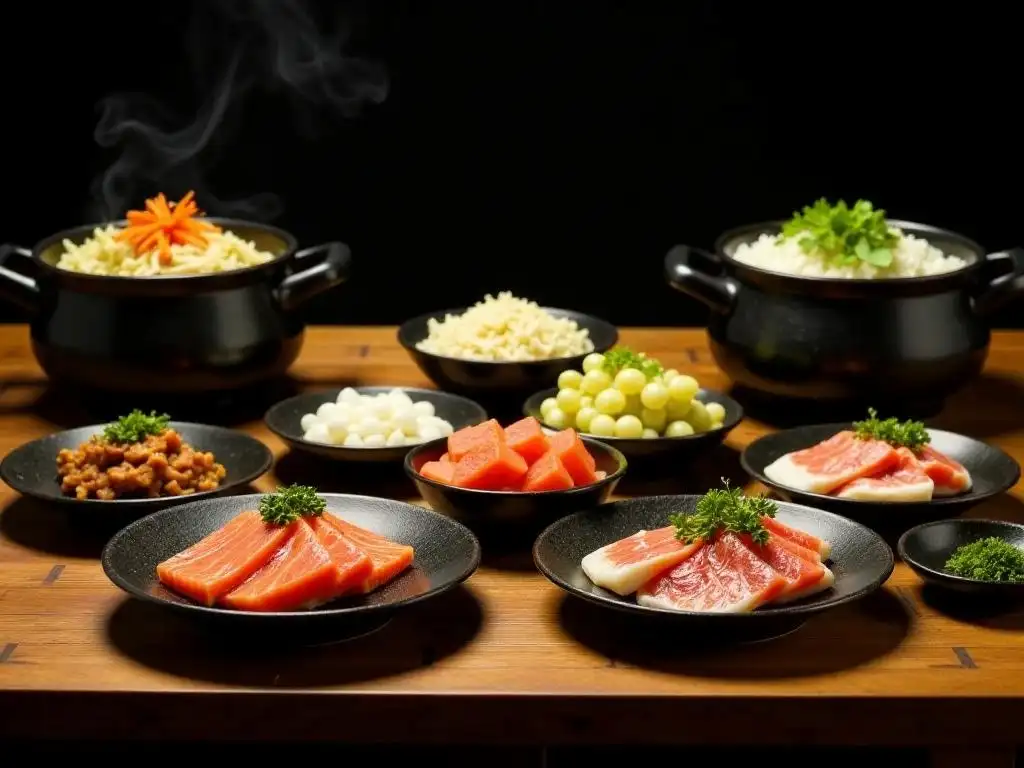
Grilling and Steaming: Preserving Flavor and Nutrients
In traditional Japanese feudal cuisine, grilling and steaming emerged as two of the most distinctive cooking techniques, primarily due to their ability to enhance the natural flavors of ingredients while preserving essential nutrients. These methods not only reflect the resourcefulness of the cooks of the era but also demonstrate a profound respect for the ingredients themselves.
Grilling, or yaki, was particularly popular during feudal times, especially for fish and meats. The use of open flames and charcoal allowed for a unique smoky flavor, which became a hallmark of many dishes. A common technique involved skewering ingredients, such as fish or meat, and grilling them over hot coals. This method not only cooked the food evenly but also allowed the fat to drip away, resulting in a healthier dish.
On the other hand, steaming, known as mushi, was another prevalent technique that emphasized the delicate nature of ingredients. Steaming vegetables, rice, and fish helped to maintain their flavors and vibrant colors. A traditional bamboo steamer, known as seiro, was often used, allowing the steam to circulate effectively. This method was especially favored for dishes like chawanmushi, a savory egg custard that highlights the subtle flavors of seasonal ingredients.
Both techniques reflect the broader philosophy of Japanese cuisine during the feudal era: to celebrate the purity and essence of nature.
Pickling and Fermentation: Techniques for Preservation
Pickling and fermentation played a crucial role in traditional Japanese feudal cuisine, serving both as a method of food preservation and as a means to enhance flavors. These techniques were especially important in a society that relied heavily on seasonal produce, allowing cooks to extend the life of ingredients beyond their harvest period.
Pickling involved immersing vegetables in a brine solution, usually made from salt, rice bran, or vinegar. This method not only preserved the vegetables but also added a tangy flavor. Commonly pickled items included nappa cabbage and daikon radish, which were often served alongside rice to complement the meal. The practice of pickling, known as tsukemono, allowed for a variety of flavors and textures to be introduced into the feudal diet, enhancing the overall culinary experience.
Fermentation, on the other hand, was pivotal in producing staple condiments such as soy sauce ( shoyu) and miso. These fermented products not only served as flavor enhancers but also contributed to the nutritional value of meals. The fermentation process involved the use of mold, yeast, and bacteria, which transformed soybeans and grains into rich, umami-packed ingredients that became integral to Japanese cooking.
Both pickling and fermentation highlight the ingenuity of feudal Japanese cuisine, showcasing techniques that not only preserved food but also created complex flavors, demonstrating a deep understanding of the ingredients and their potential.
The Influence of Regional Cooking Styles Across Japan
Japan's diverse geography contributed significantly to the evolution of regional cooking styles during the feudal era, each reflecting local ingredients, climate, and cultural practices. This regionalism enriched traditional Japanese feudal cuisine, giving rise to a variety of distinctive dishes that endure to this day.
In Hokkaido, the northernmost region, the abundance of fresh seafood led to the prominence of dishes like sashimi and nabe (hot pot). The cold climate also encouraged preservation methods, including smoking and pickling, which became essential for maintaining food supplies during harsh winters.
Moving south to Kanto, which includes Tokyo, the cuisine here was heavily influenced by the Edo period's urban culture. Dishes like sushi, which originated in this region, combined fresh fish with vinegared rice, showcasing a novel approach to food preparation that emphasized freshness and flavor balance.
In contrast, the Kansai region, encompassing Kyoto and Osaka, is known for its emphasis on seasonal ingredients and delicate presentation. The use of dashi, a subtle broth made from kelp and bonito flakes, became a hallmark of Kansai cuisine, influencing many dishes that are still celebrated in modern cooking.
Lastly, in Kyushu, the southernmost island, hearty dishes like tonkotsu ramen emerged, reflecting the region’s agricultural bounty and culinary influences from nearby countries. This area embraced bold flavors and spicy seasonings, contrasting with the more subdued tastes found in other regions.
These regional cooking styles not only highlight the diversity of traditional Japanese feudal cuisine but also illustrate how local environments and cultural exchanges shaped the culinary landscape of Japan, resulting in a rich tapestry of flavors that continues to inspire chefs today.
The Cultural Significance of Food in Feudal Japan
Food as a Symbol of Status and Class in Feudal Society
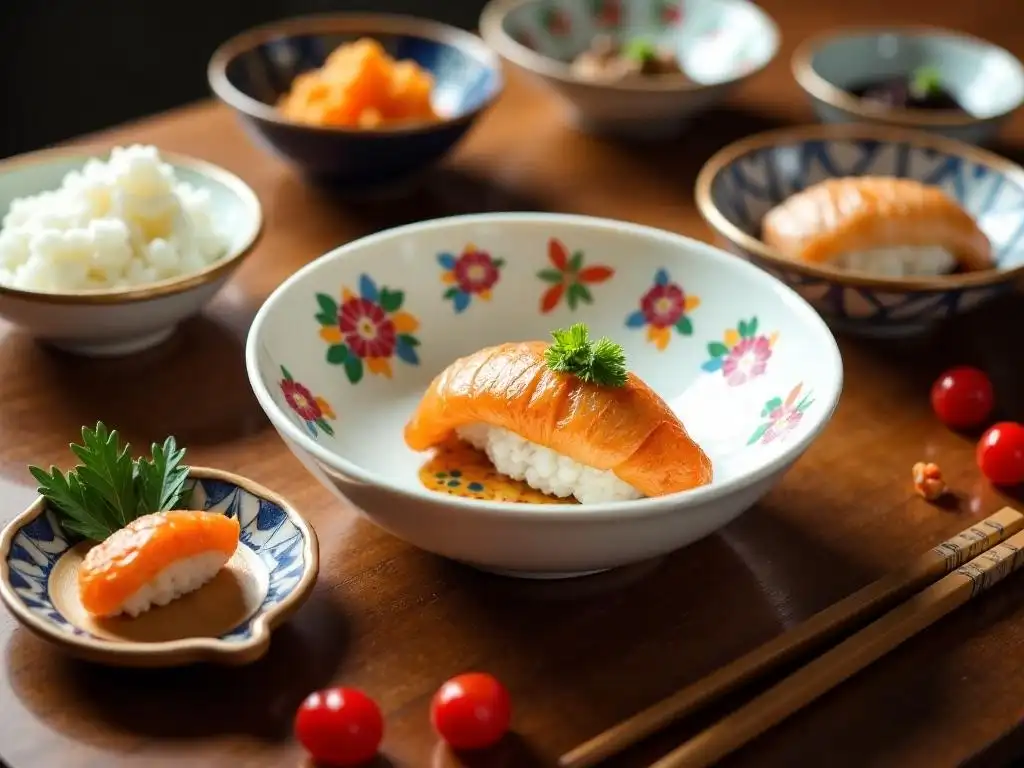
In feudal Japan, food was not merely a means of sustenance; it served as a powerful symbol of social hierarchy and status. The type of food one consumed often indicated their place within the rigid class system. For instance, the ruling samurai class enjoyed a diet rich in protein, including fish, meat, and refined rice, highlighting their wealth and power. In contrast, the peasantry primarily subsisted on simple grains, vegetables, and pickled foods.
- Samurai Diet: Typically consisted of:
- Rice: The staple food, often served as a symbol of prosperity.
- Fish and Meat: Considered luxurious, especially wild game like deer and boar.
- Seasonal Vegetables: Included items like daikon (radish) and negi (leek).
- Peasant Diet: Generally included:
- Barley and Millet: More common grains consumed due to scarcity.
- Fermented Foods: Such as miso and pickles, essential for preservation.
- Foraged Goods: Wild plants, mushrooms, and herbs.
The disparity in diet was not just a reflection of wealth but also a reinforcement of social order. The elite would often showcase their culinary prowess during feasts, where the presentation and variety of dishes were as important as the food itself. This careful curation of meals was a way to assert dominance and display refinement, while the lower classes focused on practicality and sustenance.
Rituals and Festivals: Culinary Traditions of the Samurai
Culinary practices in feudal Japan were deeply intertwined with rituals and festivals, especially among the samurai. These events often featured elaborate meals that not only celebrated seasonal changes but also reinforced social bonds and cultural values.
Key traditional festivals included:
- Shichi-Go-San: Celebrated to honor children, this festival featured a special meal that included rice cakes and seasonal delicacies, symbolizing prosperity and growth.
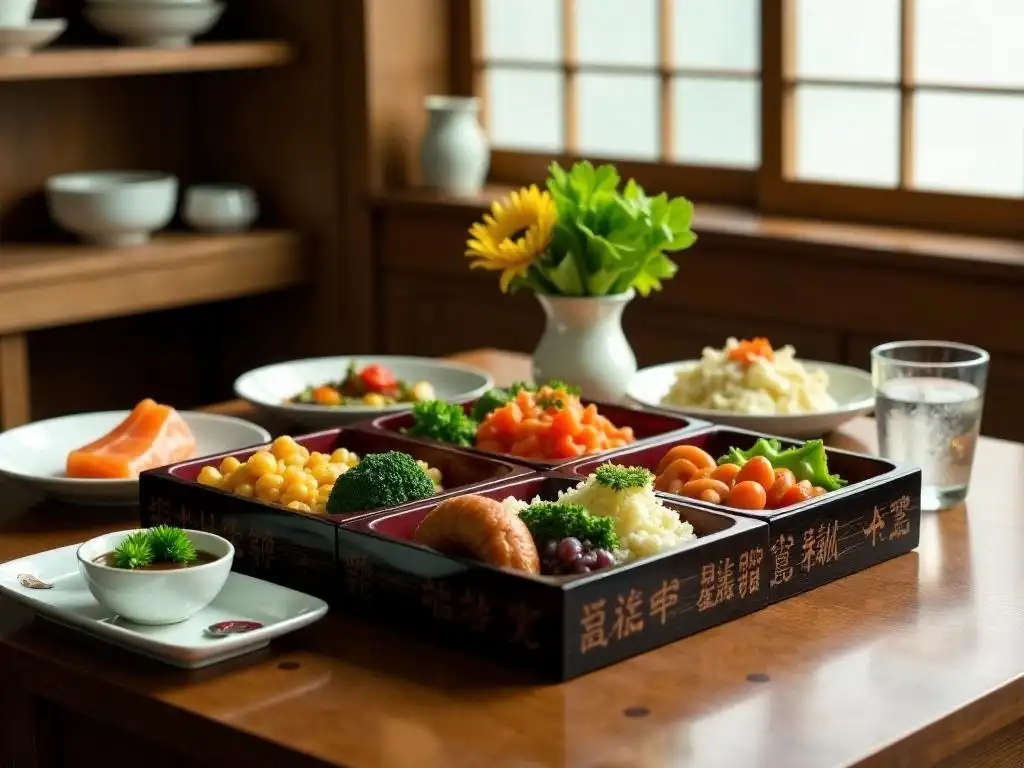
- New Year (Shōgatsu): Marked by the preparation of Osechi-ryori, a selection of traditional foods arranged in lacquer boxes. Each dish had symbolic meanings, such as:
- Kazunoko (herring roe): For fertility and prosperity.
- Kurikinton (sweet chestnut and sweet potato): Representing wealth.
These culinary traditions were not only about nourishment but also about conveying messages and values through food. For the samurai, meticulously prepared meals were an extension of their identity, reflecting their discipline and respect for the culinary arts.
The Role of Food in Japanese Hospitality (Omotenashi)
In feudal Japan, the concept of omotenashi—or hospitality—was a crucial aspect of social interaction, particularly among the samurai and nobility. This philosophy emphasized serving guests with utmost respect and meticulous attention to detail, which extended to the preparation and presentation of food.
- Elements of Omotenashi in Feudal Cuisine:
- Attention to Detail: Every dish was crafted with precision, from the selection of ingredients to the arrangement on the plate.
- Seasonality: Dishes were prepared using seasonal ingredients, reflecting a deep connection to nature and the changing times.
- Ceremonial Meals: Meals served during visits were often carefully curated to impress, featuring elaborate kaiseki—a multi-course dining experience showcasing culinary skill and artistry.
The practice of omotenashi went beyond mere food service; it was a way to cultivate relationships and express respect. Guests were treated to not only a meal but an experience, often involving tea ceremonies that further highlighted the importance of hospitality in Japanese culture.
Traditional Japanese feudal cuisine played a critical role in shaping social structures, cultural rituals, and the art of hospitality, leaving a lasting legacy that continues to influence culinary practices in modern Japan.
Evolution of Traditional Japanese Feudal Cuisine into Modern Times
How Feudal Dishes Adapted Over Centuries
The evolution of traditional Japanese feudal cuisine into modern times highlights a rich tapestry of cultural exchange, regional variations, and adaptability. During the feudal era, from the 12th to the 19th century, Japan's cuisine was defined by the availability of local ingredients, agricultural practices, and the socio-political climate. As Japan transitioned into the modern era, these dishes underwent significant transformations due to several factors:
- Regional Ingredients: The feudal period saw a reliance on seasonal and local ingredients, which shaped various regional cuisines. For instance, while rice remained a staple, regions such as Hokkaido began to incorporate seafood and wild game, leading to unique variations like soup curry.
- Cultural Exchanges: The arrival of European traders in the 16th century introduced new cooking techniques and ingredients such as potatoes and tomatoes. These influences led to the adaptation of traditional dishes. The popularization of tempura, which originated from Portuguese cooking, is a prime example of this culinary fusion.
- Modernization and Urbanization: With the Meiji Restoration in the late 19th century, Japan underwent rapid modernization. Urbanization brought about changes in lifestyle and dining habits, leading to the emergence of quick and accessible dining options. For example, udon and soba began to be served in street stalls, making them more popular among the working class.
- Globalization: The 20th century witnessed increased globalization, leading to the incorporation of international flavors into traditional dishes. The fusion of elements from Western cuisine has resulted in dishes like Japanese curry and sushi rolls, which maintain the essence of feudal dishes while appealing to contemporary taste buds.
The Preservation of Culinary Heritage in Contemporary Japan
In contemporary Japan, there is a growing movement to preserve and celebrate the culinary heritage rooted in feudal traditions. This preservation manifests in various forms:
- Culinary Schools and Workshops: Institutions dedicated to teaching traditional cooking techniques play a vital role in passing down feudal culinary practices. Workshops on kaiseki, a traditional multi-course meal that exemplifies seasonal ingredients and artful presentation, are increasingly popular among culinary enthusiasts.
- Local Festivals and Events: Many regions host festivals that celebrate traditional feudal dishes. For example, the Okinawa Shuri Castle Festival features traditional Okinawan dishes that have origins in the Ryukyu Kingdom, emphasizing the historical significance of regional cuisine.
- Farm-to-Table Movements: With a renewed focus on sustainability, many chefs and restaurants are sourcing local ingredients and preparing dishes that reflect feudal cuisine's emphasis on seasonal produce. This approach not only preserves culinary heritage but also promotes environmental consciousness.
- Culinary Tourism: Japan's rich culinary history attracts tourists eager to experience traditional feudal cuisine. Experiences such as staying at a ryokan (traditional inn) often include meals that reflect the local feudal culinary styles, allowing visitors to engage with history through food.
Influence of Traditional Feudal Cuisine on Modern Japanese Cooking
Traditional Japanese feudal cuisine has left an indelible mark on modern Japanese cooking, influencing both home cooking and restaurant offerings. Key aspects of this influence include:
- Flavor Profiles: Many modern Japanese dishes still incorporate the fundamental flavors established during the feudal era. Ingredients like soy sauce, miso, and dashi continue to serve as the backbone of countless recipes, maintaining the umami essence that characterizes Japanese cuisine.
- Presentation and Aesthetics: The artistic presentation of food, a hallmark of feudal dining, remains paramount in modern Japanese cooking. Techniques such as ichiju-sansai (one soup, three sides) reflect a commitment to balance and visual appeal that resonates in both traditional and contemporary settings.
- Seasonality: The emphasis on seasonal dining, which was critical in feudal times, persists today. Many Japanese chefs create menus that change with the seasons, showcasing the freshest ingredients available, much like how feudal kitchens operated.
- Culinary Innovation: Modern chefs are inspired by traditional feudal dishes to create innovative interpretations while respecting their origins. This has led to the rise of modern izakayas that feature reimagined versions of classic dishes, combining traditional techniques with contemporary flavors.
The evolution of traditional Japanese feudal cuisine into modern-day practices illustrates a dynamic interplay between preservation and innovation, ensuring that the culinary legacy of feudal Japan continues to thrive.
Conclusion: The Enduring Legacy of Traditional Japanese Feudal Cuisine
The culinary landscape of Japan is deeply rooted in its feudal era, a time that shaped not only the nation’s political and social structures but also its culinary practices. The dishes that emerged during this period reflect the agricultural, regional, and seasonal diversity of Japan, creating a rich tapestry of flavors and techniques that continue to influence modern Japanese cuisine. Traditional Japanese feudal cuisine is characterized by its simplicity, reliance on fresh ingredients, and a profound respect for nature, all principles that remain vital in contemporary cooking.
Reflections on Culinary Heritage and Its Importance Today
The importance of preserving traditional Japanese feudal cuisine cannot be overstated. As Japan modernizes and global culinary influences increasingly permeate its food culture, maintaining the integrity of these historical dishes becomes crucial. They serve as a reminder of Japan’s agricultural roots and the regional diversity that defines its culinary identity.
- Cultural Significance: Traditional dishes like soba (buckwheat noodles) and yudofu (tofu hot pot) are not merely meals; they are cultural artifacts that tell the story of Japan’s agricultural practices and social customs. Each dish holds historical significance, often associated with specific ceremonies or seasonal celebrations.
- Sustainability: The feudal era's emphasis on local and seasonal ingredients resonates with today’s movements towards sustainability in food sourcing. By embracing traditional practices, we support local farmers and reduce environmental impact, aligning with modern values on sustainability.
- Educational Value: Understanding these culinary traditions fosters a deeper appreciation for Japanese culture and its history. Educational programs focusing on traditional cooking methods not only keep these practices alive but also inspire new generations to explore their culinary heritage.
Final Thoughts on Preserving Traditional Japanese Cooking Techniques
Preserving traditional Japanese cooking techniques is essential for maintaining the authenticity of traditional Japanese feudal cuisine. Techniques such as fermentation, pickling, and the meticulous preparation of ingredients reflect a profound respect for the natural world and the craftsmanship involved in cooking.
- Community Involvement: Engaging local communities in the preservation of these techniques can ensure their survival. Workshops and classes that teach traditional cooking methods encourage participation and foster a sense of belonging and pride in culinary heritage.
- Modern Adaptations: While preserving traditional techniques is vital, there is also room for innovation. Chefs today can reinterpret historical dishes, blending age-old techniques with modern flavors and presentation styles, thereby keeping the culinary legacy vibrant and relevant.
- Documentation and Research: Archiving recipes and cooking methods, as well as documenting oral histories from older generations, is crucial in preserving this culinary heritage. Collaborative efforts between chefs, historians, and cultural institutions can create a comprehensive repository of knowledge that future generations can access.
The legacy of traditional Japanese feudal cuisine is a testament to Japan’s rich history and cultural identity. By recognizing its importance and actively engaging in its preservation, we can ensure that these culinary traditions endure, enriching both our palates and our understanding of Japanese culture.
Frequently Asked Questions
What is traditional Japanese feudal cuisine?
Traditional Japanese feudal cuisine refers to the culinary practices and dishes that were prevalent during Japan's feudal era, characterized by regional ingredients and seasonal flavors.
How did the feudal system influence Japanese cuisine?
The feudal system shaped Japanese cuisine by creating a stratified society, where samurai and nobility had access to more luxurious ingredients, while peasants relied on simpler, seasonal foods.
What are some examples of dishes that originated in feudal Japan?
Dishes such as soba noodles, miso soup, and pickled vegetables are examples of traditional dishes that have their roots in feudal Japan, showcasing the use of local ingredients and preservation techniques.
How have feudal dishes evolved over time?
Many dishes from feudal Japan have undergone significant evolution, incorporating modern cooking techniques and global influences while retaining their traditional essence and flavors.
Why is studying feudal Japanese cuisine important?
Studying feudal Japanese cuisine is crucial for understanding Japan’s cultural heritage and its impact on modern culinary practices, highlighting the historical significance of food in shaping society.
Final Reflection: The Enduring Legacy of Traditional Japanese Feudal Cuisine
The culinary traditions of feudal Japan are not just relics of the past; they are vibrant threads woven into the fabric of modern Japanese culture. As we explore the dishes that have transcended time, we uncover a rich heritage that continues to shape contemporary dining experiences. The flavors, techniques, and philosophies of feudal cuisine remind us that food is more than sustenance; it is a reflection of identity, history, and community.
Culinary practices from feudal Japan have profoundly influenced not only the gastronomic landscape of Japan but also the global appreciation for Japanese cuisine. The meticulous attention to detail, seasonal ingredients, and the art of presentation found in these traditional dishes resonate with chefs and food enthusiasts around the world today. Food is symbolic of love when words are inadequate.
This quote encapsulates the essence of feudal cuisine, where each meal tells a story and fosters connections among people, bridging generations and cultures.
As we savor the flavors of feudal Japan, I invite you to reflect on your own culinary journey. Consider how the dishes you cherish connect you to your heritage and the stories they tell. Embrace the lessons of patience, respect for ingredients, and the joy of sharing meals with loved ones. Let the legacy of traditional Japanese feudal cuisine inspire you to explore, appreciate, and celebrate the rich tapestry of flavors that history has gifted us, and perhaps even to create your own culinary legacy for future generations.
Savor the Flavors: Experience Feudal Japan’s Culinary Heritage Today!
Thank you for diving into the rich world of Feudal Japan's culinary legacy! We hope you’ve discovered the fascinating dishes that have not only stood the test of time but also continue to inspire modern cuisine. Now, let's bring these flavors to your own kitchen!
Here are some exciting actions you can take to deepen your connection with this culinary heritage:
- Recreate a classic dish from Feudal Japan, such as miso soup or soba noodles, using authentic ingredients. Share your culinary creation online to inspire others!
- Explore local Japanese restaurants and inquire about their traditional recipes to understand how these age-old dishes have evolved over time.
- Join a cooking class or workshop focused on Japanese cuisine to enhance your skills and knowledge of these enduring flavors.
Which dish from Feudal Japan are you most excited to try preparing at home? We invite you to share your thoughts and experiences in the comments below!