
The Samurai Code: How Bushido Influenced Educational Principles


Welcome to Feudal Japan History, where we take you on an exhilarating journey through the intricate tapestry of Japan's feudal era. Delve into the profound impact of the Bushido code on educational principles in our featured article, "The Samurai Code: How Bushido Influenced Educational Principles." Discover how the values of honor, discipline, and loyalty shaped not just the lives of samurai but also the very foundations of Japanese education.
Join us as we unravel the threads of history that connect the past to the present, inviting you to explore the fascinating intersections of culture and society in feudal Japan. Are you ready to uncover the secrets behind this enduring legacy? Keep reading to learn more!
Introduction to Bushido
Bushido, often translated as "the way of the warrior," is a code of conduct that has profoundly influenced Japanese culture and societal values, particularly during the feudal era. This intricate ethical framework not only governed the behavior of samurai but also laid the groundwork for various aspects of education and personal development in Japan. Understanding Bushido is essential for comprehending how its principles permeated educational philosophies and shaped the moral compass of Japanese society.
Definition of Bushido
Bushido is derived from the words "bushi," meaning warrior, and "do," meaning way or path. This code encapsulated the ideals and virtues that samurai were expected to uphold, including loyalty, honor, courage, and self-discipline. It served as a guiding doctrine for the samurai class, influencing not only their martial practices but also their interactions with others and their role in society. The essence of Bushido can be seen as a commitment to personal integrity and the pursuit of excellence, making it a cornerstone of Japanese identity.
Historical Context of the Samurai Code
The origins of Bushido can be traced back to the Kamakura period (1185-1333), when the samurai class emerged as a dominant force in Japan. As feudal lords (daimyō) required their samurai to be both skilled warriors and effective leaders, the need for a cohesive ethical framework became apparent. Over time, various schools of thought, including Zen Buddhism and Confucianism, contributed to the evolution of Bushido, intertwining martial prowess with moral and philosophical teachings. This historical backdrop is crucial to understanding how Bushido influenced not only military conduct but also educational systems that emphasized character development and moral teaching.
Key Principles of Bushido
The principles of Bushido can be summarized in several key tenets, including:
- Rectitude (Gi): The commitment to justice and righteousness.
- Courage (Yū): The bravery to confront fear and adversity.
- Benevolence (Jin): The compassion and kindness shown towards others.
- Politeness (Rei): The importance of respect and etiquette in interactions.
- Honesty (Makoto): The value of truthfulness and transparency.
- Honor (Meiyo): The pursuit of personal and familial honor.
- Loyalty (Chūgi): The devotion to one's lord, family, and comrades.
These principles not only guided samurai conduct but also became integral to educational philosophies, instilling values that shaped the character of future generations.
The Philosophy Behind Bushido
Ethics and Morality in Samurai Culture
The ethical framework of Bushido was deeply rooted in the samurai's perception of morality. Samurai were expected to uphold a strict moral compass, leading lives of integrity and virtue. This emphasis on ethics extended to educational practices, where the cultivation of character was paramount. Schools began to adopt the principles of Bushido, teaching students the importance of morality and ethical behavior as essential components of their education.
The Role of Honor and Loyalty
Honor and loyalty are perhaps the most significant aspects of Bushido that influenced educational principles. The samurai ideal of loyalty to one's lord translated into a broader societal expectation of loyalty to family, community, and nation. Educational institutions incorporated these values, emphasizing the importance of commitment, respect, and duty. This cultural embedding of loyalty shaped the way students perceived their responsibilities towards others, fostering a sense of belonging and duty that persists in Japanese society today.
Courage and Self-Discipline in Education
Courage and self-discipline are vital tenets of Bushido that have significantly impacted educational practices. The samurai's commitment to facing challenges head-on inspired a culture of resilience and perseverance in educational settings. Schools encouraged students to embrace challenges, cultivating a mindset of growth and self-improvement. This approach not only aimed to develop academic skills but also aimed to instill a sense of courage and self-discipline, preparing students to face the complexities of life with determination and integrity.
The influence of Bushido on education can be seen as a reflection of its broader impact on Japanese society, where the values of honor, loyalty, and personal integrity continue to resonate in contemporary educational philosophies.
Bushido's Influence on Educational Principles
Bushido, the code of the samurai, has had a profound impact on the educational principles throughout Japan's feudal era and beyond. Rooted in a combination of Confucianism, Buddhism, and Shintoism, Bushido emphasizes virtues such as loyalty, honor, courage, and respect. These values permeated the educational systems of the time, shaping not only the curriculum but also the moral and ethical frameworks within which samurai were educated. The influence of Bushido can be observed in various aspects of education, including discipline, character development, and the impartation of skills necessary for effective leadership.
As samurai were often tasked with governance and military leadership, the educational principles derived from Bushido were designed to cultivate not only skilled warriors but also responsible and ethical leaders. This dual focus on martial prowess and moral integrity helped to establish a holistic approach to education that prioritized both intellectual development and character building.
Core Educational Values Derived from Bushido
The core values of Bushido directly influenced the educational framework of the samurai class, creating a unique blend of practical and moral education. These values included:
- Loyalty (Chūgi): This emphasized the importance of fidelity to one's lord and family, fostering a sense of duty and commitment in students.
- Courage (Yū): Encouraging students to face challenges head-on, this value instilled resilience and the ability to overcome adversity.
- Honor (Meiyo): A central tenet of Bushido, honor influenced students to act with integrity and uphold their moral principles, regardless of the consequences.
- Respect (Sonkei): This encouraged an attitude of reverence towards teachers, peers, and the larger societal structure, establishing a foundation for harmonious relationships within the educational environment.
- Self-Discipline (Jisei): Students learned the importance of self-control and discipline, critical for both martial training and academic pursuits.
These values were not only taught but also exemplified by educators, creating a model of conduct for students to emulate.
The Concept of Character Building in Education
Character building, a key component of samurai education, was intricately tied to the principles of Bushido. Education was not merely about acquiring knowledge; it was also about developing virtuous individuals who could contribute positively to society. This concept included:
- Moral Education: Schools focused heavily on teaching ethics and moral reasoning, encouraging students to reflect on their actions and their implications for society.
- Role Modeling: Samurai educators served as role models, demonstrating the values of Bushido through their actions and decisions, thus providing practical examples for students to follow.
- Community Engagement: Students were often involved in community service, reinforcing the idea that education should extend beyond personal gain to include responsibilities toward others.
- Holistic Development: The curriculum often included martial arts, arts, and literature, promoting a well-rounded education that fostered both physical prowess and intellectual growth.
In this way, character building was seen as essential for creating leaders who could uphold the ideals of Bushido in their personal and professional lives.
Integration of Bushido in Samurai Education Systems
The integration of Bushido into the samurai education systems was systematic and intentional. Key aspects included:
- Curriculum Design: Educational institutions for samurai incorporated martial training, literature, and philosophy, all framed within the context of Bushido. This ensured a balanced approach to both physical and intellectual education.
- Training in Arts and Sciences: Students were taught various disciplines such as poetry, calligraphy, and military strategy, emphasizing the belief that a well-rounded warrior was more effective in leadership roles.
- Mentorship: Experienced samurai served as mentors to younger students, providing guidance not just in combat skills but also in ethical decision-making, reinforcing the tenets of Bushido.
- Rituals and Ceremonies: Educational practices were often accompanied by rituals that highlighted the importance of honor and loyalty, further embedding these values into the educational experience.
Through these methods, Bushido became an integral part of samurai education, shaping the leaders of Japan's feudal society.
Case Studies of Bushido in Education
The practical application of Bushido principles in educational systems can be illustrated through several historical case studies that reveal its lasting influence.
The Samurai School System: A Historical Overview
The samurai school system, established during the Edo period (1603-1868), was a reflection of Bushido's influence on education. Schools such as the Hankō emerged, focusing on both martial and scholarly pursuits. The curriculum often included:
- Martial Arts Training: Essential for physical prowess and discipline.
- Confucian Texts: Educating students on governance, ethics, and leadership.
- Calligraphy and Arts: Developing aesthetic sensibilities and creativity.
These institutions were primarily aimed at the sons of samurai, ensuring that the warrior class maintained the values of Bushido while receiving a comprehensive education.
Influential Samurai Educators and Their Contributions
Several prominent educators played crucial roles in shaping the educational landscape under the influence of Bushido, including:
- Yamaga Sokō: An influential Confucian scholar who integrated Bushido into moral education, emphasizing the importance of loyalty and honor among samurai.
- Miyamoto Musashi: Renowned for his writings on strategy and philosophy, Musashi's teachings extended beyond martial arts to include principles of self-discipline and character.
- Tadataka Sōjō: Known for his emphasis on ethics in education, Sōjō promoted the belief that samurai should be well-versed in moral philosophy alongside their martial training.
These educators not only imparted knowledge but also instilled the values of Bushido in their students, leaving a lasting legacy on Japan's educational principles.
The Legacy of Bushido in Modern Educational Practices
The principles of Bushido continue to resonate in modern educational practices in Japan and beyond. Key aspects of this legacy include:
- Character Education: Contemporary educational frameworks often incorporate character education programs that emphasize virtues similar to those found in Bushido, such as respect, responsibility, and integrity.
- Discipline and Respect: Schools today still prioritize discipline and respect in their codes of conduct, reflecting the lasting impact of Bushido on student behavior and classroom environments.
- Holistic Education: The modern emphasis on well-rounded education, incorporating physical education, arts, and ethical discussions, can be traced back to the samurai's educational philosophy, highlighting the importance of developing the whole person.
In this way, the legacy of Bushido not only shaped the samurai educational system but also laid the groundwork for contemporary educational approaches, emphasizing the importance of character and moral integrity in learning.
Comparisons: Bushido vs. Western Educational Philosophies
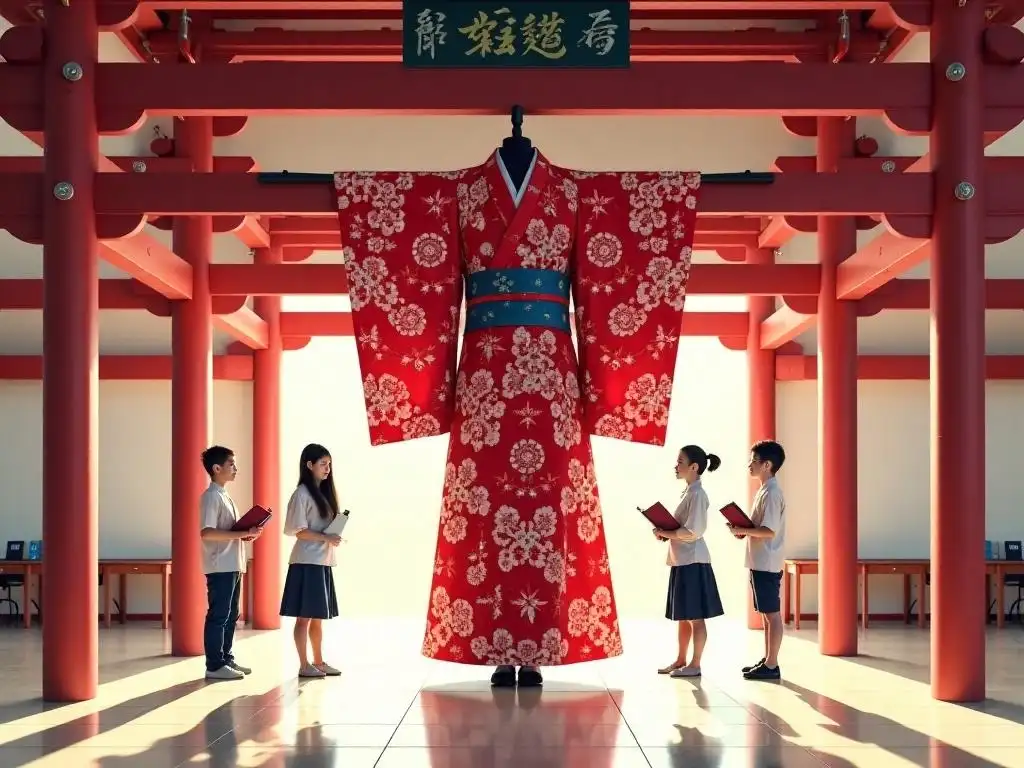
Bushido, the samurai code of conduct, has shaped Japanese education for centuries, emphasizing loyalty, honor, and discipline. In contrast, Western educational philosophies often focus on individualism, critical thinking, and personal achievement. The differences in these approaches highlight how cultural values can influence educational systems.
While Bushido emphasizes a collective identity and responsibilities toward community and family, Western philosophies encourage self-expression and personal goals. This distinction is particularly evident in classroom dynamics, where Bushido-inspired education fosters group cohesion and collaboration, whereas Western education often champions competition and individual accolades.
Moreover, the methodologies employed in these educational systems reflect their underlying philosophies. Traditional Bushido-influenced education often relies on rote memorization and respect for authority, while Western education frequently promotes inquiry-based learning and open discussions. These contrasting methods reveal much about the broader societal values that each system seeks to instill in its students.
Contrasting Values: Individualism vs. Collectivism
At the core of Bushido lies a strong collectivist ethos, which prioritizes the welfare of the group over individual desires. This perspective fosters collaboration, loyalty, and a deep sense of responsibility among students. In a Bushido-influenced educational environment, success is often defined by the achievements of the community rather than personal accolades. Students learn to value teamwork and support one another, which helps create a harmonious social fabric.
In contrast, Western educational philosophies tend to embrace individualism, where personal achievement and self-discovery are paramount. The focus on critical thinking and self-expression encourages students to pursue their unique paths, often celebrating individual successes as a reflection of personal merit. This approach can lead to innovation and creativity, but it may also foster competition, sometimes at the expense of collaborative efforts.
Thus, the fundamental tension between these two philosophies highlights a significant divergence in educational objectives. While Bushido promotes a sense of belonging and community, Western philosophies often encourage students to carve out their niches in the world.
The Role of Discipline in Both Systems
Discipline is a cornerstone of both Bushido and Western educational philosophies, albeit expressed in different ways. In Bushido-influenced education, discipline is viewed as an essential virtue that cultivates respect, perseverance, and self-control. Samurai teachings stress the importance of mastering one’s emotions and actions, which is instilled in students through rigorous training and structured environments. This discipline not only prepares students for academic success but also molds their character, fostering resilience and ethical behavior.
On the other hand, Western educational systems also value discipline but often approach it from a more flexible standpoint. While rules and structure are important, the emphasis may be placed on encouraging self-discipline and intrinsic motivation. Students are often taught to set personal goals and develop their own systems for accountability. This approach allows for a greater degree of autonomy, empowering students to take charge of their educational journeys.
While both systems recognize the importance of discipline, Bushido focuses on external discipline as a means of instilling virtue, whereas Western education often emphasizes internal discipline and personal responsibility.
Lifelong Learning: Bushido Principles in Contemporary Education
The principles of Bushido continue to resonate in contemporary educational practices, particularly in the context of lifelong learning. The samurai code encourages a mindset of continuous improvement and self-reflection, which aligns with modern educational theories that advocate for lifelong learning as a critical aspect of personal and professional development.
Incorporating Bushido principles into contemporary education involves fostering a culture of respect, dedication, and personal growth. Schools and educational institutions that embrace these ideals often encourage students to pursue knowledge beyond traditional curricula, emphasizing skills such as critical thinking, emotional intelligence, and ethical decision-making. This holistic approach to education not only prepares students for academic success but also equips them with the tools necessary for navigating life's challenges.
Furthermore, the emphasis on community and collaboration inherent in Bushido can support lifelong learning by creating networks of support among learners. As students engage in shared learning experiences, they cultivate relationships that enhance their educational journeys and promote a culture of mutual respect and growth.
Challenges and Criticisms of Bushido in Education
Despite its historical significance, the application of Bushido principles in modern education faces several challenges and criticisms. While many advocate for its values, others argue that certain aspects may be outdated or misaligned with contemporary educational needs.
Misinterpretations of Bushido Principles
One of the primary challenges in integrating Bushido into education is the risk of misinterpretation. The core values of loyalty, honor, and respect can be misconstrued, leading to an emphasis on blind obedience rather than critical engagement. In some instances, this has resulted in environments where creativity and independent thought are stifled, as students may feel pressured to conform to rigid expectations.
Additionally, the romanticized view of the samurai and Bushido can overshadow the need for a nuanced understanding of its principles. Educators must ensure that students comprehend the historical context and complexities of Bushido to avoid perpetuating stereotypes or reinforcing outdated norms.
Potential Conflicts with Modern Educational Methods
The rigid structure often associated with Bushido can conflict with modern educational methods that prioritize flexibility and adaptability. In an era where creativity, innovation, and critical thinking are highly valued, the strict adherence to traditional Bushido principles may hinder students' ability to explore diverse perspectives and approaches to problem-solving.
Furthermore, the emphasis on collective achievement may not align with individual learning styles or preferences. As educational paradigms shift toward personalized learning experiences, educators must find a balance between the communal aspects of Bushido and the need for individualized approaches that cater to the unique strengths and interests of each student.
Balancing Tradition and Innovation in Education
Successfully integrating Bushido principles into contemporary education requires a delicate balance between tradition and innovation. While the core values of Bushido can enrich educational experiences, it is essential to adapt these principles to meet the demands of a rapidly changing world.
Educators must be willing to critically assess which aspects of Bushido are relevant and beneficial within modern contexts. This includes fostering an environment that encourages inquiry, creativity, and critical thinking while still honoring the values of respect, discipline, and community that Bushido embodies. By striking this balance, educational institutions can create curricula that honor tradition while also preparing students for the complexities of the future.
Conclusion: The Enduring Legacy of Bushido in Education
The influence of Bushido on educational principles in Japan is profound and far-reaching, shaping not only the curriculum but also the character and moral development of students throughout history. Bushido, the code of the samurai, emphasized virtues such as loyalty, honor, courage, and self-discipline, which have been integral to educational philosophies in Japan. This legacy persists in modern educational practices, guiding educators and learners alike in the pursuit of knowledge and personal growth.
Summary of Bushido's Impact on Educational Principles
Bushido's impact on education can be summarized through several key principles:
- Moral Education: The samurai code prioritized ethical behavior, which has influenced Japanese educational systems to incorporate moral education as a foundational component. This ensures that students not only excel academically but also develop a strong sense of ethics and responsibility.
- Discipline and Hard Work: Central to Bushido is the concept of discipline. Schools in Japan emphasize rigorous training and a strong work ethic, mirroring the dedication of samurai warriors. This discipline fosters resilience and perseverance among students.
- Respect and Honor: Respect for teachers and peers is a core tenet of both Bushido and Japanese education. This respect cultivates a collaborative learning environment, encouraging students to support one another in their educational journeys.
The principles of Bushido have thus been deeply embedded in the educational fabric of Japan, promoting a holistic approach to learning that values character development alongside academic achievement.
Future Implications for Education in Japan and Beyond
As Japan continues to evolve in the global educational landscape, the implications of Bushido on education remain relevant. The focus on moral and ethical education can serve as a model for other educational systems worldwide, particularly in addressing issues related to character development and civic responsibility.
With the rise of technology and globalization, educators may find new ways to integrate Bushido principles into modern curricula. For example:
- Character Education Programs: Schools could adopt programs that specifically teach the values of Bushido, helping students navigate contemporary challenges with a strong ethical foundation.
- Cultural Exchange: By promoting intercultural understanding, the principles of Bushido can be shared globally, fostering a respect for tradition and ethical conduct in diverse educational settings.
- Leadership Development: Incorporating Bushido's emphasis on leadership qualities can prepare students to take on roles as responsible leaders in their communities and beyond.
These future implications suggest that the teachings of Bushido can continue to influence educational practices, promoting a balanced and principled approach to learning in an increasingly complex world.
Final Thoughts on the Relevance of Bushido Today
The relevance of Bushido today extends beyond its historical context. In a world where ethical dilemmas and decision-making challenges are prevalent, the principles of Bushido offer a timeless framework for guiding behavior and fostering integrity.
Incorporating these values into modern education can help nurture future generations who are not only knowledgeable but also principled citizens. The samurai code encourages individuals to strive for excellence while remaining grounded in respect and responsibility, ideals that are crucial for personal and societal well-being in any era.
References
Key Texts on Bushido and Education
- "Hagakure: The Book of the Samurai" by Yamamoto Tsunetomo: - This text provides insights into the samurai code and its implications for personal conduct and education.
- "Bushido: The Soul of Japan" by Inazo Nitobe: - A seminal work that explores the philosophy of Bushido and its influence on Japanese culture, including education.
- "The Samurai: A Military History" by Jonathan Lopez-Vera: - This book delves into the historical context of the samurai and how their codes influenced societal structures, including educational principles.
Recommended Further Reading on Feudal Japan and Educational Practices
- "Education in Japan: A Historical Perspective" by Yoshiko Matsumoto: - An exploration of the evolution of the Japanese educational system, highlighting the influences of historical codes like Bushido.
- "The Cultural Heritage of Japan: Education and Society" by Haruki Takanashi: - A comprehensive look at how cultural practices, including Bushido, have shaped educational norms in Japan.
- "Japanese Education: A Comparative Perspective" by Yoko Yamamoto: - This text compares Japanese educational practices with those of other nations, providing insights into the unique influences of Bushido on educational frameworks.
- Introduction to Bushido
- The Philosophy Behind Bushido
- Bushido's Influence on Educational Principles
- Case Studies of Bushido in Education
- Comparisons: Bushido vs. Western Educational Philosophies
- Challenges and Criticisms of Bushido in Education
- Conclusion: The Enduring Legacy of Bushido in Education
- References
Frequently Asked Questions
What is Bushido?
Bushido is the Samurai code of conduct that emphasizes values such as honor, loyalty, and courage. It significantly influenced various aspects of Japanese society, including education.
How did Bushido influence educational principles in Japan?
Bushido instilled ethical values and discipline in the educational system, promoting the idea that education was not just about knowledge but also about character development and moral integrity.
What are some key values of Bushido that shaped education?
Key values include loyalty, respect, and self-discipline. These principles encouraged students to cultivate a sense of responsibility and commitment to their studies and society.
In what ways did Samurai culture impact the educational system?
The Samurai culture emphasized a balance between intellectual growth and martial skills, leading to a holistic education that included arts, philosophy, and combat training.
How is the legacy of Bushido seen in modern Japanese education?
The influence of Bushido is evident in the emphasis on group harmony, respect for teachers, and the pursuit of excellence in education, reflecting the enduring values of this ancient code.
Final Reflection: The Enduring Legacy of Bushido in Education
The principles of Bushido resonate profoundly in today's educational landscape, emphasizing values such as honor, discipline, and respect. As we navigate an increasingly complex world, the teachings of the Samurai remind us that education is not merely about acquiring knowledge, but about cultivating character and integrity. The influence of Bushido on education is not just historical; it is a guiding light for shaping future generations who will lead with wisdom and virtue.
The impact of Bushido extends beyond the classroom, permeating the very fabric of our society and cultural values. As educators and learners, we are called to embody the spirit of the Samurai, fostering resilience and ethical decision-making in our daily lives. The words of the renowned philosopher Confucius echo this sentiment: Education breeds confidence. Confidence breeds hope. Hope breeds peace.
This quote encapsulates the essence of how the Samurai code can inspire a holistic approach to education, nurturing not just intellect but also emotional and moral growth.
As we reflect on the teachings of Bushido, let us embrace the call to action: to integrate these timeless principles into our own lives and educational practices. Consider how you can embody the values of honor, loyalty, and self-discipline in your personal and professional endeavors. By doing so, we can create a more compassionate and principled society, ensuring that the legacy of the Samurai continues to inspire and guide us in the pursuit of knowledge and character development.
Embrace the Samurai Spirit in Your Learning Journey!
Thank you for diving into the fascinating world of Bushido and its impact on education! You've uncovered valuable insights into how the principles of honor, discipline, and courage can elevate learning experiences. Now it’s time to take the next step toward integrating these powerful ideas into your everyday life.
Here are a few ways you can get started:
- Begin your own Bushido-inspired learning practice: Set aside time each day for focused study, embracing discipline as the path to mastery.
- Share your insights with others: Start a discussion group or online forum to explore how the Samurai Code can inspire educational growth within your community.
- Explore a new educational resource or skill that aligns with the values of Bushido—whether it's a discipline like martial arts or a branch of philosophy—to deepen your understanding.
What element of the Samurai Code do you believe is most crucial for modern education, and how will you incorporate it into your life?