
How Samurai and Peasants Found Common Ground in Festivals and Celebrations

Welcome to Feudal Japan History, where we invite you to embark on a riveting journey through the intricate tapestry of Japan’s feudal era. Here, the lives of samurai and peasants intertwine in unexpected ways, especially during the vibrant festivals and celebrations that punctuated their daily lives. What secrets lie within these communal gatherings? How did they foster unity amidst a complex social hierarchy? Dive into our featured article, “How Samurai and Peasants Found Common Ground in Festivals and Celebrations,” and uncover the fascinating dynamics that shaped Japan’s cultural landscape. Your exploration of this captivating chapter in history begins now!
- Introduction to Samurai and Peasants in Feudal Japan
- Historical Context of Samurai and Peasants
- Festivals and Celebrations in Feudal Japan
- Common Ground Found in Festivals
- Cultural Significance of Joint Celebrations
- Conclusion: The Legacy of Samurai and Peasant Festivals in Japan
-
Frequently Asked Questions
- What role did samurai play in festivals and celebrations in feudal Japan?
- How did peasants contribute to the cultural aspects of these celebrations?
- Were there specific festivals that highlighted the relationship between samurai and peasants?
- How did these celebrations affect the social dynamics of feudal Japan?
- Can you give examples of notable festivals in Japan that reflect this shared cultural heritage?
- Final Reflection: Bridging Cultures Through Celebration
- Celebrate the Spirit of Unity: Join the Journey!
Introduction to Samurai and Peasants in Feudal Japan
In the intricate tapestry of feudal Japan, the relationship between samurai and peasants was often depicted as one of stark contrasts, characterized by rigid social hierarchies and distinct roles. However, beneath this surface of division lay a shared cultural fabric that was woven together through festivals and celebrations. These communal events provided a unique platform for interaction, bridging the gap between the warrior class and the agrarian population.
This article delves into how samurai and peasants found common ground during these vibrant occasions, highlighting the significance of festivals in fostering social cohesion and cultural identity in Japan. By examining the historical, cultural, and societal aspects of these celebrations, we aim to shed light on the deeper connections that existed in a society often perceived as strictly stratified.
Feudal Japan (12th to 19th centuries) was marked by a complex social hierarchy that defined the relationships and roles of its inhabitants. At the top of this structure were the daimyōs, powerful feudal lords who governed large domains. Below them stood the samurai, the warrior class, who served the daimyōs and were bound by a strict code of honor known as bushidō.
- Social Hierarchy:
- Daimyōs: Landowners and feudal lords.
- Samurai: Warriors and retainers, respected for their martial skills.
- Peasants: The majority of the population, primarily farmers who worked the land.
- Artisans and Merchants: Occupying the lower tiers, artisans created goods, while merchants traded them.
Although samurai were often seen as the ruling class, peasants played a crucial role in the economy by providing food and resources. This interdependence created a unique dynamic, especially during festivals, where the boundaries of social status became blurred.
Importance of Festivals and Celebrations in Japanese Culture
Festivals and celebrations in Japan, known as matsuri, have historically served as vital expressions of community, spirituality, and cultural heritage. These events were not merely gatherings; they were rich in meaning and purpose, often tied to agricultural cycles, religious rituals, and seasonal changes.
- Key Aspects of Matsuri:
- Cultural Identity: Festivals celebrated local traditions and folklore, reinforcing community bonds.
- Religious Significance: Many festivals were dedicated to Shinto deities, offering thanks for bountiful harvests and ensuring prosperity.
- Social Cohesion: These events allowed different social classes to interact, fostering a sense of unity and shared identity.
During feudal Japan, festivals became occasions where samurai and peasants could come together, celebrating not only their differences but also their shared humanity. Through music, dance, and communal feasts, barriers were lowered, and relationships were nurtured, showcasing the rich cultural tapestry of Japanese society.
Historical Context of Samurai and Peasants
Understanding the relationship between samurai and peasants in feudal Japan requires a deep dive into the historical context of the era. From the late 12th century to the 19th century, Japan was characterized by a rigid social hierarchy, where the samurai class held significant power over the agricultural workforce, primarily composed of peasants. This dynamic influenced various aspects of daily life, including festivals and celebrations, where these two classes found common ground despite their disparities.
The Role of Samurai in Feudal Japan
The samurai were members of the military nobility and played a crucial role in the governance and social structure of feudal Japan. They were not only warriors but also landowners who held estates granted by the shogunate. Their primary responsibilities included:
- Military Service: Samurai were expected to serve their lords in battles, protecting the land and maintaining order.
- Administration: Samurai managed the lands, collected taxes, and ensured the welfare of the peasants who worked on their estates.
- Cultural Leadership: Beyond their martial duties, samurai were also patrons of the arts and culture. They engaged in practices such as tea ceremonies, poetry, and calligraphy, shaping the cultural landscape of Japan.
The samurai's status was reinforced by the bushido code, which emphasized loyalty, honor, and discipline. This code not only guided their conduct in warfare but also influenced their interactions with peasants, leading to a complex relationship that included both authority and obligation.
The Life of Peasants in Feudal Society
Peasants, or "hyakusho," were the backbone of the feudal economy, primarily engaged in agriculture. Their lives were marked by hard labor, but they also played a vital role in the cultural fabric of Japan. Key aspects of the peasant life included:
- Agricultural Practices: Most peasants worked the rice fields, which were essential to the economy. They faced the challenges of seasonal changes, natural disasters, and taxation.
- Community and Family: Peasants lived in tight-knit communities, where family ties and village cooperation were crucial for survival. Festivals were often community events that strengthened these bonds.
- Religious Beliefs: Many peasants practiced Shinto and Buddhism, incorporating spiritual rituals into their daily lives and celebrations, which often aligned with agricultural cycles.
Despite their lower social status, peasants contributed significantly to the cultural milieu of feudal Japan through their traditions, stories, and, importantly, their participation in festivals and celebrations.
Interactions Between Samurai and Peasants
The interactions between samurai and peasants were multifaceted, often oscillating between conflict and cooperation. Festivals and celebrations served as crucial points of intersection for these two classes. Here are some notable aspects of their interactions:
- Shared Celebrations: Festivals, such as harvest festivals, were occasions where samurai and peasants came together. Samurai would often attend these events, providing an opportunity for them to demonstrate benevolence and strengthen their ties with the community.
- Cultural Exchange: Through festivals, samurai could witness and appreciate the cultural practices of the peasants, while peasants could gain insights into the values and traditions of the samurai class. This exchange helped foster a sense of unity.
- Social Order: While samurai maintained authority over peasants, festivals allowed for a temporary suspension of social hierarchies. During these celebrations, social norms could be relaxed, leading to a more egalitarian atmosphere, albeit momentarily.
The festivals and celebrations in feudal Japan were not merely entertainment; they were vital in nurturing the relationship between samurai and peasants, enabling them to find common ground despite their differing social standings. This complex interplay laid the groundwork for a rich cultural heritage that resonates in Japan's history today.
Festivals and Celebrations in Feudal Japan
In the context of feudal Japan, festivals and celebrations served as vital cultural touchstones that fostered connections between social classes, particularly between samurai and peasants. These events were often steeped in tradition and imbued with religious significance, allowing for the communal expression of gratitude, hope, and shared identity. Festivals provided a rare opportunity for samurai and peasants to interact on a level playing field, celebrating their commonalities amidst a rigid social hierarchy.
Types of Festivals Celebrated by Samurai and Peasants
Festivals in feudal Japan can be categorized into several distinct types, reflecting the diverse aspects of life and the shared values of both samurai and peasants. Below are the primary categories of celebrations that were prominent during this era:
Religious Festivals
Religious festivals, or matsuri, were central to the spiritual life of feudal Japan, often dedicated to Shinto deities or Buddhist practices. These festivals included:
- Mikoshi Parades: Portable shrines, or mikoshi, were carried through towns in vibrant processions. Both samurai and peasants participated, showcasing their shared reverence for the kami (spirits).
- Ritual Offerings: Communities gathered to present offerings to deities, seeking blessings for good harvests or protection from calamities. This practice fostered unity and collective hope.
- Seasonal Ceremonies: Events such as Obon, honoring the spirits of ancestors, brought together people of all classes in remembrance and celebration, reinforcing community ties.
Agricultural Celebrations
Given the agrarian nature of feudal Japan, agricultural festivals were crucial for both economic and social reasons. Some notable celebrations included:
- Rice Planting Festivals: These events marked the beginning of the planting season, where samurai landlords and peasant farmers collaborated in rituals to ensure a bountiful harvest. Music, dance, and communal feasting characterized these gatherings.
- Harvest Festivals: Celebrations held at the end of the harvest season allowed for communal feasts and gratitude expressed towards the deities for a successful yield. Both samurai and peasants participated in these joyous occasions, breaking down social barriers temporarily.
- Inaho Matsuri: Known as the rice planting festival, this event involved various rituals and performances that united the community in a shared goal of agricultural success.
Seasonal Festivals
Seasonal festivals, marking the changing of the seasons, played an essential role in the cultural rhythm of feudal Japan. Key festivals included:
- Hanami (Cherry Blossom Viewing): While primarily associated with the samurai class, this festival gained popularity among peasants as well. The beauty of cherry blossoms became a shared experience, celebrating nature and the fleeting nature of life.
- Tsukimi (Moon Viewing): This festival, honoring the autumn moon, involved poetry contests and feasting on seasonal foods. It became a moment of shared appreciation for beauty and nature, transcending class distinctions.
- Setsubun: Celebrated at the beginning of spring, this festival involved rituals to drive away evil spirits. Both classes participated in symbolic acts, such as throwing beans, fostering a sense of community and shared purpose.
These festivals not only provided opportunities for leisure and entertainment but also reinforced the social fabric of feudal Japan, creating moments of connection and celebration between samurai and peasants. By participating in these communal events, the rigid lines of class distinction softened, allowing for a deeper understanding of shared cultural values and traditions.
Common Ground Found in Festivals
Festivals in feudal Japan served as a vital social glue that connected samurai and peasants, transcending their strict social hierarchies. These celebrations provided a unique platform for individuals from different classes to engage, share, and partake in communal activities. Through festivals, both samurai and peasants could express their cultural identity, celebrate shared values, and foster a sense of community, which was crucial in a society often defined by rigid class divisions.
At the heart of many festivals was a foundational belief in the importance of community and harmony. Shinto, the indigenous spirituality of Japan, emphasized the connection between humans and nature, fostering a sense of collective responsibility. This belief system permeated the festivals, allowing samurai and peasants to unite in their reverence for kami (spirits) and the agricultural cycles essential for sustenance.
- Respect for Nature: Both classes participated in rituals honoring the harvest, which was vital for their survival. Festivals like Inaho Matsuri, dedicated to rice cultivation, saw samurai and peasants come together to celebrate the bounty of the land.
- Cultural Expressions: Festivals often featured traditional music, dance, and art, reflecting shared cultural heritage. This artistic collaboration fostered mutual respect and admiration between samurai and peasants, highlighting their intertwined lives despite social stratification.
The shared enjoyment of these cultural festivities played a crucial role in bridging the gap between classes. Both samurai and peasants found joy in the collective experience, which helped to reinforce community bonds.
The Role of Festivals in Fostering Community Spirit
Festivals in feudal Japan acted as a catalyst for social cohesion, nurturing community spirit by providing opportunities for interaction. They were not just occasions for celebration; they were essential for maintaining social order and morale.
- Gathering Points: Festivals served as meeting places where samurai could engage with the peasantry, breaking down barriers that typically kept the classes apart. Such interaction facilitated understanding and cooperation, essential for the stability of the feudal system.
- Shared Responsibilities: During festivals, both samurai and peasants contributed to the preparations and activities. This shared labor fostered a sense of unity and collective purpose, reinforcing the idea that they were all vital to the community's success.
- Conflict Resolution: The festive atmosphere often provided a space for resolving grievances. By coming together in celebration, social tensions could be alleviated, leading to a more harmonious coexistence.
Overall, festivals played a crucial role in reinforcing the fabric of society, allowing for the mutual exchange of respect and understanding between samurai and peasants.
Examples of Joint Celebrations: Samurai and Peasants Together
Several specific festivals exemplify the collaboration between samurai and peasants, showcasing their shared experiences and values:
- Gion Matsuri: This famous festival in Kyoto involved elaborate processions and rituals. Both samurai and peasants participated in the festivities, celebrating the purification of the city and the protection of its inhabitants. The joint participation was a testament to their shared commitment to the community’s well-being.
- Tanabata: Celebrated throughout Japan, Tanabata involves writing wishes on colorful strips of paper and hanging them on bamboo. This festival encouraged participation from all social classes, with samurai often sponsoring events for the peasants, fostering goodwill and reinforcing social bonds.
- Jidai Matsuri: This festival celebrates the history of Kyoto, featuring a parade that includes representatives from various historical periods, including samurai and commoners. The event highlights the interconnectedness of all social classes in Japan's history, emphasizing shared cultural heritage.
- Aoi Matsuri: In this ancient festival, samurai and peasants alike paid homage to the deities for a bountiful harvest. The participation of both classes in rituals and festivities demonstrated their collective investment in agricultural success and community welfare.
Through these examples, it is evident that festivals were not merely entertainment; they were essential to reinforcing social bonds and shared identities, allowing samurai and peasants to find common ground amid a structured social hierarchy.
Cultural Significance of Joint Celebrations
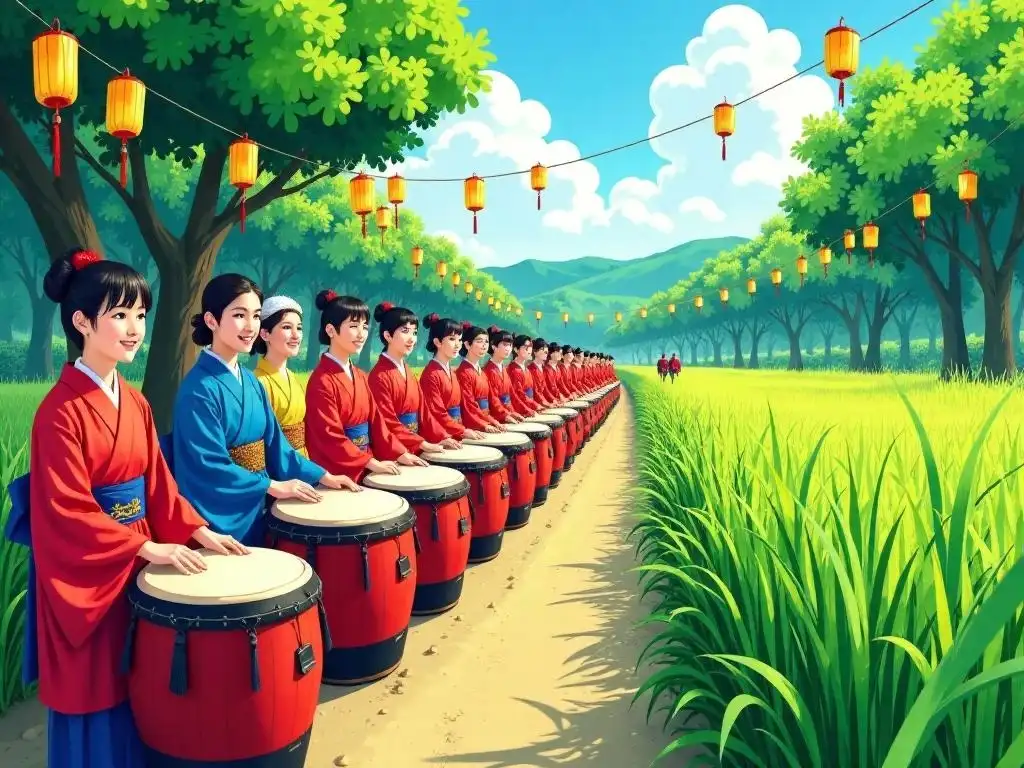
In feudal Japan, festivals and celebrations served as vital cultural touchstones that brought together various social classes, notably samurai and peasants. These events were more than mere entertainment; they were a means of forging community ties and reinforcing cultural identity.
Joint celebrations allowed samurai and peasants to interact in a festive atmosphere, breaking down the rigid social barriers that defined feudal society. The shared experiences of joy, ritual, and communal activities fostered mutual respect and understanding, essential components for coexistence in a hierarchical system.
Festivals in feudal Japan were often tied to agricultural cycles, religious observances, and local traditions. They provided a platform for social interaction among different classes. During events such as Obon, Hanami, and various matsuri, samurai and peasants engaged in activities that highlighted their interdependence.
- Community Participation: Both groups contributed to festival preparations, whether through labor or financial support. This collaboration was a crucial way to build relationships that transcended social stratification.
- Shared Rituals: Ceremonial practices, such as shinto rites or Buddhist offerings, were often conducted in the presence of both samurai and peasants, creating a shared cultural experience that emphasized unity.
- Mutual Respect: The informal setting of festivals allowed for a more egalitarian exchange. Samurai often participated in the festivities, showing their appreciation for the peasants’ contributions to society.
These interactions during celebrations helped humanize the rigid roles imposed by feudalism, allowing individuals to connect on a personal level beyond their societal labels.
The Impact of Celebrations on Feudal Hierarchies
While festivals provided a space for social interaction, they also had implications for the existing feudal hierarchies. The nature of these celebrations reflected and sometimes reinforced the socio-political structures of the time.
- Display of Power: Samurai often took the lead in organizing and funding major festivals, using these opportunities to showcase their wealth and status. Such displays could simultaneously intimidate and awe the peasant population.
- Regulation of Behavior: Festivals were also a means for samurai to exert control over peasants. The codes of honor and conduct expected during celebrations reinforced the samurai's authority while reminding peasants of their place within the social order.
- Symbol of Stability: Celebrations served as a reminder of the social order's stability. By participating in these events, peasants acknowledged their subservience, while samurai reinforced their role as protectors of the realm.
In this way, festivals were dual-edged; they offered a joyous respite from daily hardships while subtly maintaining the feudal system's structure.
Cultural Exchange Through Festivals: Art, Music, and Dance
The festivals of feudal Japan were rich in artistic expression, with samurai and peasants alike contributing to a vibrant cultural tapestry. This cultural exchange was vital for fostering communal identity and enriching the artistic landscape of the era.
- Artistic Collaboration: Festivals often featured local artisans showcasing their crafts, from pottery to textiles. Samurai patronage could elevate a peasant’s craft, leading to a blending of aesthetics and techniques.
- Music and Dance: Traditional music and dance performances were integral to festivals. While samurai might perform martial arts demonstrations, peasants often showcased folk dances, creating a harmonious blend of high and low culture. This interaction not only entertained but also educated both classes about each other's traditions.
- Culinary Exchange: Food played a central role in celebrations, with samurai and peasants sharing meals that highlighted regional specialties. This culinary fusion fostered an appreciation for diverse ingredients and cooking techniques, enriching the gastronomic culture of Japan.
Festivals in feudal Japan were a powerful catalyst for cultural exchange, allowing samurai and peasants to find common ground through shared experiences in art, music, and dance. These gatherings not only entertained but also reinforced a sense of community, creating lasting bonds that transcended social classes.
Conclusion: The Legacy of Samurai and Peasant Festivals in Japan
The legacy of festivals and celebrations in feudal Japan holds a significant place in both historical context and modern cultural practices. These events served as a vital bridge between the samurai and peasant classes, fostering a sense of community and shared identity amidst the rigid social hierarchy of the time. Through various festivals, the distinctions between these classes often blurred, allowing for moments of unity and collective joy. The enduring influence of these traditions can still be seen in contemporary Japanese society, where many festivals continue to celebrate the rich tapestry of the country's history.
Reflection on the Importance of Festivals in Modern Japanese Culture
Festivals in modern Japan, known as "matsuri," are deeply rooted in the traditions established during the feudal era. These events not only commemorate historical events but also serve as a platform for cultural expression and community bonding. For instance, the Gion Matsuri in Kyoto, which dates back to the 9th century, showcases elaborate floats and traditional performances that reflect the artistry and craftsmanship of both samurai and peasant labor.
Moreover, the themes of cooperation and mutual respect among different social classes during these festivals resonate with contemporary values of inclusivity and social cohesion. Today, many festivals emphasize participation from all community members, highlighting the importance of collaboration in achieving a common goal, reminiscent of the past when samurai and peasants joined forces to celebrate their shared heritage. This continuity of tradition underscores the vitality of festivals as a means of cultural preservation and social interaction.
Final Thoughts on Unity Through Celebrations in Feudal Japan
The festivals and celebrations during Japan's feudal era exemplified a unique blend of social dynamics that facilitated interactions between samurai and peasants. These events often included elements such as theatrical performances, traditional music, and communal feasting, which created an environment where class distinctions were momentarily set aside.
One notable example is the "Oni Matsuri" (Demon Festival), which was celebrated in various regions and involved elaborate processions where peasants and samurai would engage in rituals to ward off evil spirits. Such shared experiences fostered a sense of unity, reminding participants of their common humanity despite societal divisions.
The festivals of feudal Japan were more than mere celebrations; they were vital social events that provided a unique opportunity for samurai and peasants to connect, collaborate, and celebrate life together. The legacies of these gatherings continue to influence modern Japanese culture, reminding us of the power of celebration to transcend social barriers and create lasting bonds within communities. Through the lens of history, we can appreciate how these traditions shaped not only the past but also the present and future of Japan's cultural identity.
Frequently Asked Questions
What role did samurai play in festivals and celebrations in feudal Japan?
The samurai often acted as organizers and participants in festivals, showcasing their skills and reinforcing their social status through ceremonial practices.
How did peasants contribute to the cultural aspects of these celebrations?
Peasants provided the labor, resources, and vibrant local traditions that enriched these festivals, allowing for a community spirit that included all social classes.
Were there specific festivals that highlighted the relationship between samurai and peasants?
Yes, festivals such as Matsuri often featured collaborative activities between samurai and peasants, promoting unity and celebrating shared cultural practices.
These celebrations allowed for a temporary blurring of social hierarchies, fostering a sense of community and shared identity among samurai and peasants alike.
Notable festivals include the Aoi Matsuri and Gion Matsuri, where both samurai and peasants participated in rituals that celebrated their common heritage and showcased their unique contributions.
Final Reflection: Bridging Cultures Through Celebration
**The historical bond between samurai and peasants during festivals and celebrations in Japan exemplifies a profound truth: cultural unity can emerge from shared experiences, transcending social hierarchies. Today, as we navigate a world often divided by class and status, the lessons from these festivals remind us of the power of community and the importance of coming together to celebrate our shared humanity. The vibrant tapestry of Japanese culture, woven through the threads of samurai valor and peasant resilience, continues to resonate in our contemporary society.
Celebrations have always served as a vital platform for fostering connections, and the festivals of Japan are no exception. They remind us that, despite our differences, we can find common ground in joy and festivity. In every celebration, there is an opportunity to bridge divides and create a sense of belonging.
This sentiment encapsulates the ongoing influence of these historical gatherings, which not only honored tradition but also cultivated a spirit of camaraderie among diverse social classes. As we reflect on this legacy, we recognize the importance of inclusivity and the role of shared experiences in shaping our cultural landscape.
As we move forward, let us take inspiration from the samurai and peasants who found joy in unity amidst their differences. I invite you to reflect on your own celebrations and consider how they can serve as a bridge to connect with others, fostering understanding and community. Embrace the opportunity to create spaces where everyone feels valued and included, and remember that in every festival, there lies the potential for harmony and shared joy. Together, we can continue to build a world where cultural celebrations unite us, rather than divide us.
Celebrate the Spirit of Unity: Join the Journey!
Thank you for taking the time to explore the fascinating world of feudal Japan and the unique bonds formed through festivals and celebrations. You've uncovered how samurai and peasants came together, transcending social boundaries, and now it's time to put that insight into action!
Here are some exciting steps you can take to further immerse yourself in this rich history:
- Dive into a local cultural festival that celebrates community unity—experience the vibrant traditions that resonate with our shared heritage!
- Share your thoughts about the significance of festivals in fostering connections—engage with friends and initiate a lively discussion on social media.
- Join our online community to exchange your experiences or insights on how various cultural festivals promote harmony; your voice is important to us!
What festival or celebration has had a profound impact on your sense of community? We invite you to share your experiences with us!