
Seasonal Eating in Feudal Japan: How Nature Influenced Cuisine

Welcome to Feudal Japan History, where we invite you to embark on an intriguing journey through the captivating tapestry of Japan’s feudal era. Here, history intertwines with culture and society, revealing the rich narratives that shaped a nation. In our featured article, "Seasonal Eating in Feudal Japan: How Nature Influenced Cuisine," we delve into the fascinating world of seasonal cuisine, exploring how the rhythms of nature dictated culinary practices and daily life. Prepare to uncover the profound connections between the changing seasons and the dining tables of the past—your exploration of feudal Japan's culinary heritage begins now!
- Introduction to Seasonal Cuisine in Feudal Japan
- Understanding Seasonal Cuisine in Feudal Japan
- The Role of Nature in Feudal Japanese Cuisine
- Key Ingredients in Seasonal Cuisine
- Traditional Cooking Techniques and Seasonal Dishes
- Cultural Significance of Seasonal Eating
- Conclusion: The Legacy of Seasonal Cuisine in Feudal Japan
- Further Reading and Resources on Feudal Japanese Cuisine
-
Frequently Asked Questions
- What was the significance of seasonal cuisine in feudal Japan?
- How did nature influence food choices during feudal Japan?
- What are some examples of seasonal ingredients used in feudal Japan?
- Did seasonal eating affect social customs or traditions?
- How did feudal society view the concept of food and eating?
- Final Reflection: Embracing Nature's Bounty in Seasonal Cuisine
- Savor the Seasons: Embrace the Flavors of Feudal Japan!
Introduction to Seasonal Cuisine in Feudal Japan
In feudal Japan, the intertwining of nature and culinary practices created a unique and rich tapestry of seasonal cuisine that reflected the rhythms of the environment. This era, marked by the influence of samurai culture, agricultural advancements, and regional diversity, shaped the way food was not only prepared and consumed but also revered.
Seasonal eating, or "shun", played a pivotal role in daily life, emphasizing the importance of utilizing fresh, local ingredients that were available at different times of the year. This article delves into the fascinating world of seasonal cuisine in feudal Japan, exploring the historical context, the culinary landscape, and the cultural significance of eating in harmony with nature.
Overview of Feudal Japan's Culinary Landscape
The culinary landscape of feudal Japan was deeply influenced by the socio-economic structures of the time, which included the samurai class, merchants, and farmers. Each class had its own relationship with food, which shaped the ingredients and cooking methods utilized throughout the era.
- Social Hierarchies: The samurai class, often associated with privilege, had access to a wider variety of foods, including luxurious dishes such as sushi and sashimi. In contrast, the farmers, who made up the majority of the population, relied heavily on rice, vegetables, and fish, which were often seasonal and locally sourced.
- Regional Variations: Japan's diverse climates contributed to distinct regional cuisines. For instance:
- Hokkaido: Known for its seafood, particularly crabs and salmon.
- Kyushu: Famous for its citrus fruits and sweet potatoes.
- Honshu: Home to rice paddies, which were central to many meals.
- Preservation Techniques: With limited preservation methods, feudal Japanese cuisine heavily emphasized the use of seasonal ingredients. Techniques such as pickling, fermentation, and drying were common, allowing for the enjoyment of seasonal flavors throughout the year.
Importance of Seasonal Eating in Japanese Culture
Seasonal eating is not merely a dietary choice in Japanese culture; it embodies a profound respect for nature and its cycles. This philosophy can be traced back to ancient beliefs and practices, where harmony with the environment was essential for survival and prosperity.
- Cultural Significance: Seasonal cuisine reflects the four seasons of Japan, each bringing its own unique flavors and ingredients. Traditional celebrations, such as hanami (flower viewing) in spring and mochi-tsuki (rice cake making) in winter, highlight the importance of seasonal foods in rituals and festivities.
- Health Benefits: Consuming seasonal foods aligns with traditional Japanese health practices, which advocate for a balanced diet rich in nutrients. Eating what's in season often means the food is fresher, tastier, and more nutritious.
- Connection to Nature: Seasonal eating fosters a deep connection to the natural world. It encourages individuals to appreciate the beauty and bounty of each season, reinforcing a cultural identity that values sustainability and mindfulness in food consumption.
Seasonal cuisine in feudal Japan offers a fascinating glimpse into the past, revealing how the interplay between society, culture, and nature shaped culinary practices. Understanding this relationship enriches our appreciation of Japanese food traditions, which continue to resonate in modern culinary practices today.
Understanding Seasonal Cuisine in Feudal Japan
Definition of Seasonal Cuisine
Seasonal cuisine in feudal Japan, known as shun, refers to the practice of utilizing ingredients that are at their peak freshness and flavor during specific times of the year. This culinary philosophy is deeply intertwined with the natural rhythms and cycles of Japanese agriculture, climate, and geography. The concept emphasizes not only the quality of ingredients but also the aesthetic presentation of dishes, showcasing the beauty of each season through food.
Seasonal cuisine was more than merely a cooking style; it was a cultural expression that reflected the values and beliefs of the time. Meals were often designed to resonate with the seasons, incorporating local produce, fish, and meats that were available at that particular time. This practice not only contributed to a diverse diet but also fostered a deep respect for nature and its bounty.
In feudal Japan, meals were structured around the seasons, leading to variations in dishes and cooking techniques. This practice is still observed in modern Japanese cuisine, where seasonal ingredients remain a staple, illustrating the enduring legacy of feudal culinary traditions.
Historical Context of Food in Feudal Japan
The food culture of feudal Japan evolved significantly from the 12th to the 19th century, a period characterized by the rise of the samurai class and the establishment of a rigid social hierarchy. During this era, the agricultural practices were primarily based on rice cultivation, which became a central part of the diet and economy.
Key Historical Developments:
- Rice as a Staple: Rice was not only a staple food but also a symbol of wealth and social status. The cultivation methods, including seasonal planting and harvesting, dictated the rhythm of daily life.
- Regional Variations: The geographical diversity of Japan resulted in distinct regional cuisines, influenced by local resources and climatic conditions. Coastal areas relied heavily on fish, while mountainous regions incorporated wild game and foraged plants.
- Cultural Influences: The introduction of Buddhism in the 6th century encouraged vegetarianism, impacting food preparations. Over time, this led to the development of unique seasonal vegetarian dishes, especially during certain festivals and observances.
- Samurai Influence: The samurai class impacted food culture significantly, emphasizing discipline in cooking and etiquette during meals. They often favored seasonal delicacies, which were considered refined and sophisticated.
The historical context of food in feudal Japan reveals how deeply intertwined cuisine was with societal practices, agricultural techniques, and cultural shifts, culminating in a rich tapestry of seasonal dining that honored both the land and the seasons.
Influence of Agriculture on Seasonal Eating
Agriculture played a pivotal role in shaping seasonal eating habits in feudal Japan. The reliance on agricultural cycles dictated not only what was available but also how meals were prepared and consumed throughout the year.
Factors Influencing Seasonal Eating:
- Climate and Geography: Japan's diverse climate zones allowed for a wide variety of crops. For instance:
- Spring: Ingredients like bamboo shoots, fava beans, and cherry blossoms became prominent.
- Summer: This season brought an abundance of vegetables such as cucumbers and eggplants, along with fresh fish.
- Autumn: Harvest season featured crops like sweet potatoes, chestnuts, and persimmons.
- Winter: Root vegetables and preserved items became staples, as fresh produce was less available.
- Harvest Festivals: Agricultural festivals celebrated the harvests, reinforcing the connection between food and nature. Dishes prepared during these festivals often highlighted seasonal ingredients, creating communal experiences centered around food.
- Food Preservation Techniques: With the need to sustain populations during harsh seasons, preservation methods such as pickling, drying, and fermenting were essential. These methods allowed seasonal ingredients to be enjoyed year-round, albeit in different forms.
- Culinary Techniques: Seasonal cuisine also influenced cooking techniques. For example, lighter cooking methods were preferred during warmer months, while richer, heartier dishes were favored in winter.
The influence of agriculture on seasonal eating in feudal Japan underscores the symbiotic relationship between the people and their environment. This connection not only shaped dietary practices but also fostered a profound appreciation for the changing seasons and their impact on daily life and cuisine.
The Role of Nature in Feudal Japanese Cuisine
Feudal Japan, a period characterized by a strong connection between the land and its people, saw nature play a pivotal role in shaping its culinary practices. The seasons dictated not only what ingredients were available but also influenced cooking techniques, flavors, and communal dining customs. This profound relationship between nature and food is encapsulated in the concept of seasonal cuisine in feudal Japan, which emphasized the use of fresh, local ingredients at their peak.
Climate and Its Impact on Ingredients
The diverse climate across Japan, ranging from the snowy regions of Hokkaido to the subtropical warmth of Okinawa, significantly influenced the types of ingredients that could be cultivated and harvested throughout the year.
- Spring: In early spring, ingredients like bamboo shoots (takenoko) and young leaves of various plants became available. The mild weather encouraged the growth of delicate vegetables, often leading to dishes that celebrated freshness.
- Summer: The hot and humid summer months provided an abundance of vegetables such as eggplants (nasu), cucumbers (kyuri), and a variety of herbs. These ingredients were often prepared in ways that highlighted their refreshing qualities, such as in salads or pickles.
- Autumn: As temperatures began to cool, the harvest season peaked. Rice (kome) was harvested, and ingredients like chestnuts (kurumi) and persimmons (kaki) became prominent. Autumn dishes often featured richer flavors, reflecting the bounty of the land.
- Winter: In the colder months, preservation methods such as pickling and drying became essential. Root vegetables like daikon and sweet potatoes thrived in winter's frost, providing sustenance during the harsher months.
The influence of climate on these ingredients was not merely practical; it was also deeply embedded in the cultural practices of feudal Japan, where seasonal eating was celebrated as a way to honor nature's cycles.
Regional Variations in Seasonal Foods
Japan’s geographic diversity led to distinct regional variations in seasonal foods, reflecting local customs, available resources, and agricultural practices. Each region developed its unique culinary identity based on its specific climate and terrain.
- Hokkaido: Known for its dairy production and seafood, Hokkaido's seasonal cuisine featured ingredients like fresh crab in winter and sweet corn in summer.
- Kanto Region (Tokyo area): The fertile plains around Edo (modern Tokyo) allowed for rice cultivation, and seasonal dishes often included ingredients like shiitake mushrooms and various types of fish from Tokyo Bay.
- Kansai Region (Kyoto and Osaka): The Kansai area is famous for its refined cuisine, where seasonal ingredients such as yuba (tofu skin) and various pickled vegetables played a crucial role in traditional dishes.
- Kyushu: Featuring a warmer climate, Kyushu was known for its citrus fruits and sweet potatoes, often incorporated into both savory and sweet dishes that celebrated the bounty of the region.
These regional distinctions not only enriched the culinary tapestry of feudal Japan but also fostered a deep appreciation for the diverse flavors and ingredients that each season presented.
Traditional Practices and Harvest Cycles
Seasonal eating in feudal Japan was intertwined with traditional practices and the agricultural calendar. The harvest cycles dictated the rhythm of life, with festivals and rituals celebrated at various points throughout the year to honor the land and its bounty.
- Matsuri (Festivals): Many festivals were centered around the agricultural calendar, celebrating the harvest of rice and other crops. These occasions often featured special foods that symbolized prosperity and gratitude. For example, Oni Matsuri in the spring celebrated the new harvest with rice cakes (mochi) and fresh vegetables.
- Rituals: The practice of shinto rituals involved offering seasonal foods to deities as a way to express gratitude for the harvest. This custom reinforced the importance of seasonal ingredients in daily life and cuisine, ensuring that each meal was an acknowledgment of nature's gifts.
- Community Gatherings: The communal nature of harvest season brought people together, reinforcing social bonds. Traditional meals often featured dishes made from the season's best ingredients, encouraging sharing and celebration among families and neighbors.
These practices not only reflected a respect for nature but also fostered a sense of community, ensuring that the values of sustainability and gratitude were passed down through generations.
Seasonal cuisine in feudal Japan was a rich and vibrant aspect of daily life, deeply rooted in the interplay between nature and culture. By honoring the rhythms of the seasons and the bounty of the land, the people of feudal Japan cultivated a culinary heritage that continues to influence modern Japanese cuisine today.
Key Ingredients in Seasonal Cuisine
Staple Foods of Feudal Japan
The essence of seasonal cuisine in feudal Japan was intricately tied to the availability of local ingredients, reflecting the agricultural cycles and natural bounty of the regions. The two primary staples that defined the diet were rice and noodles, both of which varied according to the seasons and regional practices.
Rice as a Central Component
Rice, or kome (米), was not only a staple food but also a symbol of wealth and prosperity in feudal Japan. It served as the primary source of carbohydrates and was often consumed daily. The cultivation of rice was heavily influenced by the changing seasons, with planting in spring and harvesting in autumn.
- Varieties of Rice: Different regions produced distinct varieties suited to their climate, such as koshihikari from Niigata and yamadanishiki from Hyogo.
- Seasonal Consumption: The flavor and texture of freshly harvested rice in autumn were celebrated, and it was often prepared as shinmai (新米), meaning new rice, which was enjoyed during seasonal festivals.
Noodles and Their Seasonal Variations
Noodles were another essential part of the feudal Japanese diet, available in various forms such as soba (buckwheat), udon (wheat), and somen (thin wheat). Each type had its unique characteristics and seasonal associations:
- Soba: Typically enjoyed in winter, soba noodles are made from buckwheat, which is rich in nutrients and can be served hot or cold.
- Udon: These thick wheat noodles are often featured in hearty soups during colder months, while cold variations are favored in summer.
- Somen: Light and thin, somen noodles are traditionally consumed chilled with a dipping sauce during the hot summer months, making them a refreshing choice.
Seasonal Vegetables and Fruits
The diverse climate across Japan allowed for a wide range of seasonal vegetables and fruits to flourish, each contributing unique flavors and textures to the cuisine. The emphasis on using seasonal produce not only ensured freshness but also showcased the natural heritage of the land.
Spring: Fresh Greens and Bountiful Blossoms
Spring heralded the arrival of vibrant greens and delicate blossoms, marking a time of renewal and celebration.
- Key Ingredients:
- Mitsuba: This aromatic herb, similar to parsley, was often used in soups and salads.
- Takenoko: Bamboo shoots, a celebrated spring delicacy, were harvested and cooked in various dishes.
- Sakura: Cherry blossoms were not only admired for their beauty but also used to flavor rice and sweets.
Summer: Cooling Produce and Edible Flowers
With the heat of summer, the cuisine shifted towards lighter, cooling ingredients that were refreshing and hydrating.
- Key Ingredients:
- Cucumbers: Crisp and hydrating, cucumbers were often served pickled or in salads.
- Eggplant: A versatile vegetable, eggplant was grilled, simmered, or even pickled.
- Edible Flowers: Flowers like shiso and nasturtium were incorporated into dishes for flavor and visual appeal.
Autumn: Harvested Roots and Grains
Autumn was a time of harvest, with a rich bounty of root vegetables and grains that were celebrated in feasts.
- Key Ingredients:
- Sweet Potatoes: Known as imo, they were roasted or steamed and served as a comforting dish.
- Daikon: This large radish was used in salads, soups, and as a pickled condiment.
- Chestnuts: Harvested in autumn, chestnuts were often roasted or used in rice dishes.
Winter: Preserved Foods and Root Vegetables
The long winter months called for preservation techniques to ensure food security, leading to a reliance on preserved foods and hearty root vegetables.
- Key Ingredients:
- Namasu: A dish made with pickled radish, highlighting preservation methods.
- Kabocha: Japanese pumpkin, often used in stews and as a warming side dish.
- Miso and Fermented Foods: Essential for flavor and nutrition, miso soup served as a staple in winter meals.
By understanding these key elements of seasonal cuisine in feudal Japan, we can appreciate how deeply rooted cultural practices and nature's cyclical patterns shaped the dietary customs of the time.
Traditional Cooking Techniques and Seasonal Dishes
Techniques that Highlight Seasonal Ingredients
In feudal Japan, cuisine was deeply intertwined with the changing seasons, and traditional cooking techniques were designed to enhance the flavors of seasonal ingredients. The focus on utilizing fresh produce not only reflected the agricultural cycles but also emphasized the importance of harmony with nature. Here are some key techniques that were commonly employed:
- Yaki (Grilling): This method was often used for seasonal fish, particularly during summer when fish were plentiful. Grilling over an open flame allowed the natural flavors to shine, often accompanied by seasonal vegetables.
- Nimono (Simmering): A technique that involves simmering ingredients in a flavorful broth. This was particularly popular in the autumn months, where root vegetables and hearty greens could be combined with proteins like tofu or fish, highlighting the richness of the harvest.
- Misozuke (Miso Pickling): Seasonal ingredients were often preserved using miso, which not only added flavor but also provided nutritional benefits. This technique was popular in spring and summer when vegetables like cucumbers and eggplants were abundant.
- Sashimi (Raw Fish): During specific seasons, fresh fish was served as sashimi, emphasizing the quality and freshness of the catch. This technique became a seasonal delicacy, often celebrated during festivals.
These techniques not only showcased the variety of seasonal produce available but also emphasized the Japanese philosophy of shun, which focuses on eating ingredients at their peak freshness.
Iconic Seasonal Dishes in Feudal Japan
Seasonal cuisine in feudal Japan was characterized by distinct dishes that celebrated the flavors of each season. These iconic dishes were often prepared for festivals, family gatherings, and special occasions, showcasing the rich agricultural bounty of the land.
Celebration of Cherry Blossoms: Hanami Dishes
One of the most cherished seasonal events in feudal Japan was hanami, the cherry blossom viewing festival. This celebration was not only a visual feast but also a culinary one. Traditional dishes associated with hanami included:
- Sakura mochi: A sweet rice cake wrapped in cherry blossom leaves, symbolizing spring.
- Bento boxes: Often filled with seasonal ingredients, these boxes featured colorful arrangements of rice, fish, and vegetables, making them perfect for picnics under the cherry blossoms.
- Sake: This rice wine was commonly enjoyed during hanami, enhancing the overall experience of the celebration.
The dishes served during hanami were not just about taste; they reflected the beauty of nature and the ephemeral nature of life, a central theme in Japanese culture.
Autumn Harvest Festivals and Foods
Autumn in feudal Japan was a time of harvest and celebration, with various festivals dedicated to thanking the gods for a bountiful crop. Seasonal dishes prepared during this time included:
- Matsutake rice: A fragrant rice dish cooked with prized matsutake mushrooms, symbolizing the essence of autumn.
- Kuri gohan: Chestnut rice, which incorporated freshly harvested chestnuts, providing a sweet and nutty flavor.
- Nabe (hot pot): Seasonal vegetables and proteins were simmered together in a communal pot, allowing families to enjoy a warm meal together during cooler months.
These autumn dishes were not only nourishing but also highlighted the communal aspect of feasting during harvest time, fostering a sense of togetherness.
Winter Preservation Techniques: Tsukemono
As winter approached, feudal Japan relied heavily on preservation techniques to ensure a steady food supply. Tsukemono (pickled vegetables) became a vital part of the winter diet. The methods used included:
- Fermentation: Seasonal vegetables were fermented in salt or rice bran, enhancing their flavor and extending their shelf life.
- Sun-drying: Vegetables like daikon radish were dried to preserve them for use during the colder months.
- Miso and vinegar pickling: These methods not only preserved the vegetables but also added complex flavors, making them a staple in winter meals.
Tsukemono played an essential role in the Japanese diet during winter, providing essential nutrients and flavors when fresh ingredients were scarce. The tradition of making and consuming tsukemono continues to be celebrated in modern Japanese cuisine, emphasizing the enduring legacy of seasonal eating practices established during feudal times.
Cultural Significance of Seasonal Eating
Festivals and Seasonal Celebrations
In feudal Japan, seasonal eating was intricately linked to various festivals and celebrations, reflecting a deep reverence for nature and its cycles. Each season brought its own unique festivals, where specific seasonal foods were celebrated, prepared, and consumed.
- Spring (Haru): The arrival of spring heralded the celebration of Hanami, a cherry blossom festival where families and friends would gather under blooming sakura trees to enjoy seasonal dishes such as sakura mochi (rice cakes wrapped in cherry leaves) and fresh vegetables. The beauty of the blossoms symbolized the fleeting nature of life, prompting a celebration of renewal and growth.
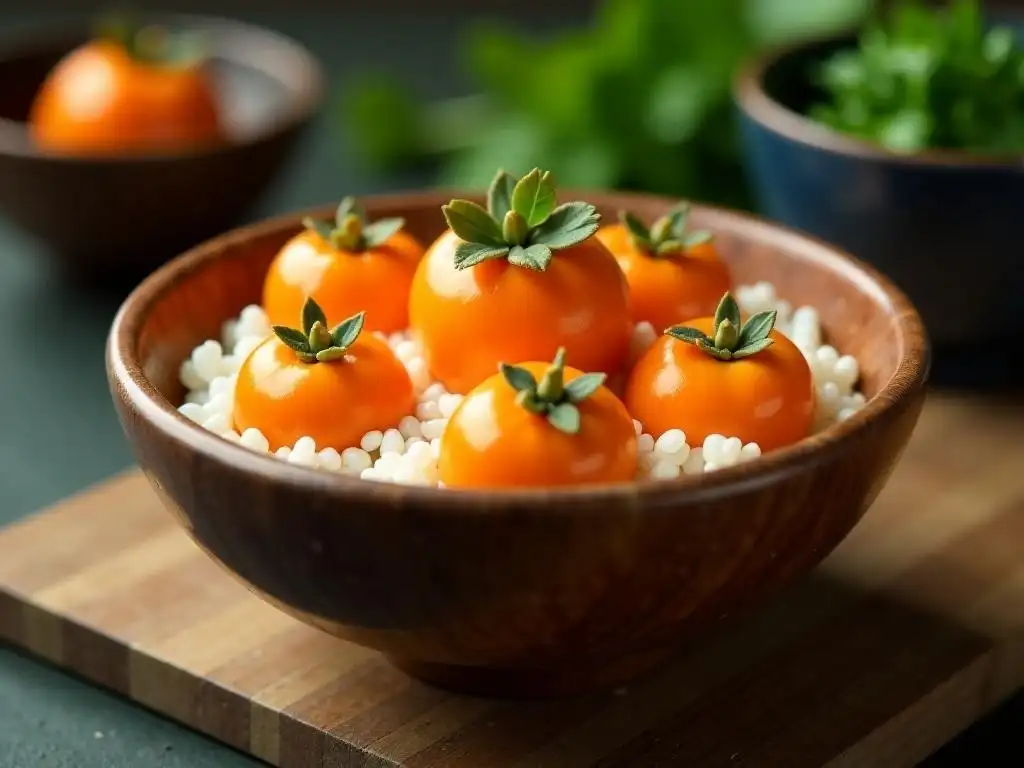
- Summer (Natsu): Summer festivals, such as Tanabata, celebrated the meeting of deities and included traditional dishes like somen (thin wheat noodles) served cold. Seasonal fruits, like watermelon, were also popular, representing the abundance and warmth of the season.
- Autumn (Aki): The Tsukimi or moon-viewing festival celebrated the harvest season. Foods such as dango (rice dumplings) were offered to the moon, and dishes made from freshly harvested rice and chestnuts were enjoyed, symbolizing gratitude for the bountiful harvest.
- Winter (Fuyu): The winter solstice brought the celebration of Toshikoshi soba, eating soba noodles to symbolize longevity. Families would gather for hearty stews and dishes that utilized preserved foods, showcasing how seasonal eating adapted to the colder months.
These festivals not only highlighted seasonal cuisine but also reinforced the community bonds and cultural identity that were key to daily life in feudal Japan.
The Philosophy of "Shun" (旬) in Japanese Cuisine
The concept of "Shun" (旬) is central to Japanese cuisine, emphasizing the importance of consuming ingredients at their peak freshness and flavor. This philosophy is deeply rooted in the understanding of nature's cycles and the belief that food should reflect the seasons.
- Freshness and Flavor: Ingredients are at their best taste and nutritional value when consumed in their season. For example, asparagus in spring and mikan (mandarin oranges) in winter are not only more flavorful but also more affordable and available during their respective seasons.
- Culinary Techniques: Chefs and home cooks alike employed specific techniques to enhance the seasonal qualities of ingredients. For instance, grilling or steaming vegetables during their peak season preserved their natural flavors, while pickling was a common method used to enjoy summer vegetables throughout the winter months.
- Aesthetic Presentation: The philosophy of "Shun" also influenced the visual presentation of dishes, which were often arranged to reflect seasonal themes. For example, fall dishes might feature warm colors representing the changing leaves, while spring dishes would highlight the pastel colors of blooming flowers.
This connection between food and seasonality not only enriched the dining experience but also fostered a greater appreciation for nature's gifts, reinforcing the cultural significance of seasonal eating in feudal Japan.
The practice of seasonal eating in feudal Japan had profound social implications that extended beyond personal preference and culinary enjoyment.
- Cultural Identity: Seasonal cuisine served as a way to express cultural identity, with regional variations reflecting local agricultural practices and traditions. Each region's unique seasonal offerings contributed to a diverse culinary landscape, fostering a sense of pride and belonging among communities.
- Social Hierarchy: Access to seasonal ingredients was often dictated by social status. The samurai class had greater access to a variety of seasonal foods, while peasant classes relied on what was locally available. This disparity influenced dietary practices and highlighted the social stratification present in feudal Japan.
- Community and Sharing: Seasonal eating fostered communal gatherings and sharing of food, particularly during festivals and harvests. This practice not only strengthened community bonds but also encouraged cooperation among villagers, as they would often come together to celebrate the seasons through shared meals.
- Environmental Awareness: The emphasis on seasonal ingredients cultivated a respect for the environment and sustainable practices. Understanding the need to align eating habits with nature encouraged mindfulness about resource use, ensuring that food sources remained viable for future generations.
The social implications of seasonal eating in feudal Japan were profound, shaping cultural identity, social structures, and community dynamics while emphasizing a harmonious relationship with nature.
Conclusion: The Legacy of Seasonal Cuisine in Feudal Japan

The legacy of seasonal cuisine in feudal Japan is profound and continues to shape the culinary landscape of modern Japan. The practice of aligning food preparation and consumption with the seasons was not merely a culinary choice but a reflection of the harmonious relationship between the Japanese people and their environment. This connection to nature fostered a deep appreciation for the ingredients themselves, emphasizing freshness, quality, and the natural flavors that each season offers.
Lasting Impact on Modern Japanese Cuisine
Modern Japanese cuisine is heavily influenced by the principles of seasonal eating established during the feudal era. Today, restaurants across Japan still emphasize shun, a term that describes the peak season for various ingredients. For instance:
- Spring: Ingredients like bamboo shoots, sakura (cherry blossoms), and wild vegetables are celebrated.
- Summer: Fresh seafood, such as ayu (sweetfish) and seasonal fruits like melons, take center stage.
- Autumn: Dishes featuring chestnuts, mushrooms, and persimmons are common.
- Winter: Root vegetables and preserved foods, like pickles, are favored as they provide warmth and sustenance.
These seasonal highlights not only showcase the diversity of Japanese ingredients but also reflect the cultural belief in living in sync with nature. Restaurants often create kaseki menus, which are multi-course meals that change with the seasons, allowing diners to experience the essence of each time of year through thoughtfully prepared dishes.
Reflection on Nature’s Role in Culinary Practices
Nature's influence on culinary practices during the feudal era was paramount, as it dictated what was available to eat and when. The Japanese people developed a keen awareness of the environment, resulting in a cuisine that was responsive to seasonal changes. This relationship with nature was expressed in various ways:
- Harvest Festivals: Celebrations during harvesting periods reinforced the connection between agriculture and community, often featuring seasonal dishes that honored the bounty of the land.
- Food Preservation Techniques: To cope with seasonal cycles, feudal Japan saw the development of preservation methods, such as pickling and fermentation, which allowed for the enjoyment of seasonal flavors throughout the year.
- Culinary Aesthetics: The presentation of food in feudal Japan was often inspired by the changing seasons, with color, texture, and arrangement reflecting the natural world. For example, the use of seasonal garnishes and serving dishes that evoke seasonal feelings created a sensory experience that honored both food and nature.
The practice of seasonal cuisine in feudal Japan not only laid the foundation for modern Japanese culinary traditions but also fostered a deep respect for nature. As contemporary chefs and home cooks continue to embrace these principles, they honor the legacy of their ancestors, ensuring that the rhythms of the earth remain a vital part of Japan's gastronomic identity.
Further Reading and Resources on Feudal Japanese Cuisine
Recommended Books and Articles
When delving into the fascinating world of seasonal cuisine in feudal Japan, numerous books and articles provide in-depth insights into the historical, cultural, and culinary practices of the time. Here are some essential readings:
-
"Japanese Cooking: A Simple Art" by Shizuo Tsuji
This book offers not only recipes but also a comprehensive understanding of the Japanese culinary philosophy, including the importance of seasonal ingredients and their role in traditional feudal cuisine.
-
"The Food of Japan" by Takayuki Kosaki
This work explores Japan's culinary evolution, emphasizing how the feudal system and local resources shaped what was consumed based on the seasons.
-
"A History of Japanese Food" by Naomichi Ishige
This scholarly piece examines the historical context of Japanese cuisine, focusing on the interplay between nature, agriculture, and the feudal system's influence on food practices.
-
"Washoku: Recipes from the Japanese Home Kitchen" by Elizabeth Andoh
Andoh’s book not only provides recipes but also discusses the philosophy of washoku (Japanese cuisine), which is deeply rooted in seasonal eating practices.
-
"The Japanese Kitchen" by Hiroko Shimbo
This book offers a practical guide to Japanese cooking techniques while highlighting seasonal ingredients and dishes that were prevalent during the feudal era.
Documentaries and Educational Resources on Japanese Food History
To complement your reading, several documentaries and educational resources provide visual and narrative insights into seasonal cuisine in feudal Japan. These can be great tools for understanding the relationship between food and culture during this unique period:
-
"Jiro Dreams of Sushi"
While primarily about sushi, this documentary touches on the broader aspects of Japanese culinary tradition, including the significance of seasonal ingredients and the meticulous care in food preparation that has roots in feudal practices.
-
"The Birth of Sake"
This film delves into the ancient craft of sake brewing, which is closely tied to seasonal changes and agricultural cycles, reflecting the feudal era's respect for nature's rhythms.
-
NHK’s "Dining with the Chef"
This cooking show often features traditional Japanese recipes and emphasizes seasonal ingredients, offering viewers a firsthand look at how feudal practices influence modern cuisine.
-
"Japanese Food: A Cultural History" (PBS)
This documentary takes a broader look at how Japanese food has evolved, including discussions on the impact of the feudal system on food production and consumption.
-
Online Courses by The Culinary Institute of America
Offering courses on global cuisine, including Japanese culinary traditions, these resources can help deepen your understanding of the historical context and seasonal practices that shaped feudal Japanese cuisine.
By exploring these recommended books, articles, documentaries, and educational resources, readers can gain a comprehensive understanding of how seasonal cuisine in feudal Japan was not just about food but a reflection of the society's relationship with nature, culture, and tradition.
Frequently Asked Questions
What was the significance of seasonal cuisine in feudal Japan?
Seasonal cuisine in feudal Japan was crucial as it reflected the availability of local ingredients and the connection to nature. This practice ensured that meals were fresh, nutritious, and aligned with cultural traditions.
How did nature influence food choices during feudal Japan?
Nature played a vital role in determining food choices, as the changing seasons dictated which ingredients were harvested and consumed. This connection fostered a deep respect for the environment and its resources.
What are some examples of seasonal ingredients used in feudal Japan?
Common seasonal ingredients included sakura (cherry blossoms) in spring, freshwater fish in summer, chestnuts in autumn, and root vegetables in winter. Each season brought unique flavors that were celebrated in Japanese cuisine.
Yes, seasonal eating influenced numerous social customs and traditions, including festivals and rituals that honored the harvests. These practices reinforced community bonds and a shared appreciation for nature's cycles.
How did feudal society view the concept of food and eating?
In feudal society, food was not just sustenance; it was a reflection of status, culture, and artistry. Seasonal dishes were often prepared with care, showcasing the skill of the cook and the importance of presentation in meals.
Final Reflection: Embracing Nature's Bounty in Seasonal Cuisine
Seasonal cuisine in feudal Japan remains a poignant reminder of how deeply intertwined our lives are with the rhythms of nature. As we explore the historical practices of feudal Japan, we uncover not just a culinary tradition but a philosophy that emphasizes respect for the environment and an appreciation for the changing seasons. In today's fast-paced world, where convenience often overshadows quality, the lessons from feudal Japan resonate more than ever, urging us to reconnect with the natural cycles that sustain us.
The influence of seasonal eating in feudal Japan extends far beyond the kitchen; it has shaped cultural identities and social practices that continue to thrive today. This connection to nature fosters a sense of community and mindfulness that is often lost in modern society. As we reflect on these traditions, we can appreciate the wisdom in the words of Japanese philosopher Masanobu Fukuoka: The ultimate goal of farming is not the growing of crops, but the cultivation and perfection of human beings.
This perspective invites us to consider how our food choices impact not only our health but also our relationships with each other and the environment.
As we move forward, let us take inspiration from the seasonal cuisine of feudal Japan and strive to incorporate its principles into our own lives. I invite you to reflect on your eating habits and consider how you can embrace the bounty of each season. By choosing locally sourced, seasonal ingredients, you can cultivate a deeper connection to the earth and the community around you. Together, we can honor the past while nurturing a sustainable future, one meal at a time.
Savor the Seasons: Embrace the Flavors of Feudal Japan!
Thank you for taking the time to explore how nature shaped the exquisite cuisine of feudal Japan. By understanding the significance of seasonal ingredients and culinary traditions, you now possess a unique perspective on the rich tapestry of Japanese food culture. Are you ready to bring that inspiration into your daily life? Here are some actionable steps to get you started:
- Start a Seasonal Recipe Journal: Document your favorite seasonal dishes and experiment with recreating authentic feudal Japanese meals using fresh ingredients from local farmers' markets or your own garden.
- Join a Local Cooking Class: Discover Japanese cooking techniques and the art of seasonal eating by enrolling in classes at a community center or culinary school in your area.
- Share Your Journey: Begin a conversation online by sharing your experiences on social media, or engage with friends about how nature influences your cooking.
What seasonal flavors excite your palate the most, and how will you incorporate them into your meals this week?