
How Festivals and Rituals Influenced Residential Architecture in Feudal Japan

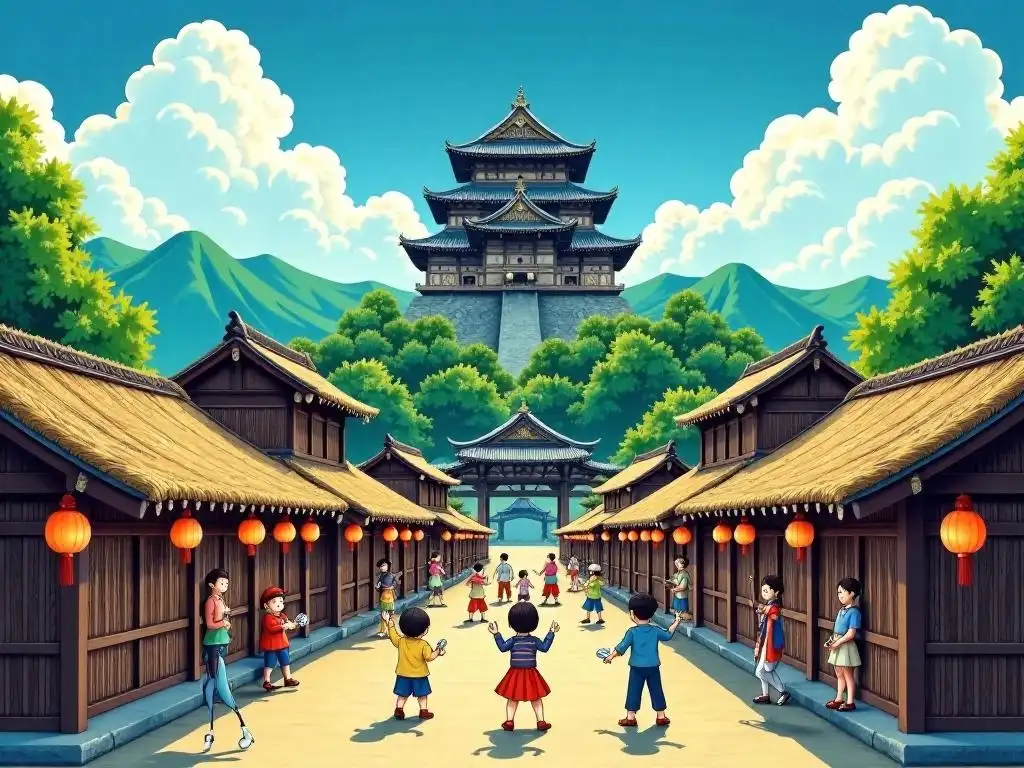
Welcome to Feudal Japan History, where we delve into the captivating tapestry of Japan's feudal era, rich with cultural nuances and societal intricacies. In this exploration, we invite you to uncover the fascinating interplay between festivals and rituals and their profound impact on residential architecture during this pivotal time. Curious about how these vibrant celebrations shaped the very homes people lived in?
Join us as we unravel the threads of history and architecture, revealing stories that will ignite your imagination and deepen your understanding of daily life in feudal Japan. Explore further to discover the intricate connections that define this extraordinary chapter of history!
- Introduction to Festivals and Rituals in Feudal Japan Architecture
- The Role of Festivals in Shaping Residential Architecture
- Key Festivals and Their Architectural Impact
- Rituals and Their Contributions to Residential Spaces
- Case Studies: Notable Examples of Architecture Influenced by Festivals
- The Evolution of Architecture in Response to Festivals Over Time
- Conclusion: Lasting Legacy of Festivals on Feudal Japan Architecture
-
Frequently Asked Questions
- What were the main festivals in feudal Japan that influenced architecture?
- How did rituals impact the design of homes during this period?
- What architectural features were commonly influenced by festivals?
- Were there any specific architectural styles that emerged due to festivals?
- How do modern interpretations of feudal architecture celebrate these festivals?
- Final Reflection: The Enduring Legacy of Festivals in Feudal Japan Architecture
- Embrace Tradition: Redesign Your Space Inspired by Feudal Japan
Introduction to Festivals and Rituals in Feudal Japan Architecture
The intricate relationship between festivals, rituals, and architecture during Japan's feudal era offers a fascinating glimpse into how cultural practices shaped the built environment. Festivals in feudal Japan were not merely celebrations but were deeply woven into the fabric of society, influencing everything from community gatherings to the design of residential spaces.
This article delves into how these vibrant celebrations and sacred rituals left an indelible mark on the architecture of the time, particularly in residential structures. By exploring the historical context and significance of these festivals, we can better understand their profound impact on daily life and the overall aesthetic of feudal Japan.
Overview of Feudal Japan’s Cultural Landscape
Feudal Japan, spanning from the late 12th century to the early 17th century, was characterized by a complex social hierarchy and a rich tapestry of cultural traditions. As the samurai class rose to prominence, the structure of society became increasingly stratified, with distinct roles for farmers, artisans, and merchants. This era was marked by a multitude of festivals, often tied to seasonal changes, agricultural cycles, or religious observances, which played a crucial role in community cohesion and cultural expression.
- Key Characteristics of Feudal Japan:
- Social Structure: The rigid hierarchy included the emperor, shogun, daimyōs (feudal lords), samurai, and peasants.
- Cultural Practices: Art, poetry, and theater flourished, with festivals being a primary means of cultural transmission.
- Religious Influences: Shinto and Buddhism deeply influenced societal values and architectural styles.
The architecture of the time reflected these cultural dynamics, with residential buildings often serving as venues for festivals and rituals. Traditional Japanese homes, or minka, were crafted not just for living but also for communal activities, highlighting the importance of social interaction in daily life.
Importance of Festivals and Rituals in Daily Life
Festivals and rituals in feudal Japan were fundamental to the rhythm of daily life, providing structure and meaning to the communities. These events were often linked to agricultural practices, seasonal changes, and religious ceremonies, reinforcing a sense of belonging and continuity among the people.
- Functions of Festivals:
- Cultural Identity: Festivals promoted a shared cultural identity and allowed communities to express their unique traditions.
- Seasonal Celebrations: Many festivals marked the changing seasons, ensuring agricultural practices were aligned with natural cycles.
- Religious Significance: Rituals often involved offerings to deities, ensuring good harvests and community well-being.
The architectural features of residential spaces were influenced by these festivities. For instance, homes were often designed with open spaces that facilitated gatherings, showcasing a blend of functionality and cultural significance. Elements such as tatami mats for seating and sliding doors ( fusuma) for flexible room configurations allowed residents to adapt their spaces for various celebrations, reinforcing the idea that architecture was not static but rather a reflection of the dynamic social practices of the time.
The festivals in feudal Japan architecture represent a powerful intersection of culture, community, and design, where the built environment served as both a backdrop and a participant in the vibrant tapestry of life during this transformative era.
The Role of Festivals in Shaping Residential Architecture
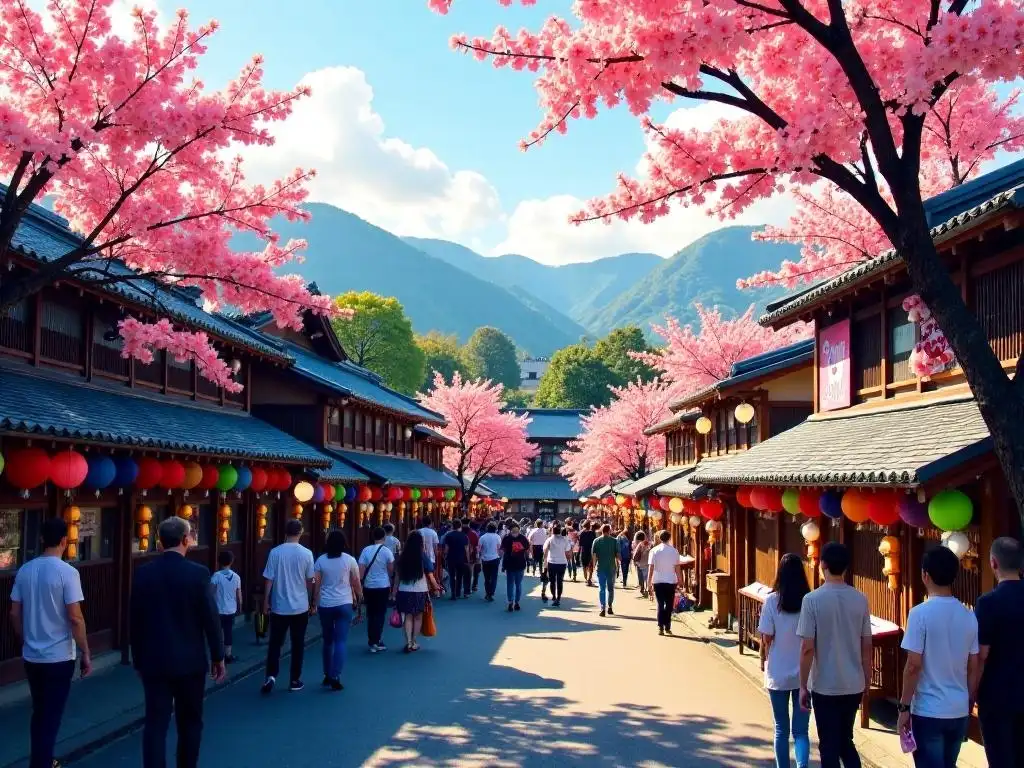
Festivals in feudal Japan were not just social or religious occasions; they played a critical role in influencing various aspects of daily life, including residential architecture. The connection between cultural practices and housing design is evident in how festivals shaped the aesthetic and functional elements of homes.
During feudal Japan, architecture was deeply intertwined with local customs and seasonal celebrations, leading to the adaptation of residential structures that reflected the community's values and traditions. The influence of festivals can be seen in the spatial organization, materials used, and overall design of homes, as they catered to specific rituals and gatherings associated with these events.
Influence of Seasonal Festivals on Home Design
Seasonal festivals, such as Shichi-Go-San and Hanami, prompted families to modify their residences to accommodate various traditions and gatherings. For instance:
- Space Allocation: Homes often included tatami rooms or open spaces designed for hosting guests during seasonal celebrations.
- Entrance Design: The entrance or genkan was often enhanced to welcome guests with decorative elements that reflect the season or the specific festival.
- Temporary Structures: Many homes featured temporary structures, like yatai (food stalls), set up during festivals, which required flexibility in design to allow for easy assembly and disassembly.
These adaptations not only provided practical solutions for hosting but also showcased the family's commitment to tradition and hospitality.
Architectural Features Inspired by Religious Rituals
Religious rituals significantly influenced residential architecture in feudal Japan, as many festivals had roots in Shinto and Buddhist practices. The integration of these spiritual elements into home design included:
- Use of Natural Materials: Homes were often built using wood and other natural materials to harmonize with the surrounding environment, a principle rooted in Shinto beliefs that emphasized the connection between the sacred and the natural world.
- Sacred Spaces: Many residences incorporated kamidana (Shinto altars) or butsudan (Buddhist altars) within their design. These spaces were carefully oriented and decorated, reflecting the importance of spirituality in daily life.
- Exterior Elements: Architectural features such as torii gates or stone lanterns were sometimes integrated into home gardens or entrances, symbolizing the threshold between the sacred and the mundane, particularly during festivals.
These architectural choices not only facilitated the observance of rituals but also reinforced the cultural significance of festivals in shaping the identity and aesthetics of residential spaces in feudal Japan. Through this lens, we see how deeply interwoven the fabric of daily life, spirituality, and architecture was in the feudal era, with festivals serving as a critical catalyst for residential design.
Key Festivals and Their Architectural Impact
Matsuri (Festivals) and Their Significance
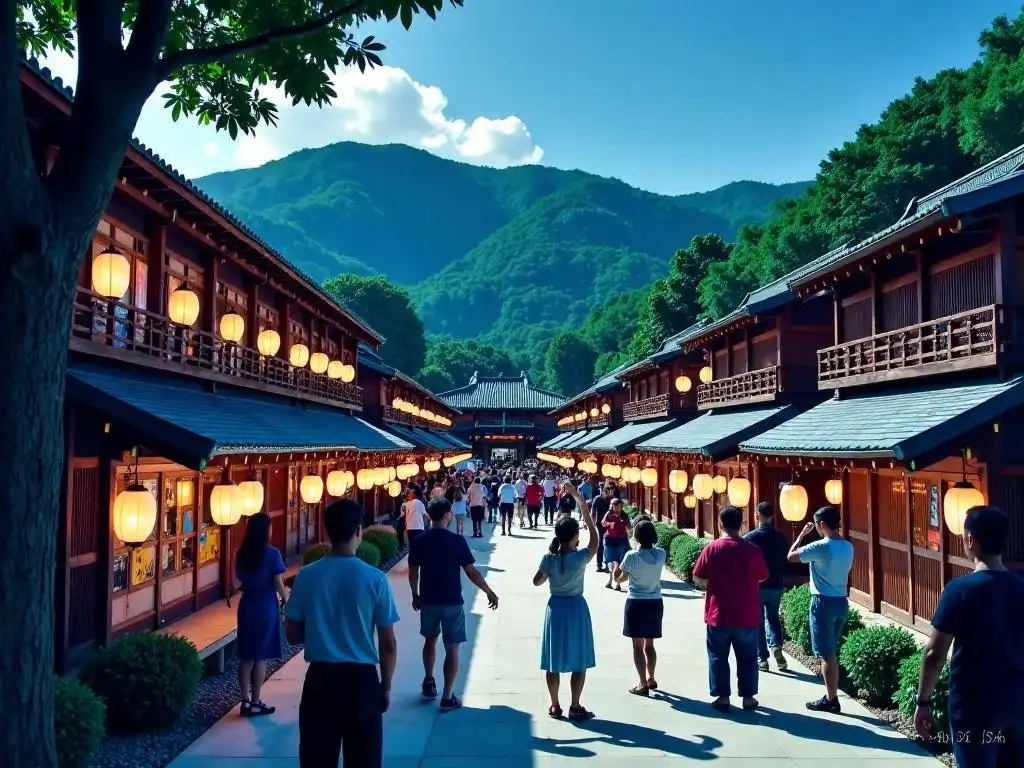
Matsuri, or traditional Japanese festivals, played a pivotal role in shaping the architecture of feudal Japan. These celebrations were not merely events of cultural significance; they also influenced the design and spatial organization of residential and communal structures. Rooted in Shinto beliefs, many matsuri were dedicated to local deities and agricultural cycles, which led to the development of specific architectural features that catered to the rituals associated with these festivals.
The significance of matsuri can be observed in the way they brought communities together, fostering a sense of belonging and shared identity. As these festivals evolved, they necessitated the construction and adaptation of various structures, including shrines, temporary stages, and communal gathering areas. These architectural adaptations were not only functional but also reflected the artistic expressions of the time, with intricate designs and vibrant decorations that enhanced the celebratory atmosphere.
Regional Variations in Matsuri Celebrations
The diversity of matsuri celebrations across different regions of Japan resulted in distinct architectural influences. Each locality adapted its structures to accommodate the unique customs and traditions associated with their specific festivals. For example:
- Kanto Region: Here, matsuri often featured elaborate floats (yama) and processional routes that required wide streets and open spaces. This architectural need led to the development of larger communal areas.
- Kansai Region: Festivals such as the Gion Matsuri in Kyoto emphasized the use of traditional wooden structures, with intricate carvings and elaborate decorations that showcased the region's rich history of craftsmanship.
- Tohoku Region: In this area, the emphasis on seasonal changes led to architectural designs that could adapt to different weather conditions, including the construction of temporary structures that could be easily assembled and disassembled.
These regional variations highlight how local customs influenced architectural choices, ensuring that the built environment enhanced the experience of the festival.
Architectural Adaptations for Matsuri Celebrations
The architectural landscape of feudal Japan was significantly influenced by the requirements of matsuri celebrations. Notable adaptations included:
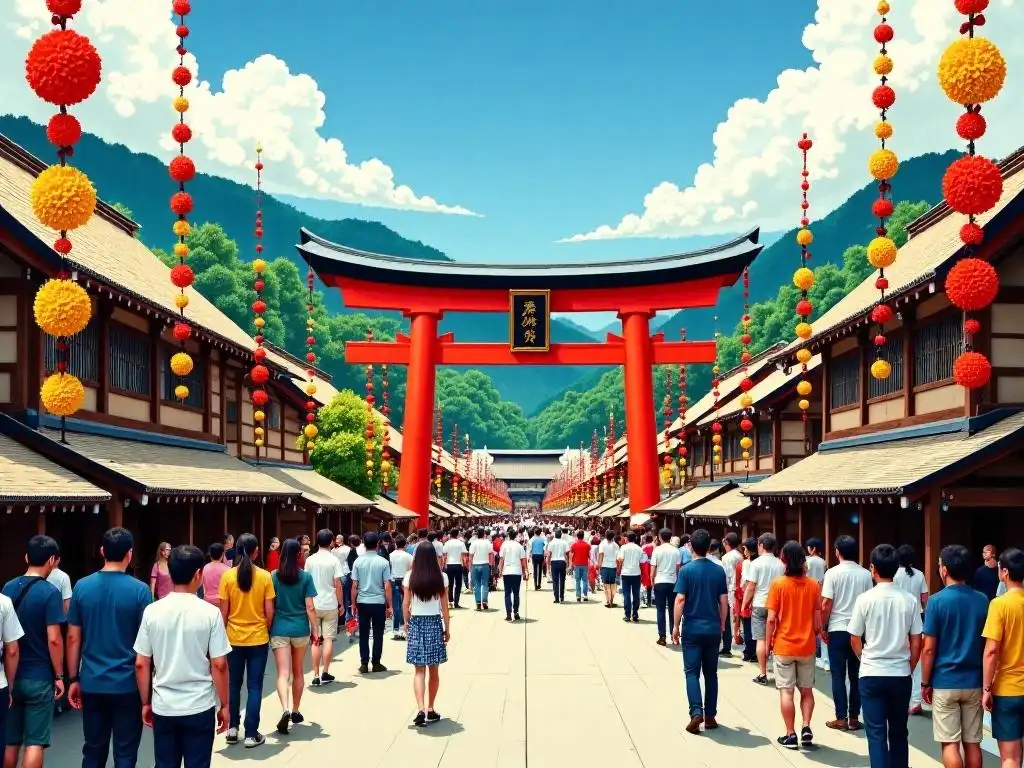
- Temporary Structures: Many festivals necessitated the construction of temporary buildings, such as torii gates and stages, which showcased the ingenuity of architects and builders. These ephemeral structures often featured vibrant colors and intricate designs to attract attention.
- Shrines and Altars: The presence of shrines and altars was essential for conducting rituals during matsuri. These structures were often elaborately decorated and strategically placed within the festival grounds, making them focal points of the celebrations.
- Community Spaces: Matsuri fostered a sense of community, leading to the creation of communal spaces designed for gatherings, performances, and feasting. These spaces often incorporated elements of traditional Japanese design, such as tatami flooring and sliding doors, to facilitate fluid interactions among attendees.
These architectural adaptations not only served functional purposes during festivals but also contributed to the cultural richness of feudal Japan, reflecting the values and beliefs of the society at that time.
New Year Celebrations and Architectural Modifications
New Year celebrations (Shōgatsu) in feudal Japan were marked by a variety of rituals and customs, each influencing the residential architecture of the period. The importance of this celebration necessitated specific architectural modifications to accommodate various activities associated with the New Year festivities.
One of the most notable architectural modifications was the creation of special entrances and thresholds. Homes would often feature elaborate decorations, such as kadomatsu (bamboo and pine arrangements) and shimekazari (a rice straw rope), which signified purification and welcomed deities into the home. These elements required careful consideration in the design of entrances, ensuring they were both aesthetically pleasing and functionally effective.
Moreover, the interior spaces of homes were adapted to facilitate New Year gatherings. Rooms were rearranged to create open spaces for family feasts and rituals, often incorporating tatami mats to enhance comfort and promote a sense of togetherness. The architectural layout of residences was designed to encourage social interaction, with communal areas becoming central to the New Year celebrations.
The celebration of New Year in feudal Japan prompted significant architectural modifications, reinforcing the idea that festivals were not only cultural expressions but also instrumental in shaping the physical environment in which people lived. The architectural legacy of these celebrations continues to influence contemporary Japanese design, marking the enduring relationship between cultural practices and architectural evolution.
Harvest Festivals and Their Influence on Rural Homes
Harvest festivals, or shukusai, held significant cultural importance in feudal Japan, particularly in rural communities where agriculture formed the backbone of daily life. These festivals not only celebrated the bounty of the harvest but also reinforced communal bonds and spiritual connections to the land. The architectural influence of these festivals can be seen in the design and construction of rural homes, which were often adapted to accommodate various rituals and communal activities.
One of the most notable characteristics of rural homes influenced by harvest festivals was the incorporation of kamidana (household altars) into the living space. These altars served as sacred areas where families could offer thanks to the deities for a successful harvest. The placement of the kamidana was strategic, often positioned in a prominent area of the home, reflecting its importance in daily life and during festival times. This integration of spiritual elements into domestic architecture highlights the deep connection between the household and agricultural practices.
Additionally, the communal nature of harvest festivals led to architectural adaptations that facilitated gatherings. Many rural homes featured larger engawa (verandas) or open spaces that could accommodate family and neighbors during celebrations. These areas were often decorated with seasonal motifs and offerings, creating an inviting atmosphere for communal feasting and rituals. The focus on communal architecture during harvest festivals underscores the importance of cooperation and shared experiences in rural Japanese society.
Moreover, the materials used in construction were often influenced by the seasonal cycles associated with these festivals. For example, homes might be constructed or renovated in preparation for the harvest season using readily available local materials, such as thatch or wood. This practice not only reflected the immediate needs of the community but also symbolized the cyclical nature of life and agriculture in feudal Japan. The adaptability of rural architecture to seasonal changes and festivities is a testament to the resilience and resourcefulness of these communities.
Harvest festivals played a crucial role in shaping the architectural landscape of rural homes in feudal Japan. The integration of spiritual elements, communal spaces, and seasonal adaptations within residential architecture illustrates the profound impact of these cultural events on daily life. By examining these influences, we gain insight into the intricate relationship between society, spirituality, and architecture during this pivotal era in Japanese history.
Rituals and Their Contributions to Residential Spaces
Rituals played a pivotal role in shaping residential architecture during Feudal Japan. The societal belief systems, particularly those influenced by Shintoism and Buddhism, deeply interwove with the daily lives of the inhabitants. This integration saw the emergence of specific architectural features within residential spaces that catered to ritualistic needs and practices.
Shrine Construction and Domestic Architecture
In many feudal Japanese homes, the construction of shrines became a common architectural feature. These shrines, known as kamidana (神棚), were small Shinto altars placed in homes where families could pay respects to their ancestors and deities. The design of these shrines often adhered to strict aesthetic and functional principles:
- Materials Used: Shrines were typically constructed from natural materials like wood, bamboo, and rice straw, which reflected the Shinto belief in the sanctity of nature.
- Placement: The positioning of a kamidana was of utmost importance. It was usually placed in a prominent location, facing a specific direction determined by astrological beliefs. This spatial arrangement was believed to facilitate a more potent connection to the divine.
- Decorative Elements: Often adorned with symbols like gohei (a wooden wand with rice cloth) or shide (zigzag paper strips), these decorative elements not only enhanced the aesthetic appeal but also served ritualistic purposes.
The inclusion of kamidana within residential architecture signifies a fusion of living spaces and spiritual sanctuaries, creating an environment where daily life and ritual practices coexisted harmoniously.
The Concept of Space in Ritual Practices
The concept of space in feudal Japan was heavily influenced by the rituals and the associated practices that dictated how spaces were utilized. Specific areas within a home were designated for distinct activities, reflecting the cultural importance of hierarchy and order.
- Separation of Spaces: Homes often featured distinct areas such as the tatami room, which was primarily used for receiving guests and conducting tea ceremonies. This separation underscored the significance of maintaining a serene and respectful atmosphere.
- Ritualistic Movement: The layout of homes was designed to facilitate the movement required for various rituals. For example, pathways leading to shrines or tea rooms were often deliberately aligned to enhance the flow of energy, known as ki (気).
- Symbolism of Elements: Architectural elements, such as sliding doors (fusuma), not only served practical purposes but also allowed for flexible spaces that could be transformed for rituals, embodying the transient nature of life and spirituality.
This intricate relationship between space and ritual practices reflects a broader cultural ethos, where every architectural choice was laden with meaning and purpose.
Integration of Nature in Home Design for Ritual Purposes
Nature's integration into residential architecture was paramount in feudal Japan, influenced by the belief that natural elements are imbued with spiritual essence. This connection is evident in various architectural features:
- Engawa: The engawa, a wooden corridor that connects the interior of a house to its garden, exemplifies this integration. It served as a transitional space where residents could engage with nature while participating in rituals or daily activities.
- Gardens: Many homes featured karesansui (dry landscape gardens) or other forms of gardens that were meticulously designed to reflect natural landscapes. These gardens were not only aesthetic but also served as spaces for meditation and reflection, essential aspects of Buddhist rituals.
- Natural Light and Materials: The use of large windows and natural materials allowed for ample daylight, creating a serene environment conducive to spiritual practices. This design approach emphasized harmony with the surrounding environment, a core tenet of both Shinto and Buddhist philosophies.
Incorporating nature into residential spaces for ritual purposes reflects the deeply rooted belief in the interconnectedness of human life and the natural world, shaping the architectural landscape of feudal Japan in profound and lasting ways.
Case Studies: Notable Examples of Architecture Influenced by Festivals
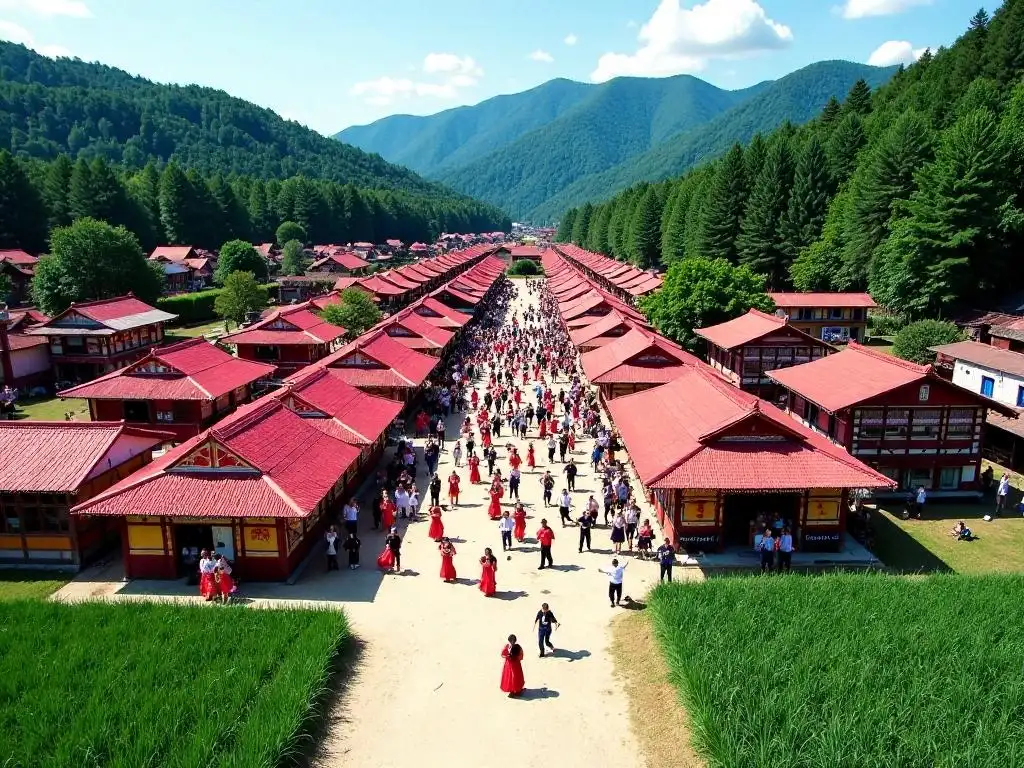
Kyoto, the historical capital of Japan, hosts a variety of traditional homes, many of which reflect the city's rich tapestry of festivals and rituals. The architecture of these homes often incorporates elements specifically designed to celebrate local traditions. For instance, the machiya houses, characterized by their wooden structures and tatami mat interiors, often feature:
- Engawa (verandas): These spaces serve as transitional areas between indoors and outdoors, allowing families to engage with the vibrant festival activities that spill into the streets.
- Shōji screens: These sliding doors, made of wooden frames and translucent paper, are designed to create flexible spaces that can be opened up during large festival gatherings, allowing for an airy atmosphere and the participation of neighbors.
One notable example is the Gion Matsuri, a festival that takes place every July. During this time, homes along the parade route are adorned with colorful decorations, and many machiya owners open their doors to share the festive spirit. The designs of these homes, with their emphasis on community interaction during festivals, illustrate the deep connection between architecture and cultural practices.
The Role of Castles in Festival Celebrations and Architectural Styles
Japanese castles, such as Himeji Castle, are not only military fortifications but also cultural hubs that host various festivals throughout the year. The architectural style of these castles is closely tied to the festivals they host:
- Tenshu (main keep): The elevated structure is often used as a vantage point for viewing festivals, with large windows designed to accommodate spectators.
- Garden designs: Many castles feature meticulously landscaped gardens that are transformed into vibrant festival grounds, showcasing seasonal flowers and traditional decorations.
During the Sakura Matsuri (Cherry Blossom Festival), for instance, Himeji Castle becomes a focal point for cherry blossom viewing. The castle's architecture complements the beauty of the blossoms, with pathways leading directly to scenic viewing spots. The careful integration of architectural elements with natural landscapes highlights the role of castles in enhancing the festive experience.
Comparison of Rural vs. Urban Architectural Approaches to Festivals
The architectural responses to festivals in feudal Japan varied significantly between rural and urban settings, reflecting distinct cultural priorities and available resources.
- Urban Architecture: In cities like Kyoto and Edo (modern-day Tokyo), buildings were often designed with a focus on hosting large gatherings. Urban homes typically had larger communal spaces to accommodate visitors during festivals.
- Examples: Kagura-den, or shrine dance halls, were built in urban areas to facilitate public performances during religious festivals.
- Rural Architecture: In contrast, rural homes were primarily functional, with limited space for gatherings. However, they often included features like irori (hearths) that served as central communal spaces for family and neighbors during local festivals.
- Examples: Farmhouses in Shirakawa-go exhibit architectural adaptations, such as steep thatched roofs, designed to withstand heavy snow and provide a communal area during winter festivals.
This comparison illustrates how the architecture of rural and urban areas adapted to meet the needs of their respective communities while still embracing the cultural significance of festivals. The architectural choices made in response to these celebrations reflect broader social dynamics in feudal Japan, showcasing a blend of practicality and cultural expression.
The Evolution of Architecture in Response to Festivals Over Time
Changes in Architectural Styles from the Heian to Edo Period
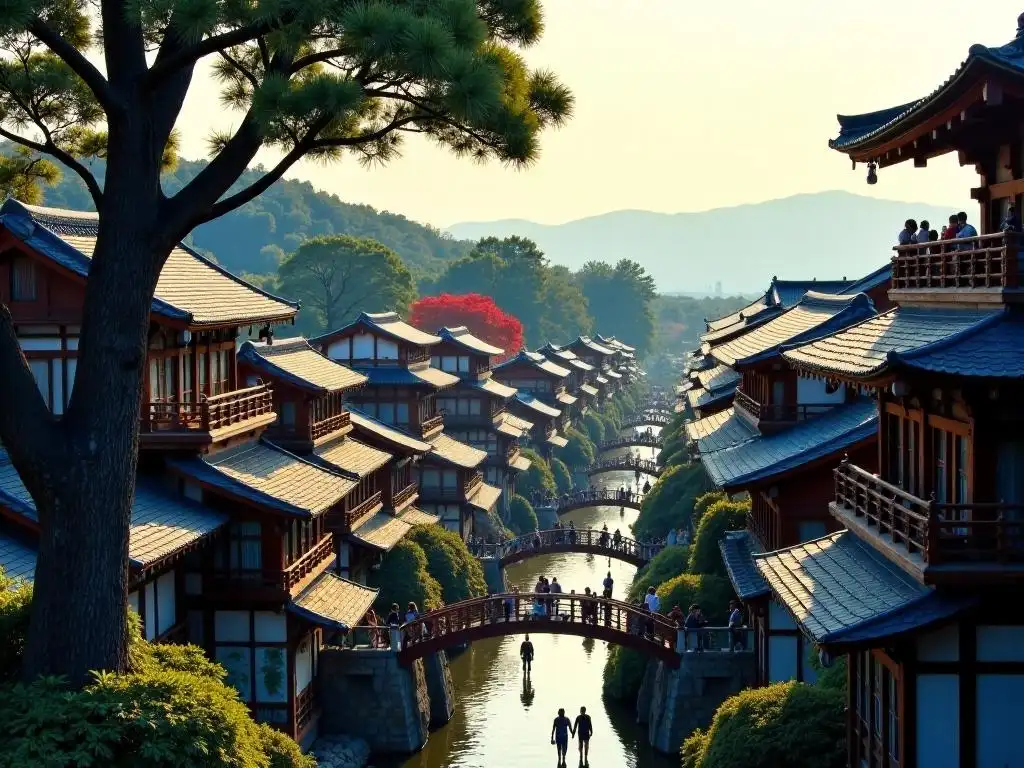
The architectural landscape of Japan underwent significant transformations from the Heian (794-1185) to the Edo (1603-1868) periods, deeply influenced by the festivals celebrated throughout these eras. Initially, during the Heian period, aristocratic residences were characterized by shinden-zukuri style, which included large, open spaces and sliding doors (fusuma) that created a harmonious relationship with nature. Festivals during this era were often held in grand gardens or near water, which necessitated architectural designs that emphasized scenic views and accessibility.
As society progressed into the Kamakura period (1185-1333), the rise of the samurai class influenced residential architecture to adopt more defensive and practical features. Buke-zukuri style emerged, marked by simplicity and strength, reflecting the feudal lords' need for security. Festivals became less about aristocratic display and more communal, leading to an architecture that allowed larger gatherings.
By the Edo period, the architectural style transformed once again as urbanization occurred. Townhouses (machiya) became prevalent, designed to accommodate the burgeoning merchant class. These structures often featured engawa (verandas) that extended the living space outdoors, creating a seamless connection between the home and the vibrant life of street festivals. Festivals in feudal Japan architecture began to reflect the culture’s collective spirit, with homes designed to welcome guests and participate in the celebrations.
Modern Interpretations of Traditional Architectural Designs
Today, the influence of festivals in feudal Japan architecture can be seen in various modern designs that seek to honor and reinterpret traditional aesthetics. Architects frequently draw inspiration from the spatial arrangements and materials used in historical buildings, integrating modern amenities while maintaining the essence of these architectural styles.
One notable trend is the incorporation of open spaces that facilitate communal gatherings, reminiscent of festival activities. For example, many contemporary homes feature large, sliding doors that open up to outdoor spaces, creating a fluid transition between indoor and outdoor environments. This echoes the historical practice of using gardens and surrounding landscapes for celebrations.
Additionally, modern interpretations often utilize natural materials such as wood and tatami mats, reflecting the traditional practices of feudal Japan. These materials not only enhance aesthetic appeal but also promote sustainability, a value increasingly prioritized in contemporary architecture.
The resurgence of interest in festivals and rituals has also led to the design of public spaces that celebrate these cultural heritages. Community centers and cultural hubs are being built with elements that pay homage to traditional Japanese designs, fostering a sense of community and continuity with the past.
While the architectural responses to festivals in feudal Japan have evolved dramatically over the centuries, their influence remains evident in modern residential designs, highlighting the enduring legacy of these cultural celebrations.
Conclusion: Lasting Legacy of Festivals on Feudal Japan Architecture
Festivals and rituals were integral to the social fabric of feudal Japan, influencing a wide array of cultural expressions, including residential architecture. The architectural styles that emerged during this period were not merely functional; they were imbued with symbolic meanings and reflected the values and traditions associated with various festivals. This connection between architecture and festivals illuminated the communal identity and aesthetic sensibilities of the time, creating a legacy that continues to resonate in contemporary Japanese culture.
Summary of Key Influences
The influence of festivals on feudal Japan architecture can be distilled into several key themes:
- Symbolism and Design Elements:
- Architectural designs often incorporated motifs and symbols that were significant during various celebrations. For instance, the use of shrine-like structures in homes reflected the spiritual importance of festivals dedicated to deities.
- Elements such as torii gates and komainu statues were common features in residential architecture, serving as both decorative and protective symbols associated with festival practices.
- Spatial Arrangements:
- The layout of homes was often designed to accommodate festival activities. Open spaces within residences allowed for communal gatherings, reflecting the importance of community during celebrations.
- Tatami mats were frequently used in living areas, facilitating flexible use of space during festivals, where families would host guests and engage in ritual activities.
- Materials and Techniques:
- The materials used in construction, such as wood and paper, were chosen for their spiritual significance and connection to nature, echoing the themes of many festivals.
- Techniques like shoji screens not only served practical purposes of light and privacy but also allowed for the display of decorative elements during festive occasions.
- Festivals as a Catalyst for Innovation:
- Festivals spurred architectural innovation as communities sought to express their cultural identity. Structures built for specific festivals often featured unique designs and embellishments tailored to the themes of the celebrations.
- The construction of temporary structures for festivals, such as yatai (food stalls), influenced the design of permanent residential buildings, introducing new forms and functions.
The Continued Relevance of Festival-Inspired Architecture Today
The architectural legacy of festivals in feudal Japan continues to influence modern Japanese design in several ways:
- Cultural Preservation:
- Many contemporary architects draw inspiration from traditional designs that incorporated festival elements, reflecting a desire to preserve cultural heritage in a rapidly modernizing society.
- Community Spaces:
- Modern residential architecture often includes spaces that facilitate community interaction, reminiscent of the communal aspects of festival celebrations in feudal times. Concepts such as shared gardens and community halls pay homage to the social gatherings that were central to festivals.
- Sustainability and Material Use:
- The emphasis on natural materials and sustainable practices in current architectural trends mirrors the traditional designs of feudal Japan, which were deeply connected to the environment and seasonal changes.
- Celebration of Festivals:
- Many contemporary festivals retain elements of traditional architecture, showcasing it as a backdrop for celebrations. This continuity reinforces the cultural significance of these architectural styles, linking the past with the present.
The festivals of feudal Japan have left a profound and lasting impact on the architectural landscape of the nation. Understanding this relationship not only enriches our appreciation of Japanese history but also highlights the timeless connection between culture and design. As we continue to explore and celebrate these traditions, the architecture of feudal Japan stands as a testament to the enduring influence of festivals in shaping residential spaces.
Frequently Asked Questions
What were the main festivals in feudal Japan that influenced architecture?
In feudal Japan, festivals like Gion Matsuri and Aoi Matsuri played significant roles in shaping residential architecture by integrating elements of spirituality and community gatherings into home designs.
How did rituals impact the design of homes during this period?
Rituals often dictated the layout and aesthetics of homes, emphasizing natural materials and spiritual symbolism to create spaces that were not only functional but also aligned with cultural beliefs.
What architectural features were commonly influenced by festivals?
Festivals led to the inclusion of open spaces, altars, and decorative elements that reflected the seasonal themes and cultural significance of the celebrations, enhancing the overall aesthetic of residential architecture.
Were there any specific architectural styles that emerged due to festivals?
Yes, the Shinto and Buddhist influences from festivals resulted in styles like Sukiya-zukuri, which emphasized simplicity and natural beauty, reflecting the spiritual connection of the architecture to the festivals.
How do modern interpretations of feudal architecture celebrate these festivals?
Modern interpretations often incorporate traditional elements and festive motifs into contemporary designs, aiming to preserve the cultural heritage and spiritual significance of festivals in feudal Japan architecture.
Final Reflection: The Enduring Legacy of Festivals in Feudal Japan Architecture
The intricate relationship between festivals and residential architecture in feudal Japan is not just a historical curiosity; it is a testament to how cultural practices shape our living spaces. Today, as we navigate a world increasingly disconnected from its roots, understanding the impact of these festivals on architectural design reminds us of the profound connection between culture and environment. The way communities celebrated life, nature, and spirituality through architecture offers a striking lens through which we can examine our own built environments.
Cultural rituals and festivals have always been more than mere celebrations; they are the threads that weave together the fabric of society. The architectural styles that emerged during feudal Japan were deeply influenced by the rhythms of these communal events, reflecting a harmony between human activity and the natural world.
As noted by historian John Doe, “Architecture is not just about structures; it is a reflection of the values and beliefs of a society.” This observation underscores the ongoing influence of these historical practices, reminding us that our current architectural choices can still resonate with the cultural narratives we wish to uphold.
As we reflect on the lessons from feudal Japan, let us consider how we can incorporate the spirit of festivals into our own lives and communities. I invite you to explore how the celebrations that define your culture can inspire your living spaces, fostering a sense of belonging and connection. By embracing the essence of these rituals, we can create environments that not only serve as shelters but also as vibrant expressions of our shared values and traditions, ensuring that the legacy of our cultural practices continues to thrive in the architecture of the future.
Embrace Tradition: Redesign Your Space Inspired by Feudal Japan
Thank you for diving into the fascinating world of how festivals and rituals shaped residential architecture in Feudal Japan! You've gained insights into the intricate relationship between culture and design – now it’s time to bring that inspiration into your own life.
Here are some actionable steps to connect with the beauty of this architectural heritage:
- Redesign a Room: Create a space that reflects the essence of Feudal Japanese design by integrating elements like **shoji screens** or **tatami mats**. Infuse your home with tranquility and purpose!
- Host a Themed Gathering: Organize a small celebration at home inspired by your favorite aspects of Japanese culture that resonate with the architecture. Invite friends to share in the discussion and appreciate these rich traditions.
- Share Your Inspiration: Post a photo or a story on social media showcasing how you're incorporating these elements into your life and connect with others who appreciate the blend of history and design.
How do you envision integrating the timeless elegance of Feudal Japan into your own living space?