
The Curriculum of the Kuge: Education Among the Aristocracy

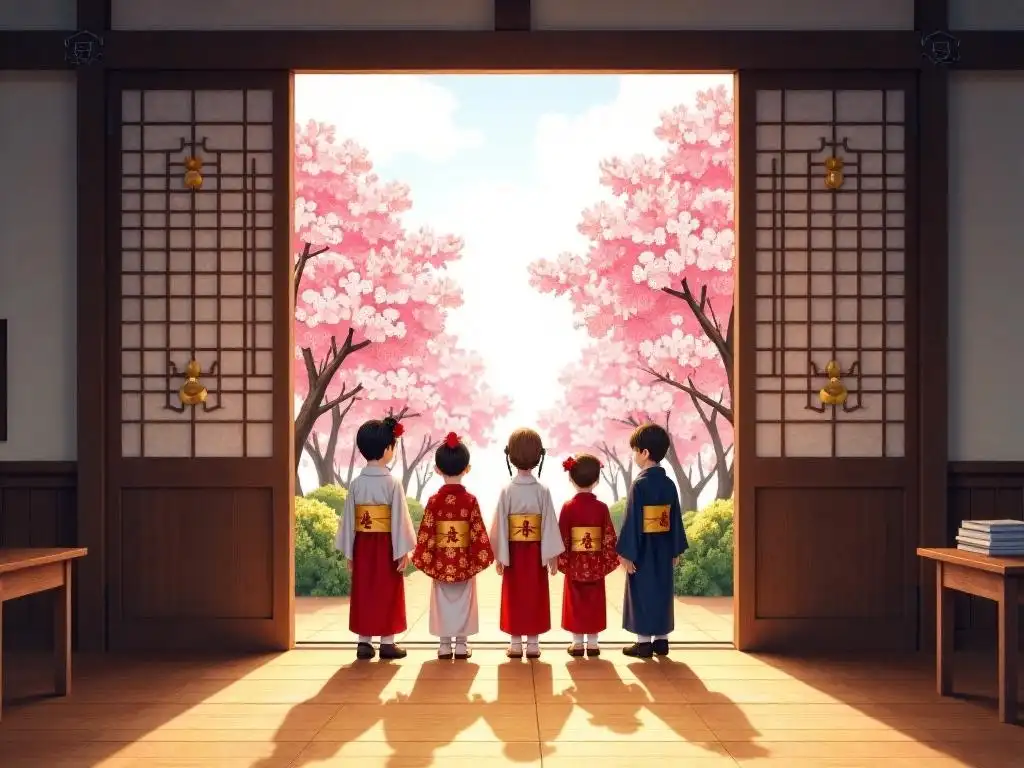
Welcome to Feudal Japan History, where we invite you to journey through the captivating tapestry of Japan’s feudal era. Here, we delve deep into the rich historical, cultural, and societal aspects that shaped this fascinating period. In our featured article, "The Curriculum of the Kuge: Education Among the Aristocracy," we unravel the intricacies of Kuge education and its profound impact on the lives of the nobility.
What did the elite learn, and how did it influence their roles in society? Prepare to uncover the secrets of the past and enrich your understanding of feudal Japan as you explore our expertly crafted content. Dive in, and let your curiosity guide you through this remarkable chapter of history!
Introduction to Kuge Education in Feudal Japan
The Kuge, or the court nobility of Japan, played a pivotal role in the country's feudal era, not just in politics but also in shaping cultural and educational practices. Understanding Kuge education in feudal Japan provides valuable insights into how this elite class influenced societal norms and values through their educational pursuits. This article delves into the intricate curriculum of the Kuge, shedding light on the methods and subjects that defined aristocratic learning, and exploring the broader implications of this education on Japanese society.
Definition of Kuge Education
Kuge education refers to the specialized educational practices and curricula that were prevalent among the Kuge, the aristocratic class that often held positions in the imperial court. This education was characterized by a focus on classical literature, poetry, calligraphy, and philosophy, with an emphasis on the cultivation of both intellect and artistic sensibility. The subjects taught were often derived from the Taoist, Confucian, and Buddhist traditions, reflecting the multifaceted influences that shaped elite education during the feudal period.
Importance of Education in the Aristocracy
Education held significant importance for the Kuge for several reasons:
- Cultural Preservation: The Kuge were responsible for preserving and transmitting Japan's rich cultural heritage, particularly through literature and the arts.
- Political Power: A well-educated aristocracy was better equipped to navigate the complexities of court politics and governance, thereby maintaining their influence and status.
- Social Status: Education was a marker of social status, and the Kuge sought to distinguish themselves from lower classes through their refined knowledge and skills.
Historical Context of Kuge Education
To fully appreciate the curriculum of Kuge education, it is essential to explore the historical context in which it developed. The Kuge emerged as a distinct social class during the Heian period (794-1185), a time marked by relative peace and stability that allowed for the flourishing of arts and culture.
The Role of Kuge in Feudal Japan
The Kuge played a critical role within the feudal hierarchy, often serving as advisors to the emperor and participating in key political decisions. Their education was not merely an academic pursuit; it was intertwined with their responsibilities as leaders and cultural custodians. The Kuge's influence extended beyond the court, impacting the broader societal landscape through their patronage of the arts and literature, which set standards for cultural excellence.
Evolution of Educational Practices Among the Kuge
Over the centuries, the educational practices of the Kuge evolved significantly. Initially, education was informal and largely based on mentorship and familial teachings. However, as Japan transitioned into the Kamakura (1185-1333) and Muromachi (1336-1573) periods, more structured educational institutions began to emerge, influenced by Confucian ideals. This shift resulted in a more formalized curriculum that included:
- Literature and Poetry: Emphasis on classical texts, with students often engaging in writing poetry and studying famous works.
- Philosophy and Ethics: Instruction in moral philosophy, particularly from Chinese sources, which informed the Kuge's understanding of governance and virtue.
- Arts and Calligraphy: Artistic skills were highly valued, and students were trained in various forms of art as a reflection of their sophistication and taste.
This educational evolution highlights how Kuge education not only adapted to the changing political landscape but also helped shape the values and culture of feudal Japan.
Key Components of the Kuge Curriculum
The education of the Kuge, the aristocratic class in feudal Japan, was a meticulously structured process that emphasized a rich blend of classical knowledge and practical skills. This curriculum was designed not only to cultivate the intellectual capabilities of young nobles but also to prepare them for their roles in governance, military leadership, and cultural patronage. The key components of the Kuge curriculum can be divided into several critical areas, each serving a unique purpose in shaping the character and abilities of the Kuge class.
Classical Literature and Poetry
Classical literature and poetry formed the cornerstone of Kuge education. The study of texts such as the Tale of Genji and Nara and Heian period poetry was essential in instilling a sense of cultural identity and refinement. Kuge students immersed themselves in the works of celebrated poets like Sei Shonagon and Matsuo Basho, learning to appreciate the subtleties of language and the aesthetics of expression.
Moreover, the ability to compose poetry was considered a mark of sophistication. Young aristocrats often participated in poetry contests, where they would showcase their skills in crafting waka and haiku. This not only fostered creativity but also helped cultivate social bonds among the Kuge, as they shared a common appreciation for the literary arts.
Ethics and Philosophy
Ethics and philosophy were integral to the Kuge curriculum, reflecting the values of Confucianism and Buddhism that permeated Japanese society during this period. Students studied texts that emphasized moral conduct, governance, and the importance of loyalty and duty.
The teachings of Confucius, along with indigenous philosophical thought, were particularly influential. Kuge were taught to balance personal ambition with the welfare of the state and family, fostering a sense of responsibility that extended beyond themselves. This ethical grounding was crucial for future leaders, as they were expected to navigate the complexities of feudal politics with integrity and wisdom.
Military Strategy and Leadership
Military strategy and leadership were also key elements of the Kuge education system. Given the tumultuous political landscape of feudal Japan, young nobles were trained in the arts of war, including tactics, strategy, and the principles of effective leadership.
Students learned from historical texts and military treatises, such as The Art of War by Sun Tzu, which informed their understanding of conflict and governance. Practical training often included horseback riding, archery, and swordsmanship, ensuring that the Kuge were not only scholars but also competent warriors. This dual focus prepared them to assume their roles as military leaders and protectors of their domains.
Art and Aesthetics
Art and aesthetics were paramount in Kuge education, reflecting the aristocracy's role as patrons of culture. Students were exposed to various forms of artistic expression, including painting, calligraphy, and tea ceremony. This education was not merely about skill acquisition; it was about understanding the philosophical underpinnings of aesthetics and the importance of beauty in life.
The study of aesthetics was intertwined with the appreciation of nature, as many artistic practices emphasized harmony with the natural world. Kuge students learned to recognize the significance of art as a means of personal expression and social commentary, further enriching their cultural heritage.
Methods of Instruction in Kuge Education
The methods of instruction in Kuge education were as varied as the subjects taught. Tutors, academies, and philosophical schools all played significant roles in shaping the educational landscape for young aristocrats. This multi-faceted approach ensured that the Kuge received a well-rounded education that prepared them for their multifaceted roles in society.
Private Tutors and Mentorship
Private tutors were a fundamental aspect of Kuge education, providing personalized instruction tailored to the individual needs and talents of each student. These tutors were often highly educated individuals themselves, bringing a wealth of knowledge and experience to their teaching.
Mentorship relationships were common, with young Kuge often paired with seasoned scholars or officials who guided their intellectual and moral development. This one-on-one interaction allowed for a deeper exploration of subjects, fostering critical thinking and analytical skills. Moreover, it created a network of knowledge transfer that was vital in maintaining the intellectual traditions of the Kuge class.
The Role of Academies and Learning Circles
In addition to private tutoring, formal academies and learning circles played a critical role in Kuge education. These institutions became centers of learning where students could engage with their peers, share knowledge, and develop critical social skills.
Academies often focused on specific disciplines, such as literature or military strategy, and offered a structured environment for rigorous academic pursuit. Learning circles, on the other hand, fostered collaborative learning and discussion, allowing students to debate ideas and refine their understanding of complex concepts. These collective educational experiences were essential in shaping the Kuge's collective identity and reinforcing their cultural values.
Influence of Zen and Other Philosophical Schools
The influence of Zen and other philosophical schools permeated Kuge education, infusing it with a spiritual dimension that transcended mere academic achievement. Zen principles, particularly those related to mindfulness, discipline, and the pursuit of enlightenment, found their way into the curriculum.
Students engaged with Zen teachings, which encouraged introspection and the cultivation of inner peace. This philosophical grounding complemented their studies in ethics and aesthetics, providing a holistic approach to education that emphasized not only intellectual development but also personal growth. The integration of Zen and other philosophical frameworks helped the Kuge navigate the complexities of their roles in a rapidly changing society, equipping them with the mental fortitude and ethical clarity required for leadership.
Comparison of Kuge Education with Commoner Education
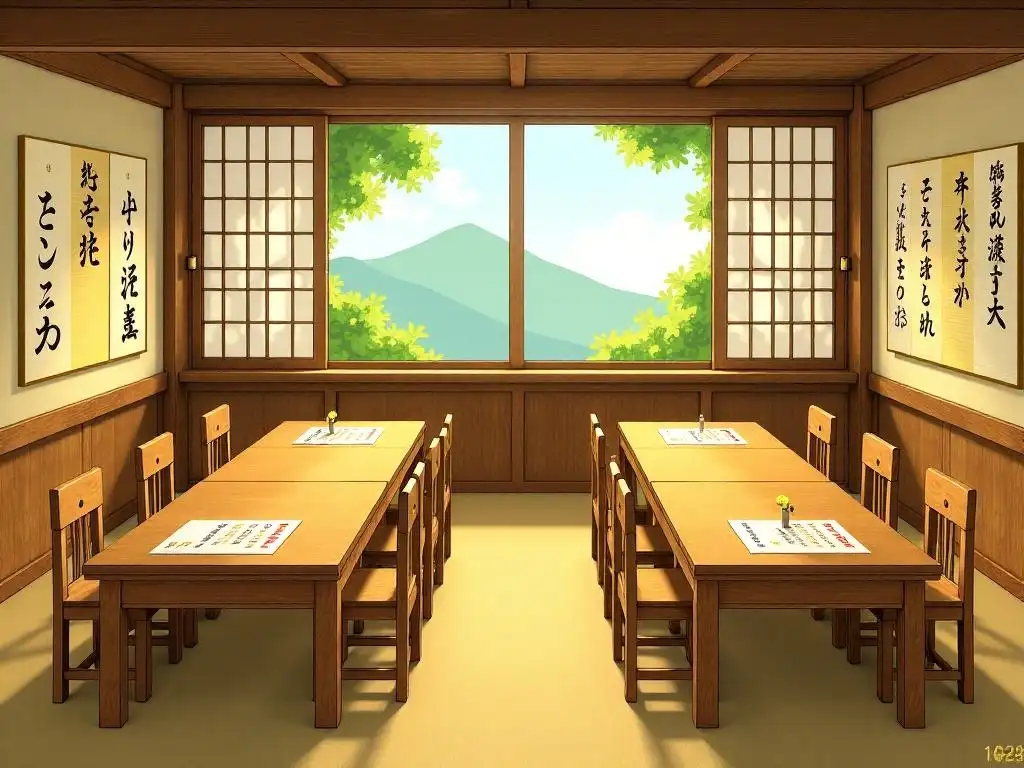
The education system in feudal Japan exhibited significant disparities between the aristocratic class, known as the Kuge, and the commoners. This divergence stemmed from the social stratification inherent in feudal society, leading to differences in curriculum, access to resources, and the resulting societal impacts.
Differences in Curriculum Focus
Kuge education was heavily influenced by Confucian ideals, focusing on moral development, literature, philosophy, and the arts. Subjects such as poetry, calligraphy, and classical Chinese texts were emphasized, fostering a well-rounded intellectual aptitude. The curriculum aimed to cultivate future leaders and officials who could uphold the values of the aristocracy.
In contrast, the education of commoners was primarily practical and vocational. Commoner children often learned skills relevant to their families’ trades, such as farming, craftsmanship, and basic literacy. While some temples and local schools provided instruction in reading and writing, the curriculum was less formalized and more utilitarian, reflecting the immediate needs of their communities rather than the broader philosophical teachings prioritized by the Kuge.
Access to Educational Resources
Access to educational resources further distinguished Kuge education from that of commoners. The Kuge had the privilege of attending prestigious schools and engaging private tutors, often from the elite class themselves. These resources allowed them to delve deeply into complex subjects and participate in cultural practices that were vital to their status.
On the other hand, commoners had limited access to formal education. Local temples sometimes offered basic literacy classes, but the quality and availability of education depended largely on geographic location and the resources of the community. The disparity in access meant that the Kuge were equipped with comprehensive educational backgrounds that facilitated their roles in governance and culture, while commoners were left with minimal educational opportunities.
Outcomes and Societal Impact
The outcomes of Kuge education were profound, shaping the leadership and cultural landscape of feudal Japan. Graduates of aristocratic education systems were typically well-prepared for roles in governance, contributing to the administration and cultural development of the nation. Their training enabled them to engage in diplomacy, literature, and the arts, which in turn influenced the broader society.
Conversely, the education of commoners resulted in a populace primarily skilled in labor and trades. While this was essential for the economy, it limited social mobility and the ability of commoners to influence political or cultural matters. The stark contrast in educational outcomes reinforced the existing social hierarchy, perpetuating the divide between the Kuge and the commoners.
The Role of Women in Kuge Education
Women's roles in Kuge education were marked by both opportunity and limitation. While education was generally more accessible for Kuge women compared to their commoner counterparts, societal expectations still confined their educational pursuits to certain subjects and purposes.
Education for Kuge Women
Kuge women received education primarily focused on the arts, literature, and household management. Training in poetry, music, and calligraphy was common, reflecting the values of grace and refinement associated with aristocratic women. However, their education was often tailored to prepare them for roles as wives and mothers, emphasizing skills that would enable them to manage households and contribute to their families' social standing.
Despite these limitations, some Kuge women were able to engage in scholarly pursuits and contribute to cultural life. Educational opportunities often depended on individual families and their views on women's education. Notable families might encourage their daughters to pursue knowledge more vigorously, allowing some women to participate in intellectual circles.
Influential Female Scholars and Educators
Throughout the feudal era, several Kuge women emerged as influential scholars and educators, challenging the traditional boundaries of their expected roles. One such figure was Murasaki Shikibu, the author of "The Tale of Genji," who is often considered the world's first novel. Her work not only demonstrated the literary capabilities of women but also highlighted the intellectual contributions Kuge women could make.
Another notable figure is Sei Shonagon, known for her writings in "The Pillow Book." Her reflections on court life and observations of society provided valuable insights into the culture of the Kuge, showcasing the depth of knowledge and perspective that educated women could offer.
These women serve as important examples of how Kuge education, despite its limitations, provided avenues for intellectual engagement and cultural contribution, enriching the history of feudal Japan.
Legacy of Kuge Education in Modern Japan
The educational practices of the Kuge, the aristocracy of feudal Japan, have left a lasting legacy that continues to influence contemporary Japanese society. This legacy is evident in various aspects of modern education, from the structure and philosophy of schools to the cultural values that underpin educational practices. The Kuge were known for their emphasis on classical learning, literature, and the arts, which laid the groundwork for a cultural appreciation that persists in Japan today.
The Kuge education system emphasized a holistic approach, focusing on moral development, intellectual growth, and cultural refinement. This comprehensive educational model has been echoed in modern Japanese schools, which often seek to develop well-rounded individuals capable of contributing to society in various ways. Furthermore, the Kuge's commitment to the arts and humanities has instilled a cultural reverence that is still prominent in contemporary education, promoting a strong sense of national identity and pride.
Impact on Contemporary Educational Systems
The influence of Kuge education can be observed in the structure of Japan's current educational system, which incorporates elements of traditional learning alongside modern pedagogical methods. The focus on literature, calligraphy, and poetry, which were central to Kuge education, can still be seen in curriculums that emphasize Japanese language and literature studies.
Moreover, the Kuge's approach to moral and ethical training laid the foundation for character education initiatives in modern Japanese schools. This focus on developing virtues such as respect, diligence, and harmony is a testament to the enduring impact of Kuge educational principles. The values imparted during Kuge education have woven themselves into the fabric of Japanese society, shaping expectations for behavior and civic responsibility among students.
Preservation of Kuge Educational Traditions
Efforts to preserve the traditions of Kuge education can be seen in various cultural institutions and educational initiatives throughout Japan. Many schools incorporate traditional arts such as Noh, tea ceremony, and ikebana into their curriculums, reflecting the Kuge's appreciation for aesthetic beauty and cultural heritage. These practices not only serve to educate students about their cultural roots but also foster a sense of community and continuity with Japan's aristocratic past.
In addition, numerous cultural organizations and festivals aim to celebrate and revive the arts and traditions associated with the Kuge, ensuring that these elements remain a vital part of Japan's educational landscape. The ongoing interest in classical literature and historical texts from the Kuge era highlights the importance of preserving this legacy for future generations.
Conclusion: The Significance of Kuge Education in Feudal Japan
The education of the Kuge played a crucial role in shaping the cultural and intellectual landscape of feudal Japan. By emphasizing moral development, classical learning, and the arts, Kuge education not only prepared the aristocracy for their roles in society but also contributed to the broader cultural identity of Japan.
Summary of Key Points
The curriculum of the Kuge was characterized by a balanced focus on intellectual pursuits, moral education, and appreciation for the arts. The legacy of this education system continues to influence modern Japanese educational practices and societal values. Key aspects include:
- A holistic approach to education that values intellectual, moral, and cultural development.
- The incorporation of classical literature and arts into contemporary education.
- The preservation and celebration of Kuge traditions in modern culture.
Reflection on the Influence of Kuge Education on Japanese Society
The influence of Kuge education extends beyond the classroom, permeating various facets of Japanese society. The ideals and values cultivated during this era have shaped cultural norms, social expectations, and even political structures. The emphasis on community, harmony, and respect for tradition has become integral to the Japanese way of life, illustrating the profound impact of Kuge education on both historical and contemporary society.
In reflecting on the significance of Kuge education, it becomes clear that its legacy is not merely an artifact of the past but a living influence that continues to inform the identity and cultural richness of modern Japan.
- Introduction to Kuge Education in Feudal Japan
- Historical Context of Kuge Education
- Key Components of the Kuge Curriculum
- Methods of Instruction in Kuge Education
- Comparison of Kuge Education with Commoner Education
- The Role of Women in Kuge Education
- Legacy of Kuge Education in Modern Japan
- Conclusion: The Significance of Kuge Education in Feudal Japan
Frequently Asked Questions
What was the Kuge in feudal Japan?
The Kuge were the aristocratic families in feudal Japan, holding significant political and cultural influence during the Heian period and beyond.
What subjects were included in the Kuge education curriculum?
The Kuge education curriculum focused on subjects like literature, poetry, calligraphy, and Confucian studies, aiming to cultivate refined scholars and leaders.
How did Kuge education differ from that of the commoners?
Unlike commoners, Kuge education was characterized by a private tutoring system, emphasizing cultural refinement and intellectual pursuits, rather than practical skills for agriculture or trade.
What role did Confucianism play in Kuge education?
Confucianism played a crucial role by promoting ethical governance and moral values, which were integral to the Kuge's responsibilities in society and politics.
How did the Kuge's education impact Japanese culture?
The Kuge's education contributed to a rich cultural heritage, fostering artistic expression and literary achievements that influenced Japanese society and intellectual thought for generations.
Final Reflection: The Enduring Legacy of Kuge Education in Feudal Japan
The exploration of Kuge education in feudal Japan reveals a profound connection between aristocratic learning and the shaping of societal values. In a time when knowledge was a privilege of the elite, the educational practices of the Kuge not only influenced the ruling class but also laid the groundwork for cultural and intellectual advancements that resonate even today. Understanding this historical context illuminates the intricate tapestry of education's role in shaping power dynamics and cultural identity.
The legacy of Kuge education continues to echo through modern Japanese society, reflecting the values of discipline, aesthetics, and intellectual pursuit that were hallmarks of the aristocracy. The emphasis on classical literature, poetry, and the arts fostered a rich cultural heritage that remains influential in contemporary Japan. Education is the most powerful weapon which you can use to change the world.
– Nelson Mandela. This quote underscores the transformative power of education, a principle that was deeply ingrained in the Kuge's approach to learning and governance.
As we reflect on the lessons from Kuge education, let us consider how we can apply these insights in our own lives. Take a moment to think about the values you hold dear and how education can empower you to make a difference in your community. Whether through formal education or self-directed learning, the pursuit of knowledge remains a vital tool for personal and societal growth. Embrace the spirit of the Kuge and strive to cultivate an environment where learning thrives, fostering a legacy of enlightenment for future generations.
Unveil the Secrets of Aristocratic Education!
Thank you for exploring the fascinating world of the Kuge and their unique educational practices! You've gained insight into how the aristocracy shaped the intellectual landscape of Feudal Japan. Now, it's time to take action and deepen your understanding even further.
Here’s how you can continue your journey:
- Dive Deeper: Explore additional resources on Feudal Japan to uncover the intricacies of education among samurai and merchants as well.
- Share Your Insights: Discuss your favorite aspects of Kuge education with friends or join an online forum to broaden the conversation and learn from others.
- Reflect and Write: Consider starting a journal to compare the educational philosophies of various classes in Feudal Japan and how they continue to influence modern societies.
Which aspects of the Kuge's educational style do you believe would still hold relevance in today's world?