
The Role of Humor in Feudal Japan: Jokes and Satire in Daily Life

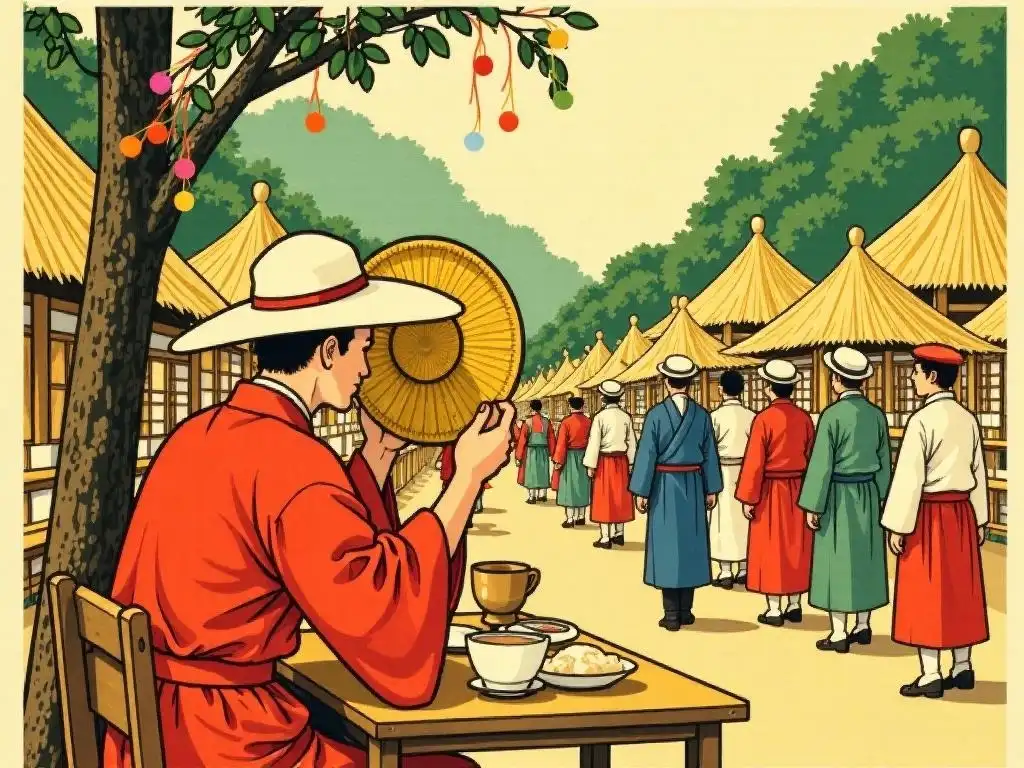
Welcome to Feudal Japan History, where we invite you to embark on a fascinating journey through the complexities of Japan's feudal era. Here, we delve deep into the historical, cultural, and societal intricacies that shaped this remarkable period. In our latest article, “The Role of Humor in Feudal Japan: Jokes and Satire in Daily Life,” we explore the unexpected yet vibrant world of humor that permeated everyday life.
Discover how laughter, wit, and satire not only entertained but also reflected the societal norms and challenges of the time. Join us as we unravel the layers of history, and prepare to be surprised by what you’ll uncover about the lighter side of feudal Japan!
Introduction to Humor in Feudal Japan
The role of humor in feudal Japan is a fascinating topic that intertwines with the rich tapestry of Japanese culture and societal norms during this period. From the Heian era to the Edo period, humor served not only as a source of entertainment but also as a means of social commentary and a reflection of the complexities of daily life.
As we delve into this subject, we will explore how jokes and satire permeated the lives of the samurai, merchants, and common folk, offering insights into their values, struggles, and interactions. Understanding the nuances of humor in feudal Japan allows us to appreciate its importance in shaping the cultural landscape and providing a lens through which we can view societal dynamics.
Understanding the Cultural Context of Humor
To fully appreciate humor in feudal Japan, it is essential to consider the cultural context in which it thrived. Japanese humor was often influenced by various artistic forms, including theater, literature, and poetry.
- Theater: Traditional forms of theater, such as Noh and Kabuki, incorporated humor through exaggerated characters and comedic skits.
- Literature: Satirical poetry and stories often highlighted the absurdities of life, poking fun at societal norms and behaviors.
- Everyday Life: Humor was a vital part of daily interactions, serving as a social lubricant that helped to ease tensions and foster camaraderie among people of diverse backgrounds.
In this context, humor acted as a mirror reflecting the values and beliefs of the society, revealing how individuals navigated the complexities of their lives.
The Significance of Humor in Japanese Society
Humor played a significant role in Japanese society, serving various functions that extended beyond mere amusement. It was often used as a tool for:
- Social Critique: Satire provided a means for individuals to critique authority, customs, and societal expectations without direct confrontation.
- Community Bonding: Shared laughter fostered a sense of community, enabling people to connect through common experiences and challenges.
- Coping Mechanism: Humor allowed individuals to cope with the hardships and uncertainties of feudal life, providing relief in times of strife.
Through these functions, humor emerged as an essential element of social fabric, reinforcing relationships and offering a respite from the rigors of daily existence.
Historical Overview of Humor in Feudal Japan
The historical evolution of humor in feudal Japan reflects the shifting dynamics of society and the arts. To understand this evolution, we can trace its development from the Heian period through to the Edo period.
The Evolution of Humor from the Heian Period to the Edo Period
During the Heian period (794-1185), humor was largely influenced by court culture and aristocratic sensibilities. Elegant verses and playful banter characterized this era, with humor often found in poetry competitions and courtly interactions.
As Japan transitioned into the Kamakura (1185-1333) and Muromachi (1336-1573) periods, humor began to adapt to the tastes of the emerging warrior class and the influence of Buddhism, which introduced more philosophical humor.
By the time of the Edo period (1603-1868), humor became more diverse and accessible to the masses. The rise of popular culture saw the emergence of:
- Ukiyo-e: Woodblock prints that depicted humorous scenes from everyday life.
- Joruri and Bunraku: Puppet theater that featured comedic narratives and characters.
- Rakugo: A form of storytelling that used humor to engage audiences, often involving elaborate puns and wordplay.
This evolution highlights the changing societal values and the democratization of humor, making it an integral aspect of daily life across all social classes.
Influential Figures in Japanese Comedy
Throughout the history of feudal Japan, several influential figures played pivotal roles in shaping the landscape of humor. Notable among them were:
- Seami Motokiyo: A playwright and actor who contributed significantly to Noh theater, incorporating humor into his performances.
- Ikkyu Sojun: A Zen monk known for his witty poems and sayings that often contained a humorous twist on serious topics.
- Tsuruya Namboku IV: A playwright during the Edo period whose works featured rich comedic elements and social satire.
These figures, among others, laid the groundwork for the humor that would continue to evolve in Japan, influencing contemporary comedic expressions and highlighting the enduring legacy of humor in Japanese culture.
Types of Humor in Feudal Japan
Humor in feudal Japan was multifaceted, reflecting the complexities of its society and cultural norms. Various types of humor emerged, serving different purposes, from entertainment to social critique. The primary categories of humor included traditional jokes, satire, and wordplay, each playing a unique role in the daily lives of the people.
Traditional Jokes and Their Cultural Significance
Traditional jokes in feudal Japan often revolved around common situations, social hierarchies, and the foibles of human nature. These jokes were typically light-hearted, designed to amuse and entertain while offering a glimpse into the societal values of the time. For instance, many jokes featured a humorous take on the relationships between samurai, farmers, and merchants, highlighting the absurdities of their interactions.
The cultural significance of these jokes lies in their ability to foster a sense of community and shared experience. They were often passed down through oral tradition, becoming a part of the collective identity of various social classes. Furthermore, these jokes served as a subtle form of resistance against the rigid social structures, allowing individuals to express their frustrations and critique authority in a safe and humorous way.
Satire and Social Commentary in Feudal Society
Satire played a crucial role in feudal Japanese humor, often targeting the elite and those in power. Writers and performers used satire to comment on political issues, social injustices, and the hypocrisy of the ruling classes. This form of humor was particularly potent during times of political unrest, as it provided a voice for the disenfranchised and a means to provoke thought among the populace.
For example, the works of satirical poets and playwrights often included exaggerated portrayals of corrupt officials or foolish samurai, prompting audiences to reflect on the moral and ethical implications of their actions. This type of humor not only entertained but also encouraged critical thinking and discussion about societal norms and expectations.
Use of Wordplay and Puns in Everyday Life
Wordplay and puns were a staple of humor in feudal Japan, often employed in casual conversations and storytelling. The Japanese language, rich with homophones and nuanced meanings, provided fertile ground for clever linguistic jokes that could amuse listeners and engage them in playful banter.
These forms of humor were not just for entertainment; they also served practical purposes. For instance, wordplay could lighten the mood in social gatherings, facilitate bonding among individuals, and even ease tensions in hierarchical interactions. The art of crafting puns became a valued skill, reflecting a person's wit and intelligence.
Humor in Literature and Performance
Humor in feudal Japan was not confined to verbal exchanges; it permeated literature and performance arts, enriching the cultural landscape. The integration of comedic elements in various forms of artistic expression allowed humor to resonate with broader audiences, fostering a deeper appreciation of life's absurdities.
Comic Elements in Japanese Literature
Japanese literature of the feudal era often incorporated comic elements that provided relief amidst serious themes. Notable works, such as "The Tale of the Heike," included humorous anecdotes that contrasted with the gravity of the overarching narratives.
These comic elements served multiple purposes: they lightened the tone of the stories, created memorable characters, and offered insights into human behavior. Additionally, humor was used to challenge social norms and critique societal issues, making literature a powerful medium for both entertainment and reflection.
The Role of Kabuki and Noh Theatre in Humor
Kabuki and Noh theatre were vital components of feudal Japanese entertainment, with each form showcasing humor in unique ways. Kabuki, known for its vibrant performances and exaggerated expressions, often featured comedic skits that entertained audiences with their wit and humor. The interplay of characters, especially in the context of mistaken identities or humorous situations, brought laughter to the forefront of the experience.
Conversely, Noh theatre, with its more subdued and poetic style, also utilized humor, albeit in a subtler manner. The use of irony and the contrast between the serious nature of the performances and occasional comic relief served to enhance the overall emotional experience. Both forms of theatre contributed significantly to the cultural fabric of feudal Japan, illustrating the diverse expressions of humor in daily life and society.
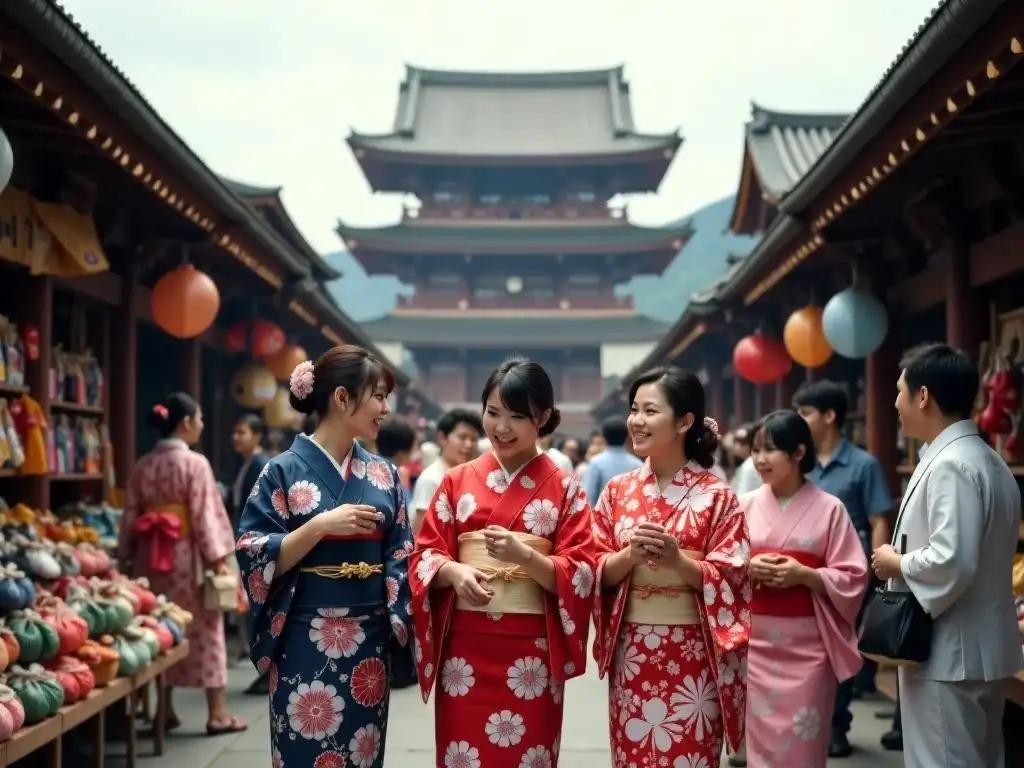
Humor played a multifaceted role in feudal Japan, serving not only as a source of entertainment but also as a significant social tool. It permeated various aspects of life, from the commoner's daily interactions to the higher echelons of samurai culture. The social functions of humor can be categorized into tools for critique, community bonding, and even as a reflection of societal norms and hierarchies. By examining these aspects, we can gain insight into how humor was woven into the fabric of daily life in feudal Japan.
Humor as a Tool for Social Critique
In feudal Japan, humor often transcended mere jest, evolving into a potent means of social critique. Satirical works, such as the Noh and Kabuki theater, employed humor to address societal issues and challenge authority. These performance arts often incorporated jokes and comedic elements that pointedly critiqued the ruling class and their policies. For instance, playwrights used humor to expose the absurdities of feudal hierarchies, highlighting the disconnect between the aristocracy and the common people.
Moreover, written literature, such as Ukiyo-zōshi (floating world novels), often featured humor to comment on the follies of society. Characters would engage in witty banter that allowed authors to subtly critique social norms without facing direct repercussions. This clever use of humor enabled the populace to reflect on their societal conditions while providing an outlet for frustration against the rigid class structures of the time.
The Role of Humor in Strengthening Community Bonds
Humor served as a vital mechanism for strengthening community bonds in feudal Japan. Festivals and communal gatherings frequently included comedic performances, allowing individuals to share laughter and foster camaraderie. These events were characterized by humorous storytelling, puppet shows, and folk plays, which not only entertained but also reinforced social ties among participants.
Additionally, within villages and towns, humor acted as a social glue. Jokes and anecdotes circulated orally among residents, providing common ground and shared experiences. This communal humor helped to alleviate tensions, build solidarity, and create a sense of belonging. The shared laughter during communal activities allowed people to momentarily escape the rigors of daily life, creating lasting connections through shared joy and collective experiences.
Gender and Humor in Feudal Japan
The interaction between gender and humor in feudal Japan reveals significant insights into societal norms and expectations. Humor was not solely a male domain; rather, women also played a critical role in comedic expression. However, the ways in which humor was manifested and perceived differed based on gender.
Women’s Role in Humor and Satire
Women in feudal Japan often utilized humor as a means of expression and resistance. Through poetry, storytelling, and performance, women conveyed their thoughts on domestic life, societal pressures, and the expectations placed upon them. Works by female authors, such as Sei Shonagon, showcased wit and humor that provided a lens into the lives of women during this era.
In the context of comedy, women also participated in the entertainment industry, especially in forms like Kabuki, where female roles were sometimes played by men. Despite the restrictions imposed on women in the public sphere, their contributions to humor and satire served as a subtle form of empowerment, allowing them to voice their perspectives in a male-dominated society. Through humor, women could navigate their roles and challenge the boundaries of their existence.
Gendered Perspectives on Jokes and Comedy
The reception of humor in feudal Japan was often colored by gendered perspectives. Jokes and comedic narratives could reflect the societal expectations of masculinity and femininity. While men were typically the primary subjects of humor, often portrayed as foolish or overly ambitious in comedic tales, women’s humor was frequently centered around domesticity and personal relationships.
Furthermore, the types of humor that were deemed acceptable also varied by gender. Male humor often embraced boldness and bravado, while women's humor tended to be more subtle and nuanced, focusing on irony and satire regarding household dynamics. This gendered bifurcation of humor not only highlights the societal roles of men and women but also underscores the complex relationship between humor, gender identity, and cultural expectations in feudal Japan.
The exploration of humor in feudal Japan reveals its intricate ties to social critique, community bonding, and gender dynamics, reflecting a rich cultural tapestry that adds depth to our understanding of daily life during this historical period.
Case Studies of Notable Jokes and Satirical Works
Humor in feudal Japan was not merely a light-hearted diversion; it served as a powerful tool for social commentary and critique. Various forms of humor, from witty jokes to satirical literature, played a significant role in reflecting and shaping societal norms. Among the notable works that captured the essence of humor during this period are "Shank's Mare" and "The Tale of the Heike." These pieces not only entertained but also provided insight into the prevalent attitudes and beliefs of the time.
Analysis of "Shank’s Mare" (Shank's Mare)
"Shank's Mare," a term referring to traveling by foot, encapsulates the humor of the common people in feudal Japan. This collection of humorous anecdotes and tales highlights the everyday struggles and absurdities faced by individuals during this era. The stories often employed clever wordplay, puns, and situational comedy to engage audiences.
For example, one popular tale involves a hapless traveler who misplaces his belongings during a journey, leading to a series of comical misunderstandings and mishaps. This narrative not only evokes laughter but also reflects the frustrations of travel in an age without modern conveniences. The humor found in "Shank's Mare" serves as a reminder of the resilience and adaptability of people as they navigated the challenges of daily life, often finding joy in the mundane and absurd.
The Impact of "The Tale of the Heike" on Feudal Society
"The Tale of the Heike," an epic account of the rise and fall of the Taira clan, is rich with humor that provides a counterbalance to its tragic themes. While primarily a historical narrative, the text includes moments of satire and comedic relief that serve to humanize its characters and critique societal norms.
One notable aspect of humor in this work is the portrayal of the samurai. The warriors, often depicted as noble and honorable, are also shown in humorous light, engaging in foolish behavior or getting caught in absurd situations. This duality reflects the complexities of feudal society, where honor and folly coexisted. The humor in "The Tale of the Heike" not only entertained audiences but also invited them to reflect on the nature of power, loyalty, and the human condition.
The Legacy of Humor in Feudal Japan
The humor that flourished during feudal Japan has left an enduring legacy that continues to influence contemporary Japanese culture. Understanding the role of humor in this historical context provides valuable insights into the cultural fabric of Japan and its evolution over time.
How Humor Influences Modern Japanese Culture
Modern Japanese culture is deeply intertwined with its rich comedic heritage. The traditional forms of humor, including rakugo (a form of storytelling) and kyōgen (comic theater), can trace their roots back to feudal times. These art forms often incorporate elements of satire and social commentary, much like their historical counterparts.
In contemporary media, humor remains a vital aspect of Japanese entertainment. Anime, manga, and television shows frequently employ humor to address societal issues, reflecting the ongoing tradition of using comedy as a medium for critique and reflection. The legacy of feudal humor persists, demonstrating its significance in shaping modern Japanese identity.
Reflections on Humor in Contemporary Society
In today’s society, humor serves as a lens through which people can navigate complex social issues. Just as in feudal Japan, humor provides a means of coping with challenges and fostering connections among individuals. The comedic expressions that emerged during the feudal era have evolved, but the underlying themes of resilience, absurdity, and social critique remain.
Contemporary comedians often draw inspiration from historical jokes and satirical works, blending them with modern contexts to resonate with audiences. This continuity highlights how humor transcends time, adapting to the changing landscape of society while retaining its core function as a tool for reflection and connection. The legacy of humor from feudal Japan thus continues to enrich the cultural dialogue in contemporary society, reminding us of the enduring power of laughter.
Conclusion: The Enduring Impact of Humor in Feudal Japan
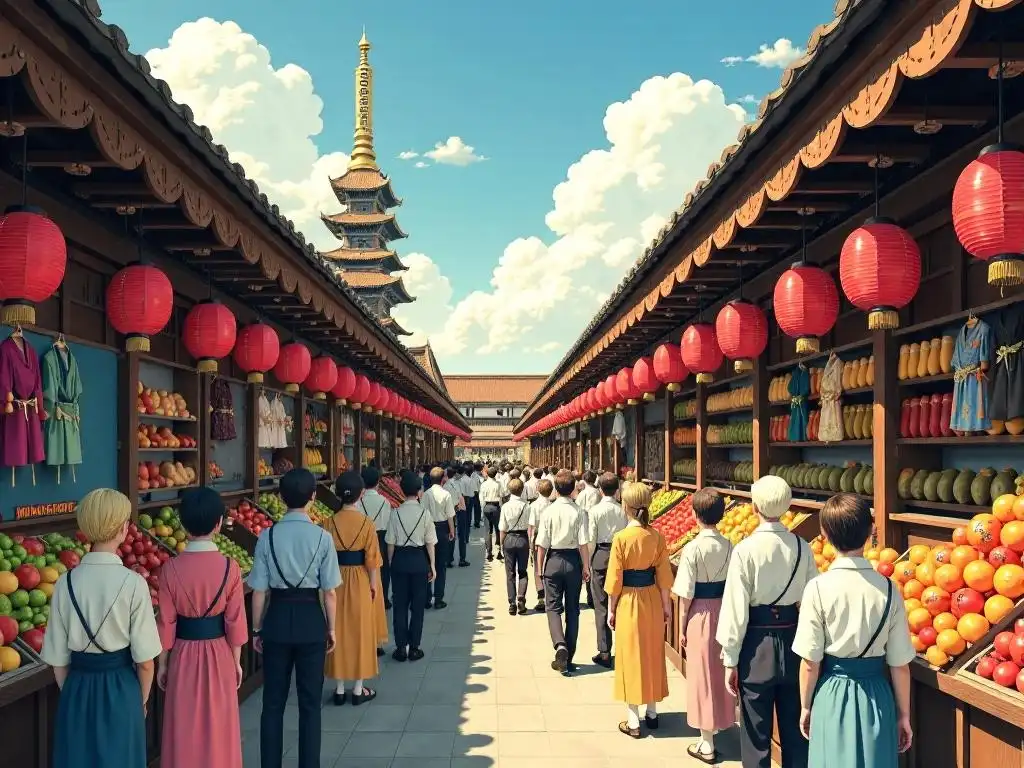
The role of humor in feudal Japan was multifaceted, influencing various aspects of daily life and shaping the cultural identity of the era. From the witty banter of kabuki performances to the clever wordplay found in literature and art, humor served not only as entertainment but also as a means of social commentary. It provided a coping mechanism for the populace, allowing them to navigate the complexities of a rigid social hierarchy and the challenges of their time.
Humor often acted as a bridge between different social classes, enabling people to share laughter despite their differences. The jokes and satire that permeated daily life reflected both the struggles and the resilience of the Japanese people, demonstrating how humor could unite them in the face of adversity.
Summary of Key Points
- Cultural Significance: Humor in feudal Japan was deeply embedded in the culture, influencing literature, theater, and everyday interactions.
- Social Commentary: Jokes and satire were often used to critique societal norms and the ruling class, making humor a tool for subtle rebellion.
- Entertainment Forms: Various forms of entertainment, including kabuki and rakugo, showcased humor's role in society, providing both amusement and reflection of societal issues.
- Coping Mechanism: Humor served as a way for people to cope with the hardships of life during the feudal era, offering a sense of relief and community.
Final Thoughts on the Role of Humor in Cultural Identity
The legacy of humor in feudal Japan continues to resonate in contemporary Japanese culture. Understanding this historical facet reveals how humor shaped not only individual identities but also collective experiences. As a reflection of societal values and concerns, humor allowed people to express dissent, connect with one another, and navigate the complexities of their social environment.
The enduring impact of this humor can still be observed in modern Japanese entertainment, where elements of satire and wit remain prevalent. By studying the role of humor in feudal Japan, we gain insight into the resilience and adaptability of a culture that continues to thrive and evolve.
References and Further Reading on Humor in Feudal Japan
Recommended Books and Articles
-
"The Comic Spirit in Japanese Art" by Michael F. Marra
This book explores the intersection of humor and art in Japan, providing a historical context for comedic expressions.
-
"Japanese Humor: A Cultural Perspective" by Hiroshi Tanaka
Tanaka's work delves into the nuances of Japanese humor, tracing its roots from feudal times to modern-day expressions.
-
"The World of Kabuki: The Art of Japanese Theater" by Yoshiko Okuyama
This book provides an in-depth look at kabuki theater, highlighting its role in the comedic landscape of feudal Japan.
Online Resources for Exploring Japanese Humor
- The Japan Times - Humor in Japan: This online resource offers articles and insights into the evolution of humor in Japan from historical and contemporary perspectives.
- NHK World - The Laughter of Japan: A documentary series that explores the various forms of humor in Japan, including traditional and modern practices.
- Japanese Folklore and Humor: A blog dedicated to the exploration of folklore in Japanese culture, including humorous tales and their significance.
These resources will provide readers with a deeper understanding of the rich tapestry of humor that characterized feudal Japan and its lasting influence on Japanese culture today.
- Introduction to Humor in Feudal Japan
- Historical Overview of Humor in Feudal Japan
- Types of Humor in Feudal Japan
- Humor in Literature and Performance
- The Social Functions of Humor in Feudal Japan
- Gender and Humor in Feudal Japan
- Case Studies of Notable Jokes and Satirical Works
- The Legacy of Humor in Feudal Japan
- Conclusion: The Enduring Impact of Humor in Feudal Japan
- Summary of Key Points
- Final Thoughts on the Role of Humor in Cultural Identity
- References and Further Reading on Humor in Feudal Japan
Frequently Asked Questions
What was the role of humor in feudal Japan?
Humor in feudal Japan served as a social lubricant, helping to ease tensions and foster relationships among different classes. It was often expressed through jokes, satire, and performative arts.
How did humor reflect societal norms during feudal Japan?
Humor often mirrored the social hierarchy of feudal Japan, with jokes about samurai and peasants revealing underlying tensions. It was a way for people to critique societal norms while maintaining a semblance of respect.
What forms of humor were common in feudal Japan?
Popular forms of humor included narrative storytelling, kyōgen (comic theater), and puns. These mediums allowed for the expression of wit and satire, often addressing everyday life and societal issues.
How was satire used in feudal Japan?
Satire in feudal Japan was used to criticize political figures and social practices. It often provided a platform for commentary on the absurdities of life, enabling audiences to reflect on their own circumstances.
Are there modern influences of feudal Japanese humor?
Yes, aspects of feudal Japanese humor can be seen in contemporary Japanese culture, such as in manga, anime, and stand-up comedy. These modern forms often draw on historical themes and styles that originated in the feudal era.
Final Reflection: The Enduring Legacy of Humor in Feudal Japan
The exploration of humor in feudal Japan reveals its profound relevance in today's society, illustrating how laughter transcends time and culture. In an era often characterized by strict social hierarchies and rigid norms, humor served as a vital tool for expression and resistance. It reminds us that even in the most challenging circumstances, the human spirit finds ways to connect, cope, and critique. The ability to laugh at oneself and the world around us is not just a relic of the past; it is a fundamental aspect of our shared humanity.
Culture is a living tapestry, woven with threads of humor that reflect societal values and struggles. The jokes and satire of feudal Japan not only entertained but also provided a lens through which to view the complexities of life during that time. As we navigate our own social landscapes, we can draw parallels to the past, recognizing that humor continues to play a crucial role in shaping our identities and fostering community. Laughter is the shortest distance between two people.
– Victor Borge. This quote encapsulates the essence of humor as a bridge that connects individuals across different backgrounds and experiences.
As we reflect on the lessons of humor in feudal Japan, let us embrace the power of laughter in our own lives. Consider how humor can serve as a tool for resilience, a means of connection, and a way to challenge the status quo.
I invite you to explore the moments of levity in your daily life, to share a laugh with others, and to recognize the importance of humor in fostering understanding and compassion. In doing so, we honor the legacy of those who used humor as a means of navigating their world, and we pave the way for a future where laughter continues to unite us all.
Discover How Humor Shaped Life in Feudal Japan!
Thank you for taking the time to delve into the fascinating world of humor in Feudal Japan! You've uncovered how jokes and satire played a significant role in daily life, highlighting the resilience and creativity of individuals during that era. Now, it's time to bring that inspiration to your own experiences and interactions.
Here’s how you can explore and embrace the power of humor today:
- Incorporate humor into your daily routine by sharing a classic joke or recounting a funny story from your day. You might be surprised at how laughter can lighten the mood and strengthen connections.
- Immerse yourself in the art of satire by observing current events through a humorous lens. Consider writing a light-hearted article or creating an amusing social media post that reflects modern society.
- Join or initiate a community discussion about the significance of humor in history. Engage with others who appreciate comedy, whether through an online forum, a local gathering, or social media platforms.
How has humor impacted your life or the lives of those around you? We invite you to share your thoughts and experiences with us!