
Rethinking Education: How the Meiji Restoration Changed Feudal Learning Systems

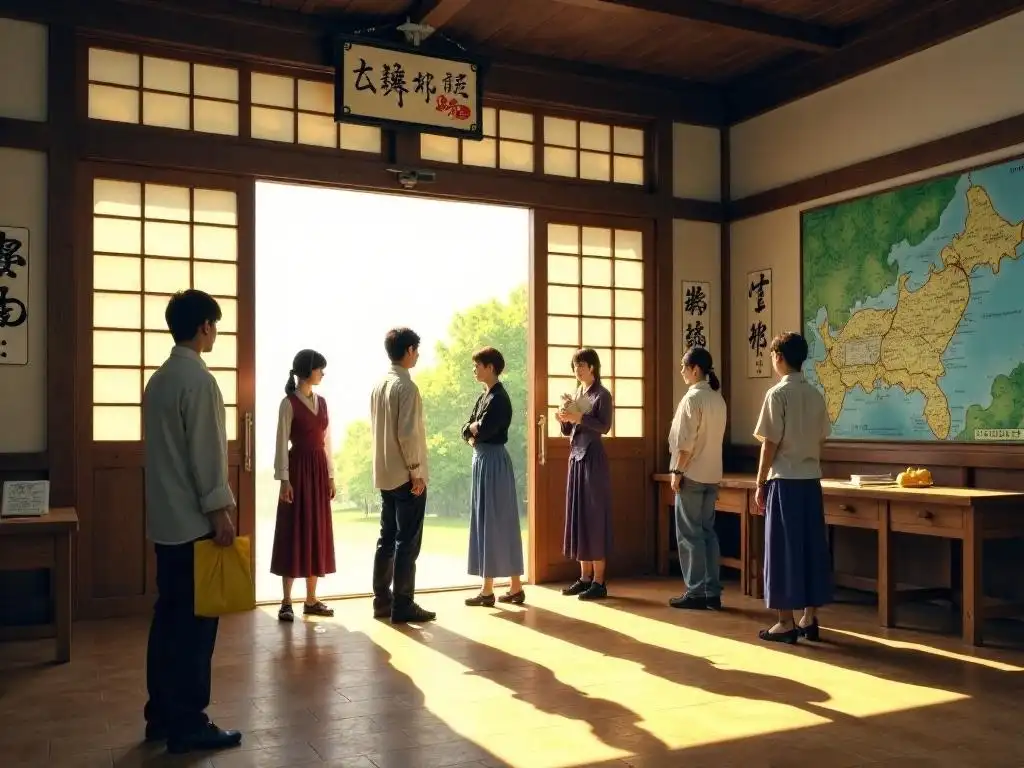
Welcome to Feudal Japan History, where we embark on a fascinating journey through the intricate tapestry of Japan’s feudal era. Here, we delve into the profound transformations that shaped not only the society but also the educational landscape of this remarkable period. In our featured article, "Rethinking Education: How the Meiji Restoration Changed Feudal Learning Systems," we unravel the revolutionary changes brought forth by the Meiji Restoration and their lasting impact on Japan's educational practices.
Prepare to be captivated as we explore how the echoes of the past continue to resonate in modern learning. Dive in, and let's uncover the secrets of this pivotal era together!
Introduction to the Meiji Restoration and Education
The Meiji Restoration, which began in 1868, marked a significant turning point in Japan's history, fundamentally altering its societal structures and cultural norms. One of the most profound transformations during this period was in the realm of education. The traditional learning systems that had persisted throughout the feudal era were radically restructured to align with modern, Western educational practices.
This shift not only redefined the role of education in Japanese society but also laid the groundwork for Japan's emergence as a global power. In this article, we will delve deeply into the Meiji Restoration education changes, examining how these changes reformed the educational landscape and influenced various aspects of Japanese life.
Overview of the Meiji Restoration
The Meiji Restoration was initiated in response to the growing pressure from Western powers, which exposed Japan's vulnerabilities and prompted a collective desire for modernization. The new government aimed to strengthen Japan through the adoption of Western technologies, governance, and educational methodologies. By dismantling the feudal system and promoting a centralized government, the Meiji leaders sought to unify the nation and foster a sense of national identity. The implementation of a national education system was paramount to these goals, as it would cultivate a literate and skilled populace capable of contributing to the nation’s modernization.
Importance of Education in Feudal Japan
In feudal Japan, education was largely a privilege reserved for the samurai class and was predominantly focused on preparing individuals for military service and governance. The educational practices of this period were deeply intertwined with social hierarchy, reinforcing class distinctions. Knowledge was often imparted through informal means, such as family lineage and local temple schools, which catered to the needs of specific classes. Understanding the importance of education during this era requires an appreciation of how it shaped societal roles and influenced the power dynamics that existed within feudal Japan.
The Feudal Learning Systems Before the Meiji Restoration
Traditional Education Methods in Feudal Japan
Before the Meiji Restoration, education in Japan was characterized by a disjointed system that varied greatly depending on one’s social class and region. The primary forms of education included:
- Temple Schools (Terakoya): These institutions primarily served the lower classes and focused on basic literacy, moral education, and practical skills.
- Confucian Academies (Shoheiko): These were established for the samurai and elite classes, emphasizing Confucian texts, philosophy, and governance.
- Private Tutors: Wealthy families often employed private tutors, who provided personalized education in various subjects to their children.
The lack of a cohesive national curriculum resulted in educational disparities across the country, limiting access to knowledge and fostering a rigid class system.
Confucian Influence on Learning
Confucianism played a crucial role in shaping educational practices in feudal Japan. It emphasized moral integrity, social harmony, and respect for authority, which were reflected in the educational curriculum. Confucian teachings were primarily aimed at the samurai class, instilling values such as loyalty, filial piety, and civic duty. This system not only educated individuals but also reinforced the social order, ensuring that the samurai remained the ruling elite.
Role of Samurai in Education
The samurai class held a significant position in the educational landscape of feudal Japan. As both warriors and scholars, samurai were expected to be well-versed in various disciplines, including literature, philosophy, and martial arts. Their role as educators was pivotal, as they often took on the responsibility of teaching younger generations, thereby perpetuating the feudal values and knowledge systems. The samurai’s involvement in education ensured that the principles of loyalty, honor, and duty remained central to the learning processes of the time.
As we further explore the impact of the Meiji Restoration on education, it is essential to recognize how these foundational aspects of feudal learning systems were reimagined to meet the demands of a rapidly changing society.
Key Changes in Education During the Meiji Restoration
The Meiji Restoration, which began in 1868, marked a pivotal transformation in Japan's educational landscape. Prior to this period, the feudal education system was largely insular, catering primarily to the samurai class and focusing on Confucian teachings and practical skills necessary for governance and military service.
The Restoration challenged these norms, implementing a series of reforms that redefined education across all societal strata. Notably, the shift towards a more inclusive and modern educational framework was characterized by three major changes: the abolishment of the feudal education system, the introduction of Western educational models, and the establishment of public education systems.
Abolishment of the Feudal Education System
The first significant step taken during the Meiji Restoration was the dismantling of the feudal education system, which had perpetuated class divisions and limited educational access. Under the Tokugawa shogunate, education was primarily reserved for the samurai, with a curriculum focused on classical texts, ethics, and martial skills. The Meiji government recognized that a more equitable education system was essential for national progress.
Consequently, in 1872, the government issued the Education Order, which abolished the existing feudal structures and aimed to provide education to all citizens, regardless of their social status. This radical change not only democratized education but also sought to foster a sense of national identity and unity among the populace.
Introduction of Western Educational Models
With the intent of modernizing Japan, the Meiji government actively sought to incorporate Western educational practices and philosophies. This included adopting a curriculum that emphasized science, mathematics, and foreign languages, which were essential for Japan's industrialization and internationalization efforts. Educational experts and advisors from Western countries were invited to help design new schools and training programs. The establishment of universities, such as the Imperial University in 1877, reflected this shift toward higher education modeled after Western institutions. These changes enriched the educational experience, promoting critical thinking and innovation, which were vital for Japan's emergence as a global power.
Establishment of Public Education Systems
One of the most significant achievements of the Meiji Restoration was the establishment of a nationwide public education system. The government implemented a compulsory education law in 1872, requiring six years of schooling for children. This marked a dramatic departure from the previous system, where education was largely private or limited to the elite.
Schools were built across the country, with a focus on accessibility and inclusivity. The curriculum was standardized, ensuring that all children received a similar education, which included moral education, physical training, and academic subjects. This public education system laid the groundwork for Japan's future educational advancements and significantly contributed to the literacy rate and general knowledge of the population.
The Impact of Meiji Restoration Education Changes on Society
The educational reforms during the Meiji Restoration had profound and far-reaching effects on Japanese society. As education became more accessible and diverse, it catalyzed significant societal transformations that reshaped Japan's cultural and social fabric.
Societal Transformations Through Education
The changes in education fostered a more informed and engaged citizenry, which played a crucial role in the societal transformations of the Meiji era. With increased access to education, individuals from various backgrounds began to participate in public life and discourse, leading to a surge in civic engagement and a burgeoning sense of national pride.
The emphasis on moral education instilled values of loyalty, duty, and respect for the nation, shaping a collective identity that transcended class divisions. As a result, education became a vehicle for social mobility and empowerment, allowing previously marginalized groups to rise in status and influence.
Rise of New Educational Institutions
In addition to public schools, the Meiji Restoration saw the emergence of new educational institutions that catered to diverse interests and needs. Vocational schools and technical colleges were established to equip students with practical skills necessary for the burgeoning industries and economy. Furthermore, higher education institutions began to proliferate, promoting research and innovation. The introduction of women's education also gained momentum, with female schools founded to provide girls with academic and vocational training. This diversification of educational institutions contributed to a more dynamic society, capable of adapting to the challenges of modernization.
Influence on Japanese Culture and Identity
The educational reforms during the Meiji Restoration not only transformed the societal structure but also had a lasting impact on Japanese culture and identity. The integration of Western knowledge and philosophies introduced new ideas and artistic expressions, leading to a cultural renaissance. As students were exposed to different worldviews, they began to question traditional norms and values, contributing to a more progressive society.
The cultivation of a national identity rooted in education helped shape Japan’s cultural narrative, blending traditional Japanese elements with modern influences. This synthesis laid the foundation for contemporary Japanese culture, which continues to reflect the dual influences of its rich history and the modern world.
Challenges Faced During the Transition

The transition from feudal learning systems to a more modernized educational framework during the Meiji Restoration was fraught with numerous challenges. This period marked a significant shift in Japan's approach to education, necessitating an overhaul of existing practices and the introduction of new methods that better aligned with Western ideals. The complexities of this transformation were multifaceted, involving societal resistance, issues of access and quality, and the delicate balance of integrating foreign influences while preserving Japanese cultural heritage.
Resistance from Traditionalists
One of the most formidable challenges was the resistance from traditionalists who held firmly to the established feudal educational systems. Many educators and scholars from the Edo period were skeptical of the Western models being proposed, viewing them as a threat to Japan’s cultural identity and social structure. This resistance was not merely ideological; it was also rooted in a deep-seated belief that the traditional methods, which emphasized moral education and loyalty to the samurai class, were essential to the fabric of Japanese society.
Opposition manifested in various ways, including protests and calls to maintain the status quo. Many samurai families, who had historically been the patrons of education, were particularly averse to changes that diminished their role and influence in society. This pushback slowed the implementation of educational reforms and necessitated a more strategic approach by Meiji leaders to advocate for and explain the necessity of modernization.
Issues of Accessibility and Quality
As the Meiji government sought to establish a more centralized and systematic educational framework, issues of accessibility and quality came to the forefront. While the aim was to provide education to all citizens, disparities remained, particularly between urban and rural areas. Many rural communities lacked the infrastructure and resources necessary to establish schools, leading to significant gaps in educational opportunities.
Moreover, the quality of education varied widely, often depending on the training of teachers and the availability of educational materials. In an effort to rapidly expand the educational system, the government sometimes prioritized quantity over quality, resulting in inadequately trained teachers and poorly equipped schools. This unevenness in educational standards raised concerns about the effectiveness of the new system in fostering a well-educated citizenry capable of contributing to Japan’s modernization.
Balancing Western Influence with Japanese Heritage
The influx of Western educational ideals posed another significant challenge: how to integrate these new ideas while preserving Japan’s rich cultural heritage. The Meiji Restoration was characterized by a strong desire to adopt Western technology and knowledge, yet there was an equally compelling need to ensure that these changes did not erase Japan’s identity.
Efforts were made to blend Western curricula with traditional Japanese values. For instance, while Western sciences and mathematics were introduced into the curriculum, subjects like calligraphy, Confucian ethics, and Japanese history were retained to maintain a sense of cultural continuity. This balancing act required careful consideration from educational policymakers, as they navigated the complexities of modernization without alienating those who valued traditional practices.
Legacy of the Meiji Restoration on Modern Education in Japan
The legacy of the Meiji Restoration is profound, leaving an indelible mark on Japan’s modern educational landscape. The reforms enacted during this era laid the groundwork for a national education system that has evolved yet retained key characteristics established in the late 19th century. Understanding this legacy requires examining the lasting effects of these educational reforms, how they compare with contemporary systems, and the ongoing influence of Meiji ideals.
Lasting Effects of Educational Reforms
The educational reforms introduced during the Meiji Restoration have had lasting effects on Japan’s approach to education. The establishment of compulsory education in 1872 marked a pivotal shift, ensuring that all children received basic schooling. This commitment to education paved the way for Japan to emerge as one of the most literate and educated nations in the world by the early 20th century.
Furthermore, the emphasis on science and technology during this period laid the foundation for Japan’s industrial growth and modernization. The integration of Western methodologies and knowledge allowed Japan to compete on a global scale, ultimately leading to its emergence as a major world power. The commitment to education as a fundamental right continues to resonate in Japan today, with a high value placed on academic achievement.
Comparison with Contemporary Educational Systems
When comparing the educational system established during the Meiji Restoration with contemporary systems, one can see both continuity and change. The structure of compulsory education remains a hallmark of Japan’s educational policy, with a focus on rigorous academic standards and discipline. However, modern education has also adapted to new challenges and global influences, incorporating diverse pedagogical approaches and technology in the classroom.
Contemporary educational policies emphasize creativity, critical thinking, and global citizenship, reflecting a shift from the rote memorization that characterized earlier practices. While the foundational values established during the Meiji era still influence Japan’s education system, there is a growing recognition of the need for flexibility and innovation to meet the demands of a rapidly changing world.
Continuing Influence of Meiji Ideals in Education
The ideals of the Meiji Restoration continue to influence education in Japan in various ways. Concepts such as discipline, respect for authority, and a strong work ethic, which were deeply ingrained during the Meiji era, remain pivotal in Japanese educational culture. Additionally, the notion of education as a means of national strength and identity persists, driving ongoing investments in educational infrastructure and quality.
Moreover, the focus on moral education, a hallmark of the Meiji educational reforms, still resonates today. Modern curricula often include character education, underscoring the importance of ethical behavior and civic responsibility among students. The interplay between historical values and contemporary educational practices illustrates how the legacy of the Meiji Restoration continues to shape Japan’s approach to learning and societal development.
Conclusion
The Meiji Restoration marked a transformative period in Japanese history, characterized by significant changes across various spheres, including education. The shift from a feudal learning system to a more modern, structured educational framework not only reshaped the academic landscape but also played a crucial role in the broader societal transformation of Japan. The new educational policies established during this era aimed to create a literate and skilled citizenry, capable of contributing to Japan's emergence as a modern nation-state.
Summary of Meiji Restoration Education Changes
The Meiji Restoration education changes were far-reaching and multifaceted. The Tokugawa shogunate's rigid, class-based education system was replaced with a more inclusive and standardized model. Key changes included:
- Universal Education: The introduction of compulsory education, which aimed to provide basic education for all children, regardless of their social class.
- Curriculum Overhaul: A shift from classical studies, primarily focused on Confucian texts, to a curriculum that included Western sciences, mathematics, and modern languages alongside traditional subjects.
- Establishment of Public Schools: The government began establishing public schools, which marked the end of the private, elite-controlled educational institutions that had dominated during the feudal era.
- Teacher Training: Investment in teacher training programs was prioritized to ensure that educators were well-prepared to teach a modern curriculum.
These changes not only democratized education but also fostered a climate of innovation and progress in Japan.
Reflection on the Importance of Educational Evolution in Society
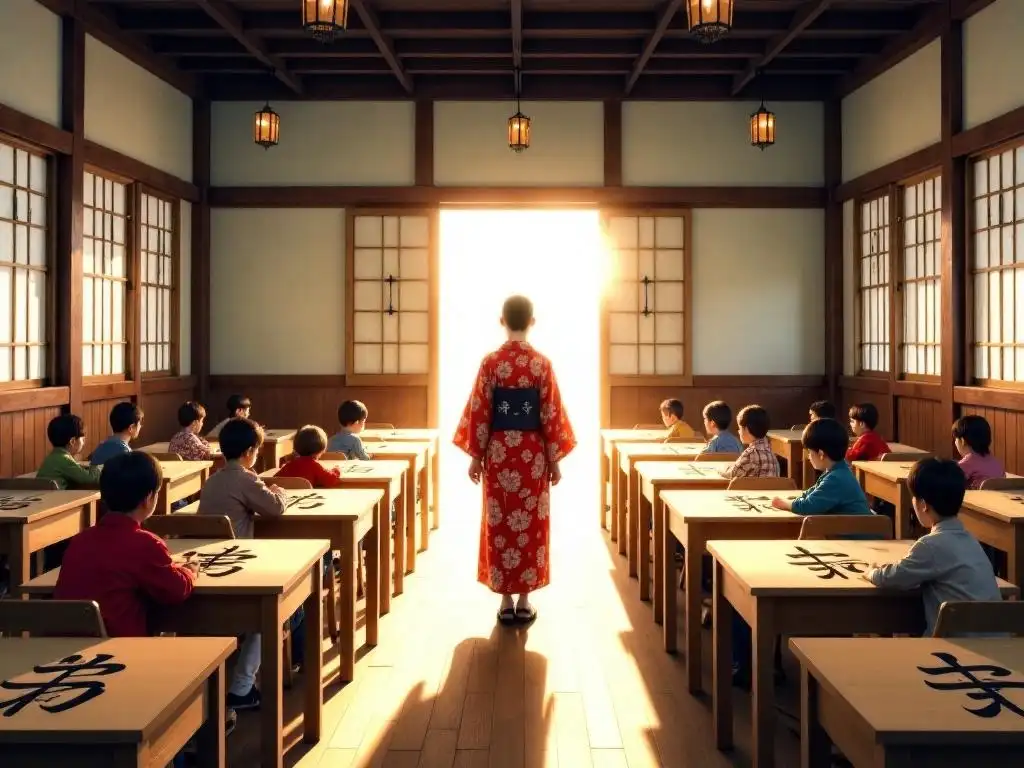
The evolution of education during the Meiji Restoration highlights the fundamental relationship between education and societal development. Education is a powerful tool that shapes national identity and social cohesion. By transitioning from a rigid feudal education model to a more inclusive and modern system, Japan was able to cultivate a generation of individuals who were not only literate but also capable of critical thinking and innovation.
This educational evolution encouraged active participation in civic life and was instrumental in fostering a sense of national pride and unity. Moreover, the adaptability of Japan's education system paved the way for continued advancements in various fields, ultimately contributing to Japan's rapid modernization and economic growth in the following decades.
Call to Action
The history of education in Japan, particularly during the Meiji Restoration, is a fascinating subject that deserves further exploration. Understanding these changes offers valuable insights into how education can drive societal transformation and progress.
Encouraging Further Exploration of Japan's Educational History
We encourage readers to delve deeper into the rich tapestry of Japan's educational history. By exploring how feudal learning systems evolved into modern educational practices, one can gain a better understanding of the cultural, political, and social changes that shaped contemporary Japan.
Suggested Readings on Meiji Restoration and Education
Here are some recommended readings to enhance your understanding of the Meiji Restoration and its impact on education in Japan:
- "Education in Modern Japan: Cultures of the Meiji Era": by William K. Cummings — A comprehensive overview of educational reforms during the Meiji period.
- "The Making of Modern Japan" by Joshua Fogel — This book provides a broader context of Japan's transformation, including educational changes.
- "Meiji Japan: A New History": by James L. McClain — An in-depth look at the Meiji Restoration with a focus on its social and cultural implications, including education.
Engaging with these texts will deepen your understanding of the pivotal role education played in shaping modern Japan.
- Introduction to the Meiji Restoration and Education
- The Feudal Learning Systems Before the Meiji Restoration
- Key Changes in Education During the Meiji Restoration
- The Impact of Meiji Restoration Education Changes on Society
- Challenges Faced During the Transition
- Legacy of the Meiji Restoration on Modern Education in Japan
- Conclusion
- Summary of Meiji Restoration Education Changes
- Reflection on the Importance of Educational Evolution in Society
- Call to Action
- Encouraging Further Exploration of Japan's Educational History
- Suggested Readings on Meiji Restoration and Education
- What was the Meiji Restoration?
- How did the Meiji Restoration impact education in Japan?
- What were the main goals of educational reforms during the Meiji Restoration?
- How did these educational changes affect societal structure?
- What legacy did the Meiji Restoration leave on modern Japanese education?
Frequently Asked Questions
What was the Meiji Restoration?
The Meiji Restoration was a pivotal period in Japan's history, starting in 1868, that marked the end of feudal rule and the beginning of modernization and westernization.
How did the Meiji Restoration impact education in Japan?
The Meiji Restoration led to the establishment of a national education system, replacing the feudal learning systems with a focus on science, technology, and Western knowledge.
What were the main goals of educational reforms during the Meiji Restoration?
The primary goals were to create a literate and skilled workforce, promote nationalism, and prepare citizens for participation in a modern industrial society.
How did these educational changes affect societal structure?
The shift towards a merit-based education system reduced the power of the samurai class and promoted social mobility, allowing individuals from various backgrounds to succeed.
What legacy did the Meiji Restoration leave on modern Japanese education?
The educational reforms initiated during the Meiji Restoration laid the groundwork for Japan's current education system, emphasizing universal education and continuous innovation.
Final Reflection: Embracing Change in Education Through the Lens of the Meiji Restoration
The Meiji Restoration's impact on education is not merely a historical footnote; it is a powerful reminder of how transformative change can redefine societal values and empower future generations. As we navigate the complexities of modern education systems, the lessons learned from the Meiji Restoration resonate more than ever, urging us to rethink and adapt our learning frameworks to meet the needs of a rapidly evolving world.
The educational reforms initiated during the Meiji Restoration laid the groundwork for a more equitable and innovative learning environment, influencing not just Japan but the global educational landscape. The shift from a feudal system to a more inclusive and structured approach to education has inspired countless nations to pursue similar reforms. As we reflect on this legacy, we are reminded of the words of philosopher John Dewey: Education is not preparation for life; education is life itself.
This quote encapsulates the ongoing journey of education as a dynamic process that shapes our society and individual potential.
As we stand on the brink of new educational paradigms, I invite you to consider how the principles of adaptability and inclusivity from the Meiji Restoration can inform your own learning experiences. Reflect on your educational journey and think about how you can contribute to a system that embraces change, fosters creativity, and prepares future generations for the challenges ahead. Let us take inspiration from the past to build a brighter, more equitable future in education, where every learner has the opportunity to thrive.
Embrace the Revolution of Learning!
Thank you for diving into the remarkable story of how the Meiji Restoration transformed education in feudal Japan. We hope you gained valuable insights into the power of change and the evolution of learning systems. Now, it’s time to take that inspiration further!
Here are a few actionable steps to deepen your connection and understanding:
- Explore further: Dive into additional resources on the impact of the Meiji Restoration—consider visiting libraries, watching documentaries, or enrolling in online courses about Japanese history to enhance your knowledge.
- Share your insights: Initiate a conversation with friends or engage on social media about what you found most surprising. The more we share, the more we learn together!
- Participate in local history events: Seek out lectures or exhibitions focusing on Japanese history or educational reforms—connecting with your community can provide new perspectives and opportunities.
How do you think modern education can draw inspiration from historical transformations like the Meiji Restoration? We invite you to share your thoughts below!