
Festivals of Feudal Japan: Celebrating Life Through Colorful Traditions

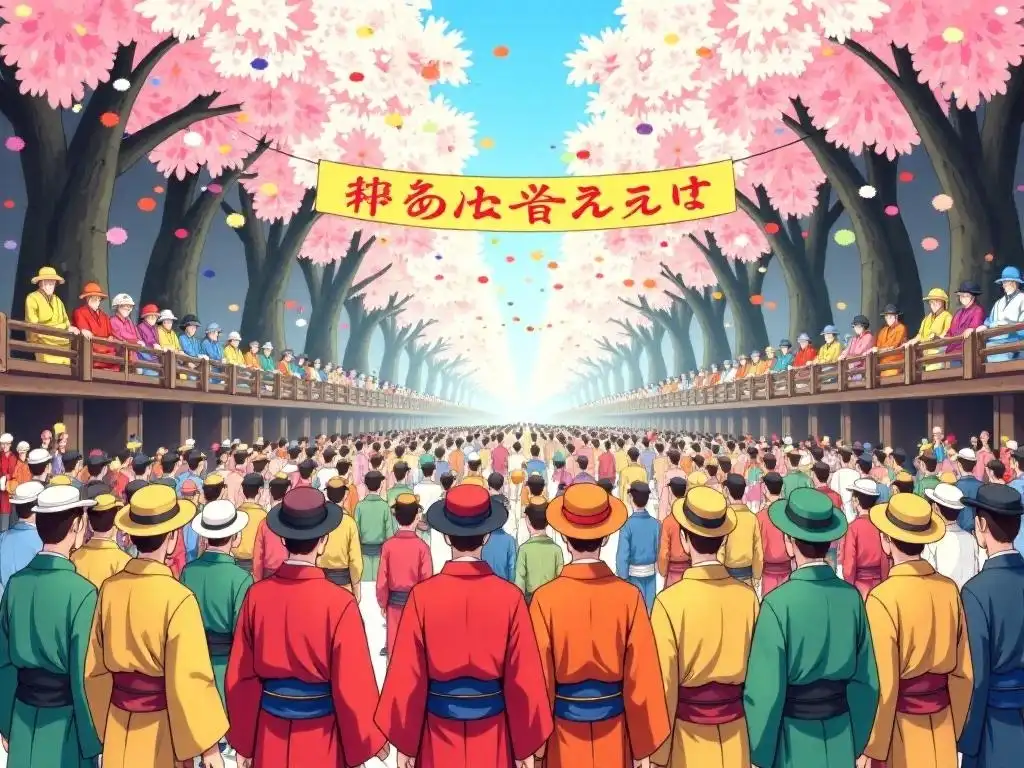
Welcome to Feudal Japan History, where we invite you to embark on a captivating journey through one of the most vibrant eras in history. In our featured article, "Festivals of Feudal Japan: Celebrating Life Through Colorful Traditions," you'll uncover the rich tapestry of celebrations that not only marked the changing seasons but also reflected the deep cultural roots of Japanese society.
From the lively processions to the intricate rituals, these festivals were more than mere events; they were a profound expression of life, community, and tradition. Get ready to delve deeper into the fascinating world of feudal festivals and discover how they shaped daily life and social dynamics in a time of honor and artistry.
- Introduction to Festivals in Feudal Japan
- Historical Context of Festivals in Feudal Japan
- Types of Festivals Celebrated in Feudal Japan
- The Cultural Significance of Festivals in Feudal Japan
- Festival Activities and Traditions in Feudal Japan
- The Legacy of Festivals in Modern Japan
- Conclusion: The Enduring Spirit of Festivals in Feudal Japan
-
Frequently Asked Questions
- What were the major festivals celebrated in Feudal Japan?
- How did festivals influence society in Feudal Japan?
- What role did religion play in the festivals of Feudal Japan?
- Were there any colorful traditions associated with festivals in Feudal Japan?
- How did festivals evolve over time in Feudal Japan?
- Final Reflection: Embracing the Vibrancy of Festivals in Feudal Japan
- Embrace the Vibrance of Feudal Japan!
Introduction to Festivals in Feudal Japan
Festivals in Feudal Japan were not merely occasions for celebration; they were vital components of the cultural and societal framework of the time. As Japan transitioned through various dynasties, the festivals evolved, reflecting the rich tapestry of traditions, beliefs, and local customs that characterized the feudal era.
This article delves into how these vibrant celebrations served as a means to honor deities, mark seasonal changes, and strengthen community bonds, all while offering a glimpse into the intricate daily lives of the people of feudal Japan. From the energetic dance performances to the colorful processions, each festival was a manifestation of the community's identity and resilience, encapsulating the essence of what it meant to live in this unique historical period.
Overview of Feudal Japan's Cultural Landscape
Feudal Japan, spanning from the 12th to the 19th century, was marked by a complex social hierarchy and a rich cultural heritage. The society was predominantly agrarian, with villages forming the backbone of daily life. This period saw the rise of the samurai class, which not only influenced the political landscape but also shaped cultural expressions, including art, literature, and, importantly, festivals.
The interaction between various classes—farmers, merchants, and samurai—played a significant role in the development of local traditions. Festivals often emerged as a blend of Shinto beliefs, Buddhist practices, and indigenous customs, leading to a diverse cultural landscape.
Some key aspects of this cultural landscape include:
- Religious Influences: Festivals were often tied to agricultural cycles, honoring gods for bountiful harvests. Rituals performed during these events were believed to ensure prosperity and good fortune.
- Artistic Expressions: Music, dance, and theater (like Noh and Kabuki) flourished during festivals, showcasing the artistic talents of the community and reinforcing cultural narratives.
- Community Cohesion: Festivals served as occasions for socialization, bringing together people from various backgrounds to foster a sense of unity and shared identity.
Importance of Festivals in Daily Life and Society
The significance of festivals in feudal Japan extended far beyond mere entertainment. They were integral to the rhythm of daily life and reinforced societal values. Here are some critical aspects of their importance:
- Cultural Identity: Festivals were a means for communities to express their unique identities. Each region had its own distinct celebrations, characterized by local customs, costumes, and culinary traditions.
- Rituals and Beliefs: Many festivals included rituals intended to appease deities and spirits. These practices reflected the spiritual beliefs of the time, highlighting the interconnection between religion and daily life.
- Social Structure: Festivals often reinforced social hierarchies, with different classes participating in various capacities. The samurai might oversee the proceedings, while commoners actively engaged in the festivities, thereby reflecting the societal structure.
- Economic Impact: Festivals also had significant economic implications, as they attracted visitors and stimulated local markets. Merchants often thrived during festival seasons, selling goods and refreshments, which further enhanced community vibrancy.
In essence, festivals in feudal Japan were multifaceted events that intertwined celebration with cultural expression, social structure, and economic activity, creating a rich legacy that continues to influence Japanese culture today.
Historical Context of Festivals in Feudal Japan
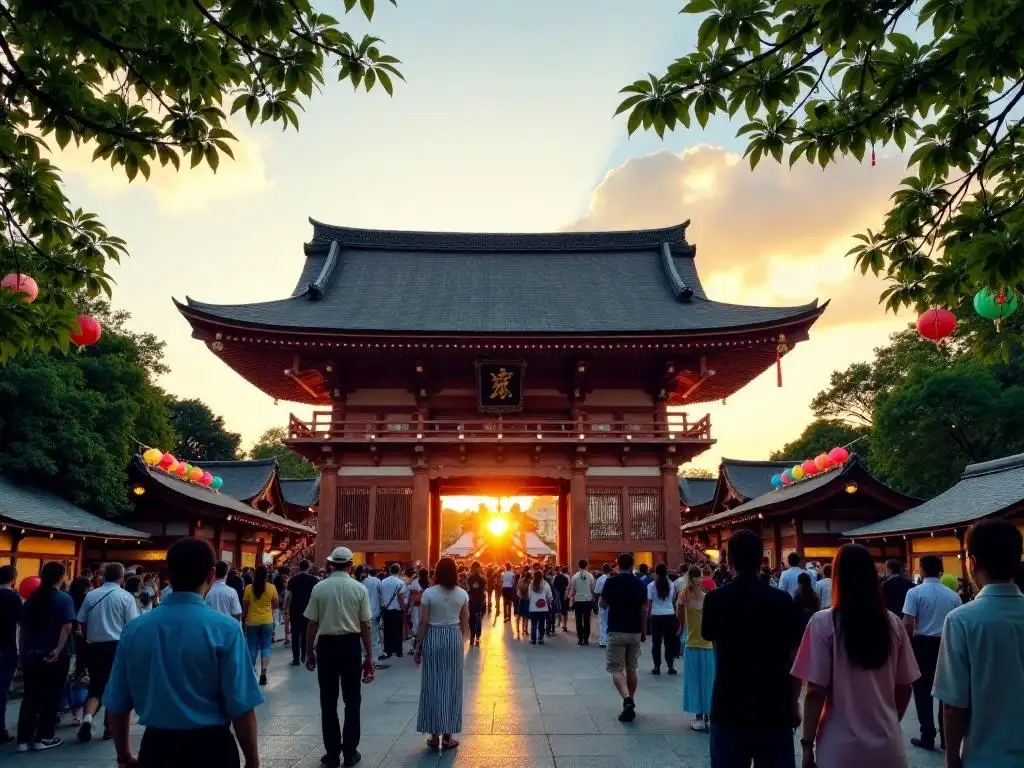
The Origins of Traditional Japanese Festivals
The origins of traditional Japanese festivals, or matsuri, can be traced back to ancient agricultural rituals and Shinto beliefs. These early celebrations aimed to ensure a bountiful harvest and honor deities associated with nature. The agrarian lifestyle of early Japanese communities deeply influenced these festivals, which often included offerings of rice, sake, and seasonal produce.
Key elements of these ancient festivals include:
- Rituals and Offerings: Farmers would perform rituals to appease kami (spirits) and request their blessings for a fruitful harvest.
- Community Involvement: Festivals were communal events, fostering unity among villagers and strengthening social bonds.
- Seasonal Celebrations: Many festivals were tied to the agricultural calendar, marking significant seasonal transitions such as planting and harvest.
As the centuries progressed, these rituals began to incorporate various cultural influences, including Buddhism and Taoism, which contributed to the diversity of festivals witnessed in Feudal Japan.
Evolution of Festivals Throughout the Feudal Era
The feudal era in Japan, spanning from the late 12th century to the early 19th century, was marked by significant developments in the nature and scope of festivals. During this time, the intersection of politics, religion, and culture played a crucial role in shaping these celebrations.
- Rise of Samurai Culture: As the samurai class gained prominence, festivals increasingly celebrated their valor and societal contributions. Events such as the Aoi Matsuri in Kyoto were held to honor the imperial family and samurai heritage, showcasing elaborate processions and rituals.
- Regional Variations: Different regions of Japan began to develop their own unique festivals, reflecting local customs, folklore, and historical events. This led to a rich tapestry of celebrations across the archipelago. For instance:
- Gion Matsuri in Kyoto, centered around purification and healing, became a significant cultural event.
- Kanto Matsuri in Akita featured impressive floats and was celebrated for its aesthetic and community spirit.
- Influence of Buddhism: The introduction of Buddhism brought new rituals and practices into festivals. Many matsuri began to incorporate Buddhist elements, such as processions to honor Buddha or ceremonies aimed at ensuring peace and prosperity.
- Commercialization and Public Spectacle: By the Edo period (1603-1868), festivals had transformed into public spectacles. They became essential for local economies, with merchants and artisans participating actively. Street vendors, performances, and entertainment became common, creating a vibrant atmosphere during these celebrations.
The evolution of festivals in Feudal Japan illustrates how these events were not only a means of spiritual expression but also reflections of societal changes, community identities, and the intricate tapestry of Japanese culture. Through these colorful traditions, the essence of life during the feudal era continues to resonate in modern Japan.
Types of Festivals Celebrated in Feudal Japan
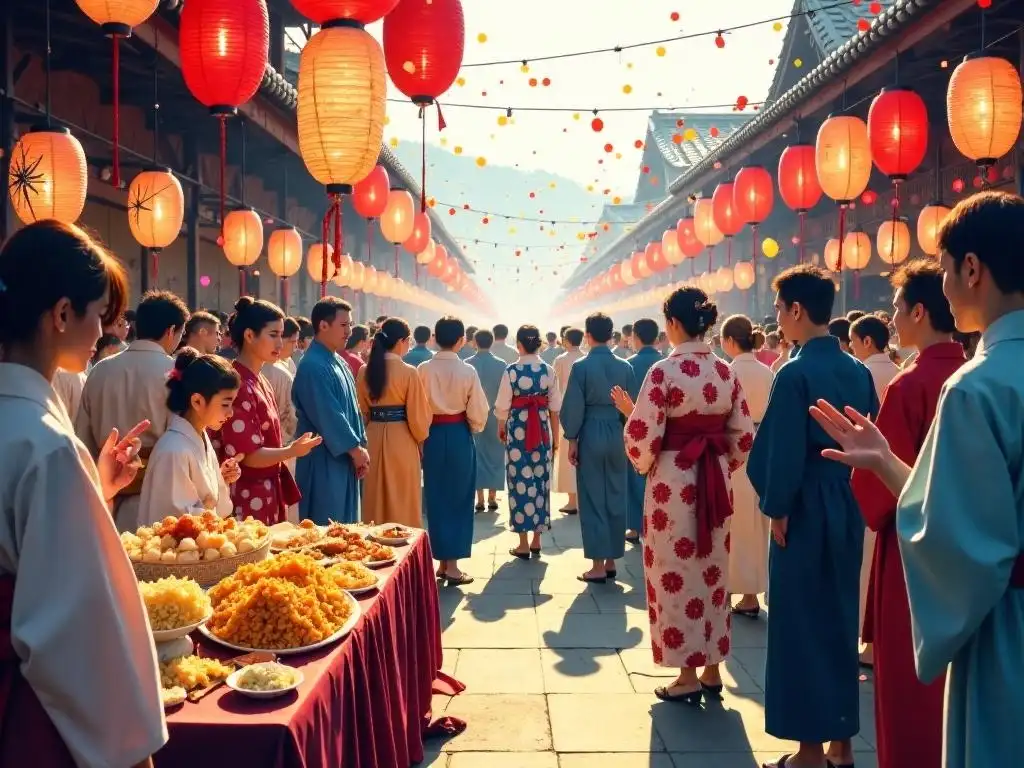
Seasonal Festivals: Celebrating Nature's Cycles
Festivals in Feudal Japan were intrinsically linked to the changing seasons, reflecting the agrarian society's deep connection to nature. These seasonal festivals served as a way for communities to celebrate the cycles of life, harvests, and the spiritual essence of the environment. Each season brought with it unique traditions, foods, and rituals that highlighted the cultural richness of the time.
Spring Festivals: Welcoming New Life
Spring festivals marked the arrival of new beginnings and renewal after the cold months of winter. One of the most significant spring celebrations was Hanami (花見), the cherry blossom festival. During this time, people would gather under blooming cherry trees, partake in picnics, and admire the ephemeral beauty of the blossoms. This festival symbolized the transient nature of life, a concept deeply rooted in Japanese culture.
- Key Activities:
- Picnicking under cherry blossoms
- Traditional performances, such as poetry recitals
- Ritual offerings to deities for a bountiful harvest
Summer Festivals: Honoring the Spirits
Summer festivals, known as Matsuri (祭り), were vibrant and energetic, often featuring grand parades and traditional dances. One of the most notable summer celebrations was the Obon festival, which honored deceased ancestors. Families would create altars, offer food, and participate in Bon Odori, a folk dance performed to welcome the spirits of the ancestors back home.
- Key Activities:
- Fireworks displays to ward off evil spirits
- Lantern floating ceremonies to guide the spirits
- Community dances and traditional music performances
Autumn Festivals: Harvest Celebrations
As the harvest season approached, communities celebrated their bounty with various autumn festivals. The Niinamesai (新嘗祭) was a ceremonial offering of the first rice harvest to the gods, signifying gratitude for the earth’s abundance. This festival often included elaborate feasts, showcasing the season's produce.
- Key Activities:
- Offerings of rice, fruits, and vegetables to deities
- Community feasts featuring seasonal dishes
- Traditional games and competitions to celebrate harvest
Winter Festivals: Reflecting on the Year
Winter festivals in Feudal Japan were more introspective, focusing on reflection and gratitude. The Shōgatsu (正月) or New Year celebration was one of the most important, marking a time for renewal and family gatherings. Homes would be adorned with decorations symbolizing good fortune, and special foods like ozoni (mochi soup) would be prepared.
- Key Activities:
- Visiting shrines for blessings in the new year
- Family gatherings and traditional games, such as karuta
- Creating kagamimochi, decorative rice cakes for good luck
Religious Festivals: Spiritual Significance in Feudal Japan
Religious festivals played a pivotal role in the cultural fabric of Feudal Japan, intertwining with the spiritual beliefs of the populace. Both Shinto and Buddhist traditions contributed to the rich tapestry of festivals, each with its unique rituals and significance.
Shinto Festivals: Connection to Nature and Deities
Shinto festivals emphasized the worship of kami (神), or spirits, associated with natural elements. These festivals were often held at shrines, where offerings would be made to honor the deities. Kanname-sai, a festival dedicated to the rice gods, exemplified this connection, where the first rice harvest was presented to the kami in gratitude.
- Key Activities:
- Ritual purification before participating in celebrations
- Processions carrying portable shrines (mikoshi) through communities
- Offerings of sake and rice at shrines
Buddhist Festivals: Commemorating Life and Death
Buddhist festivals provided opportunities for reflection on life and the impermanence of existence. The Higan festival, celebrated during the equinoxes, involved visiting the graves of ancestors, offering prayers, and performing rituals for the deceased. This festival underscored the Buddhist belief in the cycle of life and the importance of honoring one's lineage.
- Key Activities:
- Cleaning and decorating family graves
- Chanting sutras and making offerings at temples
- Community gatherings for shared meals and remembrance
The festivals of Feudal Japan were vibrant expressions of the society’s relationship with nature, spirituality, and community. Each season brought unique celebrations that not only marked the passage of time but also reinforced social bonds and cultural identity.
Local and Regional Festivals: Unique Traditions
Feudal Japan was a tapestry of diverse cultures and traditions, with each region boasting its own unique festivals that reflected local customs, beliefs, and agricultural practices. These local and regional festivals served not only as a means to celebrate the changing seasons but also as a way for communities to come together, reinforcing social bonds and cultural identity. From the coastal areas to the mountainous regions, each locality had its own distinct celebrations, often tied to the rhythms of nature and the agricultural calendar.
Local festivals typically revolved around significant events such as harvests, seasonal changes, and religious observances. They included rituals and performances that honored deities, celebrated the bounty of the land, and marked important milestones in the community's life. The vibrant colors, intricate costumes, and lively music associated with these festivals were essential in creating a sense of belonging and continuity among the participants.
Famous Festivals in Different Regions
- Gion Matsuri (Kyoto)
- Held in July, the Gion Matsuri is one of Japan's most famous festivals. It features elaborate floats called yamaboko, which are paraded through the streets. The festival began as a purification ritual to appease the gods during an epidemic in the 9th century and has evolved into a month-long celebration with various events and rituals.
- Nebuta Matsuri (Aomori)
- Celebrated in August, this festival is renowned for its spectacular lantern floats, which are crafted in the shape of warriors, gods, and mythical creatures. The floats are paraded through the streets at night, accompanied by traditional music and dance, creating a mesmerizing atmosphere that captivates both participants and spectators.
- Kanto Matsuri (Akita)
- Taking place in early August, the Kanto Matsuri features long poles adorned with paper lanterns, which participants skillfully balance on their foreheads, hips, and shoulders. This festival originated as a way to pray for a good harvest and has become a major attraction, showcasing the strength and balance of the local people.
- Sanja Matsuri (Tokyo)
- Held in May at Asakusa Shrine, the Sanja Matsuri celebrates the three founders of the shrine. It is famous for its lively processions, where portable shrines ( mikoshi) are carried through the streets, accompanied by traditional music and energetic dancing. The festival attracts thousands of participants and visitors, making it one of the largest festivals in Tokyo.
The Role of Local Communities in Festival Celebrations
Local communities played a vital role in the organization and execution of festivals in feudal Japan. Each festival required extensive collaboration among residents, as preparation involved various tasks, including constructing floats, creating decorations, and preparing traditional foods. This collective effort fostered a sense of unity and pride within the community, as everyone contributed to the success of the event.
Festivals also served as a platform for passing down traditions and cultural heritage from one generation to the next. Elders would teach younger members of the community about the significance of rituals, the history behind the festival, and the importance of maintaining these practices. As a result, festivals became important educational experiences, allowing communities to preserve their unique identities amidst the broader currents of Japanese culture.
Additionally, festivals often attracted visitors from neighboring regions, fostering economic activity and cultural exchange. Local artisans would sell their crafts, and food vendors would provide traditional dishes, creating a vibrant marketplace atmosphere. This exchange not only benefited the local economy but also allowed communities to showcase their unique traditions to a wider audience, further enriching the cultural landscape of feudal Japan.
The Cultural Significance of Festivals in Feudal Japan
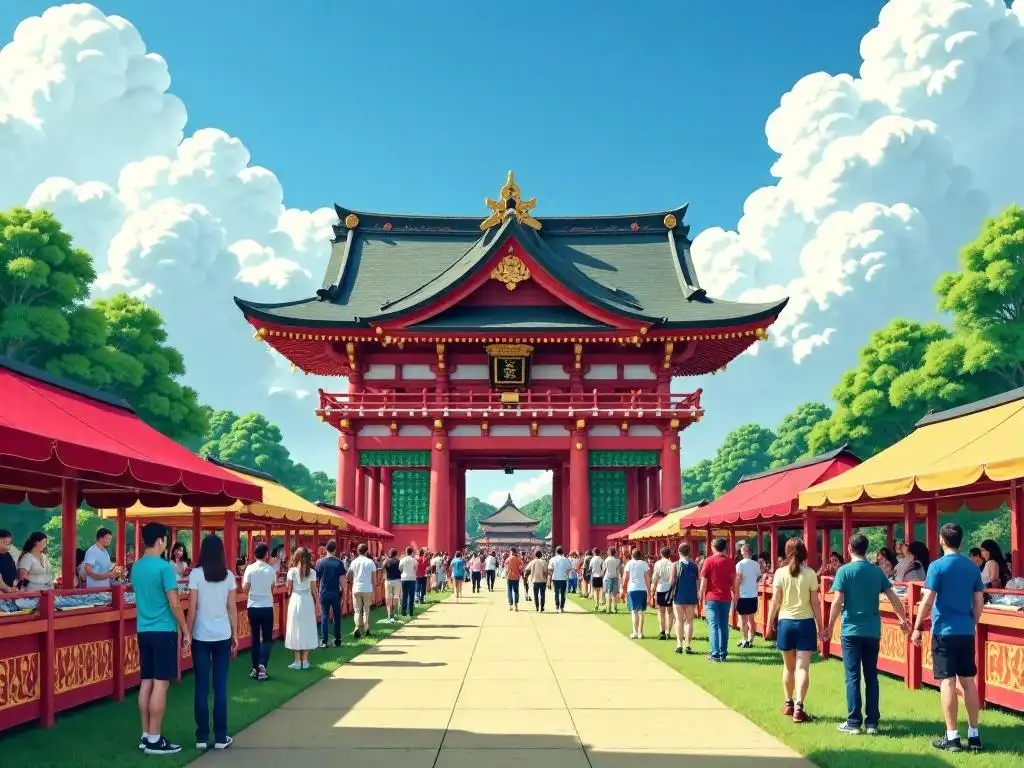
Festivals in Feudal Japan played a pivotal role in the societal fabric, reflecting not only the vibrancy of community life but also the intricate social hierarchies of the time. These celebrations served as a medium through which cultural values, religious beliefs, and communal bonds were expressed and reinforced. From the grand processions of samurai to the humble offerings of peasants, each festival encapsulated the essence of its participants, making them important markers of identity and tradition.
The structure of feudal society in Japan was rigidly hierarchical, and this was palpably evident during festivals. Different classes participated in unique ways, showcasing their status and reinforcing their roles within the community.
- Samurai Processions:
- High-ranking samurai often led festivals, dressed in elaborate armor and attire. Their presence not only honored the occasion but also reaffirmed their power and influence.
- For instance, during the Gion Matsuri in Kyoto, the participation of the samurai class was crucial, as it symbolized their protection over the city and its inhabitants.
- Peasant Involvement:
- In contrast, the lower classes, such as farmers and artisans, participated in festivals through processions featuring floats and traditional music.
- These gatherings enabled them to showcase their craftsmanship and agricultural produce, fostering a sense of pride and community despite their lower status.
- Religious Hierarchies:
- Festivals also highlighted the roles of religious figures, such as priests and monks, who often led rituals and ceremonies. Their involvement signified the spiritual importance of the festival and the connection between the divine and the earthly realm.
Festivals were not merely celebratory events; they were intricate reflections of the social hierarchies that defined feudal Japan, allowing each class to display its identity and significance within the broader community.
The Role of Art and Performance in Festivals
Art and performance were integral components of festivals in feudal Japan, elevating the celebrations beyond mere gatherings into vibrant expressions of culture and tradition. These artistic elements served as a means of storytelling and collective memory, preserving the history and values of society.
- Traditional Music and Dance:
- Festivals showcased a variety of traditional music and dance forms, such as Noh, Kabuki, and Bon Odori.
- These performances often depicted historical events, seasonal changes, or religious narratives, allowing participants to engage with their cultural heritage actively.
- Visual Arts:
- The creation of intricately designed floats and decorations was a hallmark of festivals. Artisans would spend months preparing these visual spectacles, painting them with vibrant colors and intricate patterns that often depicted mythological or historical themes.
- The Aoi Matsuri in Kyoto features stunning processions with beautifully adorned floats that reflect the artistic prowess of the time.
- Storytelling:
- Oral traditions were also significant. Festivals provided a platform for storytellers to recount tales of gods, heroes, and historical events, reinforcing communal knowledge and cultural identity.
- This storytelling aspect was crucial for passing down values and lessons through generations, ensuring that the cultural legacy was preserved.
Overall, the integration of art and performance in festivals enriched the cultural landscape of feudal Japan, transforming them into dynamic events that celebrated the community's shared history and identity.
Festivals and Their Influence on Japanese Cuisine
Food has always been a central element of celebrations, and this was especially true during festivals in feudal Japan. The culinary practices associated with these events not only showcased the region's agricultural bounty but also reflected the social customs and traditions of the time.
- Seasonal Offerings:
- Festivals often coincided with specific agricultural seasons, leading to the incorporation of seasonal ingredients into the festivities. For example, rice, as a staple food, played a significant role in many celebrations, symbolizing prosperity and abundance.
- The Matsuri of Shinto shrines often featured offerings of rice cakes called mochi, which were prepared and shared among the community.
- Special Dishes:
- Unique dishes were prepared for festivals, often with symbolic meanings. Sake, a rice wine, was commonly consumed during festivals, believed to purify and bless the participants.
- Other festival foods, such as yakitori (grilled chicken skewers) and various sweets like dango, showcased the culinary diversity and creativity of each region.
- Community Participation:
- Food preparation was a communal activity, bringing families and neighbors together to create large quantities of festival dishes. This not only fostered a sense of unity but also reinforced social bonds within the community.
- Festivals provided a rare opportunity for the lower classes to showcase their culinary skills, highlighting their contributions to the local culture.
The culinary practices associated with festivals in feudal Japan were deeply intertwined with the cultural and social dynamics of the time. They not only nourished the body but also strengthened communal ties, making food an essential part of the celebratory experience.
Festival Activities and Traditions in Feudal Japan
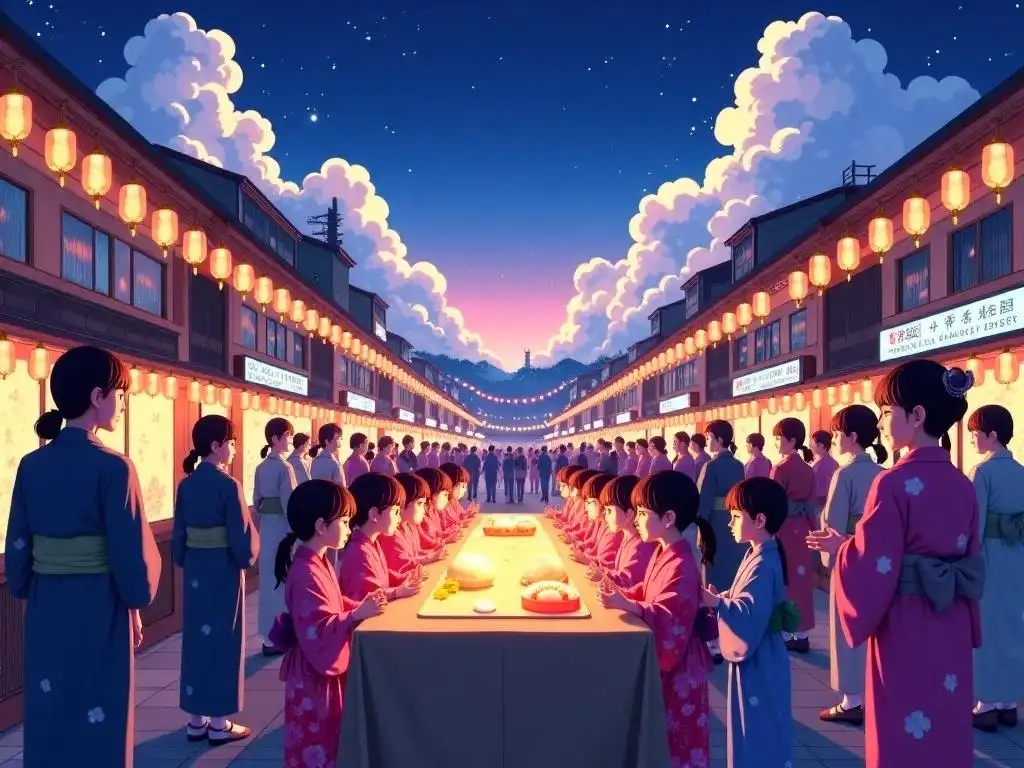
Festivals in Feudal Japan were not merely events for entertainment; they were vital expressions of the cultural, spiritual, and social fabric of the time. Each festival, deeply rooted in local customs and religious beliefs, showcased a variety of activities and traditions that reflected the values and artistry of feudal society.
Rituals and Ceremonies: Spiritual Practices
Rituals and ceremonies were central to festivals in Feudal Japan, often intertwined with Shinto and Buddhist beliefs. These spiritual practices served to honor deities, seek blessings, and ensure prosperity for the community.
- Shinto Rituals: Many festivals began with Shinto rituals, where priests performed purification rites and offered food, sake, and sacred rice to kami (spirits). These rituals were meant to invite divine presence and protection.
- Processions: A common feature of festivals was the procession, where participants carried portable shrines (mikoshi) through the streets. This was believed to transport the kami among the people, fostering a sense of communal connection with the divine.
- Offerings and Prayers: Offerings of rice, fruit, and handmade crafts were presented at shrines. Families would gather to pray for health, bountiful harvests, and protection from disasters, reinforcing the community's bond with their spiritual beliefs.
- Harvest Festivals: Events such as the Niiname-sai, or the "Festival of First Fruits," were particularly significant. This festival involved rituals to celebrate and give thanks for the harvest, where newly harvested rice was offered to the deities.
Traditional Attire: Clothing and Accessories
The attire worn during festivals in Feudal Japan was not only functional but also symbolic, serving to enhance the festivities and reflect the wearers’ social status and cultural identity.
- Kimono: The kimono was the primary garment for both men and women, often made from vibrant fabrics adorned with intricate designs representing nature and mythology. The choice of colors and patterns varied, with brighter hues typically reserved for festive occasions.
- Obi and Accessories: The obi (sash) was an essential accessory, often elaborately tied and decorated. Additionally, items like haori (short jackets),geta (wooden sandals), and traditional hair ornaments completed the outfits, enhancing the festive atmosphere.
- Special Festival Attire: Some festivals featured unique clothing styles, such as the "hachimaki" (headband) worn during summer festivals or the "jinbaori" (battle jacket) donned by samurai during parades, signifying their rank and role.
- Symbolism of Colors: Different colors held specific meanings; for instance, red symbolized protection against evil spirits, while white represented purity. Participants often chose their attire carefully, considering these cultural significances.
Music and Dance: The Soundtrack of Festivals
Music and dance were integral components of festivals in Feudal Japan, providing a vibrant backdrop that energized participants and spectators alike.
- Traditional Instruments: Festivals featured a variety of traditional musical instruments, including the shamisen (three-stringed instrument), taiko (drum), and flute. Each instrument contributed to the unique sounds that characterized different festivals.
- Performance Styles: Dance forms such as "Noh" and "Kabuki" were often performed, narrating stories of gods, samurai, and historical events. These performances were not only entertaining but also served to educate audiences about their heritage and values.
- Community Involvement: Many festivals invited community participation in dance, with simple folk dances allowing everyone to join in. This inclusivity fostered a sense of unity and celebration among diverse groups.
- Seasonal Variations: The music and dance styles varied with the seasons, reflecting the themes of the festivals. For instance, spring festivals might celebrate renewal with lively, joyous dances, while autumn events could feature more somber, reflective performances.
The festivals of Feudal Japan encapsulated the rich tapestry of life during this era, blending spirituality, tradition, and community interaction. Through rituals, attire, and performances, these celebrations provided a profound connection to the past and a vibrant expression of cultural identity.
Food and Drink: Culinary Delights of Celebrations
In feudal Japan, festivals were not just a time for celebration, but also a unique opportunity to indulge in a rich array of culinary delights. The food and drink served during these events reflected the season, local ingredients, and the cultural significance of the festival itself.
Seasonal Specialties
Festivals were often tied to the changing seasons, and the foods served were designed to celebrate the bounty of nature at that time. For instance, during the cherry blossom festivals (hanami) in spring, people would enjoy sakura mochi (sweet rice cakes filled with red bean paste and wrapped in cherry leaves) and dango (sweet rice dumplings). In autumn, harvest festivals featured dishes made from freshly harvested rice, such as matsukaze soba, a buckwheat noodle dish that showcased the season's flavors.
Regional Influences
The diverse geography of Japan meant that different regions had their own unique festival foods, often influenced by local customs and ingredients. For example:
- Okinawa: Known for its tropical climate, festivals here often included dishes like goya champuru (stir-fried bitter melon) and taco rice (a fusion of taco ingredients served over rice).
- Kyoto: Renowned for its refined cuisine, Kyoto's festivals highlighted kyo-kaiseki, a multi-course meal featuring seasonal and local delicacies, reflecting the artistry and precision of Kyoto’s culinary tradition.
Symbolic Foods
Certain foods served during festivals carried symbolic meanings, believed to bring good fortune or ward off evil spirits. Mochi, for instance, was often prepared and consumed during the New Year celebrations (Oshogatsu) as it symbolized prosperity and longevity. Similarly, tai (sea bream) is often served during auspicious occasions due to its association with good luck and happiness.
Sake: The Drink of Celebration
No festival in feudal Japan was complete without sake, a traditional rice wine that played a central role in many celebrations. Sake was often offered to the kami (gods) during Shinto festivals as a gesture of gratitude and a means to seek blessings. The preparation and serving of sake became an art form, with different types of sake being paired with various festival foods to enhance the overall experience.
Community and Sharing
Festivals also emphasized community and the spirit of sharing. Large communal meals were common, where families and friends gathered to enjoy food together. This practice fostered a sense of unity and reinforced social bonds. Street vendors would set up stalls selling a variety of festival treats, such as yakitori (grilled chicken skewers) and takoyaki (octopus balls), allowing festival-goers to sample different flavors while enjoying the festive atmosphere.
The food and drink of feudal Japan's festivals were not merely sustenance; they were a celebration of life, culture, and community, showcasing the rich tapestry of flavors and traditions that defined this vibrant era.
The Legacy of Festivals in Modern Japan
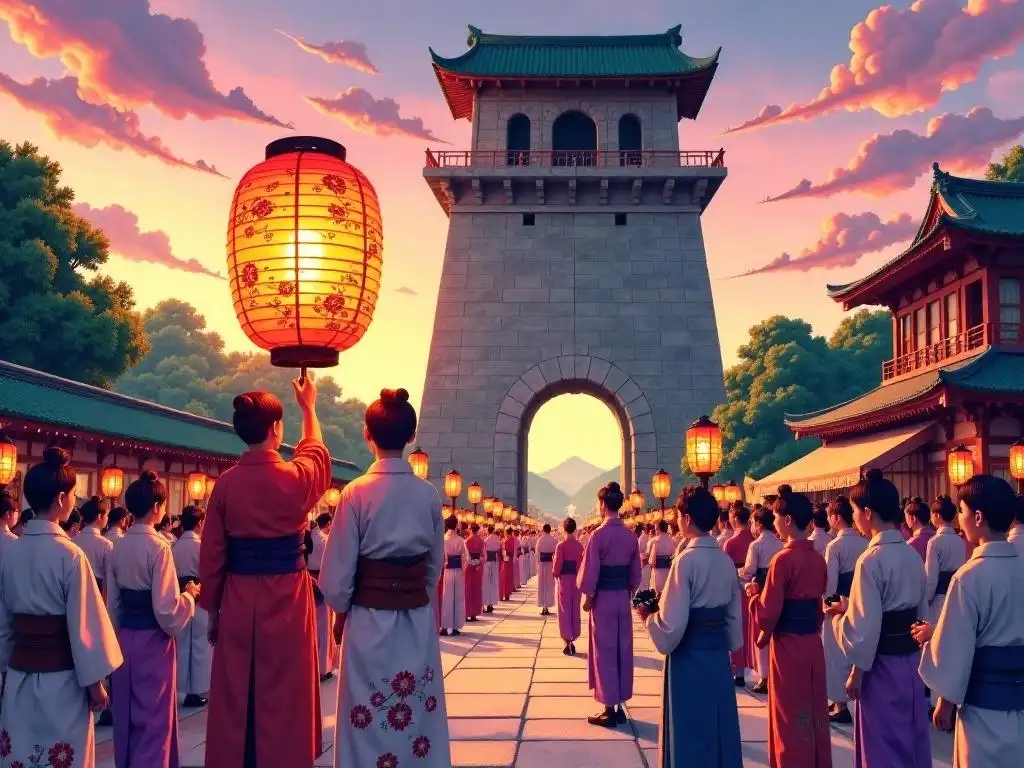
Continuation of Feudal Traditions in Contemporary Celebrations
Festivals in Feudal Japan were deeply intertwined with the agricultural calendar, seasonal changes, and the spiritual beliefs of the time. Many of these traditions have persisted into contemporary celebrations, showcasing the enduring legacy of feudal customs. For instance:
- Seasonal Festivals: Many modern Japanese festivals, or matsuri, continue to honor the changing seasons, a practice rooted in feudal times. The Rice Planting Festival ( taue matsuri), originally a ritual to ensure a good harvest, is still celebrated in various regions.
- Shinto Influences: Festivals often feature Shinto rituals, which were prominent during the feudal era. Modern celebrations, such as the Gion Matsuri in Kyoto, include processions, traditional clothing, and offerings to the kami (gods), echoing ancient practices.
In addition to these continuities, some festivals have evolved, blending traditional elements with contemporary themes, yet they retain the essence of feudal practices. For example, Tanabata, which celebrates the meeting of two celestial lovers, has origins in feudal Japan and is now celebrated with colorful decorations and wishes written on tanzaku (small paper strips).
Influence of Feudal Festivals on Modern Japanese Culture
The impact of festivals from the feudal era extends beyond mere celebration; they shape various aspects of modern Japanese culture, including:
- Art and Literature:
- Traditional arts, such as Noh theater and Kabuki, often draw inspiration from stories and themes prevalent in feudal festivals. For example, many Noh plays depict historical events or figures associated with these celebrations.
- Literature, too, reflects festival themes, with writers exploring the emotional and social significance of these events in their works.
- Community and Identity:
- Festivals serve as a means of fostering community ties and reinforcing local identities. Much like in feudal times, modern matsuri encourage participation from the local population, creating a sense of belonging and collective memory.
- The communal aspect of these celebrations also emphasizes values such as cooperation and harmony, echoing the feudal social structure where community bonds were vital for survival.
- Culinary Traditions:
- Food plays a central role in modern Japanese festivals, with many dishes rooted in feudal practices. For instance, dango (sweet rice dumplings) and other seasonal foods are often prepared and shared during celebrations, reflecting the agricultural heritage of the feudal era.
- Cultural Tourism:
- Many regions capitalize on their festival heritage to attract tourists, showcasing their unique traditions and historical significance. This not only preserves feudal customs but also contributes to the local economy, bringing together history, culture, and modernity.
The festivals of feudal Japan have left an indelible mark on contemporary Japanese culture. Through the continuation of traditions and their influence on various cultural aspects, these celebrations remain a vibrant testament to Japan's rich historical tapestry.
Conclusion: The Enduring Spirit of Festivals in Feudal Japan
Reflection on the Importance of Celebrating Life Through Tradition
The festivals in Feudal Japan were more than mere celebrations; they served as vital expressions of cultural identity and community solidarity. These events were deeply intertwined with the agricultural calendar, marking the changing seasons and the cycles of planting and harvesting. For instance, the rice planting festivals (taue matsuri) celebrated not only the labor involved in rice cultivation but also invoked blessings for a bountiful harvest. By engaging with these traditions, communities reinforced their connection to the land and to each other, fostering a shared sense of purpose and belonging.
Moreover, festivals often included rituals that honored the kami (spirits) and ancestors, blending the spiritual with the mundane. This connection to the divine provided a framework for understanding the world and humanity's place within it. Festivals acted as a reminder of the values that were central to feudal society, such as respect for nature, reverence for ancestors, and the importance of community bonds. The vibrant colors, music, and dance associated with these celebrations created an atmosphere of joy and unity, allowing individuals to momentarily escape the rigors of their daily lives.
Final Thoughts on the Legacy of Festivals in Japanese Society
The legacy of festivals in Feudal Japan extends far beyond their historical context; it resonates through contemporary Japanese society. Modern celebrations often draw inspiration from these traditional events, showcasing the enduring influence of feudal customs. For instance, the Gion Matsuri in Kyoto, which has its roots in the rituals conducted during the Heian period, continues to attract both locals and tourists alike, serving as a vibrant reminder of the past.
Additionally, the themes of community and celebration remain relevant today. Festivals encourage communal participation, foster local pride, and serve as a means of preserving cultural heritage. In a rapidly modernizing world, these traditions provide a critical link to history, reminding society of its rich tapestry of experiences and the importance of collective memory.
The festivals of Feudal Japan were essential to the social fabric of the time, and their legacy continues to influence and enrich Japanese culture today. By celebrating life through colorful traditions, communities not only honored their agricultural roots but also cultivated a sense of identity and continuity that resonates through generations. The spirit of these festivals endures, embodying the vibrancy and resilience of Japanese society.
Frequently Asked Questions
What were the major festivals celebrated in Feudal Japan?
Major festivals included Gion Matsuri, Aoi Matsuri, and Jidai Matsuri, each showcasing unique cultural traditions and rituals that reflected the societal values of the time.
How did festivals influence society in Feudal Japan?
Festivals played a crucial role in strengthening community bonds, offering opportunities for social interaction, and reinforcing spiritual beliefs through shared rituals and celebrations.
What role did religion play in the festivals of Feudal Japan?
Religion was central to festivals, often involving Shinto and Buddhist elements that celebrated harvests, honored deities, and sought blessings for the community and its members.
Were there any colorful traditions associated with festivals in Feudal Japan?
Yes, colorful traditions included elaborate costumes, processions, and decorative floats, which not only added visual splendor but also symbolized the cultural significance of each event.
How did festivals evolve over time in Feudal Japan?
Over time, festivals adapted to changing societal norms and political structures, reflecting the dynamic nature of Japanese culture while retaining their core traditional values.
Final Reflection: Embracing the Vibrancy of Festivals in Feudal Japan
Festivals in Feudal Japan were not just mere celebrations; they were vibrant expressions of culture, community, and resilience. In a world that often feels fragmented and fast-paced, the traditions and rituals of feudal Japan remind us of the importance of coming together to celebrate life and honor our shared heritage. These festivals served as a bridge between the past and present, showcasing the rich tapestry of beliefs and practices that continue to resonate in modern society.
The influence of these festivals extends far beyond their historical context, shaping the cultural landscape of Japan and inspiring communities worldwide. The colorful parades, intricate costumes, and heartfelt ceremonies reflect a deep connection to nature and spirituality that many still seek today. Tradition is not the worship of ashes, but the preservation of fire.
This quote encapsulates the essence of feudal festivals, reminding us that while we honor the past, we must also keep the spirit of celebration alive in our contemporary lives.
As we reflect on the lessons from the festivals of feudal Japan, let us invite ourselves to embrace the joy of community and the beauty of tradition in our own lives. Take a moment to consider how you can celebrate your own heritage or create new traditions that foster connection and joy. Whether through participating in local festivals, sharing stories with loved ones, or simply taking time to appreciate the beauty around you, remember that every celebration is an opportunity to honor life and the vibrant tapestry of cultures that enrich our world.
Embrace the Vibrance of Feudal Japan!
Thank you for exploring the rich tapestry of festivals in Feudal Japan with us! We hope you’ve uncovered the colorful traditions and vibrant celebrations that have shaped this remarkable culture. Now, let’s carry that inspiration forward!
Here are a few exciting actions you can take to deepen your connection to these festivals:
- Plan your own themed festival at home! Choose a color or tradition that resonates with you, and invite your friends and family to join in the celebration.
- Dive deeper into history: Read a book or watch a documentary that explores the lives of people during feudal times and how these festivals influenced everyday life.
- Share your experience: Post photos or stories about cultural festivals you've attended in your community on social media, using the hashtag #FeudalJapanCelebration to connect with fellow history enthusiasts.
What aspect of these festivals inspires you the most — the colors, the rituals, or the sense of community? We can’t wait to hear your thoughts!