
Child Rearing in the Samurai Class: Tradition, Education, and Expectations

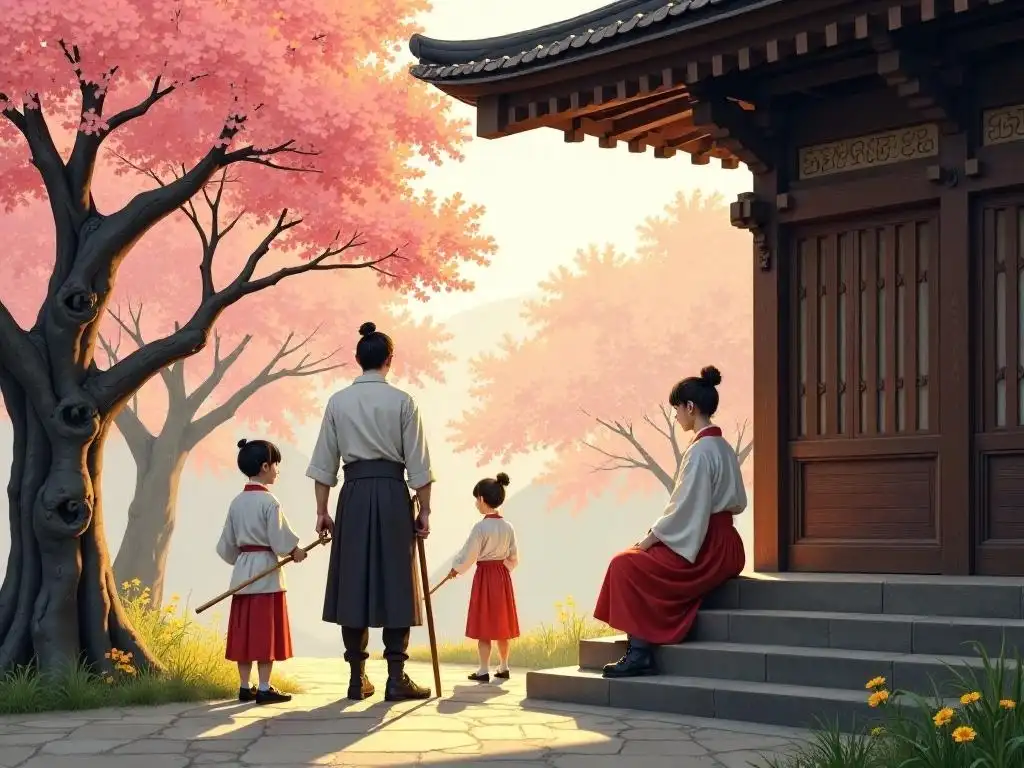
Welcome to Feudal Japan History, where we invite you to embark on a fascinating journey through the intricate tapestry of Japan’s feudal era. Here, you will uncover the rich traditions of Samurai child rearing, exploring how these noble warriors shaped the minds and values of future generations. Delve into the unique expectations, educational practices, and societal norms that defined the upbringing within the Samurai class.
As you navigate through our expert-driven articles, prepare to be captivated by stories that reveal the profound connection between tradition and the daily life of one of history’s most intriguing societies. Ready to discover how the Samurai legacy lives on in the hearts of their descendants? Let’s begin!
Introduction to Samurai Child Rearing Traditions
In the intricate tapestry of Feudal Japan, the samurai class held a pivotal role, not only as warriors but as custodians of culture, values, and societal structure. Central to their legacy was the way they approached family life and child rearing. Samurai child rearing traditions were steeped in principles that reflected the broader ethos of their society, emphasizing discipline, honor, and education. Understanding these traditions offers profound insights into the samurai's worldview and the expectations placed upon the younger generation, shaping them into the future leaders and defenders of their clans.
Overview of Samurai Culture and Its Impact on Family Life
The samurai culture was characterized by its strict adherence to the principles of bushido, the way of the warrior, which profoundly influenced family dynamics. Family honor and loyalty were paramount, dictating how children were raised and educated.
- Roles and Responsibilities:
- Fathers were expected to instill discipline and military skills in their sons.
- Mothers often played a crucial role in moral and cultural education.
This culture fostered an environment where children were taught from a young age about their responsibilities to their family and community, preparing them to uphold their family's honor and legacy.
Importance of Child Rearing in Feudal Japan
In Feudal Japan, child rearing was not merely a personal family affair; it was a societal obligation. The upbringing of children in samurai families was viewed as a reflection of the family's status and adherence to societal norms.
- Moral Education:
- Samurai children were taught virtues such as loyalty, courage, and respect.
- Education often included Confucian teachings, emphasizing the importance of ethics and proper conduct.
- Preparation for Adulthood:
- Early training in martial arts and strategies was common for boys, while girls were educated in arts and household management.
This structured approach ensured that children were well-prepared to assume their roles within the samurai hierarchy and contribute to their clan's legacy.
Historical Context of Samurai Child Rearing
The practices surrounding child rearing in samurai families evolved over time, influenced by changing political landscapes and societal expectations.
Evolution of Samurai Family Structures
Initially, samurai families were often organized around the principles of feudal loyalty, but as Japan transitioned into different eras, such as the Edo period, family structures became more defined.
- Clan Systems:
- Families were often large and hierarchical, with each member knowing their role.
- Inheritance and succession were critical, affecting how children were raised.
- Changes in Dynamics:
- As peace was established, the focus shifted more towards education and cultural refinement rather than solely martial prowess.
Influence of Bushido on Parenting Practices
The ethical code of bushido served as a guiding framework for samurai child rearing.
- Core Principles:
- Integrity: Children were taught the importance of honesty and moral uprightness.
- Respect: Emphasis was placed on respect towards elders and peers.
This influence shaped not only individual character development but also the overarching social fabric of samurai society, ensuring that the next generation would uphold the values of their forebears.
Core Principles of Samurai Child Rearing
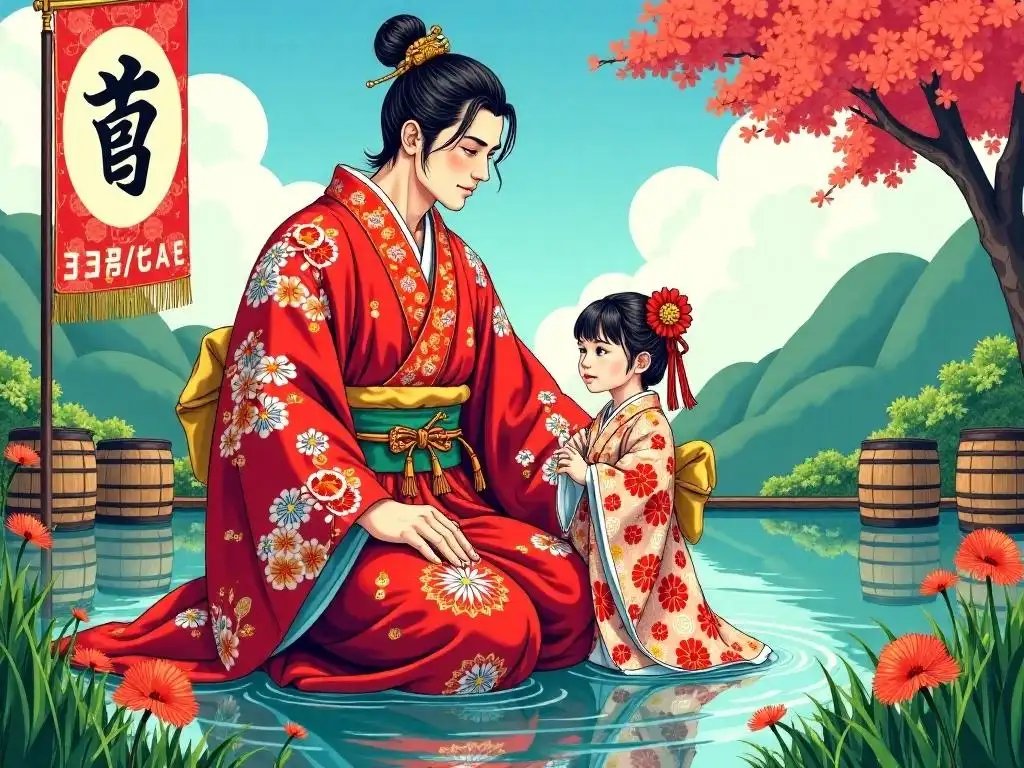
The child-rearing practices within the samurai class were deeply rooted in a set of core principles that emphasized discipline, honor, and preparation for a life of service and leadership. Central to these principles was the idea of bushido, the way of the warrior, which dictated not only martial prowess but also moral and ethical conduct. Parents instilled in their children the importance of loyalty, courage, and self-control from an early age.
These principles shaped a child's identity and their future roles within the samurai hierarchy. Children were taught to respect their elders and to understand the weight of their family name, which carried with it expectations of behavior and duty. This upbringing focused on cultivating a sense of responsibility and awareness of the broader societal context in which they operated. The samurai child was not merely raised to become a fighter but to embody the virtues that defined the samurai class.
Discipline and Obedience in Samurai Education
Discipline was a cornerstone of samurai education, reflecting the belief that a well-ordered mind leads to a well-ordered life. Samurai parents employed various methods to instill obedience in their children. This often included strict routines and the expectation of compliance with household rules. Children were taught to follow orders without question, a practice that prepared them for both military service and the hierarchical structure of samurai society.
Education began at home, where children learned through observation and imitation. They were expected to complete household chores and tasks, contributing to family duties while understanding the importance of their role within the family unit. Punishments for disobedience were often severe, serving as a means to reinforce the need for discipline. This rigorous training ensured that samurai children would grow up with a strong sense of duty and the ability to make sacrifices for their family and society.
The Role of Honor and Virtue in Raising Children
In samurai culture, honor was not just an abstract concept but a tangible quality that had to be cultivated and protected. Parents taught their children to value their personal honor and that of their family above all else. This focus on honor was intertwined with the concept of virtue, which encompassed qualities such as integrity, compassion, and respect for others.
Samurai children learned that their actions had consequences—not only for themselves but also for their family’s reputation. Engaging in acts of dishonor, such as deceit or cowardice, could lead to severe repercussions, including disownment or even seppuku (ritual suicide) to restore honor. Parents conveyed these lessons through stories, proverbs, and historical examples of revered samurai, reinforcing the idea that virtue and honor were essential elements of their identity.
Gender Roles in Samurai Families and Their Impact on Child Rearing
Gender roles played a significant part in shaping child-rearing practices within samurai families. Boys were typically prepared for a life of military service, receiving training in martial arts and warfare from a young age. Their education was focused on developing skills that would serve them in battle and leadership roles within the clan.
In contrast, girls were often taught domestic skills and the responsibilities of managing a household. Their education included lessons in etiquette, arts, and the essential virtues of loyalty and obedience, preparing them to be supportive wives and mothers. While girls were not trained for combat, they were expected to embody the spirit of bushido in their own way, emphasizing the importance of honor and dignity in their roles as caretakers of the family.
This division of roles created a structured environment where each child understood their place and responsibilities, which ultimately influenced their development and societal contributions.
Educational Practices within Samurai Families
Education within samurai families was multifaceted, incorporating both formal and informal practices that aimed to develop well-rounded individuals. The educational framework was designed to reinforce the values of the samurai class while ensuring that children were equipped with the necessary skills for their future roles.
Formal Education: The Role of Samurai Schools
Formal education for samurai children often took place in specialized schools known as hankō. These institutions were established to provide rigorous academic training in subjects such as literature, philosophy, and history, alongside martial training. The curriculum was designed to prepare boys for their roles as leaders and warriors, emphasizing critical thinking and strategic skills.
Teachers, often accomplished samurai themselves, instilled a sense of discipline and respect for knowledge. Education was not merely about academics; it was steeped in the samurai ethos, reinforcing the importance of honor, loyalty, and duty. Students were encouraged to engage in debates and discussions, fostering a spirit of intellectual curiosity and the ability to articulate their thoughts clearly.
Informal Education: Learning Through Tradition and Experience
Informal education played an equally vital role in the upbringing of samurai children. Much of their learning occurred through observation and participation in family rituals, traditions, and daily activities. This experiential learning allowed children to absorb the values and skills necessary for their future.
Parents often shared stories from their lineage, imparting lessons about honor and duty while inspiring children to take pride in their heritage. Festivals, ceremonies, and communal activities also served as educational opportunities, emphasizing the importance of social cohesion and the responsibilities associated with their status.
Physical Training: Martial Arts and the Samurai Way
Physical training was an essential aspect of samurai education, deeply integrated into their upbringing. From a young age, boys were trained in various martial arts, including kenjutsu (the art of the sword), judo, and archery. This training was not only about developing physical prowess but also about cultivating mental discipline and resilience.
Martial arts practice was often rigorous and demanding, reflecting the samurai belief in continuous self-improvement. Training sessions were held regularly, and children were taught the importance of perseverance, respect for opponents, and the philosophy behind each martial art. This focus on physical conditioning and combat skills prepared them for the challenges they would face as samurai warriors, ensuring they embodied the ideal of bushido throughout their lives.
Expectations and Responsibilities of Samurai Children
In the feudal era of Japan, the upbringing of samurai children was steeped in tradition and expectation. From a young age, they were instilled with a sense of duty, loyalty, and honor, which were paramount values within the samurai code, known as bushido. Samurai children were expected to embody these principles, not only to uphold their family’s reputation but also to contribute to the broader societal structure of their clan.
Children born into the samurai class were trained to understand their roles within the family and society. They were taught that their actions reflected not only on themselves but also on their ancestors and future generations. Responsibilities included participating in household duties, learning martial arts, and engaging in formal education, which often emphasized literature, philosophy, and the arts. This multifaceted education was designed to produce well-rounded individuals capable of leadership and governance.
Moreover, samurai children were also expected to participate in family ceremonies and rituals, reinforcing their connection to their heritage and the values that defined their status. This instilled a profound sense of identity and belonging, essential for the samurai way of life.
The Role of Samurai Children in Society
Samurai children held a unique position within the rigid hierarchy of feudal Japan. As the heirs to their families’ legacies, they were seen as future leaders and protectors of their clans. Their upbringing was intentionally designed to prepare them for these roles, which included not only military prowess but also administrative responsibilities and social etiquette.
From a young age, samurai children were involved in community events, fostering relationships with other families and clans. This involvement helped them understand the dynamics of power and loyalty, critical components in the feudal system. In many cases, marriages were arranged to strengthen alliances, and children were trained to navigate these complex social networks.
Additionally, samurai children were expected to support their fathers in the family’s military endeavors. This might involve training in various martial arts and weaponry to prepare for participation in battles or clan defense. Their commitment to their clan’s honor and safety was a vital aspect of their role in society, underscoring the interdependence between personal identity and social responsibility within the samurai class.
Preparing for Adulthood: Skills and Values Instilled
The transition from childhood to adulthood for samurai children was meticulously planned and executed, emphasizing the cultivation of both practical skills and ethical values. Training usually began in early childhood, focusing on physical conditioning, weapon mastery, and strategic thinking. Young boys, in particular, were taught the art of combat, learning techniques in swordsmanship and archery, while girls were often trained in household management and the arts.
In addition to physical training, samurai children were educated in the philosophical aspects of bushido, learning about loyalty, honor, and courage. They studied classic texts, such as the Tale of the Heike and the Hagakure, which instilled a deep understanding of their heritage and the expectations placed upon them. This literary education was crucial for developing a moral compass that would guide them through their lives as samurai.
Furthermore, samurai children were taught the importance of self-discipline and respect for authority, critical qualities for their future roles as leaders and warriors. This preparation was not merely about skill acquisition; it was about fostering a mindset that aligned with the values of the samurai class, ensuring they could navigate the complexities of their societal obligations with grace and honor.
The Transition from Childhood to Samurai Status
The transition from childhood to samurai status was marked by significant rituals and milestones that symbolized a young person's readiness to assume adult responsibilities. Typically, this transition occurred around the age of 15 or 16, a time when boys would undergo a formal coming-of-age ceremony known as genpuku. This rite of passage involved the cutting of long hair and the donning of adult clothing, signaling their new status as full-fledged samurai.
During this ceremony, young samurai were often presented with their first set of armor and weapons, reinforcing their readiness to defend their family and clan. They would also receive formal recognition from their family and local leaders, further solidifying their place within the samurai hierarchy.
The journey to adulthood was not just ceremonial; it also involved practical tests of skill and virtue. Young samurai were expected to demonstrate their martial abilities and understanding of bushido principles, proving themselves worthy of the samurai title. This transition was crucial, as it marked their shift from being dependents to becoming active participants in the defense and governance of their clan.
Challenges in Samurai Child Rearing
The upbringing of samurai children was fraught with challenges, particularly as the demands of society evolved over time. While the core values of honor and loyalty remained steadfast, the methods of instilling these values faced pressure from external changes, such as warfare and social upheaval.
Balancing Tradition with Changing Times
Samurai families often struggled to maintain traditional child-rearing practices in the face of modernization and societal change. The Meiji Restoration in the late 19th century, for instance, marked a significant shift in Japan's political and social landscape. During this period, many samurai families found themselves navigating a world that increasingly valued Western education and progressive ideals over the rigid hierarchies of feudal society.
This shift required samurai families to adapt their child-rearing practices, balancing the expectations of traditional bushido values with the need to prepare their children for a rapidly changing society. While some families sought to preserve their customs, others embraced new educational opportunities, leading to a generational divide. This tension between maintaining cultural identity and adapting to modernization created challenges for samurai children and their families alike.
The Impact of Warfare on Family Dynamics
Warfare significantly impacted the dynamics of samurai families, often leading to disruptions in child-rearing practices. Frequent battles and conflicts meant that fathers were often away from home, resulting in a reliance on mothers and extended family members to impart samurai values and skills. This shift sometimes altered the traditional roles within the family, as women took on more responsibility for educating and nurturing the next generation of samurai.
Moreover, the realities of war could lead to trauma and loss, further complicating the emotional landscape of samurai child-rearing. Children who lost parents in battle faced unique challenges, including the pressure to uphold their family’s honor in the wake of their loss. This atmosphere of uncertainty and grief necessitated a strong emotional foundation, prompting families to focus on resilience and mental fortitude as essential components of samurai upbringing.
Emotional and Psychological Aspects of Samurai Parenting
The emotional and psychological dimensions of samurai child-rearing are often overlooked but are critical to understanding the complexities of their upbringing. Samurai parents were tasked with instilling not only martial skills and ethical values but also emotional resilience in their children. This was particularly important given the high expectations placed upon them and the potential for loss in a society marked by conflict.
Parents employed various methods to prepare their children for the emotional challenges of samurai life, including storytelling and the sharing of family history. These narratives served to connect children with their lineage while reinforcing the importance of honor and duty. Furthermore, parents often encouraged their children to express their emotions, fostering a sense of self-awareness and understanding of the pressures they would face as samurai.
However, the expectations placed on samurai children could also lead to significant stress and anxiety. The fear of failure or dishonor was ever-present, creating a high-pressure environment that required careful navigation. As a result, emotional support from family members became essential, as did the development of coping mechanisms to handle the psychological burdens of being a samurai in a turbulent era.
The nuances of samurai child-rearing traditions reveal a complex interplay between expectation, education, and emotional growth, which shaped the future leaders of feudal Japan. Understanding these practices provides valuable insights into the samurai class and its enduring legacy in Japanese culture.
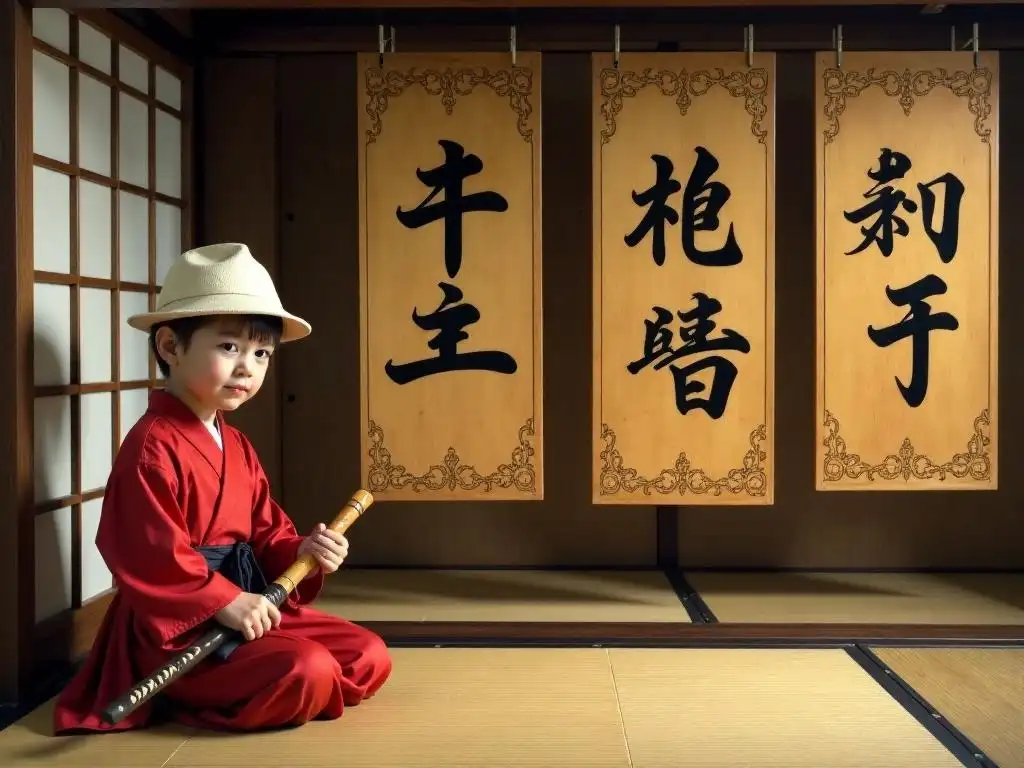
Child rearing in the samurai class was distinct from that of other social classes in feudal Japan, such as the peasant and merchant classes. Understanding these differences helps illuminate the unique expectations and values that shaped the upbringing of samurai children. The samurai upbringing was heavily influenced by the principles of bushido, the way of the warrior, which emphasized honor, discipline, and loyalty. In contrast, peasant families focused more on survival and practical skills necessary for farming and labor.
Child Rearing in the Peasant Class vs. Samurai Class
In peasant families, children were often seen as contributors to the household from a very young age. They participated in agricultural work, learning essential skills for farming and household management. This practical education was crucial for the family's economic survival, and children were taught to prioritize work and responsibility over formal education.
In contrast, samurai children were raised in an environment that valued education, martial training, and philosophical teachings. Their education was more structured and often included lessons in calligraphy, poetry, and the arts, alongside martial skills. While peasant children learned through hands-on experience, samurai children were groomed through a curriculum that prepared them for leadership roles within their clans and society.
Similarities and Differences in Educational Approaches
Both classes valued the importance of education, but their approaches diverged significantly. Samurai education was formal, involving tutors and rigorous training in both intellectual and martial disciplines, which aimed to cultivate a well-rounded individual. Children were taught to read and write classical Chinese and studied historical texts that emphasized moral lessons and ethical governance.
In contrast, the educational approach for peasant children was less formal. They learned through observation and participation in family duties, with limited access to written material or scholarly instruction. The focus was on practical skills that would benefit the family unit, such as farming techniques and craftsmanship.
Despite these differences, both classes shared a common goal of instilling strong values in their children. For samurai, this meant cultivating honor and loyalty to one's lord, while for peasants, it was about developing a strong work ethic and a sense of community responsibility.
Conclusion: The Legacy of Samurai Child Rearing Traditions
The legacy of samurai child rearing traditions has left a profound mark on Japanese culture and society. The emphasis on discipline, loyalty, and education continues to resonate in modern Japanese family structures. The values instilled in samurai children are reflected in contemporary practices that prioritize respect, hard work, and educational achievement.
Lasting Influences on Modern Japanese Family Structures
Modern Japanese families still incorporate elements of the samurai ethos, particularly regarding education and moral values. Parents often emphasize the importance of academic success and character development in their children, mirroring the samurai focus on a well-rounded upbringing. The tradition of using formal education as a pathway to success can be traced back to the samurai class, and this drive for excellence continues to shape societal expectations today.
Reflections on the Samurai Approach to Child Rearing Today
Today, many aspects of the samurai approach to child rearing are viewed with admiration, particularly their commitment to instilling strong moral principles and a sense of duty in children. However, contemporary society also challenges some of the more rigid aspects of this tradition, advocating for a balance between discipline and emotional openness. As Japan continues to evolve, the reflection on samurai child rearing traditions serves as a reminder of the complexities of family dynamics and societal values in shaping future generations.
References and Further Reading on Samurai Child Rearing Traditions
Delving into the intricacies of samurai child-rearing traditions unveils a rich tapestry of cultural values, educational practices, and familial expectations that defined the samurai class in feudal Japan. To gain a deeper understanding of these traditions, several scholarly works and resources are invaluable.
Suggested Literature on Feudal Japan and Samurai Culture
-
"Bushido: The Soul of Japan" by Inazo Nitobe
This classic work offers insights into the ethical framework of the samurai and how it influenced family and societal structures, including child rearing.
-
"The Samurai: A Military History" by Stephen Turnbull
Turnbull's book provides context for the samurai lifestyle, detailing their roles and responsibilities, which directly impacted their approaches to educating their children.
-
"The Tale of the Heike" (translated by Helen Craig McCullough)
This epic account of the Genpei War reveals cultural norms and values prevalent among samurai families, including expectations placed upon children.
-
"Children of the Samurai: A True Story of Japanese American History" by H. A. B. Kato
This narrative explores the experiences of samurai descendants, providing a unique perspective on child-rearing practices and their evolution over time.
-
"Samurai Children: A History of the Samurai in Japan" by David A. Eason
This book specifically focuses on the upbringing of samurai children, detailing educational methods and cultural practices that shaped their identities.
Resources for Deeper Understanding of Samurai Family Dynamics
-
JSTOR and Project MUSE
These academic databases host a plethora of articles and papers that explore various aspects of samurai life, including family dynamics and child-rearing traditions. Access to these resources often requires institutional login or subscription.
-
The National Diet Library of Japan
An extensive collection of texts and manuscripts related to samurai history can be found here, providing primary sources that detail familial relationships and educational practices.
-
Online Courses and Lectures
Platforms like edX and Coursera occasionally offer courses on Japanese history that cover the samurai era, including discussions on family and social structures. Look for specific modules focused on feudal Japan.
-
Documentaries and Historical Series
Series such as "Samurai: Behind the Sword" provide visual context and expert commentary on the life of samurai families, enriching the understanding of their child-rearing traditions.
-
Academic Journals
Journals such as "Japanese Studies" and "The Journal of Asian Studies" frequently publish articles that touch upon various facets of samurai life, including the cultural significance of child rearing.
By consulting these resources, readers can gain a comprehensive view of the samurai child-rearing traditions and how they reflected broader societal norms in feudal Japan.
- Introduction to Samurai Child Rearing Traditions
- Overview of Samurai Culture and Its Impact on Family Life
- Importance of Child Rearing in Feudal Japan
- Historical Context of Samurai Child Rearing
- Core Principles of Samurai Child Rearing
- Educational Practices within Samurai Families
- Expectations and Responsibilities of Samurai Children
- Challenges in Samurai Child Rearing
- Comparisons with Other Social Classes
- Conclusion: The Legacy of Samurai Child Rearing Traditions
- References and Further Reading on Samurai Child Rearing Traditions
- What are Samurai child rearing traditions?
- How did education play a role in the upbringing of samurai children?
- What were the expectations of samurai parents for their children?
- How did gender roles influence child rearing in the samurai class?
- What impact did samurai child rearing traditions have on Japanese society?
Frequently Asked Questions
What are Samurai child rearing traditions?
Samurai child rearing traditions encompass a set of practices focused on instilling discipline, honor, and martial skills in children from a young age, ensuring they grow up to uphold the values of the samurai class.
How did education play a role in the upbringing of samurai children?
Education for samurai children was designed to balance literature and martial arts, promoting both intellectual and physical development, which was essential for their roles in society as future leaders and warriors.
What were the expectations of samurai parents for their children?
Samurai parents expected their children to embody the Bushido code, which emphasized loyalty, courage, and self-discipline, ensuring they contributed positively to their family's honor and the samurai class.
How did gender roles influence child rearing in the samurai class?
In the samurai class, gender roles significantly influenced child rearing, with boys being trained in martial skills and leadership, while girls were often prepared for domestic duties and managing the household.
What impact did samurai child rearing traditions have on Japanese society?
The samurai child rearing traditions significantly shaped Japanese society by promoting a culture of discipline, loyalty, and honor, which influenced various aspects of Japanese life, including governance and social structure.
Final Reflection: The Enduring Legacy of Samurai Child Rearing Traditions
Child rearing in the samurai class is not just a relic of the past; it is a profound reflection of values that resonate in today's society. The principles of discipline, honor, and education that shaped samurai children continue to influence modern parenting and educational practices. As we navigate the complexities of contemporary life, understanding these traditions can provide us with valuable insights into fostering resilience and character in the next generation.
Clearly, the samurai's approach to child rearing has left an indelible mark on Japan's cultural landscape and beyond. The emphasis on moral education and the cultivation of virtues such as loyalty and respect can be seen in various aspects of modern society, from family dynamics to educational systems. As noted by historian John W. Hall, The samurai's legacy is not merely historical; it is a living testament to the values that shape our identities.
This ongoing influence encourages us to reflect on how we can incorporate similar principles into our own lives and communities.
As we conclude our exploration of samurai child rearing traditions, I invite you to reflect on the values that you hold dear in your own parenting or mentoring practices. Consider how the lessons from the past can inspire us to cultivate a future where honor, discipline, and education are at the forefront of raising our children. Embrace the challenge of instilling these timeless virtues in the next generation, ensuring that the spirit of the samurai continues to thrive in our modern world.
Embrace the Legacy of Samurai Parenting!
Thank you for taking the time to explore the fascinating world of child-rearing in the samurai class. Your insights into tradition, education, and expectations not only enrich your understanding of history but also inspire thoughtful reflection on the values that shape our upbringing today. Now, let’s take action!
- Dive deeper into the captivating customs of the samurai. Explore related articles on our site to discover how these traditions might influence modern parenting.
- Share your thoughts! Join our online community to discuss your perspectives on how samurai values can inform our approach to education and discipline.
- Try a samurai-inspired practice with your family! Consider implementing a core value such as loyalty or courage in your daily activities.
What aspect of samurai parenting resonates most with you, and how would you apply it in today’s context? We’d love to hear your thoughts!