
Savoring Samurai: The Role of Warriors in Japan's Culinary Traditions

Welcome to Feudal Japan History, where the rich tapestry of Japan’s feudal era unfolds before your eyes! Dive deep into the captivating story of how samurai, the legendary warriors, shaped not only the battlefield but also the very essence of Japanese cuisine. Discover the intricate connections between honor, tradition, and the culinary delights that emerged from this storied past in our featured article, "Savoring Samurai: The Role of Warriors in Japan's Culinary Traditions."
Prepare to explore the unexpected influence of these formidable figures on daily life and society, as we take you on a flavorful journey through history that promises to intrigue and inspire. What secrets do the samurai hold in the kitchen? Read on to find out!
- Introduction to Samurai Influence on Japanese Cuisine
- The Role of Samurai in Feudal Japan Society
- Samurai Influence on Japanese Cuisine
- Rituals and Ceremonies: The Culinary Practices of Samurai
- Regional Variations of Samurai Cuisine
- Case Studies: Notable Samurai and Their Culinary Legacy
- Modern Interpretations of Samurai Cuisine
- Conclusion: The Lasting Impact of Samurai on Japanese Cuisine
- Frequently Asked Questions
- Final Reflection: The Enduring Legacy of Samurai in Japanese Cuisine
- Unleash Your Inner Gourmet Warrior!
Introduction to Samurai Influence on Japanese Cuisine
The samurai, renowned for their martial prowess and strict adherence to a code of honor, have played a pivotal role in shaping various aspects of Japanese culture, including its culinary traditions. This article delves into the intricate relationship between these esteemed warriors and the evolution of Japanese cuisine.
By examining historical contexts, culinary practices, and the cultural significance of food in samurai society, we aim to uncover how the samurai's values and lifestyle influenced the flavors and dishes that define modern Japanese food. From the preparation of meals to the etiquette surrounding dining, the samurai's impact on Japanese cuisine extends far beyond the battlefield, resonating through centuries of culinary development.
Understanding the Historical Context of Samurai in Japan
The samurai emerged during the late Heian period (794-1185) as a distinct warrior class, marking the beginning of a new societal structure in Japan. These noble warriors were not only fighters but also landowners and administrators, which profoundly influenced the agricultural practices and food production of the time. The following points encapsulate their historical significance:
- Feudal System: The samurai were integral to the feudal system, serving as vassals to powerful lords (daimyō) and managing the lands that produced food. Their role ensured stability and agricultural productivity, which directly affected the availability of ingredients for cooking.
- Cultural Values: The samurai adhered to Bushido, a code emphasizing honor, discipline, and respect. These principles extended to their interactions with food, where preparation and presentation became an art form, reflecting their values and status.
- Rituals and Ceremonies: Food played a crucial role in various samurai rituals and celebrations, including tea ceremonies that highlighted not just the beverage but also the accompanying sweets and snacks. These practices exemplified the intersection of culinary art and samurai culture.
Through these historical lenses, we can begin to appreciate how the samurai's societal role influenced the culinary landscape of Japan, laying the groundwork for future gastronomic developments.
The Intersection of Warfare and Culinary Practices
The relationship between warfare and culinary practices in samurai culture is a fascinating area of exploration. Here are some key aspects to consider:
- Nutritious Diet for Warriors: Samurai required diets that supported their demanding lifestyles. This led to the consumption of nutrient-rich foods, including rice, fish, and vegetables, which not only fueled their bodies but also became staples in Japanese cuisine.
- Preservation Techniques: The need for sustenance during campaigns led to the development of preservation methods such as pickling and drying. These techniques ensured that food could withstand long journeys and extended periods without fresh supplies, influencing modern Japanese food preservation methods.
- Culinary Techniques from Battle: The samurai's experiences in battle also contributed to culinary innovation. For instance, portable meals such as bento emerged, designed for convenience yet rich in flavor, allowing warriors to maintain their strength on the go.
The samurai's influence on Japanese cuisine is a multifaceted topic that intertwines historical context with culinary innovation. By examining these connections, we gain deeper insights into how the samurai not only shaped their society but also left an indelible mark on the culinary traditions that continue to thrive in Japan today.
The Role of Samurai in Feudal Japan Society
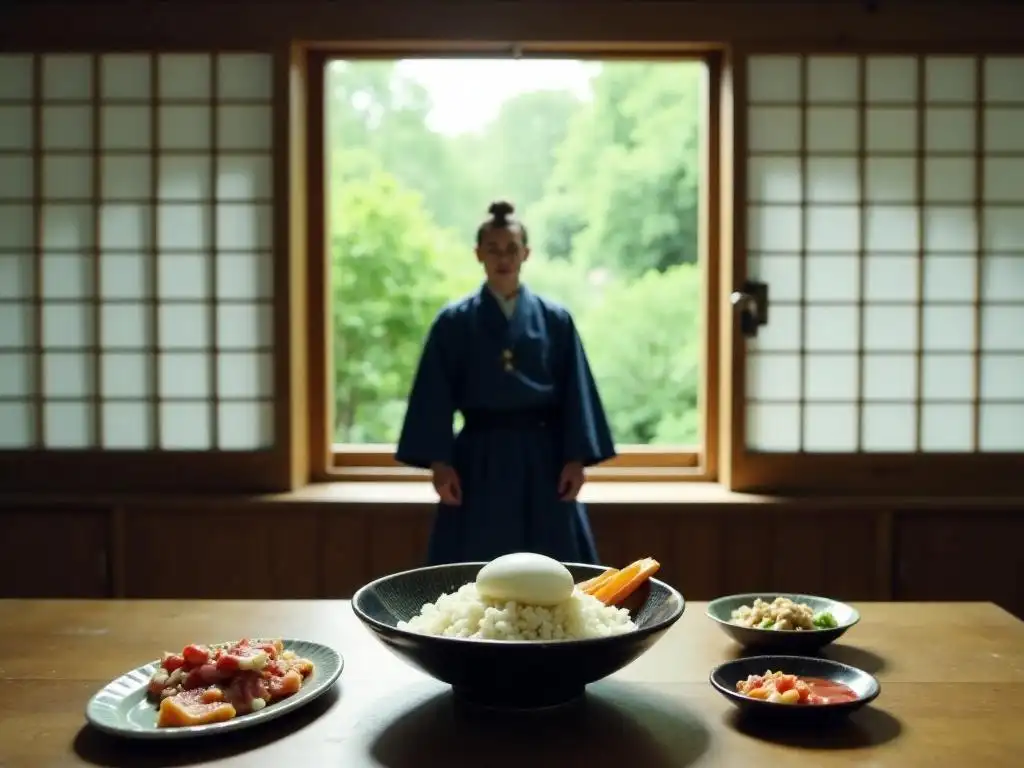
In feudal Japan, the social hierarchy was distinctly stratified, with the samurai occupying a prominent position within the structure. This class was not only defined by their martial prowess but also by their adherence to a strict code of conduct known as Bushido. The principles of Bushido emphasized virtues such as loyalty, honor, and discipline, which permeated all aspects of samurai life, including their relationship with food and culinary traditions.
The samurai were placed just below the ruling class of daimyō (feudal lords) and above the commoners, which included farmers, artisans, and merchants. This elevated status afforded them access to a variety of foods, often more luxurious than those available to the lower classes. The concept of "tabemono" (food) during this period was not merely about sustenance; it was intricately linked to social standing and cultural identity.
- Hierarchy Breakdown:
- Daimyō: Feudal lords, landowners.
- Samurai: Warrior class, vassals to daimyō.
- Farmers: Producers of rice and other crops.
- Artisans: Craftsmen creating tools and goods.
- Merchants: Traders and sellers of goods.
The samurai's position in society allowed them to influence the culinary practices of their time. They had the means to import rare ingredients and employ skilled cooks, which led to the evolution of sophisticated dining customs that reflected their status. Furthermore, the samurai often engaged in cultural activities, such as poetry and tea ceremonies, where food played a vital role, thus intertwining their military identity with culinary sophistication.
Samurai as Patrons of Culinary Arts
The samurai's patronage of culinary arts significantly shaped Japanese cuisine. As warriors who often held substantial land and wealth, they played a crucial role in the development of food culture. Their influence encouraged the cultivation of various ingredients and the refinement of cooking techniques, which contributed to the diversity of Japanese cuisine.
One notable aspect of this patronage was the emphasis on seasonal ingredients and presentation. Samurai banquets, known as "kaiseki", highlighted seasonal flavors and showcased intricate plating. This practice was not merely for enjoyment but also served as a display of wealth and sophistication. The aesthetic appeal of food became just as important as its taste, reflecting the samurai's connection to art and nature.
- Elements of Kaiseki:
- Seasonal Ingredients: Highlighting local produce.
- Presentation: Artistic arrangement of dishes.
- Flavor Balance: A harmony of tastes.
Moreover, samurai involvement in culinary arts extended beyond personal dining experiences. They often hosted feasts and gatherings that showcased their wealth and status, where food played an essential role in diplomacy and social relationships. The gatherings would serve as a platform for alliances, negotiations, and the strengthening of bonds through shared meals.
In addition, the samurai influenced the rise of certain food items that became staples in Japanese cuisine. For example, the emphasis on rice cultivation, driven by the samurai's need for sustenance and as a status symbol, led to rice becoming the cornerstone of Japanese meals. The meticulous preparation methods developed during this time also laid the groundwork for modern Japanese culinary practices, emphasizing the importance of technique and presentation.
The samurai's impact on Japanese cuisine was profound, establishing a legacy that intertwined their martial values with culinary traditions. Their role as patrons of the culinary arts not only enriched the flavor and diversity of Japanese food but also elevated the cultural significance of dining, a tradition that continues to resonate in Japan today.
Samurai Influence on Japanese Cuisine
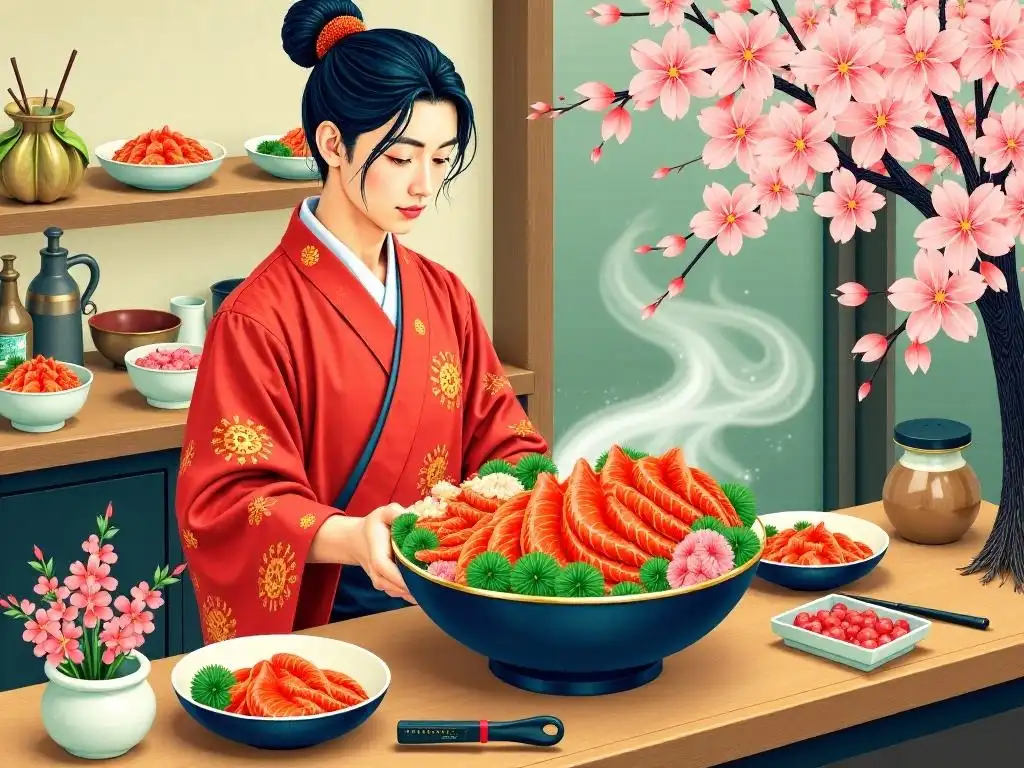
The samurai, known for their martial prowess and strict codes of honor, also played a significant role in shaping Japan's culinary landscape. Their influence on Japanese cuisine is evident in various traditional dishes, cooking techniques, and the cultural significance of certain foods. Understanding the samurai influence on Japanese cuisine provides insight into how these warriors contributed to the development of culinary practices that persist to this day.
Traditional Dishes Inspired by Samurai Culture
Japanese cuisine is rich with flavors and traditions, many of which can be traced back to the samurai era. The samurai not only consumed food that was practical for their rigorous lifestyles but also engaged in culinary practices that reflected their status and cultural values.
The Significance of Rice in Samurai Diet
Rice, known as “gohan”, holds a sacred place in Japanese culture and was a staple in the diet of samurai. It was not merely a source of sustenance; it was a symbol of prosperity and status. The samurai's connection to rice can be highlighted through the following aspects:
- Nutritional Value: Rice provided the necessary carbohydrates for energy, essential for the physical demands of a warrior's life.
- Cultural Rituals: Samurai participated in rituals surrounding rice cultivation and consumption, reinforcing its importance in their lives.
- Variety of Dishes: Rice was often served in various forms, including sushi, onigiri (rice balls), and donburi (rice bowls), showcasing the creativity of samurai culinary practices.
Sake: The Warrior’s Drink
Sake, a traditional Japanese rice wine, was not only a popular beverage among samurai but also played a significant role in their social and ceremonial life. The importance of sake in samurai culture can be summarized as follows:
- Ceremonial Uses: Sake was often used in rituals and ceremonies, including those that marked important life events or military victories.
- Social Bonding: Sharing sake among samurai was a way to strengthen bonds and signify loyalty and camaraderie.
- Culinary Pairing: Samurai often paired sake with their meals, enhancing the flavors of the dishes and showcasing the harmony of food and drink.
Cooking Techniques and Tools Adopted by Samurai
The samurai's influence extended beyond the ingredients they used; they also impacted the methods and tools of cooking. Their unique lifestyle necessitated the development of specific culinary techniques.
The Use of Katana in Food Preparation
The katana, the iconic sword of the samurai, was not only a weapon but also a symbol of craftsmanship and precision. Interestingly, the katana's sharpness and design influenced culinary practices in several ways:
- Slicing Techniques: The samurai's training in swordsmanship translated into precise slicing techniques in food preparation, emphasizing presentation and quality.
- Culinary Tools: Some samurai used their katanas for practical purposes in the kitchen, leading to the development of high-quality knives that mirrored the craftsmanship of samurai swords.
The Influence of Samurai on Culinary Presentation
Presentation in Japanese cuisine is an art form, and the samurai's attention to detail and aesthetics significantly impacted this aspect of cooking. Key points include:
- Plate Design: The samurai valued beauty and harmony, which influenced the selection and arrangement of dishes on the table.
- Seasonal Ingredients: Samurai chefs often emphasized the use of seasonal ingredients, reflecting the changing seasons and the samurai’s connection to nature.
- Ceremonial Meals: Formal meals were crafted with meticulous care, often incorporating elements of traditional Japanese aesthetics, such as balance and color harmony.
The samurai's profound influence on Japanese cuisine is a testament to their broader impact on society, culture, and daily life in feudal Japan. Their culinary traditions continue to be celebrated and adapted, ensuring that the legacy of these formidable warriors lives on in the flavors and practices of modern Japanese cuisine.
Rituals and Ceremonies: The Culinary Practices of Samurai
The culinary practices of the samurai were deeply intertwined with their rituals and ceremonies, reflecting not only their status but also their philosophical beliefs and societal roles. Food was not merely sustenance for these warriors; it was a vital component of their culture, encompassing respect, discipline, and artistry.
Tea Ceremony: A Warrior’s Reflection
The tea ceremony, known as chanoyu, is one of the most significant cultural practices influenced by the samurai. Originating in the 12th century and evolving through various periods, this ritual reflects the samurai's values of simplicity, harmony, and mindfulness. The preparation and consumption of tea became a form of meditation, allowing samurai to foster a sense of tranquility amidst the chaos of warfare.
Key elements of the tea ceremony include:
- Utensils: Each item used in the ceremony, from the tea bowl ( chawan) to the whisk ( chasen), is selected with care, often reflecting the season or the host's personal aesthetic.
- Setting: The environment plays a crucial role; tea houses are designed to create a serene atmosphere, often incorporating nature through gardens and minimalistic design.
- Ritual: The steps involved in preparing and serving tea are performed with precision and grace, embodying the samurai's disciplined approach to life.
This ceremony also served as an opportunity for samurai to engage in political and diplomatic discussions, solidifying alliances and resolving conflicts. The ceremonial aspect of tea drinking elevated it beyond a simple beverage, embedding it in the fabric of samurai culture and etiquette.
Feast and Banquet Traditions Among Samurai
Banquets held by samurai were extravagant affairs that showcased their wealth, status, and culinary skills. These feasts were not only a display of power but also a means to reinforce social hierarchies and relationships.
Key features of samurai banquets included:
- Seasonal Ingredients: Samurai cuisine emphasized the use of fresh, seasonal ingredients, highlighting the importance of nature in Japanese culinary traditions. Dishes would often change with the seasons, utilizing local produce, fish, and game.
- Presentation: The aesthetic aspect of food was paramount. Dishes were artfully arranged, often on lacquerware or ceramics, showcasing the samurai's refinement and attention to detail.
- Culinary Techniques: Cooking methods such as grilling ( yakimono), simmering ( nimono), and pickling ( zuke) were popular. Samurai chefs were skilled in these techniques, ensuring that meals were not only delicious but visually appealing.
The banquets often included a variety of dishes served in multiple courses, allowing samurai to showcase their culinary prowess and honor their guests. These gatherings served as platforms for negotiation, camaraderie, and celebration, solidifying bonds within the samurai community.
The rituals and ceremonies surrounding food in samurai culture were rich and multifaceted, reflecting their values and social structures. From the meditative practice of the tea ceremony to the grandeur of banquets, the samurai's influence on Japanese cuisine is profound and enduring, shaping the culinary landscape of Japan even today.
Regional Variations of Samurai Cuisine
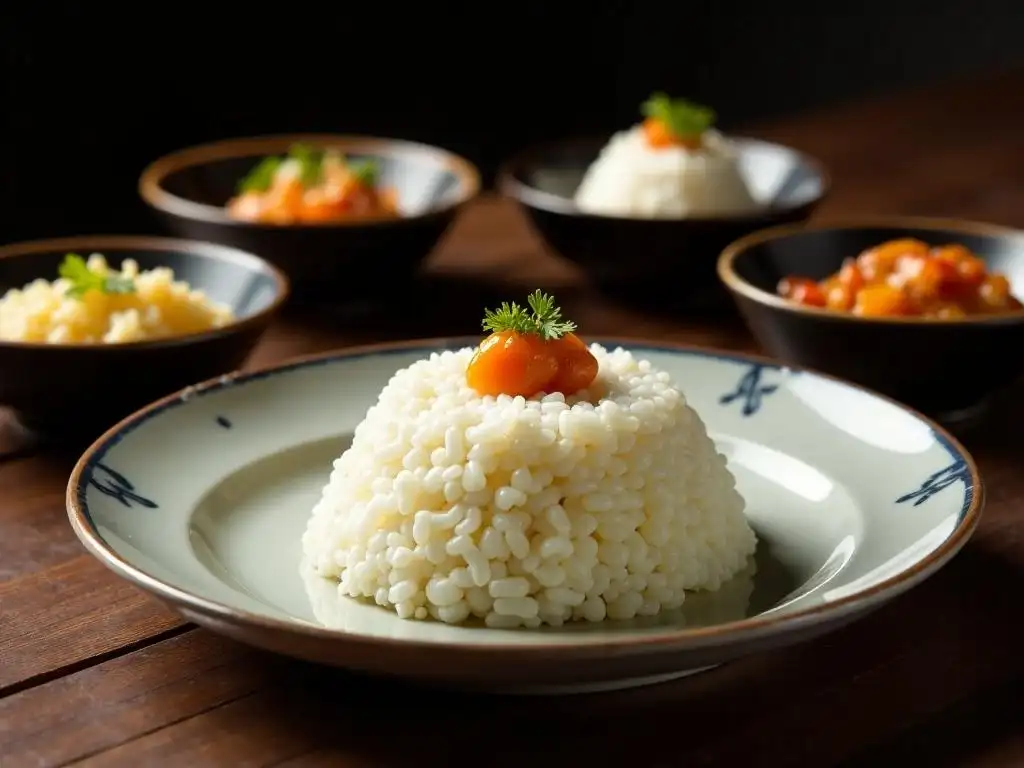
Local Ingredients and Samurai Influence in Different Regions
The culinary traditions of Japan have been significantly shaped by its geography and the local ingredients available in various regions. The samurai, as prominent figures in feudal Japan, not only influenced the social and political landscape but also the culinary practices of their respective domains. Each region developed unique dishes that reflected the local resources and samurai customs, often emphasizing harmony with nature and seasonal ingredients.
1. Kanto Region: The Birthplace of Edo Cuisine
Located around modern-day Tokyo, the Kanto region became a cultural melting pot during the Edo period. Samurai in this area prioritized simplicity and elegance in their meals. Dishes such as soba noodles and sushi emerged, showcasing fresh fish from the nearby waters and buckwheat from local farms. The samurai's influence can be seen in the meticulous presentation and the art of sushi-making, where each piece is crafted with precision, reflecting the samurai's discipline.
2. Kansai Region: Rich Flavors and Cultural Heritage
In contrast, the Kansai region, particularly Kyoto, is known for its sophisticated and rich culinary traditions. Here, the samurai embraced the use of umami-rich ingredients like miso and soy sauce. Kaiseki, a multi-course meal that emphasizes seasonal ingredients, was developed in this region, influenced by samurai gatherings. The use of techniques such as pickling and fermentation allowed for diverse flavors and preservation of ingredients, essential for a warrior's sustenance during long campaigns.
3. Hokkaido: The Frontier Cuisine
Hokkaido, Japan's northernmost island, offers a different perspective on samurai cuisine. With its cold climate and bountiful seafood, samurai in this region often relied on sashimi and grilled fish. The notable use of wild game and foraged plants reflects the samurai's adaptability and resourcefulness. Dishes like jinbutsu-yaki (grilled game) became representative of their connection to the land and the need for sustenance in a rugged environment.
4. Okinawa: A Unique Culinary Perspective
In Okinawa, the samurai influence melded with indigenous practices, leading to distinct flavors and cooking methods. Ingredients such as sweet potatoes and taro became staples, often prepared in ways that reflected the samurai's need for energy and nourishment. The use of herbs and spices in their cooking was essential, showcasing an understanding of health—an important aspect for warriors who needed to maintain their strength and stamina.
The Evolution of Samurai Dishes Over Time
The evolution of samurai cuisine is a fascinating journey through history, marked by changes in society, technology, and cultural exchanges. As Japan transitioned from the feudal era to the modern age, so too did the culinary practices of the samurai.
1. From Simple Meals to Elaborate Banquets
In the early feudal period, samurai meals were relatively simple, focusing on rice, fish, and vegetables. However, as the samurai class gained wealth and power, their dining practices became more elaborate. Banquets featuring a variety of dishes became common, showcasing the samurai's status. The introduction of imported spices and cooking techniques from foreign traders further enriched the culinary landscape.
2. Influence of Zen Buddhism
The rise of Zen Buddhism in the 12th century significantly impacted samurai cuisine. The principles of simplicity and mindfulness influenced the preparation and consumption of food. The development of shojin ryori (vegetarian Buddhist cuisine) introduced the samurai to new ingredients and cooking methods, emphasizing seasonal produce and balanced meals. This shift towards healthier eating can be seen as a reflection of the samurai's dedication to self-discipline.
3. Post-Feudal Changes and Global Influence
With the Meiji Restoration in the late 19th century, Japan opened its doors to the world, leading to a fusion of samurai cuisine with international flavors. The incorporation of Western cooking techniques and ingredients transformed traditional dishes, creating a unique blend that continues to evolve today. Dishes like tonkatsu (breaded pork cutlet) emerged, showcasing how samurai cuisine adapted to modern tastes while retaining its historical roots.
4. Contemporary Revival of Samurai Cuisine
Today, there is a growing interest in kappo ryori, a style of Japanese cuisine that seeks to revive traditional samurai dishes. Chefs and culinary historians are working to preserve these recipes and techniques, celebrating the samurai's influence on Japanese cuisine. Events and festivals dedicated to samurai culture often include demonstrations of traditional cooking methods, showcasing the enduring legacy of these warriors in Japan's culinary history.
The samurai's influence on Japanese cuisine is deeply intertwined with regional variations and historical evolution. From local ingredients to the adaptation of cooking practices, the culinary traditions that arose during the feudal era continue to resonate in modern Japanese cuisine, reflecting a rich tapestry of history, culture, and society.
Case Studies: Notable Samurai and Their Culinary Legacy

The Culinary Contributions of Toyotomi Hideyoshi
Toyotomi Hideyoshi, a pivotal figure in the unification of Japan during the late 16th century, not only made his mark on the battlefield but also significantly influenced the culinary landscape of Japan. His reign heralded a period where food became a symbol of social status and cultural refinement. Hideyoshi's contributions to Japanese cuisine can be traced through various practices and innovations that he championed.
-
Promotion of Tea Ceremonies
Hideyoshi was instrumental in popularizing the Japanese tea ceremony, known as chanoyu. This ritual became a sophisticated cultural practice that encompassed aesthetics, hospitality, and culinary artistry. He invited renowned tea masters like Sen no Rikyū to create an atmosphere of elegance and simplicity, elevating tea's status in Japanese society.
-
Introduction of Seasonal Ingredients
Hideyoshi emphasized the importance of using seasonal ingredients in cooking, a philosophy that has become a cornerstone of Japanese cuisine. His court encouraged the use of fresh produce and fish depending on the season, leading to a culinary tradition that respects the natural cycles of the environment.
-
Sake Production and Appreciation
Under Hideyoshi's rule, the production of sake flourished. He promoted the cultivation of rice, which not only served as a staple food but also became the primary ingredient in sake brewing. His initiatives fostered a culture of sake appreciation, which remains integral to Japanese dining experiences today.
-
Culinary Diplomacy
Hideyoshi’s interactions with foreign visitors, particularly during the time of the Nanban trade, brought new flavors and cooking techniques to Japan. This period saw the introduction of dishes such as tempura, which was influenced by Portuguese frying methods. His openness to incorporating foreign elements into Japanese cuisine showcased a blend of traditional and innovative culinary practices.
Through these contributions, Toyotomi Hideyoshi left a lasting legacy on Japanese cuisine, intertwining culinary artistry with the social and cultural fabric of the time.
How Matsudaira Tadaaki Shaped Regional Cuisine
Matsudaira Tadaaki, a lesser-known yet influential samurai of the Edo period, played a crucial role in shaping the regional cuisine of his domain in the Mikawa province. His efforts not only embraced local culinary traditions but also emphasized the importance of agriculture and sustainability in food production.
-
Advocacy for Agricultural Advancements
Tadaaki recognized the vital role of agriculture in supporting local cuisine. He implemented irrigation systems and promoted crop rotation, which enhanced rice and vegetable yields. This agricultural prosperity allowed local chefs to experiment with fresh ingredients, leading to unique culinary developments.
-
Culinary Festivals and Community Involvement
To celebrate the abundance of local produce, Tadaaki organized seasonal festivals that centered around food. These festivals not only showcased regional dishes but also encouraged community involvement and reinforced social bonds. The emphasis on local ingredients during these events fostered a sense of pride in regional cuisine.
-
Integration of Samurai Ethics in Cooking
Tadaaki believed that the principles of bushido (the way of the warrior) should extend into culinary practices. This philosophy led to the creation of dishes that emphasized aesthetic presentation, balance, and harmony. The concept of wabi-sabi, which celebrates the beauty of imperfection, became a guiding principle in the preparation and presentation of food.
-
Sustainable Practices and the Environment
Tadaaki’s focus on sustainability influenced the way food was sourced and prepared in his domain. He encouraged the use of organic farming methods and foraged ingredients, aligning culinary practices with the rhythms of nature. This approach not only enriched local cuisine but also promoted a deeper connection between the community and their environment.
Through his efforts, Matsudaira Tadaaki significantly contributed to the evolution of Japanese regional cuisine, highlighting the importance of local ingredients, community engagement, and sustainability—principles that continue to resonate in modern Japanese culinary practices.
Modern Interpretations of Samurai Cuisine
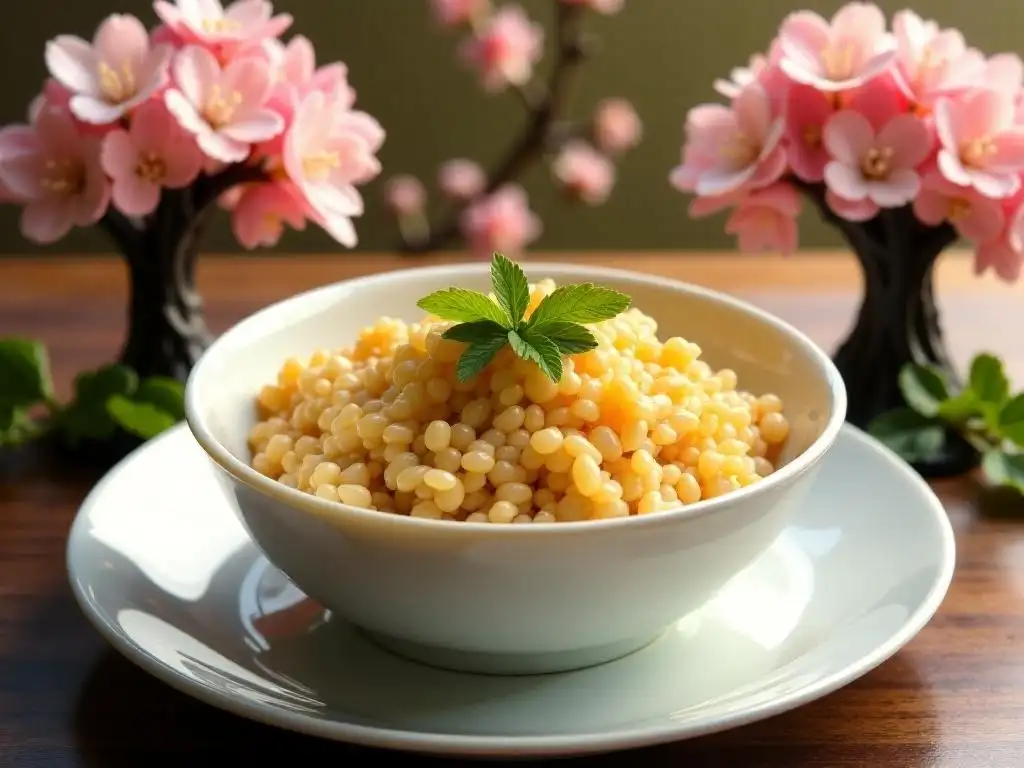
The culinary traditions of the samurai era have undergone significant transformations, yet their essence continues to resonate in modern Japanese cuisine. This evolution reflects not only the historical significance of samurai but also their influence on contemporary culinary practices. By examining how chefs today reinterpret these age-old traditions, we can appreciate the enduring legacy of the samurai in the realm of food.
How Contemporary Chefs Honor Samurai Culinary Traditions
Contemporary chefs in Japan and around the world have embraced the challenge of honoring samurai culinary traditions while infusing their own creativity. This process often involves:
- Research and Authenticity: Many chefs delve into historical cookbooks and samurai texts to gain insights into the ingredients, techniques, and cooking methods favored by warriors. For instance, the use of seasonal ingredients and the emphasis on presentation are core principles that modern chefs strive to emulate.
- Utilization of Samurai Ingredients: Ingredients that were staples in samurai diets, such as rice, fish, and various vegetables, are still prevalent today. Chefs often highlight these ingredients in their dishes, celebrating their historical significance. For example, sake, traditionally enjoyed by samurai, is frequently incorporated into contemporary recipes, both as an ingredient and as a pairing for meals.
- Culinary Techniques: The samurai's traditional cooking methods, such as grilling (yakimono) and simmering (nimono), are revisited in modern kitchens. Chefs adapt these techniques to create dishes that resonate with today's palates while respecting historical practices.
- Cultural Events and Festivals: Some chefs engage the public by hosting themed dinners or workshops that celebrate samurai culture. These events often feature samurai-inspired menus and provide a narrative about the historical context of each dish, enriching diners’ experiences.
Through these methods, chefs not only preserve the samurai's culinary heritage but also promote a deeper understanding of Japan's rich gastronomic history.
Fusion of Traditional Samurai Dishes with Modern Techniques
The fusion of traditional samurai dishes with modern techniques has led to innovative and exciting culinary creations that appeal to contemporary diners. This blend is characterized by:
- Reimagining Classic Dishes: Chefs take classic samurai meals, such as soba noodles or grilled fish, and present them with a modern twist. For instance, soba may be served with unique sauces or garnishes that reflect global culinary trends while maintaining its historical roots.
- Incorporation of Global Influences: Modern chefs often draw inspiration from diverse culinary practices, leading to unique dishes that reflect both samurai traditions and international flavors. A prime example is the use of fermentation techniques, which have gained popularity worldwide and echo the preservation methods used in samurai times.
- Presentation and Experience: The samurai era emphasized aesthetics in food presentation. Today’s chefs continue this tradition by employing modern plating techniques that enhance visual appeal. This approach not only honors the historical aspect of samurai cuisine but also elevates the dining experience.
- Focus on Sustainability: Many contemporary interpretations of samurai cuisine prioritize sustainability, echoing the samurai's respect for nature. Chefs may source local, organic ingredients and emphasize seasonal produce, aligning with the samurai's connection to the land.
The blending of traditional and modern elements in samurai cuisine exemplifies the adaptability of culinary practices over time. These innovations not only keep the samurai legacy alive but also make it relevant and accessible to a new generation of food enthusiasts.
The samurai's influence on Japanese cuisine continues to thrive through modern interpretations that honor the past while embracing the future, ensuring that these rich culinary traditions remain celebrated and enjoyed.
Conclusion: The Lasting Impact of Samurai on Japanese Cuisine
The influence of samurai on Japanese cuisine is profound and multifaceted, intertwining with the cultural, social, and historical fabric of Japan. As elite warriors, samurai played a critical role not only in matters of combat and governance but also in shaping the culinary practices that define Japanese food today. Their preferences, practices, and values have left an indelible mark on various aspects of the culinary arts, from the ingredients used to the techniques employed in cooking.
One of the most significant contributions of samurai to Japanese cuisine is the emphasis on seasonality and presentation. The samurai class, with its deep-rooted appreciation for aesthetics and harmony in nature, influenced the way food was sourced and served. This appreciation is evident in practices such as kaiseki, a traditional multi-course meal that embodies the principles of balance, color, and presentation. The samurai's ethos of discipline and refinement is reflected in the meticulous preparation of dishes, which has become a hallmark of Japanese culinary traditions.
Moreover, the samurai's influence extends to the consumption of specific foods believed to enhance strength and vitality. Dishes rich in protein, such as fish and game, were favored, as they were thought to provide the necessary sustenance for warriors. The development of unique cooking methods, such as grilling and steaming, can also be traced back to the samurai’s need for efficient meal preparation during their rigorous lifestyles.
Reflecting on the Cultural Heritage of Samurai in Today's Culinary World
The legacy of samurai influences is still palpable in today's culinary landscape. Restaurants offering kaiseki or other traditional dishes often highlight the historical significance of these meals, linking them directly to samurai culture. Many chefs and culinary historians emphasize this connection, showcasing the importance of samurai traditions in modern culinary education.
In contemporary Japan, the samurai's emphasis on purity, quality ingredients, and aesthetic presentation continues to shape dining experiences. For instance, the use of seasonal ingredients reflects the samurai's connection to nature and their understanding of the environment's offerings. The art of sushi, which has evolved over centuries, also carries traces of samurai influence, particularly in the techniques used to prepare and serve this iconic dish.
Furthermore, the resurgence of traditional dining experiences in Japan can be seen as a response to globalization. Many people seek to reconnect with their cultural heritage through food, and the samurai's culinary practices provide a rich source of inspiration. This revival is also evident in the increasing popularity of workshops and classes focused on traditional cooking techniques that honor samurai heritage.
Future Directions for Research on Samurai Influence in Gastronomy
While significant strides have been made in understanding the samurai's role in Japanese cuisine, there is still much to explore. Future research could delve deeper into the regional variations of samurai culinary practices, investigating how specific clans or regions adapted their food traditions based on local resources and cultural influences.
Another intriguing avenue for exploration is the impact of samurai culture on modern fusion cuisine. As chefs experiment with combining traditional samurai-influenced dishes with contemporary culinary techniques and international flavors, analyzing these innovations could provide valuable insights into the evolution of Japanese gastronomy.
Additionally, examining the socio-political dynamics of the samurai class and their culinary practices could shed light on the broader implications of food as a symbol of power, status, and identity in feudal Japan. This historical perspective would enrich our understanding of how samurai influence continues to resonate in Japan’s food culture today.
The samurai's impact on Japanese cuisine is a testament to their enduring legacy. As we savor the flavors of traditional and modern dishes alike, we are reminded of the warriors who shaped not only the history of Japan but also its gastronomic identity. 🍣
Frequently Asked Questions
What is the connection between samurai and Japanese cuisine?
The samurai's influence on Japanese cuisine is significant, as these warriors contributed to the development of culinary traditions through their unique tastes and rituals, emphasizing savoring the flavors and aesthetics of food.
How did the samurai's lifestyle affect their eating habits?
The lifestyle of samurai, with its emphasis on discipline and honor, led to structured eating habits, favoring meals that were nutritious and aesthetically pleasing, which also reflected their status and values.
What types of food were favored by samurai?
Samurai typically enjoyed simple yet refined dishes, such as rice, fish, and seasonal vegetables, often prepared with techniques that highlighted freshness and quality, aligning with their philosophy of simplicity.
Did samurai play a role in the tea ceremony?
Yes, the samurai played a crucial role in the evolution of the tea ceremony, which became a symbol of hospitality and refinement, blending martial discipline with cultural appreciation in their culinary practices.
How has samurai influence shaped modern Japanese cuisine?
The legacy of samurai continues to resonate in modern Japanese cuisine, where concepts of presentation, seasonality, and balance are still celebrated, showcasing the historical roots of these culinary traditions.
Final Reflection: The Enduring Legacy of Samurai in Japanese Cuisine
The intricate relationship between samurai and culinary traditions underscores the profound impact of culture on cuisine. As we explore the historical significance of the samurai, it becomes evident that their influence extends far beyond the battlefield, shaping the very essence of Japanese culinary practices. The samurai's commitment to discipline, aesthetics, and honor resonates in the meticulous preparation and presentation of food, reminding us that every meal is a reflection of cultural heritage and values.
Culinary traditions are not merely about sustenance; they are a vessel for cultural expression and identity. The samurai's role in elevating food to an art form has left an indelible mark on Japan's gastronomic landscape. This influence continues to inspire chefs and home cooks alike, as they strive to embody the principles of balance, harmony, and respect for ingredients. Food is not just what we eat; it is a reflection of who we are.
This sentiment encapsulates the essence of how samurai values have permeated the culinary world, encouraging us to appreciate the stories behind each dish.
As we reflect on the samurai's legacy in Japanese cuisine, I invite you to consider how these historical influences can enrich your own culinary experiences. Take a moment to savor not just the flavors on your plate, but the rich history and traditions that have shaped them. Embrace the spirit of the samurai in your cooking and dining practices—approach each meal with mindfulness, creativity, and respect for the ingredients. In doing so, you honor the past while contributing to the ongoing narrative of culinary evolution.
Unleash Your Inner Gourmet Warrior!
Thank you for exploring the fascinating intersection of samurai culture and culinary traditions in Japan! By understanding the roles of these legendary warriors, you’ve unlocked new perspectives on their influence in the kitchen and beyond. Now, it’s time to take action and deepen your culinary journey.
- Embrace your culinary skills: Try your hand at a traditional Japanese recipe that embodies the samurai ethos. Consider starting with a classic sushi dish or a comforting bowl of miso soup!
- Engage with the community: Share your cooking experiences on social media or within local food communities. Don’t forget to use the hashtag #FeudalJapanEats to connect with fellow enthusiasts.
- Discover further connections: Explore literature on samurai history and culinary arts to see how these themes continue to influence modern cuisine.
What traditional dish would you love to master that reflects the spirit of the samurai? Share your thoughts below!