
The Impact of War on Housing Styles During Feudal Japan


Welcome to Feudal Japan History, where the echoes of the past come alive through a meticulous exploration of Japan’s feudal era. Delve into the intriguing dynamics of daily life and society, and discover how the tumult of war shaped the very fabric of Feudal Japan housing styles.
In our featured article, "The Impact of War on Housing Styles During Feudal Japan," we invite you to uncover the fascinating interplay between conflict and architecture, revealing how these historical events influenced the homes of the samurai and commoners alike. Prepare to be captivated and inspired as you journey through this pivotal chapter in Japan’s rich heritage!
Introduction to Feudal Japan Housing Styles
Feudal Japan, a period stretching roughly from the 12th to the 19th centuries, was characterized by a complex socio-political system dominated by samurai warriors and a rigid class hierarchy. This era witnessed not only the evolution of societal structures but also significant changes in housing styles. The impact of war during this tumultuous period played a pivotal role in shaping the architectural landscape of Japan. Understanding the relationship between conflict and housing reveals how the needs for defense, social status, and cultural expression influenced the design and function of homes and buildings.
Overview of Feudal Japan
Feudal Japan was marked by a decentralized political structure where power was held by land-owning lords known as daimyo. The samurai, who served these lords, occupied a unique position within society, balancing martial duties with cultural responsibilities. The architectural styles of this era reflect the values and social organization of the time, often characterized by simplicity, functionality, and a deep connection to nature. Housing varied significantly across social classes, from the humble thatched-roof cottages of peasants to the grand castles of the nobility, each serving distinct purposes shaped by the prevailing socio-political climate.
Importance of Housing in Society
Housing in feudal Japan was not merely a shelter but a reflection of one's social standing and cultural identity. The design and materials used in construction conveyed messages about wealth, power, and lineage. For example, the use of tatami mats, sliding doors, and natural elements like wood and paper in residential architecture symbolized a harmonious relationship with nature, a core principle in Japanese aesthetics. Furthermore, the layout of homes often served practical purposes, facilitating family life and community interactions, which were crucial in a society where loyalty and relationships defined one's status.
Historical Context of War in Feudal Japan
The impact of war on housing styles during feudal Japan cannot be understated, as conflicts such as the Genpei War, the Sengoku period, and the invasions of the Mongols profoundly affected architectural trends. Each of these conflicts brought about changes in both the defensive requirements of housing and the societal norms surrounding them.
Major Wars and Conflicts in Feudal Japan
The Genpei War (1180–1185) marked the transition from the Heian period to the Kamakura period, leading to the establishment of the samurai class as a dominant force. Following this, the Sengoku period (1467–1603), often referred to as the "Age of Warring States," saw numerous feudal lords vying for power, resulting in an escalation of military architecture. Castles became central to the political and military landscape, with designs emphasizing fortification and defense against rival clans.
Influence of War on Societal Structures
The continuous warfare during feudal Japan redefined societal structures, leading to the rise of fortified residences and communal living arrangements. In response to the threat of invasion, many homes were constructed with defensive features, such as thick walls and elevated positions. The necessity for security often dictated the materials used in construction and the overall layout of dwellings. As a result, housing styles evolved not only to accommodate the needs of the period but also to reflect the changing dynamics of power, loyalty, and community within feudal Japan.
Evolution of Housing Styles Due to War
The evolution of housing styles during Feudal Japan was profoundly influenced by the constant state of warfare that characterized this era. As feudal lords vied for power and territory, the need for fortified structures became paramount. Traditional homes gradually transformed into more defensive designs, reflecting the societal shift towards warfare. This evolution was not merely functional; it also encapsulated the cultural and aesthetic values of the time, merging practicality with the artful craftsmanship that Japan is known for.
The introduction of defensive elements, such as thicker walls and elevated positions, led to the development of structures like yamajiro (mountain castles) and hirajiro (plains castles). These adaptations showcased a blend of architectural ingenuity and the necessity for security. As conflicts shifted in intensity and nature, so too did the architectural responses, leading to a diverse array of housing styles across different regions of Japan.
Traditional Housing Styles Before War
Before the onset of frequent wars, housing styles in Japan were characterized by simplicity and harmony with nature. The traditional mukōzuke houses, typically made of wood and thatched roofs, reflected the rural lifestyle of the populace. These homes featured tatami mat flooring and sliding doors (fusuma), which created flexible living spaces that could be adapted for various activities.
Structures were often built with local materials, emphasizing sustainability and environmental integration. Farmhouses (like the gassho-zukuri) in regions such as Shirakawa-go showcased steep roofs designed to withstand heavy snowfall, demonstrating how housing styles were tailored to local conditions rather than military concerns.
Changes in Housing During Conflicts
As conflicts escalated during the feudal era, the need for more secure housing became evident. The construction of fortified houses known as jinya emerged, often incorporating elements of military architecture. These homes featured thicker walls, narrow windows for archery, and strategic layouts that provided defensive advantages.
Moreover, the use of moats and earthworks became common, surrounding residences to deter attackers. During this time, the aesthetic aspect of housing began to merge with functionality; traditional elements were preserved but adapted to serve the needs of protection. The shift from open, communal spaces to more segmented and fortified dwellings marked a significant change in the way families interacted and lived daily.
Regional Variations in Housing Styles
The impact of warfare on housing styles was not uniform across Japan. Various regions developed unique adaptations influenced by local conditions, cultural practices, and the nature of conflicts they faced. This regional diversity reflects the complex interplay between environment, society, and military needs during the feudal period.
Northern Japan: Unique Adaptations
In Northern Japan, particularly in regions like Aomori and Akita, housing adapted to both the cold climate and the threat of conflict. The inaka style houses here featured thick walls and roofs designed to trap heat, with additional defensive measures such as hidden entrances and elevated platforms to avoid ambushes.
The zashiki (tatami rooms) often included storage for weapons, blurring the lines between domestic and military space. The architecture also took advantage of local materials, with wooden structures that could withstand heavy snowfall while providing necessary shelter from invaders.
Southern Japan: Influence of Climate and Warfare
Conversely, in Southern Japan, such as Kyushu, the warmer climate influenced housing styles significantly. The use of thatched roofs remained prevalent, but structures were also designed to face potential attacks from rival clans.
Here, homes often featured open courtyards and engawa (verandas) that allowed for surveillance of the surroundings. The integration of defensive walls was common in urban areas, while rural housing maintained a more traditional style, adapting only as necessary based on local conflict dynamics.
Urban vs. Rural Housing during War
The disparity between urban and rural housing styles during wartime was marked. Urban areas, particularly those near castle towns, saw a surge in the construction of samurai residences that combined grandeur with defensibility. These homes often included tenshu (keep) structures, which served as both living quarters and military fortifications.
In contrast, rural housing remained predominantly traditional, with adaptations made primarily for defense. While rural homes incorporated some fortified elements, they largely retained their communal and agricultural focus. The differences in housing styles underscored the varying impacts of warfare on daily life, with urban dwellers facing more immediate threats and adopting more pronounced defensive measures compared to their rural counterparts.
Case Studies of Housing Styles in Wartime
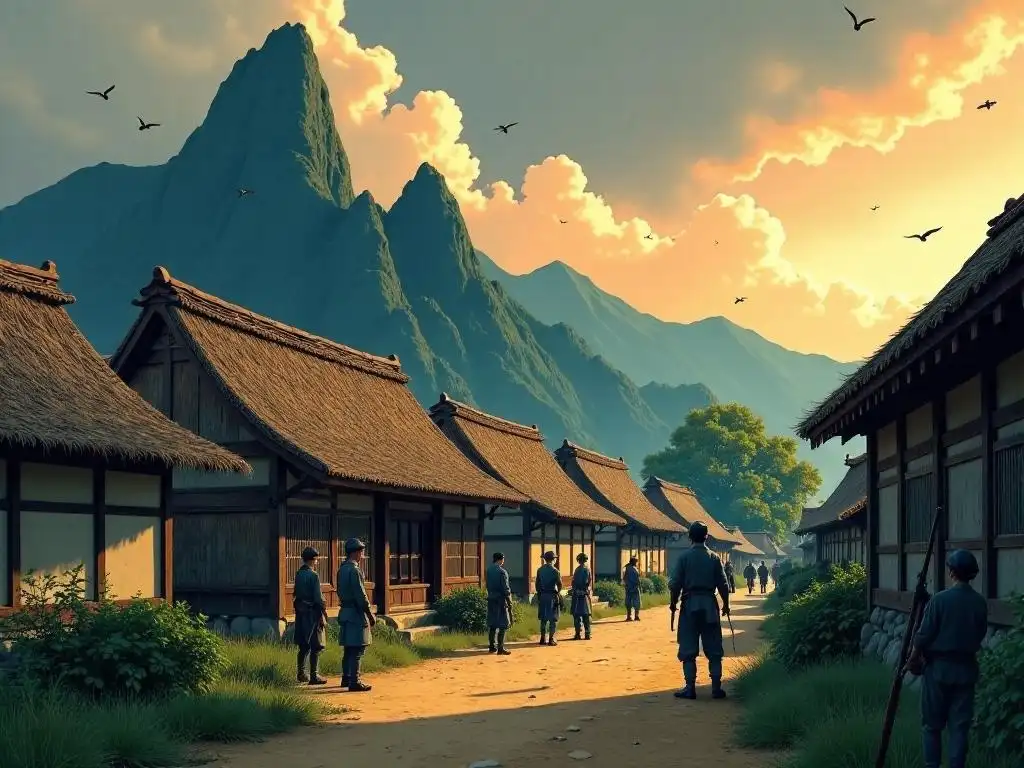
Throughout the tumultuous periods of Feudal Japan, war had a profound influence on housing styles, as the needs of society shifted dramatically in response to conflict. Notably, different wars catalyzed architectural adaptations that reflected both the practical necessities of defense and the evolving social dynamics. This section explores two significant case studies: the Onin War and the Siege of Osaka, illustrating how these conflicts shaped housing styles and urban planning during their respective eras.
The Onin War and Its Impact on Housing
The Onin War (1467-1477) marked a critical turning point in the history of Feudal Japan, leading to the rise of the Warring States period. This civil war was characterized by a breakdown of central authority and the fragmentation of power among regional warlords, or daimyo. As cities became battlegrounds, the impact on housing was significant.
- Urban Fortifications: The conflict prompted many towns to fortify their structures. In Kyoto, for instance, traditional wooden houses were reinforced with stone walls and moats to protect against intrusions. This transformation not only provided physical security but also altered the aesthetic of urban landscapes.
- Shift to Defensive Architecture: Housing designs evolved to include features such as narrow windows and elevated floors, which minimized vulnerability during attacks. The use of sliding doors (fusuma) became more widespread, allowing for flexible room configurations and quick evacuation routes if necessary.
- Decline of Traditional Estates: As warfare uprooted agricultural life, the stately residences of the samurai class began to decline. Many were abandoned or repurposed for military use, resulting in a shift towards simpler, more utilitarian structures that could be quickly erected or adapted.
The Siege of Osaka and Architectural Changes
The Siege of Osaka (1614-1615) was a defining moment that concluded the Warring States period, solidifying the Tokugawa shogunate's power. This confrontation not only ended significant resistance but also influenced architectural practices in profound ways.
- Fortress-like Residences: In response to the siege, many samurai began constructing residences that resembled fortresses. These homes featured thick walls and fortified gates, symbolizing both status and security in an era of heightened military tension.
- Integration of Defensive Features: The architecture of this period saw the integration of defensive features within domestic spaces. For example, homes were built with multiple levels, allowing inhabitants to observe their surroundings and respond to threats more effectively.
- Transition to Urban Planning: The aftermath of the siege led to the development of planned cities, where housing was strategically organized around defensible positions. This shift laid the groundwork for modern urban planning in Japan, reflecting a blend of military necessity and residential comfort.
Cultural Reflections in Housing Styles
Housing styles during Feudal Japan were not solely determined by practical needs; they also mirrored the cultural and artistic expressions of the time. This section examines how war influenced artistic expression in architecture and the symbolism embedded in housing designs.
How War Influenced Artistic Expression in Architecture
The turbulence of war fostered a unique environment for artistic expression within architecture in Feudal Japan. The following aspects illustrate this relationship:
- Emphasis on Minimalism: Amidst the chaos, there was a notable shift towards minimalist designs, which reflected a philosophical approach to life and death. The simplicity of structures emphasized functionality while allowing for an appreciation of nature, as seen in the incorporation of gardens and natural materials.
- Innovations in Craftsmanship: Skilled artisans adapted their techniques in response to wartime demands, leading to innovations in joinery and construction methods. The use of more durable materials became prevalent, as did intricate details that conveyed resilience and beauty.
- Cultural Symbolism: War's impact on housing can also be identified in the symbolic elements integrated into designs. Architectural motifs often drew from nature, with representations of strength and endurance, serving as reminders of the tumultuous times while also fostering a sense of peace.
Symbolism in Housing Designs during Feudal Japan
The symbolism embedded in housing designs during Feudal Japan is a fascinating reflection of the societal values and beliefs of the time. Key elements include:
- Design Elements and Meaning: Many homes featured elements such as steep roofs, which were believed to protect against evil spirits. Furthermore, the placement of homes in relation to the surrounding landscape was often intentional, embodying harmony with nature and reflecting the spiritual beliefs of the inhabitants.
- Representation of Status and Power: Housing styles also mirrored the social hierarchy, with elaborate designs and expansive estates signifying wealth and power. The grandeur of a samurai's residence contrasted sharply with the more modest homes of farmers, illustrating the class distinctions prevalent in society.
- Cultural Resilience: Even in the face of destruction, the enduring motifs found in housing designs represented the resilience of the Japanese people. The return to traditional styles post-war indicated a desire to reconnect with cultural roots and a shared history, reinforcing community ties in a rapidly changing landscape.
The impact of war on housing styles during Feudal Japan reveals a complex interplay of functionality, artistry, and cultural significance that shaped the architectural landscape of the era.
Conclusion
The interplay between warfare and housing styles during Feudal Japan reveals a complex tapestry of adaptation and resilience. Wars not only dictated the physical structures of homes but also transformed the ways in which people interacted with their environments. From the fortified castles that served as both residences and military strongholds to the humble thatched-roof cottages, each architectural choice reflected the socio-political landscape of the time. The impact of these decisions extended beyond mere functionality; they influenced cultural practices, community structures, and even the psychological well-being of the populace.
Understanding this relationship between war and housing styles allows us to appreciate the intricate web of factors that shaped daily life in Feudal Japan. It emphasizes the importance of architecture as a reflection of societal values and historical context, leading us to recognize the enduring relevance of these structures in modern Japanese culture.
Summary of the Impact of War on Feudal Japan Housing Styles
Throughout the Feudal era, warfare had profound implications for housing styles in Japan. The need for defense and security led to the evolution of architectural designs, particularly in the following ways:
- Fortification of Structures: The construction of castles became a hallmark of the period, with features such as thick walls, moats, and strategic layouts designed to withstand sieges. This shift marked a departure from simpler residential designs, introducing elements of military architecture into civilian life.
- Material Usage: With the threat of conflict, the materials used in construction also evolved. Stone and wood became more prevalent, chosen for their durability and availability. This transition impacted aesthetic choices, resulting in more robust yet visually striking homes and fortifications.
- Spatial Organization: The layout of homes adapted to accommodate the needs of a warrior class. Larger, more open spaces became prevalent, allowing for gatherings and military planning. Additionally, the separation of living quarters from storage and armory areas underscored the importance of safety and organization.
- Cultural Shifts: The influence of war extended beyond physical structures to reshape cultural practices and community life. Housing styles began to reflect the status and power dynamics of feudal lords and samurai, creating a distinct hierarchy within architectural forms.
These changes illustrate how the pressures of warfare served as a catalyst for innovation in housing design, leading to a unique architectural identity that defined the era.
Lasting Legacy of Feudal Architecture in Modern Japan
The architectural legacy of Feudal Japan continues to resonate in contemporary society, serving as a bridge between past and present. Key aspects of this legacy include:
- Preservation of Traditional Styles: Many historical structures, such as castles and temples, have been preserved as cultural heritage sites, attracting tourism and fostering a sense of national identity. These buildings serve as a reminder of the sophisticated craftsmanship and aesthetic principles of the time.
- Influence on Modern Design: Elements of Feudal architecture, such as tatami mat flooring, sliding doors (fusuma), and wooden beams, have found their way into modern Japanese homes. These features promote a harmonious relationship with nature, a principle deeply rooted in traditional aesthetics.
- Cultural Practices: The architectural principles established during the Feudal era continue to influence contemporary living spaces, emphasizing simplicity, functionality, and a connection to the environment. The minimalist approach prevalent in modern Japanese design echoes the spirit of feudal housing, reflecting an enduring respect for tradition.
- Symbolism and Identity: The remnants of Feudal architecture are also symbolic of Japan's resilience and cultural continuity. They represent the historical struggles and triumphs of the Japanese people, reminding modern society of the lessons learned from their past.
The impact of war on housing styles during Feudal Japan has left an indelible mark on the architectural landscape of Japan today. By studying these historical influences, we gain insight into the evolution of Japanese society and the enduring significance of its cultural heritage.
- Introduction to Feudal Japan Housing Styles
- Historical Context of War in Feudal Japan
- Evolution of Housing Styles Due to War
- Regional Variations in Housing Styles
- Case Studies of Housing Styles in Wartime
- Cultural Reflections in Housing Styles
- Conclusion
Frequently Asked Questions
What were the primary housing styles during Feudal Japan?
During Feudal Japan, the two main housing styles were mansion-like structures for the samurai class and modest homes for farmers and artisans, reflecting their social status and lifestyle needs.
How did war influence housing styles in Feudal Japan?
The impact of war led to the development of fortified homes and temporary shelters, as the constant threat of conflict necessitated defensive architecture and mobility in living arrangements.
What materials were commonly used in Feudal Japan housing?
Traditional housing in Feudal Japan often utilized wood, straw, and paper, ensuring structures were both versatile and adapted to the climatic conditions of the region.
In Feudal Japan, the social hierarchy influenced housing designs, with wealthy samurai enjoying larger, elaborate homes while peasants lived in simple, functional structures that catered to their basic needs.
Are there any lasting influences of Feudal Japan housing styles today?
Yes, many modern Japanese homes still reflect elements of Feudal Japan housing styles, such as the use of tatami mats, sliding doors, and an emphasis on harmony with nature in architectural design.
Final Reflection: The Enduring Legacy of Feudal Japan Housing Styles
The intricate relationship between war and housing styles during Feudal Japan underscores a profound truth: architecture is not merely a reflection of aesthetics but a testament to the socio-political climate of its time. As we examine the evolution of housing styles influenced by the tumultuous events of feudal warfare, we recognize that these structures are more than just shelters; they are narratives of resilience, adaptation, and cultural identity. The lessons learned from this period remain strikingly relevant today, as modern societies grapple with the impacts of conflict on community and architecture.
Clearly, the architectural innovations born from the necessity of war have left an indelible mark on Japan's cultural landscape. The interplay between defensive needs and aesthetic expression shaped not only the physical spaces where people lived but also their way of life and social structures. As we reflect on this legacy, we are reminded of the words of architect Tadao Ando: Architecture is not about space but about time.
This sentiment resonates deeply as we consider how the housing styles of Feudal Japan continue to influence contemporary design, reminding us that every structure carries the weight of history and the stories of those who lived within its walls.
As we conclude this exploration of Feudal Japan's housing styles, I invite you to reflect on the spaces you inhabit and the stories they tell. Consider how the environments we create today can be shaped by our experiences and the challenges we face.
Let us draw inspiration from the resilience of those who lived through the upheaval of war, and strive to build spaces that not only serve our needs but also honor our shared histories and aspirations for peace. The lessons of the past can guide us toward a future where architecture is a bridge between cultures, a sanctuary for communities, and a canvas for our collective narratives.
Unveil the Secrets of Feudal Japan's Housing Evolution!
Thank you for diving into the fascinating intersection of war and architecture during Feudal Japan. You've uncovered how conflict shaped the very homes of the era, revealing a rich tapestry of resilience and innovation. Now, let's take this journey a step further!
Here are some ways you can explore and expand your understanding of this captivating topic:
- Delve deeper into research: Visit your local library or explore online resources to find books and documentaries about architectural changes in Japan throughout various historical periods.
- Share your thoughts: Start a conversation with friends or fellow history enthusiasts about the influence of war on modern architecture.
- Join our community: Connect with others interested in Feudal Japan by participating in our forum, where you can exchange insights and continue the discussion!
What unique architectural feature from Feudal Japan do you believe was most influenced by war, and why? We invite you to share your insights in the comments!