
The Influence of Chinese Culture on Japanese Entertainment Practices

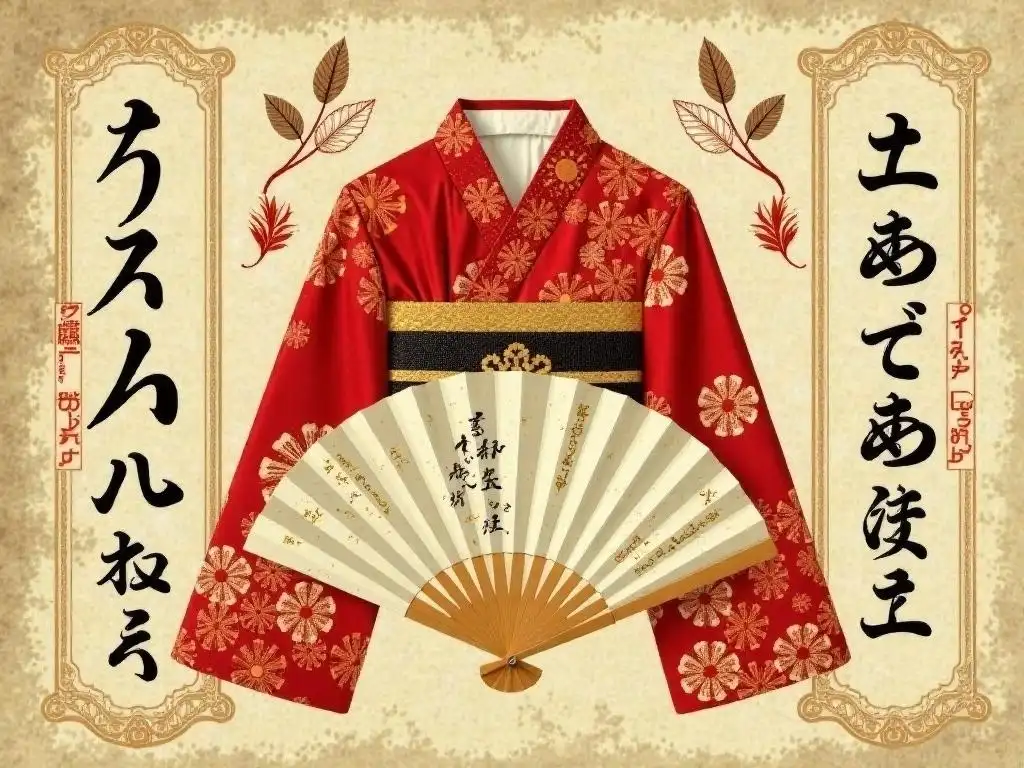
Welcome to Feudal Japan History, where we embark on a fascinating journey through the intricate tapestry of Japan’s feudal era. Here, we delve deep into the cultural intersections that shaped society, particularly the profound influence of Chinese culture in Japanese entertainment. Have you ever wondered how these ancient connections continue to resonate in modern practices? Join us as we uncover the layers of this rich history and explore the captivating stories that await you in our in-depth articles. Your adventure into the past starts now—let’s dive deeper!
Introduction to Chinese Culture in Japanese Entertainment
The intricate tapestry of Japanese entertainment practices is richly woven with threads of Chinese culture, reflecting centuries of interaction and exchange between the two nations. While Japan is renowned for its unique artistic expressions, the influences of Chinese customs, literature, and performance have left an indelible mark on Japanese entertainment.
This article delves into the myriad ways in which Chinese culture has shaped Japanese entertainment practices, highlighting key historical contexts and cultural elements that have been integrated over time. Understanding this dynamic relationship not only enriches our appreciation of Japanese artistic forms but also sheds light on the broader societal interactions that have occurred throughout history.
Overview of Chinese Cultural Elements in Japan
Chinese culture has introduced a variety of elements into Japanese entertainment, spanning from literature and theater to music and visual arts. Notable influences include:
- Literary Works: Ancient Chinese texts such as The Tale of Genji, which exhibits strong Chinese literary styles, have profoundly influenced Japanese narrative forms.
- Theater: The performance art of Noh and Kabuki showcases themes and aesthetics derived from Chinese operatic traditions, particularly through the adoption of elaborate costumes and stylized movements.
- Artistic Techniques: Chinese painting styles, especially ink wash techniques, have been assimilated into Japanese art, enhancing the visual storytelling found in Japanese entertainment.
By exploring these elements, we can better understand how they functioned as conduits for cultural exchange, leading to the evolution of distinct Japanese forms of entertainment.
Importance of Chinese Influence in Historical Context
The historical context of the Chinese influence on Japanese entertainment is vital for understanding its significance. During various periods, particularly the Tang and Song dynasties, Chinese culture flourished and became a source of inspiration for Japanese aristocrats and artists. The importation of Chinese texts, musical instruments, and performance styles not only enriched the Japanese cultural landscape but also created a framework for social interactions and entertainment practices among the elite classes.
This cultural borrowing can be seen as a form of admiration and respect, as Japan sought to assimilate and adapt Chinese cultural artifacts while maintaining its own identity. The blending of these influences has led to a unique synthesis that characterizes much of Japan's historical entertainment scene.
Historical Background of Chinese Culture in Japan
Early Interactions: Trade and Cultural Exchange
The initial interactions between China and Japan can be traced back to the early centuries of the Common Era, primarily through trade and diplomatic missions. These exchanges facilitated the introduction of Chinese cultural concepts, including Confucianism and Buddhism, which played a pivotal role in shaping Japanese societal and entertainment practices.
As merchants and emissaries traveled between the two nations, they brought not only goods but also artistic influences that would later permeate Japanese culture. For instance, the introduction of Chinese poetry and calligraphy fostered a deep appreciation for written arts in Japan, which subsequently influenced the development of Japanese literary forms.
The Impact of Chinese Dynasties on Japanese Society
Throughout history, various Chinese dynasties, particularly the Tang (618-907) and Song (960-1279), exerted considerable influence on Japan. The Tang dynasty, known for its cultural prosperity, introduced a wealth of artistic and philosophical ideas that resonated with Japanese society. This period saw the emergence of new forms of theatrical performance and music that incorporated Chinese elements.
Similarly, the Song dynasty's advancements in technology and art further inspired Japanese craftsmen and performers. The evolution of visual arts, such as painting and ceramics, was significantly shaped by Chinese techniques and themes, which continue to be reflected in contemporary Japanese entertainment practices.
The influence of Chinese culture on Japanese entertainment is a testament to the deep historical ties between the two nations. By exploring these connections, we can gain a richer understanding of how cultural exchanges have shaped the entertainment landscape in Japan, creating a vibrant fusion that continues to evolve today.
Key Aspects of Chinese Culture in Japanese Entertainment
The influence of Chinese culture on Japanese entertainment practices is profound and multifaceted, permeating various aspects of literature, performing arts, visual arts, and even culinary traditions. Chinese culture introduced new forms of storytelling, dramatic expressions, artistic techniques, and culinary practices that have been adapted and modified over centuries in Japan. This cross-cultural exchange has enriched Japanese entertainment, creating a unique blend that reflects both cultural legacies.
Literature and Storytelling Traditions
Chinese literature has significantly shaped Japanese storytelling traditions. The introduction of Chinese characters (kanji) in the 5th century facilitated the transmission of Chinese literary works, such as the classic Tale of Genji, which showcases the influence of Chinese themes and narrative structures. The incorporation of shishosetsu (I-novel) in the Edo period reflects a blend of autobiographical storytelling with the stylistic nuances borrowed from Chinese literature.
Furthermore, the Chinese practice of zaju (variety plays) inspired the development of kabuki and noh theatre. These forms adopted storytelling techniques from Chinese dramas, including the use of elaborate costumes and stage settings, which enhanced the emotional depth and visual appeal of Japanese performances.
Performing Arts: Theatre and Dance
The performing arts in Japan, particularly theatre and dance, have been deeply influenced by Chinese traditions. The noh and kabuki theatres showcase elements derived from Chinese drama, including themes of morality, supernatural elements, and historical narratives. The noh theatre, for instance, emphasizes a slow, deliberate movement that reflects the influence of Chinese aesthetics, while kabuki incorporates vibrant costumes and dynamic storytelling techniques reminiscent of Chinese operatic forms.
In addition to theatre, traditional Japanese dance forms, such as nihon buyō, exhibit Chinese influences through their choreography and performance styles. Dancers often adopt posture and movement patterns that echo those found in Chinese dance traditions, thereby creating a shared cultural language between the two nations.
Visual Arts: Painting and Calligraphy
Chinese visual arts have left an indelible mark on Japanese artistic practices, particularly in painting and calligraphy. The introduction of Chinese ink painting techniques, characterized by the use of brush strokes and emphasis on natural landscapes, greatly influenced Japanese artists. Schools such as the Bunjinga (literati painting) emerged, which emphasized the aesthetics of simplicity and spontaneity, drawing heavily from Chinese philosophies.
Calligraphy, regarded as a high art form in both cultures, also showcases the influence of Chinese styles. Japanese calligraphers adopted Chinese characters and brush techniques, developing their unique styles while paying homage to their Chinese predecessors. The meditative quality of calligraphy practice reflects a shared cultural appreciation for the written word as a form of artistic expression.
The Evolution of Japanese Entertainment Practices
The evolution of Japanese entertainment practices has been a dynamic process shaped by the continuous exchange of cultural ideas with China. This interplay has not only enriched Japanese traditions but has also resulted in a distinctive Japanese identity that incorporates elements of Chinese culture while evolving into its unique forms.
The Integration of Chinese Elements in Japanese Festivals
Japanese festivals ( matsuri) frequently integrate Chinese cultural elements, reflecting the historical ties between the two nations. Festivals such as the Aoi Matsuri in Kyoto showcase rituals and performances that have roots in Chinese customs. Dragon dances, which originated from Chinese traditions, have been adapted into various Japanese festivals, symbolizing power and good fortune.
Moreover, the celebration of the Chinese New Year, or Shōgatsu, has been embraced in Japan, incorporating Chinese customs into local festivities. Traditional foods, decorations, and rituals associated with the lunar new year highlight the blending of Chinese and Japanese cultural practices in celebration.
Evolution of Music: Chinese Instruments in Japanese Traditions
The integration of Chinese musical instruments into Japanese traditions is another significant aspect of cultural exchange. Instruments such as the shamisen and shakuhachi have roots in Chinese music, adapted over time to fit the unique sounds of Japanese folk and classical music. The influence of the pipa (Chinese lute) can be seen in the development of the biwa, a traditional Japanese lute.
The incorporation of Chinese musical scales and rhythms into Japanese compositions has enriched the country’s musical landscape, leading to the development of distinct genres that resonate with Japanese audiences while acknowledging their Chinese origins.
The Influence of Chinese Culinary Arts on Japanese Cuisine and Entertainment
Chinese culinary arts have played a pivotal role in shaping Japanese cuisine, particularly in the context of entertainment. The introduction of dishes such as ramen and gyoza reflects the adaptation of Chinese cooking techniques and flavors to fit Japanese tastes. These dishes have become staples in both casual dining and celebratory events, showcasing the blending of culinary traditions.
Additionally, the practice of dining as a form of entertainment has been influenced by Chinese customs. The communal style of dining, where dishes are shared among guests, mirrors Chinese dining practices and has become a hallmark of Japanese social gatherings. The aesthetic presentation of food, influenced by Chinese art, also plays a crucial role in the overall dining experience, highlighting the importance of visual appeal in Japanese culinary entertainment.
Modern Reflections of Chinese Culture in Japanese Entertainment
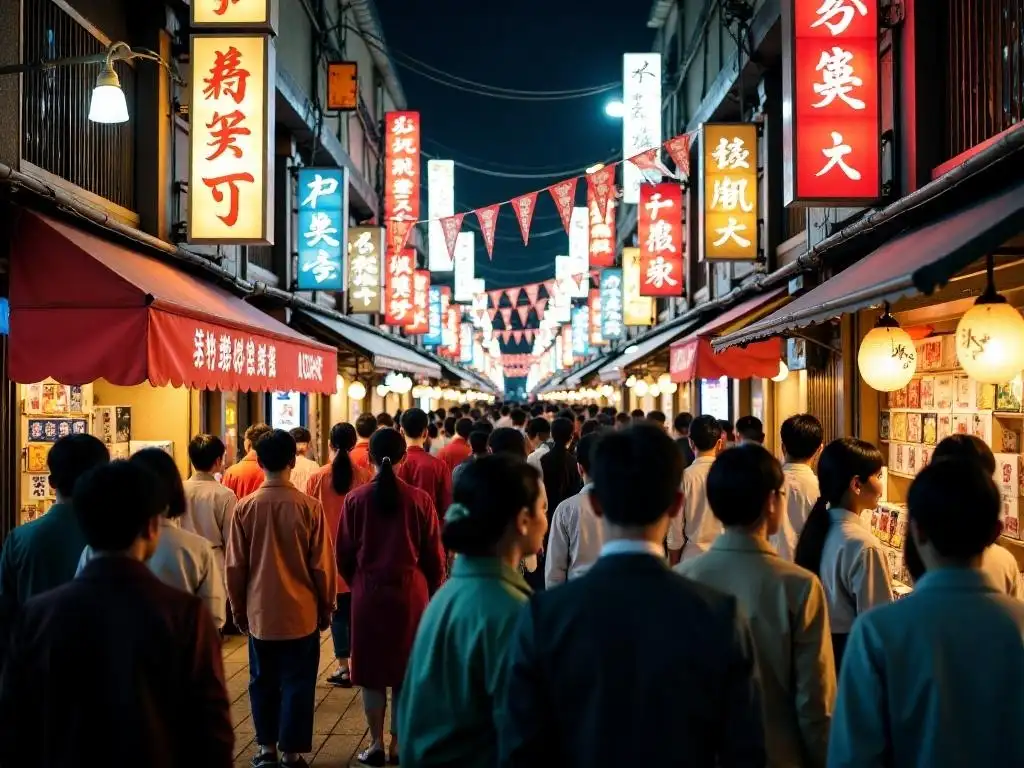
The influence of Chinese culture on Japanese entertainment is a multifaceted phenomenon that has evolved over centuries, adapting to Japan's unique societal context while retaining core elements of its origins. Today, this cultural exchange manifests vividly across various entertainment mediums, from traditional arts to contemporary media. The rich tapestry woven from historical connections continues to shape the narratives and aesthetics found in Japan's entertainment landscape.
Contemporary Media: Film and Television
In the realm of film and television, Chinese culture has left an indelible mark on Japanese storytelling techniques and thematic elements. Notably, the influence is apparent in the adaptation of classic Chinese literature, such as the Journey to the West and Romance of the Three Kingdoms, which have inspired numerous Japanese films and television dramas. These adaptations often feature traditional Chinese motifs, moral lessons, and character archetypes, merged with Japanese storytelling styles.
Moreover, the aesthetic techniques derived from Chinese art, particularly in cinematography and set design, are prevalent in many Japanese productions. For instance, the use of vibrant colors and intricate costumes can be traced back to traditional Chinese aesthetics, which have been embraced and modified to fit the Japanese context.
The collaborative projects between Japanese and Chinese filmmakers also exemplify this cultural synergy. These films often explore themes that resonate with audiences in both countries, bridging cultural gaps while celebrating shared histories. The result is a rich tapestry of narratives that not only entertain but also educate viewers on the complexities of cultural interchange.
Video Games and Pop Culture
The realm of video games serves as another vibrant avenue where Chinese culture permeates Japanese entertainment. Many popular Japanese video games draw inspiration from Chinese mythology, folklore, and historical narratives. Titles such as Dynasty Warriors and Ni no Kuni incorporate elements of Chinese history and mythology, showcasing characters and stories that resonate with Chinese cultural heritage.
Furthermore, the aesthetics of Chinese culture can be observed in character designs, settings, and gameplay mechanics. For instance, the use of martial arts and traditional weapons reflects Chinese influence, providing players with immersive experiences that blend entertainment with cultural education.
Additionally, the rise of mobile games and anime has intensified this cultural exchange. Collaborations between Chinese and Japanese developers have led to the creation of hybrid games that appeal to audiences in both nations. This not only enhances the entertainment value but also fosters a deeper understanding of each other's cultures.
Conclusion: The Lasting Impact of Chinese Culture on Japanese Entertainment
The interplay between Chinese culture and Japanese entertainment is a testament to the enduring nature of cultural exchange. As both nations continue to share and reshape their artistic expressions, the impact of this relationship is likely to evolve further, fostering greater appreciation and understanding.
Summary of Key Influences
The key influences of Chinese culture on Japanese entertainment can be categorized into several areas:
- Literary Adaptations: Many Japanese films and dramas draw from classic Chinese literature, showcasing shared narratives and moral lessons.
- Visual Aesthetics: The incorporation of Chinese artistic styles in Japanese film, television, and video games enhances their visual storytelling.
- Mythology and Folklore: Chinese myths and historical narratives serve as foundational elements in many popular Japanese media, enriching character development and plot structures.
- Collaborative Works: Joint projects between Japanese and Chinese creators result in innovative productions that reflect a blend of cultural elements.
Future Trends in Japanese Entertainment and Cultural Exchange
Looking ahead, the future of Japanese entertainment will likely see an even greater integration of Chinese cultural elements. As globalization continues to break down cultural barriers, there will be increased collaboration between creators from both nations, leading to new genres and forms of entertainment.
Moreover, the digital age and the rise of streaming platforms have facilitated the cross-pollination of ideas, allowing audiences to access a wider range of content from both cultures. This trend is expected to enhance the appreciation of Chinese culture within Japanese entertainment, paving the way for innovative storytelling that honors both traditions.
As the entertainment industry evolves, the influence of Chinese culture will remain a vital part of Japan’s artistic landscape, enriching the experiences of audiences and fostering deeper cultural connections.
References for Further Reading on Chinese Culture in Japanese Entertainment
Exploring the influence of Chinese culture on Japanese entertainment practices reveals a rich tapestry of historical interactions and cultural exchanges. For those interested in delving deeper into this fascinating topic, a variety of resources are available, including books, articles, and online materials.
Recommended Books and Articles
-
"The Tale of Genji" by Murasaki Shikibu
This classic work is often regarded as the world's first novel and showcases the intricate blend of Chinese literary influences with Japanese storytelling. It provides insights into the cultural exchanges of the Heian period, where Chinese aesthetics and philosophies significantly shaped Japanese narratives.
-
"Japan and China: Mutual Representations in Asian History" by David John Lu
This book offers a comprehensive examination of the historical and cultural interactions between Japan and China. It discusses how these interactions have influenced various aspects of Japanese culture, including entertainment forms like theater and literature.
-
"The Influence of Chinese Culture on Japanese Arts" by Kazuya Yoshida
This article discusses the pervasive influence of Chinese aesthetics on Japanese arts and entertainment, from traditional theater to contemporary practices. It provides a detailed account of how Chinese cultural elements have been integrated and transformed within Japanese contexts.
-
"The Aesthetics of Japanese Cinema: A Cultural History" by Yoko Hasegawa
Hasegawa's work explores the impact of Chinese cinema on Japanese filmmaking, providing case studies that highlight the cross-cultural inspirations and adaptations that have shaped Japanese entertainment.
Online Resources and Documentaries
-
The National Museum of Asian Art's Online Exhibits
This resource features a variety of exhibitions that illustrate the cultural exchanges between China and Japan. The exhibits often include sections dedicated to the influence of Chinese culture on Japanese art forms, including theater and literature.
-
"Chinese Influence on Japanese Culture" - Documentary Series
Available on various streaming platforms, this documentary series explores the historical connections between China and Japan, with specific episodes focusing on the influence of Chinese literature, art, and entertainment practices on their Japanese counterparts.
-
The Japan Foundation's Online Library
The foundation provides access to a wealth of articles and papers that delve into cultural studies, including the impact of Chinese culture on Japanese entertainment. This is an excellent resource for researchers and enthusiasts alike.
-
YouTube Channels on East Asian History
Several channels feature videos that discuss the influence of Chinese culture on Japan, particularly in entertainment. These channels often include interviews with historians and cultural experts, providing engaging and informative content.
By engaging with these resources, readers can gain a deeper understanding of how Chinese culture has shaped Japanese entertainment practices throughout history, enriching their knowledge of this dynamic cultural interplay.
- Introduction to Chinese Culture in Japanese Entertainment
- Historical Background of Chinese Culture in Japan
- Key Aspects of Chinese Culture in Japanese Entertainment
- The Evolution of Japanese Entertainment Practices
- Modern Reflections of Chinese Culture in Japanese Entertainment
- Conclusion: The Lasting Impact of Chinese Culture on Japanese Entertainment
- References for Further Reading on Chinese Culture in Japanese Entertainment
- What is the main focus of the article "The Influence of Chinese Culture on Japanese Entertainment Practices"?
- How has Chinese culture historically impacted Japanese entertainment?
- Are there specific examples of Chinese influence in Japanese entertainment?
- What role did trade play in the exchange of cultural practices between China and Japan?
- How is this cultural influence reflected in modern Japanese entertainment?
Frequently Asked Questions
What is the main focus of the article "The Influence of Chinese Culture on Japanese Entertainment Practices"?
The article explores how Chinese culture has significantly influenced Japanese entertainment throughout history, examining various art forms and practices.
How has Chinese culture historically impacted Japanese entertainment?
Chinese culture introduced various artistic techniques, narrative styles, and performance practices that shaped the development of Japanese theater and other forms of entertainment.
Are there specific examples of Chinese influence in Japanese entertainment?
Yes, notable examples include the adoption of Chinese theatrical forms like Noh and Kabuki, as well as influences in literature and visual arts.
What role did trade play in the exchange of cultural practices between China and Japan?
Trade facilitated the exchange of ideas and artistic traditions, allowing Japanese artists and entertainers to integrate Chinese themes and styles into their work.
How is this cultural influence reflected in modern Japanese entertainment?
Modern Japanese entertainment, including anime and film, continues to showcase elements of Chinese culture, illustrating the enduring impact of this historical relationship.
Final Reflection: The Enduring Legacy of Chinese Culture in Japanese Entertainment
The intricate tapestry of cultural exchange between China and Japan continues to shape the landscape of modern entertainment, illustrating how Chinese culture in Japanese entertainment remains a vital thread in the fabric of both societies. As we explore the historical roots and contemporary manifestations of this influence, it becomes clear that the interplay of these rich cultures is not merely a relic of the past but a dynamic force that informs artistic expression today.
Cultural influences are not static; they evolve and adapt, creating a vibrant dialogue that resonates across generations. The impact of Chinese culture on Japanese entertainment is evident in various forms, from traditional theater to contemporary anime and film. This ongoing exchange fosters a deeper understanding and appreciation of both cultures, enriching the artistic landscape. As the renowned Japanese filmmaker Hayao Miyazaki once said, In every culture, there is a story that needs to be told, and it is our duty to share those stories.
This sentiment encapsulates the importance of recognizing and celebrating the shared narratives that bind us together.
As we reflect on the profound connections between these two cultures, I invite you to consider how you can engage with and appreciate the diverse influences that shape your own experiences. Take a moment to explore the stories, art, and traditions that have been passed down through generations, and recognize the beauty in their shared heritage. By embracing this cultural richness, we not only honor the past but also pave the way for a more interconnected and harmonious future in the realm of entertainment and beyond.
Unveil the Beauty of Cultural Exchange!
Thank you for diving into the fascinating world of how **Chinese culture** has shaped **Japanese entertainment practices**. Your curiosity leads to a deeper understanding of cultural influence and creativity. Now, let’s take that inspiration and turn it into action!
Here are a few ways you can continue exploring this vibrant topic:
- Dive deeper into the art forms: Explore classic Chinese dramas and their adaptations in Japan. Utilize online resources or visit your local library to enhance your appreciation for these rich traditions.
- Attend a cultural event: Look for exhibitions or festivals that highlight both Chinese and Japanese art and entertainment in your area. Engaging with the community can provide firsthand experiences of this beautiful blend!
- Share your insights: Start a conversation with friends or on social media about your favorite discoveries. You never know who else might be intrigued by the intertwining stories of these cultures!
What aspect of Chinese influence in Japanese entertainment most surprised you, and how do you believe it shapes modern entertainment today?