
The Connection Between Samurai Armor and Japanese Aesthetics

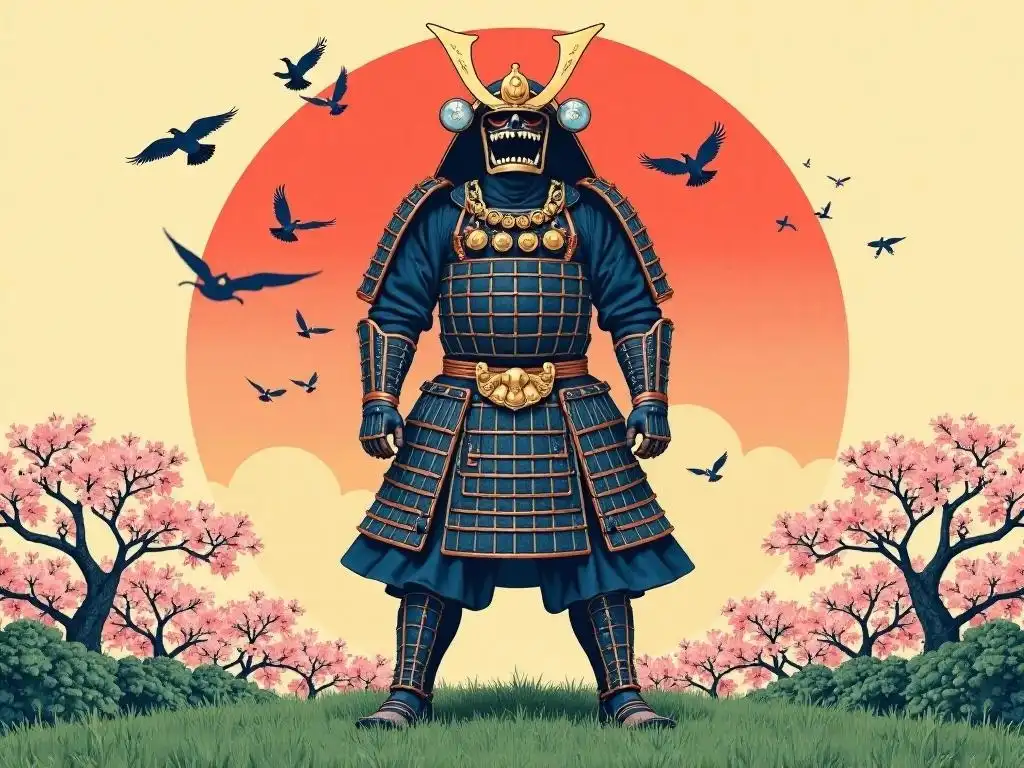
Welcome to Feudal Japan History, where we invite you to embark on a captivating journey through the intricate tapestry of Japan's feudal era. Here, we delve into the profound connection between Samurai armor and Japanese aesthetics, revealing how these remarkable artifacts embody not only the artistry of their time but also the very spirit of a warrior culture. As you explore our in-depth articles, prepare to uncover the hidden stories and cultural significance that shaped this fascinating period. Are you ready to discover how the elegance of armor reflects a deeper philosophy? Dive in and let the adventure begin!
Samurai armor is not merely a functional piece of equipment; it is a rich tapestry that intertwines with the aesthetic, cultural, and historical fabric of Japan. This article delves into the intricate relationship between samurai armor and Japanese aesthetics, exploring how these ornate armaments reflect the values, beliefs, and artistry of an era that has captivated the world.
From the elaborate designs and materials used to the symbolism embedded within each piece, the study of samurai armor offers a profound insight into the aesthetics that defined a significant period in Japanese history. As we journey through the various aspects of this topic, we will uncover how samurai armor serves as both a practical tool of warfare and a canvas for artistic expression, ultimately leading to its revered status in contemporary cultural products, particularly in the realm of samurai armor replicas for display.
Introduction to Samurai Armor and Japanese Aesthetics
The significance of samurai armor extends beyond its practical application in battle; it embodies the intricate interplay of martial prowess and aesthetic beauty. This duality is evident in the meticulous craftsmanship that goes into creating each piece, where functionality meets artistry. The aesthetic principles of balance, harmony, and the profound connection to nature are reflected in the designs of samurai armor, making it a unique representation of Japanese culture.
Key Aesthetic Features of Samurai Armor
- Color and Materials: Brightly colored lacquers and the use of natural materials such as leather and silk are common in samurai armor, each chosen not only for durability but also for visual impact.
- Symbolism: Many armor pieces feature family crests (mon) and motifs that signify loyalty, bravery, and the warrior ethos, intertwining personal and collective identity.
- Design Patterns: The intricate patterns and forms found in samurai armor often draw inspiration from nature, reflecting the Japanese aesthetic principle of mono no aware, or the beauty of transience.
Historical Context of Samurai Armor
The history of samurai armor is as layered as the armor itself, evolving through Japan's feudal era to meet the demands of warfare and societal change. Understanding this historical context is crucial for appreciating the aesthetic significance of these artifacts.
The Evolution of Samurai Armor Throughout the Feudal Era
The development of samurai armor can be traced back to the Heian period (794-1185), where early designs were simple and functional. As Japan transitioned into the Kamakura (1185-1333) and Muromachi (1336-1573) periods, armor became more elaborate, reflecting both advancements in metallurgy and the growing importance of the samurai class.
- Heian Period: Early armor was primarily made of leather and cloth, emphasizing mobility.
- Kamakura Period: Introduction of iron plates, leading to the iconic dou (chest armor) and kabuto (helmet) designs.
- Muromachi Period: Peak of artistic expression in armor, with elaborate lacquering and decorative elements that showcased individual samurai status.
The evolution of armor mirrored the changing nature of warfare and the shifting ideals of the samurai, making each piece a historical artifact that tells a story.
The Role of Samurai Armor in Japanese Society
Samurai armor held a prominent position not only on the battlefield but also within the societal hierarchy of feudal Japan. It was a symbol of status, power, and identity, embodying the values of the warrior class.
- Status Symbol: The intricacies of armor design often indicated the rank and wealth of the samurai.
- Cultural Identity: Each clan had unique armor styles that fostered a sense of belonging and historical continuity.
- Ceremonial Significance: Beyond its practical use, armor was often used in ceremonies and parades, showcasing the artistry and pride of the samurai.
Through these lenses, samurai armor emerges as a vital component of Japanese aesthetics, encapsulating the essence of a culture deeply intertwined with its history and values. As we continue to explore this topic, we will delve into specific examples and the ongoing legacy of samurai armor in contemporary cultural expressions.
Aesthetic Principles in Samurai Armor Design
Samurai armor, known as yoroi, is not only a testament to the martial prowess of Japan's warriors but also a canvas reflecting the cultural aesthetics of the time. The design of samurai armor incorporates various aesthetic principles that align with Japan’s broader artistic traditions. Among these principles are harmony, simplicity, and the concept of wabi-sabi, which celebrates the beauty found in imperfection and transience.
The construction of armor aimed to achieve a balance between protection and elegance. Artisans meticulously crafted each piece, paying attention to the silhouette and flow, ensuring that the wearer could move gracefully even while clad in heavy armor. Color schemes, patterns, and materials were chosen not just for their functional benefits but also for their aesthetic appeal, enhancing the overall appearance of the samurai.
Key Aesthetic Elements of Samurai Armor
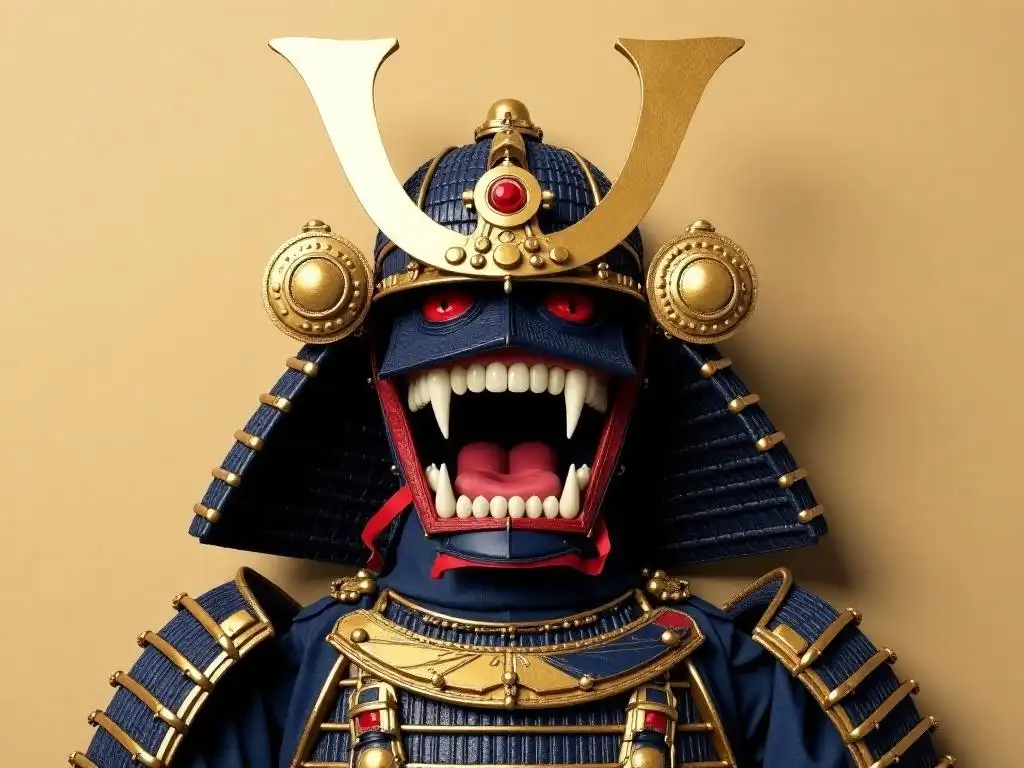
1. Color and Material
The choice of colors in samurai armor was both strategic and aesthetic. Bright colors like red and gold were often used to symbolize valor and nobility, while darker shades provided a more subdued appearance. The materials used varied from iron and leather to silk for the intricate lacing, each element contributing to the overall visual impact.
2. Patterns and Symbolism
Many samurai armor pieces featured intricate patterns, often inspired by nature or mythology. These designs served to signify the samurai's clan, rank, or personal achievements. Common motifs included waves, clouds, and floral designs, all of which were imbued with deep cultural meanings.
3. Silhouette and Form
The silhouette of samurai armor was designed to be both functional and aesthetic. The layered construction allowed for mobility while contributing to an imposing presence on the battlefield. The use of a helmet, or kabuto, often adorned with crests and embellishments, further enhanced the overall aesthetic, creating a distinctive profile.
The Intersection of Function and Art in Samurai Armor
Samurai armor represents a remarkable intersection of practicality and artistry. While the primary purpose of armor was to provide protection in battle, the aesthetic considerations were equally significant. Each piece was engineered to ensure maximum mobility and efficacy in combat while simultaneously reflecting the samurai's status and identity.
Artisans dedicated to the craft of armor-making utilized techniques that highlighted the skill and artistry involved. For instance, the lacing used to secure the armor was not only functional but also an opportunity for decorative expression, often showcasing elaborate knotting and color combinations. This duality of function and art mirrors the Japanese philosophy of mono no aware, which emphasizes the beauty of ephemeral moments and objects.
The Reflection of Japanese Aesthetics in Samurai Armor Replicas
The allure of samurai armor has transcended time, leading to a resurgence of interest in replicas. These replicas not only serve as decorative pieces but also as embodiments of the aesthetics that define Japanese culture.
Why Collect Samurai Armor Replicas?
Collecting samurai armor replicas allows enthusiasts to appreciate the rich history and artistry of the feudal era. These replicas serve as tangible connections to Japan's past, showcasing the intricate craftsmanship and aesthetic principles that characterized the original armor. Moreover, owning a replica provides an opportunity to engage with Japanese culture, whether as a collector, historian, or art lover.
Additionally, samurai armor replicas often reflect the same values of harmony and beauty found in traditional Japanese aesthetics, making them suitable for display in homes and galleries. They can act as conversation starters, allowing for discussions about the cultural significance of samurai and their armor.
Best Samurai Armor Replicas for Display
When it comes to selecting samurai armor replicas for display, several options stand out for their craftsmanship and aesthetic appeal:
| Replica Type | Description | Ideal For |
|---|---|---|
| Full-Scale Armor Sets | Detailed replicas that closely mirror original designs. | Serious collectors |
| Miniature Armor Models | Smaller versions perfect for desk displays or shelves. | Space-saving collectors |
| Themed Armor Replicas | Replicas featuring specific clan colors or designs. | Themed decor enthusiasts |
| Wall-Mounted Displays | Armor pieces designed to be hung as art. | Home decor aficionados |
These replicas not only serve as stunning decorative pieces but also as reminders of the fusion between function and art in samurai culture, embodying the aesthetics that continue to fascinate people today.
How to Choose the Right Samurai Armor Replica for Your Collection
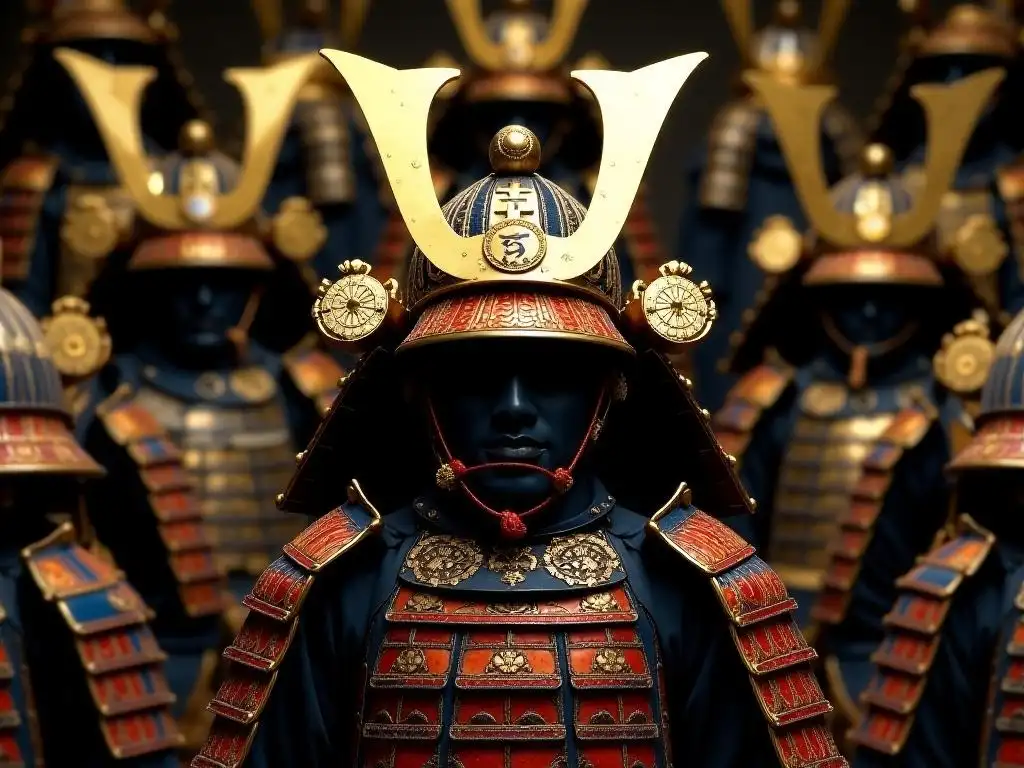
When it comes to selecting a samurai armor replica for your collection, the choices can be overwhelming. Samurai armor, known as Yoroi, is not only a representation of martial prowess but also a manifestation of Japanese aesthetics and craftsmanship. To ensure you make the best choice, consider the following aspects that will guide you in selecting the perfect piece for your collection.
Key Factors to Consider
-
Authenticity and Detail
Look for replicas that capture the intricate details of traditional samurai armor. Genuine craftsmanship often includes:
- Materials: High-quality materials like iron, silk, and leather are essential.
- Construction Techniques: Authentic replicas often utilize traditional methods, such as hand-lacing and lacquered finishes.
- Design: Ensure that the design reflects historical accuracy, including the correct helmet style (kabuto) and shoulder guards (sode).
-
Size and Proportions
Pay attention to the size of the armor. Replicas should be proportionate and suitable for display. Consider the following:
- Height and Width: Ensure the armor will fit in your display area.
- Weight: Lighter replicas can be easier to handle, while heavier ones may provide a more authentic feel.
-
Purpose of Display
Think about the intent behind your collection. Are you displaying the armor for:
- Artistic appreciation: Focus on aesthetic appeal and colors.
- Historical significance: Choose pieces that have a notable story or connection to a specific period or samurai.
-
Price Range
Samurai armor replicas can vary significantly in price. Establish a budget that aligns with your collection goals:
- Affordable Options: Look for mass-produced replicas if you're just starting out.
- Investment Pieces: For serious collectors, consider investing in higher-end, limited edition replicas.
-
Vendor Reputation
Research vendors thoroughly before making a purchase. Reliable sellers often provide:
- Customer Reviews: Check feedback from previous buyers.
- Return Policies: Ensure they have a reasonable return policy in case the armor does not meet your expectations.
Recommendations for Displaying Samurai Armor Replicas
Displaying your samurai armor replicas can enhance their aesthetic appeal and highlight their historical significance. Here are some recommendations:
- Use Appropriate Lighting: Soft, indirect lighting can create a dramatic effect and draw attention to the details of the armor. Avoid direct sunlight to prevent fading.
- Create a Themed Display: Arrange your armor with other samurai-related items, such as swords (katana), scrolls (emaki), or traditional Japanese art, to create an immersive experience.
- Consider a Stand or Base: A sturdy display stand will not only elevate the armor but also prevent damage. Ensure that the stand complements the style of the armor.
- Incorporate Informational Plaques: Adding small plaques with information about the armor's historical context and significance can enhance the educational aspect of your display.
By thoughtfully considering these factors and recommendations, you can create a stunning display that honors the legacy of samurai armor while celebrating its connection to Japanese aesthetics.
Conclusion: The Enduring Legacy of Samurai Armor in Japanese Aesthetics
Samurai armor transcends mere functionality; it embodies a rich tapestry of Japanese culture and artistry. The enduring legacy of samurai armor in Japanese aesthetics is reflected in its intricate designs, symbolic colors, and the stories they tell about honor and valor.
Through the centuries, these artifacts have served not only as protective gear but also as status symbols and works of art. The aesthetics of samurai armor—its balance between form and function—continues to influence modern interpretations of beauty and craftsmanship in Japan and abroad.
As collectors seek to preserve these historical pieces, they also contribute to the ongoing dialogue between the past and present, ensuring that the cultural significance of samurai armor remains alive. By understanding and appreciating the aesthetic principles behind samurai armor, we gain insight into the values and ideals that shaped Japan's feudal era, making each replica a vital connection to this remarkable heritage.
Call to Action
If you are intrigued by the intricate relationship between samurai armor and Japanese aesthetics, we invite you to explore our curated collection of samurai armor replicas. Each piece is a testament to the craftsmanship and artistic expression of Japan’s feudal era, allowing you to appreciate not only the functionality of the armor but also its profound aesthetic value.
Discover Your Perfect Replica
- Browse our selection: Find armor that resonates with your personal style or represents a specific historical figure.
- Learn from our experts: Each replica comes with detailed descriptions that highlight its historical significance and aesthetic features.
- Enhance your collection: Whether you're a history enthusiast, a collector, or simply someone who appreciates beauty, our samurai armor replicas are a perfect addition to any display.
Join Our Community
Connect with fellow enthusiasts and share your passion for samurai culture and aesthetics. Subscribe to our newsletter for exclusive insights, articles, and updates on new arrivals in our collection.
Don’t miss out on the opportunity to own a piece of history that reflects the rich tapestry of Japan’s past. Explore our offerings today and bring home the essence of samurai splendor!
- Introduction to Samurai Armor and Japanese Aesthetics
- Historical Context of Samurai Armor
- Aesthetic Principles in Samurai Armor Design
- Key Aesthetic Elements of Samurai Armor
- The Intersection of Function and Art in Samurai Armor
- The Reflection of Japanese Aesthetics in Samurai Armor Replicas
- How to Choose the Right Samurai Armor Replica for Your Collection
- Conclusion: The Enduring Legacy of Samurai Armor in Japanese Aesthetics
- Call to Action
- What is the significance of samurai armor in Japanese culture?
- How did Japanese aesthetics influence the design of samurai armor?
- What materials were commonly used in the making of samurai armor?
- How did the role of the samurai affect the evolution of their armor?
- Are there modern interpretations of samurai armor in contemporary design?
Frequently Asked Questions
What is the significance of samurai armor in Japanese culture?
Samurai armor is not only a protective gear but also a reflection of Japanese aesthetics, showcasing intricate craftsmanship and symbolism that represents the warrior's status and values.
How did Japanese aesthetics influence the design of samurai armor?
The design of samurai armor was heavily influenced by Japanese aesthetics, emphasizing harmony, balance, and beauty, which were integral to the cultural identity of the samurai class.
What materials were commonly used in the making of samurai armor?
Samurai armor was typically made from materials like iron, leather, and silk, each chosen for its durability and ability to reflect the artistic elements of Japanese design.
How did the role of the samurai affect the evolution of their armor?
As the role of the samurai evolved from warriors to feudal lords, their armor also adapted to reflect their changing status, incorporating more elaborate decorations and symbols aligned with Japanese aesthetics.
Are there modern interpretations of samurai armor in contemporary design?
Yes, modern designers often draw inspiration from samurai armor to create pieces that celebrate Japanese aesthetics, merging traditional elements with today’s fashion trends while paying homage to historical craftsmanship.
Final Reflection: The Enduring Legacy of Samurai Armor in Japanese Aesthetics
The intricate relationship between samurai armor and Japanese aesthetics remains profoundly relevant today, as it embodies a unique blend of functionality and artistry. In a world increasingly dominated by mass production and uniformity, the craftsmanship and cultural significance of samurai armor remind us of the beauty found in individuality and tradition. This connection not only enriches our understanding of Japanese history but also serves as a powerful statement about the values of honor, resilience, and artistry that transcend time.
Culturally, the influence of samurai armor continues to resonate in various aspects of Japanese life, from fashion to design and even contemporary art. The aesthetic principles derived from these historical artifacts inspire modern creators to infuse their work with the same spirit of elegance and purpose. As the renowned Japanese designer Issey Miyake once said, Fashion is not about the clothes, it is about the spirit of the time.
This sentiment encapsulates how the essence of samurai armor—its form, function, and philosophy—continues to shape the cultural landscape, encouraging a dialogue between the past and the present.
As we reflect on the lessons embedded in the legacy of samurai armor, let us embrace the call to honor our own traditions while forging new paths. Consider how the values of craftsmanship, honor, and beauty can be woven into your daily life.
Whether through art, personal expression, or community engagement, you have the power to carry forward the spirit of the samurai, enriching not only your own life but also the lives of those around you. In doing so, we ensure that the profound connection between samurai armor and Japanese aesthetics remains a vibrant part of our collective narrative.
Unveil the Beauty of Samurai Armor!
Thank you for diving into the fascinating world of samurai armor and Japanese aesthetics with us! You've gained valuable insights into how these two elements intertwine, celebrating both form and function in a beautiful dance of history. Now, let’s take your exploration further!
Here’s how you can deepen your connection to this remarkable art form:
- Visit a local museum to experience samurai armor up close – seeing the craftsmanship in person is truly inspiring!
- Share your newfound knowledge! Discuss with friends or on social media what you've learned about samurai armor and its aesthetic significance.
- Engage with a community of enthusiasts online – join forums or social media groups focused on Japanese history to exchange ideas and expand your understanding!
What aspect of samurai armor do you find most intriguing, and how has it influenced your perception of Japanese culture?