
Samurai Stories: Guided Tours That Bring Feudal History Alive

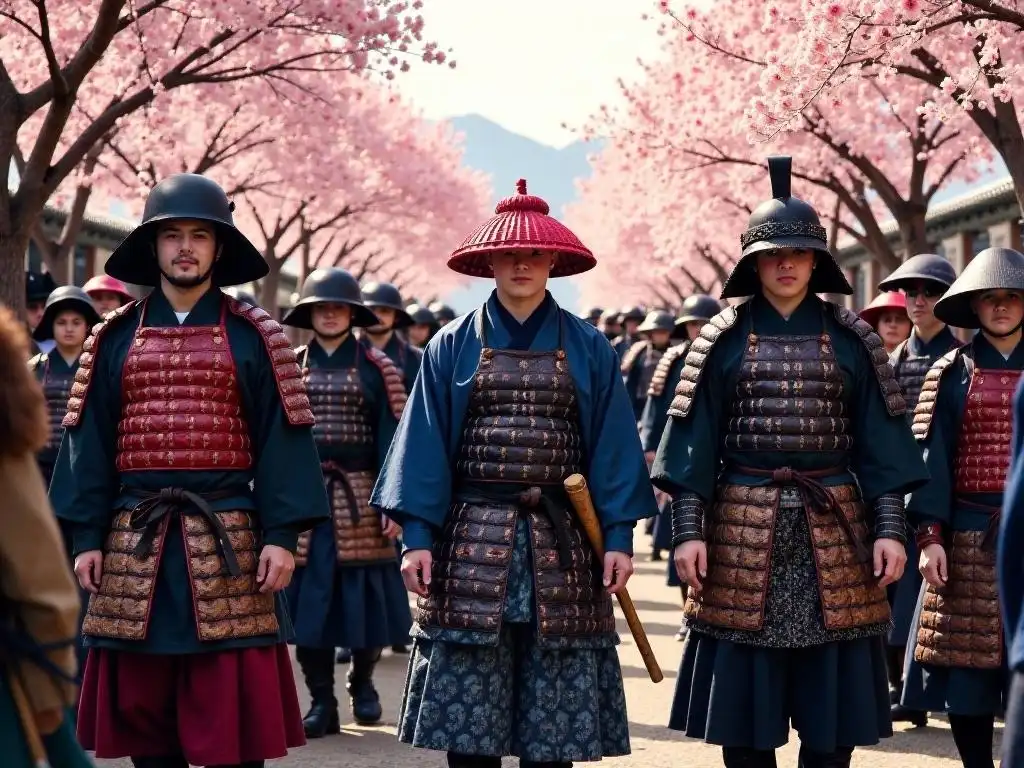
Welcome to Feudal Japan History, where we invite you to embark on an extraordinary journey through the captivating tales of Japan’s feudal era. Here, you’ll uncover the rich tapestry of historical, cultural, and societal aspects that shaped a nation. In our featured article, “Samurai Stories: Guided Tours That Bring Feudal History Alive,” we delve into the fascinating world of guided samurai tours in Japan—an experience that promises to transport you back in time. Are you ready to walk the paths of legendary warriors and discover the secrets of their storied past? Dive in and let your adventure begin!
- Introduction to Guided Samurai Tours in Japan
- What Are Guided Samurai Tours?
- Top Destinations for Guided Samurai Tours in Japan
- Key Features of Elite Guided Samurai Tours
- Benefits of Participating in Guided Samurai Tours
- Recommended Guided Samurai Tours in Japan
- How to Choose the Right Guided Samurai Tour
- Common Misconceptions About Samurai Tours
- Conclusion: Embrace the Adventure of Guided Samurai Tours
- Call to Action
- Frequently Asked Questions
- Final Reflection: Embracing the Spirit of the Samurai Through Guided Tours
- Unveil the Legacy of Samurai Culture Today!
Introduction to Guided Samurai Tours in Japan
Guided samurai tours in Japan offer an unparalleled opportunity to immerse oneself in the rich tapestry of feudal history, exploring the lives, values, and traditions of the legendary samurai warriors. These tours not only showcase the breathtaking landscapes and historical sites but also provide a deep understanding of the cultural significance that samurai held in shaping Japan’s past.
As visitors traverse ancient castles, temples, and battlefields, they are transported back in time, experiencing the essence of an era characterized by honor, loyalty, and martial prowess. With expert guides leading the way, participants can engage with authentic narratives that breathe life into the stories of these noble warriors, making history both tangible and relatable.
Discovering Feudal History Through Immersive Experiences
Guided samurai tours are designed to be more than just sightseeing excursions; they are immersive experiences that engage all the senses. Participants often have the chance to:
- Explore Historical Sites: Many tours include visits to significant locations such as:
- Himeji Castle: A UNESCO World Heritage site known for its stunning architecture and strategic importance.
- Kamakura: Once the political center of the samurai during the Kamakura period, featuring the Great Buddha and numerous temples.
- Engage in Traditional Activities: These tours frequently offer hands-on experiences such as:
- Sword Fighting Lessons: Learn the basics of kendo or iaido from seasoned instructors.
- Tea Ceremonies: Understand the cultural rituals that the samurai practiced, emphasizing mindfulness and respect.
- Hear Captivating Stories: Expert guides share riveting tales of famous samurai, such as:
- Miyamoto Musashi: The famed swordsman and author of "The Book of Five Rings."
- Toyotomi Hideyoshi: The unifier of Japan who rose from humble beginnings to become a powerful warlord.
By blending education with adventure, guided samurai tours create a unique narrative experience, allowing visitors to walk in the footsteps of these historic figures and gain a deeper appreciation for their legacy.
The Importance of Samurai Culture in Japanese History
The samurai class has played an integral role in shaping Japanese history, culture, and societal structure. Emerging during the Heian period, samurai were not just warriors; they were also custodians of a distinct set of values that emphasized:
- Bushido: The "Way of the Warrior," which underscores principles such as loyalty, honor, and discipline.
- Cultural Patronage: Many samurai were patrons of the arts, influencing literature, poetry, and the tea ceremony, thus contributing to a rich cultural heritage.
Understanding the significance of samurai culture is crucial for anyone looking to appreciate the complexities of Japan’s feudal era. Their legacy continues to resonate in modern Japanese society, from martial arts to popular media, ensuring that the stories of these noble warriors remain alive for generations to come. Guided samurai tours are a gateway to exploring this profound history, inviting travelers to connect with a pivotal chapter of Japan's past.
What Are Guided Samurai Tours?
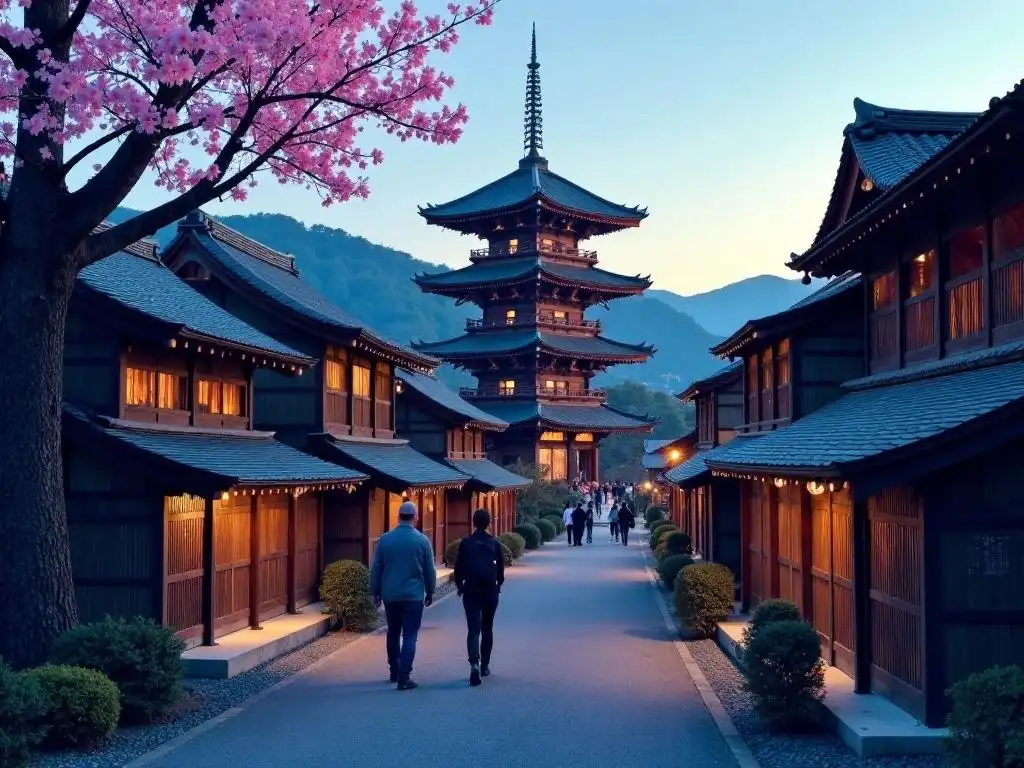
Guided samurai tours in Japan offer a unique opportunity to immerse oneself in the rich history and culture of the feudal era, specifically focusing on the legendary warriors known as samurai. These tours are designed not only to educate participants about samurai history but also to provide an experiential understanding of their way of life, values, and contributions to Japanese society.
Definition and Overview of Samurai-Themed Tours
Samurai-themed tours are organized excursions that take travelers through significant historical sites, cultural landmarks, and immersive experiences related to the samurai. These tours often include storytelling, reenactments, and hands-on activities that bring the feudal period to life.
Key features of these tours include:
- Expert Guides: Knowledgeable guides who specialize in feudal Japanese history provide in-depth narratives about samurai culture, battles, and daily life.
- Authentic Locations: Tours typically visit castles, shrines, and museums that played a crucial role in samurai history, allowing participants to walk in the footsteps of these iconic warriors.
- Interactive Experiences: Many tours offer opportunities to engage in traditional samurai activities, such as practicing kendo (Japanese fencing) or participating in tea ceremonies, enriching the overall experience.
Types of Guided Tours Available in Japan
When considering guided samurai tours in Japan, travelers can explore a variety of options tailored to different interests and preferences. Below are the primary types of guided tours available:
Historical Walking Tours
Historical walking tours focus on the exploration of significant landmarks and sites associated with samurai history.
Key components of these tours include:
- Castle Visits: Participants often visit famous castles such as Himeji Castle or Matsumoto Castle, which were once strongholds of powerful samurai clans. The architecture and history of these castles provide insights into the military strategies and aesthetics of the samurai era.
- Cultural Landmarks: Along the route, guides share stories about renowned samurai figures, significant battles, and the evolution of bushido, the samurai code of conduct.
- Scenic Routes: Many walking tours take place in picturesque settings, allowing participants to enjoy the natural beauty of Japan while learning about its history.
Cultural Experiences and Workshops
These tours prioritize hands-on learning and cultural immersion, enabling participants to engage with samurai traditions directly.
Highlights include:
- Martial Arts Training: Some tours offer workshops in traditional martial arts, such as kendo or iaido (the art of drawing the sword), led by experienced instructors.
- Craftsmanship Workshops: Participants may have the opportunity to learn about samurai craftsmanship, including sword-making or armor crafting, providing a deeper understanding of the skills and artistry involved in samurai culture.
- Traditional Performances: Cultural experiences often include performances of kabuki or noh theater, showcasing stories from the samurai era.
Adventure Tours Featuring Samurai Activities
For those seeking a more active and adventurous experience, samurai-themed adventure tours combine history with excitement.
These tours may feature:
- Archery: Participants can try their hand at kyudo, Japanese archery, an art form practiced by samurai for centuries.
- Outdoor Expeditions: Some tours include hiking or trekking through historical battlefields or scenic landscapes, allowing for a blend of physical activity and historical exploration.
- Themed Events: Seasonal events, such as reenactments of famous battles, may also be part of these adventure tours, creating an engaging and dynamic atmosphere.
Guided samurai tours in Japan offer a diverse array of experiences that cater to history enthusiasts, cultural explorers, and adventure seekers alike. Each tour provides a unique lens through which to view the fascinating world of the samurai, ensuring that participants leave with a deeper appreciation of Japan's feudal past.
Top Destinations for Guided Samurai Tours in Japan
Kyoto: The Heart of Samurai Heritage
Kyoto, once the imperial capital of Japan, is an essential destination for anyone interested in the rich history of the samurai. The city is replete with historical landmarks and cultural sites that encapsulate the essence of the samurai era. Guided samurai tours in Kyoto often include immersive experiences, allowing participants to engage with the rich traditions of this historic city.
Must-See Sites: Nijo Castle and Kiyomizu-dera
- Nijo Castle:
- Historical Significance: Built in 1603, Nijo Castle served as the residence of Tokugawa shoguns when they visited Kyoto. Its architecture and gardens reflect the power and culture of the samurai class.
- Unique Features: Visitors can explore the castle's famous "nightingale floors," which chirp when walked upon, designed to prevent intruders. The intricate wall paintings and tatami mat rooms provide a glimpse into the opulent lifestyle of the samurai elite.
- Kiyomizu-dera:
- Cultural Importance: Founded in 778, this historic temple is not only a UNESCO World Heritage site but also a symbol of Kyoto. Its name translates to "Clear Water Temple," derived from the Otowa Waterfall that runs beneath it.
- Scenic Views: Standing on the wooden stage that juts out over the hillside, visitors are treated to breathtaking views of cherry blossoms in spring and vibrant autumn leaves. Kiyomizu-dera's connection to samurai culture is often explored in guided tours, highlighting its role in various historical narratives.
Kamakura: The Birthplace of the Samurai
Kamakura, located just south of Tokyo, is another crucial destination for those interested in the samurai legacy. Often considered the birthplace of the samurai, this city was the political center during the Kamakura period (1185-1333). Guided samurai tours here focus on the profound influence of this era on Japanese culture and society.
Highlights: Hase-dera Temple and Great Buddha
- Hase-dera Temple:
- Historical Context: Founded in the 8th century, Hase-dera is renowned for its stunning wooden Kannon statue, a symbol of compassion and mercy. The temple's connection to the samurai ethos is explored in various guided tours.
- Gardens and Views: The temple features beautiful gardens and offers panoramic views of Kamakura and the coastline, allowing visitors to appreciate the serene environment that samurai once inhabited.
- Great Buddha (Daibutsu):
- Iconic Status: This monumental bronze statue, standing at 13.35 meters tall, is one of Japan's most iconic landmarks. Dating back to 1252, it reflects the spiritual beliefs that shaped the samurai's code of honor and duty.
- Cultural Significance: Guided tours often delve into the history surrounding the Great Buddha, discussing its construction and the samurai's role in the preservation of Buddhism during their era.
Both Kyoto and Kamakura offer unparalleled experiences for those interested in guided samurai tours in Japan. With their rich historical sites and cultural significance, these destinations provide a profound connection to the samurai's storied past.
Matsumoto: The Castle Town of Feudal Japan
Matsumoto, often referred to as the "Castle Town of Feudal Japan," is a captivating destination that offers visitors a glimpse into the rich history and culture of the samurai era. Nestled in the picturesque Nagano Prefecture, this city is renowned for its stunning Matsumoto Castle, one of Japan's most beautiful and well-preserved castles. Built during the late 16th century, the castle is a prime example of Japanese feudal architecture, featuring a unique black exterior and intricate wooden interiors that echo the craftsmanship of the era.
The charm of Matsumoto extends beyond its iconic castle. The town is dotted with historical sites, traditional wooden buildings, and serene landscapes that transport visitors back to a time when samurai roamed the streets. Walking through the preserved areas of Matsumoto, one can appreciate the harmonious blend of nature and history, as the majestic Northern Alps provide a breathtaking backdrop to this historical gem. Guided tours in Matsumoto often focus on the samurai culture, allowing participants to learn about the lives, values, and traditions of these noble warriors.
The guided samurai tours in Matsumoto are particularly popular among history enthusiasts, as they provide immersive experiences that include samurai armor try-ons, sword demonstrations, and storytelling sessions that bring the past to life. These tours offer a unique opportunity to engage with knowledgeable guides who share fascinating anecdotes about the samurai lifestyle and their significant role in shaping Japan’s feudal society.
Features: Matsumoto Castle and Samurai Street
Matsumoto Castle stands as the centerpiece of the town, attracting countless visitors each year. As a designated Important Cultural Property of Japan, the castle is not only a stunning architectural marvel but also a vital symbol of the region’s historical significance. The castle's unique structure features six stories, each with its own purpose, and a moat that enhances its defensive capabilities. Visitors can explore the interior, which houses a museum showcasing samurai artifacts, including armor, weapons, and historical documents.
Adjacent to Matsumoto Castle is the charming Samurai Street (Samurai no Komichi), a well-preserved area that offers a glimpse into the lives of samurai and merchants during the Edo period. This street is lined with traditional wooden buildings, shops, and museums dedicated to feudal history. Guided tours along Samurai Street often include visits to former samurai residences, where participants can learn about the daily lives and customs of these esteemed warriors.
The combination of Matsumoto Castle and Samurai Street creates a rich narrative that captures the essence of the samurai era. Tour guides frequently share stories of famous samurai from the region, their battles, and their contributions to Japan's history, providing a deeper understanding of the cultural legacy that still resonates in Matsumoto today. Whether you're a history buff or simply curious about Japan's feudal past, a guided tour in this historic town is an unforgettable experience that brings the stories of the samurai to life.
Key Features of Elite Guided Samurai Tours
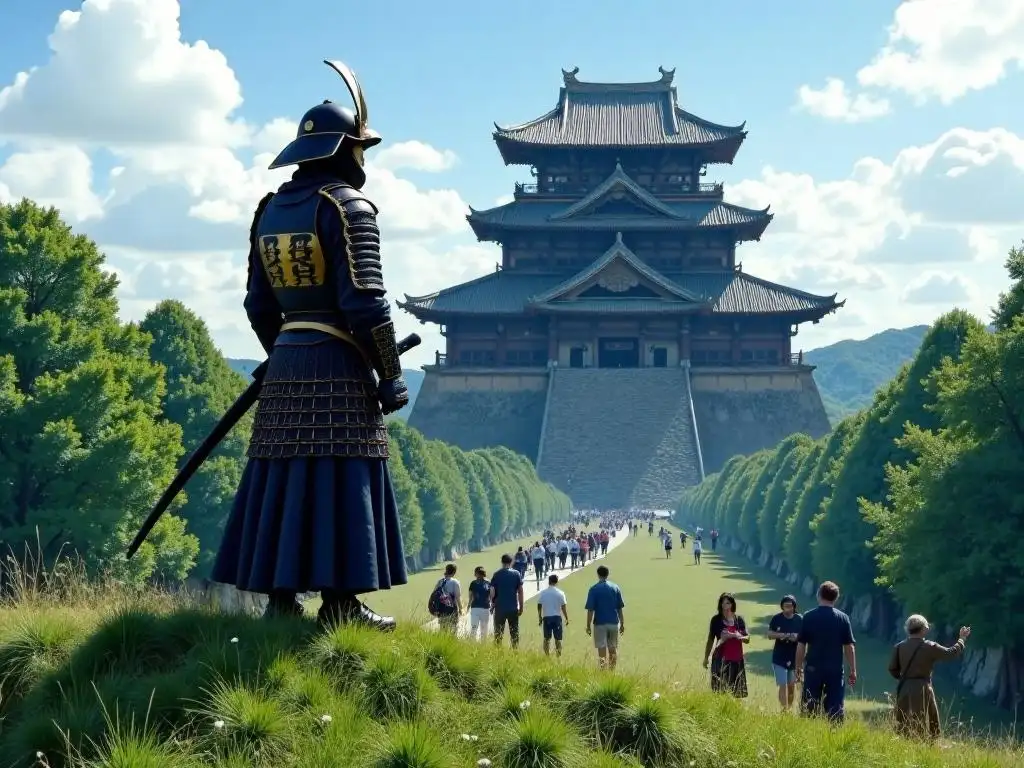
Guided samurai tours in Japan offer a unique opportunity to immerse oneself in the rich tapestry of feudal history and culture. These tours are designed not only to educate but also to engage travelers in experiential learning. Here, we explore the key features that distinguish elite guided samurai tours, ensuring an unforgettable journey through Japan's past.
Expert Guides and Their Role in Enhancing the Experience
One of the most significant components of these tours is the presence of expert guides who possess extensive knowledge of samurai history, culture, and traditions. These guides are often historians or cultural enthusiasts who can provide deep insights into the lives of samurai warriors and the societal structures of feudal Japan.
- In-depth Knowledge: Guides typically have years of study and experience, allowing them to provide context and background that enrich the tour.
- Storytelling Skills: They employ captivating storytelling techniques that breathe life into historical events, making them relatable and engaging for visitors.
- Personal Interaction: Expert guides often encourage questions and discussions, creating an interactive environment that fosters a deeper understanding of the samurai era.
The expertise of these guides transforms a standard sightseeing experience into a comprehensive educational journey, where visitors leave with a newfound appreciation for Japan’s feudal history.
Incorporating Authentic Samurai Experiences
To truly engage with the samurai culture, elite guided tours often incorporate authentic experiences that allow participants to step into the shoes of a samurai. These hands-on activities create memorable connections to the past and deepen the understanding of samurai life.
Sword Fighting Demonstrations
One of the most thrilling aspects of guided samurai tours is the inclusion of sword fighting demonstrations. These showcases are not merely performances; they are rooted in historical techniques and practices.
- Martial Arts Experts: Demonstrations are typically conducted by skilled martial artists trained in traditional Japanese swordsmanship, such as Kendo or Kenjutsu.
- Interactive Learning: Participants may have opportunities to learn basic movements or techniques under the supervision of a master, enhancing their appreciation for the discipline involved in samurai combat.
- Cultural Significance: Guides often explain the historical context of the techniques being demonstrated, linking them to significant battles or events in samurai history.
This interactive element allows visitors to connect physically and emotionally with the samurai legacy, making it a highlight of the tour.
Traditional Kimono Dress-Up Sessions
Another captivating feature of elite guided samurai tours is the opportunity for participants to dress in traditional samurai attire. This experience offers a tangible connection to the culture of the time.
- Authentic Costumes: Participants are dressed in high-quality reproductions of samurai gear, including hakama, kimono, and armor, providing a genuine feel for the clothing and its significance.
- Photos and Memories: Many tours include professional photography sessions, allowing participants to capture their experience in traditional attire against historical backdrops.
- Cultural Insights: Guides explain the significance of each piece of clothing and its relevance to samurai identity, enhancing the educational aspect of the experience.
By donning the clothing of the samurai, participants not only gain insight into the aesthetic but also into the cultural values and traditions associated with these iconic warriors.
Elite guided samurai tours in Japan offer a multifaceted experience that combines expert knowledge, interactive activities, and authentic cultural immersion. With features like expert guides, sword fighting demonstrations, and traditional dress-up sessions, these tours not only educate but also transport participants to the fascinating world of feudal Japan.
Cultural Insights: Understanding the Samurai Code (Bushido)
The Samurai Code, known as Bushido, is an intricate ethical framework that guided the behavior and mindset of the samurai class in feudal Japan. The term translates to "the way of the warrior," and it encompasses a variety of principles that emphasize honor, loyalty, and personal discipline. Understanding Bushido is fundamental to appreciating the cultural significance of the samurai and the philosophies that drove them throughout history.
The Seven Principles of Bushido
Bushido is often distilled into seven core virtues that embody the samurai ethos:
- Rectitude (Gi): The ability to discern right from wrong and to act accordingly. This principle emphasizes moral integrity and the importance of justice.
- Courage (Yū): Beyond mere bravery, this virtue involves the courage to stand for one's beliefs, even in the face of overwhelming odds.
- Benevolence (Jin): The samurai were expected to exhibit compassion and kindness, particularly towards those who were weaker or suffering.
- Politeness (Rei): This principle stresses the importance of respect and courtesy in all interactions, reflecting the samurai’s dignified nature.
- Honesty (Makoto): A samurai's word was their bond. Honesty was paramount, and deceit was seen as a dishonorable act.
- Honor (Meiyo): The reputation of an individual was of utmost importance. Samurai were driven to uphold their honor through their actions and decisions.
- Loyalty (Chūgi): Loyalty to one's lord and comrades was a defining characteristic of the samurai. This principle fostered a deep sense of duty and allegiance.
The Impact of Bushido on Samurai Life
The principles of Bushido were not merely theoretical; they profoundly influenced the daily lives of samurai. Adherence to this code shaped their roles as warriors, leaders, and members of society. Samurai were trained not only in martial skills but also in the arts, philosophy, and literature, reflecting a well-rounded approach to their lives that was deeply rooted in the tenets of Bushido.
Moreover, Bushido permeated various aspects of Japanese culture, including literature, art, and theater. It inspired countless works that celebrated the samurai’s dedication to their values, reinforcing their status as cultural icons. Guided tours that focus on the samurai experience often delve into these themes, providing participants with rich narratives and historical contexts that highlight the importance of Bushido in shaping Japan’s feudal society.
Modern Relevance of Bushido
While Bushido originated in a time of war and turmoil, its principles continue to resonate in contemporary Japan. Modern interpretations of Bushido can be seen in various aspects of Japanese culture, including martial arts, business ethics, and even daily social interactions. Guided samurai tours often explore this connection, allowing participants to reflect on how the samurai code influences modern Japanese society and values.
Understanding the Bushido code enhances the experience of guided samurai tours in Japan, offering a deeper appreciation for the historical and cultural context that defines this unique aspect of Japanese heritage. Participants not only learn about the samurai as warriors but also as individuals shaped by a profound ethical framework that continues to inspire and guide Japanese society today.
Benefits of Participating in Guided Samurai Tours
In-Depth Historical Knowledge and Context
Participating in guided samurai tours in Japan offers a unique opportunity to delve into the rich tapestry of Japan's feudal history. Knowledgeable guides, often with backgrounds in history or cultural studies, provide insights that go beyond standard historical narratives. These experts bring the past to life by sharing lesser-known stories and anecdotes about the samurai class, their codes of conduct, and their roles in shaping Japanese society.
- Authentic Experiences: Many tours include visits to historical sites such as castles, temples, and battlefields where significant events occurred. This allows participants to visualize the context of samurai life and the socio-political landscape of feudal Japan.
- Access to Exclusive Locations: Some guided tours offer access to locations that are not open to the general public, such as private gardens or lesser-known shrines dedicated to samurai. This exclusivity enriches the experience and provides a deeper understanding of the samurai's legacy.
Unique Cultural Immersion Opportunities
Guided samurai tours often incorporate hands-on experiences that allow travelers to immerse themselves in the culture of the samurai era. This cultural immersion is a key benefit of participating in these tours and can take various forms:
- Martial Arts Demonstrations: Many tours include demonstrations of traditional martial arts such as Kendo or Iaido, providing participants with a glimpse into the physical discipline and skill that characterized samurai training.
- Traditional Crafts: Some guided tours offer workshops where visitors can learn traditional crafts associated with samurai culture, such as sword forging or calligraphy. These activities foster a deeper appreciation for the artistry and techniques that were integral to samurai life.
- Costume Experiences: Participants often have the opportunity to wear samurai armor or traditional kimono, allowing them to physically embody the history they are learning about. This interactive element makes the experience memorable and engaging.
Networking with Other History Enthusiasts
Joining a guided samurai tour not only enriches individual knowledge but also facilitates connections with like-minded individuals who share a passion for history. This networking aspect can be incredibly rewarding for participants:
- Group Discussions: Engaging in discussions with fellow travelers about historical events and interpretations can enhance understanding and provide diverse perspectives on samurai culture.
- Building Friendships: Shared experiences during the tour can lead to lasting friendships. Participants may find themselves exchanging contact information and staying connected even after the tour concludes.
- Access to Local Experts: Many guided tours feature guest speakers or local historians who share their expertise, providing additional networking opportunities for those interested in further exploring the subject matter.
Participating in guided samurai tours in Japan offers a multifaceted approach to learning about the feudal era, combining in-depth knowledge, cultural experiences, and valuable networking opportunities. These tours not only educate but also inspire a deeper appreciation for Japan’s rich historical tapestry.
Recommended Guided Samurai Tours in Japan

Samurai and Ninja Experience in Kyoto
The Samurai and Ninja Experience in Kyoto offers an immersive journey into the heart of Japan's feudal history. This full-day tour is designed for both history enthusiasts and those looking to engage in the fascinating world of samurai and ninja. Participants can expect a well-rounded experience that combines practical lessons with historical insights.
Features: Full-day tour, swordsmanship lessons, and historical insights
- Full-day tour: The experience typically spans around 8 hours, allowing participants ample time to explore various aspects of samurai culture.
- Swordsmanship lessons: Under the guidance of skilled instructors, participants can learn traditional sword techniques, including stances and strikes, providing a hands-on understanding of samurai martial arts.
- Historical insights: The tour includes visits to key historical sites, where knowledgeable guides share the rich stories of samurai warriors, their codes of honor, and their role in Japanese society.
This interactive approach not only educates participants about the samurai's historical significance but also allows them to embody the spirit of these legendary warriors.
Price Range: ¥12,000 - ¥15,000
The price for the Samurai and Ninja Experience in Kyoto typically falls between ¥12,000 and ¥15,000 per person. This cost covers all lessons, materials, and admission to various historical sites, making it a worthwhile investment for those seeking an authentic experience.
Kamakura Samurai Experience
The Kamakura Samurai Experience provides a unique opportunity to delve into the legacy of samurai culture in one of Japan's most historically significant cities. Known for its rich heritage, Kamakura is an ideal backdrop for exploring the traditions and practices of the samurai class.
Features: Guided temple visits, authentic tea ceremonies
- Guided temple visits: Participants will have the chance to explore various temples, such as Hase-dera and Tsurugaoka Hachimangu, each steeped in history and architecture that reflects the samurai's influence on Japanese culture.
- Authentic tea ceremonies: The tour includes participation in a traditional tea ceremony, offering insights into the samurai's appreciation for aesthetics, discipline, and hospitality. This aspect of the experience highlights the blend of martial prowess and cultural refinement that defines the samurai ethos.
Through these guided visits and cultural activities, participants gain a deeper understanding of how the samurai lifestyle permeated everyday life during feudal Japan.
Price Range: ¥10,000 - ¥13,000
The cost for the Kamakura Samurai Experience ranges from ¥10,000 to ¥13,000 per person. This price includes guided tours, participation in the tea ceremony, and any entrance fees to the temples, providing an enriching experience that is both educational and memorable.
Matsumoto Castle Private Samurai Tour
The Matsumoto Castle Private Samurai Tour offers an immersive experience into the heart of Japan's feudal history. Nestled in the picturesque Nagano Prefecture, Matsumoto Castle, known as "Crow Castle" due to its black exterior, stands as a symbol of samurai culture and architectural prowess. This guided tour not only allows visitors to explore the castle's stunning grounds and intricate design but also delves into the rich narratives of the samurai who once inhabited these storied walls.
Features: Expert-led exploration of the castle, samurai storytelling
- Expert Guidance: Participants are led by knowledgeable guides who specialize in Japanese history and samurai culture. Their expertise allows for a deeper understanding of the significance of Matsumoto Castle within the feudal era.
- Interactive Storytelling: The tour includes captivating samurai stories that bring the past to life. Visitors will hear tales of legendary samurai battles, the role of the castle during Japan's tumultuous history, and anecdotes that highlight the valor and honor of these warriors.
- Castle Exploration: Attendees will have the opportunity to explore the castle’s various levels, admire its traditional architecture, and learn about the defensive strategies employed by samurai. The tour often includes access to areas not typically open to the public, enhancing the experience.
- Cultural Immersion: Beyond the castle, participants may engage in traditional samurai activities, such as wearing armor or practicing basic sword techniques, allowing for a hands-on connection to the era.
Price Range: ¥8,000 - ¥11,000
The cost of the Matsumoto Castle Private Samurai Tour typically ranges from ¥8,000 to ¥11,000 per person. This price reflects the personalized nature of the tour, including expert guides, access to exclusive areas of the castle, and interactive cultural experiences. Group discounts may be available for larger parties, making it an excellent option for families or friends looking to delve into Japan's feudal history together. Booking in advance is recommended, especially during peak tourist seasons, to secure your spot on this unforgettable journey through time.
How to Choose the Right Guided Samurai Tour

Selecting the ideal guided samurai tour in Japan can significantly enhance your understanding and appreciation of the feudal era. With numerous options available, it’s crucial to evaluate specific factors that align with your interests, schedule, and travel style. Here’s a comprehensive guide to help you make an informed decision.
Factors to Consider When Selecting a Tour
When choosing a guided samurai tour, several key factors will shape your overall experience. Understanding these elements can help you select a tour that best fits your expectations.
Duration and Itinerary
The duration of the tour is a critical aspect to consider. Guided samurai tours can range from a few hours to multiple days. Here are some points to keep in mind:
- Half-Day Tours: Ideal for travelers on a tight schedule. These tours typically cover the basics, such as visits to historical sites and demonstrations of samurai techniques.
- Full-Day Tours: Offer a more immersive experience, often including lunch, additional sites, and interactive elements like sword-fighting lessons or traditional tea ceremonies.
- Multi-Day Tours: Perfect for those who wish to delve deeper into the cultural context, featuring visits to multiple locations and the chance to stay in a ryokan (traditional Japanese inn).
Here’s a quick comparison:
| Duration | Activities Included | Ideal For |
|---|---|---|
| Half-Day | Site visits, basic demonstrations | Short visits, limited time |
| Full-Day | Extended site visits, lunch, interactive activities | Immersive experience |
| Multi-Day | Comprehensive itineraries, overnight stays | Deep cultural exploration |
Group Size and Personalization
The size of the group can greatly influence your experience. Smaller groups often provide a more intimate setting, allowing for personalized interactions with the guide. Consider these options:
- Private Tours: Offer tailored experiences, allowing you to focus on specific interests. You can engage with the guide and ask questions without the distractions of a larger group.
- Small Groups: Typically consist of 6-12 participants. This option balances a social experience while still allowing for some level of personalization.
- Large Groups: While often more economical, these tours may limit personal interaction and the depth of discussions.
Reading Reviews and Testimonials from Past Participants
Prior to booking a guided samurai tour, it’s essential to read reviews and testimonials from previous participants. This feedback can give you insight into what to expect and help you gauge the quality of the tour. Here are some tips for effectively evaluating reviews:
- Look for Detailed Experiences: Reviews that provide specific examples, such as notable guides or unique activities, tend to be more credible and informative.
- Consider the Overall Rating: While a high rating is a good sign, also pay attention to the number of reviews. A tour with a high rating but only a few reviews may not represent a consistent experience.
- Check for Recent Feedback: Ensure the reviews are recent to get an accurate picture of the current tour offerings.
By considering the factors outlined above and taking the time to read past participant testimonials, you can confidently choose a guided samurai tour that will bring the rich history of feudal Japan alive.
Booking Tips for Samurai Tours in Japan
When planning your journey into the heart of feudal Japan, selecting the right guided samurai tour is paramount. Here are some essential tips to consider during your booking process:
-
Research Tour Providers
Before committing to a specific tour, conduct thorough research on various providers. Look for:
- Reviews and testimonials from previous participants.
- The provider's expertise in samurai history and culture.
- The qualifications of the tour guides.
-
Understand Inclusions and Itineraries
Different guided samurai tours come with varying packages. Pay attention to what is included in the tour:
- Sightseeing Locations: Are you visiting historically significant sites, such as castles, temples, or samurai residences?
- Activities: Does the tour include interactive experiences, like swordsmanship lessons or traditional tea ceremonies?
- Duration: How long is the tour? Make sure it fits your schedule.
- Check Group Size
Smaller group tours can enhance your experience, allowing for more personal interaction with your guide and a more intimate exploration of the sites. Consider:
- The maximum group size for the tour.
- Whether private tours are available for a more customized experience.
- Inquire About Language Support
For an enriching experience, ensure that the tour guide speaks your language fluently. This will enhance your understanding of the historical context and cultural significance of the sites you visit.
- Look for Flexible Booking Options
Given the changing nature of travel, opt for tours that offer flexible booking policies. This includes:
- Free cancellations or rescheduling options.
- Clear terms regarding refunds.
- Consider Seasonal Variations
Some guided samurai tours may vary by season, offering unique experiences such as cherry blossom viewings or autumn foliage. Research:
- Seasonal highlights that may enhance your tour experience.
- Whether certain activities or events are exclusive to specific times of the year.
- Ask About Safety Protocols
In light of recent global events, inquire about the safety measures in place, including health protocols followed during the tour. This may involve:
- Capacity limits.
- Sanitation practices.
- Health screenings for participants.
By keeping these tips in mind, you can ensure that your guided samurai tour in Japan is not only informative but also a deeply immersive experience that resonates with the echoes of feudal history.
Common Misconceptions About Samurai Tours
When it comes to guided samurai tours in Japan, many misconceptions can cloud travelers’ expectations. These myths often stem from popular culture, including movies and anime, which romanticize the samurai experience. Understanding the reality behind these misconceptions is essential for anyone considering a guided tour focused on Japan’s legendary warriors.
Myth vs. Reality: What to Expect on a Guided Tour
- Myth: Samurai Tours are Just for History Buffs
- Reality: While a deep interest in history can enhance the experience, guided samurai tours are designed for a wide audience, including families and casual travelers. These tours often incorporate storytelling, interactive elements, and cultural experiences that appeal to all ages.
- Myth: Tours Focus Solely on Battles and Warfare
- Reality: Although samurai are often associated with their martial prowess, guided tours provide a holistic view of their lives. Participants can expect to learn about samurai culture, arts, philosophy, and their roles in society. For instance:
- Tea Ceremony: Some tours include a traditional tea ceremony, illustrating the samurai’s appreciation for art and tranquility.
- Martial Arts Demonstrations: Visitors can witness or even participate in demonstrations that highlight the discipline and skill of samurai techniques.
- Reality: Although samurai are often associated with their martial prowess, guided tours provide a holistic view of their lives. Participants can expect to learn about samurai culture, arts, philosophy, and their roles in society. For instance:
- Myth: You Will Meet Real Samurai
- Reality: Samurai, as a distinct class, no longer exist, having been abolished in the late 19th century. However, guided tours often feature knowledgeable guides who are experts in samurai history. They provide insights and narratives that bring the samurai’s legacy to life, ensuring that participants gain a deep understanding of their significance.
- Myth: All Tours are the Same
- Reality: Guided samurai tours vary greatly depending on the region and company. Some may focus on specific historical events, while others emphasize cultural practices. It’s essential for travelers to research and select tours that align with their interests.
- Myth: Samurai Tours are Expensive and Out of Reach
- Reality: While some premium tours can be pricey, there are many affordable options available. Group tours often reduce costs, and some local organizations offer educational sessions at lower prices. Travelers can find guided samurai tours that fit various budgets.
The Real Historical Figures Behind the Samurai Legend
The samurai were not just warriors; they were also influential figures in Japanese history, shaping the cultural and political landscape of the nation. Understanding the real historical figures behind the samurai legend enhances the experience of guided samurai tours.
- Minamoto no Yoritomo
- The founder of the Kamakura shogunate, he played a pivotal role in establishing the samurai as a ruling class in Japan. His leadership marked the beginning of a new era in feudal Japan, where samurai became central to governance.
- Oda Nobunaga
- A key figure in the unification of Japan during the late 16th century, Nobunaga was known for his innovative military strategies and ruthless tactics. His legacy is often discussed on guided tours, highlighting his impact on samurai culture and warfare.
- Toyotomi Hideyoshi
- Successor to Nobunaga, Hideyoshi is celebrated for completing the unification of Japan. His reforms helped elevate the status of the samurai class and introduced significant changes in land ownership and military organization.
- Tokugawa Ieyasu
- The founder of the Tokugawa shogunate, Ieyasu’s rule brought about a long period of peace known as the Edo period. Guided tours often explore his policies that stabilized Japan and how they affected the samurai’s role in society.
- Miyamoto Musashi
- A legendary swordsman and strategist, Musashi is renowned for his unique double-blade technique and philosophical writings. His life and teachings are frequently featured in samurai-themed tours, offering a glimpse into the mindset of a true warrior.
By uncovering these historical figures and understanding their contributions, participants in guided samurai tours can appreciate the rich tapestry of feudal Japan and the complexities of its warrior class. Each tour provides an opportunity to engage with this fascinating history, making the experience both educational and enriching.
Conclusion: Embrace the Adventure of Guided Samurai Tours
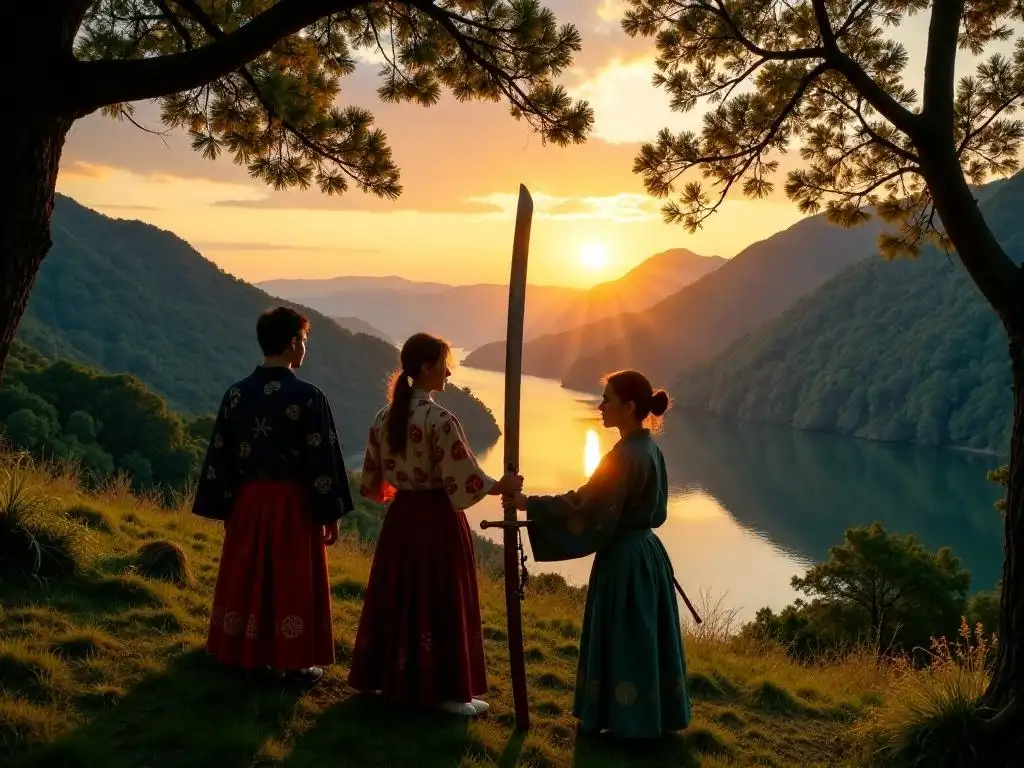
Guided samurai tours in Japan offer a unique and immersive way to experience the rich history and culture of the feudal era. These tours not only bring the stories of the samurai to life but also provide an opportunity to explore the landscapes and historical sites that shaped Japan’s past. By participating in these guided experiences, history lovers can step into the shoes of legendary warriors and gain a deeper understanding of their values, traditions, and the societal structures of the time.
Why Guided Samurai Tours Are Essential for History Lovers
For history enthusiasts, guided samurai tours serve as an invaluable resource. Here are some key reasons why they are essential:
- Expert Knowledge:
- Tours are often led by knowledgeable guides who specialize in feudal Japanese history. They provide insights and anecdotes that are not readily available in books or online resources.
- Authentic Experiences:
- Participants can visit historical sites such as castles, battlefields, and samurai residences. This direct engagement with history creates a more profound appreciation for the samurai way of life.
- Cultural Immersion:
- Many guided tours include traditional activities, such as ikebana (flower arranging) or kendo (swordsmanship), allowing participants to engage with the culture actively.
- Community Connection:
- Engaging with local historians and craftsmen during tours fosters connections to the community and enhances understanding of contemporary interpretations of samurai culture.
- Curated Itineraries:
- Guided tours often feature itineraries that balance popular destinations with hidden gems, ensuring a comprehensive exploration of feudal history.
Final Thoughts on Exploring Feudal Japan Through Tours
Exploring feudal Japan through guided samurai tours transcends mere sightseeing; it is an adventure that breathes life into the tales of honor, valor, and tradition that define the samurai legacy. Whether it's standing in the shadow of an ancient castle or participating in a traditional tea ceremony, these experiences allow travelers to connect with history on a personal level.
The impact of guided samurai tours extends beyond the individual. They contribute to the preservation of cultural heritage and promote awareness of Japan’s rich historical tapestry. For those looking to delve deep into the heart of feudal Japan, there is no better way than through the lens of a guided tour, ensuring that the stories of the samurai continue to inspire future generations.
In embracing the adventure of guided samurai tours, you not only discover the past but also become a part of its ongoing narrative. Whether you are a history buff, a cultural enthusiast, or simply seeking an unforgettable journey, these tours promise to deliver an enriching experience that resonates long after the journey ends.
Call to Action
Book Your Guided Samurai Tour in Japan Today!
Are you ready to step back in time and immerse yourself in the rich history of the samurai? Guided samurai tours in Japan offer an unparalleled opportunity to experience the legacy of these legendary warriors firsthand. Whether you're wandering through ancient castles, practicing traditional martial arts, or exploring serene temples, these tours provide an authentic encounter with Japan's feudal past.
- Explore historic sites: Visit iconic locations such as Himeji Castle, the most beautiful and well-preserved castle in Japan, or the historic town of Kanazawa, where you can stroll through samurai districts.
- Engage with experts: Learn from knowledgeable guides who specialize in samurai history and culture, bringing stories of honor, duty, and tradition to life.
- Participate in immersive experiences: Try on authentic samurai armor, participate in a kendo class, or practice calligraphy, allowing you to connect with the era in a personal way.
Why Choose a Guided Tour?
Guided tours are meticulously crafted to provide depth and context to your exploration. Here are some compelling reasons to consider:
- Expert Insights: Gain a deeper understanding of the samurai's role in Japanese history from passionate historians and reenactors.
- Convenience: Enjoy the ease of having transportation and itinerary planning handled by professionals, allowing you to focus on the experience.
- Cultural Enrichment: Engage in discussions about the samurai code of conduct, known as Bushido, and its impact on modern Japanese society.
💡 Tip: Be sure to book your guided samurai tour well in advance, especially during peak travel seasons, to secure your spot on these sought-after experiences.
How to Book Your Tour
Booking your guided samurai tour is simple:
- Research Options: Check various tour providers to find the one that best fits your interests, budget, and schedule.
- Read Reviews: Look at testimonials from previous participants to gauge the quality and authenticity of the experience.
- Contact Providers: Don’t hesitate to reach out with questions regarding the itinerary, accessibility, and any special requests you may have.
Make your journey into the heart of feudal Japan memorable by booking your guided samurai tour today! 🗡️✨
Frequently Asked Questions
What are guided samurai tours in Japan?
Guided samurai tours in Japan are immersive experiences that allow visitors to explore the historical sites and cultural significance of the samurai era, often led by knowledgeable guides.
What can participants expect during these tours?
Participants can expect a combination of educational storytelling, visits to historic landmarks, demonstrations of samurai techniques, and insights into the daily life of samurai during feudal Japan.
How long do guided samurai tours typically last?
Most guided samurai tours last anywhere from half a day to a full day, depending on the itinerary and the number of locations visited, ensuring a comprehensive exploration of feudal history.
Are these tours suitable for families?
Yes, guided samurai tours are suitable for families and can be tailored to accommodate various age groups, making them a great way for everyone to learn about Japan's rich history together.
How can one book a guided samurai tour in Japan?
Booking a guided samurai tour can typically be done through travel agencies, tour operators, or directly on specialized websites focusing on cultural experiences in Japan, often allowing for easy online reservations.
Final Reflection: Embracing the Spirit of the Samurai Through Guided Tours
In today's fast-paced world, the allure of history serves as a powerful reminder of our roots and the values that shape our identities. Guided samurai tours in Japan not only provide a unique opportunity to explore the rich tapestry of feudal history but also invite us to reflect on the principles of honor, discipline, and resilience that the samurai embodied. As we navigate the complexities of modern life, these stories and experiences resonate with a timeless relevance, urging us to reconnect with the past and understand its impact on our present.
The cultural landscape continues to be enriched by the stories of the samurai, reminding us of the importance of heritage and tradition in shaping our collective consciousness. These guided tours not only educate but also inspire a sense of wonder and appreciation for the craftsmanship and philosophy of the samurai era. As the historian John Keats once said, A thing of beauty is a joy forever.
This sentiment encapsulates the enduring allure of samurai stories, which continue to captivate hearts and minds, fostering a deeper connection to Japan's cultural legacy.
As you consider the lessons gleaned from these guided samurai tours, I invite you to reflect on your own journey. How can the values of the samurai—courage, loyalty, and integrity—inform your actions and decisions today? Embrace the opportunity to learn from the past, allowing it to guide your path forward. By engaging with these narratives, you not only enrich your understanding of history but also empower yourself to embody the spirit of the samurai in your everyday life.
Unveil the Legacy of Samurai Culture Today!
Thank you for embarking on this journey through the rich tales of Samurai history! You've discovered the depth of their valor and tradition—now, it's your turn to experience it firsthand.
Here are some exciting next steps you can take to further connect with the fascinating world of feudal Japan:
- Join a Guided Tour: Dive deeper into samurai culture by signing up for one of our immersive tours. Step into their shoes and walk the paths they once tread.
- Share Your Insights: Spread the word! Share this article with friends or on social media to inspire others to explore the rich tapestry of Japan’s feudal past.
- Engage with the Community: Participate in our online forum to discuss the impact of Samurai stories with fellow enthusiasts and history lovers.
What aspects of Samurai culture intrigue you the most, and what do you hope to learn by participating in these experiences?