
Key Terminology of Feudal Japan: A Resource for History Buffs


Welcome to Feudal Japan History, where we invite you on an intriguing journey through the complexities of Japan's feudal era. Dive into a world rich in culture, history, and societal dynamics that shaped a nation. Today, we present our "Feudal Japan terminology guide," a vital resource for history buffs and language learners alike. Discover the key terms that not only define this captivating period but also unlock the stories and traditions of a bygone age. Curious about how these terms have influenced modern Japanese culture? Continue reading to unravel the fascinating connections that await you!
-
Feudal Japan Terminology Guide: Key Terms for History Buffs
- Understanding the Importance of Feudal Japan Terminology
- Essential Terms in Feudal Japan
- Cultural and Societal Terms
- Feudal Japan Terminology in Literature and Art
- Resources for Further Exploration of Feudal Japan Terminology
- Conclusion: Embracing the Rich Language of Feudal Japan
- Additional Learning Tools and Resources
- Frequently Asked Questions
- Final Reflection: Understanding Feudal Japan Terminology for a Deeper Connection to History
- Dive Deeper into the World of Feudal Japan!
Feudal Japan Terminology Guide: Key Terms for History Buffs
The intricate tapestry of Feudal Japan is woven with a rich lexicon that encapsulates its historical, cultural, and societal nuances. Understanding the terminology of this era is not merely an academic exercise; it serves as a gateway to grasping the complexities of Japan’s past. From the powerful military leaders to the valiant warriors, each term reflects a unique aspect of the feudal system that governed Japan for centuries. This guide aims to illuminate key terms relevant to Feudal Japan, providing history buffs with essential knowledge to enhance their understanding and appreciation of this fascinating period.
Understanding the Importance of Feudal Japan Terminology
The terminology of Feudal Japan is pivotal for anyone interested in delving deeper into this captivating historical epoch. These terms allow us to comprehend the hierarchical structures, societal roles, and cultural practices that defined the era. By familiarizing ourselves with these expressions, we uncover the dynamics of power, loyalty, and warfare that shaped Japan's history.
- Cultural Relevance: Each term is steeped in cultural significance, offering insights into the values and beliefs of the time.
- Historical Context: Understanding these terms provides context to the events and figures that played critical roles in shaping Japan's destiny.
- Language Learning: For those interested in the Japanese language, grasping these terms aids in learning the language itself, as many words have roots in this historical period.
Essential Terms in Feudal Japan
As we explore the fundamental terminology of Feudal Japan, it’s essential to recognize the key figures and concepts that defined its society. Below are some of the most significant terms that every history enthusiast should know:
1. Shogun: The Supreme Military Leader
The term Shogun refers to the highest military rank in feudal Japan, often seen as the de facto ruler of the country. Appointed by the Emperor, the Shogun wielded immense power and controlled the samurai class, effectively managing the affairs of the state. The Shogunate system marked the transition from imperial to military rule, with notable leaders such as Minamoto no Yoritomo establishing the Kamakura Shogunate in the late 12th century.
2. Daimyo: The Feudal Lords of Japan
Daimyo were powerful feudal lords who governed large territories in Japan during the feudal era. They held significant autonomy, commanding their own armies of samurai and collecting taxes from the peasants. The relationship between the Daimyo and the Shogun was complex, often characterized by alliances and rivalries that influenced the political landscape of Japan. Prominent Daimyo included Toyotomi Hideyoshi and Tokugawa Ieyasu, who played crucial roles in unifying Japan.
3. Samurai: The Warrior Class
The Samurai were the elite warrior class of feudal Japan, renowned for their martial skills, code of honor, and loyalty to their lords. Adhering to the principles of Bushido, the way of the warrior, samurai were expected to demonstrate bravery, loyalty, and self-discipline. Their influence extended beyond warfare, impacting cultural aspects such as art, poetry, and philosophy. Notable samurai figures include Miyamoto Musashi, known for his extraordinary swordsmanship.
4. Ronin: The Masterless Samurai
Ronin refers to samurai who found themselves without a master, often due to the death of their lord or the loss of their domain. While some sought new lords to serve, others became mercenaries or turned to a life of wandering. The plight of the ronin reflects the instability and shifting loyalties characteristic of feudal Japan, and they are often romanticized in literature and film as symbols of freedom and desperation.
Understanding the key terminology of Feudal Japan enriches our comprehension of its historical narrative and cultural heritage. This terminology guide serves as a foundational resource for history buffs eager to explore the complexities of Japan's feudal era.
Cultural and Societal Terms
Feudal Japan was characterized by a rich tapestry of cultural and societal norms that influenced daily life, governance, and the very fabric of Japanese identity. Understanding these terms is crucial for history buffs who wish to explore the intricate dynamics of this era.
5. Bushido: The Way of the Warrior
Bushido, often translated as "The Way of the Warrior," encapsulates the ethical code and principles followed by the samurai class during feudal Japan. This code emphasized virtues such as loyalty, honor, courage, and self-discipline. The samurai were not merely warriors; they were expected to embody the spirit of Bushido in all aspects of life.
Key principles of Bushido include:
- Loyalty: A samurai's allegiance to their lord was paramount. Betrayal was seen as the ultimate dishonor.
- Honor: Maintaining one's reputation and dignity was crucial. This was often expressed through acts of bravery and integrity.
- Courage: The willingness to face danger without fear was a significant aspect of a samurai's character.
Bushido also influenced various cultural expressions, including literature, art, and philosophy, leaving a lasting legacy that resonates in modern Japan.
6. Seppuku: The Ritual of Honor
Seppuku, also known as hara-kiri, was a form of ritual suicide by disembowelment, practiced by samurai as a means to restore honor after a disgraceful act or failure. This act was not merely a means of dying; it was steeped in ritual and tradition, often performed with a specific set of procedures.
The significance of seppuku includes:
- Restoration of Honor: By choosing to end their lives in this manner, samurai aimed to reclaim their honor and that of their family.
- Ceremony: The act involved a ceremonial preparation, including the wearing of a white kimono, the writing of a death poem, and the presence of witnesses.
- Historical Context: Seppuku was particularly prominent during the late feudal period, aligning with the rigid social structures and expectations of samurai conduct.
The practice of seppuku highlighted the extreme measures samurai would take to uphold their values, shaping perceptions of honor in Japanese culture.
7. Feudal System: The Structure of Society
The feudal system in Japan was a hierarchical structure that defined the social, economic, and political organization of society. At its core, this system revolved around land ownership and the obligations between different classes.
Key components of the feudal system include:
- Shogun: The military leader who held the ultimate power, ruling over the daimyōs (feudal lords).
- Daimyō: Powerful landowners who governed their territories and pledged loyalty to the shogun in exchange for protection and support.
- Samurai: The warrior class that served the daimyō, adhering to the code of Bushido and fulfilling military duties.
- Peasants: Often the largest class, they worked the land and provided the agricultural output that sustained the feudal economy.
This structured hierarchy was essential for maintaining order and stability within feudal Japan, influencing social interactions and relationships among different classes.
Feudal Japan Terminology in Literature and Art
The cultural expressions of feudal Japan, particularly in literature and art, were deeply intertwined with the societal norms and values of the time. Understanding the terminology associated with these forms enriches the appreciation of Japan's artistic heritage.
8. Noh and Kabuki: Theatrical Traditions
Noh and Kabuki are two distinct yet significant theatrical traditions that emerged during feudal Japan, each reflecting different aspects of Japanese culture and society.
- Noh: This is a classical form of Japanese drama that combines poetry, music, and dance. It is known for its minimalist stage, elaborate costumes, and subtle movements. Noh often explores themes of spirituality, the supernatural, and historical events, utilizing a slow and deliberate pace that emphasizes the beauty of language and performance.
- Kabuki: In contrast, Kabuki is characterized by its vibrant costumes, exaggerated movements, and dynamic storytelling. Emerging in the early 17th century, Kabuki was more accessible to the general public and often featured lively narratives that included love stories, historical dramas, and comedic elements. The performances are marked by their colorful makeup and elaborate staging, making them visually captivating.
Both Noh and Kabuki serve as cultural windows into the values and aesthetics of feudal Japan, showcasing the rich tapestry of Japanese theatrical arts.
9. Ikebana: The Art of Japanese Flower Arranging
Ikebana is the traditional Japanese art of flower arranging that emphasizes simplicity, balance, and harmony. Unlike Western floral arrangements that focus on abundance, Ikebana is characterized by its minimalist approach, where each element is thoughtfully placed to create a sense of tranquility and natural beauty.
Key aspects of Ikebana include:
- Principles of Design: Ikebana arrangements are often based on three main elements: heaven, earth, and humanity, symbolizing the harmony of nature and the universe.
- Seasonality: The choice of flowers and materials reflects the seasons, adding an element of transience and appreciation for nature's cycles.
- Meditative Practice: The process of creating Ikebana is seen as a form of meditation, encouraging mindfulness and a deeper connection with nature.
Ikebana not only represents an artistic practice but also embodies the philosophical and aesthetic principles of Japanese culture, making it a significant term within the context of feudal Japan.
Resources for Further Exploration of Feudal Japan Terminology
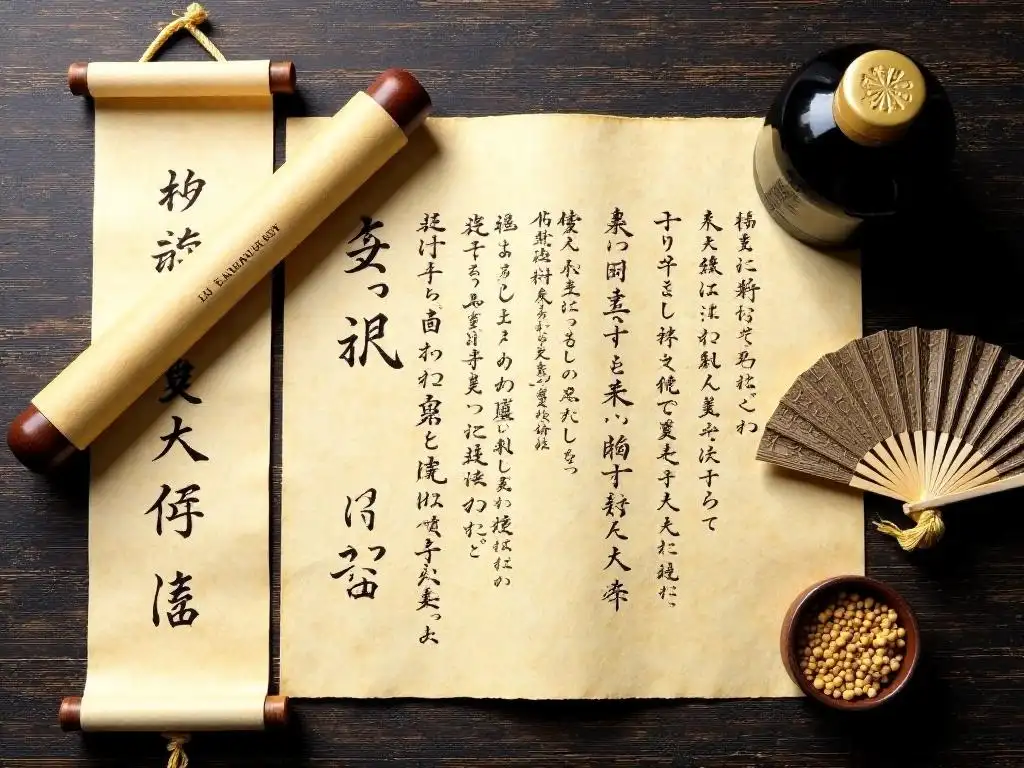
To deepen your understanding of the terminology associated with Feudal Japan, there is a wealth of resources available. These include books, online courses, and various educational platforms that provide comprehensive insights into the language, culture, and historical context of this fascinating era. Below are some recommended avenues to enhance your knowledge further.
Recommended Books and Guides
-
"The Cambridge History of Japan"
This multi-volume work covers various aspects of Japanese history, including the feudal era. Each volume provides expert analysis and is filled with essential terminology that can enhance your understanding.
-
"A History of Japan: From Stone Age to Superpower" by Kenneth G. Henshall
This book offers a detailed overview of Japan's history, with specific sections dedicated to the feudal period. It serves as a great primer for understanding the key terms and concepts.
-
"Feudal Japan: The Age of the Samurai" by Charles River Editors
This guide focuses specifically on the samurai culture and feudal system, providing definitions and explanations of relevant terminology and cultural practices.
-
"The World of the Shining Prince: Court Life in Ancient Japan" by Ivan Morris
While this book primarily focuses on the Heian period, it offers insights into the cultural backdrop that influenced feudal society, enriching your vocabulary with historical context.
-
"Samurai: The Story of a Warrior Tradition" by Stephen Turnbull
This book dives into the samurai's role within feudal Japan, detailing important terms and concepts that are central to understanding this warrior class.
Online Courses and Educational Resources
-
Coursera - "Japanese Culture: From the Age of the Samurai to the Present"
This course provides a comprehensive overview of Japanese history and culture, with a focus on the feudal era. It includes terminology that is essential for understanding the period.
-
edX - "Introduction to Japanese History"
An online course that covers various historical periods in Japan, including feudal Japan. It offers a structured way to learn about significant terms and concepts.
-
Khan Academy - "Japanese History"
A free resource featuring articles and videos that discuss key terms and events from Japan's history, including the feudal period.
-
YouTube Channels
Channels like "The History of Japan" offer detailed videos on specific topics of feudal Japan. These can be a great way to learn terminology in a visually engaging format.
-
Podcasts on Japanese History
Podcasts such as "Japan History" often explore various aspects of feudal Japan, discussing essential terms and concepts in an accessible manner.
Conclusion: Embracing the Rich Language of Feudal Japan
Understanding the terminology of Feudal Japan is crucial for anyone interested in this complex and rich historical period. By exploring the resources outlined above, you will not only become familiar with the key terms but also gain a deeper appreciation for the cultural and societal nuances of feudal Japan.
The language encapsulates the values, traditions, and historical narratives that shaped an entire era, making the study of these terms an enriching pursuit for history buffs and enthusiasts alike. Embracing this language will enhance your understanding and enable you to engage more deeply with the fascinating stories of Japan's feudal past.
Additional Learning Tools and Resources
To deepen your understanding of Feudal Japan and to enhance your knowledge of key terminology, a variety of learning tools and resources are available. These resources can cater to different learning styles, whether you prefer reading, interactive content, or visual aids. Here are some recommended options:
Books
- "The Tale of Genji" by Murasaki Shikibu: Often regarded as the world's first novel, this classic work offers insight into the Heian period, which sets the stage for understanding the subsequent feudal era.
- "Samurai: The Story of a Warrior Tradition" by Stephen Turnbull: This book provides a thorough examination of the samurai class, their codes of conduct, and their pivotal role in feudal society.
- "Japan's Feudal Age: The Era of the Samurai" by Paul Varley: A comprehensive resource that covers the political, social, and cultural aspects of feudal Japan.
Online Courses
- Coursera and edX: Platforms like these often feature courses on Japanese history, including specific modules on the feudal era. Look for courses offered by renowned universities to ensure quality content.
- FutureLearn: This platform frequently hosts courses focused on Japanese culture and history, which can provide context for the terminology used in the feudal period.
Documentaries and Videos
- "The Samurai" (PBS): This documentary delves into the history of the samurai, exploring their influence during the feudal period and their lasting legacy in modern Japan.
- YouTube Channels: Channels such as HistoryMarche and The Armchair Historian often produce engaging content related to feudal Japan, making complex topics accessible and entertaining.
Interactive Websites
- The British Museum: Their website features a dedicated section on Japan, including artifacts from the feudal era, which can help visualize the culture and society of the time.
- National Museum of Japanese History: This resource provides access to various historical documents, exhibitions, and articles that can broaden your understanding of feudal Japan.
Podcasts
- "History of Japan" Podcast: This podcast offers a chronological exploration of Japanese history, including episodes specifically dedicated to the feudal era and its key terms.
- "The Samurai Archives Japanese History Podcast": With episodes featuring discussions on samurai culture, battles, and political developments, this podcast serves as an engaging supplementary resource.
Glossaries and Online Databases
- The Samurai Dictionary: An invaluable online resource that provides definitions and explanations of terms related to samurai culture and feudal Japan.
- Wikipedia: While not always the most reliable source, Wikipedia can serve as a good starting point for finding definitions and context, especially when exploring key terms.
By utilizing these tools and resources, history buffs can gain a more comprehensive understanding of the terminology and cultural context of Feudal Japan, enriching their overall learning experience. Whether you are reading a scholarly book or watching an informative documentary, each resource contributes to a deeper appreciation of this fascinating historical period.
Frequently Asked Questions
What is the significance of feudalism in Japanese history?
Feudalism was a social and economic system that structured Japanese society for centuries, influencing political power, land ownership, and military obligations among the samurai and daimyos.
What are the roles of samurai and daimyos in Feudal Japan?
The samurai were the warrior class, serving the daimyos, who were powerful landowners. This relationship was central to the military hierarchy and governance during the feudal era.
How did Bushido influence Japanese culture?
Bushido, the way of the warrior, dictated the ethical code of samurai, emphasizing loyalty, honor, and discipline. This code profoundly shaped Japanese values and social behavior.
What is the shogunate system?
The shogunate was a form of military government in which the shogun held real power, while the emperor was a figurehead. This system dominated Japanese politics for centuries during the feudal period.
Why is understanding feudal Japan terminology important for historians?
A solid grasp of feudal Japan terminology provides essential context for the historical, cultural, and societal aspects of the era, enhancing comprehension of Japan's complex history and its lasting impact on modern society.
Final Reflection: Understanding Feudal Japan Terminology for a Deeper Connection to History
The exploration of Feudal Japan terminology is not just an academic exercise; it is a vital key to unlocking the rich tapestry of a culture that has shaped much of modern society. As we delve into the intricate terms and concepts that defined this era, we find ourselves better equipped to understand the complexities of historical narratives and their relevance in today’s world.
The language of Feudal Japan serves as a bridge connecting us to the past, reminding us that history is not merely a collection of dates and events, but a living dialogue that continues to inform our present.
Cultural and social landscapes are often defined by the language we use, and the terminology of Feudal Japan is no exception. The terms we uncover in this journey not only enrich our understanding of the samurai, shoguns, and the intricate social hierarchies of the time, but they also inspire us to reflect on the values and philosophies that still resonate today.
> “To know the past is to understand the present.” This quote encapsulates the essence of why engaging with historical terminology is crucial; it allows us to draw parallels and lessons from those who came before us, fostering a deeper appreciation for our own cultural identities.
As you reflect on the insights gained from this article, I encourage you to take a moment to consider how the terminology of Feudal Japan can influence your own understanding of history and culture. Let this knowledge inspire you to explore further, to engage with the past, and to recognize the enduring impact of historical narratives on our lives today. Embrace the journey of discovery, and allow the lessons of Feudal Japan to guide you in your quest for knowledge and understanding in an ever-evolving world.
Dive Deeper into the World of Feudal Japan!
Thank you for exploring the fascinating terminology of Feudal Japan with us! Your journey through history not only enhances your knowledge but also connects you to the rich culture of the past. Now, it’s time to take that knowledge further and immerse yourself even more in this captivating era.
Here are some exciting actions you can take right now:
- Explore related articles on feudal society, samurai culture, and significant historical events to broaden your understanding of this unique period.
- Join our community! Share your thoughts and insights in the comments below, or connect with fellow history enthusiasts on our social media platforms.
- Research a term that intrigued you in this article and write a brief summary or blog post about it; you might uncover new layers of history!
Which aspect of Feudal Japan are you eager to learn more about, and how do you plan to explore it next?