
Collecting Samurai Armor Replicas: Tips for New Enthusiasts

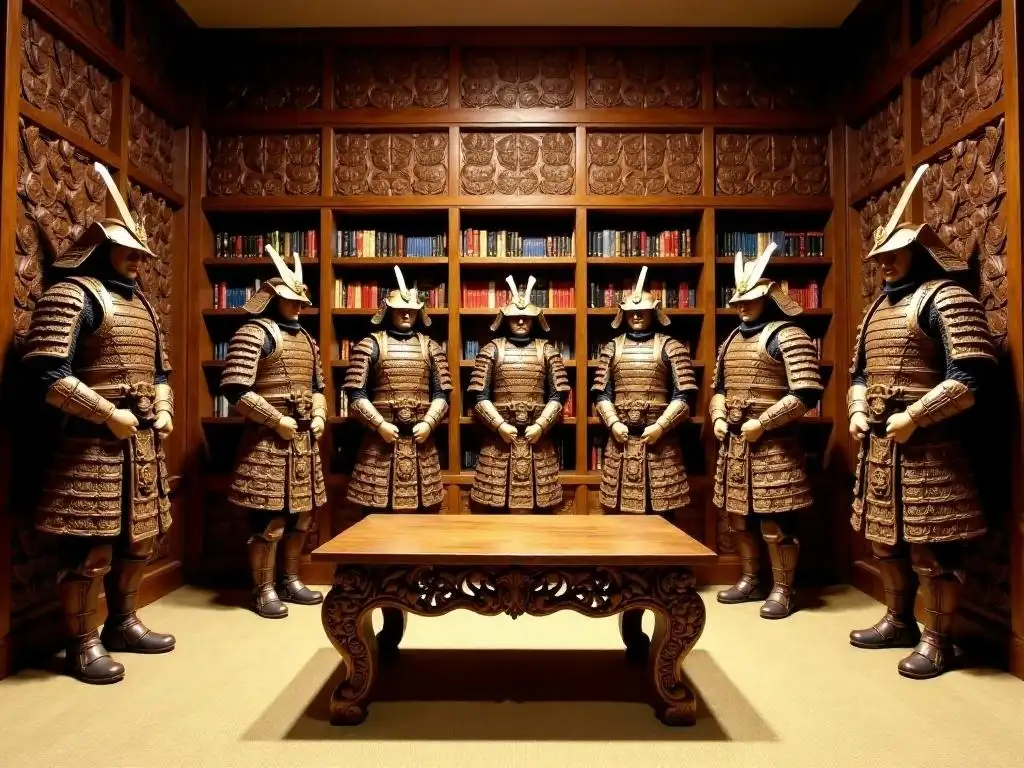
Welcome to Feudal Japan History, where we invite you to embark on a captivating journey through the rich tapestry of Japan’s feudal era. In our latest article, "Collecting Samurai Armor Replicas: Tips for New Enthusiasts," we delve into the fascinating world of buying samurai armor replicas—a passion that merges history with artistry.
Whether you’re a seasoned collector or just starting out, our expert-driven insights will equip you with the knowledge and inspiration you need to navigate this unique cultural pursuit. Discover the intricate beauty and storied legacy behind these remarkable artifacts and ignite your curiosity as you explore the depths of Japan's captivating past!
Introduction to Samurai Armor Replicas
Collecting samurai armor replicas is not just a hobby; it's an exciting journey into the rich tapestry of Japan's feudal history. For enthusiasts, these replicas represent more than mere artifacts; they embody the artistry, craftsmanship, and cultural significance of the samurai era.
As you embark on this adventure, understanding the nuances of these replicas can enhance your collection, allowing you to appreciate the historical context and craftsmanship that goes into each piece. Whether you're a budding collector or a seasoned aficionado, this article will equip you with valuable insights and tips for making informed choices as you delve into the world of samurai armor replicas.
Understanding Samurai Armor Replicas
Samurai armor, known as yoroi, is a traditional form of protective clothing worn by the samurai class in Japan from the 8th century until the 19th century. Replicas of this armor are crafted to reflect the intricate designs and materials used in historical pieces, allowing collectors to own a piece of history. Here are some key points to consider:
-
Types of Armor:
- Kusazuri: Skirt-like plates that protect the thighs.
- Kabuto: The helmet, often adorned with elaborate decorations.
- Do: The chest armor, which showcases unique designs and motifs.
-
Materials:
Replicas can be made from various materials, including:
- Metal: For authenticity and durability.
- Plastic: Lightweight and more affordable options.
- Fabric: Often used in historical reenactments.
-
Craftsmanship:
The level of detail in the craftsmanship can vary significantly, affecting both the aesthetic and the price. Look for replicas that stay true to traditional methods, as these often provide the most accurate representation of historical armor.
Why Collect Samurai Armor Replicas?
Collecting samurai armor replicas offers several benefits that can enrich your experience as an enthusiast:
-
Cultural Appreciation:
Understanding the art and history behind samurai armor can deepen your appreciation for Japanese culture and traditions. Each replica tells a story of the samurai's role in society.
-
Educational Value:
Collecting these items can serve as a gateway to learning more about Japan's feudal era, including the social hierarchy, conflicts, and daily life of the samurai.
-
Aesthetic Appeal:
The beauty of samurai armor, with its intricate designs and craftsmanship, makes for stunning display pieces that can enhance your home or office decor.
-
Community Engagement:
Joining a community of collectors can provide opportunities for networking, sharing knowledge, and participating in events focused on Japanese history and culture.
By understanding the significance of samurai armor replicas and the reasons behind their collection, you can make more informed decisions as you explore this captivating hobby. Whether you're looking to buy samurai armor replicas for display or simply to appreciate their historical value, the journey promises to be both rewarding and enlightening.
Key Factors to Consider When Buying Samurai Armor Replicas
When embarking on the journey of collecting samurai armor replicas, it’s essential to consider several key factors to ensure that your collection is both authentic and meaningful.
- Material Quality: The materials used in the construction of the armor significantly affect its authenticity and durability. Look for replicas made from high-quality materials such as metal, wood, or durable synthetic fibers. Genuine replicas often utilize these materials to mimic the historical counterparts closely.
- Craftsmanship: Examine the level of craftsmanship involved in the replica. High-quality pieces will have intricate details, such as hand-painted designs or finely wrought metalwork. Check for craftsmanship that reflects traditional techniques, as these elements contribute to the overall value and aesthetic appeal.
- Historical Accuracy: If you are a history enthusiast, consider the historical accuracy of the replica. Research the specific type of armor you are interested in, including its era and regional variations. Collectors often appreciate replicas that adhere closely to historical designs, including color schemes and ornamentation.
- Size and Fit: Ensure that the armor is appropriately sized for display. While most replicas are made for aesthetic purposes, some collectors prefer pieces that can be worn for reenactments or costume events. Pay attention to dimensions and any adjustable features.
- Provenance and Documentation: Look for replicas that come with authenticity documentation or a certificate of provenance. This can enhance the value of your collection and provide insight into the replica's origin, which is often appreciated by collectors.
Where to Buy Samurai Armor Replicas
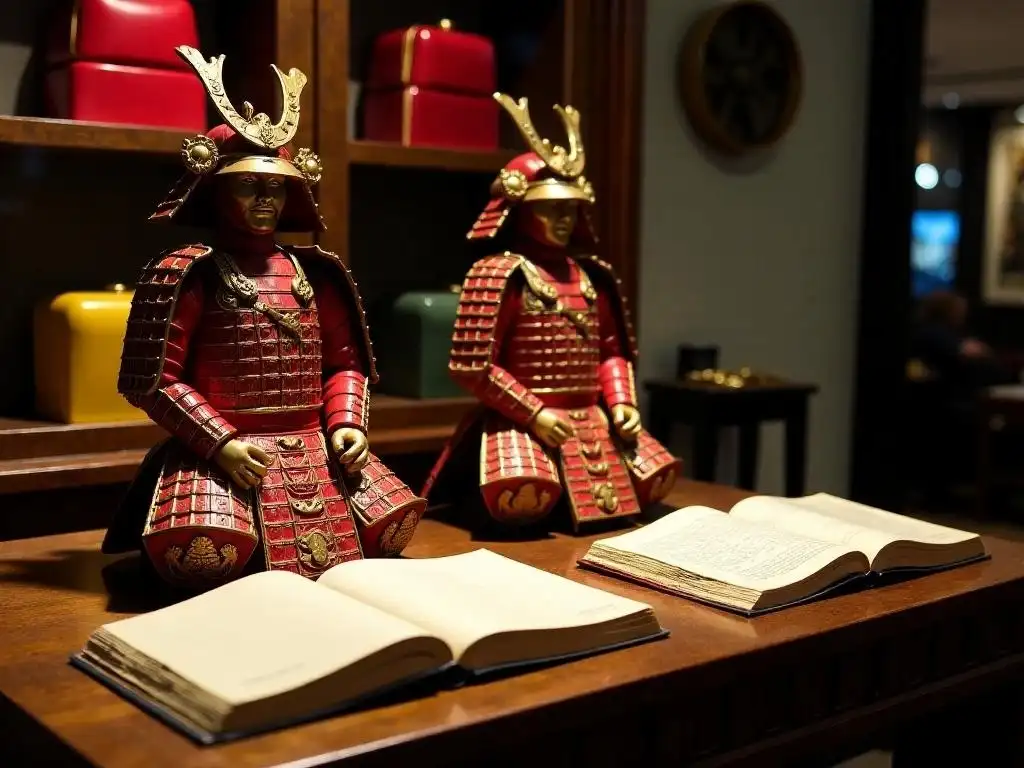
Finding the right place to purchase samurai armor replicas can greatly impact your collecting experience. Here are some reliable avenues:
- Specialty Online Stores: Numerous online retailers specialize in historical replicas, including samurai armor. Websites that focus on Japanese culture and history often have a selection of high-quality replicas.
- Antique Shops and Auctions: Some antique shops may carry authentic replicas or vintage pieces. Additionally, auctions can be an excellent place to find unique and potentially valuable items. Always ensure the authenticity before making a purchase.
- Cultural Festivals and Conventions: Attending Japanese cultural festivals or conventions can provide opportunities to purchase replicas directly from artisans and collectors. Such events often feature vendors selling handcrafted items, providing a chance to acquire unique pieces.
- Artisan Workshops: Consider reaching out to local artisans who specialize in traditional Japanese crafts. Some may take custom orders or produce replicas based on historical designs, providing an opportunity to own a unique piece of art.
- Museums and Cultural Centers: Some museums or cultural centers that focus on Japanese history may have gift shops containing replicas. These items often reflect high standards of quality and craftsmanship.
Tips for New Collectors of Samurai Armor Replicas
Starting a collection of samurai armor replicas can be an exciting venture. Here are some practical tips to help new collectors navigate this rewarding hobby:
- Do Your Research: Before making a purchase, educate yourself about the different types of samurai armor. Understanding the variations in style, period, and region will help you make informed choices.
- Set a Budget: Collecting can become expensive, so it’s wise to set a budget before you start. This will help you prioritize your purchases and avoid overspending on impulse buys.
- Join Collector Communities: Engage with online forums or local collector groups. These communities can provide valuable insights, tips, and recommendations for where to buy and what to look for in replicas.
- Document Your Collection: Keep records of your purchases, including receipts, provenance documents, and any relevant history. This not only helps in valuation but also enhances the appreciation of your collection.
- Display with Care: Once you start acquiring replicas, think about how to display them. Proper display can enhance their beauty and protect them from damage. Consider using display cases or dedicated shelves that reflect the cultural significance of your collection.
By considering these factors and tips, new enthusiasts can approach their journey of collecting samurai armor replicas with confidence, ensuring their collection is both meaningful and valuable.
Comparing Popular Samurai Armor Replicas
When embarking on the journey of collecting samurai armor replicas, enthusiasts will find a diverse range of choices available. Each type of armor reflects unique historical significance and craftsmanship. Here are some popular styles and their characteristics:
- Do-Maru: This type of armor is characterized by its flexible design, allowing for greater mobility. It features a single breastplate and is often adorned with intricate decorations. Collectors appreciate the craftsmanship and the way it showcases the samurai's agility in battle.
- O-yoroi: Known for its imposing appearance, O-yoroi armor is designed for mounted combat. It consists of large plates and is typically heavier than other types. The aesthetic appeal lies in its grandeur and the use of vibrant colors and elaborate lacing, making it a favorite among collectors who value visual impact.
- Kusazuri: These are the skirt-like appendages of samurai armor, which provide protection for the legs. Replicas of Kusazuri can vary in style, from simple to highly detailed, reflecting the samurai's rank and status. Collectors often seek out these pieces to complete their armor displays.
- Kabuto: The helmet is one of the most iconic elements of samurai armor. Kabuto come in various shapes and sizes, each representing different clans and periods. Collectors enjoy the historical significance and artistry involved in crafting these helmets, as they often feature unique designs and embellishments.
When comparing these replicas, consider factors such as material quality, craftsmanship, and historical accuracy. High-quality replicas may use materials like resin or metal, whereas lower-quality versions might be made from plastic. Researching reputable manufacturers and reading reviews can help ensure that you make an informed decision when buying samurai armor replicas.
Displaying Your Samurai Armor Replicas
Once you've acquired your samurai armor replicas, the next step is to display them effectively. Here are some tips to create a visually appealing and respectful presentation:
- Choose the Right Location: Select a space that allows for ample visibility while protecting the armor from direct sunlight and humidity. A dedicated display case or a well-lit corner of a room can highlight your collection beautifully.
- Use Appropriate Stands: Invest in quality display stands designed for samurai armor. These stands not only support the weight of the armor but also enhance its aesthetic appeal. Ensure that the stands are sturdy and complement the design of the armor.
- Incorporate Cultural Elements: Consider incorporating traditional Japanese decor, such as tatami mats, shoji screens, or even ukiyo-e prints, to create a thematic display. This adds context to your collection and showcases the cultural significance of the armor.
- Lighting Matters: Proper lighting can dramatically enhance the visual impact of your display. Use adjustable LED lights to highlight specific features of the armor without causing damage. Avoid harsh lighting that can fade colors over time.
- Organize by Theme or Era: If you have multiple pieces, consider organizing them by theme or historical period. This approach not only aids in storytelling but also gives visitors a clear understanding of the evolution of samurai armor over time.
By taking care in how you display your samurai armor replicas, you can create an impressive showcase that reflects your passion for this unique aspect of Japanese history.
Maintaining and Preserving Samurai Armor Replicas
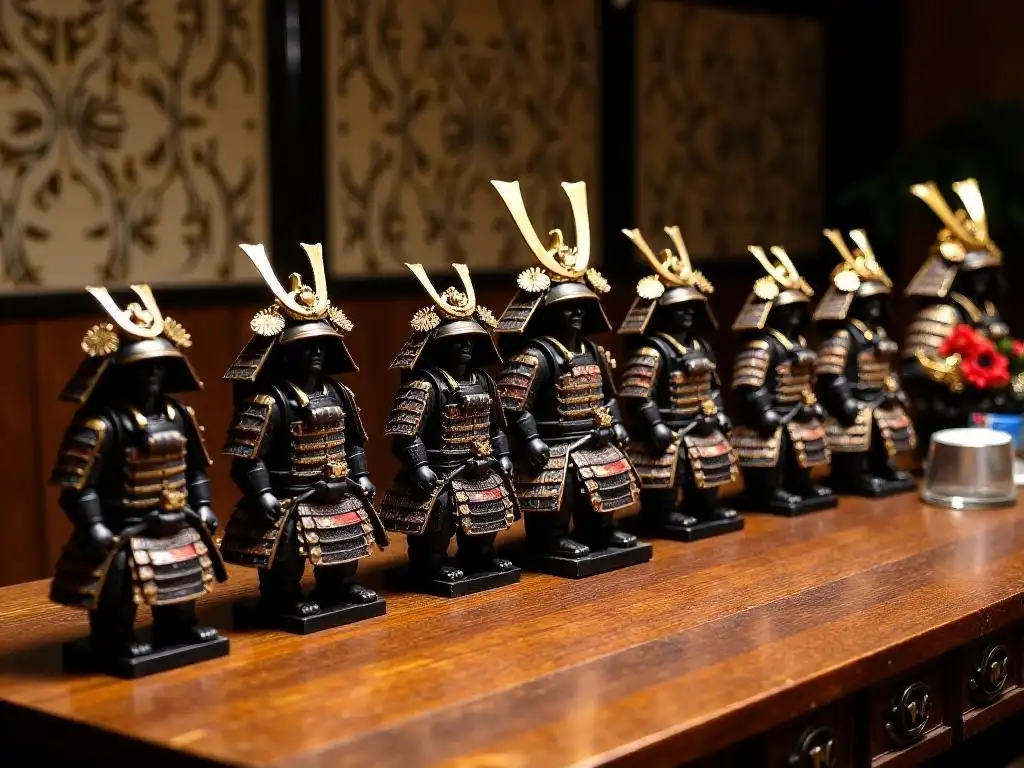
To ensure your samurai armor replicas remain in excellent condition, proper maintenance and preservation are essential. Here are some effective strategies:
- Regular Dusting: Use a soft, dry cloth to gently dust your armor regularly. This prevents dust accumulation, which can lead to tarnishing of materials over time. Avoid using cleaning agents that may damage the finish.
- Humidity Control: Excessive humidity can lead to mold and deterioration, especially in traditional materials. Keep your display area well-ventilated and consider using a dehumidifier if necessary. Ideal humidity levels range between 40-60%.
- Avoid Direct Sunlight: Prolonged exposure to sunlight can fade colors and warp materials. Position your armor away from direct sunlight or use UV-filtering glass in display cases to protect your collection.
- Inspect for Damage: Regularly check for any signs of wear or damage, such as loose fittings or cracks. Addressing these issues promptly can prevent further deterioration. Consult a professional conservator if major repairs are needed.
- Store Properly During Off-Seasons: If you rotate displays or need to store your armor for an extended period, wrap the pieces in acid-free tissue paper and place them in a padded storage box. This protects them from dust and physical damage.
By following these maintenance and preservation tips, you can ensure that your samurai armor replicas remain a cherished part of your collection for years to come, reflecting both the artistry and history of the samurai era.
Conclusion: Start Your Journey in Collecting Samurai Armor Replicas
Embarking on the journey of collecting samurai armor replicas can be both an exciting and fulfilling endeavor. As you delve into this captivating world, you'll discover not only the beauty and craftsmanship of these historical artifacts but also a deeper appreciation for the rich culture and traditions of feudal Japan. Each piece you acquire tells a story, reflecting the artistry and heritage of the samurai, making your collection a unique personal narrative of history.
When starting your collection, remember to focus on quality over quantity. Invest time in researching different styles and periods of armor, as well as reputable sellers. This will ensure that your collection is both authentic and representative of the samurai spirit. Additionally, consider joining forums or social media groups dedicated to samurai armor enthusiasts, where you can share your experiences and gain insights from fellow collectors.
Lastly, don’t hesitate to showcase your collection in a way that highlights its significance. Displaying your samurai armor replicas thoughtfully can provoke interest and spark conversations about the fascinating history behind each piece. So, gather your resources, connect with the community, and prepare to immerse yourself in the art of collecting samurai armor replicas.
Call to Action
Are you ready to start your collection of samurai armor replicas? Whether you're a beginner or looking to expand your existing collection, now is the perfect time to explore the options available to you.
- Research: Dive into books, documentaries, and online resources to learn more about the different types of samurai armor and their history.
- Join Communities: Connect with other enthusiasts through online forums or local clubs dedicated to Japanese history and samurai culture.
- Explore Vendors: Visit reputable dealers or online shops specializing in samurai armor replicas to find unique pieces that resonate with you.
Don't wait any longer—take the first step towards creating your own display of samurai heritage today! Happy collecting! 🥋✨
- Introduction to Samurai Armor Replicas
- Understanding Samurai Armor Replicas
- Why Collect Samurai Armor Replicas?
- Key Factors to Consider When Buying Samurai Armor Replicas
- Where to Buy Samurai Armor Replicas
- Tips for New Collectors of Samurai Armor Replicas
- Comparing Popular Samurai Armor Replicas
- Displaying Your Samurai Armor Replicas
- Maintaining and Preserving Samurai Armor Replicas
- Conclusion: Start Your Journey in Collecting Samurai Armor Replicas
- Call to Action
Frequently Asked Questions
What should I consider when buying samurai armor replicas?
When buying samurai armor replicas, consider factors like authenticity, material quality, and craftsmanship. Research reputable sellers to ensure you are getting a genuine replica.
Are there any specific types of samurai armor to look for?
Yes, you can look for different types such as do, kabuto, and sode. Each piece serves a unique purpose and showcases various styles and historical significance.
How can I determine the value of a samurai armor replica?
The value of a samurai armor replica can depend on its age, condition, and craftsmanship. Consult experts or refer to price guides to assess its worth accurately.
Where can I find reputable sellers for samurai armor replicas?
Reputable sellers can be found at specialty shops, online marketplaces, and collectors' conventions. Always read reviews and check for certifications to ensure credibility.
What are some tips for maintaining samurai armor replicas?
To maintain your samurai armor replicas, keep them in a dry environment, avoid direct sunlight, and perform regular cleaning. Proper care helps preserve their quality and aesthetic appeal.
Final Reflection: Embracing the Art of Collecting Samurai Armor Replicas
Collecting samurai armor replicas is not just a hobby; it is a journey into the rich tapestry of history and culture that resonates deeply in today's world. As we navigate an era where authenticity and craftsmanship are increasingly valued, the allure of owning a piece of history through these replicas becomes even more significant. The art of collecting is a bridge that connects us to the past, allowing us to appreciate the intricate designs and stories behind each piece.
Creating a collection of samurai armor replicas is more than just acquiring objects; it is about fostering a connection to a culture that emphasizes honor, artistry, and tradition. The impact of this practice extends beyond personal enjoyment; it enriches our understanding of different cultures and encourages a dialogue about heritage and craftsmanship. As the renowned historian John Keats once said, A thing of beauty is a joy forever.
This sentiment rings true as collectors find joy not only in the aesthetic appeal of their armor but also in the stories and histories they embody.
As you embark on your own journey of collecting samurai armor replicas, I invite you to reflect on what these pieces mean to you personally. Consider how each replica can serve as a reminder of the values of honor and dedication that the samurai embodied. Let your collection be a testament to your appreciation for history and craftsmanship, and allow it to inspire you to share these stories with others. Embrace this opportunity to connect with a rich cultural heritage and make it a part of your own narrative.
Unveil Your Passion for Samurai Armor!
Thank you for diving into the fascinating world of Samurai armor replicas with us! We hope you gathered valuable insights to fuel your enthusiasm. Now it’s time to take the next step and deepen your collection journey.
Here are a few exciting actions you can take today:
- Join a local or online collectors' community to share tips, insights, and resources with fellow enthusiasts.
- Start your collection by seeking out reputable craftsmen who create high-quality replicas, and don’t forget to inquire about their unique craftsmanship stories!
- Consider visiting exhibitions or museums that showcase authentic Samurai armor to gain firsthand experience of their rich historical significance.
What aspect of Samurai armor excites you the most—its intricate artistry or its deep-rooted history? We invite you to share your thoughts in the comments below!