
From Farm to Table: The Agricultural Practices of Feudal Japan


Welcome to Feudal Japan History, where we embark on a fascinating journey through the intricate tapestry of Japan's feudal era. In our featured article, "From Farm to Table: The Agricultural Practices of Feudal Japan," we delve into the vital role that agriculture played in shaping society, culture, and daily life during this remarkable period. Have you ever wondered how the rhythms of farming influenced the very fabric of feudal communities?
Join us as we uncover the fields, methods, and innovations that sustained a nation, inviting you to explore the rich legacy that continues to resonate today. Your adventure through history begins here—dive deeper and discover the connections that bind us to the past!
- Introduction to Feudal Japan Agricultural Practices
- Historical Context of Agricultural Practices in Feudal Japan
- Main Agricultural Practices in Feudal Japan
- Social and Cultural Aspects of Feudal Japan Agricultural Practices
- Sustainable Practices and Techniques in Feudal Japan
- Challenges Faced by Farmers in Feudal Japan
- Conclusion: The Legacy of Feudal Japan's Agricultural Practices
- References for Further Reading on Feudal Japan Agricultural Practices
-
Frequently Asked Questions
- What were the main crops cultivated during Feudal Japan?
- How did agricultural practices influence the social structure of Feudal Japan?
- What techniques were used in Feudal Japan's agriculture?
- How did seasonal changes affect agricultural activities?
- What role did rice play in Feudal Japan's economy?
- Final Reflection: The Enduring Legacy of Feudal Japan's Agricultural Practices
- Embrace Sustainable Practices: Act Now!
Introduction to Feudal Japan Agricultural Practices
Agriculture played a pivotal role in shaping the economy, culture, and daily life of feudal Japan. This era, which lasted from the 12th century to the 19th century, was marked by a complex interplay between land, labor, and social hierarchies. The agricultural practices of feudal Japan were not merely a means of sustenance; they were deeply intertwined with the societal structures, religious beliefs, and the very fabric of Japanese culture.
Understanding the agricultural practices of this time reveals essential insights into the livelihoods of the people, the types of crops cultivated, and the seasonal rhythms that guided their lives. This article delves into the intricacies of feudal Japan's agriculture, exploring how these practices influenced the broader societal framework and contributed to Japan's historical narrative.
Understanding the Importance of Agriculture in Feudal Japan
Agriculture was the backbone of feudal Japan’s economy, primarily due to the agrarian nature of society. The majority of the population was involved in farming, which provided not only food but also the wealth that sustained the ruling samurai class.
- Crops and Cultivation:
- Rice: Central to Japanese agriculture and culture, rice was not just a staple food; it was also a measure of wealth and a form of currency in feudal times.
- Other Crops: In addition to rice, peasants cultivated millet, barley, and various vegetables such as daikon and turnips, which contributed to a diverse diet.
- Seasonal Practices:
- The agricultural calendar was divided into seasons, each with specific tasks such as planting, harvesting, and preparing the fields. This cyclical nature of farming was crucial for maintaining soil fertility and ensuring bountiful harvests.
- Land Management:
- Techniques such as crop rotation and irrigation were employed to maximize yield, reflecting a deep understanding of the environment and sustainable practices.
Overview of Feudal Japan's Societal Structure and Food Production
The societal structure of feudal Japan was hierarchical, with the emperor at the top, followed by the shogun, daimyo (feudal lords), samurai, and finally, the peasants who worked the land. This structure was crucial in understanding how agricultural practices were organized and prioritized.
- Peasant Life:
- The majority of the population were peasants, often tied to the land they worked. They were responsible for the cultivation of rice and other crops, and their productivity was critical for the sustenance of the entire society.
- Role of the Samurai:
- The samurai class, while primarily known as warriors, also played a significant role in agricultural management. They collected taxes from the peasants and enforced the laws that governed land use and agricultural production.
- Interdependence:
- The relationship between the samurai and the peasants was symbiotic; while the samurai provided protection and governance, the peasants ensured food production, which in turn supported the samurai's status and livelihood.
The agricultural practices of feudal Japan were not only vital for survival but also served as a foundation for the entire societal structure. This exploration will further illuminate how these practices influenced the cultural and social dynamics of the time, providing a comprehensive understanding of feudal Japan's agricultural landscape.
Historical Context of Agricultural Practices in Feudal Japan

The Evolution of Agriculture from the Heian Period to the Edo Period
The agricultural practices of Feudal Japan underwent significant transformations from the Heian period (794-1185) to the Edo period (1603-1868). During the Heian period, agriculture was primarily subsistence-based, focusing on rice cultivation, which was the cornerstone of Japanese society. Farmers utilized a simple form of wet-rice agriculture, relying heavily on the seasonal flooding of rivers for irrigation. As the population grew, the demand for rice increased, prompting innovations in farming techniques.
By the Kamakura period (1185-1333), the introduction of iron tools and improved methods of land cultivation, such as the use of draft animals, began to emerge. This period also saw the rise of regional landholders who started to exert control over agricultural production, marking a shift towards a more structured feudal system. The growth of rice paddies expanded, and alongside it, supplementary crops like millet and barley became prevalent.
Transitioning into the Edo period, agricultural practices became even more sophisticated. The Tokugawa shogunate implemented policies that promoted agricultural productivity, such as the “Shōen” system, which allowed landowners to manage their estates with considerable autonomy. This era introduced crop rotation and the cultivation of diverse crops, enhancing soil fertility and crop yield. Innovations like the “sankō” (three-field system) and advancements in irrigation techniques contributed to a remarkable increase in agricultural output, which ultimately supported a burgeoning urban population.
Key Historical Events Influencing Agricultural Techniques
Several key historical events significantly influenced the agricultural techniques during Feudal Japan. One of the most notable was the “Jōkyū War” (1180-1181), which led to widespread land destruction and necessitated the development of more resilient agricultural practices. The aftermath of the war prompted landowners to invest in soil conservation and the restoration of farmland, leading to innovations in farming techniques.
The “Great Tenmei Famine” (1782-1788) was another critical event that spurred changes in agricultural practices. This famine, caused by a combination of poor weather and overpopulation, highlighted the vulnerabilities within the feudal agricultural system. In response, farmers began experimenting with new crops and improving methods of irrigation and fertilization to increase resilience against future famines.
Additionally, the “Meiji Restoration” (1868) marked the end of the feudal era and initiated significant agricultural reforms. The government encouraged modernization, which included the introduction of Western agricultural methods and tools. This period saw a gradual shift from traditional practices to more contemporary farming techniques, laying the foundation for Japan’s agricultural modernization in the 20th century.
The agricultural practices of Feudal Japan evolved through a series of historical events and societal changes. The progression from basic subsistence farming to a more complex and productive agricultural system reflects not only the ingenuity of Japanese farmers but also the profound impact of environmental and socio-political factors throughout the centuries.
Main Agricultural Practices in Feudal Japan

Rice Cultivation: The Backbone of Feudal Japan's Agriculture
Rice cultivation was not just a method of farming in feudal Japan; it was the very foundation of the society's agricultural structure. The staple food of the populace, rice defined social status, influenced trade, and was a crucial element in the economy. Throughout the feudal era, rice farming transformed the landscape and the way of life for the Japanese people.
Techniques and Innovations in Rice Farming
The methods of rice cultivation evolved significantly during the feudal period. Traditional paddies, known as asakusa, were established in low-lying areas where water could be easily managed. Farmers employed a variety of techniques to maximize yield, including:
- Irrigation systems: The use of canals and dikes allowed for effective water management, ensuring that rice paddies received the necessary moisture without flooding.
- Crop rotation: This practice was pivotal in maintaining soil fertility, allowing farmers to alternate rice with other crops like millet and legumes.
- Use of fertilizers: Organic fertilizers, such as compost made from fish and seaweed, were widely used to enrich the soil, enhancing crop productivity.
These innovations not only improved the efficiency of rice farming but also contributed to the sustainability of agricultural practices in feudal Japan.
Seasonal Cycles of Rice Cultivation
The agricultural calendar revolved around the seasonal cycles of rice cultivation, which were meticulously planned and executed. Key phases included:
- Preparation (March - April): Land was plowed, and paddies were prepared for planting. The farmer's efforts during this phase were critical for a good harvest.
- Planting (May): Young rice seedlings were transplanted into flooded fields. This labor-intensive process required precise timing to coincide with optimal weather conditions.
- Growth (June - August): Farmers monitored the fields, managing irrigation and pest control. During this period, community cooperation was vital, as neighbors would often assist each other.
- Harvesting (September - October): The harvest was a communal event, celebrated with festivals. After cutting the rice stalks, the grains were threshed and dried, preparing them for storage.
Through these cycles, rice cultivation not only sustained the population but also fostered a sense of community and shared responsibility among farmers.
Vegetable and Fruit Farming: Diversity in Feudal Japanese Diets
While rice was the staple, the diverse agricultural practices of feudal Japan also encompassed a wide variety of vegetables and fruits. This diversity played a crucial role in enriching the Japanese diet and cultural practices.
Common Vegetables Grown in Feudal Japan
Farmers cultivated an array of vegetables, many of which have become integral to Japanese cuisine. Notable vegetables included:
- Daikon (radish): A staple in many dishes, daikon was valued for its storage capabilities and versatility.
- Nasu (eggplant): Often grilled or boiled, eggplant was enjoyed in numerous preparations.
- Negi (green onion): Commonly used as a garnish, negi added flavor to various dishes.
These vegetables not only provided essential nutrients but also contributed to the culinary variety that characterized feudal Japanese cuisine.
The Role of Fruits in Daily Life and Festivals
Fruits held special significance in feudal Japanese society, serving both practical and symbolic purposes. Among the most common fruits were:
- Persimmons: Dried persimmons were a popular snack and were often used in ceremonial offerings.
- Plums: Widely consumed fresh or pickled, plums were associated with health benefits and were celebrated during festivals.
- Cherries: The cherry blossom, or sakura, became a symbol of beauty and transience, celebrated during hanami (flower viewing) festivals.
Fruits were not only a source of nutrition but also intertwined with cultural practices, enriching the tapestry of feudal Japanese life. The agricultural practices of this era laid the groundwork for the rich culinary traditions that continue to thrive in Japan today.
Livestock Farming: The Contribution of Animals to Feudal Agricultural Practices
Livestock farming played a crucial role in the agricultural practices of feudal Japan, complementing the cultivation of crops and enhancing the overall productivity of farms. The introduction of various domesticated animals provided not only labor but also essential resources such as meat, milk, and hides. As a result, livestock became a fundamental part of daily life and economic stability during this era, forming a symbiotic relationship with crop farming that allowed for greater efficiency and sustainability.
Farmers utilized animals for various purposes, significantly impacting their agricultural output. For instance, oxen were primarily used for plowing fields, which allowed for more extensive farming than could be achieved by human labor alone. Additionally, the manure produced by livestock served as a natural fertilizer, enriching the soil and promoting healthier crop yields. This integration of livestock into farming practices illustrates the interconnectedness of agricultural methods in feudal Japan, where every component contributed to the success of the farming system.
Types of Livestock Raised in Feudal Japan
In feudal Japan, several types of livestock were commonly raised, each serving specific functions within the agricultural framework. The most prominent livestock included:
- Oxen: Essential for plowing fields, oxen were invaluable to farmers, especially in rice cultivation, which required extensive land preparation.
- Horses: Used for transportation and as pack animals, horses also played a role in carrying goods to market and facilitating trade.
- Pigs: Pigs were raised primarily for meat, and their ability to consume kitchen scraps made them a practical choice for many households.
- Chickens: These birds provided a steady supply of eggs and meat, contributing to the protein needs of families.
- Goats: While not as common as other livestock, goats were valued for their milk and meat, especially in regions with less arable land.
Each type of livestock had its own unique contributions, and farmers often tailored their livestock choices to their specific environmental conditions and personal needs, reflecting the adaptability of agricultural practices across different regions of Japan.
The Impact of Livestock on Farming Efficiency
The integration of livestock into agricultural practices significantly enhanced farming efficiency in feudal Japan. By utilizing animals for labor, farmers could increase their productivity and reduce the time spent on manual tasks. For example, the use of oxen for tilling fields allowed for faster preparation of larger plots, leading to increased crop cultivation.
Moreover, livestock contributed to the sustainability of farming systems. The manure produced by animals not only fertilized the soil but also improved its structure and water retention capabilities. This natural fertilizer reduced the reliance on chemical fertilizers, promoting healthier ecosystems and preserving the land for future generations.
Additionally, livestock provided a safety net for farmers during times of crop failure. In adverse weather conditions or pest infestations, the resources obtained from livestock could help sustain families through difficult periods. This resilience was vital for the stability of rural communities in feudal Japan.
Livestock farming was a vital component of agricultural practices in feudal Japan, influencing efficiency, productivity, and sustainability. The careful management of livestock not only supported the immediate needs of farmers but also contributed to the broader social and economic fabric of feudal society.
The Role of the Samurai in Agricultural Development
In Feudal Japan, the samurai were not only warriors but also played a significant role in the agricultural landscape. Their involvement in agriculture was primarily tied to the socio-political structure of the era. As landowners or lords, samurai were responsible for managing rice fields and ensuring that agricultural practices were maintained. This relationship between the samurai and agriculture was governed by the bushi code, which emphasized duty and loyalty.
- Land Management: Samurai often oversaw large tracts of land, utilizing their status to collect taxes in the form of rice or produce. They implemented effective irrigation systems and crop rotation to maximize yields.
- Military Protection: The samurai provided protection to farmers from banditry and external threats, ensuring a stable environment for agricultural production. This mutually beneficial relationship fostered a sense of security that was crucial for farming communities.
- Cultural Influence: Samurai also influenced agricultural practices by promoting the cultivation of specific crops that aligned with their dietary habits and cultural preferences. For example, the cultivation of rice was not only a staple food but also a symbol of wealth and status.
Peasant Life and the Responsibilities of Farmers
Peasant life in Feudal Japan was characterized by a rigid social structure and a heavy reliance on agricultural practices. Farmers, predominantly rice cultivators, formed the backbone of the economy and were essential to the sustenance of samurai and the broader society.
- Daily Life of Farmers: The daily routine of a farmer was labor-intensive, dictated by the seasons. Most farmers worked from dawn until dusk, engaging in activities such as planting, weeding, and harvesting.
- Responsibilities: Beyond cultivation, farmers were responsible for maintaining the land. This included:
- Irrigation: Constructing and repairing irrigation channels to ensure sufficient water supply.
- Crop Selection: Choosing the right crops based on soil quality and climate.
- Harvesting Techniques: Utilizing traditional methods to maximize yield while preserving the quality of the produce.
- Social Structure: Farmers were often tied to a specific piece of land and had to pay a portion of their harvest as rent to their samurai lords. This created a cycle of dependency where the farmer’s success directly impacted the samurai's wealth.
Agricultural practices in Feudal Japan were deeply intertwined with cultural and spiritual beliefs. Festivals and rituals played a crucial role in honoring the agricultural cycle and ensuring bountiful harvests.
- Rice Planting Festivals: One of the most significant events was the taue matsuri (rice planting festival), where communities would gather to celebrate the planting of rice. This festival included:
- Ritual Offerings: Farmers would offer rice and sake to Inari, the deity of rice, seeking blessings for a good harvest.
- Traditional Dances and Music: These celebrations often featured traditional dances and music, reinforcing community bonds and cultural identity.
- Harvest Festivals: As the harvest season approached, festivals such as Niinamesai were held to give thanks for the year's yield. These celebrations included:
- Ceremonial Feasts: Families would prepare meals using the freshly harvested crops, showcasing the fruits of their labor.
- Community Gatherings: Farmers would share their harvest with their neighbors, emphasizing cooperation and mutual support within the community.
- Seasonal Rituals: Throughout the year, various rituals were conducted to honor the deities associated with agriculture. These rituals often involved offerings of food, prayers, and the participation of community members, highlighting the spiritual connection between the people and the land.
The agricultural practices of Feudal Japan were not merely about farming; they were a complex interplay of social structure, cultural traditions, and spiritual beliefs that shaped the daily lives of the people.
Sustainable Practices and Techniques in Feudal Japan

Traditional Methods of Crop Rotation and Soil Fertility
In Feudal Japan, agricultural sustainability was a vital aspect of farming life, with practices deeply rooted in the understanding of the land and its cycles. One of the most significant methods employed was crop rotation, which involved alternating the type of crops grown on a particular piece of land over different seasons. This method not only prevented soil depletion but also disrupted the life cycles of pests and diseases associated with specific plants.
Farmers typically utilized a three-field system, where one field would be planted with rice, another with legumes (such as soybeans), and the third would be left fallow to recover. This practice allowed for enhanced soil fertility, as legumes naturally fix nitrogen in the soil, replenishing nutrients that were consumed by nutrient-hungry crops like rice.
Key benefits of crop rotation included:
- Reduced Soil Erosion: By alternating crops, the soil structure was maintained, reducing the risk of erosion.
- Increased Biodiversity: Different crops attracted various beneficial insects and wildlife, promoting a balanced ecosystem.
- Pest Management: Rotating crops minimized the chances of pest infestations, as many pests are specific to certain plants.
The Use of Organic Fertilizers and Natural Pest Control
The agricultural practices in Feudal Japan heavily emphasized organic methods, which were essential for maintaining soil health and crop yield. Farmers relied on organic fertilizers, primarily derived from plant matter and animal waste, to enrich the soil. Common organic fertilizers included:
- Rice Straw: After harvesting rice, the leftover straw was often returned to the fields, where it decomposed and added essential nutrients to the soil.
- Green Manures: Farmers would plant specific cover crops that were later tilled back into the soil to enhance its fertility.
- Animal Manure: Manure from livestock such as cows, chickens, and horses was commonly used to fertilize fields, enriching the soil with nitrogen and other vital nutrients.
In addition to organic fertilizers, natural pest control methods were integral to farming in Feudal Japan. Farmers employed various techniques to manage pests without resorting to harmful chemicals. Some of these methods included:
- Companion Planting: Certain plants were grown together to repel pests. For example, planting garlic near rice fields helped deter insects.
- Beneficial Insects: Farmers encouraged the presence of natural predators, such as ladybugs, which feed on aphids, thus reducing pest populations.
- Physical Barriers: Simple barriers like nets or row covers were used to protect crops from birds and larger pests.
These sustainable practices not only ensured the productivity of farms but also fostered a deep respect for the land, reflecting the harmony between human activity and nature that characterized Feudal Japan’s agricultural ethos. By adhering to these principles, farmers could cultivate their fields while preserving the environment for future generations.
Challenges Faced by Farmers in Feudal Japan

The agricultural practices of Feudal Japan were deeply influenced by various challenges that farmers faced throughout the period. These obstacles not only shaped the way farming was conducted but also influenced the broader social and economic structures of Japanese society. Understanding these challenges provides a comprehensive view of the agricultural landscape during this time.
Natural Disasters and Their Impact on Agriculture
Natural disasters played a significant role in shaping agricultural practices in Feudal Japan. The country is situated in a seismically active region, making it vulnerable to earthquakes, tsunamis, and volcanic eruptions. Additionally, heavy rains and typhoons were common, particularly during the monsoon season, leading to flooding and soil erosion.
- Earthquakes: Major earthquakes could devastate farmland, displacing communities and ruining crops. For example, the 1855 Ansei Edo earthquake not only caused destruction in urban areas but also had lasting effects on rural agricultural practices.
- Flooding: Seasonal floods were both a blessing and a curse. While they could provide much-needed water for irrigation, excessive flooding could submerge fields and destroy harvests. This duality forced farmers to develop sophisticated irrigation techniques to manage water levels effectively.
- Typhoons: Typhoons often brought strong winds and heavy rainfall, which could lead to the outright loss of crops. Farmers learned to adapt their planting schedules and crop types to mitigate these threats, often opting for more resilient varieties that could withstand adverse weather conditions.
The impact of these natural disasters necessitated a collective response from farming communities, often involving cooperation among neighbors to rebuild and replant after catastrophic events.
Economic Factors Affecting Agricultural Production
The agricultural economy of Feudal Japan was influenced by a variety of economic factors, including land ownership, taxation, and market access.
- Land Ownership: The feudal system dictated that land was owned by the samurai class, with farmers working as tenants. This hierarchical structure often limited farmers' ability to invest in their land, as they were required to pay a significant portion of their yield as rent. Consequently, this created a cycle of poverty that made it difficult for farmers to improve their agricultural practices.
- Taxation: Farmers were subject to heavy taxation, which was often collected in the form of rice or other crops. This taxation could vary significantly based on the rulings of local lords, leading to unpredictability in farmers' incomes. In years of poor harvest, this burden could become unbearable, pushing many farmers into debt or forcing them to abandon their lands.
- Market Access: Access to markets was crucial for farmers to sell their surplus produce. However, transportation infrastructure was limited, and many farmers were isolated from larger markets. This isolation not only restricted their ability to sell goods but also limited the diversity of crops they could grow, as they often focused on staples that could be consumed locally.
Overall, these economic challenges required farmers to be resourceful and adaptive, leading to the development of innovative agricultural techniques and practices that would ultimately shape the food culture of Feudal Japan. Understanding these factors is essential for a deeper appreciation of the complexities surrounding Feudal Japan agricultural practices and their lasting impact on Japanese society.
Conclusion: The Legacy of Feudal Japan's Agricultural Practices
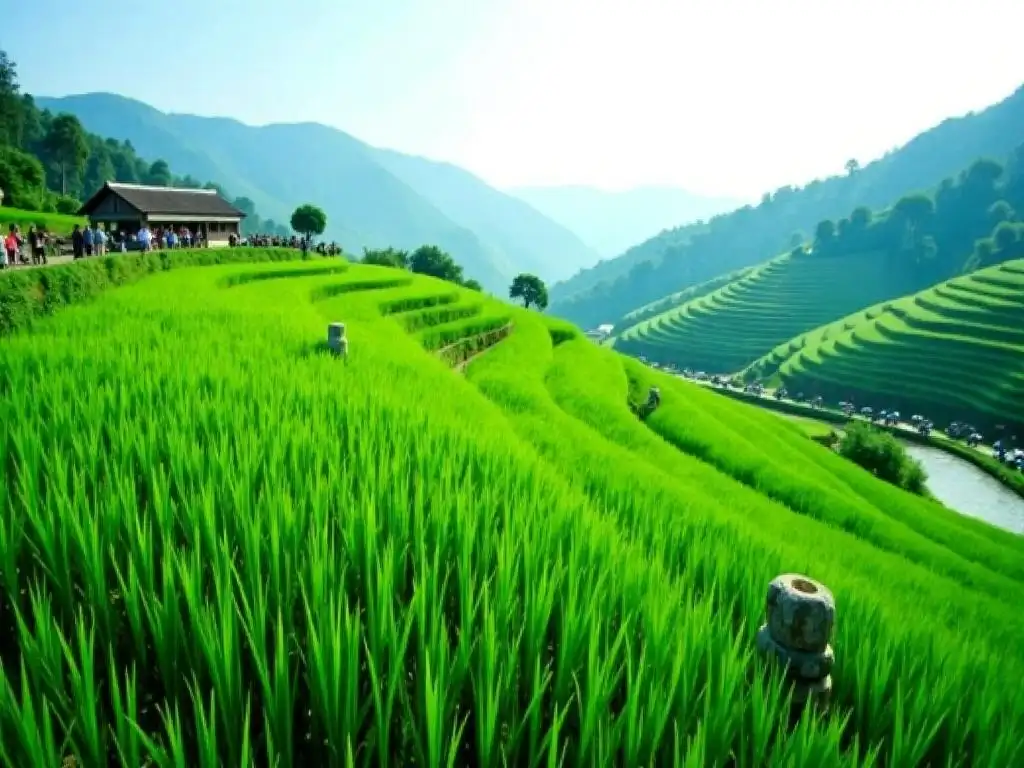
The agricultural practices of Feudal Japan laid the foundation for the country's enduring relationship with farming, food production, and culinary traditions. These practices were characterized by a strong connection to the land, community involvement, and an intricate understanding of natural cycles. The legacy left by these agricultural systems can still be observed in modern Japan, where traditional methods are often integrated with contemporary technology to create a unique blend of the old and the new.
Lasting Influences on Modern Japanese Agriculture
Feudal Japan's agricultural practices have significantly influenced modern Japanese agriculture. Key elements from this era, such as crop rotation, intercropping, and the use of organic fertilizers, continue to be relevant today. For instance:
- Rice Cultivation: The importance of rice as a staple food has persisted since feudal times. Modern techniques still honor the traditional methods of paddy farming, which emphasize water management and soil preservation.
- Sustainable Practices: The feudal era's reliance on sustainable practices, such as using animal manure and green manures, has inspired contemporary organic farming movements. Farmers today often seek to minimize chemical inputs, echoing the natural farming techniques of the past.
- Community-Based Agriculture: The communal approach to farming, where villagers worked together to cultivate the land, has influenced modern agricultural cooperatives in Japan. These cooperatives support local farmers and promote the consumption of seasonal, locally-sourced produce.
The legacy of Feudal Japan's agricultural practices can also be seen in various food festivals and traditions that celebrate seasonal harvests, underscoring the cultural significance of agriculture in Japanese society.
Reflection on the Importance of Agricultural Heritage in Japan
Understanding the agricultural heritage of Feudal Japan is crucial for appreciating the broader cultural and societal context of the country. The practices developed during this era reflect a deep respect for nature and the environment, which remains a fundamental aspect of Japanese culture today.
- Culinary Traditions: Many traditional Japanese dishes are rooted in feudal agricultural practices. Seasonal ingredients, such as those harvested during specific times of the year, play a pivotal role in Japanese cuisine, emphasizing freshness and harmony with nature.
- Cultural Identity: Agriculture has shaped Japan's cultural identity, influencing everything from festivals to art. The reverence for rice, in particular, symbolizes prosperity and fertility, and is celebrated in various rituals throughout the year.
- Education and Awareness: There is a growing movement in Japan to educate younger generations about the importance of agricultural heritage. Schools and community programs often focus on traditional farming methods, fostering a connection between youth and the land.
The agricultural practices of Feudal Japan not only played a vital role in shaping the society of that era but continue to influence modern practices and cultural identities. Recognizing and preserving this agricultural heritage is essential for ensuring that future generations understand the importance of their connection to the land.
References for Further Reading on Feudal Japan Agricultural Practices
Books and Academic Journals
For those seeking a deeper understanding of Feudal Japan agricultural practices, a variety of books and academic journals provide extensive insights into the agricultural techniques, societal structures, and cultural implications of farming during this era. Here are some noteworthy titles:
- "The Agriculture of Japan" by Masayuki Yamamoto
- This book offers a comprehensive overview of Japan's agricultural history, including the evolution of farming techniques from the feudal period to modern times. Yamamoto emphasizes the connection between agriculture and Japanese culture.
- "Feudal Japan: A History" by William Wayne Farris
- Farris's work explores the broader historical context of feudal Japan, with dedicated sections on agricultural practices that detail the roles of different classes in farming and land management.
- "Japanese Society: Tradition, Self, and the Social Order" by Takie Sugiyama Lebra
- This academic text delves into the social structure of feudal Japan, highlighting the importance of agriculture in shaping societal roles and interactions among the samurai, farmers, and merchants.
- "Agrarian Change in Japan" - Journal of Asian Studies
- This peer-reviewed journal article examines the shifts in farming practices during the feudal era, analyzing how changes in technology and policy affected agricultural productivity and rural life.
- "Rice Farming in Japan: The Historical Perspective" - Asian Economic Policy Review
- This journal article provides an in-depth look at the significance of rice cultivation in feudal Japan, discussing its economic impact and cultural importance in Japanese society.
Online Resources and Documentaries
In addition to books and academic journals, several online resources and documentaries can enhance your knowledge of Feudal Japan agricultural practices. These resources often include visual aids and expert interviews, making them engaging and informative:
- National Geographic - "The Heart of Japan: Rice and Culture"
- This online article explores the relationship between rice cultivation and Japanese culture, providing a narrative on how agricultural practices have shaped the country's identity.
- YouTube - "Feudal Japan's Agricultural Techniques"
- This documentary series presents visual reconstructions of farming methods used in feudal Japan, showcasing traditional tools and techniques still relevant in modern practices.
- The Japan Times - "Understanding Japan's Agricultural Heritage"
- This comprehensive online resource features articles discussing the history of agriculture in Japan, including interviews with historians and modern-day farmers who practice traditional methods.
- "The Art of Japanese Rice Farming" - Documentary on NHK World
- This documentary highlights the ancient techniques of rice farming, emphasizing the cultural rituals associated with the agricultural calendar and the importance of communal farming practices.
- Internet Archive - "Historical Maps of Japan"
- A valuable resource for visualizing the geographical context of feudal agricultural practices, this collection includes maps that illustrate land use, rice fields, and regional agricultural differences during the feudal era.
By exploring these references, readers can gain a well-rounded understanding of the agricultural practices that defined Feudal Japan, enriching their knowledge of this fascinating period in history.
Frequently Asked Questions
What were the main crops cultivated during Feudal Japan?
The primary crops included rice, barley, and millet, which were essential for sustenance and trade. Rice was especially significant, serving as a staple food and a form of currency.
Agriculture was the backbone of the economy, leading to a hierarchical society where landowners (daimyōs) controlled resources. This created a class system with farmers at the base, supporting the samurai and nobility.
What techniques were used in Feudal Japan's agriculture?
Farmers employed terracing, irrigation, and crop rotation techniques to maximize yields. These innovative methods allowed them to adapt to Japan's diverse landscapes and climates.
How did seasonal changes affect agricultural activities?
Seasons dictated planting and harvesting times, with spring for sowing and autumn for harvest. Farmers had to be attuned to these seasonal rhythms to ensure a successful crop yield.
What role did rice play in Feudal Japan's economy?
Rice was not just a food source; it was a symbol of wealth and power. It was used as a tax and a medium of exchange, making it central to the economic structure of Feudal Japan.
Final Reflection: The Enduring Legacy of Feudal Japan's Agricultural Practices
The agricultural practices of Feudal Japan remain profoundly relevant today, as they remind us of the intricate relationship between land, culture, and sustainability. In an era where modern farming techniques often overshadow traditional methods, we must recognize that the wisdom of the past can guide us toward a more sustainable future. The practices that flourished in Feudal Japan not only shaped the landscape but also fostered a deep respect for nature that is increasingly vital in our contemporary world.
The influence of Feudal Japan's agricultural practices extends far beyond its historical context; it continues to resonate in our cultural and social landscapes. The meticulous attention to crop rotation, soil health, and community involvement in farming reflects a holistic approach that many modern agricultural movements aspire to emulate. As we face pressing environmental challenges, we can draw inspiration from the past. To forget the past is to lose the future.
This quote encapsulates the importance of remembering and learning from the agricultural traditions that have shaped societies throughout history.
As we reflect on the lessons gleaned from Feudal Japan's agricultural practices, I invite you to consider how these insights can be applied to your own life. What steps can you take to honor the land and its resources? Whether through supporting local farmers, practicing sustainable gardening, or simply being more mindful of the food you consume, each action contributes to a greater understanding of our connection to the earth. Let us carry forward the legacy of Feudal Japan, embracing the wisdom of our ancestors as we cultivate a more sustainable and harmonious future.
Embrace Sustainable Practices: Act Now!
Thank you for exploring the fascinating world of feudal Japan's agricultural practices! We hope you gained valuable insights into the harmony between farming and culture during this incredible era. Now, it's time to take those lessons to heart and discover how you can make a positive impact today.
Here are a few steps you can take:
- Adopt a Sustainable Mindset: Begin by researching and implementing eco-friendly gardening methods in your own space or community. Explore unique techniques inspired by feudal Japan, such as crop rotation and companion planting to enhance biodiversity.
- Engage with Local Farmers: Visit farmers’ markets or join community-supported agriculture programs to support local farming initiatives. This is a great opportunity to learn about contemporary agricultural practices that prioritize environmental stewardship.
- Share Your Knowledge: Consider writing a blog post or creating a social media thread discussing what you've learned about traditional agricultural practices and their relevance today. Inspire others to appreciate and adopt sustainable practices!
How might the principles of feudal Japanese agriculture enrich your own sustainable lifestyle? Share your thoughts below!