
The Blossoming Trade Routes of Feudal Japan: Connecting Cultures and Economies

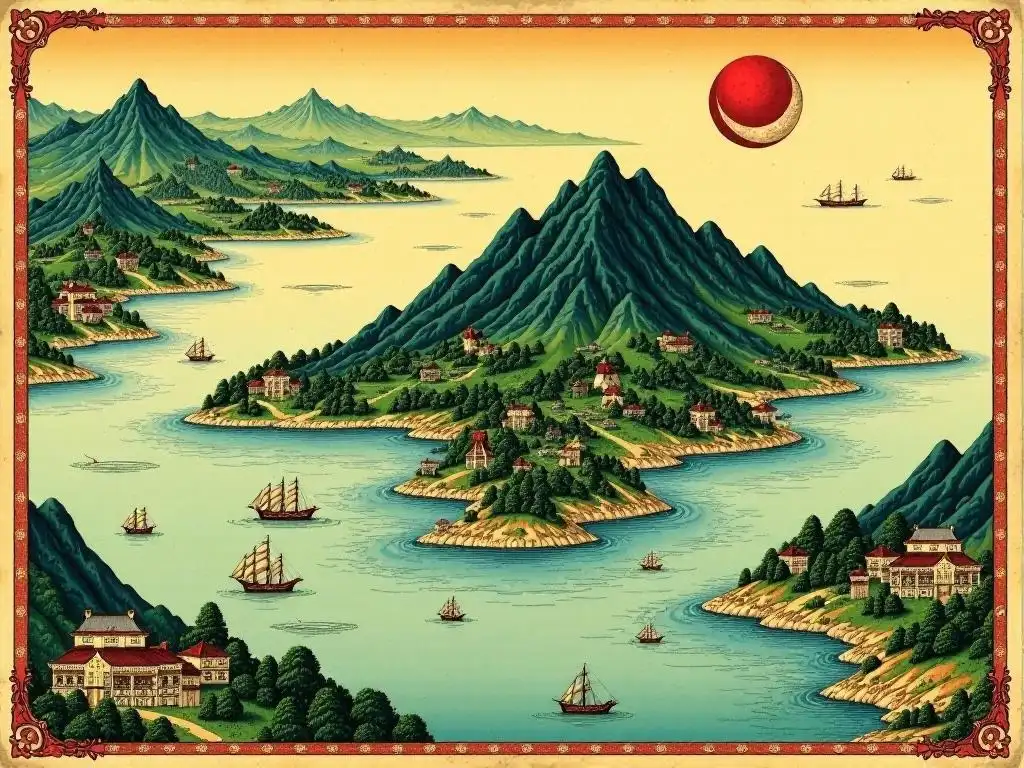
Welcome to Feudal Japan History, where we invite you to embark on a captivating journey through the intricate tapestry of Japan’s feudal era. Our in-depth exploration delves into the rich history of trade routes that not only connected diverse cultures but also fueled the economy during this fascinating period. Have you ever wondered how the bustling exchanges of goods shaped the unique societal landscape of feudal Japan? Join us as we uncover the secrets behind these blossoming trade routes and their profound impact on the nation’s development. Your adventure into the heart of economic history begins here!
Introduction to Feudal Japan Trade Routes History
The trade routes of feudal Japan played a pivotal role in shaping the country's economic landscape, facilitating not only commerce but also cultural exchanges that enriched Japanese society. Spanning from the late Heian period through the Edo period, these routes were instrumental in connecting various regions, enabling the flow of goods, ideas, and traditions.
As Japan transitioned from a primarily agrarian society to one that embraced commerce, understanding the history of these trade routes unveils the intricate web of interactions that defined feudal Japan. This article provides a comprehensive exploration of the feudal era's trade routes, focusing on their historical significance, the economic dynamics they fostered, and their lasting impact on Japanese culture.
Overview of Feudal Japan's Economic Landscape
During the feudal era, Japan's economy was primarily based on agriculture, but it gradually evolved to incorporate a more vibrant trade network. The economic landscape was characterized by:
- Agricultural Production: Rice was the staple crop, serving as both a food source and a form of currency for trade.
- Craftsmanship and Industry: The rise of artisans produced goods such as textiles, pottery, and metalwork, which became important trade items.
- Marketplaces and Towns: The establishment of castles and towns led to the development of local markets, where goods could be exchanged, laying the groundwork for more extensive trade networks.
This economic transformation was vital for the development of trade routes that would later establish connections between regions and cultures.
Importance of Trade Routes in Cultural Exchange
Trade routes in feudal Japan were not merely conduits for goods; they were also channels for cultural exchange. The significance of these routes can be understood through:
- Cultural Diffusion: The movement of merchants and travelers along these routes facilitated the exchange of ideas, art, and religion, leading to a rich tapestry of cultural development.
- Introduction of Foreign Influence: Contact with neighboring countries, such as China and Korea, introduced new philosophies, technologies, and culinary practices, which were integrated into Japanese society.
- Social Interactions: The mingling of diverse populations along trade routes fostered social bonds and alliances, contributing to a more interconnected feudal society.
These aspects underscore the profound impact trade routes had on the cultural fabric of feudal Japan.
The Development of Trade Routes in Feudal Japan
Historical Context of Trade in Feudal Japan
The evolution of trade routes in feudal Japan cannot be understood without considering the historical context. Key developments included:
- Political Stability: The establishment of the Kamakura shogunate in the late 12th century brought relative stability, allowing trade to flourish.
- Emergence of the Merchant Class: As trade expanded, a merchant class began to emerge, leading to the growth of urban centers and marketplaces.
- Government Policies: The shogunate implemented policies that encouraged trade and commerce, including the regulation of prices and the standardization of currency.
These factors collectively contributed to the establishment of a robust network of trade routes.
Key Trade Routes Established During the Feudal Era
Several key trade routes emerged during the feudal era, each playing a significant role in the economic interactions of the time:
- The Tōkaidō Route: Connecting Kyoto and Edo (modern-day Tokyo), this route was vital for the movement of goods and people, facilitating the exchange between the imperial capital and the shogunate.
- The Nakasendō Route: Running parallel to the Tōkaidō, this inland route connected various feudal domains, allowing for the transport of goods while avoiding coastal dangers.
- The Kitamaebune Shipping Route: This maritime route was crucial for trade between the Osaka region and northern Japan, enabling the movement of larger quantities of goods.
These routes were instrumental in integrating the diverse regions of Japan into a cohesive economic network.
Geographic Features Influencing Trade Routes
The geography of Japan played a crucial role in shaping its trade routes. Key geographic features included:
- Mountain Ranges: The Japanese archipelago is characterized by rugged mountains, which influenced the development of inland routes like the Nakasendō.
- Coastlines: The extensive coastline provided opportunities for maritime trade, particularly for shipping routes such as the Kitamaebune.
- Natural Harbors: Favorable natural harbors facilitated the growth of port cities, enhancing maritime commerce.
Understanding these geographic influences is essential to comprehending how trade routes were established and optimized throughout feudal Japan.
Major Trade Goods and Commodities
During the feudal era in Japan, trade routes flourished, facilitating the exchange of a diverse array of goods that were pivotal to both local and international economies. The trade goods varied widely depending on the region, but several major categories emerged as significant contributors to Japan’s economic landscape. Understanding these commodities provides insight into the social and cultural exchanges that occurred during this vibrant period in Japanese history.
Agricultural Products and Their Role in Trade
Agriculture was the backbone of Japan’s economy during the feudal period, and staple crops such as rice, barley, and wheat played a crucial role in trade. Rice, in particular, was not just a food source but a form of currency and a measure of wealth. Regions that produced surplus rice engaged in trade with those that had less fertile lands, establishing economic interdependence among various provinces.
In addition to staple grains, other agricultural products like soybeans, tea, and various fruits were traded extensively. The exchange of these goods promoted dietary diversity and enabled farmers to specialize in certain crops, thus increasing efficiency and productivity. The establishment of markets and fairs further facilitated the trade of agricultural products, making them central to Japan's economic interactions during this era.
Handcrafted Goods: Textiles, Pottery, and More
Feudal Japan was renowned for its exquisite handcrafted goods, which became highly sought after both domestically and internationally. Textiles, particularly silk and cotton fabrics, were produced in various regions, each known for distinct patterns and dyeing techniques. The city of Nishijin was famous for its luxurious silk textiles, which were often traded for other goods or exported to neighboring countries.
Pottery also played a significant role in trade, with different regions developing unique styles. Imari porcelain, for instance, became a symbol of Japanese craftsmanship and was highly prized in foreign markets, especially in Europe. These handcrafted goods not only represented the skills and artistry of Japanese artisans but also helped to enhance Japan's reputation as a center of culture and commerce.
The Influence of Silk and Spices on Trade Dynamics
Silk and spices were among the most influential commodities in shaping trade dynamics during feudal Japan. The demand for silk, particularly from China, drove trade routes to expand and evolve. Japan's own silk production began to flourish, with local sericulture becoming an essential part of the economy. The intricacy of silk garments and the status they conferred made them a key trade item.
Spices, too, played a vital role in trade, especially during the period when European powers sought to establish trade routes to Asia. The allure of spices such as pepper, cinnamon, and cloves not only impacted trade policies but also led to significant cultural exchanges. Japanese merchants engaged with foreign traders, leading to the introduction of new culinary practices and tastes that enriched the Japanese palate and influenced local cuisine.
Cultural Exchange Along Trade Routes
The trade routes of feudal Japan were not merely conduits for goods; they were pathways for cultural exchange that shaped the identity of the nation. As merchants traveled, they carried with them not only commodities but also ideas, beliefs, and practices that influenced Japanese society.
Interaction Between Different Regions of Japan
The interaction between different regions of Japan along trade routes fostered a complex network of relationships that transcended local boundaries. Coastal towns such as Hakata and Nagasaki became bustling trade hubs, facilitating exchanges between the islands and the mainland. This interaction led to the blending of regional cultures, languages, and traditions, enriching the social fabric of Japan.
Moreover, as trade flourished, so did the movement of people, including artisans and traders, who shared their skills and knowledge. This exchange enabled the dissemination of innovations in craft and technology, ultimately leading to the advancement of Japanese society during the feudal era.
The Influence of Foreign Cultures on Japanese Trade
The influence of foreign cultures on Japanese trade was profound, particularly during the late feudal period when contact with European and Asian traders increased. The introduction of new goods, such as firearms, textiles, and glassware, transformed local markets and consumption patterns.
Moreover, foreign ideas and customs began to permeate Japanese society. The arrival of Portuguese traders in the 16th century, for example, brought new religious beliefs, particularly Christianity, which led to a complex relationship between trade and cultural exchange. As foreign influences mingled with indigenous traditions, Japan saw the emergence of a unique cultural identity that incorporated both local and foreign elements.
The Role of Trade in Spreading Buddhism and Other Religions
Trade routes played a significant role in the dissemination of Buddhism and other religions throughout Japan. The movement of monks and pilgrims along these routes facilitated the spread of Buddhist teachings and practices, impacting the spiritual landscape of the country.
The introduction of various sects of Buddhism, such as Zen and Pure Land, was often linked to trade interactions with China and Korea. These religions not only influenced Japanese philosophy and art but also became intertwined with the social structures that supported commerce. Temples and shrines often served as safe havens for traders and merchants, further solidifying the relationship between trade and religion during this transformative period in Japan's history.
Economic Impact of Trade Routes in Feudal Japan
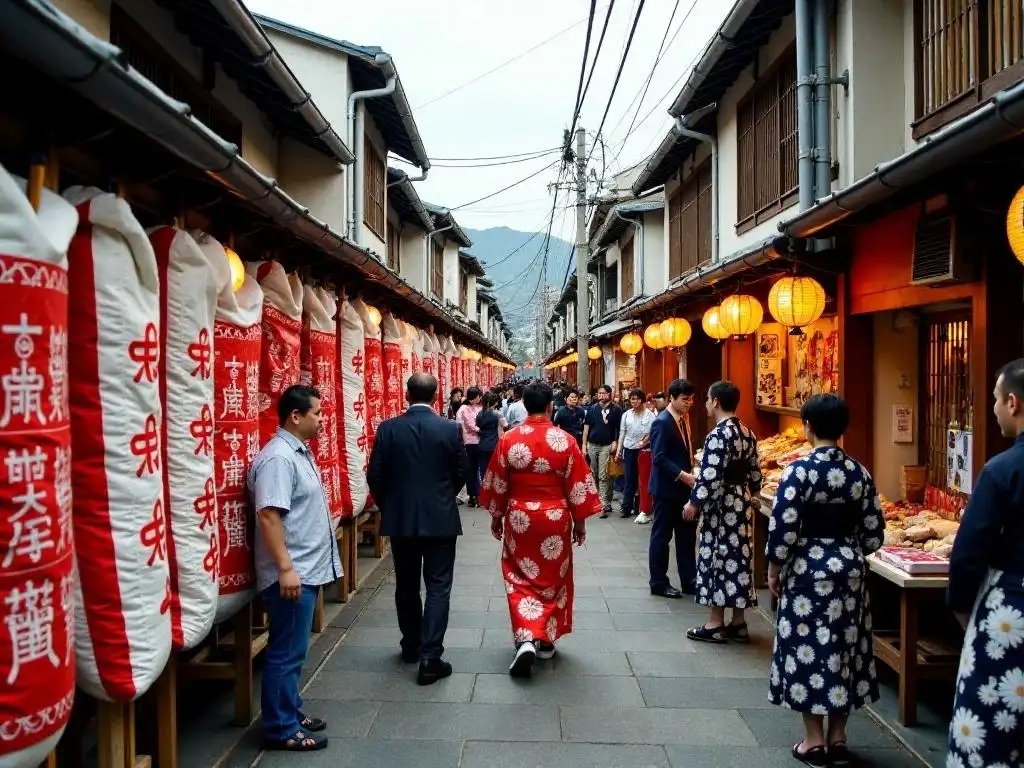
The trade routes of Feudal Japan played a pivotal role in shaping the economic landscape of the period. Connecting various regions, these routes facilitated the exchange of goods, ideas, and cultural practices. The emergence of a network of trade routes contributed to the growth of local economies and enhanced national prosperity, ultimately impacting the social structure and political dynamics of the era.
Contributions to Local and National Economies
Trade routes in Feudal Japan were essential for the distribution of goods such as rice, textiles, ceramics, and metals. Local economies thrived as communities specialized in producing specific goods that were in demand elsewhere. For instance, the production of silk in the west and rice in the east led to the establishment of regional markets.
- Market Expansion: As goods moved along trade routes, markets expanded beyond local villages, enabling the growth of towns and cities. This expansion contributed to a more interconnected economy, allowing resources to be allocated more efficiently.
- Tax Revenue: The increase in trade activities also meant higher tax revenues for local and national authorities. Taxes levied on merchants and traders provided the funds necessary for feudal lords to maintain their armies and manage their lands effectively.
The Rise of Merchant Classes and Their Influence
The flourishing trade routes gave rise to a new social class: the merchants. As trade became more lucrative, merchants gained significant wealth, which in turn altered their status within the feudal hierarchy.
- Influence on Politics: Wealthy merchants often sought to influence local politics to protect their interests. They began forming guilds and associations that not only safeguarded their economic interests but also provided them with a voice in local governance.
- Cultural Exchange: The rise of the merchant class facilitated cultural exchanges. Merchants acted as intermediaries, introducing foreign goods and ideas, which enriched Japanese culture and sparked innovations in art, technology, and cuisine.
Trade Routes and Urban Development in Feudal Japan
The establishment of trade routes directly influenced urban development in Feudal Japan. Cities began to emerge along these routes, becoming bustling centers of commerce and culture.
- Growth of Castle Towns: Many castle towns (jokamachi) were strategically located along trade routes, providing protection for merchants and facilitating trade. These towns became vital economic hubs, fostering urbanization.
- Infrastructure Development: To support trade, infrastructure such as roads, bridges, and ports were developed. This not only improved transportation efficiency but also contributed to the overall economic growth of the regions involved.
Challenges and Conflicts in Feudal Japan Trade Routes
Despite the prosperity brought by trade routes, various challenges and conflicts emerged that threatened their stability and effectiveness.
Natural Disasters and Their Impact on Trade
Japan is prone to natural disasters such as earthquakes, typhoons, and floods. These events posed significant threats to trade.
- Disruption of Supply Chains: Natural disasters could devastate agricultural production, leading to food shortages and increased prices. Trade routes would often become impassable, disrupting the flow of goods and causing economic instability.
- Reconstruction Costs: The financial burden of rebuilding after a disaster could strain local economies, diverting resources from trade and commerce to recovery efforts.
Political Turmoil and Its Effects on Trade Routes
The feudal period was marked by political instability, including wars and power struggles between feudal lords (daimyos). This turmoil had a direct impact on trade routes.
- Increased Risk for Merchants: Political conflicts often made trade routes dangerous. Merchants faced the threat of banditry, extortion, and the seizure of goods during conflicts, leading to a decline in trade.
- Shifting Alliances: The changing allegiances among daimyos could lead to the disruption of established trade routes, as new leaders sought to control the flow of goods and resources within their territories.
Competition Between Local Warlords and Their Trade Interests
The competition between local warlords significantly influenced trade routes and commerce.
- Control Over Trade Routes: Warlords often sought to dominate trade routes within their territories, leading to conflicts over control. This competition could result in the imposition of tariffs, restrictions, or even outright violence against rival merchants.
- Strategic Alliances: In some cases, warlords would form alliances to protect their trade interests, leading to the establishment of cooperative trade practices that allowed for the more stable exchange of goods. However, these alliances were often temporary and subject to the ever-shifting landscape of feudal politics.
The Legacy of Feudal Japan Trade Routes
The trade routes established during Feudal Japan played a vital role in shaping not only the economy but also the cultural landscape of the nation. These routes were not merely channels for the exchange of goods; they were conduits of ideas, technologies, and customs that transcended local boundaries. The legacy of these trade routes is evident in various aspects of Japanese life that continue to resonate today.
The significant trade activities during the Kamakura (1185-1333) and Muromachi (1336-1573) periods led to the establishment of trade networks with neighboring countries such as China and Korea, as well as with European traders in the later part of the Sengoku period (1467-1603). These interactions facilitated the introduction of new commodities like silk, spices, and ceramics, which were highly sought after by the Japanese elite. The blending of cultural practices and artistic influences from these exchanges contributed to the rich tapestry of Japanese culture that we recognize today.
Long-term Effects on Japan's Economic History
The long-term effects of Feudal Japan's trade routes are profound and multifaceted. Economically, trade routes laid the groundwork for Japan's eventual shift from a predominantly agrarian society to a more commercially driven one. The rise of merchant classes, particularly during the Edo period (1603-1868), can be traced back to the prosperous trade established during the feudal era.
Moreover, these routes fostered regional specialization, where different areas began to produce specific goods, enhancing efficiency and innovation. For example, the Kansai region became known for textiles, while the Kanto region was recognized for rice production. This specialization not only boosted local economies but also created interdependencies that would shape the future economic landscape of Japan.
The Evolution of Trade Practices Post-Feudal Era
Following the collapse of the feudal system, Japan underwent significant transformations in its trade practices. The Meiji Restoration in 1868 marked a pivotal moment, as Japan sought to modernize and industrialize rapidly. The trade routes established during the feudal period laid the foundational framework for these developments, enabling Japan to engage with global markets effectively.
The evolution of trade practices also saw the transition from traditional barter systems to more sophisticated monetary transactions. The government implemented policies to encourage exports, leading to the establishment of industries that capitalized on both domestic and international markets. This period also witnessed the introduction of Western business practices, which further revolutionized trade in Japan.
How Feudal Trade Routes Shaped Modern Japanese Trade
Feudal trade routes have had a lasting impact on modern Japanese trade by fostering a culture of exchange and connectivity that persists to this day. The infrastructural developments initiated during the feudal era, such as roads and ports, became integral to the country's transportation network. These routes not only facilitated trade but also encouraged the movement of people and ideas, contributing to Japan's rapid post-war economic growth.
Additionally, the historical ties established through trade continue to influence Japan's contemporary relationships with countries in Asia and beyond. The principles of mutual benefit and respect that characterized feudal trade practices can still be seen in Japan's current approach to international trade, where partnerships are often built on long-standing historical connections.
Conclusion: The Importance of Understanding Feudal Japan Trade Routes History
Understanding the history of Feudal Japan's trade routes is essential to grasp the complexities of Japan's economic and cultural development. These routes were instrumental in shaping the nation's identity, influencing everything from economic practices to cultural exchanges.
Summary of Key Points
- Feudal Japan's trade routes were crucial for economic development and cultural exchange.
- The legacy of these routes laid the groundwork for regional specialization and the rise of merchant classes.
- Post-feudal trade practices evolved significantly, introducing modern business methods and global engagement.
- Historical trade routes continue to shape Japan's contemporary trade relationships and economic policies.
Final Thoughts on Cultural and Economic Connectivity in Feudal Japan
The exploration of Feudal Japan's trade routes reveals the intricate web of cultural and economic connectivity that defined the era. These routes were more than mere pathways for goods; they were vital links that fostered a shared identity among diverse communities. Recognizing the significance of these historical trade routes allows us to appreciate the complexities of Japan's past and its ongoing influence on present-day society. The lessons learned from this era underscore the importance of connectivity and collaboration in shaping a nation's future.
- Introduction to Feudal Japan Trade Routes History
- The Development of Trade Routes in Feudal Japan
- Major Trade Goods and Commodities
- Cultural Exchange Along Trade Routes
- Economic Impact of Trade Routes in Feudal Japan
- Challenges and Conflicts in Feudal Japan Trade Routes
- The Legacy of Feudal Japan Trade Routes
- Conclusion: The Importance of Understanding Feudal Japan Trade Routes History
- What were the main trade routes in Feudal Japan?
- How did trade routes influence cultural exchange in Feudal Japan?
- What role did merchant classes play in Feudal Japan's trade routes?
- How did geography affect the development of trade routes in Feudal Japan?
- What were the economic impacts of trade routes on Feudal Japan?
Frequently Asked Questions
What were the main trade routes in Feudal Japan?
The primary trade routes in Feudal Japan included land paths and maritime routes, connecting local markets to international trade networks, enhancing the exchange of goods and culture.
How did trade routes influence cultural exchange in Feudal Japan?
The trade routes facilitated the movement of people and ideas, allowing for a rich cultural exchange that led to the introduction of new technologies, art forms, and philosophies.
What role did merchant classes play in Feudal Japan's trade routes?
The merchant classes emerged as vital players in the trade routes, helping to drive the economy, promote commerce, and connect regional producers with broader markets.
How did geography affect the development of trade routes in Feudal Japan?
Japan's geography, characterized by its islands and mountainous terrain, influenced the establishment of both land and sea routes, shaping the regional economies and trade practices.
What were the economic impacts of trade routes on Feudal Japan?
The trade routes boosted the economy by increasing the availability of goods, enhancing market access, and stimulating local industries, ultimately contributing to the flourishing of Feudal Japan.
Final Reflection: The Enduring Legacy of Feudal Japan's Trade Routes
The intricate trade routes of Feudal Japan not only shaped the economy of the time but also laid the groundwork for cultural exchanges that resonate even today. In an era marked by isolation, these routes served as vital arteries connecting diverse regions, fostering not just commerce but also the sharing of ideas, art, and traditions. The significance of these trade networks is a testament to the power of connection, illustrating how trade can transcend borders and create a tapestry of shared human experience.
The influence of these trade routes is still palpable in our modern world, where globalization continues to weave together disparate cultures. The legacy of Feudal Japan's trade is evident in the way we appreciate and adopt elements from various cultures, enriching our lives in the process. As noted by historian John W. Hall, The exchange of goods is but a reflection of the exchange of ideas, and in this, we find the true essence of civilization.
This observation underscores the importance of understanding our past to better navigate our interconnected present.
As we reflect on the lessons from Feudal Japan's trade routes, let us consider how we can apply these insights in our own lives. How can we foster connections that celebrate diversity and promote understanding in our communities? I invite you to explore the ways in which you can engage with different cultures, whether through travel, culinary experiences, or simply by opening a dialogue with someone from a different background. Embrace the spirit of trade and exchange, and contribute to a world where connections flourish and cultures blossom together.
Unveil the Legacy of Feudal Trade!
Thank you for taking the time to explore the fascinating world of Feudal Japan and its vibrant trade routes! You've uncovered how these connections shaped cultures and economies, enriching the lives of countless individuals. Now, it’s time to put that knowledge into action!
Here are a few ways you can deepen your understanding and share this incredible history:
- Dive deeper! Explore more resources and literature about trade routes to uncover lesser-known stories from Feudal Japan.
- Join the conversation! Share this article with friends and engage in discussions about its impact on modern culture and economy.
- Visit a museum or local exhibition featuring artifacts or illustrations from Feudal Japan to immerse yourself in this rich history.
As you reflect on these trade routes, consider this: How can the principles of connection and exchange from Feudal Japan inspire your own community and relationships today?